ProTac HL 6 tactical light now available from Streamlight

New tactical light launched by Streamlight

Streamlight Inc. has launched the ProTac HL 6, the latest and brightest member of its ProTac series of tactical lights.

The new light delivers up to 5,300 lumens and features a beam reach of 566 metres.

It comes with a charge cord and two Streamlight SL-B48 Li-Ion rechargeable battery packs with an integrated USB-C charge port.

Streamlight Chief Revenue Officer Michael F. Dineen said: “The ProTac HL 6 is like a handheld flood light, allowing users to see all around them while also providing a powerful beam reach to put more light on a target at a distance.”

He added that the light is ideal for first responders, outdoor enthusiasts, and industrial technicians.

Features of the ProTac HL 6

The ProTac HL 6 uses the latest power LED technology, offering extreme brightness.

It has a multi-function, easy-access head switch that enables one-handed operation of the light’s momentary, variable intensity, or strobe modes.

On the high setting, it delivers 5,300 lumens and 80,000 candela over 566 metres.

The medium setting offers 1,500 lumens and 23,000 candela over 303 metres, while the low setting provides 450 lumens and 6,700 candela over 164 metres.

Run time varies from 12 hours and 30 minutes on low to two hours on high, with four hours in strobe mode.

The light also features TEN-TAP programming, which allows users to select from three programs: high/strobe/low (factory default), high only, or low/medium/high.

The ProTac HL 6 is powered by two 5000mAh SL-B48 protected Li-Ion USB-C rechargeable battery packs, which can be recharged up to 500 times.

Construction and durability

The ProTac HL 6 is made from 6000 series machined aircraft aluminium with an anodised finish.

It features an anti-roll face cap, a textured rubber sleeve, and a lanyard to ensure a secure grip.

The light also includes a gasket-sealed glass lens with an anti-reflective coating.

Measuring 26.6 cm in length and weighing 590g with two SL-B48 rechargeable batteries, the ProTac HL 6 is rated IPX7, making it waterproof to one metre for 30 minutes.

It is also impact resistance-tested to one metre.

Available in black, the light comes in two models: the ProTac HL 6 with a 120V USB adapter or without an adapter.

Types of Firefighting Foam Classes & Applications

When it comes to battling fires, especially those fueled by flammable liquids, firefighting foam emerges as a crucial tool. 

Understanding the nuances of different foam classes and their specific applications is essential for effective fire suppression.

Firefighting foam is not a one-size-fits-all solution. Different types of foam are designed to combat different types of fires. 

In this article, we’ll explore the various classes of firefighting foam, how they work, their advantages, disadvantages, and alternative options. 

Understanding these aspects will equip you with the knowledge necessary to choose the right firefighting foam for any given situation, ensuring efficient and effective fire suppression.

What is Firefighting Foam?

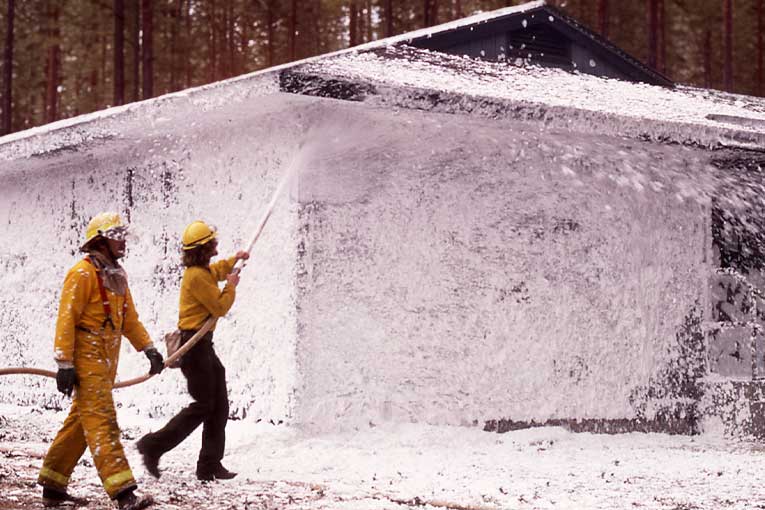
what is firefighting foam

Firefighting foam is a specialised firefighting agent used for fire suppression, particularly those involving flammable liquids. 

It is a stable mass of small bubbles with a lower density than oil, gasoline, or water.

The foam is designed to cool the flames and prevent oxygen from reaching the fuel, thus extinguishing the fire. 

Firefighting foam is effective because it not only smothers the fire but also seals the fuel vapours, preventing re-ignition.

Firefighting foam comes in different classes, each formulated for specific types of fires. 

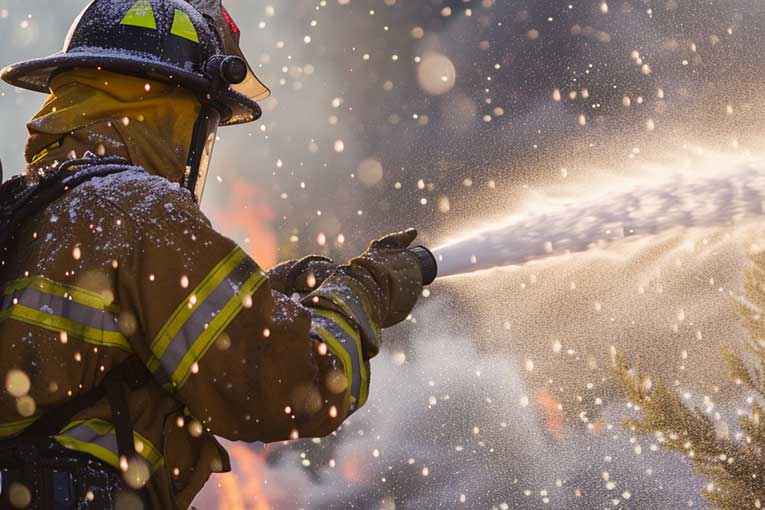
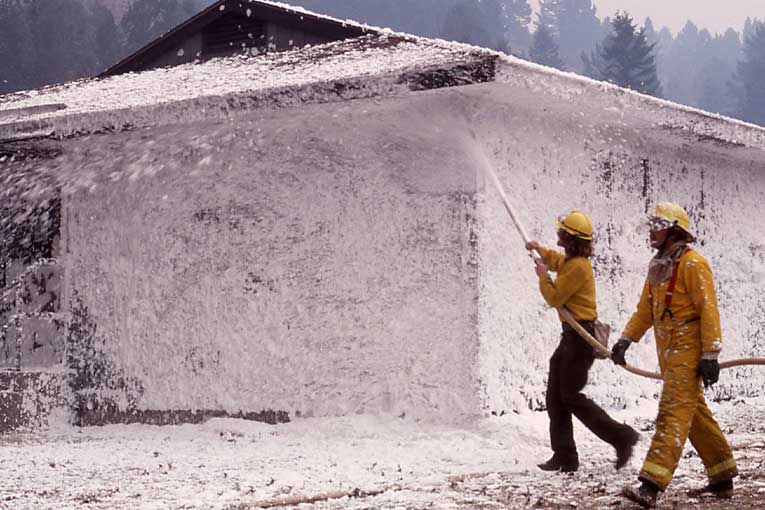
Firefighting foam is typically applied using specialised equipment such as foam generators, foam cannons, and foam nozzles. 

It is an essential tool for firefighters and is widely used in industrial, commercial, and military firefighting operations.

Classes of Firefighting Foam

firefighting foam classes

Class A

What is Class A Firefighting Foam Used For?

Class A firefighting foam is specifically formulated to combat Class A fires, which involve solid materials such as wood, paper, and textiles.

It is commonly used in structural firefighting, wildland firefighting, and in situations where water alone may not be effective in extinguishing the fire.

What is Class A Firefighting Foam Made of?

Class A firefighting foam is typically made from a mixture of surfactants, wetting agents, and stabilisers, which reduce the surface tension of water and allow it to penetrate deep into porous materials.

The foam is mixed with water to create a solution that can be applied using firefighting equipment such as foam nozzles and foam cannons.

Examples of Class A Firefighting Foam

Protein-based Foam 

Made from natural proteins such as animal or vegetable proteins. 

Protein-based foams are highly effective for penetrating deep-seated fires and are commonly used in structural firefighting.

Synthetic-based Foam

Made from synthetic materials such as synthetic surfactants and stabilisers. 

Synthetic-based foams are designed to produce a thick, stable foam blanket that can quickly extinguish fires and prevent re-ignition.

Film-forming foam (FFFP)

A combination of Class A and Class B foam, FFFP foam forms a thin film on the surface of the fuel, preventing oxygen from reaching the fire and extinguishing it more quickly.

Class B

What is Class B Firefighting Foam Used For?

Class B firefighting foam is specifically formulated to combat Class B fires, which involve flammable liquids such as gasoline, oil, and alcohol.

It is commonly used in industrial, commercial, and military firefighting operations, as well as in situations where water alone may not be effective in extinguishing the fire.

What is Class B Firefighting Foam Made of?

Like Class A firefighting foam, Class B firefighting foam is typically made from a mixture of surfactants, wetting agents, and stabilisers and allows it to form a blanket over the fuel, preventing oxygen from reaching the fire.

The foam is mixed with water to create a solution that can be applied using firefighting equipment such as foam nozzles and foam cannons.

Examples of Class B Firefighting Foam

Aqueous film-forming foam (AFFF) 

AFFF foam forms a thin film on the surface of the fuel, preventing oxygen from reaching the fire and extinguishing it more quickly. 

It is one of the most common types of Class B firefighting foam and is widely used in industrial and commercial firefighting operations.

Alcohol-resistant aqueous film-forming foam (AR-AFFF)

AR-AFFF foam is specifically designed to combat fires involving alcohol-based fuels such as ethanol and methanol. 

It forms a thick, stable foam blanket that can quickly extinguish the fire and prevent re-ignition.

Fluoroprotein foam

Fluoroprotein foam is a protein-based foam that contains fluorinated surfactants, which make it more effective for extinguishing fires involving hydrocarbon fuels. 

It is commonly used in aviation firefighting and in situations where Class B fires are likely to occur.

What is Firefighting Foam Expansion?

firefighting foam expansion
Source: Wikpedia

Firefighting foam expansion refers to the increase in volume of foam solution when it is discharged from a nozzle.

How Does Foam Expansion Work?

When foam is discharged from a nozzle, it expands to create a foam blanket that covers the surface of the fuel.

The expansion process is caused by the introduction of air into the foam solution as it is discharged from the nozzle.

Why is Foam Expansion Important?

Foam expansion is an important factor in firefighting because it determines the amount of foam solution required to effectively suppress the fire.

Proper expansion ensures that the foam blanket is thick enough to smother the fire and prevent re-ignition, while minimising the amount of water and foam concentrate used.

Factors Affecting Foam Expansion

Expansion ratios vary depending on factors such as the type of foam, the equipment used, and the application method.

Expansion ratios can range from 2:1 to 20:1 or higher.

Firefighters must be trained to calculate expansion ratios and adjust foam application rates accordingly to ensure effective fire suppression.

What are the Advantages to Using Firefighting Foam?

firefighting foam advantages

Firefighting foam is a highly effective tool for suppressing fires, especially those involving flammable liquids. 

Here are some key advantages of using firefighting foam:

Rapid Fire Suppression

Firefighting foam can quickly extinguish fires by forming a thick blanket over the fuel, smothering the flames and preventing re-ignition. 

This rapid suppression helps to minimise damage and reduce the risk of injury or loss of life.

Versatility

Firefighting foam can be used to combat a wide range of fires. 

This versatility makes it a valuable tool for firefighters in various situations, from structural fires to industrial incidents.

Reduced Water Usage

Foam has a lower density than water, which means that less water is required to create an effective firefighting solution. 

This reduced water usage helps to minimise water damage and runoff, making foam a more environmentally friendly option compared to water alone.

Increased Visibility

Foam has a higher visibility than water, which allows firefighters to see where the foam has been applied and ensure that the fire is completely extinguished. 

This increased visibility makes foam a more effective firefighting agent, especially in low-light conditions.

Long Lasting

Firefighting foam can create a long-lasting barrier over the fuel, preventing re-ignition and reducing the need for continuous application. 

This long-lasting effectiveness helps to ensure that the fire remains extinguished and does not reignite.

Cooling Effect

Foam has a cooling effect on the fire, reducing the temperature of the fuel and helping to prevent re-ignition. 

This cooling effect helps to minimise damage to surrounding structures and equipment, making foam an effective tool for protecting property and assets.

What are the Disadvantages to Using Firefighting Foam?

firefighting foam disadvantages

While firefighting foam is an effective tool for suppressing fires, it also has some disadvantages that need to be considered:

Environmental Impact

Some types of firefighting foam contain chemicals that can be harmful to the environment and aquatic life. 

When foam is discharged into waterways, it can contaminate the water and harm marine ecosystems.

However, there has been a large shift in recent years into the use of fluorine free foam, minimising the risk to the environment.

Health Concerns

Firefighting foam can contain toxic chemicals that can pose health risks to firefighters and other individuals exposed to the foam. 

Prolonged exposure to foam can lead to respiratory problems, skin irritation, and other health issues.

Cleanup and Disposal

Firefighting foam can be difficult and expensive to clean up and dispose of properly. 

Foam residue left behind after a fire can contaminate soil and water sources, requiring extensive cleanup efforts.

Cost

Firefighting foam can be more expensive than other firefighting agents such as water or dry chemical agents. 

The cost of purchasing and maintaining foam equipment, as well as the cost of foam concentrate, can add up over time.

Training and Equipment

Using firefighting foam requires specialised training and equipment. 

Firefighters must be trained in the proper use of foam equipment and techniques to ensure effective fire suppression. 

Additionally, foam equipment such as foam generators and foam nozzles can be expensive to purchase and maintain.

What are the Alternatives to Using Firefighting Foam?

firefighting foam alternatives

While firefighting foam is a highly effective tool for suppressing fires, there are some alternatives that may be more suitable in certain situations:

Water

Water is the most common and widely used firefighting agent. 

It is effective for extinguishing Class A fires involving solid materials such as wood, paper, and textiles. 

Water can also be used in combination with foam for Class B fires involving flammable liquids.

Dry Chemical Agents

Dry chemical agents such as ABC powder and Purple-K powder are effective for extinguishing Class A, B, and C fires. 

They work by interrupting the chemical reaction that sustains the fire, smothering the flames, and preventing re-ignition.

Carbon Dioxide (CO2)

Carbon dioxide is a clean agent that is effective for extinguishing Class B and C fires. 

It works by displacing oxygen, smothering the flames, and preventing re-ignition. 

Carbon dioxide is non-conductive and leaves no residue, making it suitable for use in areas with electrical equipment.

Foam-Water Sprinkler Systems 

Foam-water sprinkler systems combine water with foam concentrate to create a foam blanket that covers the fuel, preventing oxygen from reaching the fire. 

These systems are effective for extinguishing Class A and B fires and are commonly used in industrial and commercial settings.

Fire Blankets

Fire blankets are made of fire-resistant materials and are used to smother small fires or wrap around a person whose clothing is on fire. 

They are effective for extinguishing Class A and B fires and are commonly used in kitchens, laboratories, and welding areas.

Conclusion

Firefighting foam is a versatile tool that plays a crucial role in fire suppression. 

Understanding the different classes of foam and their applications is essential for effective firefighting.

While foam offers numerous advantages, it’s important to weigh these benefits against potential concerns. 

Choosing the right firefighting agent depends on various factors such as the type of fire, the environment, and the availability of resources.

Ultimately, whether firefighting foam is the best choice will depend on the specific circumstances of each fire incident. 

By carefully considering the advantages and disadvantages of foam, firefighters can make informed decisions that prioritise both effective fire suppression and environmental safety.

5 Fire Extinguisher Types Explained

Fire extinguishers are essential safety devices designed to help control or extinguish small fires. 

However, not all fires are the same, which is why there are different types of fire extinguishers available. 

There are 5 fire extinguisher types for different types of fires. 

In this article, we’ll explore the five main types of fire extinguishers and explain when each should be used.

Why Are There Different Types of Fire Extinguishers? 

fire extinguisher different types

Different types of fires require different approaches to extinguish them safely and effectively.

Type of Fire

Fires are classified into different classes of fires based on the type of fuel involved. 

Class A fires involve solid materials like wood and paper, Class B fires involve flammable liquids, Class C fires involve electrical equipment, Class D fires involve flammable metals, and Class F fires involve cooking oils and fats.

Different Methods of Extinguishing Fires

Each type of fire extinguisher is designed to combat a specific type of fire using different methods. 

For example, water extinguishers cool the fire, foam extinguishers create a barrier between the fuel and the oxygen, and CO2 extinguishers displace oxygen, smothering the fire.

Safety and Effectiveness

Using the wrong type of fire extinguisher can actually make a fire worse or put you at risk. 

Therefore, it’s crucial to understand the different types of fire extinguishers and when to use them.

5 Fire Extinguisher Types Explained

Water

water fire extinguisher types
Source: Amazon

How Does a Water Fire Extinguisher Work?

Water fire extinguishers are the most common type and are used to extinguish Class A fires, which involve solid materials like wood, paper, and textiles.

They work by cooling the fire, reducing the temperature below its ignition point

When water is applied to the fire, it absorbs heat from the fire, lowering the temperature and extinguishing the flames.

When to Use a Water Fire Extinguisher

Water fire extinguishers are suitable for fires involving solid materials such as wood, paper, and textiles.

They are effective for extinguishing fires in offices, schools, warehouses, and other environments where Class A fires are most likely to occur.

When Not to Use a Water Fire Extinguisher

Water fire extinguishers should not be used on fires involving flammable liquids, electrical equipment, or cooking oils and fats.

Using a water extinguisher on these types of fires can actually make the fire worse and increase the risk of electric shock or spreading the fire.

Where Are Water Fire Extinguishers Normally Found?

Water fire extinguishers are commonly found in offices, schools, warehouses, and other commercial and industrial environments.

They are usually mounted on walls in easily accessible locations and are identified by their red label colour..

CO2

co2 fire extinguisher types
Source: Amazon

How Does a CO2 Fire Extinguisher Work?

CO2 (Carbon Dioxide) fire extinguishers are used for Class B and Class C fires, which involve flammable liquids and electrical fires.

They work by displacing oxygen, smothering the fire and preventing it from spreading.

When CO2 is discharged from the extinguisher, it turns into a gas, depriving the fire of the oxygen it needs to continue burning.

When to Use a CO2 Fire Extinguisher

CO2 fire extinguishers are suitable for fires involving flammable liquids such as petrol, oil, and paint, as well as electrical fires.

They are commonly used in areas where there is a risk of electrical fires, such as offices, server rooms, and workshops.

When Not to Use a CO2 Fire Extinguisher

CO2 fire extinguishers should not be used on fires involving Class A materials such as wood, paper, and textiles.

They are also not effective for fires involving cooking oils and fats.

Additionally, CO2 extinguishers should not be used in confined spaces, as the gas can displace oxygen and cause suffocation.

Where Are CO2 Fire Extinguishers Normally Found?

CO2 fire extinguishers are commonly found in offices, server rooms, workshops, and other environments where there is a risk of electrical fires.

They are usually mounted on walls in easily accessible locations and are identified by their black label colour..

Foam

foam fire extinguisher types
Source: Amazon

How Does a Foam Fire Extinguisher Work?

Foam fire extinguishers are versatile and can be used for Class A and Class B fires.

They work by creating a blanket of foam that seals the fire’s surface, preventing re-ignition.

The foam also cools the fire, reducing the temperature and smothering the flames.

When to Use a Foam Fire Extinguisher

Foam fire extinguishers are suitable for fires involving solid materials such as wood, paper, and textiles (Class A fires), as well as flammable liquids such as petrol, oil, and paint (Class B fires).

They are commonly used in offices, workshops, garages, and other environments where there is a risk of both Class A and Class B fires.

When Not to Use a Foam Fire Extinguisher

Foam fire extinguishers should not be used on fires involving electrical equipment (Class C fires) or cooking oils and fats (Class F fires).

Using a foam extinguisher on these types of fires can actually make the fire worse and increase the risk of electric shock or spreading the fire.

Where Are Foam Fire Extinguishers Normally Found?

Foam fire extinguishers are commonly found in offices, workshops, garages, and other commercial and industrial environments.

They are usually mounted on walls in easily accessible locations and are identified by their cream label colour..

Dry Powder

dry powder fire extinguisher types
Source: Amazon

How Does a Dry Powder Fire Extinguisher Work?

Dry powder fire extinguishers are suitable for Class A, B, and C fires, as well as fires involving flammable gases and metals.

They work by forming a barrier between the fuel and the oxygen, smothering the fire and interrupting the chemical reaction.

Dry powder extinguishers contain a fine powder composed of sodium bicarbonate or potassium bicarbonate, which chemically inhibits the combustion process.

When to Use a Dry Powder Fire Extinguisher

Dry powder fire extinguishers are versatile and can be used for a wide range of fires, including fires involving solid materials (Class A), flammable liquids (Class B), and electrical equipment (Class C).

They are also effective for fires involving flammable gases such as propane and butane, as well as fires involving flammable metals such as magnesium and titanium.

When Not to Use a Dry Powder Fire Extinguisher

Dry powder fire extinguishers should not be used on fires involving cooking oils and fats, such as grease fires (Class F fires).

Using a dry powder extinguisher on these types of fires can actually make the fire worse and increase the risk of spreading the fire.

Where Are Dry Powder Fire Extinguishers Normally Found?

Dry powder fire extinguishers are commonly found in industrial environments, laboratories, workshops, and garages.

They are usually mounted on walls in easily accessible locations and are identified by their blue label colour.

Wet Chemical 

wet chemical fire extinguisher types
Source: Amazon

How Does a Wet Chemical Fire Extinguisher Work?

Wet chemical fire extinguishers are designed for Class F fires, which involve cooking oils and fats.

They work by cooling the fire and creating a barrier between the fuel and the oxygen.

Wet chemical extinguishers contain a special solution that reacts with the cooking oil or fat, forming a thick, soapy layer on the surface of the fire. 

This layer cools the fire and prevents it from re-igniting.

When to Use a Wet Chemical Fire Extinguisher

Wet chemical fire extinguishers are specifically designed for fires involving cooking oils and fats, such as deep fat fryers and commercial kitchens.

They are highly effective for extinguishing these types of fires and preventing them from spreading.

When Not to Use a Wet Chemical Fire Extinguisher

Wet chemical fire extinguishers should not be used on fires involving solid materials (Class A fires), flammable liquids (Class B fires), electrical equipment (Class C fires), or flammable metals (Class D fires).

Where Are Wet Chemical Fire Extinguishers Normally Found?

Wet chemical fire extinguishers are commonly found in commercial kitchens, restaurants, cafes, and other environments where there is a risk of fires involving cooking oils and fats.

They are usually mounted on walls in easily accessible locations and are identified by their yellow label colour.

Conclusion

That was a detailed breakdown of the 5 fire extinguisher types.

Each type of fire extinguisher is designed for specific types of fires, so it’s important to choose the right one for your needs.

By understanding the different types of fire extinguishers and their uses, you can be better prepared to respond effectively in the event of a fire emergency.

Remember to regularly inspect and maintain your fire extinguishers to ensure they are in good working condition and ready for use in case of an emergency.

In addition to having the right fire extinguishers, it’s also important to have a well-thought-out fire safety plan in place and to regularly train employees on fire safety procedures.

By taking these steps, you can help protect yourself, your employees, and your property from the devastating effects of fire.

New firefighting technology: Rosenbauer releases new RTE FX 750 hollow jet nozzle for high flow rates

Introduction of RTE FX 750 nozzle completes high-end series

Rosenbauer has introduced the RTE FX 750, a new hollow jet nozzle designed for high flow rates, complementing the previously released RTE FX 400/475 and RTE FX 230/235 products.

This completes the high-end RTE FX series, offering nozzles with flow rates ranging from 40 to 750 litres per minute, suitable for various firefighting scenarios.

These nozzles are consistently operable, optimized for long throw distances, and built to withstand extreme conditions due to their robust construction and materials.

Ideal for exterior attacks

The RTE FX 750 is the nozzle for medium to large fires, with a maximum flow rate of 750 litres per minute, approaching the performance of portable monitors.

It achieves the longest throw distances in the RTE FX series, ranging from 39 to 50 metres.

This allows firefighting to be carried out from a safe distance.

The RTE FX 750 is also perfect for preventing fire spread and establishing fire barriers.

A slide valve ensures an excellent spray pattern in any situation.

The adjustable flow rate (360 to 750 litres per minute) allows flexible responses to changing firefighting challenges.

Each Rosenbauer RTE FX nozzle is available in versions compliant with EN 15182 and NFPA 1964 standards.

All-rounder for all types of operations

The RTE FX 400/475 is the all-rounder in the Rosenbauer nozzle range.

It excels in both interior and exterior attacks, with flow rates of 130 to 400 litres per minute (EN) and 115 to 475 litres per minute (NFPA), making every operation manageable.

The innovative Fast-Attack design aligns the control surfaces for flow and spray pattern automatically in the starting position for interior attacks, intuitively understood by the nozzle operator.

The haptic perception of cubic design allows proper handling even in zero-visibility conditions, reducing training requirements and preventing operational errors.

In this Fast-Attack position, the medium spray pattern is preset, offering an ideal balance of throw distance and spray width for interior attacks, optimal for smoke cooling.

Tailored for interior attacks

The RTE FX 230/235 is the optimal tool for interior attacks.

It is lightweight, handy, maintenance-free, and easy to operate.

It can produce an extremely wide spray to protect advancing attack teams from intense heat, while the full jet ensures maximum accuracy over longer distances.

The spray head on all nozzles in the RTE FX family is robustly designed with a fixed gear rim and a built-in spring that can be used to break windows.

A protector also absorbs any energy applied to the ergonomically designed handle, which is optimized for use with gloves.

The clutch valve can be rotated and is available in all common variants.

Only high-quality materials such as anodised aluminium and stainless steel are used in the construction of the RTE FX jet pipes.

The uncompromising technology, with slide valve and innovative Fast-Attack design, ensures safe, efficient, and effective firefighting.

Ordering and availability

The new RTE FX 750 nozzle can be ordered immediately through the Rosenbauer online store, with deliveries starting at the end of June.

All other nozzles from the proven SELECT FLOW series, as well as the high-pressure NEPIRO and special PRO JET nozzles, remain available.

Discover Holmatro’s innovative shoring solution OmniShore

Holmatro’s award-winning OmniShore shoring system

Holmatro has introduced the OmniShore shoring system, designed to address the challenges faced by emergency rescue teams.

As reported by Holmatro, OmniShore has been awarded the gold iF Design Award for its design and functionality.

OmniShore is a compact and versatile solution that enhances safety and efficiency in various emergency scenarios.

The system includes only six different struts that can be configured to provide support for unstable structures, brace trench walls, stabilize vehicles, and build high directionals for rope rescue.

Versatility and safety of OmniShore

The OmniShore system’s design allows it to adapt to a wide range of emergency situations.

It provides robust support for structures, efficient vehicle stabilization, and controlled lifting, among other applications.

This versatility helps rescue teams carry out their tasks with greater efficiency and safety.

Mattijn de Graaf, R&D Director at Holmatro, highlighted the system’s design philosophy: “OmniShore is designed to be intuitive, versatile, and above all, safe.

“Our goal is that no one should be near a moving load, and every connection of struts and accessories is safe to use.”

Exploring OmniShore’s features

Holmatro encourages users to explore the features of OmniShore through various online resources.

These include videos and detailed web pages dedicated to the system’s applications in vehicle shoring, trench shoring, high directionals, and structural shoring.

Additionally, the OmniShore Configurator is an interactive online tool that allows users to tailor the system to their specific rescue needs.

Holmatro’s website offers further information on OmniShore and its applications.

Boosting firefighter efficiency with Ziamatic

Ziamatic’s new double hard sleeve gantry provides a safer and more efficient method for retrieving hard sleeves from fire trucks

Whether due to budget constraints, the nature of volunteer firefighting, or the sheer unpredictability of emergencies, fire departments around the world face a common challenge: limited personnel.

This limitation can stretch resources thin, making every aspect of an emergency response more critical.

One such aspect is the retrieval of essential equipment, such as hard sleeves, from fire trucks.

Hard sleeves, which are used for drafting water from static sources, are typically stored on top of fire trucks.

Retrieving these 10-foot hard sleeves has traditionally required multiple firefighters, a process that can be time-consuming and labour-intensive.

Introducing a solution

Recognising the need for a more efficient method, Ziamatic Corporation developed the Double Hard Sleeve Gantry.

This innovative system allows a single firefighter to retrieve two 10-foot hard sleeves from the top of a fire truck.

By reducing the manpower required for this task, the gantry addresses a critical operational bottleneck.

It is designed fit into standard areas where double hard sleeve stationary mounts are typically located.

This makes the gantry suitable for both retrofitting existing fire trucks and integrating into new truck builds.

For fire departments considering upgrades or new vehicle purchases, the gantry offers a seamless integration option that enhances functionality without requiring extensive modifications.

The gantry’s damper mechanism ensures a smooth and controlled drop-down motion with minimal resistance – crucial for maintaining safety during the retrieval process.

Sudden or jerky movements can lead to equipment damage or personal injury, but the damper mechanism mitigates these risks by providing a steady, controlled descent.

Ease of use and safety features

The operation of the Double Hard Sleeve Gantry is designed with simplicity and safety in mind.

Firefighters can unlock the gantry and slide it out and down to ground level without having to climb onto the truck.

This ground-level access significantly reduces the risk of falls and related injuries.

The process involves undoing a hook and loop strap to access the hard sleeves, which can then be easily removed from the trays.

A key safety feature is the handle and locking assembly, which includes a release mechanism located near the bottom of the handle.

This design ensures that firefighters can operate the gantry while remaining on the ground, further enhancing safety and efficiency.

When the hard sleeves are returned, the handle and locking assembly automatically lock the gantry in place, securing the equipment without additional steps.

Model options

Ziamatic offers two models of the Double Hard Sleeve Gantry to accommodate different fire truck configurations.

The HSG-2-O-10 is designed for the officer’s side of the vehicle, while the HSG-2-D-10 is tailored for the driver’s side.

These model options provide flexibility for fire departments, allowing them to choose the configuration that best fits their truck layouts.

These model options provide flexibility for fire departments, allowing them to choose the configuration that best fits their truck layouts.

Whether the hard sleeves need to be retrieved from the officer’s side or the driver’s side, the gantry offers a suitable solution that integrates seamlessly with existing setups.

A practical and efficient solution

The Double Hard Sleeve Gantry from Ziamatic Corporation offers a practical and efficient solution to aid in the broader issue of limited personnel faced by many fire departments.

By simplifying the retrieval of hard sleeves and reducing it to a one-person operation, the gantry enhances both safety and operational efficiency.

Its thoughtful design, ease of use, and safety features make it a valuable addition to any fire department’s equipment.

With model options to suit different truck configurations and comprehensive support from Ziamatic, the Double Hard Sleeve Gantry is set to become an essential tool for improving firefighting operations.

For more information about the Double Hard Sleeve Gantry, fire departments can contact Ziamatic at 1-800-FIRE or visit their website at Ziamatic.com.

The website provides detailed information about the gantry, including specifications, installation guides, and customer support.

Ziamatic’s team is available to assist with inquiries and provide guidance to ensure that fire departments can fully benefit from this innovative system.

This article was originally published in the June 2024 issue of International Fire & Safety Journal. To read your FREE digital copy, click here.

The rescue revolution: Inside the emergency equipment market

IFSJ looks at the global fire and rescue services emergency equipment market

Emergency equipment for fire and rescue services plays a crucial role in ensuring the safety and efficiency of emergency response teams.

This market encompasses a broad range of products, including personal protective equipment (PPE), firefighting apparatus, rescue tools, and communication systems.

With advancements in technology and increasing awareness of safety standards, the global market for emergency equipment is witnessing steady growth.

This report provides an in-depth analysis of the current market landscape, highlighting key strengths, challenges, recent developments, and regional insights.

Market overview

The global market for emergency equipment used by fire and rescue services was valued at approximately $9 billion in 2023, according to a report by Market Research Future.

This market is expected to grow at a compound annual growth rate (CAGR) of 5.5% over the next five years, as stated by MarketsandMarkets.

The demand for advanced and reliable equipment is driven by the increasing incidence of fires, natural disasters, and the implementation of stringent safety regulations.

Fire departments worldwide are investing heavily in modernising their equipment to enhance operational efficiency and ensure the safety of their personnel.

Strengths

The market for emergency equipment is bolstered by several strengths.

Technological advancements have led to the development of more efficient and durable equipment, such as thermal imaging cameras, advanced breathing apparatus, and high-performance fire trucks, according to GlobalData.

These innovations enhance the effectiveness of fire and rescue operations, enabling quicker response times and better safety outcomes.

Additionally, the rising awareness about firefighter safety has resulted in increased investments in high-quality PPE and training programs, noted by the National Fire Protection Association (NFPA).

Government support and funding also play a pivotal role in equipping fire services with the latest technology and equipment, as reported by the International Fire Chiefs Association.

Challenges

Despite the growth prospects, the market faces several challenges.

High costs associated with advanced emergency equipment can be a significant barrier for smaller fire departments, particularly in developing regions, according to Allied Market Research.

Budget constraints often limit the ability to procure the latest technologies, leading to reliance on outdated equipment.

Additionally, the market is highly competitive, with numerous players vying for contracts, which can result in pricing pressures, as mentioned in a report by Deloitte.

Ensuring the proper maintenance and regular upgrading of equipment is also a persistent challenge, as it requires continuous financial investment and expertise, highlighted by the Fire Equipment Manufacturers’ Association.

Lighting solutions for fire and rescue

Emergency lighting is a critical component of safety systems in fire and rescue services, providing essential illumination during power outages, fires, and other emergencies.

This market segment is witnessing robust growth due to stringent safety regulations and the increasing importance of building safety standards.

According to Grand View Research, the global emergency lighting market was valued at approximately $5.6 billion in 2023 and is projected to grow at a CAGR of 6.2% over the next five years.

Technological advancements have led to the development of more efficient and durable LED emergency lighting solutions, which offer longer lifespans and lower energy consumption compared to traditional lighting.

Additionally, smart emergency lighting systems that integrate with building management systems are becoming more prevalent, enabling better control and monitoring.

Recent developments

Recent developments in the emergency equipment market reflect a trend towards greater innovation and integration of smart technologies.

Companies are increasingly focusing on developing interconnected systems that provide real-time data and analytics to enhance decision-making during emergencies, according to ResearchAndMarkets.

For instance, the integration of Internet of Things (IoT) technology in firefighting equipment allows for the monitoring of environmental conditions and the health status of firefighters, as reported by IoT Analytics.

Additionally, there has been a surge in the adoption of drones for aerial reconnaissance during fire incidents, providing valuable situational awareness, as noted by the Association for Unmanned Vehicle Systems International (AUVSI).

Regional insights

North America holds the largest share of the global emergency equipment market, driven by significant investments in advanced firefighting technologies and a strong focus on firefighter safety, according to Mordor Intelligence.

Europe follows closely, with countries like Germany, the UK, and France leading the way in modernising their fire services, as stated by Eurofire.

In the Asia-Pacific region, rapid urbanisation and industrialisation are driving the demand for emergency equipment, particularly in countries like China and India, according to a report by Future Market Insights.

Meanwhile, the Middle East and Africa are gradually increasing their investment in fire safety infrastructure, with a growing emphasis on improving emergency response capabilities in urban areas.

The global market for emergency equipment for fire and rescue services is on a growth trajectory, fuelled by technological advancements and increased safety awareness.

However, addressing the challenges of high costs and ensuring regular updates and maintenance will be essential for sustaining this growth.

This article was originally published in the June 2024 issue of International Fire & Safety Journal. To read your FREE digital copy, click here.

Aqueous Film Forming Foam – The Complete Facts

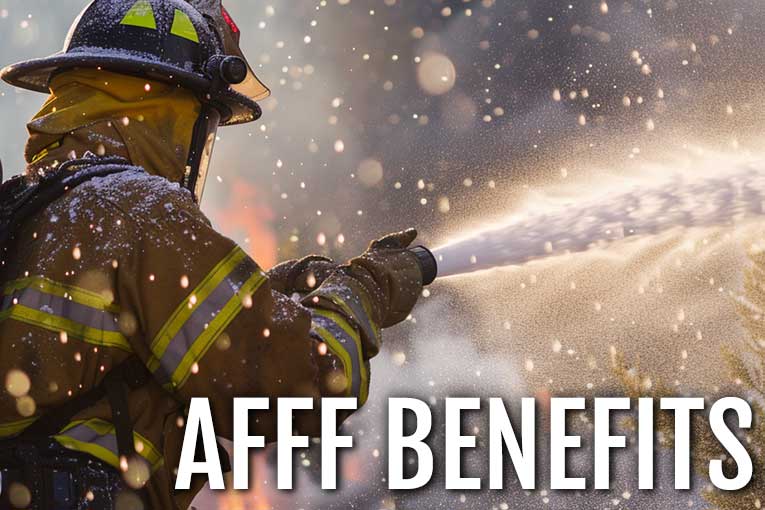
Aqueous Film Forming Foam (AFFF) stands as a frontline defence against flammable liquid fires, renowned for its rapid extinguishing capabilities. 

In this article, we explore the complete facts surrounding AFFF, shedding light on its composition, applications, benefits, and drawbacks. 

Understanding the nuances of AFFF is essential for firefighters, industrial facilities, and anyone concerned with fire safety. 

Join us as we delve into the world of Aqueous Film Forming Foam to uncover its role in modern fire suppression and the alternatives available in the firefighting arsenal.

What is Aqueous Film Forming Foam?

what is aqueous film forming foam

Aqueous Film Forming Foam is a firefighting agent utilised to extinguish fires involving flammable liquids. 

It comprises a mixture of water, fluorosurfactants, and hydrocarbon surfactants. 

The key component of AFFF is its ability to form a thin, heat-resistant film on the surface of flammable liquids, effectively smothering the fire and preventing re-ignition. 

This foam blanket cools the fire, suppressing vapour release and preventing oxygen from reaching the fuel source. 

Aqueous Film Forming Foam is typically stored as a concentrate and mixed with water before use, either through a fixed foam system or portable fire fighting equipment such as fire hoses or foam sprayers.

What is Aqueous Film Forming Foam Used for?

aqueous film forming foam used for

Aqueous Film Forming Foam finds extensive use in fire suppression scenarios involving flammable liquid fires. 

Its effectiveness lies in its ability to rapidly extinguish fires fueled by substances such as oil, gasoline, diesel, and solvents. 

AFFF is commonly deployed in various industries, including petrochemical plants, refineries, chemical manufacturing facilities, airports, military installations, and firefighting operations.

Industrial Use

In industrial settings, such as warehouses, Aqueous Film Forming Foam is often integrated into fixed foam systems, providing continuous fire protection for high-risk areas such as storage tanks, loading racks, and process areas. 

These systems can automatically release AFFF when a fire is detected, quickly smothering the flames and preventing escalation.

Aviation Use

In aviation, Aqueous Film Forming Foam is utilised as a firefighting agent for extinguishing fuel fires that may occur during aircraft accidents or emergencies. 

Aircraft rescue and firefighting (ARFF) vehicles are equipped with AFFF-based foam systems capable of delivering large volumes of foam to suppress fires on runways and aircraft surfaces.

Military Use

Similarly, Aqueous Film Forming Foam plays a crucial role in military firefighting operations, where it is used to combat fires on military vehicles, aircraft, and naval vessels. 

Military-grade AFFF formulations are designed to meet stringent performance standards and withstand harsh operational environments.

Emergency Responder Use

In addition to industrial and military applications, AFFF is also employed by municipal fire departments and emergency responders as a portable fire fighting agent. 

Firefighters use AFFF-based foam solutions to extinguish flammable liquid fires, supplementing water-based firefighting efforts with foam blankets that provide enhanced fire suppression and post-fire security.

What Types of Aqueous Film Forming Foam are There?

aqueous film forming foam types

There are several types of Aqueous Film Forming Foam in use, with the most common two being synthetic-based and protein-based.

Synthetic-based Aqueous Film Forming Foam

Synthetic-based AFFF is the most commonly used type of AFFF and is formulated using synthetic fluorosurfactants and hydrocarbon surfactants. 

This type of AFFF offers excellent fire suppression performance and is compatible with a wide range of flammable liquids.

Protein-based Aqueous Film Forming Foam

Protein-based AFFF is less commonly used than synthetic-based AFFF and is formulated using natural protein-based surfactants derived from animal by-products. 

This type of AFFF has good burn-back resistance and is effective against certain types of flammable liquid fires. 

However, it may be less stable and more prone to degradation over time compared to synthetic-based AFFF.

Which to Choose?

Both types of AFFF are available in various concentrations, typically ranging from 1% to 6%, with higher concentrations providing increased firefighting effectiveness. 

The choice between synthetic-based and protein-based AFFF depends on factors such as firefighting requirements, environmental considerations, and regulatory compliance. 

While synthetic-based AFFF is more commonly used due to its superior performance and stability, protein-based AFFF may be preferred in certain applications or environments where synthetic-based AFFF is not suitable.

What are the Benefits of Aqueous Film Forming Foam?

aqueous film forming foam benefits

Aqueous Film Forming Foam has a wide range of benefits. 

Some of the main ones are:

Rapid Fire Suppression

Aqueous Film Forming Foam offers rapid fire suppression capabilities, quickly smothering flames and preventing the spread of fire. 

The foam blanket formed by AFFF effectively seals off the fuel source, cutting off the oxygen supply and extinguishing the fire.

Burn-back Resistance

AFFF provides excellent burn-back resistance, meaning that once the fire is extinguished, the foam blanket remains in place to prevent re-ignition. 

This helps to ensure that the fire does not reignite after suppression efforts have ceased, providing enhanced post-fire security.

Versatility

Aqueous Film Forming Foam is versatile and adaptable, capable of extinguishing fires involving a wide range of flammable liquids, including oil, gasoline, diesel, and solvents. 

Its effectiveness across different types of fuel fires makes it a valuable tool in various industries and firefighting scenarios.

Stability

AFFF foam blankets are stable and long-lasting, maintaining their integrity even under adverse conditions such as high temperatures or turbulent environments. 

This stability ensures consistent firefighting performance and minimises the risk of foam degradation during storage or deployment.

Environmental Compatibility

Some formulations of Aqueous Film Forming Foam are designed to be environmentally friendly, with reduced toxicity and minimal impact on the environment. 

These eco-friendly AFFF formulations meet stringent environmental regulations and are suitable for use in environmentally sensitive areas.

Cost-effectiveness

AFFF is cost-effective compared to other firefighting agents, offering efficient fire suppression capabilities at a relatively low cost. 

Its affordability makes it accessible to a wide range of industries and organisations, from large-scale industrial facilities to small businesses and municipal fire departments.

What are the Downsides of Aqueous Film Forming Foam?

aqueous film forming foam downsides

White Aqueous Film Forming Foam has numerous advantages to its use, it does come with various negatives that must be addressed. 

Some of the most common downsides are:

Environmental Impact

One of the main downsides of Aqueous Film Forming Foam is its environmental impact. AFFF contains fluorosurfactants, which can persist in the environment and pose potential risks to ecosystems and human health. 

These fluorosurfactants can bioaccumulate in aquatic organisms and have been linked to adverse effects on wildlife and aquatic habitats.

Health Concerns

In addition to environmental concerns, AFFF may also pose health risks to firefighters and other individuals exposed to the foam. 

Some formulations of AFFF contain per- and polyfluoroalkyl substances (PFAS), which have been associated with various health issues, including cancer, reproductive problems, and immune system disorders. 

Prolonged or repeated exposure to AFFF foam may increase the risk of adverse health effects.

Cleanup and Disposal Challenges

Aqueous Film Forming Foam can be challenging to clean up and dispose of properly after firefighting operations. 

The foam can accumulate in waterways, soil, and groundwater, leading to contamination and environmental damage. 

Proper cleanup and disposal procedures are necessary to minimise the environmental impact of AFFF and prevent long-term contamination of soil and water resources.

Regulatory Restrictions

Due to concerns about the environmental and health impacts of AFFF, regulatory agencies have implemented restrictions on its use and disposal. 

Some jurisdictions have banned or restricted the use of AFFF containing certain fluorosurfactants or PFAS compounds. 

These regulations may limit the availability and use of AFFF in certain regions or industries, requiring alternative firefighting agents to be used instead.

What are the Alternatives of Aqueous Film Forming Foam?

aqueous film forming foam alternatives

Due to some of the disadvantages of using Aqueous Film Forming Foam, alternatives can be used:

Dry Chemical Agents

Dry chemical agents, such as monoammonium phosphate (MAP) and sodium bicarbonate, are commonly used alternatives to Aqueous Film Forming Foam for extinguishing flammable liquid fires. 

These agents work by interrupting the chemical reaction of the fire and are particularly effective against Class B fires involving flammable liquids and gases. 

Dry chemical agents are available in portable extinguishers and fixed fire suppression systems, offering rapid and efficient fire suppression capabilities.

Carbon Dioxide (CO2)

Carbon dioxide (CO2) is another alternative firefighting agent used for extinguishing flammable liquid fires. 

CO2 works by displacing oxygen from the fire area, effectively smothering the flames and preventing combustion. 

CO2 is non-conductive and leaves no residue, making it suitable for use in electrical and sensitive equipment environments. 

However, CO2 can be dangerous in confined spaces due to the risk of oxygen depletion, and proper ventilation is necessary when using CO2 for fire suppression.

Environmentally Friendly Foam Formulations

In response to environmental concerns associated with traditional AFFF formulations, manufacturers have developed foam concentrates with environmentally friendly formulations. 

These foam concentrates are free from fluorosurfactants and per- and polyfluoroalkyl substances (PFAS), reducing their environmental impact and potential health risks. 

While these environmentally friendly foam concentrates may have slightly different firefighting properties compared to traditional AFFF, they offer effective fire suppression capabilities while minimising environmental harm.

Water-Based Firefighting Systems

Water-based firefighting systems, such as sprinkler systems and water mist systems, provide an alternative approach to fire suppression without the use of foam agents. 

These systems use water as the primary extinguishing agent, either through sprinkler heads or high-pressure water mist nozzles. 

Water-based firefighting systems are effective at suppressing fires involving flammable liquids and are often used in industrial and commercial settings for fire protection. 

Additionally, water-based systems are environmentally friendly and pose minimal health risks compared to foam agents.

Conclusion

Aqueous Film Forming Foam stands as a powerful tool in firefighting, offering rapid fire suppression capabilities for flammable liquid fires. 

While AFFF provides numerous benefits, including quick extinguishment and excellent burn-back resistance, it also presents downsides such as environmental impact and health concerns. 

Exploring alternatives like dry chemical agents, carbon dioxide, environmentally friendly foam concentrates, and water-based firefighting systems can mitigate these drawbacks. 

As the firefighting industry evolves, balancing the effectiveness of AFFF with environmental and health considerations remains crucial in ensuring comprehensive fire protection strategies for both present and future needs.

Why are Firetrucks Red?

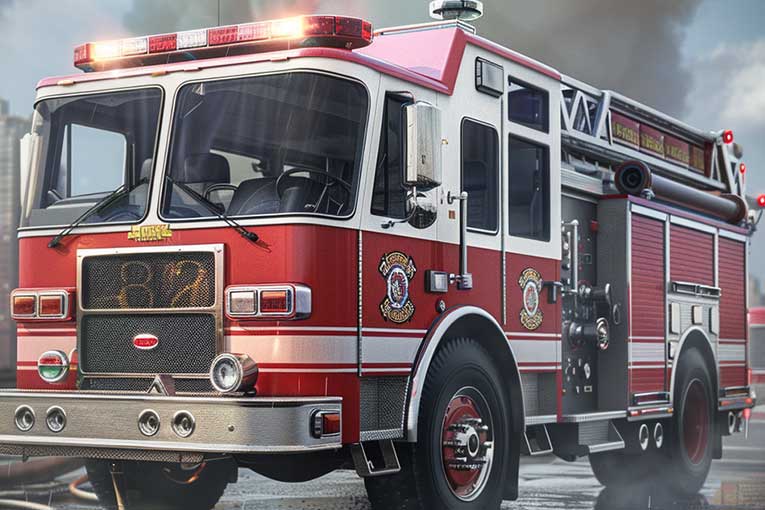
Firetrucks, with their distinctive red hue, stand out as symbols of rapid response to emergencies, commanding attention on roads and streets worldwide. 

But why are firetrucks red?

The vibrant red colour has become synonymous with the urgency and gravity of firefighting efforts. 

While the sight of red firetrucks is deeply ingrained in our collective consciousness, the origins of this colour choice remain shrouded in curiosity and speculation.

In this article, we will delve into the mystery behind the enduring tradition of painting firetrucks red.

Why are Firetrucks Red?

why are firetrucks red image

Firetrucks, with their bold and unmistakable red hue, have become iconic symbols of emergency response. 

The choice of this vibrant colour is deeply rooted in tradition. 

As to why firetrucks are red, the short answer is nobody knows for sure.

However there are numerous theories as to why, with some of the most common being:

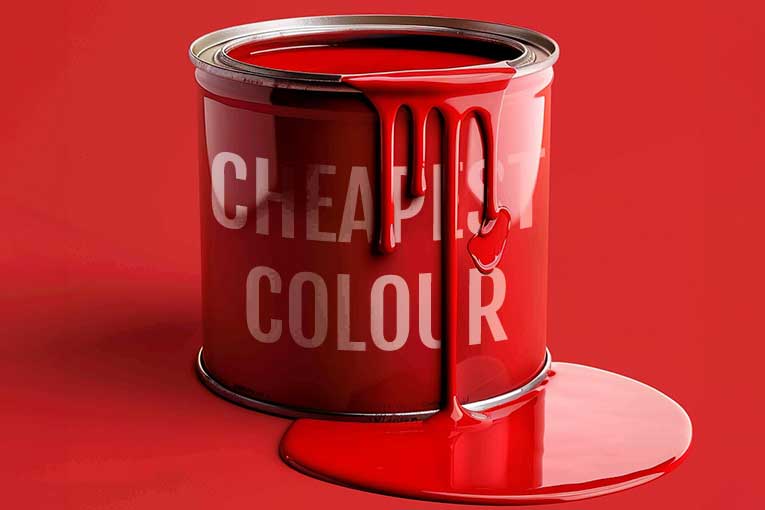
Cheapest Colour of Paint

firetrucks red cheapest paint

One widely circulated theory suggests that red became the colour of choice for firetrucks due to its historical status as the least expensive colour of paint. 

In the early days of fire departments, when budgets were tight and they were mostly volunteers, the cost-effectiveness of red paint made it an economical choice. 

This theory reflects a pragmatic approach, where fire departments aimed for a uniform and easily recognizable colour without straining their limited resources.

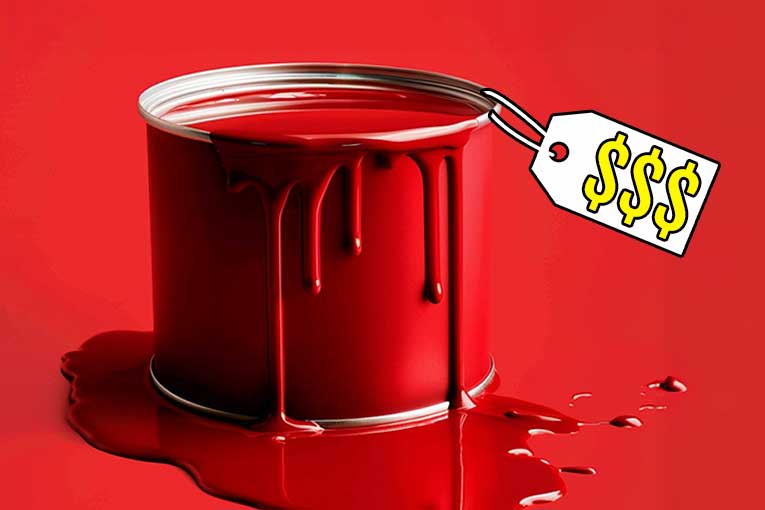
Most Expensive Colour of Paint

firetrucks red most expensive paint

Contrary to the cost-effectiveness theory, another perspective argues that red was intentionally chosen as the most expensive colour of paint. 

In this view, fire departments sought high-quality, durable paint to protect their vehicles from the elements and enhance their visibility. 

While this theory challenges the notion of frugality, it underscores the importance of investing in materials that ensure the longevity and effectiveness of firefighting equipment.

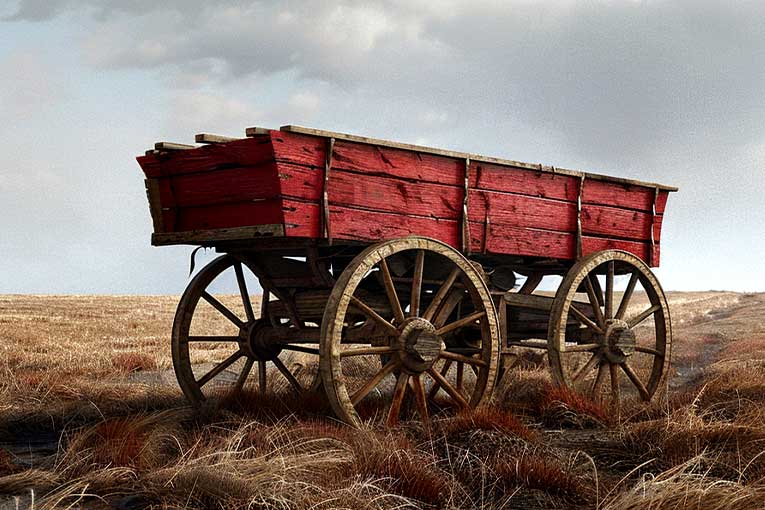
Farmers

firetrucks red farmers carts

An interesting historical twist connects the colour choice of firetrucks to the practices of farmers. 

During the early days of fire departments, when acquiring vehicles for their fleets, departments often obtained used trucks from farmers. 

Farmers, who commonly painted their carts red to hide dirt and grime, unintentionally contributed to a surplus of red-painted carts that fire departments adopted. 

This theory highlights the influence of practicality and resourcefulness in shaping the colour palette of firefighting fleets.

Displaying Urgency

firetrucks red urgency

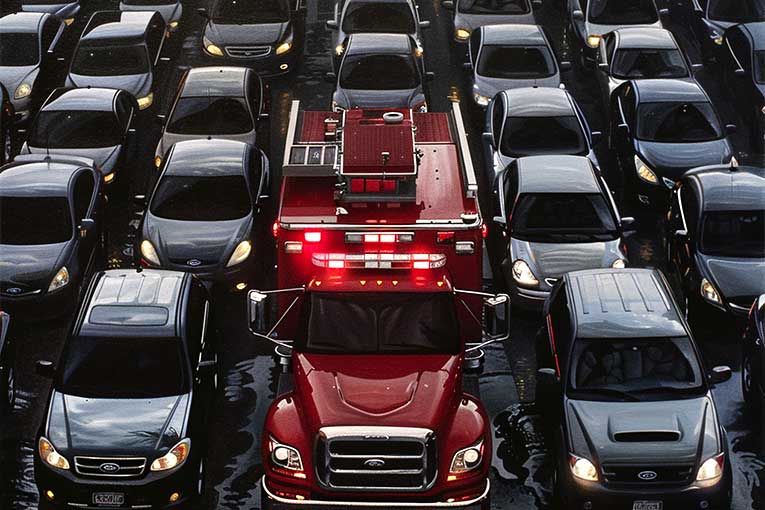
The early 20th century, marked by the dominance of black-coloured Ford cars, introduced another theory regarding the choice of red for firetrucks. 

In an era where many vehicles were black, fire departments opted for red to stand out and convey a sense of urgency. 

The stark contrast between the red firetrucks and the sea of black vehicles on the road facilitated quick identification and emphasised the critical nature of their mission.

An Old Joke

firetrucks red old joke

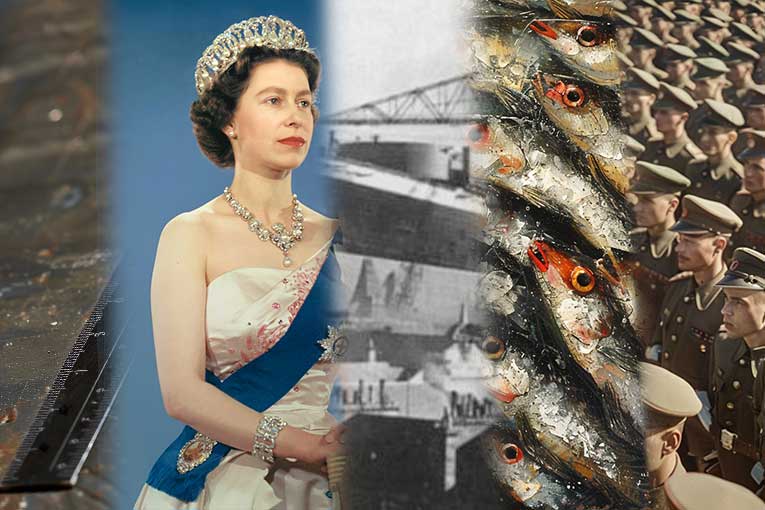
“Because they have 8 wheels and 4 people on them, and 4 plus 8 makes 12, and there are 12 inches in a foot, and 1 foot is a ruler, and Queen Elizabeth was a ruler, and Queen Elizabeth was also a ship, and the ship sailed the seas, and there were fish in the seas, and fish have fins, and the Finns fought the Russians, and the Russians are red, and fire trucks are always ‘Russian’ around, so that’s why fire trucks are red!”

Adding a humorous twist to the discussion is a centuries-old joke that offers a playful explanation for why firetrucks are red. 

According to this whimsical theory, the colour choice is a result of a convoluted chain of associations involving wheels, rulers, ships, fish, and even geopolitical references. 

While clearly a jest, this theory highlights the lighthearted and imaginative interpretations that have woven their way into the lore surrounding firetruck colours.

Can Firetrucks be Other Colours?

While red remains the traditional and widely recognized colour for firetrucks, fire departments around the world have occasionally deviated from this norm, experimenting with different colours for various practical and strategic reasons. 

These alternative colour choices not only break with tradition but also serve specific purposes in enhancing safety, visibility, and aesthetic appeal during emergency responses.

Yellow

yellow firetruck

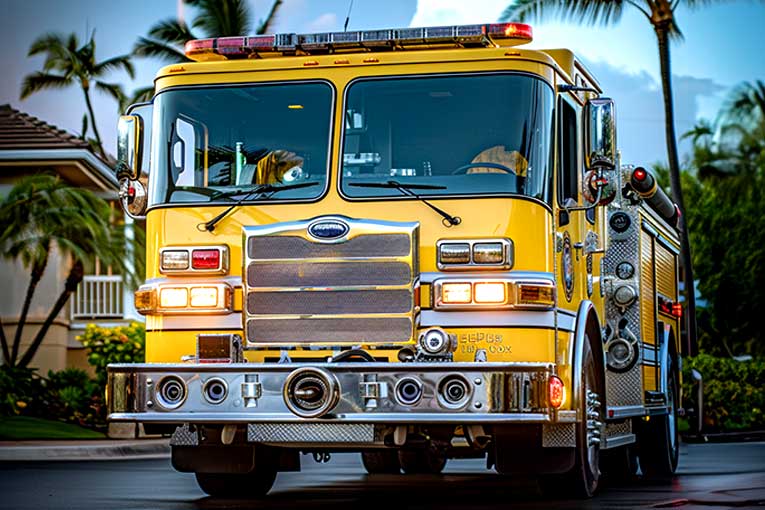
Yellow firetrucks are occasionally employed to address specific challenges posed by rural environments. 

The vibrant and contrasting colour of yellow enhances visibility, making the trucks more noticeable, especially in expansive rural landscapes. 

This increased visibility is crucial for navigating challenging terrains and locating emergency sites efficiently. 

A notable example is the use of yellow firetrucks in Australia, in regions where the topography and vegetation necessitate heightened visibility for effective emergency response.

Lime Green

lime green firetruck

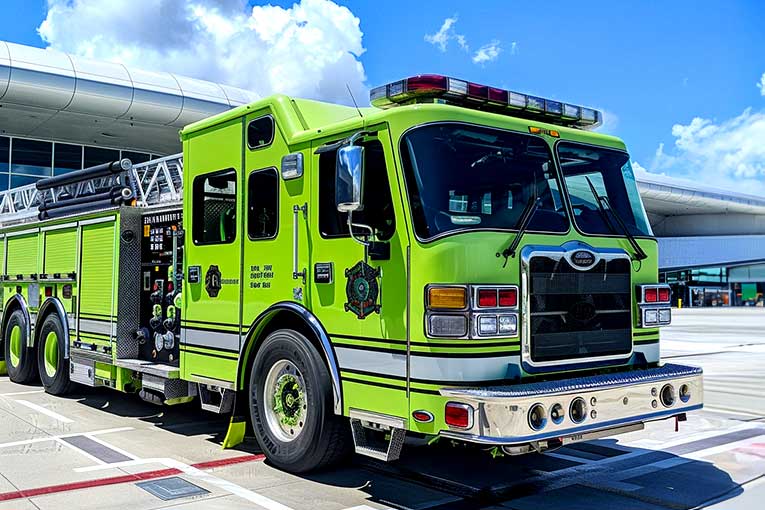
Lime green has emerged as a colour choice motivated by a desire to maximise visibility both during the day and at night. 

This highly visible hue stands out in various lighting conditions, ensuring that firetrucks are easily spotted by motorists and pedestrians alike. 

Fire departments adopting lime green firetrucks prioritise safety and awareness during emergency responses. 

This choice is particularly evident in urban areas where diverse lighting scenarios demand enhanced visibility. 

Several examples showcase fire departments incorporating lime green firetrucks into their fleets to bolster their visibility during critical operations.

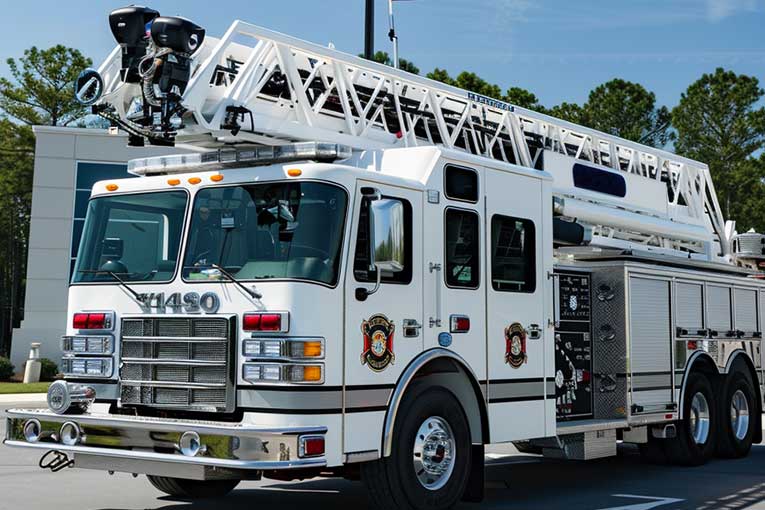
White

white firetruck

White firetrucks represent a departure from the traditional red, chosen by certain fire departments for their clean and modern aesthetic. 

The use of white not only imparts a contemporary look but also serves practical purposes. 

White is a reflective colour, aiding visibility, especially in low-light conditions. 

This choice aligns with the evolving design preferences of fire departments seeking a fresh and modern image while maintaining functionality. 

Examples of fire departments incorporating white firetrucks into their fleets can be found in urban settings where aesthetics and visibility converge as crucial considerations.

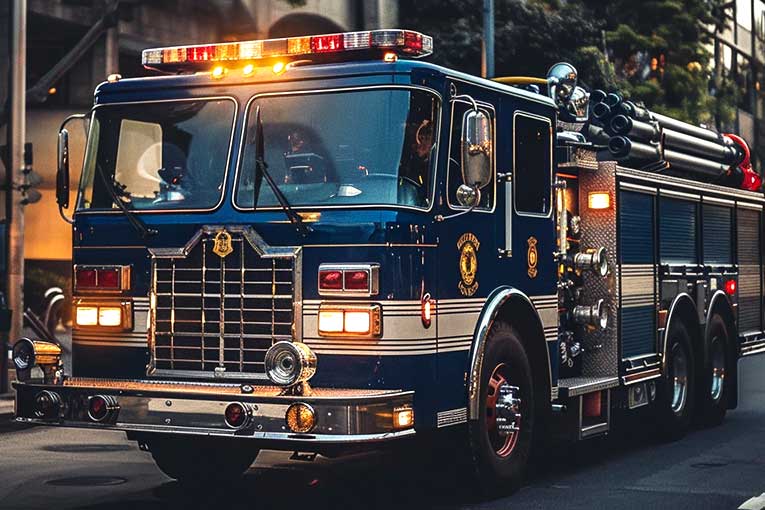
Blue

blue firetruck

While less common, blue firetrucks are occasionally employed for special purposes or to distinguish specific types of emergency vehicles. 

Blue may be reserved for specialised units within a fire department, signifying distinct functions or equipment. 

This colour choice can aid in rapidly identifying the purpose of a particular vehicle during multi-agency responses. 

Real-world instances include fire departments utilising blue firetrucks for hazardous materials response teams or specialised rescue units, where differentiation in colour supports quick and efficient coordination during emergencies.

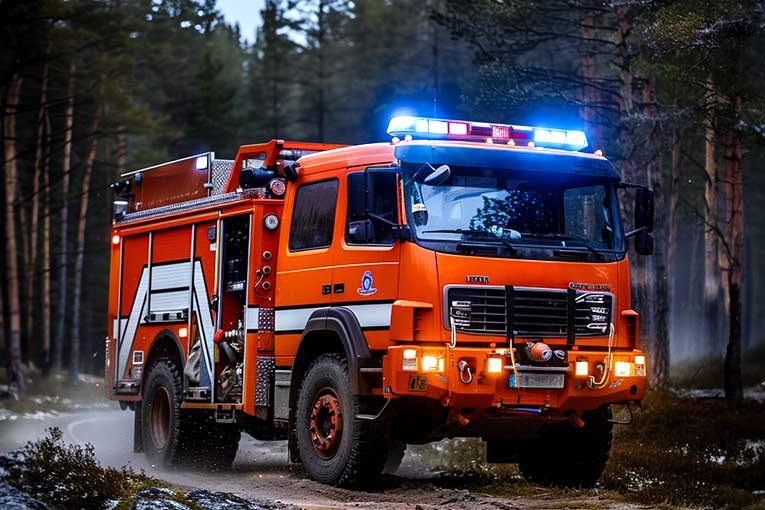
Orange

orange firetruck

In Finland, the use of orange firetrucks adds a distinctive touch to the country’s emergency response vehicles. 

The choice of orange as a colour for firetrucks is not only a departure from the traditional red but also serves specific purposes tailored to the unique challenges of Finland’s environment.

The vibrant orange hue enhances visibility, especially in the country’s varied landscapes, including forests and lakes. 

Finland’s terrain, characterised by vast expanses of nature, demands vehicles that can stand out against diverse backgrounds. 

Orange firetrucks address this need by providing increased visibility during emergency responses, ensuring that they can be easily spotted in both urban and rural setting

Conclusion

Hopefully this should answer your question of why are firetrucks red?

While red remains the predominant colour for firetrucks, the choice is not solely based on tradition or aesthetics. 

Practical considerations, historical influences, and attempts to increase visibility and safety have all played a role in shaping the colour choices for these vital emergency response vehicles. 

As fire departments continue to evolve and adapt to new technologies and safety standards, we may see further experimentation with colours in the future. 

Regardless of the colour, the primary goal remains the same – to ensure that firetrucks are easily recognizable and effective in responding to emergencies.

Tracing toxic trails with Thermal Imaging Cameras

Gavin Parker, Senior Station Officer with Fire Rescue Victoria, discusses Identifying hazmat spills, leaks and reactions using the Thermal Imaging Cameras (TIC)

An application for the use of Thermal Imaging Camera (TIC) during hazmat incidents along other uses can include the detection and monitoring of spills, leaks, material energy variations, and reactions.

There are many factors to consider for interpretation of the image, including the apparent and measured temperature.

Assessment methods

The camera allows “non-contact” assessment. This can allow some investigations to be done from a safe distance and location, increasing the safety of responders, and includes information that may not otherwise be available visually.  

During scene evaluation, we can use quantitative and/or qualitative assessment.

Qualitative thermography refers to obtaining visual representation of apparent temperature variations of surfaces, rather than precise temperature measurements.

It compares the contrast or thermal appearance of objects and requires an understanding of the effects of heat transfer, reflections, emissivity, and other factors affecting image interpretation and the variables and limitations of the image produced.

This includes greyscale shades and/or colours referenced against the screen temperature scale that represent different energy levels, allowing for a quick and intuitive interpretation of the image.

Quantitative thermography includes Direct Temperature Measurement (DTM) with actual temperature values within the thermal image and requires an understanding of variables and limitations of IR temperature measurement.

Qualitative assessment may be adequate for most tasks. The assessment of challenging or changing conditions and temperatures can be achieved with both qualitative and quantitate assessment using one or a combination of methods, including:

  • A baseline is used to establish a reference point of the product, equipment or process operating under normal conditions and in good condition, a baseline is a good starting point to identify anomalies.
  • Trending inspections can be used to compare how energy is distributed in the same component or material over time. This can help detect ongoing changes.
  • Comparative assessment is a process that is used to compare similar components or products under similar conditions to assess the condition of the object being viewed. 

Methods of identifying and monitoring changes and reactions

There may be a need to identify or monitor temperature changes and reactions in products or processes. Energy variations may be identified using the apparent temperature of the displayed image. DTM can be useful in hazmat situations and may allow the operator to determine or monitor energy levels.

Some examples include:

  • Identify and monitor adiabatic expansion from a gas flow or leak resulting in a decrease in temperature
  • Exothermic or endothermic reactions that may result in an increase or decrease in temperature
  • Identifying a change of state that may produce a change in temperature
  • Chemical reactions and energy changes within a container or in the open air
  • Determining high energy levels that may indicate potential for a container or component failure
  • The effectiveness of cooling or correcting a reaction

Identifying gas leaks

The TIC can be used in conjunction with traditional equipment and other sensory inputs, this includes signs of damage, condensation, icing, vapour haze, and what can be determined audibly with the sound of leaks.

While there are some gasses that can be seen, most gasses released into the atmosphere will be transparent visually.

Each type of gas absorbs and emits infrared radiation at specific wavelengths. Fire service cameras operate in the long-wave IR (LWIR) region.

When a gas is leaking into the atmosphere, most will not be able to be identified with a fire service TIC.

The selection of IR equipment and wavelength depends on the gas being detected.

For industrial applications, identification, and detection can be achieved with specialist fixed or portable equipment and sensors for the specific substance or range of products that they are designed to detect, such as Optical Gas Imaging (OGI) equipment with most operating in a very narrow spectral range of Mid-Wave infrared (MWIR, 3-5 microns) and some in LWIR.

In some cases, for example, a leaking liquefied gas such as Liquefied Petroleum Gas (LPG), when it’s between a liquid and gas state, may be identified at the point of the leak as a vapour, either or both visually and in LWIR until it transitions to a gas state.

When a liquefied or high-pressure gas is leaking it may create an adiabatic expansion reaction.

This is a result of a change from the equilibrium of pressure within the system due to the rapid expansion of the escaping gas that may present itself on surfaces in IR as it cools the cylinder, plumbing, or objects in contact.

This can occur at the point of the leak or within the system itself. Factors that will affect this are the quantity of gas, pressure difference, and insulation of the object.

Another consideration is the cooling effect the escaping gas may have on the surface of objects in the vicinity of the leak such as walls, floors, ceilings, or other objects.

This may also depend on the quantity and pressure as well as if the product is heavier or lighter than air.

Leaks from pressurised underground pipes may indicate as surface cooling at the point of surface release.

Determining the rate of gas leaks

We may have no way of measuring the quantity of pressurised gas leaking using a fire service TIC, we may, however, be able to determine the extent of the leak and if the leak is decreasing, consistent, or increasing, by examining the effect of cooling using a combination of image indicators or DTM of the scene over time.

Liquid leaks, spills, and factors affecting surface moisture detection

The camera can assist hazmat crews to determine the levels of liquids and solids in storage containers as well as spills and leaks of liquids on the ground.

It can also identify spills of some liquids that are lighter than water and may be identified in rivers and other bodies of water.

Leaks into waterways

The camera may assist in determining the point at which the leak originated and for liquids the spread, shape, and size, as well as the point of entry and exit to and from drainage and water courses.

It may also provide us with information on the effectiveness of containment devices such as absorbents and booms.

A spill into a waterway can only be identified if the product floats on the surface. A thermal imager cannot detect a material below the surface.

Background reflections on flat water surfaces from objects such as clouds and trees, for example, may be mistaken as the outline of a leak because of how they appear thermally.

Surface leaks and spills

IR detects surface temperatures and as liquids evaporate energy is exchanged. This evaporation cools the surface.

Factors such as the surface area, the type of surface, air flow, temperature & Relative Humidity (RH), vapour pressure, and volatility of the product will affect evaporation rates.

The volatility or evaporation rate of the liquid is a factor to consider in evaporation. Volatility describes how easily a substance will vaporize (turn into a gas or vapour).

At a given temperature, substances with higher vapor pressure will vaporize more readily than substances with lower vapor pressure.

A volatile substance can be defined as a substance that evaporates readily at normal temperatures and/or one that has a measurable vapour pressure.

Identifying liquid leaks and spills on solid surfaces

While some liquid spills may be invisible to the naked eye, many hazardous materials can also be seen with a thermal imager because of the differences in temperature between the material and the ground’s surface.

Factors influencing detection include the amount of product present, its properties, background energy, evaporation rate, ground vegetation, and type of ground surface.

Limitations

Not all TICs are intrinsically safe. In all cases, thermal contrast, environmental factors, background radiation and emissivity of surfaces, equipment limitations with image quality, and the range and accuracy of temperature measurement may also impact our ability to identify objects with the TIC.

Conclusion

The use of TICs can greatly enhance our capability for fires and incidents, this includes their use in hazmat incidents. It’s also important to consider that the information presented may not always be conclusive or accurate.

TICs are a valuable tool and when utilised correctly can assist in making operations safer, effective and increase efficiency.

In all cases standard hazmat procedures and the use of appropriate PPE/PPC should be followed, a TIC should only be used as an additional aid to those standard procedures.

Author’s note

The procedures and views expressed are that of the author and not necessarily those of any agency or organisation.

This article was originally published in the April 2024 issue of International Fire & Safety Journal. To read your FREE digital copy, click here.