How Long Do Fire Extinguishers Last?

Fire extinguishers are crucial tools for swiftly combating small fires, but do they last forever? 

Understanding their lifespan and exactly how long do fire extinguishers last is vital for ensuring their effectiveness in emergencies. 

In this article, we’ll explore how long different types of fire extinguishers last, when to replace them, and the importance of regular servicing.

How Long Do Fire Extinguishers Last?
how long do fire extinguishers last image

Fire extinguishers are crucial for rapid response in emergencies, but their effectiveness diminishes over time. 

Understanding how long fire extinguishers last is essential for maintaining a safe environment.

Disposable

Disposable fire extinguishers typically have a lifespan of around 10 to 12 years. 

Once they reach this limit or display signs of wear, they should be replaced to ensure optimal performance. 

These extinguishers are designed for single use, emphasising the importance of timely replacements.

Rechargeable

Rechargeable fire extinguishers, designed for multiple uses, have a service life of approximately 6 years. 

After this period, a thorough professional inspection and maintenance are necessary to ensure their continued reliability. 

If any issues are identified during servicing or if the extinguisher reaches the end of its recommended life, it should be replaced promptly.

How Often Should Fire Extinguishers be Serviced?
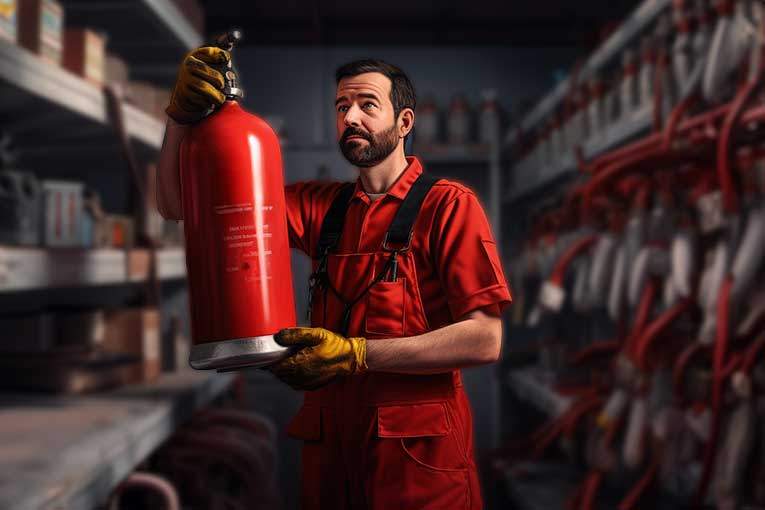
how often fire extinguishers serviced

Routine maintenance is key to ensuring the reliability of fire extinguishers. 

Different types require distinct servicing intervals to guarantee optimal functionality when facing a fire emergency.

Water, Powder, or Foam

Fire extinguishers containing water, powder, or foam should undergo professional servicing every 5 years. 

This process involves a thorough inspection, testing, and refilling, if necessary. 

Regular servicing helps identify any issues and ensures the extinguisher is fully operational.

CO2

CO2 fire extinguishers, commonly used for electrical fires, have a longer service interval of 10 years. 

These extinguishers should undergo a comprehensive professional service to inspect and maintain their components. 

This ensures that the extinguisher remains effective in suppressing electrical fires.

Where to Find the Fire Extinguisher Manufacture Date?
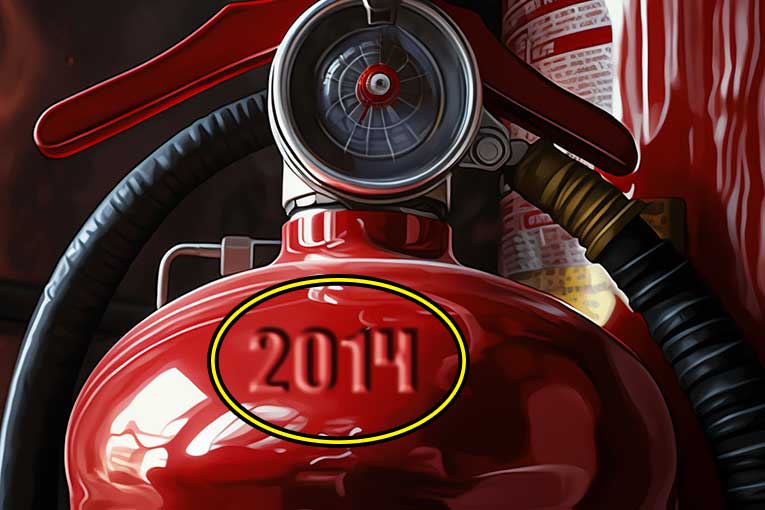
fire extinguishers manufacture date

Knowing the manufacture date of a fire extinguisher is crucial for determining its lifespan and understanding how long your fire extinguisher will last. 

The location of this information varies based on the type of extinguisher.

Steel Fire Extinguishers

Stamped into the Cylinder

The manufacture date may be physically stamped onto the cylinder of the steel fire extinguisher. 

This stamp provides a clear and permanent indication of when the extinguisher was produced.

On the Label

Alternatively, the manufacture date might be included on the label affixed to the extinguisher. 

This label provides essential information about the extinguisher’s specifications and usage guidelines.

P50 Service-Free Extinguishers

Older Models 

For older P50 fire extinguisher models, the manufacture date is typically printed on the base of the unit.

Newer Models 

Newer P50 models use a coloured pin that correlates to a table printed on the label. 

The pin colour corresponds to the month and year of manufacture, providing a quick reference.

When Should you Replace a Fire Extinguisher Early?
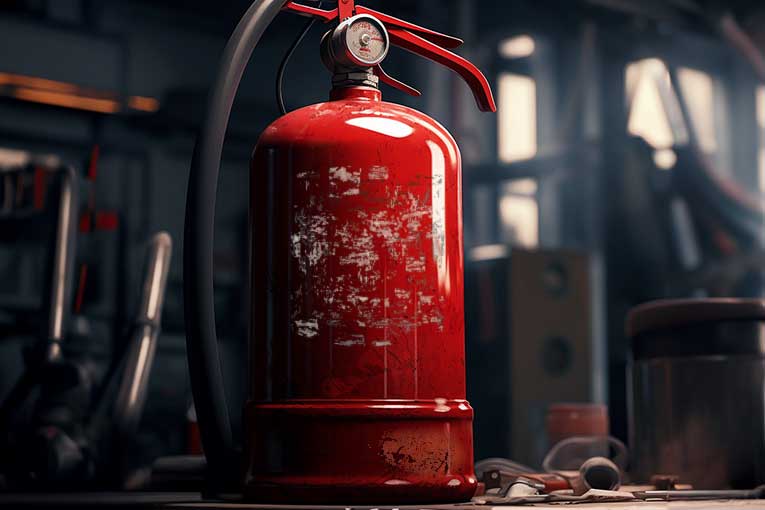
replace fire extinguishers early

While fire extinguishers have defined lifespans, certain circumstances may warrant early replacement to ensure optimal performance in emergencies. 

Here are key indicators that suggest an extinguisher should be replaced ahead of schedule:

Cracked Nozzle or Hose

Issue

Physical damage like cracks compromises the structural integrity of the nozzle or hose.

Effect

The crack can lead to leaks or difficulties in delivering the extinguishing agent during a fire, rendering the extinguisher less effective.

Blocked Nozzle or Hose

Issue

Obstructions in the nozzle or hose can hinder the discharge of the extinguishing agent.

Effect

A blocked nozzle or hose reduces the extinguisher’s ability to control a fire, diminishing its overall performance.

Broken Handle

Issue

A broken handle makes it challenging to operate the extinguisher efficiently.

Effect

In an emergency, a broken handle may impede the user from effectively using the extinguisher, delaying response time.

Missing Locking Pin

Issue

The locking pin is crucial for preventing accidental discharges and maintaining the extinguisher’s readiness.

Effect

Without the locking pin, there’s a risk of unintentional discharges, and the extinguisher may not be securely stored or easily accessible.

Missing Inspection Sticker

Issue

An extinguisher without an updated inspection sticker may not have undergone required maintenance.

Effect

Missing inspection documentation indicates a lack of regular checks, raising concerns about the extinguisher’s reliability and adherence to safety standards.

Corrosion

Issue

Corrosion on the cylinder or other parts compromises the structural integrity of the extinguisher.

Effect

Corrosion weakens the extinguisher, making it more susceptible to damage and reducing its ability to withstand the pressure needed for proper discharge.

Suspected of Leaking

Issue 

Evidence of leaking substances suggests a loss of pressure and potential malfunction.

Effect

A leaking extinguisher may fail to discharge its contents effectively during a fire, necessitating immediate replacement to ensure reliability in an emergency.

How Often Should Fire Extinguishers be Inspected?
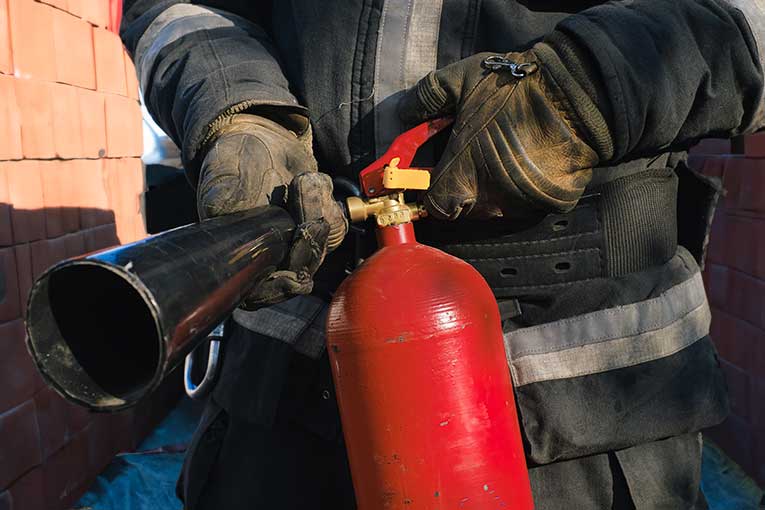
how often fire extinguishers inspected

Routine inspections are crucial to maintaining the reliability of fire extinguishers, ensuring they function correctly when needed. 

The inspection frequency can be categorised into two intervals:

Monthly Checks

Regular, brief checks by designated personnel.

This is to verify that the extinguisher is in its designated place, the pressure gauge shows adequate pressure, and there is no visible damage or tampering.

Monthly checks help identify immediate issues and ensure that the extinguisher is accessible and operational.

Yearly Inspections by a Fire Extinguisher Engineer

In-depth inspections conducted by a certified fire extinguisher engineer, for example those found in the Institution of Fire Engineers.

This will be a comprehensive examination of the extinguisher’s internal and external components, including pressure tests, to ensure it meets safety standards.

Yearly inspections are critical for identifying potential internal issues, such as corrosion or leaks, which might not be evident during routine checks.

What are the Risks of Using an Older Fire Extinguisher?
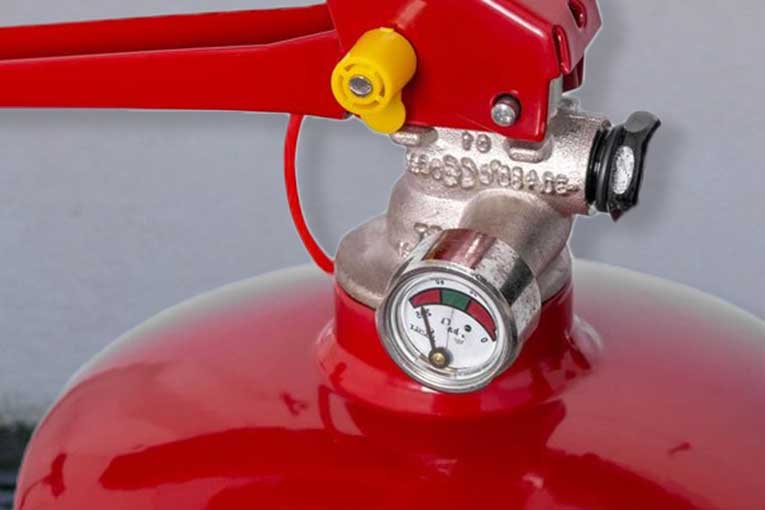
older fire extinguishers risks

Using an older fire extinguisher poses various risks, potentially compromising its effectiveness when faced with a fire emergency. 

Here are the key risks associated with relying on an aged fire extinguisher:

Decreased Pressure

Over time, fire extinguishers may experience a gradual loss of pressure, reducing their ability to discharge the extinguishing agent effectively. 

This decline can result from factors like gas leakage or gradual deterioration of internal components.

Corrosion

The internal components of a fire extinguisher, especially the cylinder, are susceptible to corrosion over an extended period. 

Corrosion weakens the structural integrity, making the extinguisher more prone to failure or rupture during use.

Deterioration of Seals and Valves

Seals and valves play a crucial role in maintaining the pressure and integrity of the extinguishing agent. 

As a fire extinguisher ages, these seals and valves can deteriorate, leading to potential leaks and a loss of pressure.

Reduced Extinguishing Agent Efficiency

The extinguishing agent within the fire extinguisher can degrade over time, diminishing its effectiveness. 

This reduction in efficiency may result from factors like exposure to temperature variations or chemical changes within the agent.

Outdated Technology

Older fire extinguishers may use outdated technology compared to more modern counterparts. 

Advances in fire safety technology have led to the development of extinguishers with enhanced features and improved extinguishing agents, providing better protection against various fire types.

Non-compliance with Standards

Fire safety standards and regulations evolve over time, introducing new requirements for equipment.

Older fire extinguishers may not comply with the latest standards, potentially leading to regulatory non-compliance and inadequate fire protection.

How to Dispose of a Fire Extinguisher?
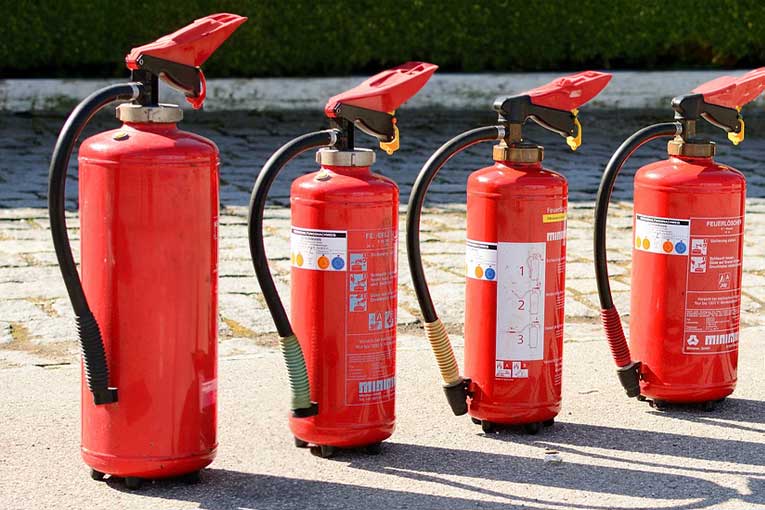
dispose of fire extinguishers

Disposing of a fire extinguisher requires careful consideration to ensure the safe handling of potentially hazardous materials. 

Here’s a guide on how to appropriately dispose of a fire extinguisher:

Check the Extinguisher Type

Identify the type of fire extinguisher, as different extinguishing agents have specific disposal methods. 

Common types include water, powder, foam and CO2.

Contact Local Authorities

Check with your local fire department or waste disposal facility regarding their specific regulations for fire extinguisher disposal. 

Some municipalities organise special collection events or have designated drop-off locations.

Recycling Centres

Certain recycling centres may accept fire extinguishers, as many of the components are fully recyclable. 

Remember to follow local guidelines.

Professional Disposal Services

In some cases, professional hazardous waste disposal services may be necessary for extinguishers containing certain chemicals, such as older foam fire extinguishers. 

Contact local environmental agencies for advice on proper disposal methods.

Conclusion

Knowing how long fire extinguishers last and understanding when to replace them is vital for maintaining a safe environment. 

Regular inspections, proper servicing, and early replacement when necessary ensure that these essential firefighting tools remain effective when needed most. 

Prioritising the longevity and functionality of fire extinguishers is a proactive step towards enhancing overall safety and preparedness in various settings.
Holmatro secures awards for innovation in rescue tool design

Holmatro has been awarded two iF Design Awards in 2024 for its forcible entry tool, T1, and the OmniShore shoring system, which received a gold award.

The company is recognised alongside other winners for excellence in product design and innovation in a competitive field that included entries from global corporations such as Apple and Samsung.

Recognition for design and functionality

The iF Design Awards, an international design competition, acknowledged Holmatro’s contributions to the field of rescue operations.

The OmniShore system was highlighted for its production quality and ease of use, designed to quickly stabilise hazardous situations.

The system’s design reflects Holmatro’s focus on ergonomic testing and practical application in emergency scenarios.

Consistent performance in design excellence

Competing against 10,800 entries from 72 countries, Holmatro’s recognition at the 2024 iF Design Awards follows a previous gold award for its Pentheon Series rescue tools in 2022.

This continued success in the awards highlights the company’s commitment to innovation in the development of life-saving tools.

Designs aimed at enhancing rescue efforts

Holmatro stated that the recognition of the T1 and OmniShore designs is valued, emphasising their role in aiding global rescue efforts.

The company aims for these tools to serve as effective aids in emergency responses, reflecting the importance of design and functionality in rescue equipment.

IFSJ Comment

The awarding of two iF Design Awards to Holmatro in 2024 for its T1 forcible entry tool and OmniShore shoring system demonstrates the role of innovative design in enhancing the effectiveness of rescue operations.

This recognition brings attention to the critical importance of practical, user-centric design in developing tools that support first responders.

Holmatro’s achievements in this competitive arena underscore the company’s ongoing commitment to providing solutions that meet the complex needs of emergency scenarios, contributing to the safety and efficiency of rescue efforts worldwide.

Fighting fire with efficiency: The rise of tool mounting solutions

IFSJ explores the critical role of Tool Mounting solutions in enhancing firefighting operations, ensuring gear is secure, accessible, and ready for emergencies

The efficiency, accessibility, and organisation of firefighting tools can mean the difference between life and death.

Tool mounting solutions play a fundamental role in ensuring that firefighting equipment is securely stored, easily accessible, and ready for immediate use during emergencies.

These solutions, often designed specifically for the fire market, including fire departments, fire trucks, industrial setting and more enhance operational readiness by minimising response times and ensuring the safety of firefighters and the communities they serve.

Market overview

The tool mounting solutions market for the fire industry us consistently driven by the growing demand for innovative, reliable, and efficient storage options.

This market segment caters to the unique needs of fire and rescue services, providing specialised mounts for a wide range of equipment including battery-powered extrication tools, self-contained breathing apparatus (SCBA), axes, hoses, and other critical firefighting gear​​​​.

The increasing versatility mounting systems indicates the industry’s commitment to maximising space utilisation on fire apparatus and improving firefighter safety through ergonomic ingenuity and easy access to equipment.

Key trends fuelling market growth include the rapid adoption of battery-powered tools which have no consistent size standard and require flexible mounts, and the integration of smart technologies such as tool organising software that offer enhanced functionality and flexibility in equipment management​​.

Product types and applications

Tool mounting solutions in the fire market are diverse, catering to a wide array of equipment needs.

These solutions are not just about securing tools; they’re about improving response efficiency, ensuring safety, and enhancing the overall functionality of fire apparatus.

From basic holders for handheld tools like axes and hoses to complex mounts for heavy-duty equipment such as hydraulic extrication tools, the range is extensive.

Applications extend beyond storage as they facilitate quick access during emergencies, reducing injury risks associated with improperly secured gear, and aiding in the organisation of equipment on fire trucks and in fire stations.

Advanced mounting systems now include features for adjustable positioning, which allows for the customisation of storage spaces to fit all tool sizes and shapes, accommodating the evolving inventory of firefighting tools.

Challenges and solutions

Integrating tool mounting solutions into fire apparatus presents several challenges, including space considerations, budget constraints, and the need for compatibility with a broad range of equipment types.

Fire departments often face the problem of optimising storage within the confined spaces of fire trucks while ensuring that every tool is easily accessible in emergency situations.

Budgetary limitations can further complicate the procurement of high-quality, durable mounting solutions.

Manufacturers have responded with innovative designs that offer modularity and adjustability, allowing for the customisation of storage solutions to fit varying equipment sizes and shapes without requiring extensive alterations to the apparatus.

These solutions provide the flexibility needed to adapt to changing equipment needs, ensuring that investments in tool mounting systems can endure over time, despite shifts in tool types or sizes used by fire departments.

Regulatory compliance and standards

Compliance with regulatory standards are a critical consideration of tool mounting solutions in the fire service.

For example, standards such as NFPA 1901 specify requirements for automotive fire apparatus, dictate that all equipment mounted in fire apparatus must be able to withstand the rigors of emergency response.

These regulations ensure that tools and equipment do not become hazards during transit, protecting firefighters and their gear.

Manufacturers of tool mounting solutions must rigorously test their products to meet these standards, often engaging in third-party testing to verify that mounts can withstand forces encountered during rapid accelerations and decelerations, as well as the harsh environments typical of firefighting operations.

A commitment to compliance enhances safety and will instil confidence among fire departments in the reliability and durability of mounting solutions.

Outlook

The future outlook for the tool mounting solutions market is likely a continued evolution, driven by ongoing advancements in firefighting technologies and the increasing emphasis on firefighter safety and efficiency.

As fire departments adopt more sophisticated and diverse tools to respond to a broader range of emergencies, the demand for versatile, durable, and ergonomically designed tool mounting solutions is likely to rise.

Innovations such as integrated smart technologies for tool tracking, wireless charging mounts for battery-powered equipment, and lightweight, high-strength composite materials for mounting systems are likely to become more prevalent.

These advancements will enhance the operational efficiency of fire and rescue services and contribute to the safety and well-being of firefighters by reducing the risks associated with equipment handling and accessibility.

The tool mounting solutions market within the fire service industry plays a critical role in enhancing the operational readiness, safety, and efficiency of fire and rescue operations.

As the market continues to evolve, driven by technological advancements and changing requirements of the fire service, tool mounting solutions will remain indispensable in ensuring that firefighters are equipped to respond effectively to emergencies, safeguarding communities and saving lives.

This article was originally published in the March 2024 issue of International Fire & Safety Journal. To read your FREE digital copy, click here.

How Long Does It Take to Become a Firefighter?

Becoming a firefighter is a noble pursuit that requires dedication, training, and a strong sense of public service, but how long does it take to become a firefighter? 

Aspiring firefighters embark on a journey that involves meeting specific requirements, undergoing rigorous training, and gaining the necessary skills to handle emergencies. 

In this article, we’ll explore the various steps involved in becoming a firefighter, how long it takes to become a firefighter, what the requirements are, and what can stop you from becoming one.

What Are the Requirements to Be a Firefighter?

firefighter requirements

To embark on the path of becoming a firefighter, individuals must meet specific requirements that vary depending on state regulations and fire department policies. 

Typically, aspiring firefighters must be between the ages of 18 and 37, though these age limits can vary by jurisdiction.

Qualifications play a crucial role, with most fire departments requiring candidates to possess a high school diploma or equivalent. 

Some departments may prefer or mandate candidates to have completed college-level coursework or earned a degree in fire science or a related field.

Physical fitness is a non-negotiable requirement, as firefighters often find themselves in physically demanding situations. 

Candidates must pass rigorous fitness assessments to demonstrate their ability to handle the strenuous tasks associated with firefighting.

A valid driver’s licence is usually a prerequisite, considering the need for firefighters to operate emergency vehicles. 

Additionally, having a clean driving record is essential.

Candidates with criminal convictions may face disqualification, emphasising the importance of a clean legal history. 

Fire departments seek individuals with high moral character and reliability, ensuring the public’s trust in their service. 

Meeting these requirements lays the foundation for individuals aspiring to join the ranks of dedicated and capable firefighters.

How Long Does It Take to Become a Firefighter?

Becoming a firefighter involves a multi-step process, and the duration can vary based on individual choices and career paths. 

The primary components of firefighter training include the Fire Academy, college degree, paramedic training, and emergency medical training. 

Notably, not every step is mandatory, and aspiring firefighters can combine certain elements to streamline the process.

The Fire Academy

The Fire Academy is a foundational training program that typically spans 3 to 6 months. 

It provides essential skills in fire suppression, rescue operations, and emergency response. 

Some individuals opt to attend the Fire Academy after obtaining other qualifications, while others make it their initial step.

College

firefighter training-college

A college degree, often in fire science or a related field, is another avenue for aspiring firefighters. 

This educational path can take anywhere from 2 to 4 years to complete. 

While a degree enhances a candidate’s knowledge and credentials, it’s not a prerequisite for all fire departments.

Paramedic Training

firefighter training paramedic

Paramedic training, lasting 1 to 2 years, is crucial for those aspiring to work as firefighter-paramedics. 

This additional certification enables firefighters to provide advanced medical care in emergencies, enhancing their versatility on the job.

EMT Training

firefighter emt training

Emergency medical technician training, typically lasting around 6 months, focuses on basic life support skills. 

While not as comprehensive as paramedic training, it equips firefighters with essential medical knowledge to address immediate needs in emergency situations.

Individuals can choose to combine these steps based on their career goals and department requirements. 

For example, someone aiming to become a firefighter-paramedic might opt for simultaneous paramedic training while attending the Fire Academy. 

This flexibility allows aspiring firefighters to tailor their journey to align with their specific career objectives and the demands of their chosen fire department.

Why Does Firefighter Training Take So Long?

firefighter training takes so long

Firefighter training is comprehensive and extensive due to the diverse range of skills and knowledge required for the profession, and the reason why it takes so long to become a firefighter. 

The length of training reflects the demanding nature of the job and the need for firefighters to be well-prepared for various emergency situations.

The thoroughness of firefighter training is essential to ensure that individuals can respond effectively to a wide range of incidents, from fires and rescues to medical emergencies. 

The extended duration allows for practical, hands-on experience, simulation exercises, and theoretical learning, ensuring that firefighters are well-prepared and confident in their abilities when facing real-life challenges.

Why Do You Need EMT Training to be a Firefighter?

firefighter need emt training

EMT training is a crucial component of firefighter preparation, enhancing their ability to respond to a variety of emergencies. 

Firefighters often serve as first responders in medical incidents, and EMT training equips them with the necessary skills to provide immediate and potentially life-saving care.

Firefighters frequently encounter situations where medical intervention is required, such as accidents, injuries, or incidents involving hazardous materials. 

EMT training allows them to assess and stabilise patients, manage trauma, administer medications, and perform other critical medical procedures. 

This capability ensures a well-rounded response to emergencies, addressing both fire-related and medical aspects.

Moreover, EMT training aligns with the broader trend of emergency services convergence, emphasising the integration of firefighting and emergency medical services. 

This approach recognizes the interconnected nature of emergencies, where incidents often involve both fire and medical components. 

As such, firefighters with EMT training can offer a comprehensive and immediate response to a diverse array of situations, contributing to public safety and well-being.

What Does Firefighter Training Look Like?

Firefighter training is a comprehensive and rigorous process designed to equip individuals with the skills and knowledge necessary for the challenging and diverse aspects of the profession. 

The training encompasses a blend of classroom instruction, hands-on practical exercises, and physical fitness regimens.

Classroom Sessions

firefighter training classroom sessions

Classroom sessions cover essential theoretical knowledge, including fire science, hazardous materials awareness, emergency medical procedures, and incident command systems. 

These foundational concepts provide a theoretical framework for understanding firefighting principles.

Practical Exercises

firefighter training practical exercises

Hands-on practical exercises are a vital component, allowing trainees to apply theoretical knowledge in realistic scenarios. 

This includes fire suppression techniques, search and rescue operations, handling specialised equipment, and responding to various emergency situations. 

Practical training fosters muscle memory and enhances the ability to perform under pressure.

Physical Fitness

firefighter training physical fitness

Physical fitness is a core focus throughout firefighter training. 

The demanding nature of firefighting requires firefighters to be in excellent physical condition. 

Training includes endurance exercises, strength training, agility drills, and simulations to prepare individuals for the physical demands of the job.

Live-fire Training

firefighter training live fire training

Live-fire training exercises in controlled environments simulate real-life scenarios, allowing trainees to experience the intensity and dynamics of firefighting. 

These exercises involve using firefighting equipment, coordinating team efforts, and making quick decisions in a dynamic environment.

How Often do Fire Departments Hire Firefighters?

firefighter hiring

The frequency of firefighter hiring by fire departments varies based on factors such as department size, budget constraints, retirements, and community needs. 

In larger urban areas, where the demand for firefighting services is higher, fire departments may have more frequent recruitment cycles. 

Smaller communities or rural fire departments may have less frequent hiring cycles due to budgetary constraints and lower call volumes. 

In such cases, hiring may occur less regularly, typically when there is a need to replace retiring firefighters or expand the department’s capabilities.

Fire departments often plan recruitment drives strategically, considering long-term projections for retirements and community growth. 

They may announce openings, conduct written exams, physical assessments, and interviews as part of the selection process. 

Prospective firefighters should monitor announcements from local fire departments, municipalities, or government websites for information about upcoming hiring processes. 

Additionally, networking with current firefighters, attending job fairs, and staying informed about industry trends can provide valuable insights into potential opportunities.

What Can Disqualify You From Becoming a Firefighter?

Several factors can disqualify individuals from becoming firefighters, as fire departments have stringent requirements to ensure the safety and effectiveness of their teams. 

Criminal Record

firefighter disqualify criminal record

Common disqualifiers include a history of felonies or serious criminal offences, as they can undermine the public’s trust and pose a potential risk in emergency situations. 

Substance abuse issues or a history of drug-related offences may also lead to disqualification due to the importance of maintaining a clear-headed and focused mindset during emergencies.

Poor driving records, especially if they involve serious offences or a history of reckless driving, may be grounds for disqualification, as firefighters often operate emergency vehicles.

Medical Conditions

firefighter disqualify medical conditions

Certain medical conditions or physical limitations may disqualify candidates, as firefighting demands a high level of physical fitness and endurance. 

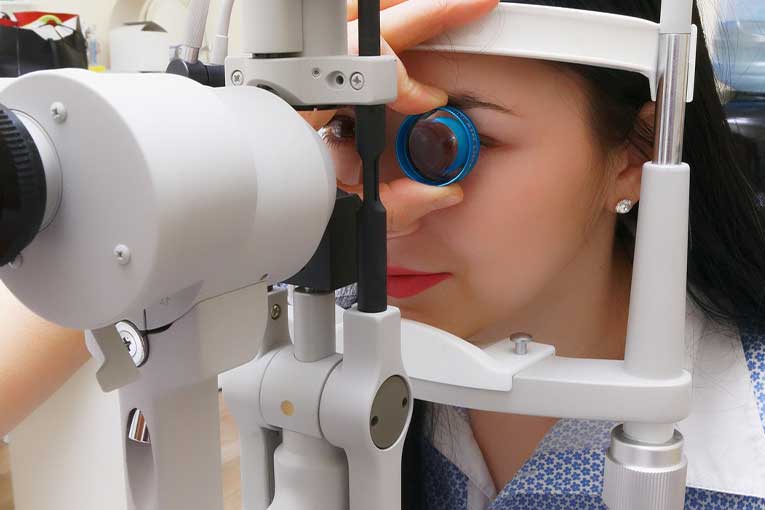
Conditions that may affect a candidate’s ability to perform essential job functions, such as severe vision or hearing impairments, can be disqualifying.

Why Can’t You Become a Firefighter With No Training?

firefighter no training

Becoming a firefighter without training is typically not possible due to the complex and demanding nature of the profession. 

Firefighters are required to handle a wide range of emergencies, from fires to medical incidents, and they must possess the necessary skills and knowledge to respond effectively.

Training provides essential instruction on fire behaviour, rescue techniques, emergency medical procedures, and the operation of specialised equipment. 

Firefighters need to understand how to navigate hazardous environments, conduct search and rescue operations, and administer first aid. 

Moreover, they must be proficient in using firefighting tools and apparatus, such as hoses, ladders, and breathing apparatus.

Conclusion

Becoming a firefighter is a rewarding but challenging journey that demands commitment and perseverance. 

Answering the question of ‘how long does it take to become a firefighter’ is a difficult one, as the time it takes to become a firefighter varies based on individual choices and department requirements. 

Whether attending the fire academy, pursuing a college degree, or completing paramedic training, each step contributes to shaping competent and capable firefighters ready to serve their communities.

Equipped for everything with Performance Advantage Company

Tom Trzepacz, Vice President of Sales and Customer Relations at Performance Advantage Company talks trends and unique tool mounting challenges

Can you introduce yourself and your role at Performance Advantage Company?

I am Tom Trzepacz, the Vice President of Sales and Customer Relations at Performance Advantage Company (PAC).

My role involves engaging with our end-users, OEMs, and dealers to enhance our relationships.

I also focus on training and educating them about our products and processes.

Additionally, I play a significant role in managing our trade show appearances and our activities at these events.

In your opinion, what are the biggest trends or changes currently shaping the tool mounting industry?

A significant trend we’ve observed is the rapid advancement in technology, along with the evolution of tools and equipment.

For many years, equipment like rescue tools remained relatively unchanged, with only minor modifications.

However, it now appears that almost every year brings changes and improvements, introducing a competitive atmosphere in many sectors.

This evolution makes it challenging for us to maintain the specificity of our brackets as we have in the past, so we’ve adopted a more generic approach, designing our brackets with universal applications to accommodate the fast pace of change in tools and equipment.

We invest heavily in our design process, and it’s challenging when these designs become obsolete within a year or two due to changes in the tools and equipment we aim to support.

Therefore, we maintain a generic and universal approach to our product design to ensure we can adapt to whatever the future holds.

As the industry, particularly in firefighting, undergoes significant changes, we are committed to adapting and evolving to meet these challenges.

How is PAC innovating to meet the evolving needs of its customers?

At PAC, now in our 30th year, we continuously evaluate our existing product range.

We revisit our original product lines to identify opportunities for enhancement or improvement, ensuring they meet the current demands of the fire industry.

In addition to refining our existing products, we are dedicated to developing new and improved bracket systems.

This process is driven by feedback from our customers and dealers, who highlight the necessity for mounting tools and equipment safely and securely.

Our focus is on designing and developing brackets that can accommodate these tools, ensuring they are mounted safely and securely.

While we are committed to improving our current product line, our eyes are always on the future, looking to innovate and develop products that anticipate and meet future needs.

Can you share a recent example of how PAC helped a customer overcome a unique challenge with tool mounting?

We frequently receive inquiries from customers facing challenges with outfitting their new or existing trucks with tool mounting solutions.

Many reach out to us with a basic understanding of our products but are unsure where to begin the process.

Our approach is to collaborate closely with these customers to identify the most suitable solutions for their needs, whether that involves tool boards or other systems.

We guide them through the process, which includes measuring the space, coordinating with our dealers for direct assistance, and, when necessary, working alongside our dealers to layout compartments and provide drawings.
Once we receive a list of the tools and equipment they need to mount, we recommend the appropriate brackets for each item.

Our goal is to support our customers throughout the entire process, whether they are equipping a new truck or retrofitting an older one with our mounting solutions, ensuring a seamless and efficient setup.

What are some of the most common concerns or questions you hear from customers?

A lot of customers ask which brackets are compatible with their tools and systems, given our extensive range of brackets, some of which have overlapping functions.

There is often uncertainty about the appropriate choice, including for our tool boards, so our customers are always looking for guidance on which are suitable for their needs.

Another common question is around which brackets are compliant with NFPA standards, particularly for those intending to mount tools and equipment within the cab of a vehicle.

Addressing this involves understanding the specific applications and environments in which the equipment will be used to recommend the most fitting system and brackets.

Ensuring the safety of firefighters is paramount, so we emphasise the importance of using the appropriate NFPA-compliant brackets for any tools or equipment accompanying crew members in the cab.

Lead time is another significant concern among our customers, especially given the extended lead times prevalent in the fire industry currently.

PAC’s lead times are exceptionally short, typically allowing for dispatch within a week, thanks to our consistent stock availability.

Despite the challenges faced by the industry in recent years, we have managed to avoid shortages, a fact of which we are particularly proud.

How has PAC adapted its customer service approach to address these concerns?

We have made significant improvements to our operational processes by upgrading our inventory and sales management software.

This upgrade has enhanced our ability to accurately track real-time stock levels and the time required for our team to assemble kits and dispatch them.

This system has really improved the efficiency of our customer service team by providing them with precise information, reducing the need for time-consuming inquiries about stock availability and dispatch timelines.

Additionally, we have developed in-house tools, such as tool board calculators and drawing tools, which assist our engineering and product development teams in creating detailed quotes complete with tool board drawings.
These resources allow us to give our customers a clear visualisation of the products they will receive, streamlining the approval process and significantly reducing the likelihood of errors.
These advancements in our customer service approach have been instrumental in addressing customer concerns more effectively and enhancing overall satisfaction.

Looking ahead, what are your goals and aspirations for the future of PAC’s customer relations team?

We’re a small company, but we’re a big company.

We have big ambitions and plan to expand our customer relations team in the near future.

We’ve already begun training several in-house staff members who, aside from their primary roles in our workshop and design and development teams, are also contributing to customer service efforts as we prepare for growth.

We aim to increase our outreach efforts this year, focusing on strengthening our connections with OEMs and dealers.

We want to ensure they know we are here to support them, ready to answer any questions they might have about our applications.

Part of this initiative involves working more closely with these partners, reinforcing our commitment to their success.

We are also dedicated to the continuous training and development of our team, equipping them with the necessary tools and skills to provide exceptional service.

Our goal is to empower our staff to effectively assist our customers, ensuring we maintain and enhance the quality of support we offer as PAC grows.

This article was originally published in the March 2024 issue of International Fire & Safety Journal. To read your FREE digital copy, click here.

List of Firefighting Equipment

Firefighting equipment is what helps firefighters to extinguish flames, ensuring the safety of lives and property, and the varied list of firefighting equipment shows how diverse firefighting really is. 

From traditional tools like fire extinguishers to cutting-edge technology such as thermal imaging cameras, each item plays a crucial role in a firefighter’s arsenal. 

In this article, we’ll explore the diverse list of firefighting equipment, shedding light on their functions and importance in the face of fire emergencies.

What is Firefighting Equipment?

Firefighting equipment encompasses a diverse range of tools, devices, and protective gear specifically designed to combat and manage fires effectively. 

These crucial elements are essential for firefighters in their mission to extinguish flames, rescue individuals, and mitigate the impact of fire emergencies. 

Each piece of equipment serves a unique purpose in the complex and challenging task of firefighting.

Firefighting equipment is not only about extinguishing flames but also about ensuring the safety of those on the front lines. 

Protective gear, such as fire suits and gloves, shields firefighters from extreme heat, allowing them to navigate hazardous environments. 

The continuous advancements in firefighting equipment underscore a commitment to improving the efficiency, safety, and overall effectiveness of firefighting operations.

Firefighting equipment is the lifeline for those who risk their lives to protect communities and properties from the devastating impact of fires.

List of Firefighting Equipment

Firefighting equipment constitutes a comprehensive arsenal designed to combat fires of varying intensities and types. 

Each tool plays a crucial role in ensuring the safety of firefighters and the effectiveness of fire suppression efforts.

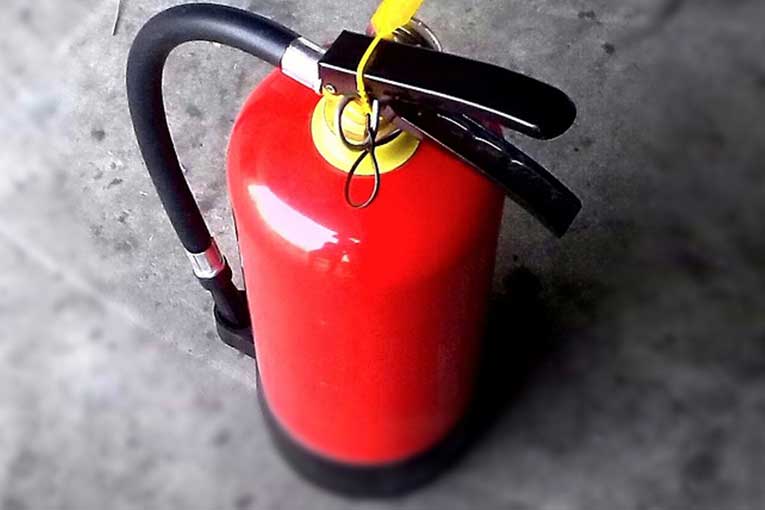
Fire Extinguishers

fire extinguisher firefighting equipment

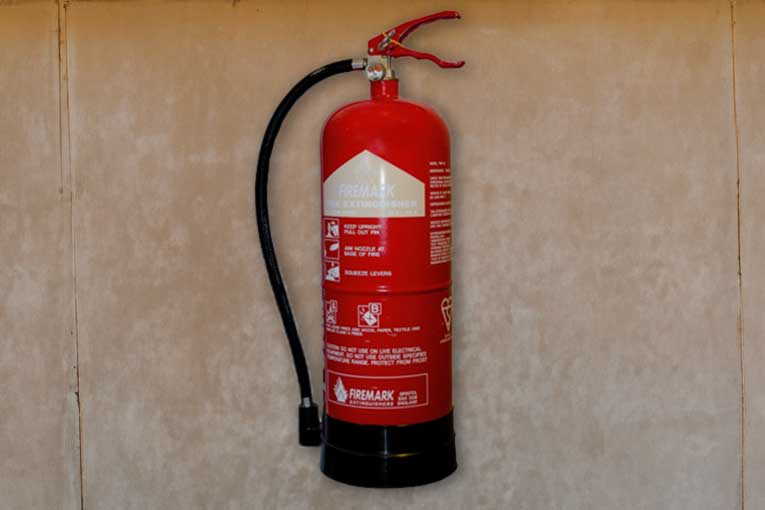
Portable and versatile, fire extinguishers are essential for promptly suppressing and extinguishing small fires. 

There are many different types of fire extinguisher, each containing specific firefighting agents such as water, foam, dry powder, or CO2. 

The diversity in extinguisher types ensures flexibility in addressing different classes of fires—whether involving ordinary combustibles, flammable liquids, electrical equipment, or gases. 

This adaptability allows firefighters and individuals to employ the most suitable extinguishing agent, enhancing the effectiveness of fire suppression efforts across a wide range of fire scenarios.

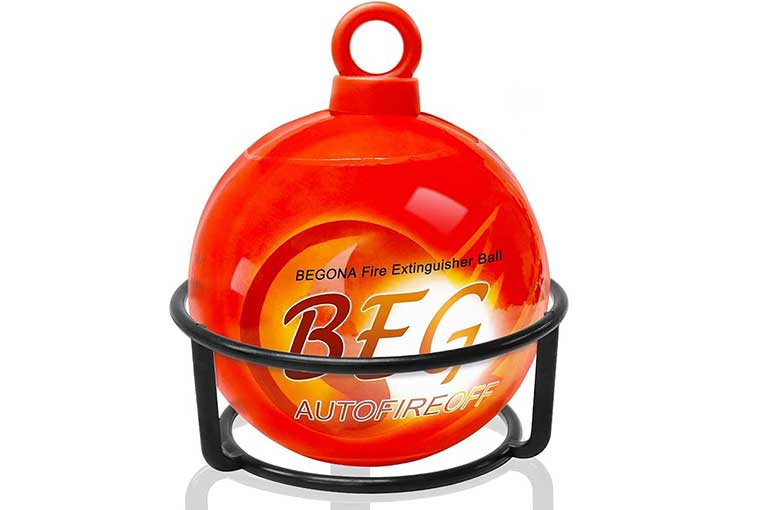
Fire Extinguisher Ball

fire extinguisher ball firefighting equipment
Source: Amazon

An innovative self-activating fire suppression system, the Fire Extinguisher Ball offers a unique approach to firefighting. 

When exposed to flames, the ball bursts autonomously, releasing a fine powder that swiftly and effectively extinguishes the fire. 

This ingenious device is particularly advantageous in confined spaces or areas with limited accessibility, where traditional firefighting methods might face challenges. 

The Fire Extinguisher Ball’s ability to initiate fire suppression independently makes it a valuable addition to fire safety measures, ensuring a rapid response even in scenarios where immediate human intervention may be difficult.

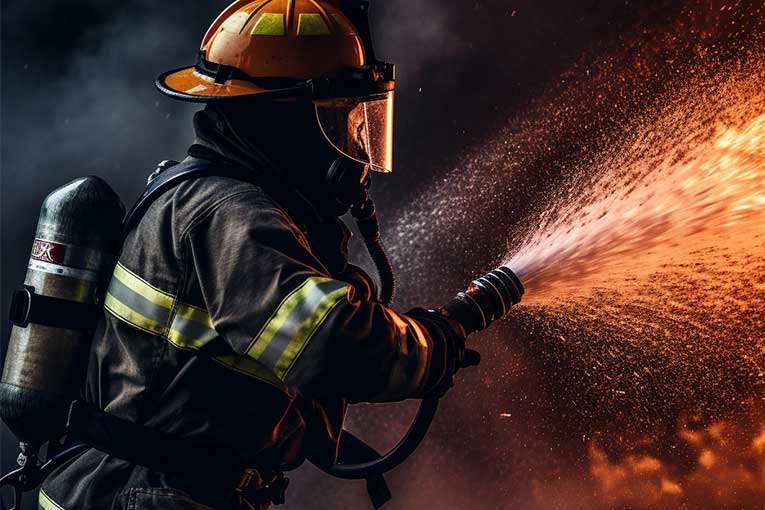
Fire Hoses

fire hose firefighting equipment

As one of the most prevalent tools in large-scale firefighting, fire hoses are indispensable for firefighters combating significant flames. 

These flexible and robust hoses serve as critical conduits, allowing the directed flow of water onto the fire. 

Their length and adaptability empower firefighters to reach remote or challenging locations, providing a versatile means of effectively delivering water to suppress fires. 

The strategic use of fire hoses enhances the agility and reach of firefighting efforts, enabling responders to address fires in diverse environments and mitigate potential challenges posed by the fire’s scale and intensity.

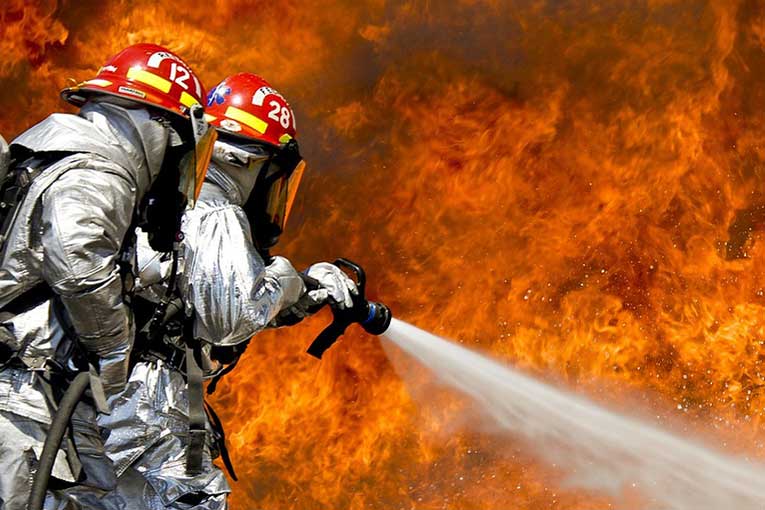
Hose Jets

fire hose firefighting equipment

Hose Jets represent heightened firefighting capabilities, requiring the collaboration of two firefighters to handle their extra power. 

These specialised tools offer an elevated force and flow, allowing firefighters to exert increased control over the extinguishing process. 

With the ability to adjust the jet stream, firefighters enhance precision in directing water onto the flames, addressing specific firefighting requirements. 

The collaborative use of Hose Jets reflects a strategic approach, amplifying the effectiveness of firefighting efforts in scenarios where a more robust and targeted water delivery is essential to combat fires of greater scale or intensity.

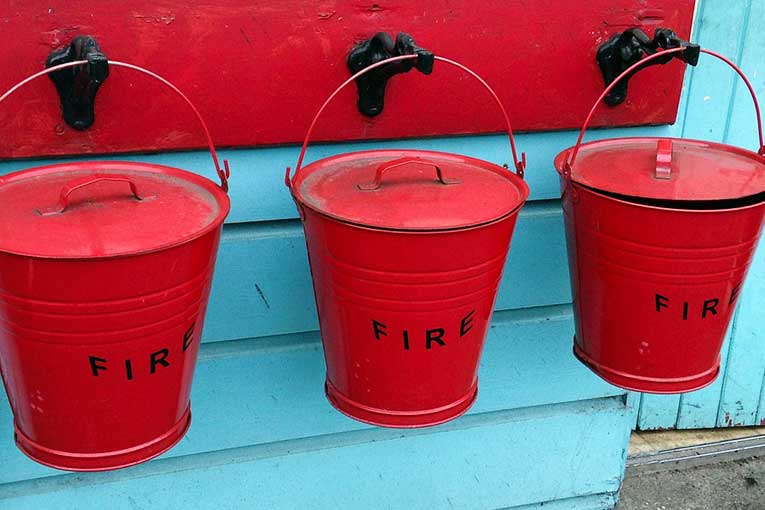
Fire Buckets

fire buckets firefighting equipment

Simple in design yet highly effective, fire buckets are containers filled with either water or sand. 

Positioned strategically, these buckets serve as immediate response tools, offering a swift and accessible means to douse small fires or control sparks. 

Their simplicity makes them an essential first line of defence, providing an uncomplicated yet crucial tool in the initial stages of firefighting. 

Whether used by trained personnel or as part of fire safety measures in public spaces, fire buckets play a fundamental role in empowering individuals to take immediate action and contribute to fire containment efforts.

Flamezorb

flamezorb firefighting equipment
Source: Amazon

Flamezorb, a granular substance, serves as a rapid-response tool in firefighting by efficiently absorbing flammable liquids. 

When applied to spills, it swiftly neutralises and absorbs the substances, preventing the spread of fire. 

This versatile and effective tool finds particular utility in scenarios involving hazardous materials or potential chemical fires, where the quick containment of flammable liquids is essential to mitigate the risk of fire escalation. 

Flamezorb’s ability to address such specific challenges makes it a valuable asset in the firefighting arsenal, contributing to the overall effectiveness of fire suppression efforts in diverse and complex situations.

Fire Blankets

fire blanket firefighting equipment
Source: Amazon

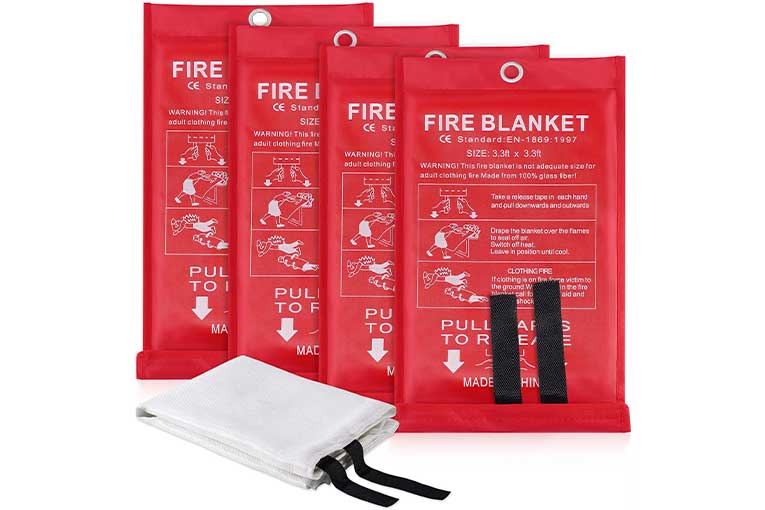
Constructed from fire-resistant materials, fire blankets emerge as versatile tools in firefighting and emergency response. 

Beyond their primary function of smothering small fires, these blankets provide a multifaceted solution. 

In emergency situations, they offer protection by wrapping around individuals, creating a temporary shield against flames and heat. 

The adaptability of fire blankets extends their utility beyond traditional firefighting scenarios, making them valuable assets in various emergency situations where rapid response and versatile tools are paramount to ensuring the safety of individuals and effectively addressing evolving challenges.

Fire Suit

fire suit firefighting equipment

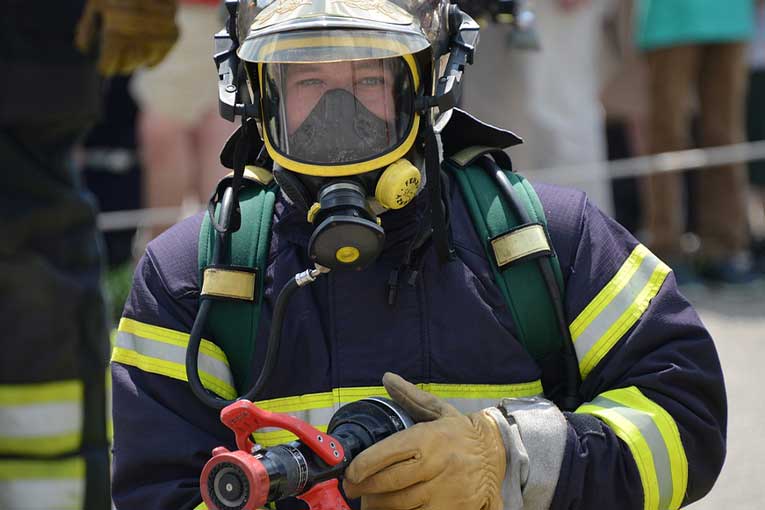
Specially designed for the demanding challenges of firefighting, a fire suit is more than  a mere uniform – it’s a shield against extreme heat and flames. 

Crafted from fire-resistant materials, these suits envelop firefighters in a protective barrier during the most intense operations. 

With layers designed to withstand the harsh conditions of a fire, these suits are crucial in ensuring the safety and well-being of firefighters. 

The specialised construction of fire suits exemplifies the commitment to providing a robust defence against the hazards encountered in the line of duty, reinforcing the resilience of those who bravely confront the flames.

Firefighter Gloves

firefighting gloves firefighting equipment
Source: Amazon

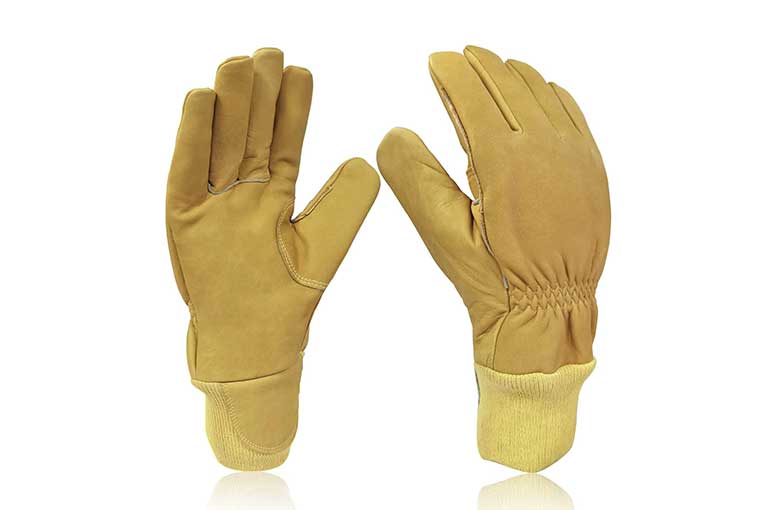
These gloves are essential for firefighters, offering crucial hand protection in the dynamic and intense environments encountered during firefighting operations. 

Crafted from materials resistant to high temperatures, they enable firefighters to handle hot surfaces and materials with confidence. 

The specialised design of firefighter gloves prioritises both dexterity and protection, allowing firefighters to navigate challenging situations while safeguarding their hands from the formidable heat generated in the course of combating fires. 

Gas Tight Suit

gas tight suit firefighting equipment
Source: Wikipedia

Comprising a multi-layered construction, these suits act as an impermeable barrier, creating a formidable shield between the firefighter and potentially harmful substances. 

Their purpose extends beyond conventional firefighting gear, addressing the specific challenges posed by chemical fires and the release of dangerous gases. 

By providing an encapsulating defence, gas-tight suits empower firefighters to navigate complex and perilous environments, ensuring their safety while enabling effective response and mitigation in the face of chemical hazards.

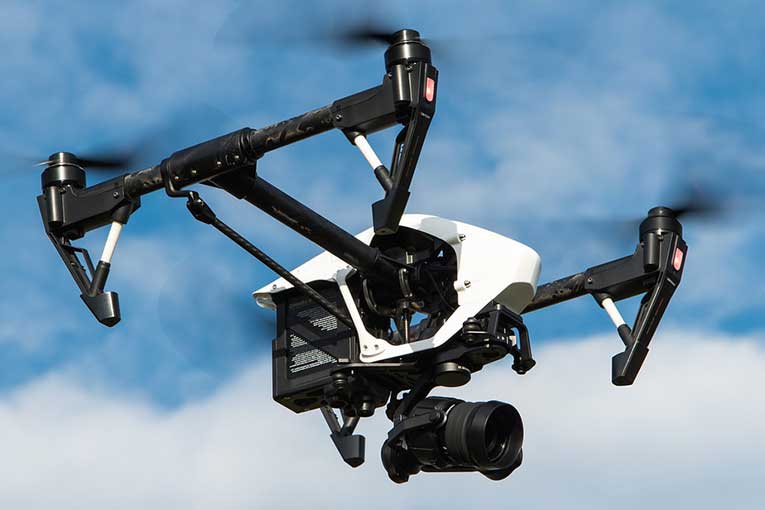
Drones

drones firefighting equipment

These unmanned aerial vehicles, equipped with advanced cameras, offer invaluable aerial views that significantly enhance fire assessment capabilities. 

Providing real-time situational awareness, drones become the eyes in the sky for firefighting teams. 

Their ability to swiftly survey large areas and capture critical information aids in strategizing and responding effectively to incidents. 

Drones not only contribute to the safety and efficiency of firefighting operations but also offer a technological edge, elevating the precision and speed with which responders can assess, plan, and execute strategies in the dynamic context of firefighting scenarios.

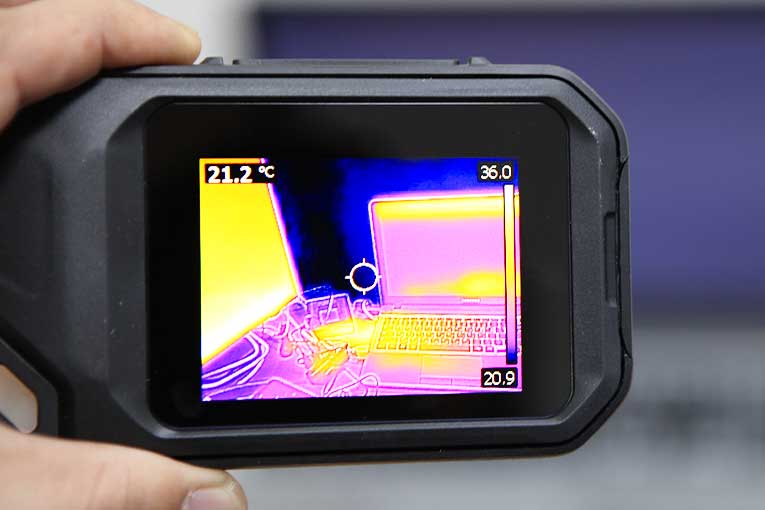
Thermal Imaging Camera

thermal camera firefighting equipment

Thermal imaging cameras aid in locating individuals trapped in smoke-filled environments and identifying hotspots that may not be visible to the naked eye. 

The invaluable data provided by thermal imaging cameras enhances the efficiency and safety of firefighting operations. 

By offering real-time insights into the intensity and distribution of heat, these devices empower firefighters with the ability to make informed decisions, optimise resource allocation, and execute targeted strategies for suppressing fires and conducting search and rescue operations.

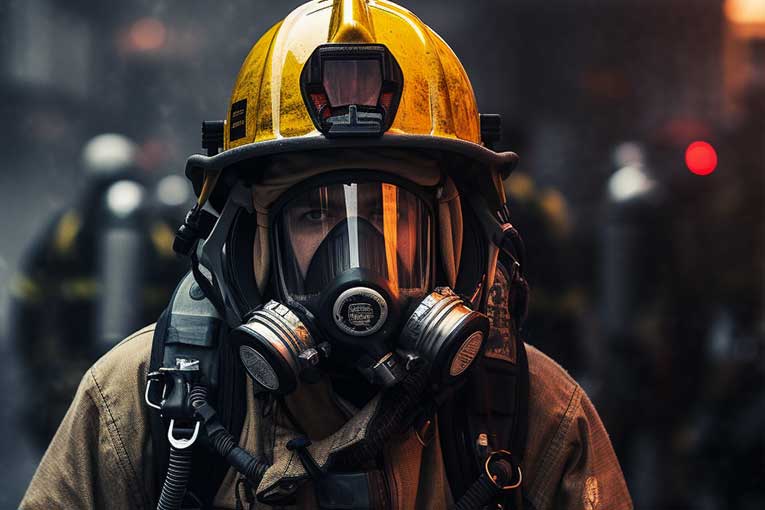
Breathing Apparatus

breathing apparatus firefighting equipment

In smoke filled environments, these devices play a crucial role in ensuring the safety of firefighters by providing a continuous supply of clean air. 

The reliability and functionality of these apparatuses exemplify their vital role in preserving the well-being of firefighters and ensuring their ability to execute effective firefighting and rescue operations in environments where clean air is a precious commodity.

Positive Pressure Ventilation Fan

positive pressure ventilation fans firefighting equipment
Source: Wikipedia

Positive pressure ventilation fans are devices designed to create airflow that effectively removes smoke and toxins from enclosed spaces. 

By generating a controlled and directed flow of air, these fans contribute significantly to improving visibility for firefighters within confined areas. 

Beyond enhancing visibility, the removal of smoke and toxins creates a safer working environment, allowing firefighters to operate more efficiently and with reduced exposure to hazardous substances. 

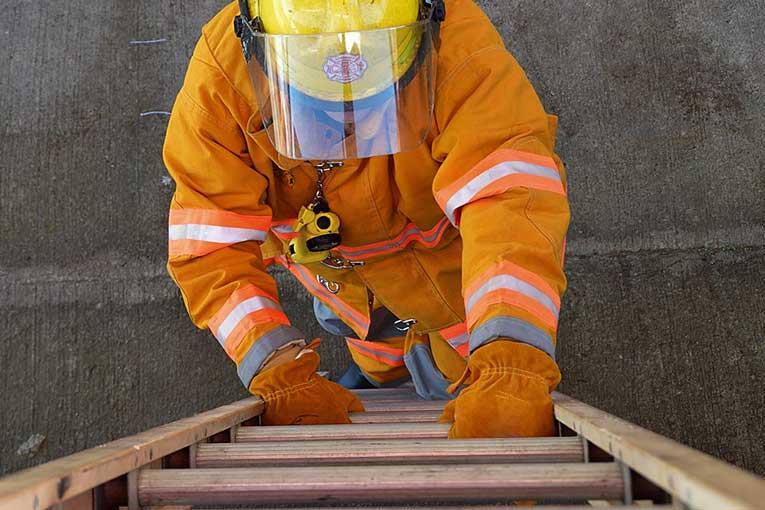
Ladders

ladders firefighting equipment

These versatile devices play a pivotal role in firefighting operations by enabling firefighters to access elevated areas, conduct rescues, and navigate challenging environments. 

Whether extending to reach upper floors of buildings or providing a stable platform for rescue operations, ladders enhance the agility and effectiveness of firefighting teams. 

Their portability and adaptability make them fundamental in addressing the diverse challenges posed by fires in varying structures and scenarios, contributing to the overall success and safety of firefighting operations.

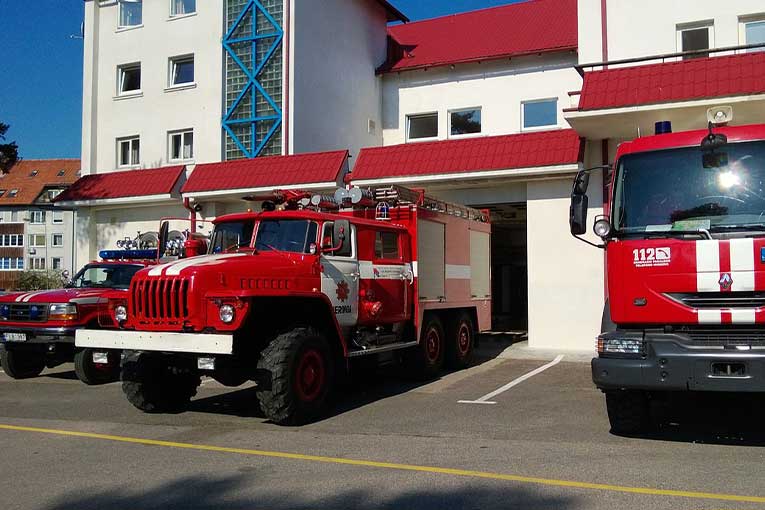
Fire Fighting Vehicle

vehicles firefighting equipment

These vehicles carry essential firefighting tools, water tanks, and hoses, ensuring a swift and effective response to fire emergencies. 

Beyond their mobility, the specialised equipment on these vehicles equips firefighters with the resources needed to combat fires of varying scales. 

Whether navigating through urban environments or remote locations, these vehicles enhance the reach and capabilities of firefighting teams, playing a vital role in the timely containment and suppression of fires to protect lives and property.

How is Firefighting Equipment Used?

The strategic use of equipment is paramount, requiring a careful assessment of each fire’s unique characteristics. 

Firefighters, equipped with a diverse array of tools, employ a systematic approach to address different scales and types of fires.

Fire extinguishers, compact and versatile, find their application in swiftly suppressing small fires. 

Firefighters select the appropriate extinguisher based on the fire’s nature and discharge the firefighting agent with precision, aiming at the fire’s base. 

For larger incidents, fire hoses connected to water sources become instrumental. 

The hoses allow firefighters to direct water effectively, reaching inaccessible areas, while sprinklers automatically release water upon detecting excessive heat, contributing to fire containment.

Protective gear, including fire suits and gloves, plays a pivotal role in ensuring firefighters’ safety as they confront flames. 

These specialised garments shield against extreme heat, providing a critical barrier between the firefighter and the hazardous environment.

Cutting-edge technology, such as drones equipped with cameras and thermal imaging devices, offers invaluable insights. 

Drones provide aerial views, enhancing situational awareness for better decision-making, while thermal imaging cameras aid in locating individuals and identifying hotspots within a fire.

The use of firefighting equipment is not only reliant on the tools themselves but also on the skill, training, and coordination of firefighting teams. 

Firefighters undergo rigorous training to understand the capabilities and limitations of each tool, ensuring a synchronised and effective response to diverse fire scenarios. 

The strategic and well-coordinated utilisation of firefighting equipment remains a cornerstone in the battle against the unpredictable and destructive force of fires.

What Other Equipment Helps with Firefighting?

Some firefighting equipment is not directly used to directly put out fires, but it used to improve the safety and efficiency of firefighters.

Fire Sprinklers

fire sprinklers firefighting equipment
Source: Wikipedia

Installed in buildings, fire sprinklers are automatic devices that release water when detecting excessive heat. 

They play a crucial role in suppressing fire outbreaks and limiting damage in enclosed spaces. 

Strategically positioned, their rapid response significantly contributes to controlling fires, preventing their escalation, and protecting lives and property within structures.

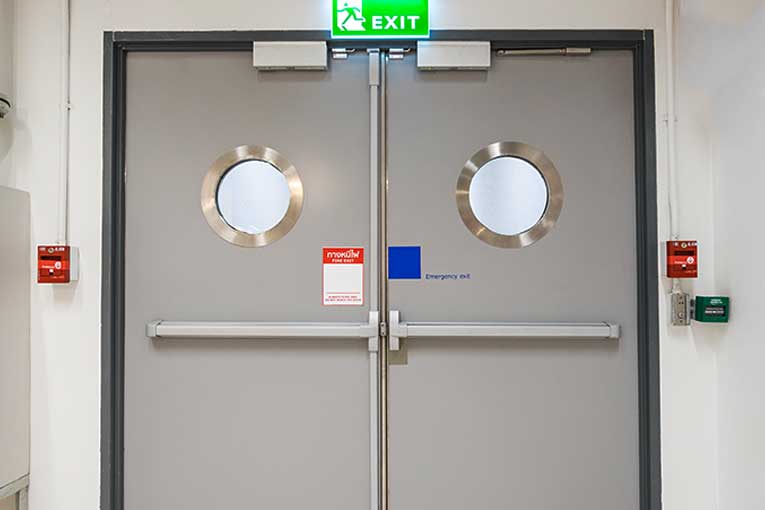
Fire Doors

Specialised fire doors are meticulously designed to resist fire and smoke, acting as effective barriers to limit their spread within a building. 

These doors are critical components of passive fire protection systems, providing crucial time for evacuation and minimising the potential for fire extension.

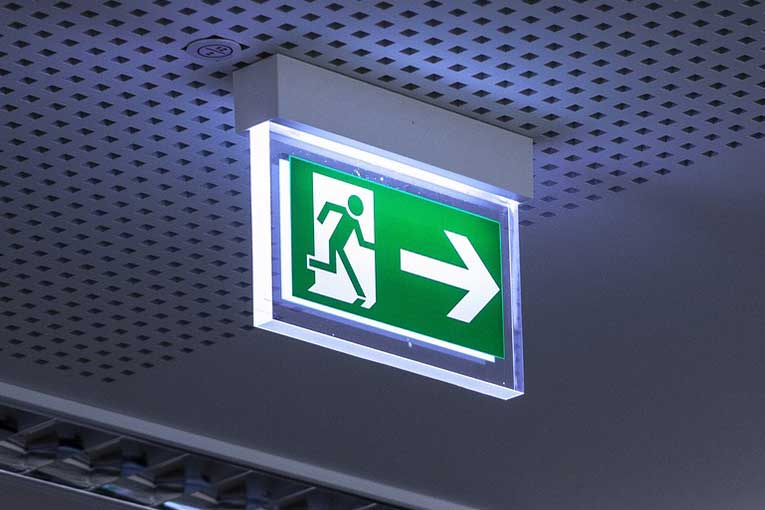
Emergency Signs

emergency signs firefighting supporting equipment

Clearly marked emergency lighting and signs are indispensable in ensuring swift and safe evacuation. 

These signs delineate evacuation routes and indicate the locations of firefighting equipment, guiding occupants to safety during fire emergencies.

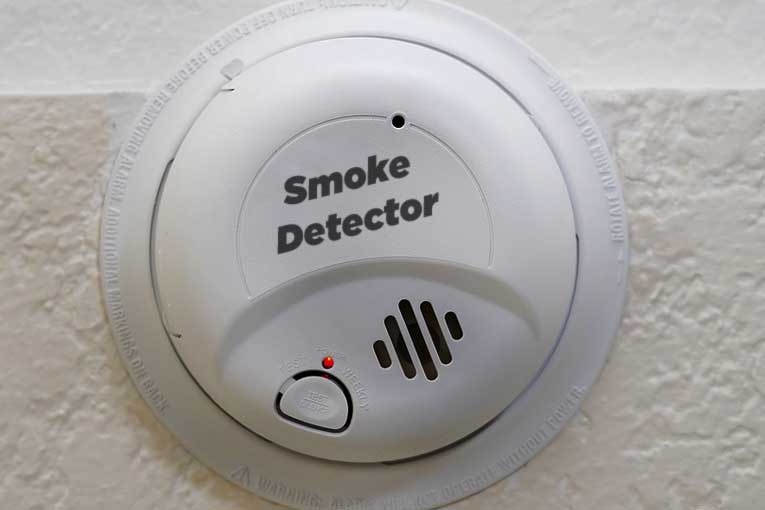
Smoke Alarms

There is 4 different smoke detector types

Essential components of early warning systems, smoke detectors are devices that promptly detect smoke, alerting occupants to potential fire hazards. 

Their rapid detection capability is pivotal in providing early warnings, allowing for timely response and evacuation.

The different types of smoke alarms ensure people can react quickly  to different types of fires.

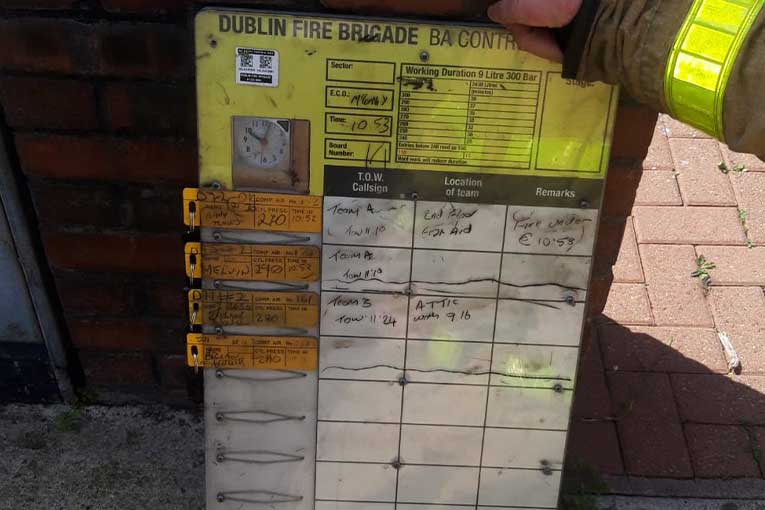
BA Entry Board

The Breathing Apparatus (BA) Entry Board serves as a control hub during breathing apparatus operations. 

It manages the entry and exit procedures of firefighters equipped with breathing apparatus, ensuring systematic and safe operations in environments with compromised air quality.

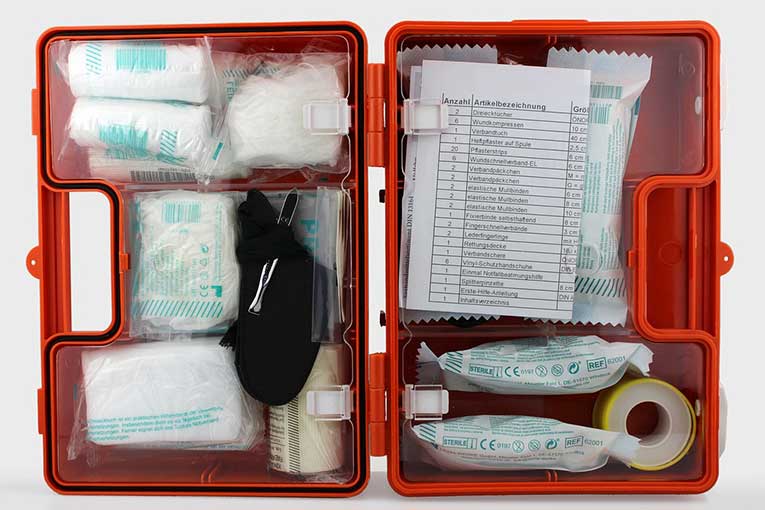
First Aid Kit

first aid kit firefighting supporting equipment

Containing medical supplies, first aid kits address injuries sustained during firefighting or rescue operations. 

They provide essential support until more extensive medical assistance is available.

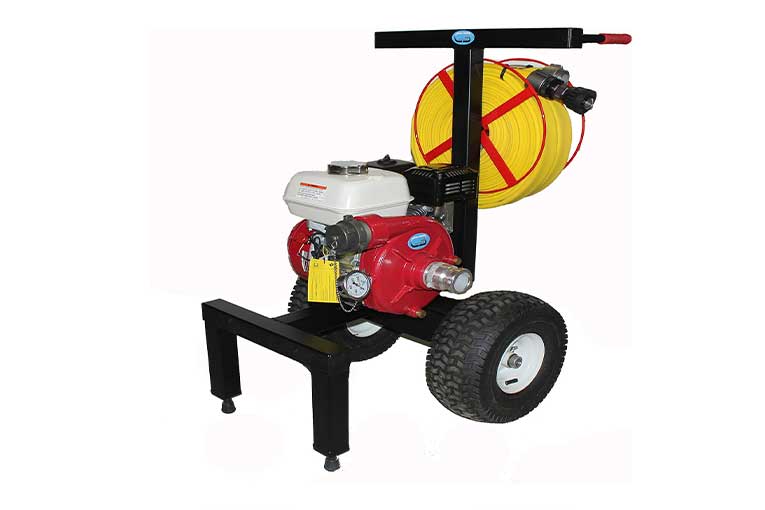
Light Portable Pump

light portable pump firefighting equipment
Source: Amazon

Compact and portable, light pumps are indispensable for transporting water to areas inaccessible to larger firefighting vehicles. 

These pumps enhance operational flexibility, providing firefighting teams with the ability to establish water supply points in diverse environments.

Cutters

cutters firefighting equipment
Source: Wikipedia

Cutting through materials obstructing access or rescuing individuals, cutters are versatile tools used by firefighters. 

They play a crucial role in extrication operations, enabling swift and precise interventions in situations where immediate access is essential.

Spreaders

spreaders firefighting equipment
Source: Amazon

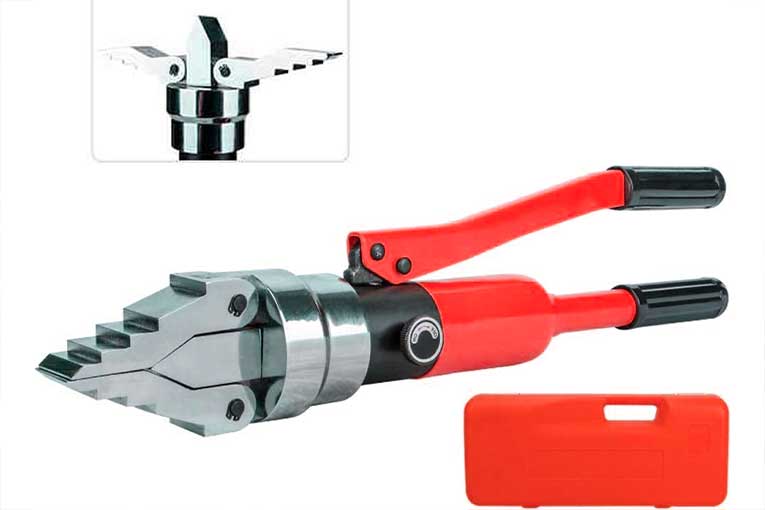
Hydraulic spreaders are powerful devices used to pry open objects or create openings in rescue situations. 

These tools are instrumental in providing access to trapped individuals, facilitating efficient rescue operations.

Rams

rams firefighting equipment
Source: Wikipedia

Hydraulic rams are tools designed to force open doors or create pathways during rescue operations. 

Their robust construction and power make them essential for situations where conventional access methods are insufficient.

Do Not Cross Tape

do not cross tape firefighting equipment
Source: Amazon

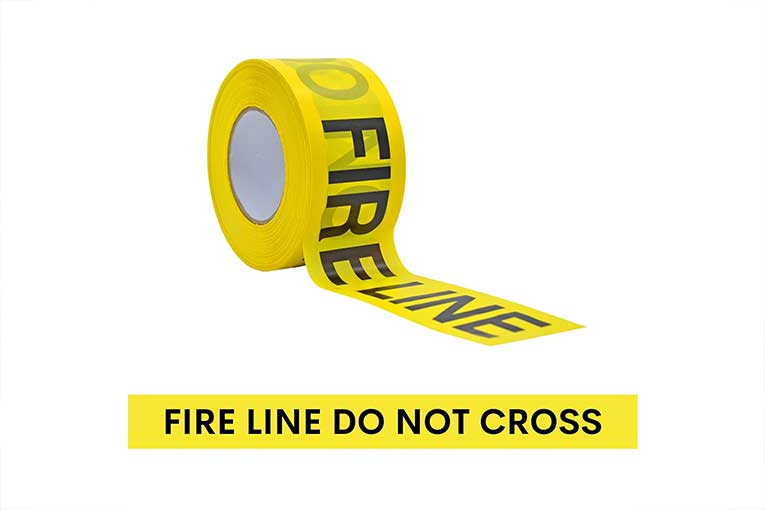
Visible tape with the clear directive “Do Not Cross” is utilised to cordon off unsafe areas and control access to the fire scene. 

This tape ensures the safety of both emergency responders and the public by preventing unauthorised entry into potentially hazardous zones.

Traffic Cones

traffic cones firefighting equipment
Source: Amazon

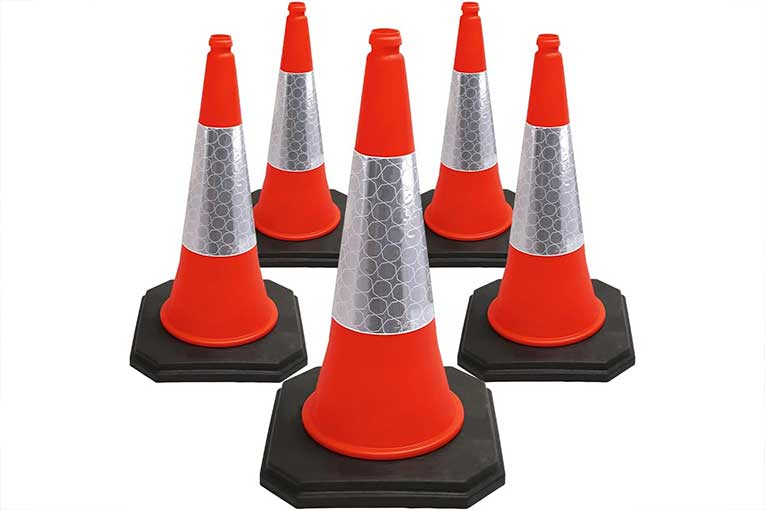
Deployed to manage traffic and create clear pathways for emergency vehicles, traffic cones are essential in ensuring unimpeded access for firefighting teams. 

These cones play a crucial role in maintaining order and facilitating the rapid movement of emergency vehicles to and from the incident scene.

What Does the Future Hold for Firefighting Equipment?

The future of firefighting equipment holds exciting possibilities, driven by advancements in technology, materials, and design. 

One prominent trend is the integration of smart technologies, such as artificial intelligence and the Internet of Things, into firefighting gear. 

This includes wearable sensors and augmented reality visors that provide real-time data to firefighters, enhancing situational awareness and decision-making. 

Innovations in materials science are shaping the development of more lightweight yet durable protective gear, addressing comfort and mobility concerns for firefighters. 

Nanotechnology may lead to advanced flame-resistant fabrics, ensuring greater protection against extreme temperatures. 

Additionally, the use of robotics in firefighting, ranging from autonomous vehicles to robotic firefighting assistants, is on the horizon.

As climate change intensifies, firefighting equipment is likely to evolve to cope with more frequent and severe wildfires. 

This may involve the development of specialised tools for wildfires and improved strategies for early detection and prevention. 

The collaborative efforts of researchers, engineers, and firefighters promise a future where technology plays a pivotal role in enhancing the safety, efficiency, and effectiveness of firefighting operations, ultimately better equipping first responders to address evolving challenges.

Conclusion

The array of equipment at a firefighter’s disposal is vast and diverse. 

From traditional tools that have stood the test of time to cutting-edge technology ensuring efficiency and safety, each item plays a crucial role in combating fires and protecting lives. 

The continuous evolution of firefighting equipment reflects a commitment to enhancing the capabilities of those who bravely confront the unpredictable nature of fires. 

As technology advances, so does our ability to respond effectively to fire emergencies, ensuring a safer and more resilient future for communities worldwide.

Evolving tools and how to mount them with Performance Advantage Company

Greg Young, Senior Vice President at Performance Advantage Company (PAC) discusses the evolution of equipment and its implications for tool mounting solutions

Can you start with a short introduction to PAC and your role?

PAC is a US-based product manufacturer with international reach, specialising in our own line of tool mounting systems and brackets.

Coming from a rich family history in fire truck manufacturing, we’ve leveraged strong industry knowledge to serve not only the fire service sector but have expanded beyond, including applications for the US Navy and various industries seeking tool organisation solutions.

Our growth is marked by innovation, adaptability, and the expansion of our product range to meet diverse needs, driven by both heritage and forward-thinking strategies.

As Senior Vice President at PAC, my responsibilities span across various operational and strategic areas.

I oversee the development and implementation of policies and procedures, ensuring a comprehensive understanding of all processes to address issues promptly and facilitate training.

With a background in product design, engineering, and project management, a significant part of my role involves identifying market needs—sometimes even before customers are aware of them—and conceptualising new products.

This involves coordinating with our engineering, marketing, and sales teams to bring these products to market effectively.

Part of my job is to continuously assess our product line for improvements, aiming to enhance versatility without compromising integrity, catering to evolving tools and technologies such as electric and hydraulic cutters.

Additionally, my role extends to acting as an ambassador for PAC, fostering relationships within the industry through associations like Fire Apparatus Manufacturers Association (FAMA) and engaging in discussions about emerging needs and trends.

Recognising the changing landscape, especially with the advent of electric vehicles and tools, emphasises the growing importance of efficient tool mounting systems.

My goal is to anticipate and respond to these shifts, ensuring PAC remains at the forefront of innovation and customer support.

Reflecting on the past year, how has the tool mounting sector evolved or changed?

The tool mounting sector has witnessed significant developments, largely influenced by the shift towards electrification.

This trend isn’t limited to electric vehicles but extends to bikes, scooters, buses, and a broad range of tools transitioning from internal combustion to electric.

A key challenge has been the diversity in battery platforms—some manufacturers have moved towards universal battery systems, while others continue developing proprietary ones, leading to issues with battery storage and charger compatibility.

Unlike standard fuel containers, battery and charger do not have standardised sizes, creating difficulties in adapting mounting solutions to these evolving specifications.

The introduction of electric tools and vehicles has caused us to rethink traditional tool mounting strategies, especially as new products like fire suppression blankets for lithium-ion battery fires enter the market.

These innovations raise questions about the size and adaptability of fire suppression tools, considering the varying dimensions of electric vehicles and the unique challenges they present, such as fires in confined spaces.

The sector is likely to see further evolution, driven by the need for rapid and efficient tool access in emergency situations.

The discussions around managing electric vehicle fires, including the requirement for significant water volumes and specialised equipment, highlight the urgency for adaptable and effective tool mounting solutions.

This evolution underscores the tool mounting sector’s critical role in ensuring quick, accessible, and suitable responses to new challenges in fire suppression and safety.

Can you tell me about PAC’s new extinguisher mounts?

We are introducing a new line of extinguisher mounts that are tailored to address the unique requirements of industrial environments and compact firefighting vehicles.

These mounts feature an enhanced grip diameter, accommodating up to six inches, making them suitable for the largest fire extinguishers or air bottles.

This expansion addresses a gap in our product range for securely mounting 10-pound extinguishers or water cans, offering a cost-effective solution without resorting to over-engineered alternatives designed for heavier equipment.

Our innovation extends to the Cylinder Mate, a robust storage solution for air bottles, ensuring their security, especially in the event of a vehicle crash.

However, its design, focused on air bottles, does not cater to extinguishers with attached hoses and triggers.

Recognising the diverse needs of industrial settings for various extinguishing agents, we’ve developed mounts that are more versatile and user-friendly compared to traditional steel mounts.

There is an industry trend towards smaller, more agile firefighting vehicles, and so our new mounts are poised to serve both traditional fire trucks and electric fire apparatus alongside light rescue vehicles.

These vehicles are increasingly common in industrial settings where rapid response to fires in hard-to-reach areas is critical.

Our mounts are designed to securely hold larger extinguishers, providing an ergonomic and accessible solution for a range of applications, from factory floors to compact urban vehicles, addressing emerging needs for extinguisher accessibility in various contexts including delivery vehicles carrying battery-powered devices.

Are there any other innovations from PAC you’d like to highlight?

We’ve established a presence in the marine market, supplying fire and rescue boats, and collaborating with EMS and law enforcement for their marine needs.

However, despite our expertise, direct marketing to the marine sector is new territory for us.

But the demand is growing organically, with marine operators already familiar with our products for their fleets.

We’re exploring how to better serve the marine market’s unique requirements, recognising this extends beyond fire service to recreational and commercial transportation.

This includes adapting our products for marine environments, focusing on ergonomics and safety to prevent injuries from sharp edges on ships.

Our goal is to offer a comprehensive marine product line that is both versatile and tailored to this sector’s specific needs.

We’re excited about the possibilities within the marine industry, and while the timeline for unveiling this new range is still uncertain, we’re focused on ensuring our offerings meet the high standards our customers expect from us.

Looking towards the future, what emerging trends or technologies do you believe will significantly influence the design and functionality of tool mounting systems?

Predicting future trends in tool mounting systems is challenging due to the rapid and unpredictable evolution of technology and global events, such as the advent of electric vehicles and the impact of the pandemic.

However, a likely focus for the future involves increased mandates for firefighter health and safety.

The emphasis on safety could lead to universal standards for securing tools and equipment on fire apparatus, addressing hazards from unsecured items during accidents.

The principle of improving response efficiency and safety through organised and secure tool mounting parallels the critical approach to vehicle maintenance, like the importance of tire integrity for road safety.

Just as vehicle inspections mandate certain safety standards, there’s a potential for future regulations to mandate specific tool mounting practices to enhance both firefighter safety and operational efficiency.

This vision aligns with the broader goal of minimising risks associated with firefighting operations, including the drive towards cleaner and safer fire truck cabs to reduce cancer risks and other health hazards.

My hope is for future research and regulations to account for the importance of secure tool mounting as a critical component of fire service safety protocols.

PAC has a strong presence in various sectors outside the traditional fire market.

Are there any markets or applications you are aiming to explore or expand into?

Our aim is to increase its focus on marine and industrial sectors.

Our experience has shown that clients often seek solutions after facing challenges, highlighting the need for better preparedness and organisation.

By positioning ourselves at the forefront, we aim to advise and equip these sectors in advance, ensuring they are ready for any situation.

This proactive approach will help prevent problems and enhances outcomes through readiness and training.

Additionally, we’re seeing growing interest from original equipment manufacturers (OEMs) needing custom mounting solutions for their unique products, such as thermal imagers.

This area presents an opportunity for PAC to serve as a vital partner, offering specialised mounts that complement OEM products.

Emphasising flexibility and openness to these collaborations will be key to our strategy, allowing us to support OEM growth and expand our reach beyond traditional markets.

Finally, what are your plans at PAC moving forward?

We are focused on enhancing internal communication and leveraging technology to support our growth.

As we expand, identifying and strengthening areas of improvement is crucial.

In 2022, we initiated a transition to a new ERP system to modernise our operations.

Now the new system us fully operational, enhancing our efficiency in production, shipping, and overall management.

However, the full potential of the system is yet to be realised, with features like email marketing and website integration still to come.

An immediate goal of mine is to fully train our staff on the system’s capabilities, ensuring they can use all its functions effectively.

This includes maintaining our core processes as well as exploring advanced features to improve customer engagement.

By harnessing the ERP system, we aim to provide real-time stock visibility and self-service options for quotes and pricing on our website, elevating our service level.

Another significant aspect of our strategy involves better understanding and connecting with our customer base, identifying specific market segments and dealer affiliations within our clientele.

This approach will allow us to tailor our interactions and support more effectively, strengthening our relationships with customers and enhancing our market presence.

This article was originally published in the March 2024 issue of International Fire & Safety Journal. To read your FREE digital copy, click here.

Reshaping rescue with Holmatro

Jilles Duyndam, Global Marketing Manager at Holmatro discusses the evolution of its Pentheon Series that is taking emergency response to new heights

In December 2023, Holmatro unveiled its updated Pentheon Series, marking a notable upgrade in rescue tools technology.

Building on the foundational features of speed control and easy battery management introduced with the original series in 2020, this advanced iteration sets a new benchmark in rescue operations.

The latest iteration from Holmatro features enhanced performance, superior usability, advanced connectivity, and exceptional serviceability.

These improvements redefine the dynamics of rescue operations, offering heightened efficiency and effectiveness in critical situations.

Delving into the development of this innovative series, Jilles Duyndam, the Global Marketing Manager for Holmatro Rescue Equipment, plays a key role.

His involvement in the introduction of new products provides an insider’s perspective on the innovation driving the next-gen Pentheon Series.

Duyndam’s position at Holmatro places him at the heart of product development, ensuring the alignment of new releases with the demanding requirements of modern rescue operations.

IFSJ spoke to Duyndam to explore the series’ advancements and its impact on the efficiency and effectiveness of rescue teams globally.

What was the motivation behind upgrading the Pentheon series?

For over 50 years, Holmatro has been recognised as the innovator in the market for hydraulic rescue tools.

Our Research & Development department, together with other members of the New Product Development team, always looks at current, midterm, and long-term product development.

So, during the phase of the development of the first Pentheon series, there were already colleagues busy inventorying needs with customers and thinking of solutions for the successor of the first Pentheon series.

What technical advancements are in the next-gen series?

Every tool in our Next-Gen Pentheon Series features electronic motor control and pressure monitoring.

This guarantees maximum power during the entire lifespan of your tools.

Pentheon’s new and improved drive system not only gives you power and efficiency, but it also ensures tool operation at a lower and more friendly sound level.

Extremely useful in allowing you to better communicate at a rescue scene and preventing the increase of patients’ stress.

Next-gen Pentheon has a completely restyled user interface.

An interface with two operation modes for maximum operating flexibility.

Mode I is a reduced speed mode that can be used for training and demo purposes.

Mode II is the high-speed Pentheon mode, for when you need to unleash Pentheon’s full power.

Within each speed mode, you can use the proportional two-speed inline control handle for maximum control.

Another novelty on the user interface is the service indicator LED.

The colour of this light informs you about the status of your tool.

Obviously, green means you are good to go.

Yellow means there is a non-critical error.

The tool is limitedly operational and needs to be checked by a service technician.

If the Service LED and temperature LED are both blinking red, this means there is a critical error.

The tool is not operational and needs to be checked by a service technician.

Another important advancement we’ve added to the Next-Gen Pentheon Series is connectivity.

You can easily connect your Pentheon tools to your tablet or smartphone via Bluetooth, download the intuitive MyHolmatro app, and experience new ways of using and monitoring your tools! In the MyHolmatro app, you can view real-time diagnostics during every operation: monitor battery state of health and state of charge, pump stage, motor temperature, working pressure – including peak pressure – and speed mode.

With the MyHolmatro app, you can also start a fully automated Pentheon Self Check.

Your tool will go through 4 steps: Drive system check, Speed and pressure check, Battery firmware check, and Battery state of health check.

This helps you in keeping your tools in perfect condition for the best rescue performance possible.

How does the new dual-mode operation enhance safety and training?

The reduced speed (training) mode is ideal for training because of its reduced speed.

Less or inexperienced firefighters can be surprised by Pentheon’s unparalleled speed.

So, with a lower speed, it is easier to see what the reaction of the tool is on the car and it gives trainers more time to intervene and correct if the trainee needs their expertise.

What measures ensure consistent performance in the next-gen series?

The next-gen Pentheon Series takes durability to the max.

Literally.

Whether you use your tools for the first time or arrive at an incident with equipment that’s been used countless times, a smart pressure sensor in the hydraulic part of the tool ensures that you’ll always have access to constant, maximum power.

This sensor is set in software to our maximum working pressure of 720 bars.

How does the next-gen series reduce downtime and enhance reliability?

With this Holmatro Diagnostics Software, your dealer can log in to gain insight into even more live data and check for possible issues with your next-gen Pentheon tools.

Also, they will use the software to perform the annual Holmatro Inspection Procedure (HIP®) of your Holmatro equipment.

The Holmatro Diagnostics Software is indispensable for Holmatro dealers to properly maintain the Pentheon series tools.

The step-by-step plan in the software saves your dealer time and thus the user downtime.

The software also ensures that no inspection steps are skipped.

This, in turn, contributes to a more reliable tool.

How will the next-gen Pentheon series change first responders’ day-to-day operations?

The Holmatro Pentheon series (1st series and next-gen) generally changes the day-to-day operations of first responders.

With unparalleled speed, ultimate control, and battery management made easy, Holmatro in 2020 launched its new series of high-tech cordless rescue tools, designed to outperform all other tools on the market, regardless of whether these are battery-powered or connected to an external pump by means of a hose.

The existing game-changing features of the 1st series of Pentheon tools are still there! In my opinion, it is very relevant to mention the most important 3 features again.

Unparalleled Speed

The Pentheon Series offers much higher speed than other rescue equipment.

This is thanks to a new and patented mechatronic system inside these tools.

This system continuously optimises the motor and pump settings to deliver a maximised oil flow over the full pressure range.

Where all other rescue tools show a significant decrease in speed when switching to another stage to deal with higher loads, Holmatro Pentheon tools stick to the ideal stepless speed curve.

Ultimate Control

Being much faster than previous generations of rescue tools, Pentheon tools are equipped with a two-mode control handle for ultimate speed control.

This enables rescuers, at any time during the rescue operation, to choose between the tools’ high-speed and low-speed modes.

Within these modes, the speed is still proportional to how far you turn the control handle to its left or right.

Battery Management Made Easy

With Holmatro Pentheon tools, battery management is as easy as just plugging it in.

Thanks to On-Tool Charging, you can charge the battery while it remains on the tool.

This means you don’t need to swap batteries all the time.

Simply connect the tool to the charger and the whole charging process will regulate itself.

The battery on the tool always has priority over the one on the charger, which will resume charging when the battery on the tool is 100% full.

Three chargers can be connected in series to be powered from a single outlet.

This allows you to charge a total of 6 batteries without any management, whether placed on a charger or on a tool connected to it.

With the Next-Gen Pentheon series, we’ve made some significant improvements and added a couple of valuable features on performance, usability, connectivity, and serviceability.

This article was originally published in the February 2024 issue of International Fire & Safety Journal. To read your FREE digital copy, click here.

Holmatro delivers 18 rescue tool sets to civil defence of Iraq

Holmatro Rescue Equipment’s partnership with UR Al-Mustagbal General Trade Company

Holmatro Rescue Equipment, in collaboration with its partner, Mr. Amer Mohammed Al-Dulimy of UR Al-Mustagbal General Trade Company, has successfully delivered 18 sets of cutting-edge hydraulic rescue equipment to the Iraqi Civil Defence.

This delivery is a significant part of the Iraqi Civil Defence’s ongoing efforts to modernise and enhance its rescue capabilities.

The new equipment aims to bolster preparedness and resilience in Iraq, contributing to increased safety across the nation.

Holmatro expressed gratitude to the Iraqi Civil Defence for their trust in the company’s products.

Advanced technology in rescue operations

The delivered equipment represents the latest in technological advancements in hydraulic rescue tools. These tools are designed to aid in various rescue operations, offering enhanced efficiency and reliability.

The use of such advanced equipment is expected to significantly improve the response times and effectiveness of rescue missions in Iraq, potentially saving more lives during emergencies.

The role of partnerships in enhancing rescue capabilities

The partnership between Holmatro Rescue Equipment and UR Al-Mustagbal General Trade Company exemplifies the importance of international collaborations in enhancing emergency response capabilities.

By working together, these organisations are contributing to the development of a more robust and capable civil defence system in Iraq.

This collaboration is a testament to the global effort in improving emergency and rescue operations worldwide.

IFSJ Comment

The delivery of advanced hydraulic rescue tools by Holmatro Rescue Equipment to the Iraqi Civil Defence is a noteworthy development in the realm of emergency response and safety.

As countries around the world continue to enhance their rescue and emergency capabilities, such collaborations and advancements in technology play a crucial role in ensuring more efficient and effective response to crises

Product Focus: MSA Bristol X4

MSA Safety’s advanced ergonomic fire protective clothing with unique safety features

The MSA Bristol X4 line of fire protective clothing builds on how MSA Safety delivers complete safety solutions for their customers.

Introduced in 2022, the Bristol X4 premium structural firefighting garment is designed with a focus on ergonomics for the wearer.

Its style reduces bulk throughout the garment and minimises the weight carried by the firefighter, while incorporating unique safety features such as the integrated rescue belt and drag rescue device (DRD) system.

This line integrates Bristol’s high-performance protective clothing with MSA Safety’s market-leading experience in firefighting technologies and connected solutions.

The result is a range of fire protective options that provide enhanced comfort, ergonomics and compatibility with MSA’s suite of state-of-the art firefighter equipment, from helmets and SCBA, to the very latest in monitoring accountability and communication devices.

The X4 features premium materials such as Hainsworth Titan outer fabric with a Gore Parallon moisture barrier for ultimate comfort and breathability, along with reflective taping in specific figurations favored by Civil Service firefighters.

The line meets European CEN standard EN469:2020 Level 2 for firefighter protective clothing, as well as EN1149:2018 for anti-static properties.

It’s available in a wide range of color combinations to suit regional preferences and can be customised

When it comes to fire protective clothing development, MSA Safety and its affiliates, like MSA Bristol, invest heavily in Voice of Customer (VOC) activities during the product development process, and that is critical in firefighter product development.

That is why the X4 line was developed side-by-side with firefighters from across Europe to focus on comfort.

Beyond product development, MSA works closely with customers throughout their selection, evaluation and tender process to ensure what is being put forth is a garment and solution for their needs.

That can include different fabric combinations, designs, trims, pockets, whatever it might be.

Ultimately, it’s about helping firefighters find their best fit and so they can concentrate on safely doing their jobs.

The sophisticated core garment blocks are one example of what sets the MSA Bristol products apart.

Offered in a wide range of sizes, both male and female, for chest and waist widths, along with five different height groups ranging from extra short to extra tall.

All of the styles are available in women’s fit, which is important as the number of women in the fire service continues to grow.

MSA partners with leading fabric producers to help develop and implement the latest fiber and fabric technology in their garments.

MSA is looking to bring fire protective clothing into a more connected ecosystem to help customers be better informed about usage and management of their PPE fleet.

Find out more about the MSA Bristol X4 at: https://nl.msasafety.com/Firefighter-Protective-Clothing/Structural-Firefighting-Garments/MSA-Bristol-X4-Premium/p/msabristolx4

This article was originally published in the January 2024 issue of International Fire & Safety Journal. To read your FREE digital copy, click here.