Different Classifications of Burns Explained

Burns are a common injury that can range from mild to severe. 

Understanding the different classifications of burns can help in providing the right treatment and knowing how to prevent them. 

Burns can be caused by a variety of factors, and knowing how to handle them is important for both prevention and care.

In this article, we will explain the different classifications of burns and how they are caused. 

We will also explore the best ways to treat burns and provide helpful tips on preventing them in different situations.

What are the Main Causes of Burns?

causes of burns

Burns can occur in many ways. 

Understanding the different causes helps in both preventing and treating burns effectively. 

Below are the main causes of burns.

Thermal

Thermal burns are caused by exposure to heat sources like fire, hot liquids, steam, or heated surfaces. 

These burns are the most common and can happen in various environments, especially in the kitchen or around open flames. 

Thermal burns can range from mild to severe, depending on the temperature and length of exposure. 

Examples include burns from a hot stove, boiling water, or touching a heated iron.

Cold

Cold burns, also known as frostbite, occur when the skin is exposed to extremely cold temperatures for extended periods. 

These burns damage the skin and tissues, leading to numbness, discoloration, and in severe cases, tissue death. 

Cold burns commonly happen in freezing temperatures or when handling extremely cold objects, such as liquid nitrogen or snow.

Friction

Friction burns happen when skin rubs against a rough surface, generating heat. 

This can occur during physical activities such as running, falling, or using tools like a belt sander. 

The friction generates enough heat to damage the skin’s surface, causing redness, blisters, and pain. 

These burns can be superficial but may cause discomfort and take time to heal.

Radiation

Radiation burns are caused by exposure to ultraviolet (UV) radiation from the sun or other sources of radiation. 

Sunburn is a common example of a radiation burn. 

These burns can damage the skin’s DNA, leading to redness, swelling, and peeling. 

Prolonged or intense exposure to radiation can also increase the risk of skin cancer.

Electrical

Electrical burns happen when the body comes into direct contact with an electrical current. 

These burns can cause both external skin damage and internal injuries, depending on the voltage and duration of exposure. 

Electrical burns may occur from faulty appliances, downed power lines, or electrical equipment mishandling. 

The damage can be severe and may require emergency medical attention.

Chemical

Chemical burns occur when the skin comes into contact with corrosive substances like acids, alkalis, or solvents. 

These chemicals can cause deep tissue damage by breaking down cells. 

Chemical burns often happen in industrial or home settings where chemicals are used for cleaning, gardening, or maintenance. 

Immediate washing and neutralising the chemical are essential to minimise damage.

The Different Classifications of Burns

classifications of burns image
Source: Wikipedia

Burns are classified into four different degrees. 

Each degree indicates the severity of the burn and helps determine the appropriate treatment.

First Degree

First-degree burns are the mildest type of burn. 

They affect only the outer layer of the skin, known as the epidermis

These burns typically result in redness, pain, and slight swelling. 

A common example of a first-degree burn is a mild sunburn. 

The skin may appear red, and the affected area might feel tender to the touch, but no blisters form. 

First-degree burns usually heal within a few days without permanent damage. 

Second Degree

Second-degree burns are more severe and affect both the epidermis and the second layer of skin, called the dermis

These burns can cause intense pain, swelling, and blistering. 

The skin may appear red, shiny, and wet, due to fluid leaking from damaged tissue. 

Second-degree burns can occur from hot liquids, steam, or direct contact with fire. 

The healing process takes longer than first-degree burns and may take up to 2–3 weeks, depending on the severity. 

Third Degree

Third-degree burns are deep burns that extend through all layers of the skin and into the underlying tissues. 

These burns can cause the skin to appear white, charred, or leathery, and they may not be painful initially due to nerve damage. 

However, third-degree burns are extremely serious and can cause permanent damage to the skin and underlying structures. 

Third-degree burns can result from prolonged exposure to fire, hot liquids, electrical sources, or chemicals. 

Immediate medical care is required to treat these burns, as they can lead to severe complications such as infections or shock.

Fourth Degree

Fourth-degree burns are the most severe type of burn, causing deep damage not only to the skin but also to muscles, tendons, and bones. 

These burns destroy all layers of the skin and may also affect the underlying tissue and bone. 

The skin may appear blackened or charred, and there may be no pain in the area due to extensive nerve damage. 

Fourth-degree burns are life-threatening and require immediate medical intervention. 

How are Burns Treated?

how are burns treated

Treatment for burns depends on the degree of the burn and its severity. 

For minor burns, at-home care may be sufficient, while more severe burns require immediate medical attention.

First Degree

First-degree burns are the least severe and typically require minimal treatment. 

The main goal is to relieve pain and reduce inflammation. 

To treat a first-degree burn:

Cool the Burn

Run cool (not cold) water over the burned area for 10-15 minutes or use a cold, wet compress to reduce heat.

Moisturise

After cooling, apply soothing lotions like aloe vera gel or over-the-counter burn creams to prevent the skin from drying out and to alleviate pain.

Pain Relief

Over-the-counter pain relievers, such as ibuprofen or acetaminophen, can help manage discomfort.

Protect the Area

Keep the burn clean and covered with a sterile, non-stick bandage to prevent infection.

Hydration

Drink plenty of fluids to help the skin heal.

Second Degree

Second-degree burns involve both the epidermis and dermis, so they require more attention:

Cool the Burn

Similar to first-degree burns, cool the area with cool water to reduce pain and swelling.

Don’t Pop Blisters

If blisters form, don’t pop them, as this can lead to infection. Keep them covered with a sterile bandage.

Moisturise

Apply aloe vera gel or burn creams to soothe the area.

Pain Relief

Use pain medications such as ibuprofen or acetaminophen to reduce pain and swelling.

Medical Care

For larger second-degree burns, or if infection is suspected, seek medical care.

Third Degree

Third-degree burns are much more serious and often require professional medical treatment:

Call Emergency Services

Seek medical attention immediately for third-degree burns.

Cover the Burn

If possible, cover the burn with a clean, dry cloth or sterile bandage.

Don’t Remove Burned Clothing

Avoid removing burned clothing, unless it is smouldering.

Do Not Immerse in Water

For deep burns, do not immerse the area in water as it could cause further damage.

Pain Relief and IV Fluids

Medical staff may provide pain management and IV fluids to prevent dehydration and shock.

Third-degree burns often require surgery, such as skin grafts, and have long recovery times.

Fourth Degree

Fourth-degree burns are life-threatening and require immediate medical intervention:

Call Emergency Services

Fourth-degree burns require immediate attention from healthcare professionals.

Prevent Shock

Keep the patient warm and lay them down with their legs elevated to reduce shock.

Monitor Breathing

Ensure the person is breathing, and if necessary, perform CPR until help arrives.

Treatment for fourth-degree burns involves extensive medical care, including surgery, skin grafts, and possibly amputations, depending on the severity.

How to Help Prevent Different Types of Burns?

prevent types of burns

Many burns can be prevented with careful attention to safety

Here are some tips for avoiding burns in various situations.

Thermal Burns

To prevent thermal burns, always handle hot objects with care. 

Use oven mitts or gloves when handling hot pots and pans. 

Ensure that hot liquids or foods are kept away from the edges of counters and tables where they could spill. 

Install and use smoke detectors to alert you of any fire hazards in the home. 

When cooking, never leave the kitchen unattended.

Cold Burns

Cold burns can be avoided by dressing warmly in cold weather. 

Wear layers of clothing, including gloves, hats, scarves, and thermal socks, especially when spending time outdoors in freezing temperatures. 

Avoid prolonged exposure to cold environments, and take regular breaks to warm up. 

Ensure that children and elderly people are properly protected from the cold.

Friction Burns

To prevent friction burns, wear protective gear, such as gloves, elbow pads, or knee pads, when participating in activities that involve physical contact or intense movement, like sports or cycling. 

Make sure footwear is suitable for the environment to prevent slipping and falling, which could cause friction burns.

Radiation Burns

Radiation burns can occur due to prolonged exposure to the sun or other sources of radiation. 

To prevent sunburns, wear sunscreen with SPF 30 or higher, seek shade, and wear protective clothing like hats and sunglasses. 

Avoid prolonged sun exposure, especially during peak hours (10 a.m. to 4 p.m.). 

When dealing with other forms of radiation, always follow safety protocols and wear protective clothing or shields.

Electrical Burns

To prevent electrical burns, ensure that all electrical outlets, cords, and devices are in good working condition. 

Keep electrical appliances away from water sources, and never use electrical devices with wet hands. 

Always turn off the power supply before repairing any electrical equipment. 

Install safety covers on outlets to protect children.

Chemical Burns

To prevent chemical burns, always handle chemicals with caution. 

Wear appropriate protective gear such as gloves, goggles, and aprons when working with cleaning products, solvents, or industrial chemicals. 

Store chemicals in a safe location, away from children and pets, and read labels carefully for handling instructions. 

Ensure good ventilation when using strong chemicals

Conclusion

You should now have more of an understanding of the different classifications of burns.

Burns are a common injury, but they can range from minor to life-threatening depending on the severity. 

Understanding the different classifications of burns and knowing how to treat them is essential. 

Whether the burn is caused by heat, cold, chemicals, or friction, timely and proper treatment is crucial.

By practising safety measures in the home and work environment, burns can be prevented. 

Whether cooking, handling chemicals, or enjoying outdoor activities, taking precautions can help keep you and your loved ones safe from burns.

Always remember, if a burn seems severe, it’s important to seek medical help immediately.

Essential Personal Protective Equipment List

Personal Protective Equipment (PPE) plays a crucial role in keeping people safe in various work environments. 

Whether you’re working in construction, healthcare, or manufacturing, the right equipment helps reduce the risk of injury or exposure to hazards. 

This article will walk you through everything you need to know about PPE, including what it is, who needs it, and an essential personal protective equipment list.

What is Personal Protective Equipment?

what is personal protective equipment

Personal Protective Equipment refers to specialised gear and clothing designed to protect individuals from workplace hazards. 

PPE is used to minimise exposure to risks that can cause injury or illness. 

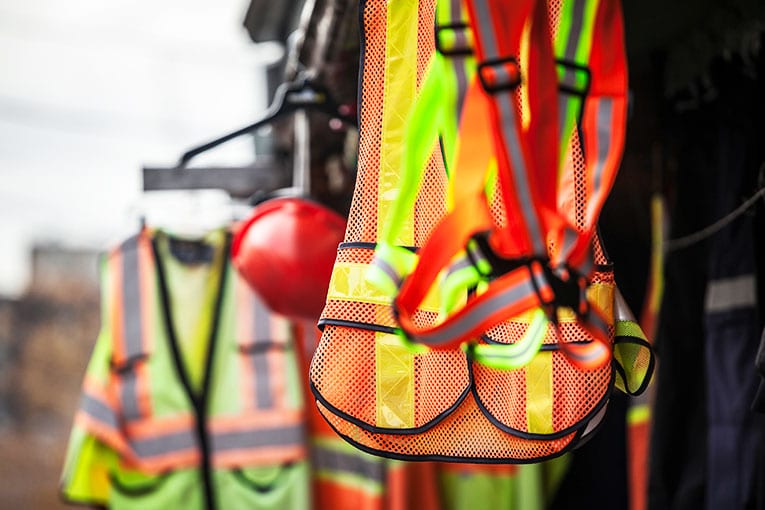
This equipment includes items such as helmets, gloves, goggles, masks, earplugs, and protective clothing, depending on the specific hazards present in a given environment.

PPE is commonly used in industries like construction, manufacturing, healthcare, and laboratories, where workers may be exposed to physical, chemical, or biological dangers. 

The type of PPE required varies based on the job, such as hard hats for construction workers or gloves and masks for healthcare professionals.

The main goal of PPE is to provide a barrier between the individual and potential hazards, ensuring a safer working environment. 

It’s a critical element of workplace safety and is often legally required in high-risk industries.

Who Needs Personal Protective Equipment?

who needs- personal protective equipment

Personal Protective Equipment is essential for anyone working in environments with potential hazards. 

Various industries require different types of PPE to ensure worker safety. 

Here are some key groups that need PPE:

Construction Workers

Construction sites are full of risks, such as falling objects, loud noises, and hazardous materials. 

Workers in this field need hard hats, safety glasses, gloves, and steel-toed boots to protect against injuries.

Healthcare Professionals

Doctors, nurses, and other healthcare workers are exposed to biological hazards, chemicals, and infectious diseases. 

They require gloves, masks, gowns, and face shields to safeguard themselves and their patients.

Manufacturing Workers

In manufacturing environments, workers often operate heavy machinery and handle hazardous substances. 

They need PPE like safety goggles, gloves, and hearing protection to minimise risks associated with machinery and chemicals.

Laboratory Personnel

Chemists and laboratory technicians frequently work with potentially dangerous chemicals and biological materials. 

PPE such as lab coats, safety goggles, and respirators is necessary to protect against spills and inhalation of harmful substances.

Agricultural Workers

Farmworkers face unique hazards, including exposure to pesticides, machinery, and the elements. 

They need gloves, masks, and protective clothing to reduce the risk of exposure to chemicals and injuries.

Emergency Responders

Firefighters, paramedics, and police officers encounter various hazards, including toxic environments and physical dangers. 

They rely on specialised PPE to protect themselves while performing their duties.

Essential Personal Protective Equipment List

This is the essential Personal Protective Equipment List used in various industries. 

Below are the main categories of personal protective equipment:

Head Protection

head personal protective equipment

Head protection is crucial for workers in environments where there is a risk of head injuries from falling objects or bumps.

Hard Hats

Hard hats are designed to protect the head from impacts and penetration. 

They are made of durable materials like high-density polyethylene (HDPE) and come with adjustable straps for a secure fit. 

Hard hats also often have a built-in sweatband for comfort. 

Bump Caps

Bump caps provide limited protection against minor bumps and scrapes. 

They are softer than hard hats and are often used in low-risk environments, such as warehouses or indoor facilities.

Eye Protection

eye personal protective equipment

Eye protection is necessary in jobs where workers are exposed to flying debris, chemicals, or harmful light.

Safety Goggles

Safety goggles protect the eyes from various hazards, including dust, splashes, and chemical fumes. 

They provide a snug fit around the eyes and often have anti-fog and scratch-resistant coatings.

Face Shields

Face shields offer full-face protection and are commonly used in welding, grinding, and chemical handling. 

They are usually worn over safety goggles for additional eye protection.

Ear Protection

ear personal protective equipment

Exposure to loud noises can lead to hearing loss. Ear protection helps minimise this risk.

Earplugs

Earplugs are small devices inserted into the ear canal to block out sound. 

They are effective in reducing noise levels and are often disposable for hygiene.

Earmuffs

Earmuffs cover the entire ear and provide higher noise reduction than earplugs. 

They are ideal for environments with extreme noise levels, such as factories and construction sites.

Respiratory Protective Equipment (RPE)

respiratory personal protective equipment

Respiratory protective equipment is vital in environments where workers may inhale harmful substances, including dust, gases, and vapours.

Dust Masks

Dust masks provide basic protection against dust and non-toxic particles. 

They are lightweight and easy to use, making them suitable for short-term tasks.

Respirators

Respirators offer more robust protection and can filter out specific airborne contaminants. 

They come in two main types: half-mask and full-face. 

Half-mask respirators cover the nose and mouth, while full-face respirators protect the eyes as well. 

Respirators must be fitted correctly to ensure they provide adequate protection.

Hand Protection

hand personal protective equipment

Hand protection is essential in environments where workers may encounter cuts, abrasions, or exposure to chemicals.

Work Gloves

These gloves are designed to protect against cuts, abrasions, and punctures. 

They come in various materials, such as leather, cotton, and synthetic options. 

Different gloves are available for different tasks, so it’s essential to choose the right type for the job.

Chemical-Resistant Gloves

These gloves protect against hazardous substances, including chemicals and solvents. 

They are made from materials like nitrile, neoprene, or latex, depending on the specific chemical hazards present.

Body Protection

body personal protective equipment

Body protection involves clothing designed to shield workers from physical and chemical hazards.

Coveralls

Coveralls provide full-body protection from dirt, abrasions, and chemicals. 

They are often used in manufacturing, automotive, and agricultural settings. 

Some coveralls are flame-resistant or chemical-resistant for added safety.

Aprons

Aprons protect the front of the body from spills and splashes. 

They are commonly used in kitchens, laboratories, and industries dealing with chemicals or hazardous materials.

Foot Protection

foot personal protective equipment

Foot protection is crucial in environments where workers are at risk of foot injuries from heavy objects or slippery surfaces.

Steel-Toed Boots

Steel-toed boots protect the toes from falling objects and punctures. 

They also provide support and insulation for the feet. It’s important to ensure that these boots fit correctly for maximum comfort and protection.

Slip-Resistant Shoes

These shoes have specialised soles that provide grip on slippery surfaces, reducing the risk of slips and falls. 

They are essential for workers in kitchens, restaurants, and outdoor settings.

Is Personal Protective Equipment A Legal Requirement?

is personal protective equipment legal requirement

Yes, in most countries, providing and using PPE is a legal requirement for businesses. 

Employers must assess the risks in the workplace and provide appropriate PPE to their employees. 

For example, the Occupational Safety and Health Administration (OSHA) in the United States mandates that employers ensure workers use PPE when necessary. 

Failure to comply with these regulations can result in fines and legal consequences.

PPE regulations differ between industries, so it’s essential to follow the specific guidelines relevant to your field. 

In most cases, both employers and employees share responsibility for ensuring PPE is used correctly.

How Often Should Personal Protective Equipment be Replaced?

how often personal protective equipment replaced

The frequency of replacing Personal Protective Equipment PPE depends on several factors, including the type of equipment, its usage, and the work environment.

Manufacturer Guidelines

Always refer to the manufacturer’s recommendations for replacement intervals. 

Many PPE items come with guidelines that specify how often they should be replaced.

Wear and Tear

Inspect PPE regularly for signs of wear and damage. 

Equipment that shows signs of deterioration, such as cracks, tears, or faded materials, should be replaced immediately, even if it hasn’t reached the recommended time frame.

Frequency of Use

PPE that is used frequently or in harsh conditions will wear out faster. 

For example, gloves and respirators may need replacement after a specific number of uses, while hard hats may last several years with proper care.

Regulatory Standards

Some industries have strict regulations regarding PPE replacement. 

Be aware of any legal requirements specific to your workplace.

Changes in Workplace Conditions

If the work environment changes, such as increased exposure to hazardous materials, consider replacing PPE to ensure adequate protection.

Does Personal Protective Equipment Require Training?

personal protective equipment require training

Yes, Personal Protective Equipment (PPE) requires training to ensure that employees understand how to use it correctly and safely. 

Proper training is crucial for maximising the effectiveness of PPE and minimising workplace injuries. 

Here are key aspects of PPE training:

Understanding PPE Types

Employees need to know the different types of PPE relevant to their job. 

This includes hard hats, gloves, goggles, and respirators. 

Training helps workers identify which PPE is necessary for specific tasks.

Correct Usage

Training should cover how to wear and adjust PPE properly. 

This includes ensuring a snug fit and understanding how to operate any equipment, such as respirators, correctly.

Maintenance and Inspection

Employees must be trained on how to inspect PPE for signs of wear or damage. 

Knowing when to replace or repair equipment is essential for ongoing safety.

Legal Requirements

Many regulatory bodies require employers to provide PPE training. 

Understanding these regulations helps ensure compliance and promotes a culture of safety in the workplace.

Emergency Procedures

Training should also cover what to do in case of an emergency, including how to remove PPE safely after exposure to hazardous materials.

Conclusion

That was our essential personal protective equipment list.

Personal Protective Equipment is vital for maintaining safety in various industries. 

From head protection to proper footwear, each piece of PPE serves a specific purpose in preventing injury and harm. 

Employers must provide appropriate PPE and ensure workers are trained in its use, care, and maintenance.

Regular inspections and timely replacements ensure that PPE continues to offer adequate protection. 

While PPE is a legal requirement in many workplaces, its importance goes beyond compliance. 

It safeguards lives and helps create a safer work environment for everyone. 

By investing in the right PPE and ensuring it’s used correctly, businesses can minimise risks and keep their workers safe.

Fire Risk Assessment – A Guide for Workplaces

A Fire risk assessment is crucial in ensuring the safety of a workplace. 

They help identify potential fire hazards and create a plan to reduce risks. 

Having an effective fire risk assessment can prevent serious incidents and save lives.

In this article, we will explore what a fire risk assessment is, why it’s necessary, who needs it, how to conduct one, and how often it should be done.

What is a Fire Risk Assessment?

what is fire risk assessment

A fire risk assessment is a process that identifies potential fire hazards in a workplace and evaluates the risk they pose. 

The goal is to prevent fires from starting and to ensure that people can safely evacuate if one occurs. 

The assessment involves looking for sources of ignition, flammable materials, and any risks that could make a fire worse.

It also includes checking if there are enough fire safety measures in place, such as fire alarms, extinguishers, and emergency exits. 

The findings help create an action plan to reduce risks, ensuring the workplace complies with fire safety regulations.

A fire risk assessment isn’t just a one-time task. 

It needs to be reviewed regularly, especially if there are changes in the workplace, like new equipment or staff. 

By conducting regular fire risk assessments, workplaces can minimise the chance of fires, protect lives, and avoid costly damages. 

They’re a legal requirement for most businesses, but more importantly, they ensure a safe environment for everyone in the building.

Why is a Fire Risk Assessment Needed?

why fire risk assessment needed

A fire risk assessment is essential for several reasons. 

Legal Requirements

It ensures that workplaces comply with legal requirements. 

Many countries have laws that mandate regular fire risk assessments for businesses.

Accident Prevention

Fire risk assessments help prevent accidents and injuries. 

Fires can spread quickly, and without proper precautions, they can cause serious damage or even fatalities. 

Identifying fire hazards early allows businesses to put in place measures to prevent fires.

Property Protection

A fire risk assessment helps protect property. 

Fires can cause significant financial losses by damaging buildings, equipment, and inventory. 

By reducing fire risks, businesses can protect their investments and ensure continuity.

Safe Working Environment

Finally, fire risk assessments promote a safe working environment. 

Employees will feel safer knowing that their workplace has taken steps to protect them from potential fire risks. 

This can boost morale and increase productivity.

Who Needs a Fire Risk Assessment?

who needs fire risk assessment

A fire risk assessment is essential for almost all businesses and organisations. 

It is a legal requirement in most countries for any workplace that has more than five employees. 

Whether it’s a small office, a large factory, or a retail store, fire risks exist, and conducting regular fire risk assessments helps minimise them.

Businesses and Offices

Any business, regardless of size or industry, needs a fire risk assessment. 

This includes offices, retail stores, restaurants, and warehouses. 

Even low-risk environments, like small offices, should assess potential fire hazards, such as electrical equipment or paper storage.

Industrial Facilities

Factories and warehouses deal with larger risks, especially when handling hazardous materials, machinery, or chemicals. 

Regular assessments help manage these risks and ensure that proper safety measures, like fire suppression systems and clear evacuation routes, are in place.

Public Buildings

Public spaces, such as schools, healthcare buildings such as hospitals, and care homes, need fire risk assessments to protect large groups of people. 

These places often have vulnerable individuals, such as children, the elderly, or people with disabilities, who require extra safety considerations during evacuation.

Landlords and Property Owners

Landlords and property managers are responsible for ensuring that their properties, particularly multi-occupancy buildings like apartment complexes, are fire-safe. 

Regular fire risk assessments ensure that residents have adequate fire alarms, clear escape routes, and functioning fire doors.

What to do For a Fire Risk Assessment

fire risk assessment what to do

Conducting a fire risk assessment is essential for maintaining workplace safety. 

It involves identifying potential fire hazards, assessing risks, and implementing measures to reduce those risks. 

Below is a step-by-step guide on what to do for a fire risk assessment.

Identify Fire Hazards

The first step in a fire risk assessment is identifying potential fire hazards in the workplace. 

Hazards can include sources of ignition, such as electrical equipment, heaters, or machinery, and combustible materials like paper, fabric, or chemicals. 

Look for areas where heat or sparks could come into contact with flammable items. 

This can be anything from overloaded power outlets to improper chemical storage.

Identify People at Risk

Next, identify who might be at risk in the event of a fire. 

This includes not only employees but also visitors, contractors, or members of the public. 

Consider specific groups that may be more vulnerable, such as the elderly, disabled, or those with mobility issues. 

Make sure that emergency exits and lighting, and evacuation procedures are suitable for everyone, including those who may need assistance during an evacuation.

Evaluate the Risks and Take Action

Once you’ve identified hazards and people at risk, evaluate the level of risk associated with each hazard. 

Ask yourself: How likely is it that a fire could start, and how severe would the consequences be? 

After evaluating the risks, take appropriate actions to eliminate or reduce them. 

This could involve:

  • Removing or reducing fire hazards (e.g., properly storing flammable materials).
  • Installing or improving fire detection systems, such as smoke alarms.
  • Ensuring that fire extinguishers are accessible and maintained.
  • Implementing clear fire safety protocols and ensuring exits are unobstructed.

Record Your Findings and Implement Changes

In businesses with more than five employees, it is a legal requirement to document your findings. 

This documentation should include the hazards identified, the people at risk, and the actions taken to reduce or eliminate risks. 

Keep a detailed log of all fire safety measures in place, such as fire extinguishers, fire exits, and alarms.

Once you have recorded the findings, make sure the necessary changes are implemented. 

Assign responsibilities to individuals, such as fire wardens or fire marshals, who can oversee the implementation of safety measures.

Review and Update Regularly

Fire risk assessments are not a one-time task and should be reviewed regularly.

By keeping your assessment up to date, you ensure that new risks are addressed, and fire safety measures remain effective.

Who Can Do a Fire Risk Assessment?

who can do fire risk assessment

A fire risk assessment can be conducted by a competent person within the workplace. 

This person must have adequate knowledge of fire safety regulations and an understanding of fire hazards. 

Often, businesses will appoint a fire warden or safety officer to conduct these assessments.

For complex buildings or high-risk environments, it may be necessary to hire a professional fire risk assessor. 

A professional will have the expertise and experience to identify risks that might be overlooked by someone with less training.

Some businesses choose to outsource their fire risk assessment entirely to certified professionals. 

This ensures that the assessment is thorough and compliant with legal standards. 

However, even if you hire a professional, the employer is still responsible for ensuring the assessment is carried out properly.

How Often Should a Fire Risk Assessment be Done?

how often fire risk assessment

A fire risk assessment should be conducted regularly to ensure the safety of a workplace and its occupants. 

The frequency of these assessments depends on various factors, such as the type of business, the size of the premises, and the level of fire risk involved.

Annual Reviews

As a general rule, businesses should review their fire risk assessments at least once a year. 

This ensures that any changes in the workplace, such as new equipment or changes in staff, are considered and any new risks are identified and addressed.

After Significant Changes

If there are significant changes in the workplace, such as renovations, new machinery, or changes in the number of employees, a new fire risk assessment should be done immediately. 

These changes can introduce new fire hazards or affect existing safety measures, such as fire exits or alarm systems.

High-Risk Environments

Workplaces with higher fire risks, such as factories, chemical plants, or places that handle flammable materials, may need more frequent fire risk assessments. 

Depending on the level of risk, reviews might be necessary every six months or even quarterly.

After a Fire Incident

If a fire has occurred, an immediate review and reassessment should be conducted. 

This helps identify what went wrong and ensures that additional safety measures are put in place to prevent future incidents.

Conclusion

You should now have the knowledge on exactly what a fire risk assessment is. 

A Fire risk assessment is vital for ensuring workplace safety and preventing devastating incidents. 

They help identify potential hazards, protect employees, and ensure compliance with fire safety regulations. 

Conducting regular fire risk assessments, documenting findings, and acting on identified risks will create a safer environment for everyone. 

Remember, whether your workplace is an office, a factory, or a care home, fire safety is a responsibility that should never be overlooked. 

By following the steps outlined in this guide, you can ensure that your fire risk assessment is thorough, effective, and up to date.

What is COSHH?

Keeping your business safe for everyone in your workplace is vitally important. 

This is where COSHH comes in, but exactly what is COSHH?

COSHH is a crucial regulation for workplace safety. 

This article explains what COSHH is, what it covers, how to comply with it, and everyone’s responsibilities.

What is COSHH?

what is coshh image

COSHH stands for Control of Substances Hazardous to Health. 

It is a set of regulations in the United Kingdom designed to protect workers from health risks associated with hazardous substances. 

COSHH requires employers to manage and control risks associated with these substances to ensure the safety and health of their employees. 

This involves several key activities, including identifying hazardous substances, assessing their potential risks, and implementing control measures to minimise exposure.

The regulations mandate that employers must conduct a thorough risk assessment to evaluate how these substances might affect employees. 

Based on this assessment, they must implement control measures, which may include ventilation systems, protective equipment, and safe handling procedures. 

Employers are also required to provide adequate training for employees on the safe use of hazardous substances and ensure that safety data sheets are available for all chemicals used.

Additionally, COSHH requires regular monitoring and review of the control measures to ensure they are effective and up-to-date. 

Employers must also keep records of risk assessments and any incidents related to hazardous substances.

What Does COSHH Cover?

what does coshh cover

COSHH is a regulation that addresses a wide range of hazardous substances found in various workplaces. 

Understanding what COSHH covers is crucial for managing health risks effectively.

Chemicals

COSHH covers chemicals used in industrial processes, laboratories, and cleaning. 

These include solvents, acids, and detergents. 

Chemicals can pose risks such as toxicity, flammability, or corrosivity. 

COSHH requires employers to identify these risks and implement control measures.

Fumes and Vapours

Workplaces that involve high-temperature processes, such as welding or metalworking, often produce fumes and vapours. 

These can be harmful if inhaled over time. COSHH regulations require proper ventilation and air filtration systems to control exposure.

Dusts

Dusts from materials like wood, flour, or minerals can cause respiratory issues and other health problems. 

COSHH requires measures such as dust extraction systems and regular cleaning to minimise dust levels and protect workers.

Biological Agents

Biological agents include bacteria, viruses, and fungi that can pose health risks. 

For instance, healthcare settings or laboratories may deal with potentially infectious materials. 

COSHH covers the handling, storage, and disposal of these agents, requiring proper hygiene and protective equipment.

Nanomaterials

Nanomaterials are substances with particles smaller than 100 nanometers. 

They can have unique and potentially hazardous properties. 

COSHH regulations apply to the handling and safety of these materials, including risk assessments and protective measures.

Carcinogens

Substances that can cause cancer are covered by COSHH. 

Employers must implement stringent controls to limit exposure, such as using less hazardous alternatives or providing personal protective equipment.

Explosives

COSHH also applies to substances that are explosive or flammable. 

Proper storage, handling, and emergency procedures are required to prevent accidents.

Who Must Comply with COSHH?

who comply coshh

COSHH applies to all employers and self-employed individuals who handle hazardous substances in the workplace. 

This includes a wide range of industries and sectors where hazardous materials are used, stored, or produced.

Employers

Employers are responsible for ensuring compliance with COSHH regulations. 

This means they must:

  • Identify and assess risks associated with hazardous substances.
  • Implement control measures to minimise exposure.
  • Provide training and information to employees about handling these substances.
  • Ensure that safety data sheets are available for all hazardous chemicals.
  • Regularly review and update safety procedures and risk assessments.

Self-Employed Individuals

Self-employed individuals who work with hazardous substances are also required to comply with COSHH. 

They must:

  • Conduct their own risk assessments.
  • Implement appropriate control measures.
  • Use personal protective equipment (PPE) as needed.
  • Keep records of safety procedures and risk assessments.

Contractors and Visitors

Contractors and visitors may need to comply with COSHH if they work with hazardous substances while on site. 

Employers must ensure that they are informed of the risks and safety procedures.

What do the COSHH Symbols Mean?

COSHH symbols are essential for understanding the hazards associated with various substances. 

Each symbol indicates a specific type of risk and helps in handling materials safely. 

Here’s a guide to what each COSHH symbol means:

Compressed Gas

compressed gas coshh symbol

The compressed gas symbol looks like a cylinder and indicates that the substance is stored under pressure. 

This can be dangerous if the gas is released suddenly. 

Compressed gases can cause explosions or injuries if not handled correctly. 

Safety measures include proper storage and handling procedures.

Corrosive

corrosive coshh symbol

The corrosive symbol, represented by a container pouring liquid onto a hand and a metal surface, signifies that the substance can cause severe damage to skin, eyes, or materials. 

Corrosive substances can cause burns or corrosion, so proper protective equipment and careful handling are required.

Environmentally Hazardous

environmentally hazardous coshh symbol

An environmentally hazardous symbol features a dead tree and fish. 

This indicates that the substance can cause significant harm to the environment. 

It may be toxic to aquatic life or contribute to long-term ecological damage. 

Safe disposal and spill containment are essential.

Explosive

explosive coshh symbol

The explosive symbol shows an exploding bomb and warns that the substance can explode under certain conditions. 

Explosive materials can pose a severe risk of blast and fire. 

Proper storage, handling, and safety precautions are necessary to prevent accidents.

Flammable

flammable coshh symbol

The flammable symbol, a flame, indicates that the substance can easily catch fire. 

Flammable materials pose risks of fire and explosion. 

Avoid exposure to sources of ignition and store them away from heat sources.

Health Hazard

health hazard coshh symbol

The health hazard symbol features a human silhouette with a star. 

It denotes substances that may cause serious health effects such as cancer, respiratory issues, or reproductive harm. 

Using personal protective equipment and proper handling procedures is crucial.

Irritant

irritant coshh symbol

The irritant symbol, showing an exclamation mark, represents substances that can cause irritation to skin, eyes, or respiratory tract. 

While not as severe as corrosive substances, irritants can cause discomfort and long-term health effects if not handled properly.

Oxidiser

oxidiser coshh symbol

An oxidiser symbol looks like a flame over a circle and indicates that the substance can cause or enhance a fire. 

Oxidisers can make other materials burn more intensely. 

Store them carefully and away from flammable substances.

Toxic

toxic coshh symbol

The toxic symbol, with a skull and crossbones, signifies that the substance can cause severe health effects or death if ingested, inhaled, or absorbed. 

Extreme caution is needed when handling toxic substances, including using appropriate protective gear and ensuring proper storage.

What are COSHH Employer Responsibilities?

coshh employer responsibilities

Under COSHH regulations, employers have several key responsibilities to ensure the safety and health of their employees when dealing with hazardous substances:

Risk Assessment

Employers must conduct thorough risk assessments to identify hazardous substances and evaluate the risks they pose. 

This includes assessing how substances are used, handled, and stored, and determining the potential impact on employees’ health.

Control Measures

Based on the risk assessment, employers must implement control measures to minimise exposure. 

This can include engineering controls like ventilation systems, administrative controls such as safe working procedures, and personal protective equipment (PPE) like gloves and masks.

Training and Information

Employers are required to provide training for employees on how to handle hazardous substances safely. 

This includes understanding COSHH symbols, following safety procedures, and using PPE correctly. 

Employers must also ensure that employees have access to Safety Data Sheets (SDS) for all hazardous substances used.

Health Surveillance

Employers must monitor employees’ health if they are exposed to hazardous substances. 

This may involve regular health checks to detect any adverse effects early and take corrective actions.

Record Keeping

Employers must keep records of risk assessments, safety procedures, and any incidents involving hazardous substances. 

These records help ensure compliance and provide documentation for regulatory purposes.

What are COSHH Employee Responsibilities?

coshh employee responsibilities

Under COSHH regulations, employees also have important responsibilities to ensure their own safety and the safety of others when working with hazardous substances. 

These responsibilities include:

Following Procedures

Employees must adhere to all safety procedures and instructions provided by their employer. 

This includes using hazardous substances according to the guidelines and following established protocols for handling and storage.

Using Personal Protective Equipment (PPE)

Employees are required to wear and use PPE as specified by their employer. 

This includes items like gloves, masks, and goggles designed to protect against exposure to hazardous substances.

Reporting Hazards and Incidents

Employees must report any unsafe conditions, spills, or incidents involving hazardous substances to their employer immediately. 

Prompt reporting helps to address and mitigate potential risks and prevents accidents.

Attending Training

Employees should attend all training sessions provided by their employer. 

This training covers safe handling practices, understanding COSHH symbols, and emergency procedures related to hazardous substances.

Using Equipment Properly

Employees must use all equipment and tools as instructed and ensure they are in good working condition. 

Proper use of equipment helps to prevent accidents and reduce exposure to hazards.

Conclusion

You should now have more of an understanding of exactly what is COSHH.

COSHH is essential for protecting workers from health risks related to hazardous substances. 

By understanding COSHH regulations, symbols, and responsibilities, employers and employees can work together to create a safer workplace. 

Proper risk assessment, control measures, and training are key to managing hazardous substances effectively.

Fire Service Cultural Competency Certificate Program – Washington, D.C.

We are excited to invite you to the Fire Service Cultural Competency Certificate Program in Washington, D.C., presented by FSPA and the DC Fire & EMS Department. This UNIQUE and immersive program offers 7 Continuing Education (CE) credits, making it an invaluable opportunity for psychologists and masters-level mental health clinicians to gain unique insights into the world of firefighting and emergency medical services. The program will take place in conjunction with FSPA’s 7th Annual Conference, but attendance at the conference is not required for enrolment in this comprehensive training.

The program will take place in conjunction with FSPA’s 7th Annual Conference on October 3&4, but attendance at the conference is not required for enrolment in this comprehensive training.

Program Schedule:

Day 1: Fire Operations 101
• Date: October 2nd
• Location: DC Fire & EMS Training Facility
• Time: 0800-1600 hrs. EDT
Participants will experience realistic firefighting scenarios, including live fire, search and rescue, aerial ladder operations, and medical emergencies such as overdose response.

Day 2: Understanding Fire Service Culture
• Date: October 5th
• Location: DC Fire & EMS Training Facility
• Time: 0800-1600 hrs. EDT
This classroom session will provide a deeper understanding of the unique cultural aspects of the fire service, including performance standards, trauma exposure, and psychological demands.

Participants will also have the opportunity to complete 40 hours of ride-alongs with DC Fire & EMS and receive additional consultation hours to ensure proficiency in fire service psychology.

FSPA’s Cultural Competency Training is unique from other programs because participants will also have the opportunity to complete 40 hours of ride-alongs with fire departments near their practice and receive additional consultation hours to ensure proper support and proficiency as they learn to work with firefighters.  

Space is limited! Click Here to sign up today and secure your spot. For any questions or special accommodation requests, please contact us at info@firepsychology.org.  

We look forward to seeing you in D.C.!

Best regards, Kristen Wheldon Founder, Fire Service Psychology Association

How Long Do Fire Extinguishers Last?

Fire extinguishers are crucial tools for swiftly combating small fires, but do they last forever? 

Understanding their lifespan and exactly how long do fire extinguishers last is vital for ensuring their effectiveness in emergencies. 

In this article, we’ll explore how long different types of fire extinguishers last, when to replace them, and the importance of regular servicing.

How Long Do Fire Extinguishers Last?

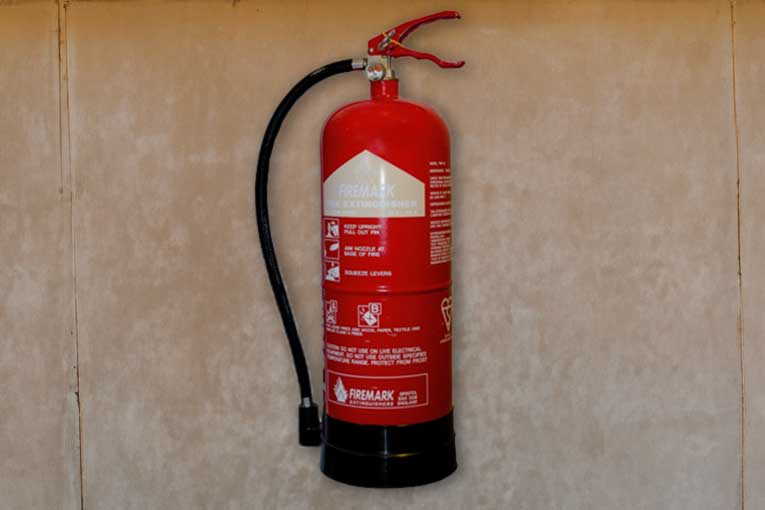
how long do fire extinguishers last image

Fire extinguishers are crucial for rapid response in emergencies, but their effectiveness diminishes over time. 

Understanding how long fire extinguishers last is essential for maintaining a safe environment.

Disposable

Disposable fire extinguishers typically have a lifespan of around 10 to 12 years. 

Once they reach this limit or display signs of wear, they should be replaced to ensure optimal performance. 

These extinguishers are designed for single use, emphasising the importance of timely replacements.

Rechargeable

Rechargeable fire extinguishers, designed for multiple uses, have a service life of approximately 6 years. 

After this period, a thorough professional inspection and maintenance are necessary to ensure their continued reliability. 

If any issues are identified during servicing or if the extinguisher reaches the end of its recommended life, it should be replaced promptly.

How Often Should Fire Extinguishers be Serviced?

how often fire extinguishers serviced

Routine maintenance is key to ensuring the reliability of fire extinguishers. 

Different types require distinct servicing intervals to guarantee optimal functionality when facing a fire emergency.

Water, Powder, or Foam

Fire extinguishers containing water, powder, or foam should undergo professional servicing every 5 years. 

This process involves a thorough inspection, testing, and refilling, if necessary. 

Regular servicing helps identify any issues and ensures the extinguisher is fully operational.

CO2

CO2 fire extinguishers, commonly used for electrical fires, have a longer service interval of 10 years. 

These extinguishers should undergo a comprehensive professional service to inspect and maintain their components. 

This ensures that the extinguisher remains effective in suppressing electrical fires.

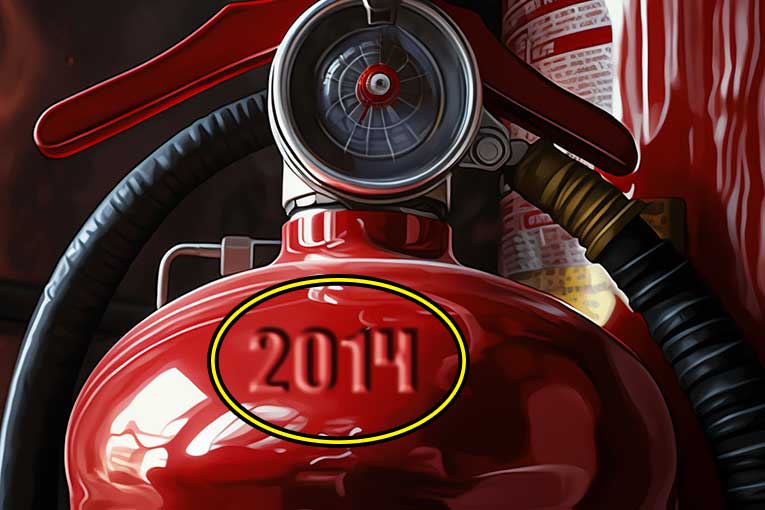
Where to Find the Fire Extinguisher Manufacture Date?

fire extinguishers manufacture date

Knowing the manufacture date of a fire extinguisher is crucial for determining its lifespan and understanding how long your fire extinguisher will last. 

The location of this information varies based on the type of extinguisher.

Steel Fire Extinguishers

Stamped into the Cylinder

The manufacture date may be physically stamped onto the cylinder of the steel fire extinguisher. 

This stamp provides a clear and permanent indication of when the extinguisher was produced.

On the Label

Alternatively, the manufacture date might be included on the label affixed to the extinguisher. 

This label provides essential information about the extinguisher’s specifications and usage guidelines.

P50 Service-Free Extinguishers

Older Models 

For older P50 fire extinguisher models, the manufacture date is typically printed on the base of the unit.

Newer Models 

Newer P50 models use a coloured pin that correlates to a table printed on the label. 

The pin colour corresponds to the month and year of manufacture, providing a quick reference.

When Should you Replace a Fire Extinguisher Early?

replace fire extinguishers early

While fire extinguishers have defined lifespans, certain circumstances may warrant early replacement to ensure optimal performance in emergencies. 

Here are key indicators that suggest an extinguisher should be replaced ahead of schedule:

Cracked Nozzle or Hose

Issue

Physical damage like cracks compromises the structural integrity of the nozzle or hose.

Effect

The crack can lead to leaks or difficulties in delivering the extinguishing agent during a fire, rendering the extinguisher less effective.

Blocked Nozzle or Hose

Issue

Obstructions in the nozzle or hose can hinder the discharge of the extinguishing agent.

Effect

A blocked nozzle or hose reduces the extinguisher’s ability to control a fire, diminishing its overall performance.

Broken Handle

Issue

A broken handle makes it challenging to operate the extinguisher efficiently.

Effect

In an emergency, a broken handle may impede the user from effectively using the extinguisher, delaying response time.

Missing Locking Pin

Issue

The locking pin is crucial for preventing accidental discharges and maintaining the extinguisher’s readiness.

Effect

Without the locking pin, there’s a risk of unintentional discharges, and the extinguisher may not be securely stored or easily accessible.

Missing Inspection Sticker

Issue

An extinguisher without an updated inspection sticker may not have undergone required maintenance.

Effect

Missing inspection documentation indicates a lack of regular checks, raising concerns about the extinguisher’s reliability and adherence to safety standards.

Corrosion

Issue

Corrosion on the cylinder or other parts compromises the structural integrity of the extinguisher.

Effect

Corrosion weakens the extinguisher, making it more susceptible to damage and reducing its ability to withstand the pressure needed for proper discharge.

Suspected of Leaking

Issue 

Evidence of leaking substances suggests a loss of pressure and potential malfunction.

Effect

A leaking extinguisher may fail to discharge its contents effectively during a fire, necessitating immediate replacement to ensure reliability in an emergency.

How Often Should Fire Extinguishers be Inspected?

how often fire extinguishers inspected

Routine inspections are crucial to maintaining the reliability of fire extinguishers, ensuring they function correctly when needed. 

The inspection frequency can be categorised into two intervals:

Monthly Checks

Regular, brief checks by designated personnel.

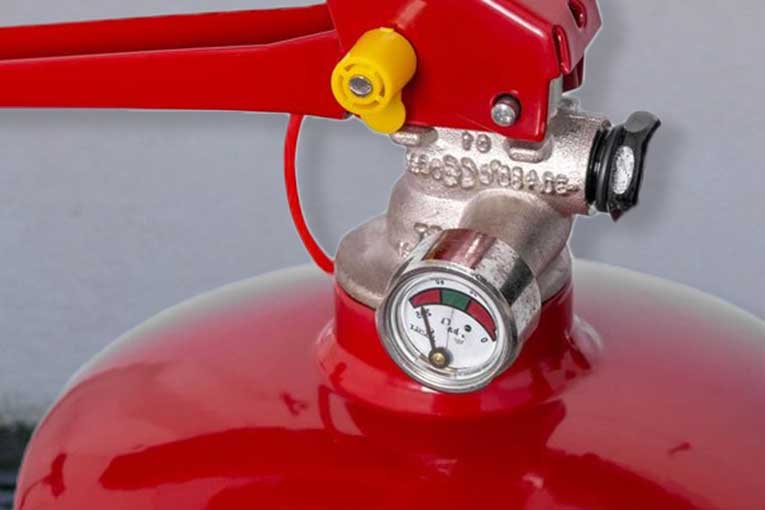
This is to verify that the extinguisher is in its designated place, the pressure gauge shows adequate pressure, and there is no visible damage or tampering.

Monthly checks help identify immediate issues and ensure that the extinguisher is accessible and operational.

Yearly Inspections by a Fire Extinguisher Engineer

In-depth inspections conducted by a certified fire extinguisher engineer, for example those found in the Institution of Fire Engineers.

This will be a comprehensive examination of the extinguisher’s internal and external components, including pressure tests, to ensure it meets safety standards.

Yearly inspections are critical for identifying potential internal issues, such as corrosion or leaks, which might not be evident during routine checks.

What are the Risks of Using an Older Fire Extinguisher?

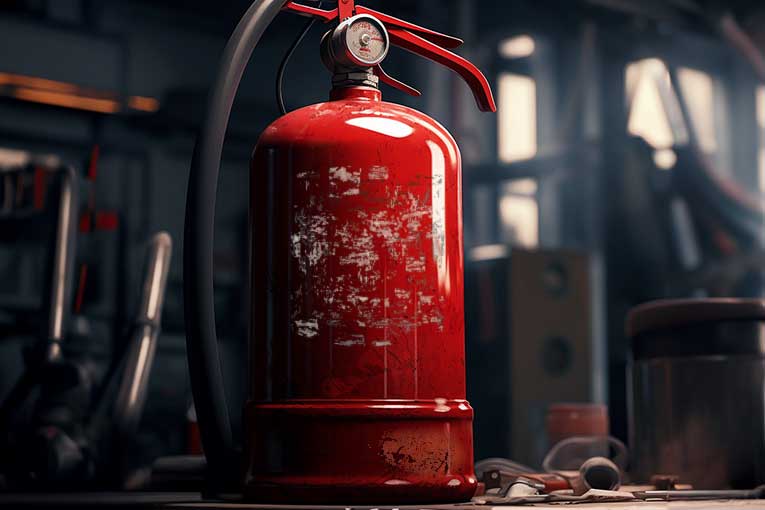
older fire extinguishers risks

Using an older fire extinguisher poses various risks, potentially compromising its effectiveness when faced with a fire emergency. 

Here are the key risks associated with relying on an aged fire extinguisher:

Decreased Pressure

Over time, fire extinguishers may experience a gradual loss of pressure, reducing their ability to discharge the extinguishing agent effectively. 

This decline can result from factors like gas leakage or gradual deterioration of internal components.

Corrosion

The internal components of a fire extinguisher, especially the cylinder, are susceptible to corrosion over an extended period. 

Corrosion weakens the structural integrity, making the extinguisher more prone to failure or rupture during use.

Deterioration of Seals and Valves

Seals and valves play a crucial role in maintaining the pressure and integrity of the extinguishing agent. 

As a fire extinguisher ages, these seals and valves can deteriorate, leading to potential leaks and a loss of pressure.

Reduced Extinguishing Agent Efficiency

The extinguishing agent within the fire extinguisher can degrade over time, diminishing its effectiveness. 

This reduction in efficiency may result from factors like exposure to temperature variations or chemical changes within the agent.

Outdated Technology

Older fire extinguishers may use outdated technology compared to more modern counterparts. 

Advances in fire safety technology have led to the development of extinguishers with enhanced features and improved extinguishing agents, providing better protection against various fire types.

Non-compliance with Standards

Fire safety standards and regulations evolve over time, introducing new requirements for equipment.

Older fire extinguishers may not comply with the latest standards, potentially leading to regulatory non-compliance and inadequate fire protection.

How to Dispose of a Fire Extinguisher?

dispose of fire extinguishers

Disposing of a fire extinguisher requires careful consideration to ensure the safe handling of potentially hazardous materials. 

Here’s a guide on how to appropriately dispose of a fire extinguisher:

Check the Extinguisher Type

Identify the type of fire extinguisher, as different extinguishing agents have specific disposal methods. 

Common types include water, powder, foam and CO2.

Contact Local Authorities

Check with your local fire department or waste disposal facility regarding their specific regulations for fire extinguisher disposal. 

Some municipalities organise special collection events or have designated drop-off locations.

Recycling Centres

Certain recycling centres may accept fire extinguishers, as many of the components are fully recyclable. 

Remember to follow local guidelines.

Professional Disposal Services

In some cases, professional hazardous waste disposal services may be necessary for extinguishers containing certain chemicals, such as older foam fire extinguishers. 

Contact local environmental agencies for advice on proper disposal methods.

Conclusion

Knowing how long fire extinguishers last and understanding when to replace them is vital for maintaining a safe environment. 

Regular inspections, proper servicing, and early replacement when necessary ensure that these essential firefighting tools remain effective when needed most. 

Prioritising the longevity and functionality of fire extinguishers is a proactive step towards enhancing overall safety and preparedness in various settings.

How Long Does It Take to Become a Firefighter?

Becoming a firefighter is a noble pursuit that requires dedication, training, and a strong sense of public service, but how long does it take to become a firefighter? 

Aspiring firefighters embark on a journey that involves meeting specific requirements, undergoing rigorous training, and gaining the necessary skills to handle emergencies. 

In this article, we’ll explore the various steps involved in becoming a firefighter, how long it takes to become a firefighter, what the requirements are, and what can stop you from becoming one.

What Are the Requirements to Be a Firefighter?

firefighter requirements

To embark on the path of becoming a firefighter, individuals must meet specific requirements that vary depending on state regulations and fire department policies. 

Typically, aspiring firefighters must be between the ages of 18 and 37, though these age limits can vary by jurisdiction.

Qualifications play a crucial role, with most fire departments requiring candidates to possess a high school diploma or equivalent. 

Some departments may prefer or mandate candidates to have completed college-level coursework or earned a degree in fire science or a related field.

Physical fitness is a non-negotiable requirement, as firefighters often find themselves in physically demanding situations. 

Candidates must pass rigorous fitness assessments to demonstrate their ability to handle the strenuous tasks associated with firefighting.

A valid driver’s licence is usually a prerequisite, considering the need for firefighters to operate emergency vehicles. 

Additionally, having a clean driving record is essential.

Candidates with criminal convictions may face disqualification, emphasising the importance of a clean legal history. 

Fire departments seek individuals with high moral character and reliability, ensuring the public’s trust in their service. 

Meeting these requirements lays the foundation for individuals aspiring to join the ranks of dedicated and capable firefighters.

How Long Does It Take to Become a Firefighter?

Becoming a firefighter involves a multi-step process, and the duration can vary based on individual choices and career paths. 

The primary components of firefighter training include the Fire Academy, college degree, paramedic training, and emergency medical training. 

Notably, not every step is mandatory, and aspiring firefighters can combine certain elements to streamline the process.

The Fire Academy

The Fire Academy is a foundational training program that typically spans 3 to 6 months. 

It provides essential skills in fire suppression, rescue operations, and emergency response. 

Some individuals opt to attend the Fire Academy after obtaining other qualifications, while others make it their initial step.

College

firefighter training-college

A college degree, often in fire science or a related field, is another avenue for aspiring firefighters. 

This educational path can take anywhere from 2 to 4 years to complete. 

While a degree enhances a candidate’s knowledge and credentials, it’s not a prerequisite for all fire departments.

Paramedic Training

firefighter training paramedic

Paramedic training, lasting 1 to 2 years, is crucial for those aspiring to work as firefighter-paramedics. 

This additional certification enables firefighters to provide advanced medical care in emergencies, enhancing their versatility on the job.

EMT Training

firefighter emt training

Emergency medical technician training, typically lasting around 6 months, focuses on basic life support skills. 

While not as comprehensive as paramedic training, it equips firefighters with essential medical knowledge to address immediate needs in emergency situations.

Individuals can choose to combine these steps based on their career goals and department requirements. 

For example, someone aiming to become a firefighter-paramedic might opt for simultaneous paramedic training while attending the Fire Academy. 

This flexibility allows aspiring firefighters to tailor their journey to align with their specific career objectives and the demands of their chosen fire department.

Why Does Firefighter Training Take So Long?

firefighter training takes so long

Firefighter training is comprehensive and extensive due to the diverse range of skills and knowledge required for the profession, and the reason why it takes so long to become a firefighter. 

The length of training reflects the demanding nature of the job and the need for firefighters to be well-prepared for various emergency situations.

The thoroughness of firefighter training is essential to ensure that individuals can respond effectively to a wide range of incidents, from fires and rescues to medical emergencies. 

The extended duration allows for practical, hands-on experience, simulation exercises, and theoretical learning, ensuring that firefighters are well-prepared and confident in their abilities when facing real-life challenges.

Why Do You Need EMT Training to be a Firefighter?

firefighter need emt training

EMT training is a crucial component of firefighter preparation, enhancing their ability to respond to a variety of emergencies. 

Firefighters often serve as first responders in medical incidents, and EMT training equips them with the necessary skills to provide immediate and potentially life-saving care.

Firefighters frequently encounter situations where medical intervention is required, such as accidents, injuries, or incidents involving hazardous materials. 

EMT training allows them to assess and stabilise patients, manage trauma, administer medications, and perform other critical medical procedures. 

This capability ensures a well-rounded response to emergencies, addressing both fire-related and medical aspects.

Moreover, EMT training aligns with the broader trend of emergency services convergence, emphasising the integration of firefighting and emergency medical services. 

This approach recognizes the interconnected nature of emergencies, where incidents often involve both fire and medical components. 

As such, firefighters with EMT training can offer a comprehensive and immediate response to a diverse array of situations, contributing to public safety and well-being.

What Does Firefighter Training Look Like?

Firefighter training is a comprehensive and rigorous process designed to equip individuals with the skills and knowledge necessary for the challenging and diverse aspects of the profession. 

The training encompasses a blend of classroom instruction, hands-on practical exercises, and physical fitness regimens.

Classroom Sessions

firefighter training classroom sessions

Classroom sessions cover essential theoretical knowledge, including fire science, hazardous materials awareness, emergency medical procedures, and incident command systems. 

These foundational concepts provide a theoretical framework for understanding firefighting principles.

Practical Exercises

firefighter training practical exercises

Hands-on practical exercises are a vital component, allowing trainees to apply theoretical knowledge in realistic scenarios. 

This includes fire suppression techniques, search and rescue operations, handling specialised equipment, and responding to various emergency situations. 

Practical training fosters muscle memory and enhances the ability to perform under pressure.

Physical Fitness

firefighter training physical fitness

Physical fitness is a core focus throughout firefighter training. 

The demanding nature of firefighting requires firefighters to be in excellent physical condition. 

Training includes endurance exercises, strength training, agility drills, and simulations to prepare individuals for the physical demands of the job.

Live-fire Training

firefighter training live fire training

Live-fire training exercises in controlled environments simulate real-life scenarios, allowing trainees to experience the intensity and dynamics of firefighting. 

These exercises involve using firefighting equipment, coordinating team efforts, and making quick decisions in a dynamic environment.

How Often do Fire Departments Hire Firefighters?

firefighter hiring

The frequency of firefighter hiring by fire departments varies based on factors such as department size, budget constraints, retirements, and community needs. 

In larger urban areas, where the demand for firefighting services is higher, fire departments may have more frequent recruitment cycles. 

Smaller communities or rural fire departments may have less frequent hiring cycles due to budgetary constraints and lower call volumes. 

In such cases, hiring may occur less regularly, typically when there is a need to replace retiring firefighters or expand the department’s capabilities.

Fire departments often plan recruitment drives strategically, considering long-term projections for retirements and community growth. 

They may announce openings, conduct written exams, physical assessments, and interviews as part of the selection process. 

Prospective firefighters should monitor announcements from local fire departments, municipalities, or government websites for information about upcoming hiring processes. 

Additionally, networking with current firefighters, attending job fairs, and staying informed about industry trends can provide valuable insights into potential opportunities.

What Can Disqualify You From Becoming a Firefighter?

Several factors can disqualify individuals from becoming firefighters, as fire departments have stringent requirements to ensure the safety and effectiveness of their teams. 

Criminal Record

firefighter disqualify criminal record

Common disqualifiers include a history of felonies or serious criminal offences, as they can undermine the public’s trust and pose a potential risk in emergency situations. 

Substance abuse issues or a history of drug-related offences may also lead to disqualification due to the importance of maintaining a clear-headed and focused mindset during emergencies.

Poor driving records, especially if they involve serious offences or a history of reckless driving, may be grounds for disqualification, as firefighters often operate emergency vehicles.

Medical Conditions

firefighter disqualify medical conditions

Certain medical conditions or physical limitations may disqualify candidates, as firefighting demands a high level of physical fitness and endurance. 

Conditions that may affect a candidate’s ability to perform essential job functions, such as severe vision or hearing impairments, can be disqualifying.

Why Can’t You Become a Firefighter With No Training?

firefighter no training

Becoming a firefighter without training is typically not possible due to the complex and demanding nature of the profession. 

Firefighters are required to handle a wide range of emergencies, from fires to medical incidents, and they must possess the necessary skills and knowledge to respond effectively.

Training provides essential instruction on fire behaviour, rescue techniques, emergency medical procedures, and the operation of specialised equipment. 

Firefighters need to understand how to navigate hazardous environments, conduct search and rescue operations, and administer first aid. 

Moreover, they must be proficient in using firefighting tools and apparatus, such as hoses, ladders, and breathing apparatus.

Conclusion

Becoming a firefighter is a rewarding but challenging journey that demands commitment and perseverance. 

Answering the question of ‘how long does it take to become a firefighter’ is a difficult one, as the time it takes to become a firefighter varies based on individual choices and department requirements. 

Whether attending the fire academy, pursuing a college degree, or completing paramedic training, each step contributes to shaping competent and capable firefighters ready to serve their communities.

What is a COSHH Assessment & Who Needs Them?

Workplace safety is of the utmost importance and understanding and implementing proper risk assessments is paramount. 

One such essential assessment is COSHH, short for Control of Substances Hazardous to Health. 

The COSHH assessment aims to safeguard employees and others from potential harm due to exposure to hazardous substances in the workplace.

What is a COSHH Assessment?

COSHH assessment employee exposed to chemicals
A COSHH assessment is needed for any employee exposed to chemicals

A COSHH assessment is a crucial process designed to systematically manage and mitigate the risks linked to hazardous substances within a workplace. 

The fundamental objective is to safeguard the health and well-being of individuals exposed to these substances during various work activities.

The assessment encompasses a broad spectrum of materials, not just limited to traditional chemicals. 

It includes biological agents, dust, fumes, and other substances that have the potential to pose health risks. 

This systematic evaluation ensures that any potential harm associated with these substances is identified and effectively controlled.

COSHH assessments play a pivotal role in fostering a secure work environment. 

By scrutinising all substances within the workplace that could be considered hazardous, this process enables organisations to take proactive measures to minimise risks and adhere to regulatory standards.

The systematic steps involved in a COSHH assessment, from identifying hazardous substances to evaluating control measures, contribute to the creation of a detailed and effective risk management plan. 

Through documentation, communication, and training, a COSHH assessment becomes a cornerstone in promoting awareness and understanding among personnel about the potential risks associated with hazardous substances and the measures in place to mitigate them. 

Overall, it is an indispensable tool for organisations committed to maintaining a safe and healthy workplace.

Who Needs to have a COSHH Assessment?

COSHH assessment healthcare
A COSHH assessment happens in several industries, including healthcare

Any business where employees are exposed to hazardous substances requires a COSHH assessment. 

This includes but is not limited to:

Manufacturing and Industry

Industries that involve the use of chemicals, solvents, or other hazardous substances in processes or production.

Healthcare

Hospitals, clinics, and other healthcare settings where various substances, including cleaning chemicals and pharmaceuticals, are utilised.

Laboratories

Research facilities and testing laboratories dealing with chemicals and biological agents.

Construction

Sites where workers may encounter substances like dust, adhesives, or paints.

Cleaning Services

Companies involved in cleaning, janitorial, or sanitation services using various cleaning agents.

Agriculture

Farms and agricultural settings where pesticides, fertilisers, and other chemicals are employed.

Retail

Businesses that sell products containing hazardous substances, such as paints, adhesives, or cleaning supplies.

Office Environments

Even seemingly low-risk environments may have substances like cleaning chemicals that require assessment.

Educational Institutions

Schools, colleges, and universities where laboratories and workshops involve the use of various chemicals.

How Often Should a COSHH Assessment be Done?

According to COSHH Regulations, there is no set frequency specified for how often a COSHH assessment should be conducted. 

Instead, it is a dynamic process that depends on the nature of the work, the substances involved, and any changes in the workplace that may affect exposure.

The law requires that COSHH assessments be carried out systematically and be reviewed regularly. 

The Health and Safety Executive (HSE) advises that assessments should be reviewed if there is any reason to suspect they are no longer valid or if there has been a significant change in the workplace or work processes.

For example, if new substances are introduced into the workplace, processes change, or if there is evidence that control measures are not effective, a review of the COSHH assessment is necessary. 

This flexible approach allows for the adaptation of safety measures to the evolving nature of work environments.

It’s crucial for employers to stay vigilant and ensure that COSHH assessments are not treated as a one-off task but rather as an ongoing process that reflects the dynamic nature of workplaces. 

Regular reviews help in identifying emerging risks and adjusting control measures accordingly. 

Failure to regularly review COSHH assessments can lead to a workplace being ill-prepared to manage new risks, potentially endangering the health and safety of employees.

What Happens in a COSHH Assessment?

What happens COSHH assessment
What exactly happens in a COSHH assessment?

Here’s an in-depth look at what happens during a COSHH assessment:

Identification of Hazardous Substances

The process begins with identifying all the hazardous substances used, stored, or generated in the workplace. 

This includes any substances that could pose a risk to health.

Assessment of Risks

Once identified, the next step is to assess the risks associated with these substances. 

This involves evaluating how employees might be exposed, the potential harm it could cause, and the likelihood of that harm occurring.

Evaluation of Control Measures

The effectiveness of existing control measures is examined. 

This includes ventilation systems, personal protective equipment (PPE), safe work procedures, and any other measures in place to minimise exposure. 

The assessment considers whether these measures are sufficient or if additional controls are needed.

Recording and Documentation

All findings are recorded, and a written assessment is created. 

This document outlines the identified hazards, the risks associated, and the control measures in place. 

This serves as a reference for employees, management, and regulatory bodies.

Review and Update

The assessment is not a one-time task. It needs to be regularly reviewed and updated, especially when there are changes in work processes, substances used, or if control measures prove ineffective. 

This ensures that the assessment remains relevant and effective over time.

Communication and Training

Employees need to be informed about the hazards associated with the substances they work with and the measures in place to protect them. 

Training is essential for ensuring that everyone understands the risks and knows how to use control measures effectively.

Emergency Planning

In the event of an emergency, such as a spill or exposure, there should be clear plans and procedures in place. 

This could include evacuation plans, first aid procedures, and emergency contact information.

Consultation with Employees

Employees should be actively involved in the assessment process. 

They are often the ones with valuable insights into the practical aspects of their work, and their input can contribute to a more comprehensive and effective assessment.

How can you Minimise Risks in a COSHH Assessment?

Here are strategic approaches to minimise these risks:

Robust Employee Training

Ensuring that employees are well-versed in handling hazardous substances is paramount. 

Training should cover the proper usage of personal protective equipment (PPE), safe handling procedures, and emergency response protocols. 

An educated workforce is a critical line of defence against potential risks.

Effective Ventilation Systems

Investing in and maintaining effective ventilation systems is pivotal. 

Adequate ventilation minimises the concentration of hazardous substances in the air, reducing the risk of inhalation and airborne contamination.

Stringent Control Measures

Implementing stringent control measures, such as engineering controls and administrative procedures, is essential. 

This could include enclosure systems, fume hoods, or designated work practices that limit exposure.

Regular Health Surveillance

Conducting regular health surveillance of employees exposed to hazardous substances is a proactive measure. 

Monitoring their health allows for early detection of adverse effects and the adjustment of control measures as needed.

Substitution of Hazardous Substances

Exploring less hazardous alternatives or substitutes for substances in use is a powerful risk reduction strategy. 

Where feasible, replacing hazardous substances with safer alternatives minimises potential harm.

Adequate Storage and Handling Protocols

Establishing and enforcing proper storage and handling protocols is critical. 

This involves secure storage, clearly labelled containers, and meticulous procedures to prevent spills or accidental exposure.

Emergency Response Planning

Having a robust emergency response plan is non-negotiable. 

This includes clear procedures for spills, leaks, or unintended exposures. 

Employees should be well-trained on emergency protocols, including evacuation routes and first aid procedures.

Regular Audits and Inspections

Frequent audits and inspections ensure that control measures are consistently implemented and effective. 

Identifying and rectifying any lapses promptly enhances the overall safety of the workplace.

Conclusion

COSHH assessments are not just regulatory requirements; they are fundamental tools for ensuring workplace safety. 

Whether you are in a chemical manufacturing plant or a bakery, identifying and controlling hazards is critical. 

By understanding the significance of COSHH assessments and actively implementing their findings, businesses can create safer environments for their workforce, promoting health, well-being, and overall productivity.

Why is PPE Important?

In every workplace, safety should be the top priority for both employers and employees.

Ensuring a safe and secure working environment not only protects the well-being of workers but also helps to increase productivity and overall organisational success. 

One crucial aspect of achieving workplace safety is the use of Personal Protective Equipment, commonly known as PPE

PPE refers to a diverse range of specialised gear designed to shield workers from various workplace hazards, such as chemical exposure, physical impacts, electrical shocks, and more. 

Cloth Facemasks
PPE equipment includes respiratory protection

Throughout this article, we will delve into the different types of PPE available, explore why is PPE important and understand the benefits they offer, all while emphasising the significance of compliance in fostering a culture of safety.

Different Types of PPE

There are countless potential workplace hazards which create the need for several categories of PPE options that are tailored to provide specific protection.

There are 5 main categories:

Protective Clothing

From standard coveralls, gloves and aprons, to specialised fire-resistant or high-visibility clothing, PPE workwear and clothing items are an essential part of everyday life for many organisations.

These garments act as a robust barrier against harmful chemicals, biohazards, and other potentially hazardous substances.

Eye Protection

Safety goggles, face shields, and safety glasses are important PPE items that shield the eyes from dust, debris, chemicals, and intense light. 

Doctor Wearing PPE
The right PPE has to fit for purpose for the right job

These protective gear options are especially important in the construction, manufacturing, and healthcare industries.

Respiratory Protection

Respiratory protection is essential for workers who could be exposed to airborne contaminants like dust, fumes, or gases. 

Respirators, masks, and filters ensure that the air the wearer breathes in is free from harmful particles, safeguarding their respiratory health.

Hearing Protection

Hearing protection, such as earplugs and earmuffs, is vital for employees working in noisy environments, as prolonged exposure to high levels of noise can lead to hearing damage or loss.

Head Protection

Head protection, most often hard hats, serves as a primary defence against head injuries resulting from falling objects or accidental collisions on construction sites or other hazardous workplaces.

Why is PPE Important in the Workplace?

PPE is an individual’s first line of defence against a wide range of workplace accidents, injuries and illnesses. 

Wearing and utilising the correct PPE significantly reduces the risk of severe injuries and long-term health issues caused by exposure to various hazards.

PPE provides an additional layer of safety, offering protection even in circumstances where other safety measures might fall short.

The proper use of PPE can give workers confidence, empowering them to carry out their duties effectively, knowing they have reliable protection against potential harm. 

This sense of security fosters a safer work culture, and can even boost employee morale and motivation.

As well as this, strict adherence to PPE guidelines showcases an employer’s commitment to their employees’ well-being and safety. 

High Vis PPE
PPE is vital for safety in the workplace

As such, a proactive approach to safety can enhance the company’s reputation and contribute to improved employee loyalty and retention.

PPE is especially important in high-risk industries such as construction, manufacturing, healthcare, and laboratories, where exposure to hazardous substances and potential accidents is much more prevalent.

The use of PPE ensures the continuity of business operations by minimising work disruptions due to accidents or illnesses. 

When workers remain safe and healthy, absenteeism decreases, leading to enhanced productivity and reduced downtime.

What are the Benefits of Wearing PPE?

Using PPE offers a multitude of benefits for both employers and employees alike. 

Reduces Risk of Injury or Illness

Using the correct PPE significantly lowers the risk of injury or illness, and prevents a wide range of accidents, from minor incidents to life-altering mishaps. 

For instance, using appropriate gloves when handling hazardous chemicals can prevent skin irritation or burns.

Enhances Overall Workplace Safety

PPE can enhance overall workplace safety, and lead to fewer accidents and injuries. 

A safe work environment instils a sense of confidence and well-being in employees, leading to improved job satisfaction and reduced stress.

Reduces Medical Expenses & Insurance Costs

By preventing accidents and illnesses, PPE can lead to reduced medical expenses and insurance costs for businesses. 

Fewer accidents result in fewer worker compensation claims, saving both time and financial resources.

Fosters Positive Work Environment

Prioritising creating a safe workplace fosters a positive work environment, promoting teamwork and trust among employees. 

As a result, workers are more likely to feel valued and loyal to their employer, contributing to higher employee retention rates and increased productivity.

Enhances Compliance

In addition to the immediate benefits of PPE, employers also benefit from enhanced compliance with safety regulations and standards when they supply their workers with the correct PPE. 

Adherence to safety guidelines helps businesses avoid penalties and fines from regulatory bodies and creates a more positive image for the company.

Attracts Potential Clients & Investors

A good safety record can also attract potential clients and investors, who recognise the company’s commitment to responsible business practices. 

A positive reputation for safety can give a competitive edge to the business, making it an attractive choice for clients and investors.

Longer Term Financial Savings

By investing in PPE and prioritising safety, companies can reduce the costs associated with accidents and injuries, leading to long-term financial savings and increased profitability.

What Can Be Done to Ensure Correct Use of PPE?

Thank You Sign
Positive Signage Encourages Compliance. Image credit: Pixabay

Ensuring the proper use of PPE requires a comprehensive approach that involves employees, employers, and the organisational culture. 

Training and education are the cornerstones of proper PPE implementation. 

All employees must be trained on the potential hazards in their workplace, the appropriate PPE for each task, as well as the correct way to wear and maintain their equipment. 

Here are some ways you can ensure that PPE is used correctly within your organisation:

Provide Easy Access to the Correct PPE

Ensure that it fits well and is comfortable for the workers.

One-size-fits-all approaches may not be suitable for all employees, so it is vital to offer a range of sizes and styles to accommodate individual needs.

Regularly Inspect PPE

Identify any defects or signs of wear and tear, so that damaged or outdated equipment can be replaced.

Get Supervisors to Enforce PPE Usage

Management should lead by example, consistently wearing PPE, and address any non-compliance promptly.

Recognising and rewarding employees who consistently use PPE can also boost compliance.

Create an Open Communication Culture

Encourage open dialogue to foster compliance with PPE guidelines.

Employees should feel comfortable expressing their safety concerns and providing feedback on PPE usage and any challenges they may face.

Host Regular Safety Meetings

Organise regular huddles and staff meetings where PPE usage is discussed.

This provides an opportunity to address any issues and find practical solutions collaboratively.

Promote the Importance of PPE

Create and display safety campaigns and posters as reminders in prominent areas of the workplace.

Periodic PPE Policy & Practice Evaluation

This ensures they remain up-to-date and effective.

As workplaces evolve, so do the potential hazards, and adjustments to PPE guidelines may be necessary to keep workers protected.

Conclusion

Personal Protective Equipment (PPE) plays a pivotal role in safeguarding employee from workplace hazards.

Hopefully from this article you have gained an answer to the question of why is PPE important.

The diverse range of PPE options, from protective clothing to eye, respiratory, hearing, and head protection, ensures a comprehensive defence against potential accidents and illnesses when implemented and used correctly.

Using PPE is not only vital for protecting individual workers but it can also contribute to a safer work environment overall. 

The benefits of proper PPE implementation are manifold, ranging from reduced injury rates and medical expenses to improved employee morale and enhanced productivity.

The key to effective PPE usage lies in comprehensive training, easy access to equipment, regular inspections, and a culture that prioritises safety. 

Employers, employees, and organisational leaders must work together to foster a safety-first mindset.

Fire safety review for Madhya Pradesh hospitals after Jabalpur fire

Following a fire at Madhya Pradesh’s Jabalpur hospital on Monday afternoon that claimed eight lives and is thought to be started by a short-circuit, Madhya Pradesh Chief Minister Shivraj Singh Chouhan has directed the administration to conduct a review of fire safety mechanisms of all hospitals in the state.

He also ordered the suspension of Jabalpur’s chief medical and health officer (CMHO) as well as fire safety officer following the blaze at New Life Multi-speciality Hospital on Monday, wherein eight people, including four patients, died and five others injured.

Addressing senior ministers and officials during a virtual meeting held on Tuesday evening to review the situation Chouhan said: “Conduct an inspection of all the hospitals in the state and if any discrepancy is found in the fire safety measures, then cancel the licence of such hospitals immediately. It is absolutely necessary to have fire-NOC, electrical safety and building permission for the hospitals to prevent the recurrence of such incidents.”

Chouhan also called for framing short-term and long-term fire safety policies: “A uniform policy should be implemented for hospitals, hotels and multi-storey buildings,” he said, directing the departments concerned to conduct joint-inspection to ensure that all safety measures are in place.
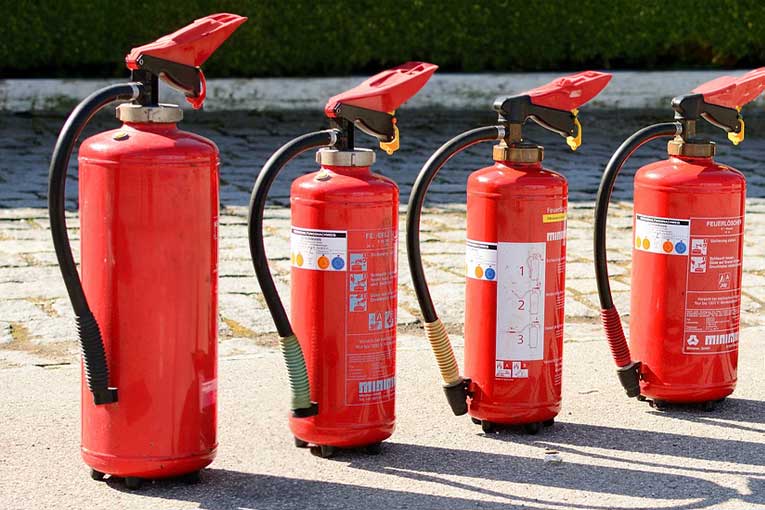
The probe into the Jabalpur hospital fire tragedy revealed several shortcomings regarding safety and it was found that the fire No Objection Certificate (NOC) of the facility of New Life Multi-Speciality Hospital had expired, state Home Minister Narottam Mishra said on Tuesday.