Illegal refining activities in the Niger Delta region lead to tragic incidents
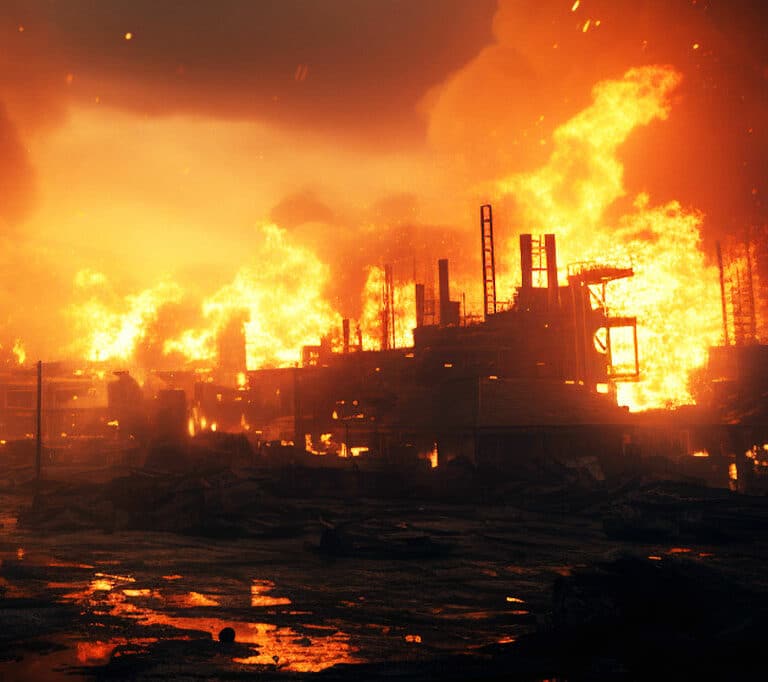
An explosion at an unauthorised oil refinery in southern Nigeria has tragically claimed the lives of 37 people.
Among the casualties were two expectant mothers.
This news was confirmed by both a local security official and a community leader on Tuesday.
The prevalence of illegal refineries in Nigeria
The Niger Delta region of Nigeria, rich in oil, often sees such illegal refining activities. Locals, living in impoverished conditions, frequently tap into pipelines.
Their aim is to produce fuel which they can then sell for a profit. The procedures they use can sometimes be rudimentary, like boiling crude oil in drums to separate fuel.
Tragically, this can lead to deadly consequences.
The most recent episode unfolded during the early hours of Monday in the Ibaa community of Rivers State.
This was disclosed by Rufus Welekem, who oversees security in the region.
A witness from Reuters reported seeing 15 scorched bodies at a location marked by singed palm trees and a damaged motorbike.
Welekem recounted: “Thirty five people were caught in the fire. Two people who were lucky to escape also died this morning in hospital.”
He further mentioned that some of the victims had already been identified by their families and taken for burial.
Oil majors reassess their presence amidst challenges
Persistent challenges like illegal crude oil refineries have plagued Nigeria for years.
Efforts to curtail these have largely been unsuccessful.
Local environmental groups point out that influential politicians and security personnel are often involved, making the clampdown even harder.
Alongside this, issues like crude oil theft, vandalism of pipelines, and legal confrontations over oil spills are compelling oil majors in Nigeria to rethink their strategy.
Many are now considering selling their onshore and shallow water assets, focusing instead on deep-water operations.
IFSJ Comment
The tragic event in Nigeria highlights the grave safety risks associated with illegal oil refining activities.
The crude methods employed, combined with lack of safety standards, not only endanger the environment but also pose severe threats to human life.
This incident underscores the urgent need for governments and stakeholders to address the root causes driving locals towards such perilous endeavours.
Moreover, the potential shift of oil majors from onshore to deep-water operations can have broader implications for the industry and the region’s socio-economic fabric.
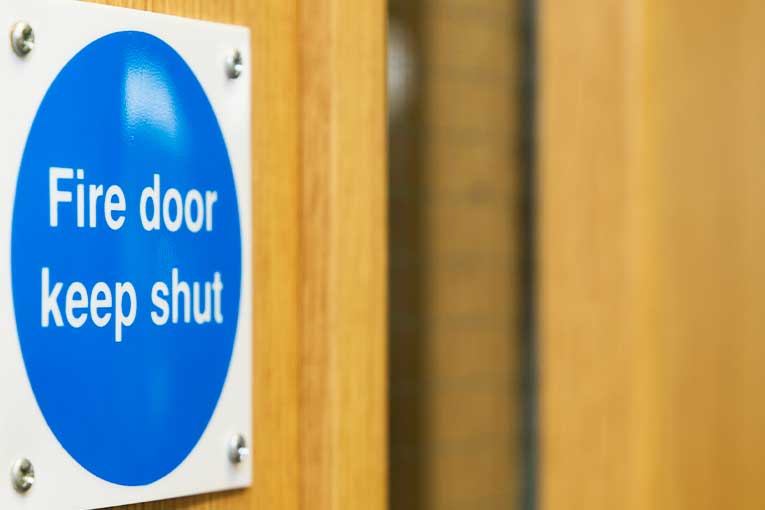
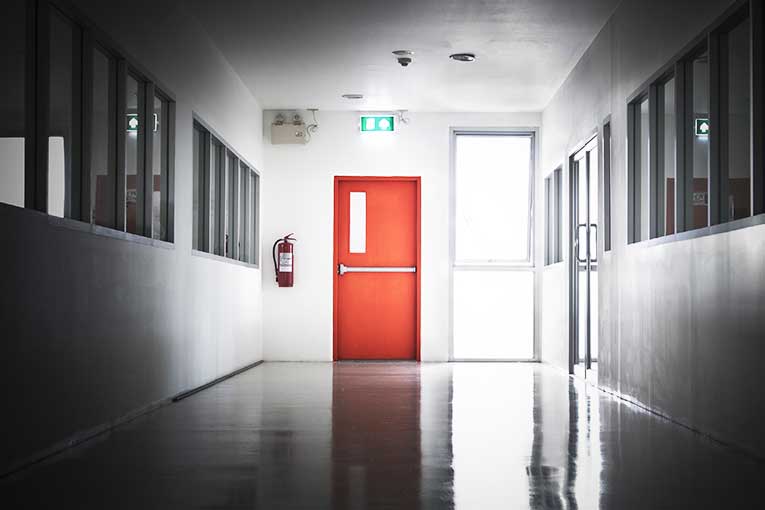
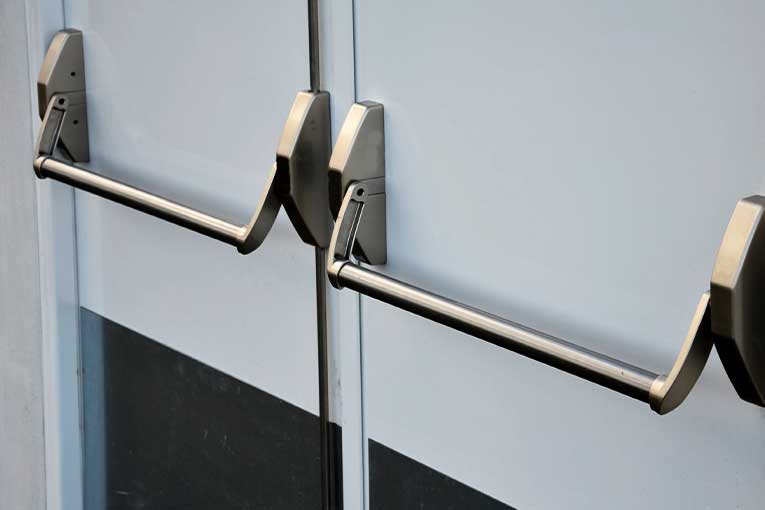
One of the most common questions with regards to fire safety is where are fire doors required?
Fire safety is of paramount importance in any building or structure, and fire doors are an integral part of ensuring the safety and protection of occupants and property during a fire emergency.
These specialised doors are meticulously engineered to serve as barriers against the rapid spread of fire, smoke, and toxic gases, effectively compartmentalising the building and providing valuable time for evacuation and firefighting efforts.
In this article we will answer questions such as where are fire doors required, why fire doors are needed, what materials are used in their construction, what regulations that govern their installation, what safety checks are needed to maintain their functionality and what their cost implications are.
Where are Fire Doors Required?
Where fire doors are required is one of the most common questions raised by new business owners.
They are required by law in all properties that are for business or non-domestic usage.
Fire doors are vital for fire safety
Fire doors play an essential role in various settings to enhance fire safety and protect occupants from the dangers of fire incidents.
They are strategically installed in a wide range of locations, including commercial buildings, residential buildings, industrial facilities, educational institutions, and healthcare facilities.
Commercial Buildings
Fire doors serve a critical role in securing escape routes during a fire emergency, providing occupants with a clear and safe path to evacuate the building.
In various commercial settings, such as offices, hotels, restaurants, and shops, fire doors are essential for ensuring the safety of employees, customers, and visitors.
These doors compartmentalise the building, containing the fire and allowing occupants to safely exit.
Similarly, in multi-occupancy residential buildings like apartments and care homes, fire doors play a crucial role in safeguarding residents.
By preventing the rapid spread of fire between units, fire doors provide precious time for evacuation and help minimise the impact of the fire on the entire building.
Industrial Facilities
Industrial facilities, including manufacturing plants, warehouses, and storage areas, require fire doors to protect both employees and valuable assets.
In these settings, the risk of fire can be significant due to the presence of flammable materials and machinery.
Fire doors play a crucial role in such environments by sectioning the building.
In the event of a fire, the fire doors act as barriers, containing the fire to a specific area and preventing its rapid spread.
This containment allows employees to safely evacuate the affected area and seek refuge in other fire-resistant compartments until help arrives.
By containing the fire, fire doors help to minimise damage to the facility, its contents, and the surrounding areas.
They also provide additional time for emergency responders to arrive and mitigate the situation.
This is vital in industrial settings where a rapid and uncontrolled fire could have catastrophic consequences for both human lives and business operations.
To achieve this, fire doors are strategically installed throughout the buildings.
In educational settings, fire doors are commonly found in corridors, classrooms, and assembly areas.
Healthcare Facilities
Healthcare facilities, including hospitals and clinics, must maintain a safe environment to protect patients and staff.
Fire doors are a critical component of fire safety in healthcare settings, ensuring that patients can be evacuated safely and that critical areas, such as operating rooms and patient wards, remain protected.
Where are Fire Doors Required in a House?
In most residential properties, fire doors are not required by law, however there are exceptions to this rule.
If the property is 3 stories or more, for example a block of flats, then a fire door is needed on every floor where a room connects onto the stairwell.
Also, if a garage connects directly to a property with access via a door, then the door must comply with fire safety regulations.
Some property owners install fire doors where not required by law, just to increase fire safety in the property.
If fire doors are installed in a house, then they are strategically placed in key areas to prevent fire spread:
Kitchen: Fire doors in the kitchen separate it from living spaces, containing potential fires.
Garage: Fire doors are crucial if the garage has direct access to living areas.
Basement: Fire doors may be necessary in the basement to protect escape routes and contain fires.
What Do Fire Doors Do?
Fire doors serve as essential components of passive fire protection measures, providing critical barriers to contain flames, smoke, and toxic gases in the event of a fire.
When a fire occurs, the proper functioning of fire doors can significantly impact the safety of building occupants and the overall integrity of the structure.
Fire doors can help stop fire spreading to other parts of buildings
One of the primary functions of fire doors is their ability to compartmentalise a building.
When closed, fire doors form a seal between different areas of the building, preventing the rapid spread of fire and smoke to other parts of the structure.
By containing the fire to its point of origin, fire doors effectively limit the extent of damage and provide occupants with valuable time to evacuate the building safely.
What are Fire Doors Made From?
Fire doors are made from various materials with excellent fire-resistant properties, ensuring that they can withstand high temperatures and intense heat.
Timber
Timber is a commonly used material for fire doors, valued for its aesthetic appeal and reliable fire protection.
Solid timber fire doors offer a classic and natural look, making them a popular choice for residential and commercial buildings alike.
Timber fire doors are available in various finishes and can be customised to complement the overall interior design of a space.
The thickness and quality of the timber used in the door’s construction determine its fire-resistant capabilities.
Steel
Steel fire doors are another widely used type of fire door, particularly in commercial and industrial settings.
Steel doors offer exceptional strength and durability, making them suitable for high-traffic areas and locations with more stringent security requirements.
Steel fire doors are commonly found in industrial and commercial properties
Steel fire doors can be coated with fire-resistant materials to enhance their fire resistance, and they are often used in facilities where protection against fire and potential break-ins is paramount.
Composite
Composite fire doors are a versatile option that combines various materials to provide enhanced fire resistance and durability.
These doors typically feature a core made from fire-resistant materials, such as mineral wool or vermiculite boards, sandwiched between layers of other materials like timber, steel, or laminate.
The combination of different materials in composite fire doors creates a door that is both robust and capable of withstanding the effects of fire for an extended period.
These standards are designed to test and assess the fire resistance and integrity of fire doors, ensuring that they can withstand the impact of a fire and provide adequate protection to occupants and property.
Fire Rating
One of the essential aspects of fire door regulations is the fire rating.
Fire doors are rated based on their ability to withstand fire for a specific duration, usually indicated as 30, 60, or 90 minutes.
This fire rating determines how long the door can effectively contain the spread of fire, smoke, and heat, providing occupants with valuable time to evacuate safely and emergency responders to take action.
Integrity
In addition to fire resistance, fire doors must also maintain their structural integrity during a fire.
This means that they should prevent the passage of flames and smoke, forming a barrier that can effectively contain the fire to a specific area of the building.
The ability of fire doors to maintain their integrity is critical in preventing the rapid spread of fire, protecting other parts of the building and allowing a more controlled response to the emergency.
Self-Closing Mechanism
Another essential feature of fire doors is the self-closing mechanism.
Fire doors should automatically close and latch when not in use, ensuring that they are ready to act as a barrier in case of a fire.
This self-closing mechanism helps prevent the accidental propping open of fire doors, which could compromise their effectiveness during an emergency.
Labelling
To provide clear and easily accessible information, fire doors should have appropriate labelling.
The label on a fire door typically indicates its fire rating and compliance with safety standards.
This labelling helps building occupants and emergency responders quickly identify fire doors and understand their fire resistance capabilities.
How are Safety Checks on Fire Doors Carried Out?
A proper safety check on fire doors is essential to ensure their functionality during an emergency, and has to be done by someone trained in fire door inspections.
Here are some key steps to include in a fire door safety inspection:
Check Closers
Verify that the door closes smoothly and latches securely without any obstructions.
Proper functioning closers are crucial to ensure that the door can effectively close and seal off the area in case of a fire.
Inspect Seals
Ensure that intumescent seals around the door frame and perimeter are intact.
These seals expand when exposed to heat, creating a barrier against the spread of flames and smoke.
Examine Hinges
Check for loose or damaged hinges that could affect the door’s performance.
Hinges should be in good condition and securely attached to the door and frame.
Look for Damage
Check for any cracks, holes, or damage that may compromise the door’s integrity.
Any damage to the door can weaken its ability to withstand fire and limit its effectiveness in containing flames and smoke.
Test Latching
Confirm that the latch engages correctly with the strike plate when the door is closed.
A properly functioning latch ensures that the door remains closed and prevents the passage of smoke and flames.
Evaluate Gap Sizes
Ensure that the gaps around the door are within the specified limits.
Properly sized gaps are essential for the door’s fire resistance, as excessive gaps can allow the passage of smoke and flames.
Regular fire door inspections are critical to maintaining their effectiveness in fire safety.
If any issues are identified during the safety check, prompt repairs or replacements should be made to ensure that the fire doors are ready to perform their vital role in protecting lives and property during a fire emergency.
Previously, inspections were conducted every six months to ensure compliance with fire door rules and regulations.
However, with the new regulations in place, there are updated inspection frequencies for different types of fire doors:
Communal Fire Doors
These will now be expected to undergo inspection every 3 months.
This increased frequency aims to enhance safety and ensure that communal areas are adequately protected.
Fire & Escape Doors (FEDs)
FEDs will be subject to inspection at least once a year.
This measure aims to maintain the integrity of escape routes and vital access points in buildings.
Fire and Escape doors need regular inspections to ensure maximum protection against fire
These changes reflect a more proactive approach to fire safety, ensuring that fire doors are regularly checked and maintained to meet the highest safety standards.
Can Fire Doors Have Windows?
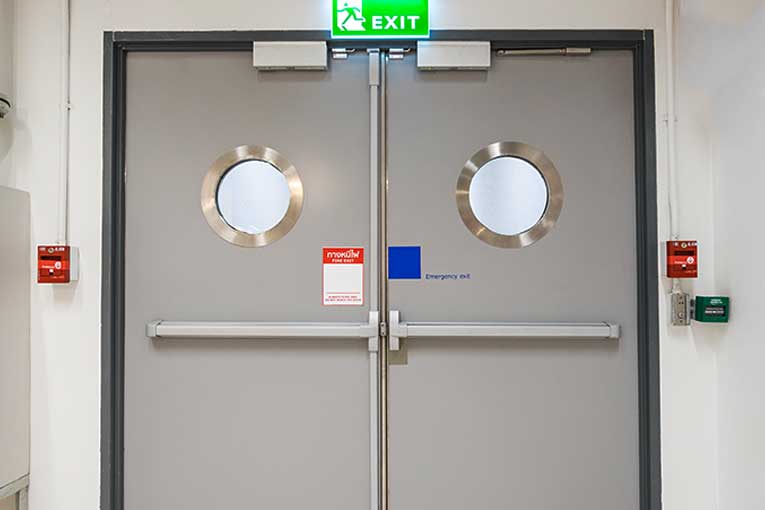
Fire doors are designed with the option of including vision panels that are equipped with fire-resistant glazing.
These vision panels offer the advantage of visibility between different areas, allowing natural light to pass through while maintaining fire safety regulations.
High-quality fire-rated glass can withstand temperatures of up to 900 degrees Celsius, over seven times that of normal glass.
Moreover, it can maintain its integrity for over 60 minutes, effectively preventing the fire from spreading and providing ample time for evacuation and fire personnel to respond.
By following these regulations, property owners can strike a balance between safety and functionality, providing occupants with both fire protection and the convenience of visual communication within the building.
How Much Do Fire Doors Cost?
The cost of fire doors can vary significantly depending on several factors.
The primary determinants of the price include the material used, the fire rating of the door, its size, and any additional features it may have.
Here are some key factors that influence the cost of fire doors:
Material
Fire doors can be made from various materials, including timber, steel, and composite materials.
Each material has different characteristics and price points, with steel doors generally being more expensive than timber doors.
Fire Rating
Fire doors are assigned specific fire ratings, indicating the duration they can withstand exposure to fire.
Doors with higher fire ratings tend to be more expensive due to their increased fire resistance capabilities.
Size
The size of the fire door is another important factor in determining its cost.
Larger doors may require more materials and hardware, resulting in a higher price.
Additional Features
Some fire doors come with additional features, such as vision panels, glazing, or special hardware.
These features can add to the overall cost of the door.
The cost of a standard fire door can vary because of these factors, with a low-end fire door being rather low cost, to the upper end coming in with a price tag in the thousands.
However, it is essential to consider that investing in high-quality fire doors is a crucial aspect of ensuring fire safety in any building.
Fire doors play a critical role in preventing the spread of fire and protecting lives and property.
Therefore, it is recommended to prioritise the quality and compliance of fire doors over cost considerations to ensure the utmost safety and security in the event of a fire emergency.
Conclusion
Fire doors are indispensable components of fire safety measures, protecting lives and properties during emergencies.
Having an answer to the question of where are fire doors required, as well as their functions, materials, regulations, and safety checks is essential for creating a secure environment.
Whether in commercial buildings, residential properties, or industrial facilities, the proper installation and maintenance of fire doors contribute significantly to fire prevention and enhanced safety for occupants.
Rafal Kolodziejski, Head of Product Support and Development at Survitec explains how SMARR-TI Enhances Fire Safety in the Maritime Industry
In an era marked by rapid technological advancements and evolving challenges in the maritime industry, ship safety management has never been more vital.
The introduction of new fuels, more complex systems, and the trend towards autonomous shipping has brought about new safety risks and hurdles.
The traditional safety management methods are becoming insufficient, leaving the maritime industry in need of innovative solutions.
Enter the Safety Management and Rapid Response Technology Interface (SMARR-TI), a ground-breaking solution that represents a transformative step forward in fire safety from Survitec.
By integrating fire detection and suppression systems within a single, interactive platform, SMARR-TI offers a comprehensive approach to onboard safety, addressing the contemporary maritime safety challenges.
Rafal Kolodziejski, Head of Product Support and Development at Survitec, reveals the direction of the maritime industry’s safety protocols and provides a closer look at the necessary innovations required to ensure safety at sea.
Can you explain the importance of ship safety management?
This is an exciting time for the maritime industry; we’re in a period of great change. There are key trends such as digitalisation and autonomous shipping driving the development of new and more advanced technologies.
At the same time, there is the drive towards greater sustainability, with the shift towards fuels that are more environmentally friendly, and the introduction of new legislative requirements to help reduce greenhouse emissions.
With new developments come new challenges. Each new or alternative fuel has its own safety risks and challenges.
For example, there is much discussion around effective fire suppression methods for methanol dual-fuelled ships, and for electrical propulsion systems with energy storage spaces.
The safe transportation of electrical vehicles and the risks associated with lithium-ion batteries is another focus area.
Furthermore, with autonomous shipping and the trend towards ships operating with fewer – or no – crew onboard, perhaps with operations being monitored from the shore, this then presents other safety risks and challenges that must be addressed.
Consequently, we see a greater need among ship owners and managers for solutions that can help to support crew with: Effective emergency procedures – i.e., procedures that are transparent and easy to follow; Early detection – to help identify changing conditions as early as possible to prevent a fire from happening; and Rapid response – to support fast and effective decision-making, especially in emergency situations.
How do traditional safety management methods fall short when it comes to contemporary needs of the maritime industry?
With the new fire risks and safety challenges associated with the new fuels and technologies of today, there is a renewed focus on fire prevention, and the possibility of detecting pre-fire conditions that can either allow for suitable preventive measures to be taken to avoid a fire from starting and/or that allows the crew to contain the fire more quickly and minimise damage.
We can also consider the number and complexity of the systems implemented on board a ship today, and the challenges this can present to crew.
A safety management system can potentially integrate different safety subsystems, allowing crew to manage them more easily and efficiently within one control system.
Diagnostics and preventive maintenance are also increasingly important, to ensure that the proper maintenance regimes are observed to keep safety systems running efficiently and to avoid any interruptions to service.
Remote support and monitoring services can also provide crew with fast access to expert technical support.
Systems can be monitored remotely – and even controlled, if required – from the shore, with the potential to log and track faults and analyse the data for insight on faults and/or behaviours.
What is SMARR-TI?
SMARR-TI stands for Safety Management And Rapid Response – Technology Interface. SMARR-TI is an interactive safety management solution that allows crew to monitor and control all their onboard fire safety systems – that is, their fire detection, fire prevention and fire suppression systems – within one integrated and easy-to-use solution.
SMARR-TI is unique in that it integrates both fire detection and fire suppression systems in one solution.
Currently, there is no other digitised safety monitoring solution that does this to such an extent.
How does the integration of fire detection and suppression systems contribute to enhanced safety onboard?
The aim is to give early warning of changes in a quick and effective way, and then to enable swift action to prevent a fire from happening.
A graphical visualisation of the fire systems on board the vessel is paired with real-time status updates and notifications, so crew receive early warning of any changing conditions.
In the event of a fault or alarm, crew has full visibility of the location of the alarm; the equipment at their disposal; and the ability to deploy systems automatically where possible, allowing them to take swift, decisive action to prevent or contain a fire, and protect onboard safety.
Can you talk about the interactive features of SMARR-TI?
In the event of a fire or an alarm, crew can see instantly where the alarm is located, visualised on the ship layout, and also the nature of the alarm (e.g., whether it’s the result of a technical fault or whether there is actually a fire).
Furthermore, they can select the protected space on the ship plan visualisation to see which equipment is available in that space; and then have the capability to activate a firefighting system within SMARR-TI by following the screen prompts.
All of these actions can be performed within SMARR-TI; all the information the crew needs is at their fingertips, thus shortening the time to action.
How does the SMARR-TI system supplement the SOLAS requirements for general arrangement plans onboard?
SOLAS Chapter II-2, Regulation 15.2.4 requires general arrangement plans to be permanently exhibited for the guidance of the ship’s officers.
These plans must show: structural fire prevention measures onboard ship (fire doors, fire zone barriers, etc); location of firefighting equipment; and how to access the different compartments & decks.
These are generally static plans, normally printed/mounted on walls, and supplemented by, e.g. instruction manuals for the different systems/equipment.
SMARR-TI supplements these general arrangement plans by providing a digital, interactive, graphical visualisation of the ship layout and all the structural fire prevention measures on board with Fire Detection & Suppression systems attached plus real-time alerts and notifications to alert crew of any changing conditions.
This means that not only can the crew see instantly where the alarm originates, they can also differentiate between e.g. a technical fault or the presence of smoke or flame.
The operating procedures for deployment of the firefighting systems can then also be displayed on screen, so the crew has all the information they need in one place to support quick and effective decision-making in the event of a fire.
Could you explain the specific role of SMARR-TI during a potential fire hazard?
Within SMARR-TI, crew members can receive instant notifications of technical faults impacting system delivery, such as faulty connections or interruptions to power.
They also receive warnings of pre-alarm conditions, such as temperatures exceeding predefined limits, or the presence of smoke or flame.
SMARR-TI allows them to distinguish immediately between routine maintenance issues and situations requiring an emergency response, so they can manage resources accordingly.
Furthermore, the crew can identify the precise location and exact nature of the alarm instantly on the ship plan visualisation.
They can also integrate and control their CCTV cameras within SMARR-TI, allowing for an immediate view of the affected zone and local areas.
This enables them to mobilise the crew more quickly and efficiently, equipped to take immediate, preventive action to secure the space and protect life.
Should there be a fire, crew members can immediately identify the safety systems at their disposal within the protected space.
They can then select a system within SMARR-TI and follow the step-by-step instructions displayed on screen to proceed towards deployment.
They can sound the alarm, close fire doors and fire dampers, shut down ventilation where necessary, and trigger signals to the public announcement and alarm monitoring systems, all within the same system.
The crew is also able to activate fire suppression systems, such as water mist, automatically, which reduces the time to deployment.
They can follow the operating procedures displayed on screen to guide them through system deployment, support effective decision-making, and reduce the risk of human error in high-stress situations.
The ultimate aim with SMARR-TI is to streamline firefighting operations and save valuable seconds or even minutes in an emergency, to help protect life and minimise damage.
Can you share your experience developing SMARR-TI alongside Turkish shipyard Tersan and Havila Voyages?
SMARR-TI was designed according to the requirements of Havila Shipping ASA, which had experience of similar systems from other suppliers.
The purpose behind building the application was to create a tool that could provide a graphical representation of the text information provided via their dedicated fire detection system.
From the start, it was made clear that this information should be presented clearly and effectively so that it should be immediately apparent to crew when there was an alarm/notification requiring their attention.
SMARR-TI was designed to depict both the location of the fire and the fire extinguishing system available for use, and then also allow for that fire extinguishing system to be released remotely where possible, with crew able to follow operating instructions presented on screen.
Most importantly, the required actions at each stage had to be intuitive and efficient: the application had to be simple and easy to use and to facilitate swift, decisive action.
What are Survitec’s future plans for the expansion of SMARR-TI?
The official launch of SMARR-TI at Nor-shipping in June generated a lot of interest, and we have had many interesting discussions, not only with shipowners and shipyards, but also with other technology providers and suppliers of fire solutions who are interested in the potential of SMARR-TI to support additional safety features and systems.
Today we have SMARR-TI Mark-1, which integrates Fire Detection & Fire Suppression systems, however we have many other ideas on how we can further develop SMARR-TI, to support effective and efficient safety management – for example, the integration of loose fire equipment (information on location and servicing requirements); support for monitoring fire patrols; and, of course, the integration of other safety systems – to highlight just a few of the ideas that are currently on our radar.
This exclusive article was originally published in the September 2023 issue of International Fire & Safety Journal. To read your FREE digital copy, click here.
Fire, as a natural phenomenon, has been intertwined with human history for millennia.
It has served as a steadfast companion, offering warmth on cold nights, providing protection from predators, and allowing us to cook our food for sustenance.
The mastery of fire was one of the defining moments of human evolution, enabling our ancestors to forge tools, tame the wilderness, and build thriving civilizations.
However, fire’s dual nature must not be overlooked.
As much as it has been our friend, it can also be a formidable foe.
When fire becomes unbridled and uncontrollable, it can wreak havoc, causing devastating consequences to lives, homes, and natural landscapes.
The destructive power of wildfires, building fires, and industrial accidents reminds us of the need for vigilance and preparedness in the face of this primal force.
To navigate the complexities of fire and its potential dangers, understanding how many types of fire there are, as well the differences between them is of paramount importance.
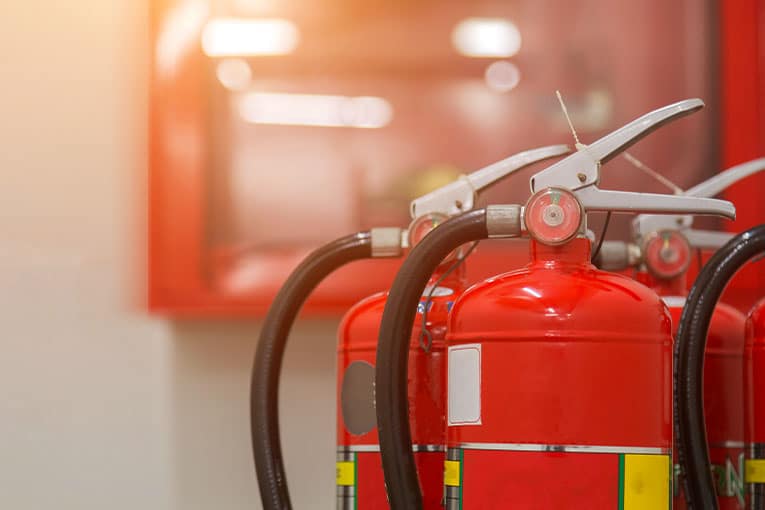
Knowing the right fire extinguisher for the right fire type is vital
Different types of fires arise from a diverse range of materials, each requiring an evolution of fire safety and a tailored approach for effective extinguishing.
From the common Class A fires involving ordinary combustible materials to the specialised challenges of Class D fires involving combustible metals, a comprehensive knowledge of fire classifications empowers us to respond confidently and responsibly to fire emergencies.
How Many Types of Fire Are There?
There are six main classes of fires, each involving different materials and posing unique challenges for firefighting:
1. Class A – Solids
2. Class B – Liquids
3. Class C – Gasses
4. Class D – Metals
5. Class F – Oils and Fats
6. Electrical Fires – These are not given their own class, as they can fall into any of the above categories, however due to the different requirements of electrical fires we will be covering them here.
What are Class A Fires?
Class A fires are the most common type of fire encountered in various settings, ranging from residential homes to commercial offices and public spaces.
These fires are characterised by their ignition of ordinary combustible materials, which are readily available in our everyday surroundings.
Understanding the nature of Class A fires and how to handle them is crucial for effective fire safety and prevention.
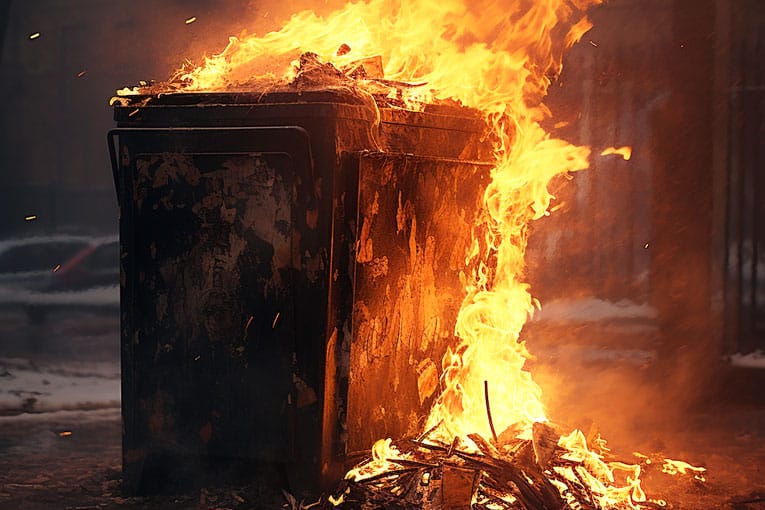
The fuel sources that feed Class A fires include materials such as wood, paper, cloth, cardboard, and common plastics.
These materials are typically found in abundance in residential and commercial spaces, making Class A fires a significant concern for fire safety.
How Do You Extinguish a Class A Fire?
The primary method for extinguishing Class A fires is to use water or water-based extinguishers.
Water is a versatile and readily available firefighting agent that cools down the burning material, reducing the heat and ultimately smothering the flames.
By removing the heat element of the fire triangle (heat, fuel, and oxygen), water effectively puts out the fire and prevents re-ignition.
When using water to extinguish Class A fires, it is essential to apply the water directly to the base of the flames.
This ensures that the water reaches the burning material and cools it down, preventing the fire from spreading further.
Class A fires are one of the most common types of fire
If possible, avoid spraying water directly onto electrical equipment or live electrical wires to prevent electric shock and potential electrocution hazards.
Another effective method to combat small Class A fires is by using fire blankets.
Fire blankets are made of fire-resistant materials and can be quickly deployed to smother flames.
They work by cutting off the oxygen supply to the fire, suffocating it and extinguishing the flames.
Fire blankets are particularly useful for smothering fires on clothing, curtains, or small household items.
What are Class B Fires?
Class B fires pose a unique set of challenges due to the involvement of flammable liquids such as gasoline, oil, grease, and alcohol.
These fires can occur in various settings, including kitchens, garages, workshops, industrial facilities, and places where flammable liquids are stored or used.
Understanding how to handle Class B fires is crucial for effective fire safety and prevention.
Flammable liquids are highly volatile and can ignite easily, making Class B fires more intense and difficult to control compared to Class A fires.
When a flammable liquid catches fire, it can quickly spread and produce intense flames, creating a dangerous and rapidly evolving situation.
Additionally, flammable liquid fires can re-ignite if not fully extinguished, making them particularly challenging to manage.
How Do You Extinguish a Class B Fire?
To effectively control and extinguish Class B fires, it is crucial to use the appropriate firefighting agent.
Water is generally not recommended for Class B fires as it can cause the flammable liquid to spread, potentially making the fire more dangerous.
Instead, foam-based extinguishers or dry chemical extinguishers are the preferred choices for combating Class B fires.
Foam-based extinguishers work by covering the flammable liquid with a layer of foam, creating a barrier that prevents the release of flammable vapours and cutting off the oxygen supply to the fire.
This smothers the flames and cools down the burning liquid, eventually extinguishing the fire.
Dry chemical extinguishers, on the other hand, are effective for Class B fires because they disrupt the chemical reaction of the fire.
These extinguishers release a fine powder that separates the fuel from the oxygen, extinguishing the flames.
They also work well on Class A fires, making them versatile and useful in various fire situations.
It is important to remember that when dealing with Class B fires, safety is paramount.
Before attempting to extinguish a fire, assess the situation and ensure you have an escape route in case the fire becomes uncontrollable.
If the fire continues to spread or becomes too intense, evacuate the area immediately and call the emergency services for professional assistance.
What are Class C Fires?
Class C fires involve flammable gases, which can create a hazardous and potentially explosive atmosphere.
These fires present unique challenges and require specific precautions to ensure safety and prevent accidents.
Class C fires pose a significant threat to locations like manufacturing and industrial warehouses, chemical plants, and facilities storing substantial quantities of flammable gases. These settings are particularly vulnerable to these types of fires.
Understanding the risks associated with flammable gases and implementing proper safety measures is crucial in managing Class C fires.
How Do You Extinguish a Class C Fire?
Extinguishing a Class C fire requires a methodical and cautious approach due to the volatile nature of flammable gases involved.
When facing such a fire, two crucial steps come into play: shutting off the gas supply and utilising a dry powder extinguisher.
The first and most crucial step is to quickly shut off the gas supply at its source.
This action prevents the continuous flow of fuel to the fire, thereby hindering its ability to grow and spread.
Cutting off the gas supply is paramount to prevent the fire from intensifying and posing a greater threat to individuals attempting to extinguish it and those nearby.
After successfully shutting off the gas supply, the use of a dry powder extinguisher is recommended for extinguishing the Class C fire.
Dry powder extinguishers are specifically designed to combat fires involving flammable gases effectively.
The dry powder agent works by smothering the flames, cutting off their oxygen supply, and interrupting the fire’s chemical chain reaction, which leads to its rapid extinguishment.
It is important to note that while dry powder extinguishers are effective for Class C fires, water-based extinguishers should never be used in this scenario.
Water-based extinguishers may cause the fire to spread or result in an explosion due to the reactive nature of certain flammable gases.
Additionally, individuals attempting to extinguish a Class C fire should prioritise their safety at all times.
If the fire is beyond their control or if they are unsure about the gas source, it is best to evacuate the area immediately and call for professional help.
The handling of Class C fires requires a level of expertise and knowledge to ensure the safety of both individuals and property
What are Class D Fires?
Class D fires present a unique and highly hazardous situation, involving combustible metals such as magnesium, titanium, potassium, sodium, and lithium.
These fires can be particularly dangerous due to the reactive properties of these metals, which make them prone to violent and rapid combustion when exposed to air or water.
The presence of combustible metals in specific industrial settings or laboratories increases the risk of Class D fires, and proper precautions must be taken to handle and store these materials safely.
One of the critical challenges in dealing with Class D fires is the limited effectiveness of conventional firefighting methods.
Water, commonly used to extinguish other types of fires, can exacerbate Class D fires.
When water comes into contact with burning combustible metals, it reacts vigorously, releasing hydrogen gas, intensifying the fire, and causing potential explosions.
How Do You Extinguish a Class D Fire?
To extinguish Class D fires safely and effectively, specialised dry powder extinguishing agents must be used.
These agents, typically made of sodium chloride or graphite-based compounds, form a smothering layer over the burning metal, cutting off the supply of oxygen and heat.
This action disrupts the combustion process and gradually cools the metal, leading to the fire’s suppression.
Due to the specialised nature of Class D fires and the need for specific extinguishing agents, it is essential to have personnel trained in handling such emergencies.
Firefighters and other responders must be equipped with the appropriate dry powder extinguishers and knowledgeable about the risks and characteristics of combustible metal fires.
These fires can be unpredictable and require careful planning and coordinated efforts to control and eliminate them safely.
What are Class F Fires?
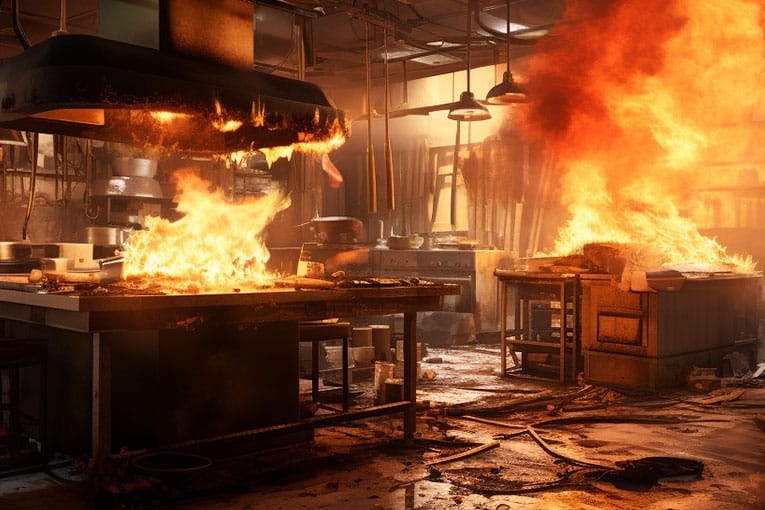
Class F fires, also known as cooking oil fires or fat fires, are a specific type of fire that commonly occurs in commercial kitchens, restaurants, and other food preparation areas.
These fires involve cooking oils and fats and can quickly escalate into intense and challenging situations to control.
The high temperatures used in cooking, especially deep frying, can cause cooking oils and fats to reach their autoignition point, leading to spontaneous combustion.
Once ignited, the flames can rapidly spread and generate intense heat, posing a severe threat to kitchen staff, customers, and the entire building.
Class F fires can be incredibly dangerous due to the oil involved
One of the primary reasons Class F fires are so dangerous is that water, a common extinguishing agent used for other types of fires, is ineffective and dangerous when applied to cooking oil fires.
When water comes into contact with hot oil, it instantly vaporises and expands, splattering the burning oil and spreading the fire further.
This reaction can cause severe burns and injuries to anyone nearby.
The most effective method to extinguish Class F fires is to smother the flames with a fire blanket or use a wet chemical extinguisher specifically designed for cooking oil fires.
Wet chemical extinguishers contain a special solution that creates a thick, soapy foam, which cools the burning oil, forms a barrier, and prevents the release of flammable vapours.
This action starves the fire of oxygen, extinguishing it safely and effectively.
Preventing Class F fires involves implementing several safety measures in commercial kitchens and food preparation areas.
Regular cleaning and maintenance of cooking equipment, ventilation systems, and hoods help reduce the buildup of grease and oil residues that could fuel a fire.
Additionally, kitchen staff should be properly trained in fire safety, including the proper use of fire extinguishers and the importance of using fire blankets when dealing with cooking oil fires.
Commercial kitchens should have well-maintained fire suppression systems, such as automatic fire suppression systems installed in hoods above cooking areas.
These systems can quickly detect and suppress cooking oil fires, minimising the risk of fire spreading to other parts of the kitchen.
What are Electrical Fires?
Electrical fires are a prevalent and concerning type of fire that poses a significant risk in modern life.
Unlike other classes of fire (Class A, B, C, etc.), electrical fires are not categorised under a specific class.
Instead, they are a distinct category of fires caused by electrical faults and malfunctions.
These fires can result from various factors, such as faulty wiring, overloaded circuits, damaged appliances, or improper use of electrical equipment.
Over time, electrical wires can deteriorate, become frayed, or develop loose connections. These issues create resistance and generate heat, which can ignite nearby combustible materials.
Similarly, overloaded circuits, often caused by plugging too many electrical devices into a single outlet or circuit, can lead to overheating and ultimately trigger an electrical fire.
Another common cause of electrical fires is damaged appliances and electrical equipment.
Ageing or poorly maintained appliances can develop electrical faults, leading to short circuits and fires.
Electrical fires can also be triggered by the misuse of electrical equipment, such as using extension cords or power strips inappropriately or using appliances with damaged cords or plugs.
How Do You Extinguish an Electrical Fire?
In the event of an electrical fire, using water to extinguish the flames is extremely dangerous due to the risk of electrical shock.
Instead, it is best to de-energize the electrical source by shutting off power at the circuit breaker or main electrical panel, if safe to do so.
For smaller electrical fires, a Class C fire extinguisher or a dry powder extinguisher can be used.
However, it is essential to prioritise personal safety and evacuate the area if the fire becomes uncontrollable.
To prevent electrical fires, regular electrical inspections and maintenance are essential.
Homeowners and businesses should have their electrical systems inspected by qualified electricians to identify and address any potential issues.
It is crucial to avoid overloading circuits, use proper wattage bulbs in light fixtures, and refrain from using damaged electrical equipment.
Conclusion
Understanding how many types of fire there are, and the appropriate methods to extinguish them is vital for everyone’s safety.
In case of an emergency, knowing how to act quickly and effectively can make a significant difference in protecting lives and property.
Fire safety training, having the right fire extinguishers, and staying informed about potential hazards are all crucial steps towards ensuring a safer environment for ourselves and those around us.
With the current shift to electric cars, and the rise in the usage of lithium-ion batteries, it is now more important than ever to understand the difference in fire types and how to safely deal with them, with lithium-ion battery fires costing the UK £158 million a year alone.
Let us all be proactive in fire prevention and response to mitigate the risks of fire-related incidents and create a safer world for everyone.
What causes wildfires is a commonly asked question, with wildfires during the summer months being shown almost every day in the news.
Fire only needs three components to thrive: fuel, oxygen, and heat. This is commonly referred to as the fire triangle.
During hot summer days when drought conditions are at their peak, even the tiniest spark can set off a wildfire.
In certain instances, fires occur naturally, sparked by the intense heat of the sun or from lightning strikes.
Unfortunately, similarly to the main causes of fires in general, the majority of wildfires stem from human negligence.
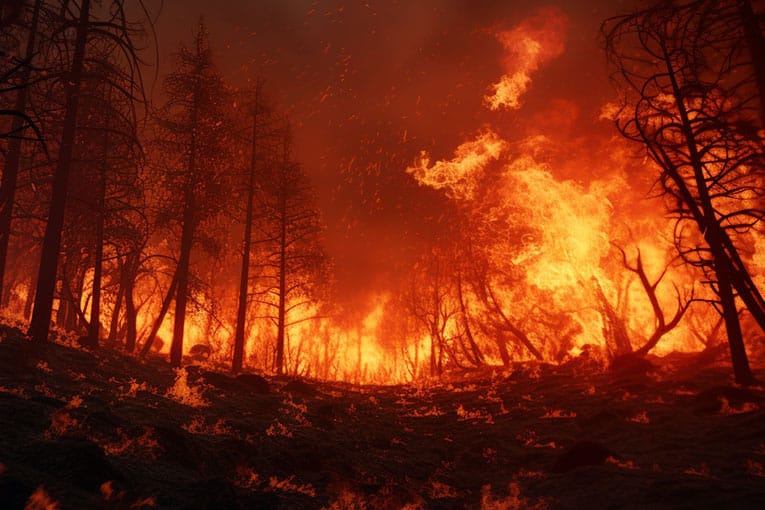
Wildfires can be incredibly destructive
Events such as arson, poorly managed campfires, careless littering of lit cigarettes, improper burning of debris, and playing with matches or fireworks are often held responsible for igniting these devastating blazes.
This article aims to explore what causes wildfires, ranging from natural occurrences to human activities.
By delving into these causes, we can enhance our knowledge and promote responsible behaviour to mitigate the future risks of devastating consequences of wildfires.
What is a Wildfire?
Wildfires are powerful and destructive forces of nature that can cause extensive damage to forests, natural habitats, and communities.
Understanding the common causes of wildfires is crucial for prevention and effective fire management.
By identifying the main causes of wildland fires, we can take proactive measures to reduce the risk of wildfires and protect our natural environment.
What Causes Wildfires?
Wildfires start due to a number of reasons, with 11 of the most common causes being:
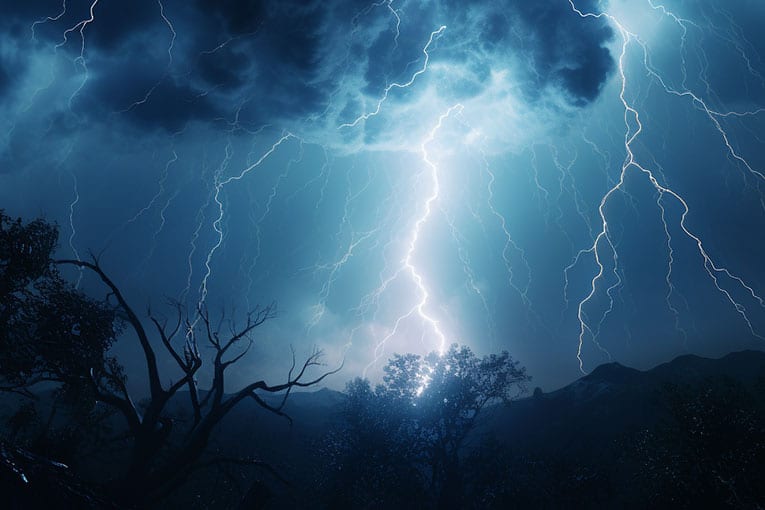
Lightning
Lightning is a natural cause of wildfires.
Lightning strikes can ignite dry vegetation, particularly during periods of drought. The heat from a lightning strike can spark flames that spread through the surrounding landscape.
Lightning is one of the main natural causes of wildfires
This can lead to large-scale wildfires, especially in areas with dry and combustible vegetation.
Climate conditions and the frequency of thunderstorms can contribute to wildfires.
Campfires
Improperly managed campfires are a significant cause of wildfires.
Unattended or poorly extinguished campfires can spread to surrounding vegetation and ignite a fire.
Campers should always follow fire safety guidelines, including keeping fires small, using designated fire rings or pits, and ensuring that the fire is completely extinguished before leaving the site.
It is crucial to douse the fire with water, stir the ashes, and repeat the process until the fire is cold to the touch.
Burning Vegetation
Whether intentional or not, burning of vegetation like agricultural burning or land clearing, can lead to wildfires.
When uncontrolled, the spread of fires during vegetation burning can quickly escalate, especially in dry and windy conditions.
Proper permits, monitoring weather conditions, and employing trained workers are essential for safe and controlled burning practices.
It is important to follow local regulations and guidelines to prevent wildfires when conducting any form of vegetation burning.
Fallen Power Lines
Fallen power lines can be a significant cause of wildfires, particularly during windy conditions.
Strong winds can cause power lines to break or come into contact with trees or dry vegetation, resulting in sparks and fires.
Regular maintenance and inspection of power lines, timely tree trimming around power lines, and prompt repair of damaged infrastructure are essential for reducing the risk of wildfires caused by fallen power lines.
Smokers should always use designated ashtrays or fire-safe containers to dispose of cigarette butts.
It is crucial to fully extinguish cigarettes before discarding them and avoid smoking in fire-prone areas, particularly during dry and windy conditions.
Equipment Malfunctions
Equipment malfunctions, such as power tools, chainsaws, or machinery, can lead to wildfires if they generate sparks or excessive heat.
Proper maintenance, regular inspection, and safe equipment operation are essential to prevent equipment-related wildfires.
It is crucial to follow manufacturer guidelines, conduct routine maintenance checks, and promptly address any issues with equipment.
Vehicle Crashes
Vehicle crashes can cause wildfires when sparks or friction from the collision ignite.
The heat generated from the impact, particularly with metal components, can also lead to fire ignition.
Safe driving practices, proper vehicle maintenance, and avoiding off-road driving in fire-prone areas can help minimise the risk of wildfires caused by vehicle crashes.
Arson
Intentional acts of arson, where fires are intentionally set, are a significant cause of wildfires, and can lead to dangerous scenarios, and even loss of life.
Arson can occur due to various motives, including vandalism, revenge, and even pyromania.
It is a criminal offence and poses a serious threat to lives, property, and natural resources.
Public awareness, community vigilance, and reporting suspicious activities can aid in preventing arson-related wildfires.
Controlled Burning
Controlled burning, also known as prescribed burning, is a planned fire management technique used to reduce vegetation fuel loads and promote ecosystem health.
However, if not carefully executed, prescribed burns can escape control and result in wildfires.
Proper planning, comprehensive risk assessments, and skilled personnel are essential for conducting prescribed burns safely.
Adhering to specific weather conditions, monitoring fire behaviour, and having appropriate resources in place helps minimise the risk of prescribed burns turning into uncontrolled wildfires.
Fireworks
Improper use of fireworks, especially in areas with dry vegetation, can lead to wildfires.
Fireworks produce sparks and embers that can ignite nearby combustible materials, including dry grass or trees.
Even though fireworks can be pretty to look at, they can be a cause of wildfires
Adhering to local laws and upkeep high fire safety standards regarding fireworks, using fireworks in designated areas, and ensuring proper disposal of fireworks debris is crucial to prevent wildfires.
Volcanoes
Volcanic eruptions can cause wildfires, particularly when hot lava or volcanic ash comes into contact with dry vegetation.
Active volcano regions should have comprehensive emergency response plans in place to mitigate the impacts of volcanic-induced wildfires.
How does weather affect wildfires?
Increased temperatures alone do not guarantee a rise in wildfires.
As previously stated, fires need a combination of 3 factors to survive; availability of fuel, fire-friendly conditions (such as dry weather), and the presence of an ignition source, whether human-caused or triggered by lightning strikes.
One small spark can cause wildfires when conditions are dry and arid
The amount and dryness of vegetation are crucial factors since live, moist vegetation is less susceptible to burning compared to dry, dead vegetation, which easily catches fire and aids in the fire’s spread.
This is why areas affected by hot, dry weather and drought are much more likely to have wildfires than areas that are often rainy and cold.
Weather conditions play a critical role in fire behaviour.
Strong winds, like those experienced in the 2022 Colorado wildfires, can accelerate the spread of fires, resulting in unprecedented devastation for the affected communities.
Wildfires become more severe during prolonged periods of hot and dry weather due to higher temperatures leading to increased evaporation, which dries out the vegetation and provides ample fuel for the fires to thrive.
Where do most wildfires occur?
Wildfires happen all over the world. Places like the United States, Canada, Australia, the Western Cape of South Africa, and Southern Europe, especially forested areas, grasslands, and shrublands, are particularly susceptible to these blazes, particularly during extended periods of drought and high temperatures.
The vegetation in this area, comprising pine needles, dry shrubs, and grasses, possesses higher flammability compared to moister trees like maple and beech found in other parts of the country.
The Western US’s mild and arid climate further contributes to the fire risk. California, in particular, experiences long, hot, and dry summers, which lead to the dehydration of vegetation, leaving it highly susceptible to wildfires.
Conclusion
Wildfires can have devastating consequences for ecosystems and communities.
Understanding the common causes of wildfires is necessary to be able to better prevent them.
Whether ignited by natural occurrences or as a result of human negligence, wildfires can be mitigated through responsible behaviour, adherence to fire safety guidelines, and community awareness.
Implementing fire prevention strategies, practising safe habits, and promoting fire education can help minimise the occurrence and severity of wildfires.
By working together, we can reduce the impact of wildfires and protect our environment for future generations.
Lessons from the North Sea Tragedy: Understanding fire risks in the era of electric vehicle transportation and essential strategies for prevention and suppression
A recent disaster involving a major fire onboard a cargo ship, the Fremantle Highway, off the coast of the Netherlands has underscored the risks and challenges associated with shipping.
The ship, loaded with around 3,000 cars, including 25 electric vehicles (EVs), was en route from the German port of Bremen to Port Said in Egypt when a fire broke out.
The incident led to one fatality and several injuries, highlighting the necessity of enhanced fire safety measures in maritime transportation.
The Perils of EV Transportation at Sea
Electric Vehicles (EVs), powered by lithium-ion batteries, have emerged as an innovative solution to curb greenhouse gas emissions.
However, while their adoption in terrestrial transportation has been substantial, their carriage in maritime transport introduces a set of unique fire safety challenges.
One of the most significant risks associated with EVs on ships is the propensity of lithium-ion batteries to ignite under certain conditions, a phenomenon known as ‘thermal runaway‘.
This typically occurs when a battery overheats, causing a reaction that further increases the temperature and can lead to the battery catching fire.
The likelihood of thermal runaway increases if batteries are damaged, defective, or improperly handled or stored.
What makes these fires particularly dangerous is that they are notoriously difficult to extinguish.
When a lithium-ion battery ignites, it can produce its own oxygen, meaning a fire can continue even in the absence of ambient oxygen.
This makes traditional fire suppression methods, like smothering, less effective.
Further complicating matters is the issue of ‘stranded energy’.
After an initial fire involving a lithium-ion battery is extinguished, the battery can reignite.
This can occur hours, or even days, after the original fire, which presents a unique hazard not typically encountered with traditional vehicle fires.
To add to the risk, a fire originating from a lithium-ion battery produces toxic gases such as hydrogen fluoride and phosphorus pentafluoride, posing both a health risk to those in the immediate vicinity and a potential environmental hazard.
Moreover, the high energy density of lithium-ion batteries can lead to fires that are far hotter than typical combustible material fires.
The intensity of such fires can make them difficult to control and suppress, while also increasing the risk of the fire spreading.
Finally, the sheer volume of EVs transported on some vessels can exacerbate these risks.
With larger numbers of EVs in close proximity, a fire that starts in one vehicle can quickly spread to others, leading to a much larger and more dangerous situation.
This makes early detection, isolation, and suppression of fires critical in scenarios involving the transportation of EVs at sea.
Best Practices for Fire Suppression and Prevention Onboard
Fire safety in shipping, particularly concerning EVs, requires proactive measures for prevention, early detection, and effective suppression.
Leading Survival Technology solutions provider Survitec emphasises the importance of early fire detection systems, specially designed to monitor lithium-ion battery conditions.
Indicators like heat, smoke, popping sounds, and toxic gas emissions from batteries can serve as early warnings.
Current safety innovations focus on monitoring car decks for these early-stage fire conditions.
Survitec is investing in developing new solutions capable of pre-ignition monitoring, highlighting the importance of the type and location of sensors for effective detection.
New solutions are also emerging in the field of fire suppression.
An integrated graphical monitoring system, currently under development, aims to provide real-time status of all the fire-protected zones onboard.
It aims to link all the detection systems and sensors onboard for remote or local activation of a compartment’s fire suppression system.
Fire Suppression Techniques and Challenges
While tackling a fire onboard, understanding the unique nature of EV battery fires is crucial.
Such fires generate explosive and toxic gases, increasing the fire’s intensity and size, and can potentially reignite until the battery is completely burnt down.
This presents a real challenge for traditional gas-based fire systems.
Water-based solutions provide the best cooling effect.
However, they also introduce the risk of impacting ship stability due to the volume of water needed.
Therefore, an effective drainage system is a must.
Research suggests that a water mist system is the most effective for this type of fire, and numerous research and development initiatives are looking into the best water spraying method for EV fires.
The Path Ahead: Prevention and Early Detection
“Prevention is certainly better than the cure,” says Rafal Kolodziejski from Survitec.
Early monitoring and detection are increasingly important safety factors for ship operators and crew.
With an EV cargo, the earlier the crew can detect pre-fire conditions, the better. For instance, ship operators are being urged to increase the space between each vehicle or reduce the number of units transported.
As the maritime industry continues to grapple with these challenges, the recent North Sea incident serves as a tragic reminder of the importance of fire prevention and early detection in shipping, especially in the era of EV transportation.
Striking the balance between the efficient transportation of goods and the safety of crew and cargo will be pivotal in the shipping industry’s future.
Understanding the most common causes of fire is essential for prevention and safety.
By being aware of these causes, we can take proactive measures to minimise the risk of fire incidents.
This article aims to provide an overview of 23 of the most common causes of fire, ranging from everyday activities to potential hazards within our surroundings.
By exploring some of the main causes, we can enhance our knowledge and promote fire safety in our homes, workplaces, and communities.
Knowing the causes of fire can help firefighters
Cooking Equipment
Cooking equipment is one of the leading causes of residential fires.
Unattended cooking, grease buildup, and flammable objects left too close to heat sources can ignite fires.
It’s crucial to maintain a high standard of cooking safety, use timers as reminders, and keep a safe distance between flammable materials and heat sources.
Heating Equipment
Heating equipment, including space heaters and furnaces, can pose a fire hazard if not used correctly.
Overheating, lack of maintenance, and placing flammable items near heat sources can lead to fires.
Regular inspection and maintenance of heating systems, proper ventilation, and keeping flammable items away from heaters are vital safety measures.
Electrical Equipment
Electrical equipment, such as faulty wiring, overloaded circuits, and malfunctioning appliances, is one of the leading causes of fire, as well as one of the most dangerous fires to put out.
Electrical sparks, short circuits, and overheating due to loose connections or damaged cords can ignite fires.
Ensuring proper installation, regular inspection, and prompt repair of electrical systems and appliances are crucial for fire prevention.
Cigarettes, Cigars & E-Cigarettes
Careless handling and improper disposal of cigarettes, cigars, and e-cigarettes are common causes of fires.
Discarding lit cigarettes improperly or not fully extinguishing them can ignite flammable materials.
Smokers should use designated ashtrays, never smoke in bed, and ensure proper disposal of smoking materials in fire-safe containers.
Candles
Candles, while creating a pleasant ambiance, can also be a fire hazard if left unattended.
Accidental knocks, proximity to flammable objects, or forgetting to extinguish candles can result in fires.
It’s important to place candles on stable surfaces, away from flammable materials, and never leave them burning when unattended.
Children Playing with Matches
Children playing with matches or lighters out of curiosity can lead to fire incidents.
Educating children about the dangers of matches and lighters and keeping them out of their reach are essential preventive measures.
Parents should store matches and lighters in secure locations to prevent access by children.
Faulty Electrical Wiring
Electrical faults can be especially dangerous in cars
Faulty electrical wiring, due to age, poor installation, or rodent damage, can cause electrical fires.
Overheating wires, short circuits, and electrical arcing are common signs of faulty wiring.
Regular electrical inspections, prompt repairs, and the use of licensed electricians can help prevent electrical fires.
Christmas Decorations
Christmas decorations, such as lights and candles, can pose fire risks if not used safely and are a serious cause of fire around the holiday season.
Overloaded electrical sockets, damaged lights, and placing flammable decorations near heat sources can ignite fires.
Following manufacturer’s instructions, using LED lights, and keeping decorations away from flammable materials are essential for fire safety during the holiday season.
BBQs
Disposable BBQ misuse can lead to dangerous wildfires
Barbecue grills, if used incorrectly, can be some of the main causes of fire.
Improper placement near flammable structures, grease buildup, and failing to extinguish coals properly can result in fires.
Safe barbecue practices, regular cleaning of grills, and maintaining a safe distance from flammable materials are crucial for preventing accidents.
Bonfires
Bonfires, while enjoyable, require caution to prevent accidents.
Inadequate containment, excessive size, and proximity to flammable materials can lead to uncontrolled fires.
Ensuring proper construction, maintaining a safe distance from structures and vegetation, and having firefighting equipment nearby are important safety measures.
Remote Controls
Neglected or damaged remote controls can cause fires.
Malfunctioning batteries, short circuits, and overheating can lead to remote control fires.
Regularly checking and replacing batteries, keeping remote controls away from heat sources, and avoiding excessive pressure on buttons can prevent such incidents.
Batteries
Improper handling of batteries can be one of the causes of fire.
Safely storing batteries, using the correct battery type, and recycling old batteries properly are essential for fire prevention.
Tumble Dryers
Tumble dryers with clogged lint filters and vents pose a fire hazard.
Accumulated lint can ignite from the dryer’s heat, leading to fires.
Regularly cleaning lint filters, ensuring proper venting, and professional dryer maintenance can prevent such incidents.
Aerosol Cans
Aerosol cans, if exposed to heat or punctured, can explode and ignite fires.
Leaving aerosol cans near heat sources or disposing of them improperly can lead to dangerous fire situations.
Storing aerosol cans in cool, well-ventilated areas and following proper disposal guidelines are crucial for fire safety.
Arson
Arson attacks can ruin entire families
Intentional acts of arson, where fires are set deliberately, can cause significant damage.
Arson can occur due to various reasons, including vandalism, revenge, or insurance fraud.
Community awareness, neighbourhood watch programs, and reporting suspicious activities can help deter arson incidents.
Construction Materials
Construction materials, such as flammable insulation, paint, or chemicals, can contribute to causes of fire during building projects.
Mishandling, improper storage, and inadequate fire safety measures can lead to construction site fires.
Implementing proper fire prevention strategies, following safety regulations, and having fire extinguishers readily available are vital during construction activities.
Clutter
Accumulated clutter can increase the risk of fires by obstructing escape routes and providing fuel for flames.
Cluttered spaces make it challenging to control or escape fires quickly.
Regular decluttering, proper storage of items, and maintaining clear pathways can help minimise fire hazards.
Flammable Liquids, Gases & Materials
Factory fires can be absolutely devastating, especially to the environment
Improper handling, storage, or use of flammable liquids, gases, and materials can lead to fires.
Ignition sources near flammable substances, improper ventilation, and failure to follow safety guidelines are significant fire risk factors.
Proper storage, using suitable containers, and adhering to safety protocols when working with flammable materials are essential for fire prevention.
Human Error
Human error, such as forgetfulness or negligence, can contribute to fire incidents.
Leaving appliances unattended, forgetting to extinguish flames, or improperly handling flammable substances are examples of human error leading to fires.
Being vigilant, practising fire safety habits, and staying aware of potential fire hazards are crucial for preventing accidents.
Outdated Fire Risk Assessments
Outdated or inadequate fire risk assessments can fail to address emerging fire hazards, increasing the risk of fire incidents.
Regularly reviewing and updating fire risk assessments, considering changes in the environment or operations, and implementing appropriate fire safety measures are essential for effective fire prevention.
Mechanical Friction
Mechanical friction, such as faulty vehicles, machinery or equipment, can generate heat and sparks that ignite fires.
Lack of lubrication, loose parts, or worn-out components can contribute to friction-related fires.
Regular maintenance, inspection, and prompt repair of machinery are vital for preventing such incidents.
Negligence
Negligence, including careless behaviour, disregard for fire safety practices, or failure to follow regulations, can lead to fires.
Ignoring safety protocols, misusing electrical equipment, or bypassing safety measures are examples of negligent actions that increase the risk of fire incidents.
Cultivating a culture of safety, providing adequate fire prevention training, and enforcing compliance with fire safety standards can help mitigate the effects of negligence.
The low winter sunlight refracted by the jar, which was used to collect loom bands, caused the rays to be magnified and ignited blinds, resulting in the devastating fire.
This incident serves as a reminder to keep glass items away from windows and direct sunlight to prevent similar accidents.
Conclusion
Understanding the common causes of fire is crucial for promoting fire safety in our daily lives.
By being aware of the potential fire hazards associated with cooking equipment, heating devices, electrical equipment, smoking materials, candles, and various other sources, we can take preventive measures to minimise the risk of fire incidents.
Practising safe habits, ensuring regular maintenance, and adhering to fire safety guidelines can significantly reduce the likelihood of fires.
It is important to educate ourselves and others about fire prevention, promote fire safety awareness, and create a culture of responsibility and vigilance. By taking these steps, we can protect our homes, workplaces, and communities from some of the main causes of fire and its devastating effects.
New 10,000 Sq. Ft. Facility Boosts Safety Equipment Servicing Capability
The internationally-renowned safety technology provider, Survitec, has significantly expanded its UK service operations with the inauguration of a comprehensive service centre in the Port of Southampton.
This facility is purposefully designed and fitted out to perform specialised servicing and repairs for life-rafts, lifejackets, immersion suits, and a host of other safety equipment. The large-scale expansion is set to provide increased capacity and expedited servicing times for an array of clients including those in the cruise, defence, Border Force, and commercial shipping sectors.
Optimised positioning for enhanced customer service
Survitec’s Operations Manager, Iain Allan, based in Southampton, has pointed out the strategic positioning of the new centre, stating that it will enable “swift access in and out of the docks” and thus, ensure an improved level of service to ships. He said that “many months” were spent in the search and fitting out of this “right facility in Southampton”, which is expected to “service more than 2,000 life-rafts a year” with potential for further expansion.
Upgrades and expansion
As a result of its major expansion, Survitec has not reduced its servicing turnaround time by up to 50%, and increased its workforce by 20% to accommodate the requirements of the new Service Centre. The Southampton facility is well-equipped with a 3,000-litre water tank for testing life-rafts and rescue boats, a special area dedicated to lifejacket servicing and repair, and a unique platform to accommodate large life-rafts.
Survitec’s Managing Director, UK Marine, Ronnie Vettese, has highlighted the benefits of the centre’s location in facilitating better management of their offerings to support regional customers. Looking forward, he mentioned that the new facility will “enable us to expand upon our customer offering” by introducing services related to fire, lifeboat, and mooring equipment.
Launch ahead of major marine exhibition
The latest addition to Survitec’s service centres was strategically launched this week, coinciding with Seawork, Europe’s largest commercial marine and workboat exhibition, held in Southampton.
This strategic move further cements Survitec’s position as a global leader in the supply, inspection, testing, servicing, and repair of safety and survival equipment. The company’s extensive global presence spans over 400 service centres, covering 2,000 ports worldwide.
In a game-changing move for the maritime industry, Survitec’s brand, Maritime Protection, has unveiled a novel remote support service that promises to optimise system performance and bring down running costs for operators of Inert Gas (IG) systems. This service was successfully trialled with a top-tier tanker operator and is now set to revolutionise how ships manage IG systems.
The benefits of the new offering became clear during the recent Covid pandemic, when travel restrictions hampered the usual flow of traffic on and off ships, and onsite repair services were frequently obstructed. In response to this challenge, Maritime Protection and a renowned European tanker operator developed this remote support solution, which is now functioning aboard 32 product tankers.
Remote Support
The Remote Support service facilitates faster access to expert advice and support in case of system failures or inefficiencies. The IG engineers at Maritime Protection can remotely access the system, help fine-tune it, diagnose faults, and organise solutions, without the need for costly and time-consuming travel to the vessel.
Managing Director of Maritime Protection, Bernt Øhrn, commented, “Inert gas systems are essential and complex safety systems.” He highlighted that any failure is “effectively treated as an emergency situation requiring immediate remedial action,” and this service will help mitigate such scenarios.
Crew members on board simply have to reach out to Maritime Protection’s IG specialists, who can then offer guidance to rectify any issues. If a situation does warrant a physical visit, the service also enables technicians to identify the problem and the necessary spare parts in advance, ensuring efficiency and cost-effectiveness.
The innovative Remote Support uses a secure VPN gateway, which is easy to install without any system wiring or modifications. For added security, a “key” switch is provided to enable or disable remote support and internet access swiftly, and it also functions as a firewall.
‘Significant fuel cost savings’
This innovative service was officially launched at the Nor-shipping event in Oslo, held from 6th-9th June. It offers an annual fee-based leasing model, which could include crew training, spare parts for the IG system, and regular system tune-ups to enhance fuel efficiency and increase system stability.
Øhrn concluded, “Our technicians can tune up the IG system remotely to stabilise the oxygen content,” noting that this could yield “significant fuel cost savings for each IG system.”
New remote support service introduced after successful pilot tests
Survitec, a global provider of survival technology solutions, has launched a new remote support service for its inert gas (IG) systems. The development follows a successful completion of pilot tests with a leading tanker operator. The Maritime Protection brand, specialising in inert gas, was the frontrunner in this new initiative.
The remote support service is set to offer a quicker access to inert gas expertise for IG system operators. It will assist in averting system failures and maintain system efficiency.
Enhanced system performance and cost reduction
Bernt Øhrn, the Managing Director of Maritime Protection, stated: “Inert gas systems are essential and complex safety systems. If they fail, it’s effectively treated as an emergency situation requiring immediate remedial action. We have developed a way of supporting our customers remotely, reducing vessel off-hire through system downtime, and cutting back on the need to send out service engineers to the ship, which can be costly.” This remote support will enable specialist IG engineers to access the system remotely for system tuning, fault diagnosis and solution arrangement.
Official unveiling at Nor-shipping event in Oslo
The remote support service, which serves as an IG monitoring, diagnostics and control service, was officially launched at the Nor-shipping event in Oslo, following successful pilot tests aboard a 40,000dwt product tanker.
The call for a remote support solution became more apparent during the Covid pandemic. Travel restrictions limited engineers’ ability to board vessels to diagnose and repair faults in situ. A prominent European-based tanker operator and long-standing Maritime Protection customer assisted in the development of the solution, which is now functioning aboard 32 product tankers.
Virtual support service to optimise safety systems
Øhrn further elaborated: “Both companies agreed that a virtual support service where our inert gas engineers could log in to access the IG system remotely, diagnose any problems and fix them immediately, without having to travel out to the ship, would not only reduce operational costs but keep this critical safety system operating optimally.”
In case of system breakdown or a situation requiring physical presence, the shore-based technicians will be able to identify the problem and provide the necessary spare parts in advance. This will cut down on the time spent onboard and ensure that the fault can be repaired in one trip.
Secure and efficient system operation
Remote Support employs a secure VPN (Virtual Private Network) gateway, which can be installed without any system wiring or modifications. This is compatible with all Maritime Protection IG and nitrogen systems. Additional security measures, such as a “key” switch, are included to quickly enable or disable remote support and internet access.
Marine Protection is offering this Remote Control as an annual fee-based leasing model. It will include crew training, spare parts for the IG system, and regular system tune-ups to reduce fuel consumption and increase system stability. Øhrn concluded by saying, “Our technicians can tune up the IG system remotely to stabilise the oxygen content, optimising fuel consumption, which can realise significant fuel cost savings for each IG system.”