Foreign flagged vessels continue to face detention in UK ports due to safety failures

Detention of foreign ships in UK highlights ongoing safety concerns

In March 2024, the Maritime and Coastguard Agency (MCA) reported the detention of foreign flagged ships in UK ports for failing to meet the safety standards required by the Paris MOU Port State Control.

A total of three new detentions were recorded during the month, with two vessels still under detention as the month concluded.

This ongoing issue highlights critical safety lapses that could potentially jeopardize maritime operations and crew welfare.

Details from the latest detention report

According to the MCA, significant deficiencies were found in emergency power sources and fire safety systems on these vessels.

For instance, the SUDE-S, flagged by Malta, was detained due to inoperative emergency generators and inadequate fire extinguishing installations, leading to its release after three days following corrections.

Another vessel, EEMS SERVANT from the Netherlands, showcased more extensive issues with 22 deficiencies including ineffective crew performance evaluations and poor emergency system familiarity, taking approximately two weeks for release post-detention.

Patterns of non-compliance and enforcement

The detention list includes various ships such as the TRUFFALDINO, flagged by Saint Vincent and the Grenadines, and the GUNDEM AZRA from Panama, both demonstrating non-compliance in multiple safety aspects.

Notably, issues ranged from inoperative fire detection systems to outdated navigational charts and life-saving appliances, reflecting a broader problem of adherence to international maritime safety norms.

MCA’s role and the impact of these detentions

Enforcement by the Maritime and Coastguard Agency

As part of its commitment to enhancing maritime safety, the MCA conducts rigorous inspections to ensure that vessels comply with international standards.

These measures are crucial for preventing potential accidents and environmental hazards, thus maintaining the integrity of marine operations within UK waters.

International cooperation and database utility

The MCA utilises the THETIS database, which centralises information on ships inspected under the Paris MOU.

This system helps in identifying high-risk vessels and prioritising them for inspections, thereby efficiently managing resources to address the most significant threats to maritime safety.

IFSJ Comment

The continued detention of vessels for failing safety inspections underlines the critical need for stringent enforcement of maritime laws.

The MCA’s efforts are essential in ensuring that such deficiencies are addressed promptly to prevent accidents and protect marine environments.

Moreover, the detailed reporting and transparency in handling these detentions reflect the UK’s commitment to upholding high safety standards, serving as a model for maritime authorities worldwide.

Dockside Dangers: Structural firefighting response to marine incidents

By Paul E. Calderwood, Calderwood Consulting International

I have been following the tragic story for the past few months from Newark NJ where on July 5, 2023 around 9:30 pm.

The Newark Fire Department was notified about a fire on the Grande Costa d’Avorio.

The ship was loaded with 1200 junk cars and a fire broke out during the loading process on deck level 10.

During the fire attack two firefighters called a “may-day” and they were found removed from the ship and succumbed to their injures.

For over 40 years I have advocating for more and better training for structural firefighters on responding to and handing fires on marine vessels, the reason for this article.

In 1986 I was hired as firefighter with the Everett (MA) Fire Department and having grown up there I knew about the city, its industry and its people but what I did not know about was the number of vessels that came into the port of Everett.

Everett is on the north side of the Boston Harbor and the home of Exxon Oil Company and Distrigas large Liquefied Natural Gas (LNG) facility.

The department had not had a major incident with any of the vessels that docked there so there were no plans in place to respond to an incident involving a vessel.

In 1990 the US Coast Guard was in the process of putting into place the OPA 90 regulations regarding vessel pollution safety.

The plans called for the oil companies to have plans in place for a pollution related incident and I moved forward to expand these plans to also include fires and other emergencies.

Shortly thereafter, the Port Emergency Planning Committee was formed for Boston Harbor to help develop plans for vessel incidents.

The plans included equipment, communications, response capabilities, and training.

In the introduction of the 1996 NFPA 1405 guide there is a comment made by the committee that expresses what every firefighter should understand regarding vessels.

“The tactics and strategies utilised to attack a fire aboard a vessel are in many ways similar to those used routinely in attacking structure fires.

However, there are many aspects of marine fire fighting that warrant special attention because of the unique environment encountered aboard a vessel.”.

The lack of pre-planning and training of firefighters can and possibly will result in the serious injury or death to firefighters.

The Texas City explosion

Thinking about the background of the problem of shipboard fire fighting the best place to start is with the Texas City Explosion of 1947.

The morning of April 16, 1947, a morning that many must have thought was the end of the world, and for some people it did become the end of their world.

A ship in the Texas City harbor, the Grand Camp, bearing a cargo of ammonium nitrate fertiliser destined for Europe caught fire.

The fire department was on the scene trying to put out the fire, and a crowd of people (many children) had gathered to watch the firefighters.

The bright orange color that came out of the black smoke seemed to catch everyone’s attention.

The crowd must not have known that ammonium nitrate is highly explosive, or they didn’t know what was in the cargo hold of the ship.

The standard plan for towing a dangerously burning ship from the harbor was not implemented until it was too late, and the tugboat didn’t arrive in time to prevent what happened next.

A little after 9:00 a.m.

the Texas City Disaster, as it is often referred to, happened as the Grand Camp exploded.

Throughout the night, fear mounted because another freighter, the High Flyer, which was also loaded with ammonium nitrate as well as sulfur, had also been burning all day.

Tugs had tried in vain to tow her out of the ruined harbor.

At 1:00 a.m. on April 17, everyone was ordered away from the area.

At 1:10 a.m. the High Flyer exploded in the most violent of all the blasts, taking with her another ship, the Wilson B. Keene.

It also destroyed a concrete warehouse and a grain elevator and triggered even more fires.

Almost the entire fire department had been lost in the first explosion, along with plant workers, dockworkers, school children, and other bystanders.

Windows rattled in Baytown and a fine mist of black oil rained in Galveston. The losses from the disaster were unprecedented.

Nearly 600 deaths in a town of about 16,000 is a terrible toll. It is impossible to arrive at an exact figure because many bodies were never recovered.

The loss of these three vessels and the devastation to the city was nothing compared to the loss of the fire department from one incident where the department was obviously not prepared or trained to handle a vessel fire.

I wish I could say that because of this incident that the fire service has learned and today has changed its ways but I that found that it is not true.

Many port fire departments still do not have a written plan for what they will do when faced with a fire of this same magnitude.

Coast Guard response

Presently many departments are still of the belief that when there is a fire on a vessel that they respond to that they will fight it as if it was a fire in any other structure or that they will contact the United States Coast Guard and they will respond and handle the situation.

The USCG has changed their response mode to vessel fires and the official response from the Coast Guard is: “Generally, Coast Guard personnel shall not directly engage in fire fighting activities on other than Coast Guard units except when necessary to save a life or when possible to avert a significant threat with minimal risk to Coast Guard personnel…

“During marine fire-fighting situations involving vessels or waterfront facilities, Commanding Officers of Coast Guard units shall adopt a conservative response posture, and shall focus their actions on those traditional Coast Guard activities listed above not requiring unit personnel to enter into a hazardous environment or be unduly tasked….

“Coast Guard personnel shall not engage in independent fire-fighting operations, except to save a life or in the early stages of a fire to avert a significant threat without undue risk.”

The problem faced by the many fire departments is that they feel that they cannot train all their personnel on the hazards of the vessels and what the potential incidents could be.

A coordinated effort of multiple departments and agencies is needed to attack and control a vessel fire. This also means the use of mutual aid fire departments.

A department has to recognised that a vessel fire in their city is a problem to our department and our city, how do we explain to the chief and mayors of the surrounding cities and towns that their firefighters need the same level of training as we do.

During a large-scale incident there could be multiple mutual aid companies at the scene and if these firefighters have not been properly trained, how can they be used by the OIC in the fire attack?

An OIC can use untrained firefighter to provide water supply, air bottle movement and general assistance and assign the actual fire attack to those members with the specialised training, like the way we handle hazardous materials responses.

Levels of training

The NFPA Standard 1405, entitled “Guide for Land-based Firefighters Who Respond to Marine Vessel Fires” 1996 edition, has become the basic guide for departments in the development of preplans.

In the introduction of the NFPA 1405 guide there is a comment made by the committee that expresses what every firefighter should understand regarding vessel: “The tactics and strategies utilised to attack a fire aboard a vessel are in many ways similar to those used routinely in attacking structure fires.

“However, there are many aspects of marine fire fighting that warrant special attention because of the unique environment encountered aboard a vessel.”

The IFSTA Manual for Marine Fire Fighting for Land Based Firefighters describes the levels of training the fire department should have:

Awareness Level: Firefighters trained to the awareness level will have general knowledge of safety issues related to the marine environment and unique environmental factors and their impact on shipboard fire fighting.

Operations Level: Shipboard firefighters trained to the operations level will understand the actions necessary to ensure their personal safety.

Technician Level: Shipboard firefighters trained to the technician level will have an understanding of the hazards found in the marine environment and their influences on shipboard fire fighting operations.

Training, training and training are the three most important aspects that a fire department should be involved with to prepare their members.

With proper training the faster and safer an incident can be mitigated with less probability of firefighter injuries or deaths.

Incident Command training is also needed because more technical areas need to be covered like the operation of ship systems like ventilation and suppression systems is vital.

This article was originally published in the April 2024 issue of International Fire & Safety Journal. To read your FREE digital copy, click here.

This is part one of two. Part two was published in the May issue of International Fire and Safety Journal. Read part two here.

Survitec achieves ISO 23678 certification to enhance maritime safety

Survitec’s milestone in maritime safety

Survitec, a leading provider of Survival Technology solutions, has achieved the ISO 23678:2022 1-4 certification, positioning itself at the forefront of maritime safety.

This certification, introduced in 2022, sets a global standard for the training of personnel involved in lifeboat inspections, aligning with the requirements of resolution MSC.402(96).

Additionally, this achievement has played a crucial role in Survitec receiving renewed approval for the maintenance, inspection, and testing of lifeboats under Lloyd’s Register (LR) classification.

The impact on safety and training

Matt Macfarlane, Head of Service Operations at Survitec, highlighted the significance of this certification: “By adhering to the stringent principles incorporated into the ISO 23678 standard, we have significantly broadened our scope of certification, enabling qualified and certified technicians to inspect, maintain and test an increasingly extensive range of equipment supplied by an array of different manufacturers.

“Survitec’s achievement ensures customers receive a top-tier service backed by rigorous standards and a commitment to multi-brand service excellence with unmatched authorisations and accreditations from over 70 flag States.”

Advancements in technician competence and assurance

Survitec’s Marine Training Academy (MTA) has also successfully received certification to the new ISO training standard, further demonstrating the company’s commitment to enhancing maritime safety.

In tandem, Survitec developed a dynamic database tool to track technician competence, ensuring compliance with certification requirements and aligning with audit standards.

Paul Watkins, Survitec’s Regulatory & Compliance Manager, said: “We are delighted to have received this certification as ISO 23678 delivers greater assurance to classification surveyors and flag States and reinforces our commitment to delivering a high-quality service to all our customers.”

The call for wider adoption of ISO 23678

The certification not only marks a significant step for Survitec but also sets a precedent for the maritime industry.

Macfarlane emphasized the potential impact of widespread adoption: “The ISO standard has the potential to significantly improve maritime safety globally through the standardised certification of service technicians.

“As the largest company to achieve this standard, we see great benefit to the industry, and we call on regulators to adopt it to significantly enhance safety standards.”

IFSJ Comment

The achievement of ISO 23678 certification by Survitec demonstrates a commitment to the highest standards of safety and training, serving as a benchmark for others in the sector.

This certification not only enhances Survitec’s ability to provide exceptional service across a broad range of equipment but also reinforces the importance of standardized training and certification in improving global maritime safety.

The call for broader adoption of the ISO 23678 standard underscores a collective responsibility towards enhancing safety practices, potentially transforming the landscape of maritime safety worldwide.

How Long Do Fire Extinguishers Last?

Fire extinguishers are crucial tools for swiftly combating small fires, but do they last forever? 

Understanding their lifespan and exactly how long do fire extinguishers last is vital for ensuring their effectiveness in emergencies. 

In this article, we’ll explore how long different types of fire extinguishers last, when to replace them, and the importance of regular servicing.

How Long Do Fire Extinguishers Last?

how long do fire extinguishers last image

Fire extinguishers are crucial for rapid response in emergencies, but their effectiveness diminishes over time. 

Understanding how long fire extinguishers last is essential for maintaining a safe environment.

Disposable

Disposable fire extinguishers typically have a lifespan of around 10 to 12 years. 

Once they reach this limit or display signs of wear, they should be replaced to ensure optimal performance. 

These extinguishers are designed for single use, emphasising the importance of timely replacements.

Rechargeable

Rechargeable fire extinguishers, designed for multiple uses, have a service life of approximately 6 years. 

After this period, a thorough professional inspection and maintenance are necessary to ensure their continued reliability. 

If any issues are identified during servicing or if the extinguisher reaches the end of its recommended life, it should be replaced promptly.

How Often Should Fire Extinguishers be Serviced?

how often fire extinguishers serviced

Routine maintenance is key to ensuring the reliability of fire extinguishers. 

Different types require distinct servicing intervals to guarantee optimal functionality when facing a fire emergency.

Water, Powder, or Foam

Fire extinguishers containing water, powder, or foam should undergo professional servicing every 5 years. 

This process involves a thorough inspection, testing, and refilling, if necessary. 

Regular servicing helps identify any issues and ensures the extinguisher is fully operational.

CO2

CO2 fire extinguishers, commonly used for electrical fires, have a longer service interval of 10 years. 

These extinguishers should undergo a comprehensive professional service to inspect and maintain their components. 

This ensures that the extinguisher remains effective in suppressing electrical fires.

Where to Find the Fire Extinguisher Manufacture Date?

fire extinguishers manufacture date

Knowing the manufacture date of a fire extinguisher is crucial for determining its lifespan and understanding how long your fire extinguisher will last. 

The location of this information varies based on the type of extinguisher.

Steel Fire Extinguishers

Stamped into the Cylinder

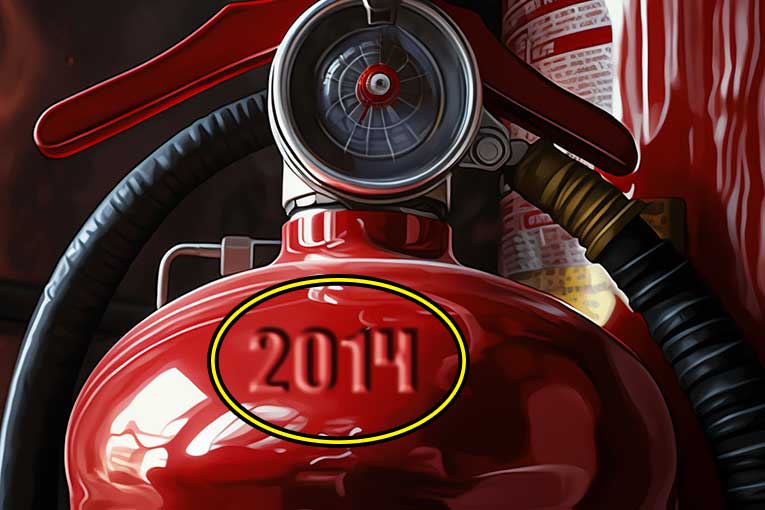
The manufacture date may be physically stamped onto the cylinder of the steel fire extinguisher. 

This stamp provides a clear and permanent indication of when the extinguisher was produced.

On the Label

Alternatively, the manufacture date might be included on the label affixed to the extinguisher. 

This label provides essential information about the extinguisher’s specifications and usage guidelines.

P50 Service-Free Extinguishers

Older Models 

For older P50 fire extinguisher models, the manufacture date is typically printed on the base of the unit.

Newer Models 

Newer P50 models use a coloured pin that correlates to a table printed on the label. 

The pin colour corresponds to the month and year of manufacture, providing a quick reference.

When Should you Replace a Fire Extinguisher Early?

replace fire extinguishers early

While fire extinguishers have defined lifespans, certain circumstances may warrant early replacement to ensure optimal performance in emergencies. 

Here are key indicators that suggest an extinguisher should be replaced ahead of schedule:

Cracked Nozzle or Hose

Issue

Physical damage like cracks compromises the structural integrity of the nozzle or hose.

Effect

The crack can lead to leaks or difficulties in delivering the extinguishing agent during a fire, rendering the extinguisher less effective.

Blocked Nozzle or Hose

Issue

Obstructions in the nozzle or hose can hinder the discharge of the extinguishing agent.

Effect

A blocked nozzle or hose reduces the extinguisher’s ability to control a fire, diminishing its overall performance.

Broken Handle

Issue

A broken handle makes it challenging to operate the extinguisher efficiently.

Effect

In an emergency, a broken handle may impede the user from effectively using the extinguisher, delaying response time.

Missing Locking Pin

Issue

The locking pin is crucial for preventing accidental discharges and maintaining the extinguisher’s readiness.

Effect

Without the locking pin, there’s a risk of unintentional discharges, and the extinguisher may not be securely stored or easily accessible.

Missing Inspection Sticker

Issue

An extinguisher without an updated inspection sticker may not have undergone required maintenance.

Effect

Missing inspection documentation indicates a lack of regular checks, raising concerns about the extinguisher’s reliability and adherence to safety standards.

Corrosion

Issue

Corrosion on the cylinder or other parts compromises the structural integrity of the extinguisher.

Effect

Corrosion weakens the extinguisher, making it more susceptible to damage and reducing its ability to withstand the pressure needed for proper discharge.

Suspected of Leaking

Issue 

Evidence of leaking substances suggests a loss of pressure and potential malfunction.

Effect

A leaking extinguisher may fail to discharge its contents effectively during a fire, necessitating immediate replacement to ensure reliability in an emergency.

How Often Should Fire Extinguishers be Inspected?

how often fire extinguishers inspected

Routine inspections are crucial to maintaining the reliability of fire extinguishers, ensuring they function correctly when needed. 

The inspection frequency can be categorised into two intervals:

Monthly Checks

Regular, brief checks by designated personnel.

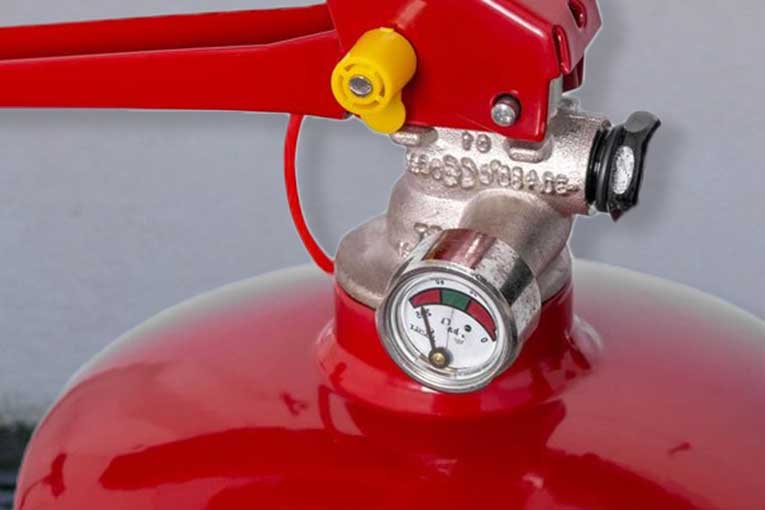
This is to verify that the extinguisher is in its designated place, the pressure gauge shows adequate pressure, and there is no visible damage or tampering.

Monthly checks help identify immediate issues and ensure that the extinguisher is accessible and operational.

Yearly Inspections by a Fire Extinguisher Engineer

In-depth inspections conducted by a certified fire extinguisher engineer, for example those found in the Institution of Fire Engineers.

This will be a comprehensive examination of the extinguisher’s internal and external components, including pressure tests, to ensure it meets safety standards.

Yearly inspections are critical for identifying potential internal issues, such as corrosion or leaks, which might not be evident during routine checks.

What are the Risks of Using an Older Fire Extinguisher?

older fire extinguishers risks

Using an older fire extinguisher poses various risks, potentially compromising its effectiveness when faced with a fire emergency. 

Here are the key risks associated with relying on an aged fire extinguisher:

Decreased Pressure

Over time, fire extinguishers may experience a gradual loss of pressure, reducing their ability to discharge the extinguishing agent effectively. 

This decline can result from factors like gas leakage or gradual deterioration of internal components.

Corrosion

The internal components of a fire extinguisher, especially the cylinder, are susceptible to corrosion over an extended period. 

Corrosion weakens the structural integrity, making the extinguisher more prone to failure or rupture during use.

Deterioration of Seals and Valves

Seals and valves play a crucial role in maintaining the pressure and integrity of the extinguishing agent. 

As a fire extinguisher ages, these seals and valves can deteriorate, leading to potential leaks and a loss of pressure.

Reduced Extinguishing Agent Efficiency

The extinguishing agent within the fire extinguisher can degrade over time, diminishing its effectiveness. 

This reduction in efficiency may result from factors like exposure to temperature variations or chemical changes within the agent.

Outdated Technology

Older fire extinguishers may use outdated technology compared to more modern counterparts. 

Advances in fire safety technology have led to the development of extinguishers with enhanced features and improved extinguishing agents, providing better protection against various fire types.

Non-compliance with Standards

Fire safety standards and regulations evolve over time, introducing new requirements for equipment.

Older fire extinguishers may not comply with the latest standards, potentially leading to regulatory non-compliance and inadequate fire protection.

How to Dispose of a Fire Extinguisher?

dispose of fire extinguishers

Disposing of a fire extinguisher requires careful consideration to ensure the safe handling of potentially hazardous materials. 

Here’s a guide on how to appropriately dispose of a fire extinguisher:

Check the Extinguisher Type

Identify the type of fire extinguisher, as different extinguishing agents have specific disposal methods. 

Common types include water, powder, foam and CO2.

Contact Local Authorities

Check with your local fire department or waste disposal facility regarding their specific regulations for fire extinguisher disposal. 

Some municipalities organise special collection events or have designated drop-off locations.

Recycling Centres

Certain recycling centres may accept fire extinguishers, as many of the components are fully recyclable. 

Remember to follow local guidelines.

Professional Disposal Services

In some cases, professional hazardous waste disposal services may be necessary for extinguishers containing certain chemicals, such as older foam fire extinguishers. 

Contact local environmental agencies for advice on proper disposal methods.

Conclusion

Knowing how long fire extinguishers last and understanding when to replace them is vital for maintaining a safe environment. 

Regular inspections, proper servicing, and early replacement when necessary ensure that these essential firefighting tools remain effective when needed most. 

Prioritising the longevity and functionality of fire extinguishers is a proactive step towards enhancing overall safety and preparedness in various settings.

7 Common Causes of Warehouse Fires

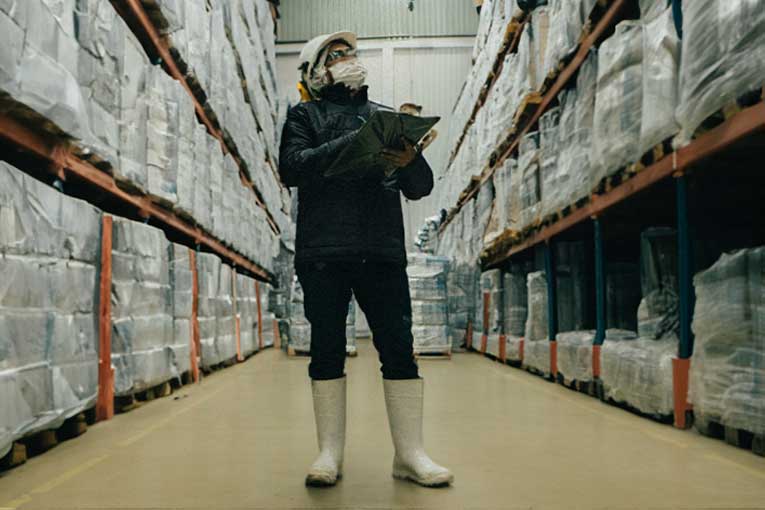
Warehouses play a crucial role in supply chain management, but they are not immune to the threat of fires. 

Warehouse fires can cause business losses in the hundreds of millions every year.

The stakes are high when it comes to warehouse fires, and understanding their common causes and prevention strategies is vital for safeguarding both goods and personnel.

In this article we’ll delve into 7 of the most common causes of warehouse fires, why warehouse fires are so dangerous and ways to help prevent them.

7 Common Causes of Warehouse Fires

Warehouses, crucial parts of supply chain management, have various risks, and fires are a significant concern. 

To strengthen these logistical centres against fire risks, it’s essential to know the common causes thoroughly.

Arson

warehouse fires causes arson

Arson, the deliberate act of setting fires, ranks among the common causes of warehouse fires, with 15% of all warehouse fires being deliberate

Intentional and malicious, arson poses a severe threat, leading to extensive property damage and endangering lives within the facility. 

The deliberate ignition of flames in warehouses underscores the need for heightened security measures and vigilance to thwart potential acts of arson, protecting both assets and personnel.

Electrical Equipment

warehouse fires causes electrical equipment

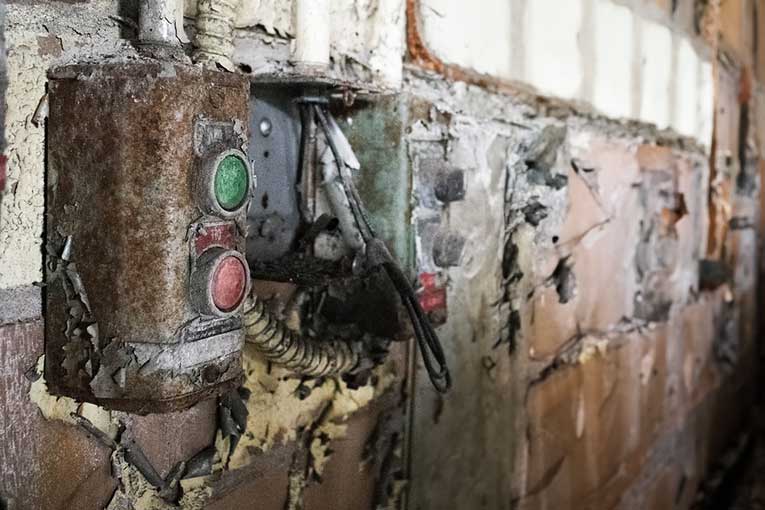
Faulty electrical equipment poses a common threat, leading to warehouse fires. 

Overloaded circuits, damaged wiring, or neglected maintenance can turn these systems into ignition sources. 

Preventing electrical malfunctions through regular checks is vital to ensure the safety of warehouses and protect against the potential devastation caused by fires.

Heating Equipment

warehouse fires causes heating equipment

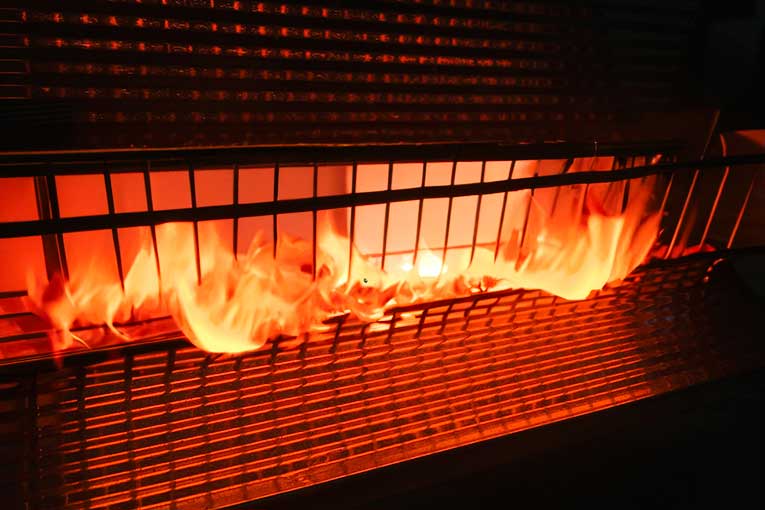
Poorly maintained heating systems present a common risk for warehouse fires, especially during the winter months. 

Malfunctions or improper usage of industrial heaters can turn them into sources of ignition. 

Regular maintenance and proper handling are crucial to mitigate these risks, ensuring the safety of both the warehouse environment and its occupants.

Combustible Materials

warehouse fires causes combustible materials

Warehouses storing combustible materials face an elevated risk of fires. 

Flammable substances, when not handled or stored properly, become potential ignition sources. 

The proximity of these materials to potential heat sources increases the likelihood of accidental fires. 

To mitigate this risk, proper storage protocols, adherence to safety guidelines, and regular inspections are essential, creating a safer environment within the warehouse and reducing the potential for devastating fires.

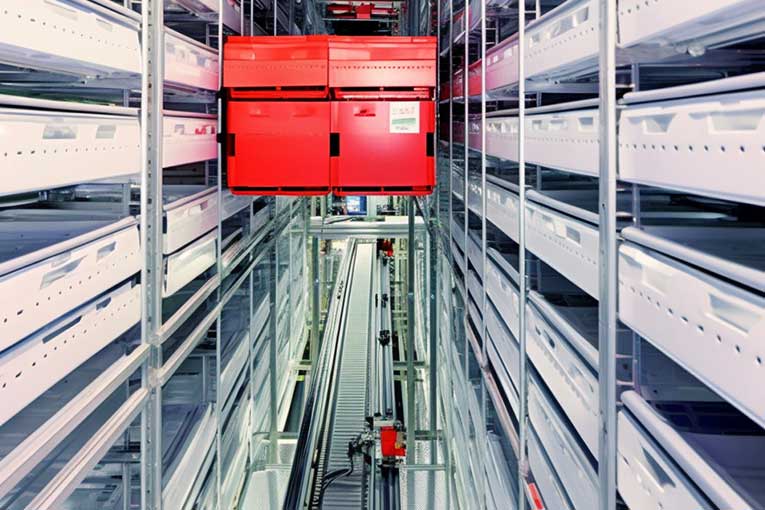
Automatic Storage Retrieval Systems (ASRS)

warehouse fires causes asrs

Automated Storage Retrieval Systems, while enhancing efficiency, can pose fire hazards in warehouses. 

Relying on intricate electrical components, these systems may experience malfunctions leading to fires. 

Ensuring the proper maintenance and functioning of ASRS is crucial to prevent potential fire incidents. 

Vigilance in monitoring these automated systems helps minimise the risk, contributing to the overall safety of the warehouse environment.

Smoking

warehouse fires causes smoking

Smoking near warehouses introduces a significant fire hazard. 

Igniting cigarettes in restricted areas or improper disposal of cigarette butts can lead to accidental fires, particularly in environments with combustible materials. 

The combination of open flames and flammable surroundings heightens the risk. 

Implementing strict no-smoking policies, designated smoking areas, and proper disposal measures are essential preventive measures to reduce the likelihood of fires caused by smoking within the warehouse premises.

Human Error

warehouse fires causes human error

Human error is a prevalent factor contributing to warehouse fires. 

Mistakes in equipment handling, incorrect storage of flammable materials, or neglecting safety protocols can result in unintentional fires. 

Awareness, proper training, and adherence to safety guidelines are crucial to mitigate the risks associated with human error. 

Implementing robust training programs and fostering a safety-conscious culture within the warehouse environment play pivotal roles in reducing the potential for fires caused by human mistakes.

Why are Warehouse Fires so Dangerous?

Warehouse fires pose significant dangers due to their potential for rapid escalation and severe consequences. 

Several factors contribute to the high risk associated with these incidents:

Extensive Property Damage

warehouse fires dangerous

Warehouse facilities often house valuable inventory, machinery, and equipment. 

Fires can lead to substantial financial losses, impacting the business’s operations and long-term viability.

Risk to Human Lives

The safety of personnel working within warehouses is paramount. 

Fires can lead to injuries or fatalities, especially if evacuation procedures are not efficiently executed or if there are delays in emergency response.

Disruption of Supply Chains

Warehouse fires can disrupt the entire supply chain, affecting the timely delivery of goods and services. 

This disruption can have cascading effects on businesses, customers, and interconnected industries.

Environmental Impact

Depending on the nature of stored materials, warehouse fires can result in environmental hazards. 

The release of pollutants, toxins, or hazardous substances can contaminate air, soil, and water, posing long-term environmental risks.

Structural Damage

warehouse fires structural damage

Intense heat and flames can cause structural damage to the warehouse itself, compromising its integrity. 

Collapses or structural failures during a fire can exacerbate the dangers and hinder firefighting efforts.

Challenges for Firefighters

Warehouses are often expensive structures, presenting challenges for firefighting efforts. 

The sheer size and the potential for limited access points can make it difficult for firefighters to quickly contain and extinguish the blaze.

Smoke Inhalation Risks

In addition to flames, the smoke generated during warehouse fires poses serious health risks. 

Smoke inhalation can lead to respiratory issues, and the toxic byproducts of combustion can have immediate and long-term health consequences.

Potential for Explosions

Depending on the nature of the materials stored, warehouses may contain combustible or explosive substances. 

Fires can trigger explosions, further intensifying the danger and complicating firefighting strategies.

How Can Warehouse Fires be Prevented?

Preventing warehouse fires involves a comprehensive approach that addresses potential risks and incorporates effective preventive measures:

Fire Risk Assessments

prevent warehouse fires fire risk assessment

Conducting regular fire risk assessments is a fundamental step in warehouse fire prevention. 

Identifying potential fire hazards and evaluating the effectiveness of existing preventive measures allow for the implementation of targeted strategies to mitigate risks.

Smoke Detectors

Installing smoke detectors strategically throughout the warehouse is crucial for early fire detection. 

These alarms provide timely alerts, enabling a swift response to potential fires and increasing the likelihood of containing the blaze before it escalates.

Fire Extinguishers

Strategically placing fire extinguishers within the warehouse and ensuring that staff are well-trained in their use is essential for controlling small fires. 

Quick and effective intervention with fire extinguishers can prevent the spread of flames and minimise damage.

Sprinkler Systems

prevent warehouse fires sprinklers

Automatic sprinkler systems play a pivotal role in warehouse fire prevention. 

These systems can suppress fires in their early stages by releasing water or fire-retardant chemicals, limiting the extent of the blaze and providing valuable time for evacuation.

Staff Training

A well-trained workforce is a key component of effective fire prevention. 

Staff training should encompass various aspects, including the proper use of firefighting equipment, understanding evacuation procedures, and adherence to fire safety protocols. 

Educating employees on fire prevention measures fosters a collective responsibility for maintaining a safe warehouse environment.

Fire Drills

Regular fire drills are essential for ensuring that employees are familiar with evacuation procedures. 

Conducting drills periodically helps reduce panic in the event of a real fire, ensuring that staff can respond swiftly and efficiently. 

Familiarity with evacuation routes and assembly points enhances overall preparedness and contributes to a safer working environment.

What to do During a Warehouse Fire?

During a warehouse fire, swift and organised actions are crucial to ensure the safety of personnel and mitigate the potential impact of the blaze. 

Here are essential steps to follow:

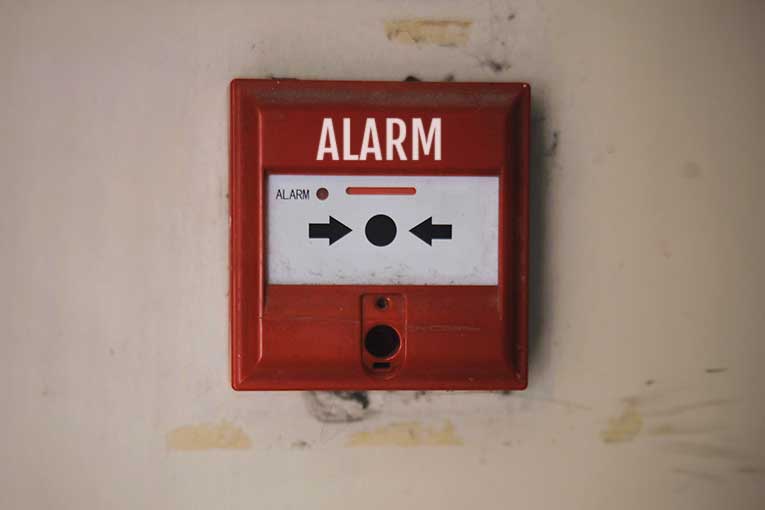
Activate Fire Alarm

warehouse fires activate fire alarm

Immediately activate the fire alarm to alert all personnel to the emergency. 

The alarm signals the initiation of evacuation procedures.

Notify Emergency Services

Promptly call emergency services, providing them with accurate information about the location and nature of the fire. 

The sooner professional firefighting assistance arrives, the better the chances of containing the blaze.

Evacuation Procedures

Follow established evacuation procedures. 

Ensure that all personnel are aware of evacuation routes, assembly points, and procedures for assisting individuals with mobility challenges.

Do Not Use Elevators or Lifts

Avoid using elevators or lifts during a fire. 

Elevators and lifts can malfunction during emergencies, potentially trapping individuals or exacerbating the situation.

Stay Low if Smoke is Present

If smoke is present, stay low to the ground where the air is generally clearer. 

Cover the nose and mouth with a cloth to reduce smoke inhalation.

Close Doors

Close doors behind you as you evacuate to slow down the spread of fire and smoke.

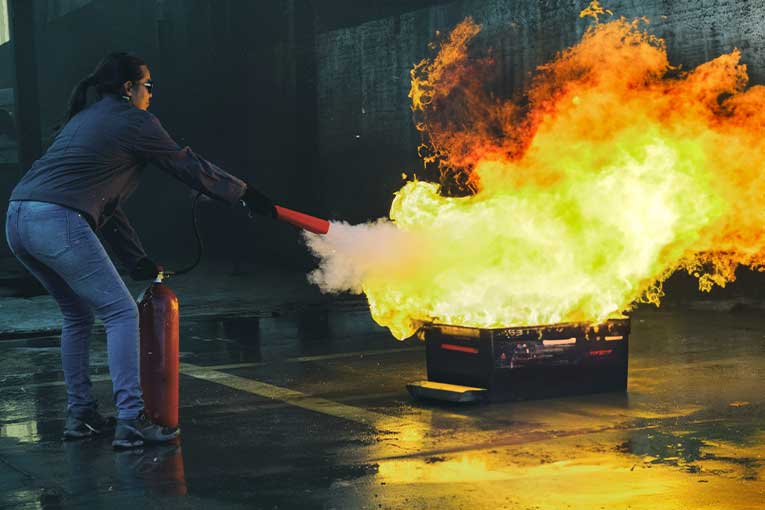
Use Fire Extinguishers (if Safe)

warehouse fires use fire extinguishers

If the fire is small and contained, and it is safe to do so, use available fire extinguishers to suppress the flames. 

However, prioritising personal safety and evacuation is paramount.

Assist Others

Assist colleagues who may need help evacuating, especially those with mobility challenges. 

Ensure that everyone is accounted for at the designated assembly point.

Do Not Return for Belongings

Once safely evacuated, do not return to the building for personal belongings. 

Emergency services will manage the situation, and personal safety takes precedence.

Follow Instructions

Adhere to instructions from emergency services and designated personnel. 

Cooperate with their guidance for a coordinated and effective response.

Conclusion

You should now have an understanding of common causes of warehouse fires.

The gravity of warehouse fires cannot be overstated, given their potential for catastrophic consequences. 

Safeguarding these vital hubs of commerce requires a multifaceted approach encompassing awareness, prevention, and preparedness. 

By comprehending the common causes of warehouse fires, businesses can proactively address vulnerabilities and fortify their facilities against potential risks. 

The implementation of rigorous preventive measures, including regular fire risk assessments, strategic placement of safety equipment, and comprehensive staff training, forms a robust defence against flames.

Moreover, fostering a culture of fire safety within warehouse operations is paramount. 

Continuous education and training initiatives instil a sense of responsibility among personnel, empowering them to contribute actively to fire prevention and response efforts. 

Regular fire drills, along with the proper utilisation of firefighting equipment, further enhance the collective ability to handle emergencies.

How Long Does It Take to Become a Firefighter?

Becoming a firefighter is a noble pursuit that requires dedication, training, and a strong sense of public service, but how long does it take to become a firefighter? 

Aspiring firefighters embark on a journey that involves meeting specific requirements, undergoing rigorous training, and gaining the necessary skills to handle emergencies. 

In this article, we’ll explore the various steps involved in becoming a firefighter, how long it takes to become a firefighter, what the requirements are, and what can stop you from becoming one.

What Are the Requirements to Be a Firefighter?

firefighter requirements

To embark on the path of becoming a firefighter, individuals must meet specific requirements that vary depending on state regulations and fire department policies. 

Typically, aspiring firefighters must be between the ages of 18 and 37, though these age limits can vary by jurisdiction.

Qualifications play a crucial role, with most fire departments requiring candidates to possess a high school diploma or equivalent. 

Some departments may prefer or mandate candidates to have completed college-level coursework or earned a degree in fire science or a related field.

Physical fitness is a non-negotiable requirement, as firefighters often find themselves in physically demanding situations. 

Candidates must pass rigorous fitness assessments to demonstrate their ability to handle the strenuous tasks associated with firefighting.

A valid driver’s licence is usually a prerequisite, considering the need for firefighters to operate emergency vehicles. 

Additionally, having a clean driving record is essential.

Candidates with criminal convictions may face disqualification, emphasising the importance of a clean legal history. 

Fire departments seek individuals with high moral character and reliability, ensuring the public’s trust in their service. 

Meeting these requirements lays the foundation for individuals aspiring to join the ranks of dedicated and capable firefighters.

How Long Does It Take to Become a Firefighter?

Becoming a firefighter involves a multi-step process, and the duration can vary based on individual choices and career paths. 

The primary components of firefighter training include the Fire Academy, college degree, paramedic training, and emergency medical training. 

Notably, not every step is mandatory, and aspiring firefighters can combine certain elements to streamline the process.

The Fire Academy

The Fire Academy is a foundational training program that typically spans 3 to 6 months. 

It provides essential skills in fire suppression, rescue operations, and emergency response. 

Some individuals opt to attend the Fire Academy after obtaining other qualifications, while others make it their initial step.

College

firefighter training-college

A college degree, often in fire science or a related field, is another avenue for aspiring firefighters. 

This educational path can take anywhere from 2 to 4 years to complete. 

While a degree enhances a candidate’s knowledge and credentials, it’s not a prerequisite for all fire departments.

Paramedic Training

firefighter training paramedic

Paramedic training, lasting 1 to 2 years, is crucial for those aspiring to work as firefighter-paramedics. 

This additional certification enables firefighters to provide advanced medical care in emergencies, enhancing their versatility on the job.

EMT Training

firefighter emt training

Emergency medical technician training, typically lasting around 6 months, focuses on basic life support skills. 

While not as comprehensive as paramedic training, it equips firefighters with essential medical knowledge to address immediate needs in emergency situations.

Individuals can choose to combine these steps based on their career goals and department requirements. 

For example, someone aiming to become a firefighter-paramedic might opt for simultaneous paramedic training while attending the Fire Academy. 

This flexibility allows aspiring firefighters to tailor their journey to align with their specific career objectives and the demands of their chosen fire department.

Why Does Firefighter Training Take So Long?

firefighter training takes so long

Firefighter training is comprehensive and extensive due to the diverse range of skills and knowledge required for the profession, and the reason why it takes so long to become a firefighter. 

The length of training reflects the demanding nature of the job and the need for firefighters to be well-prepared for various emergency situations.

The thoroughness of firefighter training is essential to ensure that individuals can respond effectively to a wide range of incidents, from fires and rescues to medical emergencies. 

The extended duration allows for practical, hands-on experience, simulation exercises, and theoretical learning, ensuring that firefighters are well-prepared and confident in their abilities when facing real-life challenges.

Why Do You Need EMT Training to be a Firefighter?

firefighter need emt training

EMT training is a crucial component of firefighter preparation, enhancing their ability to respond to a variety of emergencies. 

Firefighters often serve as first responders in medical incidents, and EMT training equips them with the necessary skills to provide immediate and potentially life-saving care.

Firefighters frequently encounter situations where medical intervention is required, such as accidents, injuries, or incidents involving hazardous materials. 

EMT training allows them to assess and stabilise patients, manage trauma, administer medications, and perform other critical medical procedures. 

This capability ensures a well-rounded response to emergencies, addressing both fire-related and medical aspects.

Moreover, EMT training aligns with the broader trend of emergency services convergence, emphasising the integration of firefighting and emergency medical services. 

This approach recognizes the interconnected nature of emergencies, where incidents often involve both fire and medical components. 

As such, firefighters with EMT training can offer a comprehensive and immediate response to a diverse array of situations, contributing to public safety and well-being.

What Does Firefighter Training Look Like?

Firefighter training is a comprehensive and rigorous process designed to equip individuals with the skills and knowledge necessary for the challenging and diverse aspects of the profession. 

The training encompasses a blend of classroom instruction, hands-on practical exercises, and physical fitness regimens.

Classroom Sessions

firefighter training classroom sessions

Classroom sessions cover essential theoretical knowledge, including fire science, hazardous materials awareness, emergency medical procedures, and incident command systems. 

These foundational concepts provide a theoretical framework for understanding firefighting principles.

Practical Exercises

firefighter training practical exercises

Hands-on practical exercises are a vital component, allowing trainees to apply theoretical knowledge in realistic scenarios. 

This includes fire suppression techniques, search and rescue operations, handling specialised equipment, and responding to various emergency situations. 

Practical training fosters muscle memory and enhances the ability to perform under pressure.

Physical Fitness

firefighter training physical fitness

Physical fitness is a core focus throughout firefighter training. 

The demanding nature of firefighting requires firefighters to be in excellent physical condition. 

Training includes endurance exercises, strength training, agility drills, and simulations to prepare individuals for the physical demands of the job.

Live-fire Training

firefighter training live fire training

Live-fire training exercises in controlled environments simulate real-life scenarios, allowing trainees to experience the intensity and dynamics of firefighting. 

These exercises involve using firefighting equipment, coordinating team efforts, and making quick decisions in a dynamic environment.

How Often do Fire Departments Hire Firefighters?

firefighter hiring

The frequency of firefighter hiring by fire departments varies based on factors such as department size, budget constraints, retirements, and community needs. 

In larger urban areas, where the demand for firefighting services is higher, fire departments may have more frequent recruitment cycles. 

Smaller communities or rural fire departments may have less frequent hiring cycles due to budgetary constraints and lower call volumes. 

In such cases, hiring may occur less regularly, typically when there is a need to replace retiring firefighters or expand the department’s capabilities.

Fire departments often plan recruitment drives strategically, considering long-term projections for retirements and community growth. 

They may announce openings, conduct written exams, physical assessments, and interviews as part of the selection process. 

Prospective firefighters should monitor announcements from local fire departments, municipalities, or government websites for information about upcoming hiring processes. 

Additionally, networking with current firefighters, attending job fairs, and staying informed about industry trends can provide valuable insights into potential opportunities.

What Can Disqualify You From Becoming a Firefighter?

Several factors can disqualify individuals from becoming firefighters, as fire departments have stringent requirements to ensure the safety and effectiveness of their teams. 

Criminal Record

firefighter disqualify criminal record

Common disqualifiers include a history of felonies or serious criminal offences, as they can undermine the public’s trust and pose a potential risk in emergency situations. 

Substance abuse issues or a history of drug-related offences may also lead to disqualification due to the importance of maintaining a clear-headed and focused mindset during emergencies.

Poor driving records, especially if they involve serious offences or a history of reckless driving, may be grounds for disqualification, as firefighters often operate emergency vehicles.

Medical Conditions

firefighter disqualify medical conditions

Certain medical conditions or physical limitations may disqualify candidates, as firefighting demands a high level of physical fitness and endurance. 

Conditions that may affect a candidate’s ability to perform essential job functions, such as severe vision or hearing impairments, can be disqualifying.

Why Can’t You Become a Firefighter With No Training?

firefighter no training

Becoming a firefighter without training is typically not possible due to the complex and demanding nature of the profession. 

Firefighters are required to handle a wide range of emergencies, from fires to medical incidents, and they must possess the necessary skills and knowledge to respond effectively.

Training provides essential instruction on fire behaviour, rescue techniques, emergency medical procedures, and the operation of specialised equipment. 

Firefighters need to understand how to navigate hazardous environments, conduct search and rescue operations, and administer first aid. 

Moreover, they must be proficient in using firefighting tools and apparatus, such as hoses, ladders, and breathing apparatus.

Conclusion

Becoming a firefighter is a rewarding but challenging journey that demands commitment and perseverance. 

Answering the question of ‘how long does it take to become a firefighter’ is a difficult one, as the time it takes to become a firefighter varies based on individual choices and department requirements. 

Whether attending the fire academy, pursuing a college degree, or completing paramedic training, each step contributes to shaping competent and capable firefighters ready to serve their communities.

List of Firefighting Equipment

Firefighting equipment is what helps firefighters to extinguish flames, ensuring the safety of lives and property, and the varied list of firefighting equipment shows how diverse firefighting really is. 

From traditional tools like fire extinguishers to cutting-edge technology such as thermal imaging cameras, each item plays a crucial role in a firefighter’s arsenal. 

In this article, we’ll explore the diverse list of firefighting equipment, shedding light on their functions and importance in the face of fire emergencies.

What is Firefighting Equipment?

Firefighting equipment encompasses a diverse range of tools, devices, and protective gear specifically designed to combat and manage fires effectively. 

These crucial elements are essential for firefighters in their mission to extinguish flames, rescue individuals, and mitigate the impact of fire emergencies. 

Each piece of equipment serves a unique purpose in the complex and challenging task of firefighting.

Firefighting equipment is not only about extinguishing flames but also about ensuring the safety of those on the front lines. 

Protective gear, such as fire suits and gloves, shields firefighters from extreme heat, allowing them to navigate hazardous environments. 

The continuous advancements in firefighting equipment underscore a commitment to improving the efficiency, safety, and overall effectiveness of firefighting operations.

Firefighting equipment is the lifeline for those who risk their lives to protect communities and properties from the devastating impact of fires.

List of Firefighting Equipment

Firefighting equipment constitutes a comprehensive arsenal designed to combat fires of varying intensities and types. 

Each tool plays a crucial role in ensuring the safety of firefighters and the effectiveness of fire suppression efforts.

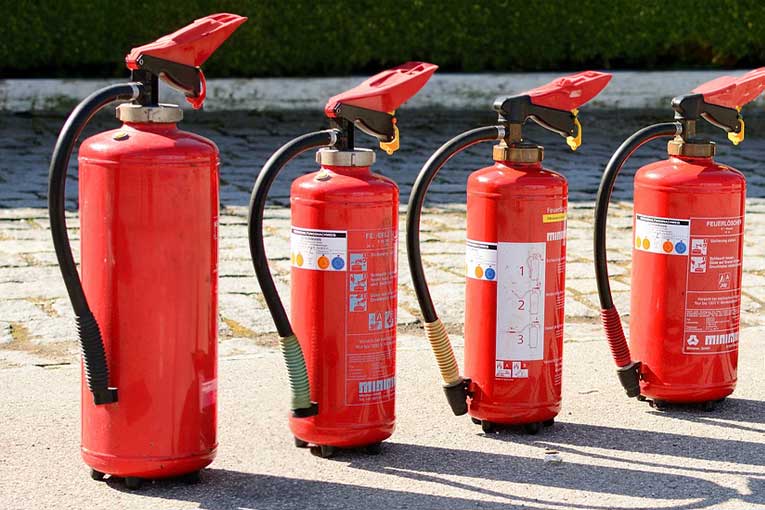
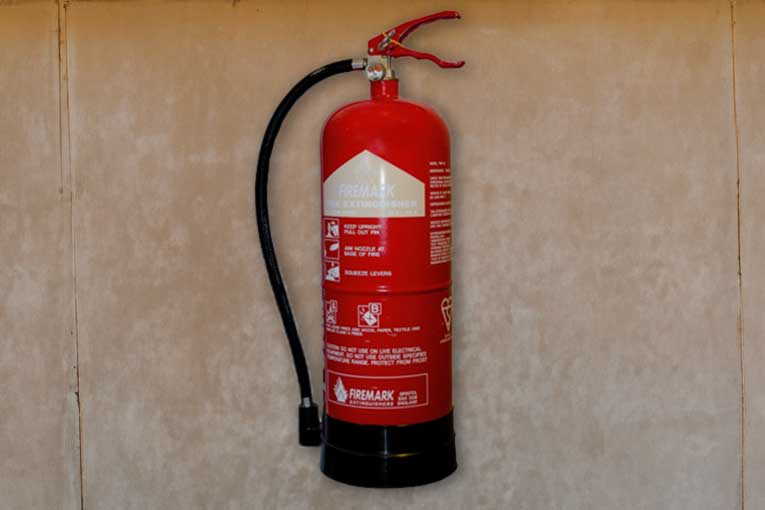
Fire Extinguishers

fire extinguisher firefighting equipment

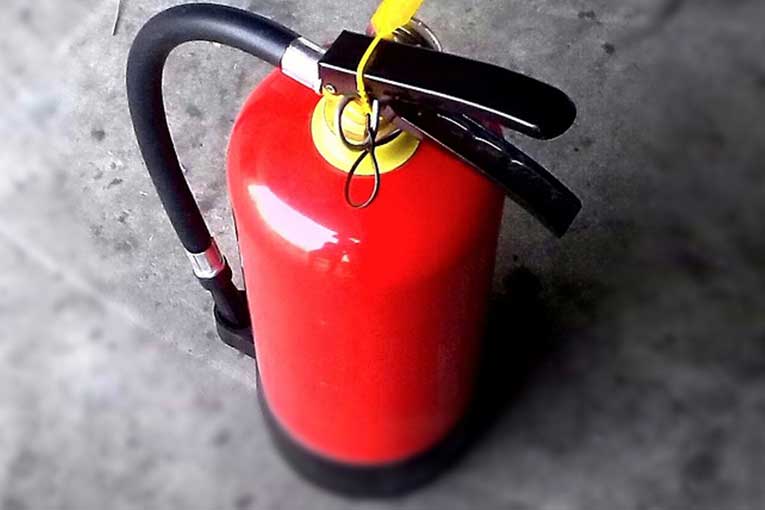
Portable and versatile, fire extinguishers are essential for promptly suppressing and extinguishing small fires. 

There are many different types of fire extinguisher, each containing specific firefighting agents such as water, foam, dry powder, or CO2. 

The diversity in extinguisher types ensures flexibility in addressing different classes of fires—whether involving ordinary combustibles, flammable liquids, electrical equipment, or gases. 

This adaptability allows firefighters and individuals to employ the most suitable extinguishing agent, enhancing the effectiveness of fire suppression efforts across a wide range of fire scenarios.

Fire Extinguisher Ball

fire extinguisher ball firefighting equipment
Source: Amazon

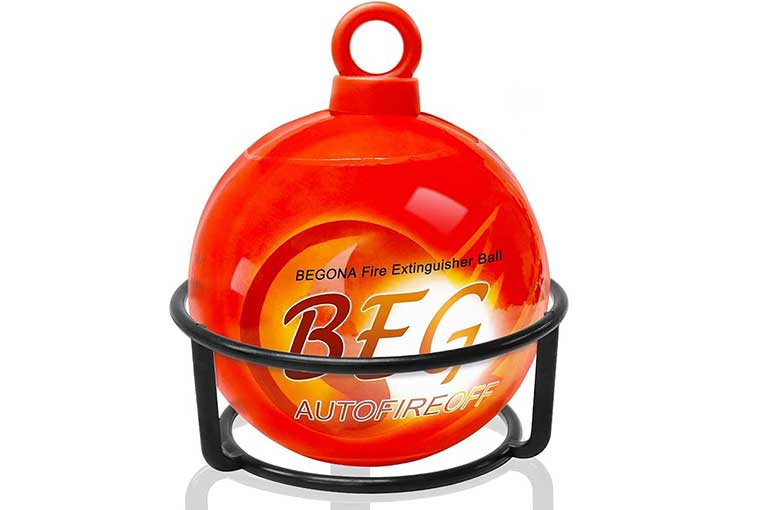
An innovative self-activating fire suppression system, the Fire Extinguisher Ball offers a unique approach to firefighting. 

When exposed to flames, the ball bursts autonomously, releasing a fine powder that swiftly and effectively extinguishes the fire. 

This ingenious device is particularly advantageous in confined spaces or areas with limited accessibility, where traditional firefighting methods might face challenges. 

The Fire Extinguisher Ball’s ability to initiate fire suppression independently makes it a valuable addition to fire safety measures, ensuring a rapid response even in scenarios where immediate human intervention may be difficult.

Fire Hoses

fire hose firefighting equipment

As one of the most prevalent tools in large-scale firefighting, fire hoses are indispensable for firefighters combating significant flames. 

These flexible and robust hoses serve as critical conduits, allowing the directed flow of water onto the fire. 

Their length and adaptability empower firefighters to reach remote or challenging locations, providing a versatile means of effectively delivering water to suppress fires. 

The strategic use of fire hoses enhances the agility and reach of firefighting efforts, enabling responders to address fires in diverse environments and mitigate potential challenges posed by the fire’s scale and intensity.

Hose Jets

fire hose firefighting equipment

Hose Jets represent heightened firefighting capabilities, requiring the collaboration of two firefighters to handle their extra power. 

These specialised tools offer an elevated force and flow, allowing firefighters to exert increased control over the extinguishing process. 

With the ability to adjust the jet stream, firefighters enhance precision in directing water onto the flames, addressing specific firefighting requirements. 

The collaborative use of Hose Jets reflects a strategic approach, amplifying the effectiveness of firefighting efforts in scenarios where a more robust and targeted water delivery is essential to combat fires of greater scale or intensity.

Fire Buckets

fire buckets firefighting equipment

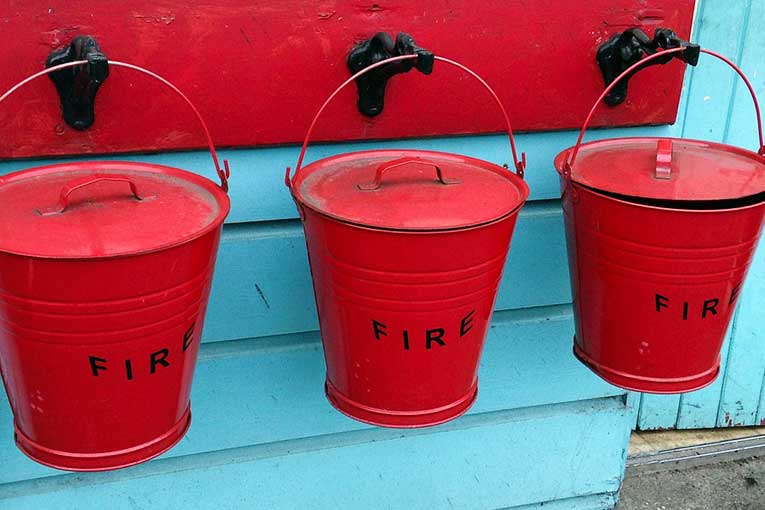
Simple in design yet highly effective, fire buckets are containers filled with either water or sand. 

Positioned strategically, these buckets serve as immediate response tools, offering a swift and accessible means to douse small fires or control sparks. 

Their simplicity makes them an essential first line of defence, providing an uncomplicated yet crucial tool in the initial stages of firefighting. 

Whether used by trained personnel or as part of fire safety measures in public spaces, fire buckets play a fundamental role in empowering individuals to take immediate action and contribute to fire containment efforts.

Flamezorb

flamezorb firefighting equipment
Source: Amazon

Flamezorb, a granular substance, serves as a rapid-response tool in firefighting by efficiently absorbing flammable liquids. 

When applied to spills, it swiftly neutralises and absorbs the substances, preventing the spread of fire. 

This versatile and effective tool finds particular utility in scenarios involving hazardous materials or potential chemical fires, where the quick containment of flammable liquids is essential to mitigate the risk of fire escalation. 

Flamezorb’s ability to address such specific challenges makes it a valuable asset in the firefighting arsenal, contributing to the overall effectiveness of fire suppression efforts in diverse and complex situations.

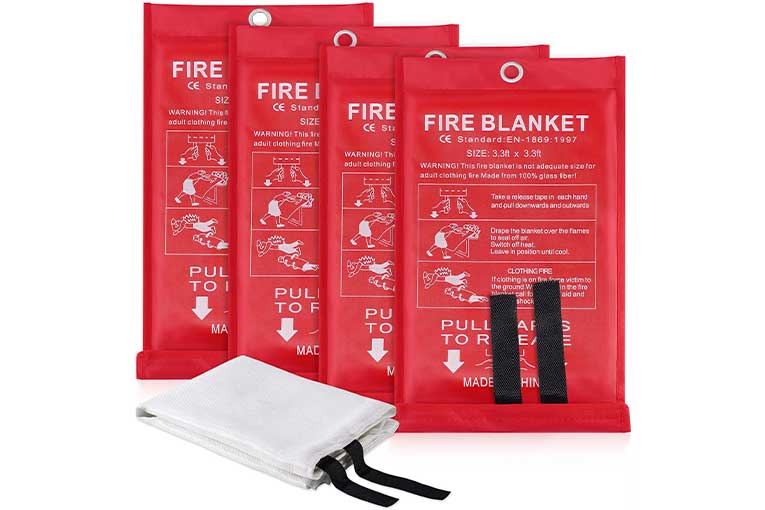
Fire Blankets

fire blanket firefighting equipment
Source: Amazon

Constructed from fire-resistant materials, fire blankets emerge as versatile tools in firefighting and emergency response. 

Beyond their primary function of smothering small fires, these blankets provide a multifaceted solution. 

In emergency situations, they offer protection by wrapping around individuals, creating a temporary shield against flames and heat. 

The adaptability of fire blankets extends their utility beyond traditional firefighting scenarios, making them valuable assets in various emergency situations where rapid response and versatile tools are paramount to ensuring the safety of individuals and effectively addressing evolving challenges.

Fire Suit

fire suit firefighting equipment

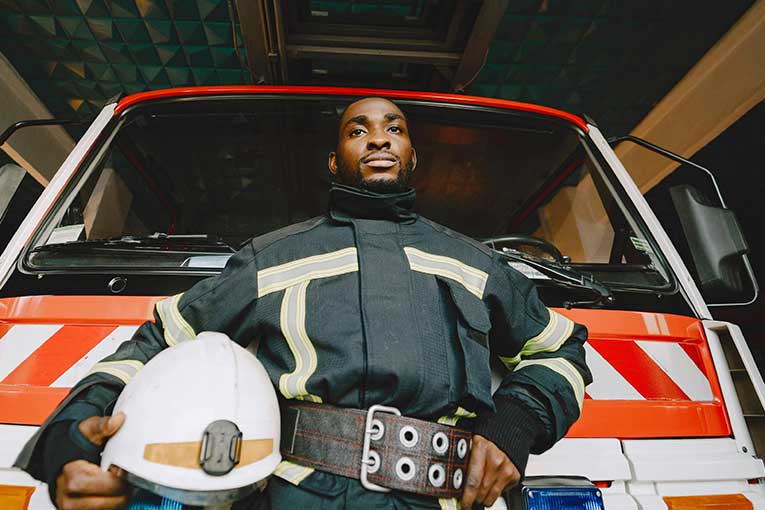
Specially designed for the demanding challenges of firefighting, a fire suit is more than  a mere uniform – it’s a shield against extreme heat and flames. 

Crafted from fire-resistant materials, these suits envelop firefighters in a protective barrier during the most intense operations. 

With layers designed to withstand the harsh conditions of a fire, these suits are crucial in ensuring the safety and well-being of firefighters. 

The specialised construction of fire suits exemplifies the commitment to providing a robust defence against the hazards encountered in the line of duty, reinforcing the resilience of those who bravely confront the flames.

Firefighter Gloves

firefighting gloves firefighting equipment
Source: Amazon

These gloves are essential for firefighters, offering crucial hand protection in the dynamic and intense environments encountered during firefighting operations. 

Crafted from materials resistant to high temperatures, they enable firefighters to handle hot surfaces and materials with confidence. 

The specialised design of firefighter gloves prioritises both dexterity and protection, allowing firefighters to navigate challenging situations while safeguarding their hands from the formidable heat generated in the course of combating fires. 

Gas Tight Suit

gas tight suit firefighting equipment
Source: Wikipedia

Comprising a multi-layered construction, these suits act as an impermeable barrier, creating a formidable shield between the firefighter and potentially harmful substances. 

Their purpose extends beyond conventional firefighting gear, addressing the specific challenges posed by chemical fires and the release of dangerous gases. 

By providing an encapsulating defence, gas-tight suits empower firefighters to navigate complex and perilous environments, ensuring their safety while enabling effective response and mitigation in the face of chemical hazards.

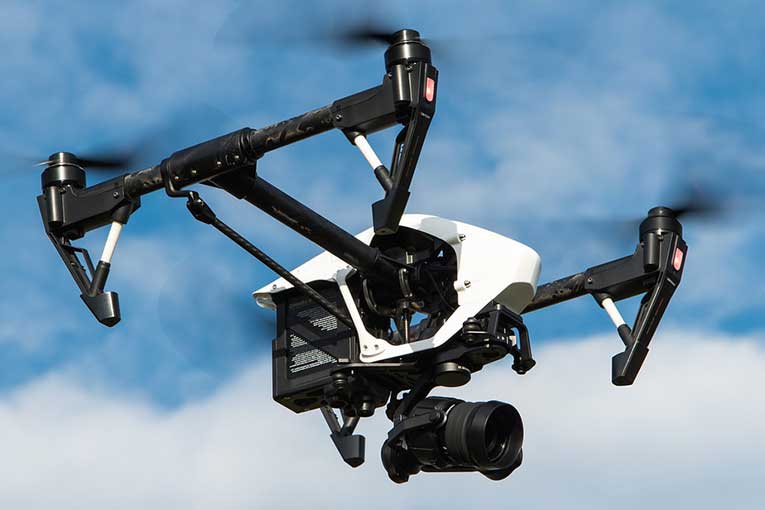
Drones

drones firefighting equipment

These unmanned aerial vehicles, equipped with advanced cameras, offer invaluable aerial views that significantly enhance fire assessment capabilities. 

Providing real-time situational awareness, drones become the eyes in the sky for firefighting teams. 

Their ability to swiftly survey large areas and capture critical information aids in strategizing and responding effectively to incidents. 

Drones not only contribute to the safety and efficiency of firefighting operations but also offer a technological edge, elevating the precision and speed with which responders can assess, plan, and execute strategies in the dynamic context of firefighting scenarios.

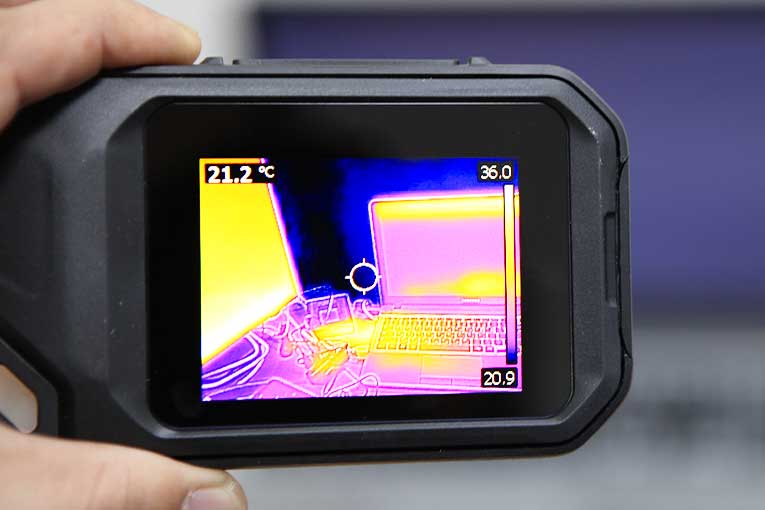
Thermal Imaging Camera

thermal camera firefighting equipment

Thermal imaging cameras aid in locating individuals trapped in smoke-filled environments and identifying hotspots that may not be visible to the naked eye. 

The invaluable data provided by thermal imaging cameras enhances the efficiency and safety of firefighting operations. 

By offering real-time insights into the intensity and distribution of heat, these devices empower firefighters with the ability to make informed decisions, optimise resource allocation, and execute targeted strategies for suppressing fires and conducting search and rescue operations.

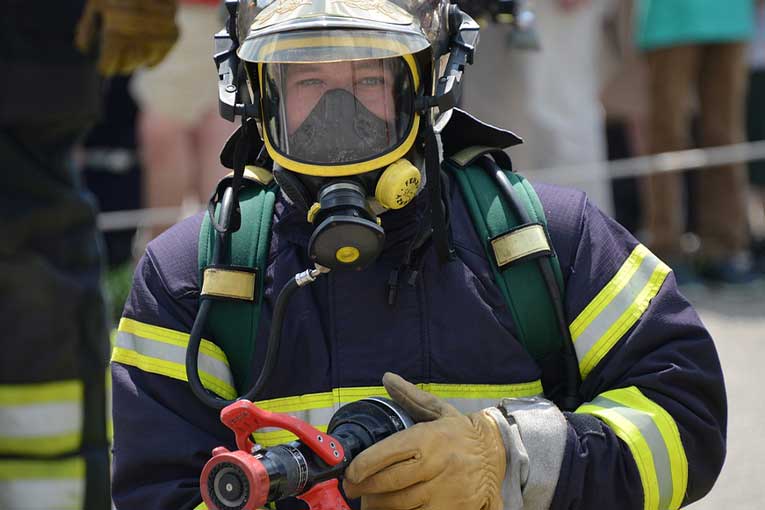
Breathing Apparatus

breathing apparatus firefighting equipment

In smoke filled environments, these devices play a crucial role in ensuring the safety of firefighters by providing a continuous supply of clean air. 

The reliability and functionality of these apparatuses exemplify their vital role in preserving the well-being of firefighters and ensuring their ability to execute effective firefighting and rescue operations in environments where clean air is a precious commodity.

Positive Pressure Ventilation Fan

positive pressure ventilation fans firefighting equipment
Source: Wikipedia

Positive pressure ventilation fans are devices designed to create airflow that effectively removes smoke and toxins from enclosed spaces. 

By generating a controlled and directed flow of air, these fans contribute significantly to improving visibility for firefighters within confined areas. 

Beyond enhancing visibility, the removal of smoke and toxins creates a safer working environment, allowing firefighters to operate more efficiently and with reduced exposure to hazardous substances. 

Ladders

ladders firefighting equipment

These versatile devices play a pivotal role in firefighting operations by enabling firefighters to access elevated areas, conduct rescues, and navigate challenging environments. 

Whether extending to reach upper floors of buildings or providing a stable platform for rescue operations, ladders enhance the agility and effectiveness of firefighting teams. 

Their portability and adaptability make them fundamental in addressing the diverse challenges posed by fires in varying structures and scenarios, contributing to the overall success and safety of firefighting operations.

Fire Fighting Vehicle

vehicles firefighting equipment

These vehicles carry essential firefighting tools, water tanks, and hoses, ensuring a swift and effective response to fire emergencies. 

Beyond their mobility, the specialised equipment on these vehicles equips firefighters with the resources needed to combat fires of varying scales. 

Whether navigating through urban environments or remote locations, these vehicles enhance the reach and capabilities of firefighting teams, playing a vital role in the timely containment and suppression of fires to protect lives and property.

How is Firefighting Equipment Used?

The strategic use of equipment is paramount, requiring a careful assessment of each fire’s unique characteristics. 

Firefighters, equipped with a diverse array of tools, employ a systematic approach to address different scales and types of fires.

Fire extinguishers, compact and versatile, find their application in swiftly suppressing small fires. 

Firefighters select the appropriate extinguisher based on the fire’s nature and discharge the firefighting agent with precision, aiming at the fire’s base. 

For larger incidents, fire hoses connected to water sources become instrumental. 

The hoses allow firefighters to direct water effectively, reaching inaccessible areas, while sprinklers automatically release water upon detecting excessive heat, contributing to fire containment.

Protective gear, including fire suits and gloves, plays a pivotal role in ensuring firefighters’ safety as they confront flames. 

These specialised garments shield against extreme heat, providing a critical barrier between the firefighter and the hazardous environment.

Cutting-edge technology, such as drones equipped with cameras and thermal imaging devices, offers invaluable insights. 

Drones provide aerial views, enhancing situational awareness for better decision-making, while thermal imaging cameras aid in locating individuals and identifying hotspots within a fire.

The use of firefighting equipment is not only reliant on the tools themselves but also on the skill, training, and coordination of firefighting teams. 

Firefighters undergo rigorous training to understand the capabilities and limitations of each tool, ensuring a synchronised and effective response to diverse fire scenarios. 

The strategic and well-coordinated utilisation of firefighting equipment remains a cornerstone in the battle against the unpredictable and destructive force of fires.

What Other Equipment Helps with Firefighting?

Some firefighting equipment is not directly used to directly put out fires, but it used to improve the safety and efficiency of firefighters.

Fire Sprinklers

fire sprinklers firefighting equipment
Source: Wikipedia

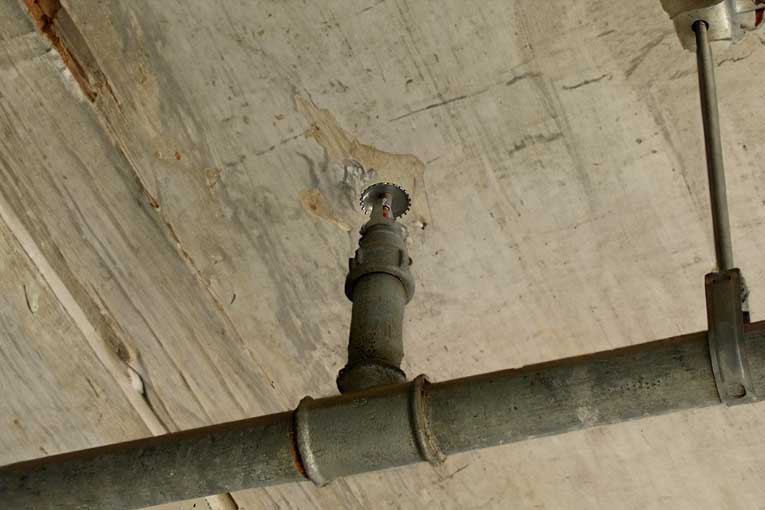
Installed in buildings, fire sprinklers are automatic devices that release water when detecting excessive heat. 

They play a crucial role in suppressing fire outbreaks and limiting damage in enclosed spaces. 

Strategically positioned, their rapid response significantly contributes to controlling fires, preventing their escalation, and protecting lives and property within structures.

Fire Doors

Specialised fire doors are meticulously designed to resist fire and smoke, acting as effective barriers to limit their spread within a building. 

These doors are critical components of passive fire protection systems, providing crucial time for evacuation and minimising the potential for fire extension.

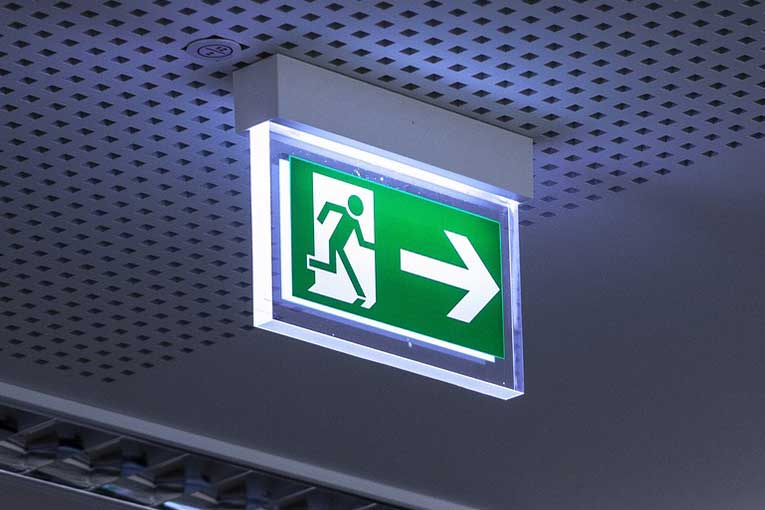
Emergency Signs

emergency signs firefighting supporting equipment

Clearly marked emergency lighting and signs are indispensable in ensuring swift and safe evacuation. 

These signs delineate evacuation routes and indicate the locations of firefighting equipment, guiding occupants to safety during fire emergencies.

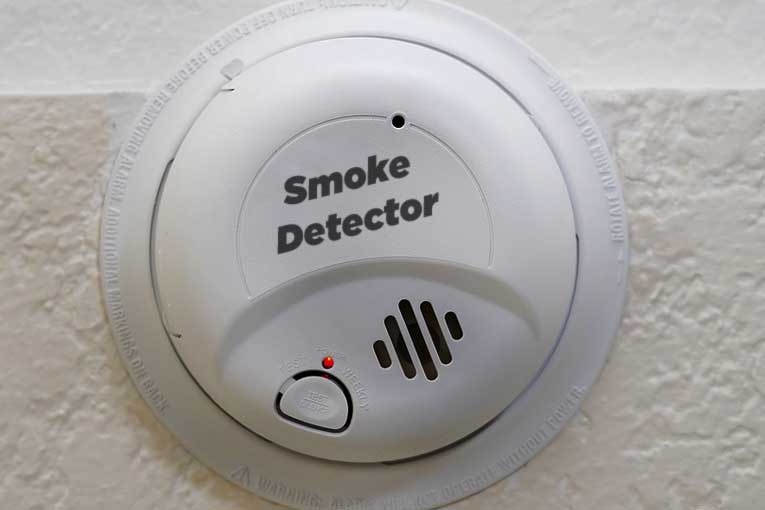
Smoke Alarms

There is 4 different smoke detector types

Essential components of early warning systems, smoke detectors are devices that promptly detect smoke, alerting occupants to potential fire hazards. 

Their rapid detection capability is pivotal in providing early warnings, allowing for timely response and evacuation.

The different types of smoke alarms ensure people can react quickly  to different types of fires.

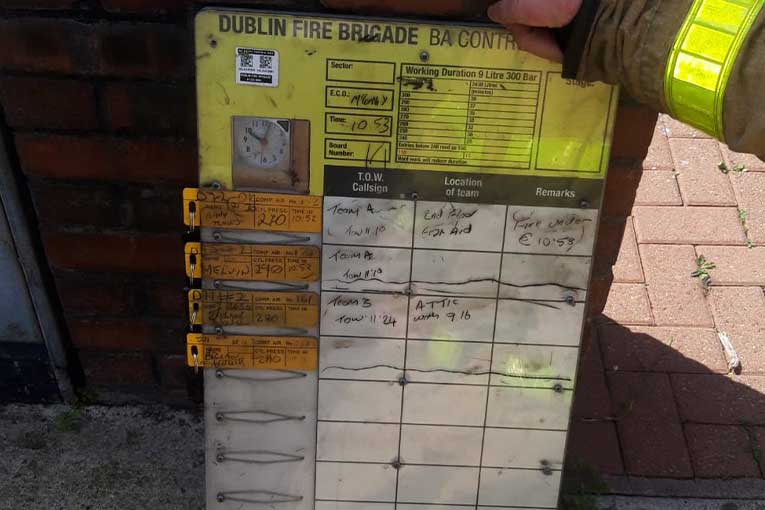
BA Entry Board

The Breathing Apparatus (BA) Entry Board serves as a control hub during breathing apparatus operations. 

It manages the entry and exit procedures of firefighters equipped with breathing apparatus, ensuring systematic and safe operations in environments with compromised air quality.

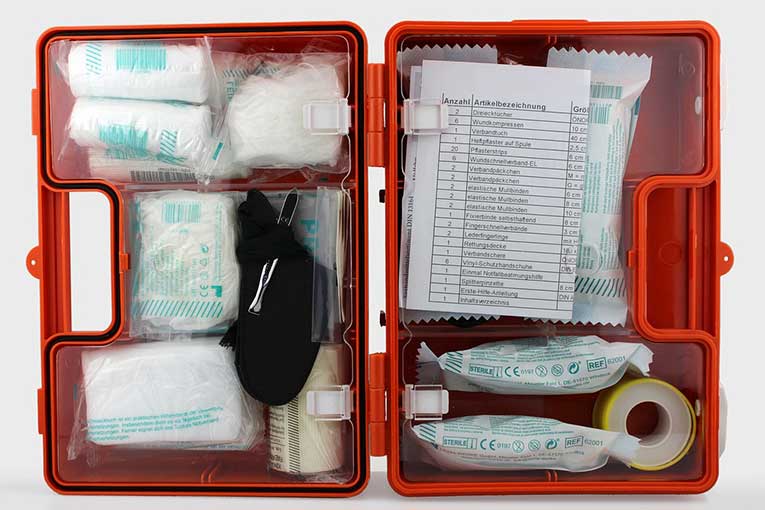
First Aid Kit

first aid kit firefighting supporting equipment

Containing medical supplies, first aid kits address injuries sustained during firefighting or rescue operations. 

They provide essential support until more extensive medical assistance is available.

Light Portable Pump

light portable pump firefighting equipment
Source: Amazon

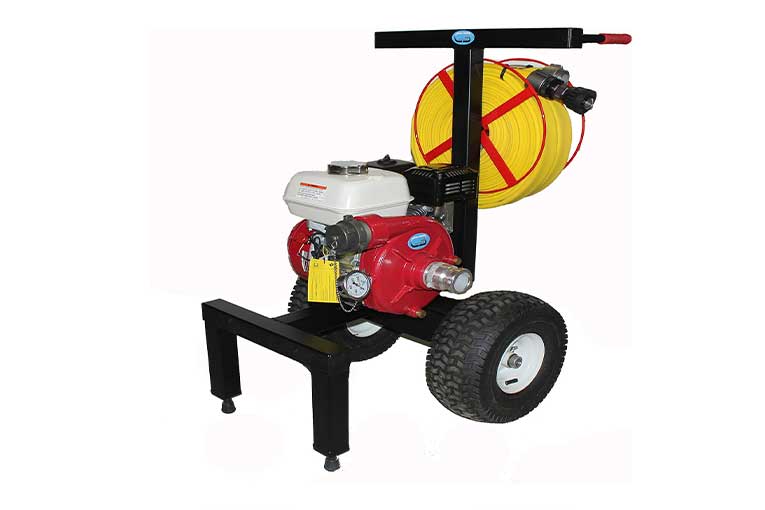
Compact and portable, light pumps are indispensable for transporting water to areas inaccessible to larger firefighting vehicles. 

These pumps enhance operational flexibility, providing firefighting teams with the ability to establish water supply points in diverse environments.

Cutters

cutters firefighting equipment
Source: Wikipedia

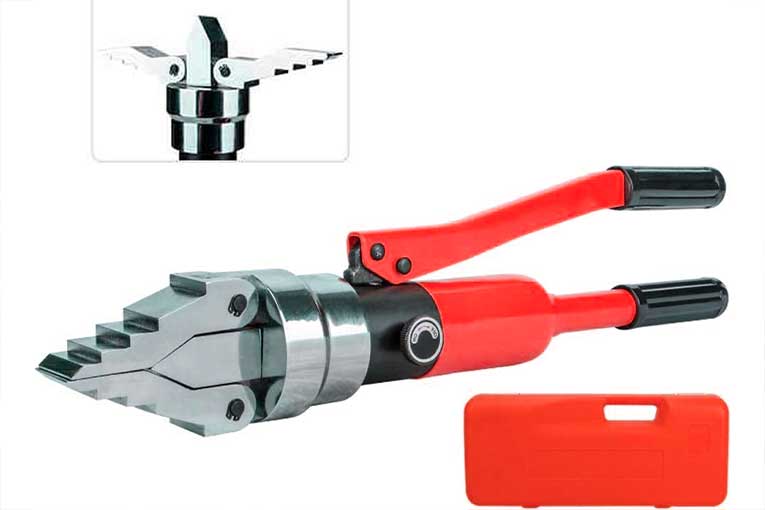
Cutting through materials obstructing access or rescuing individuals, cutters are versatile tools used by firefighters. 

They play a crucial role in extrication operations, enabling swift and precise interventions in situations where immediate access is essential.

Spreaders

spreaders firefighting equipment
Source: Amazon

Hydraulic spreaders are powerful devices used to pry open objects or create openings in rescue situations. 

These tools are instrumental in providing access to trapped individuals, facilitating efficient rescue operations.

Rams

rams firefighting equipment
Source: Wikipedia

Hydraulic rams are tools designed to force open doors or create pathways during rescue operations. 

Their robust construction and power make them essential for situations where conventional access methods are insufficient.

Do Not Cross Tape

do not cross tape firefighting equipment
Source: Amazon

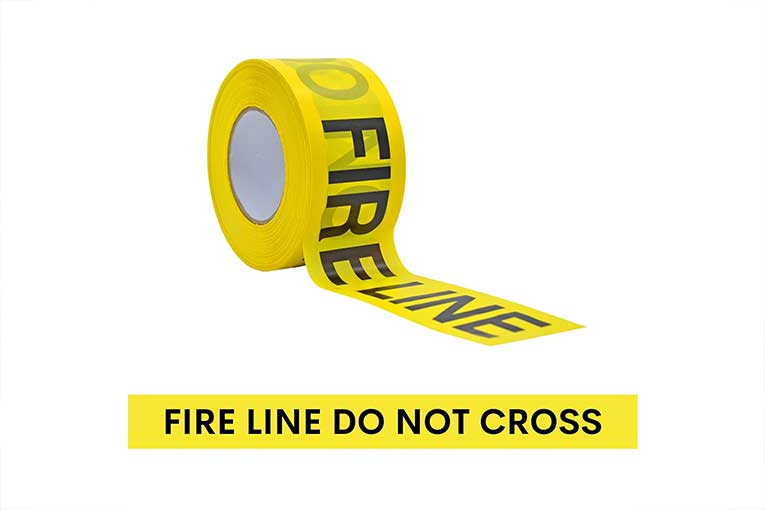
Visible tape with the clear directive “Do Not Cross” is utilised to cordon off unsafe areas and control access to the fire scene. 

This tape ensures the safety of both emergency responders and the public by preventing unauthorised entry into potentially hazardous zones.

Traffic Cones

traffic cones firefighting equipment
Source: Amazon

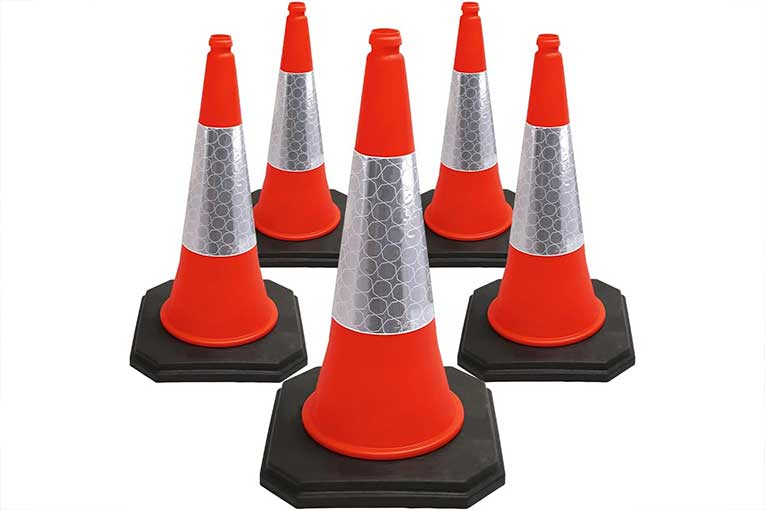
Deployed to manage traffic and create clear pathways for emergency vehicles, traffic cones are essential in ensuring unimpeded access for firefighting teams. 

These cones play a crucial role in maintaining order and facilitating the rapid movement of emergency vehicles to and from the incident scene.

What Does the Future Hold for Firefighting Equipment?

The future of firefighting equipment holds exciting possibilities, driven by advancements in technology, materials, and design. 

One prominent trend is the integration of smart technologies, such as artificial intelligence and the Internet of Things, into firefighting gear. 

This includes wearable sensors and augmented reality visors that provide real-time data to firefighters, enhancing situational awareness and decision-making. 

Innovations in materials science are shaping the development of more lightweight yet durable protective gear, addressing comfort and mobility concerns for firefighters. 

Nanotechnology may lead to advanced flame-resistant fabrics, ensuring greater protection against extreme temperatures. 

Additionally, the use of robotics in firefighting, ranging from autonomous vehicles to robotic firefighting assistants, is on the horizon.

As climate change intensifies, firefighting equipment is likely to evolve to cope with more frequent and severe wildfires. 

This may involve the development of specialised tools for wildfires and improved strategies for early detection and prevention. 

The collaborative efforts of researchers, engineers, and firefighters promise a future where technology plays a pivotal role in enhancing the safety, efficiency, and effectiveness of firefighting operations, ultimately better equipping first responders to address evolving challenges.

Conclusion

The array of equipment at a firefighter’s disposal is vast and diverse. 

From traditional tools that have stood the test of time to cutting-edge technology ensuring efficiency and safety, each item plays a crucial role in combating fires and protecting lives. 

The continuous evolution of firefighting equipment reflects a commitment to enhancing the capabilities of those who bravely confront the unpredictable nature of fires. 

As technology advances, so does our ability to respond effectively to fire emergencies, ensuring a safer and more resilient future for communities worldwide.
Urgent evacuation in Victoria amid severe bushfire threat

Authorities issue evacuation orders ahead of catastrophic fire conditions

Authorities in Victoria have called for the evacuation of more than 30,000 people from their homes in anticipation of what is feared to be the most severe fire day the state has seen in four years.

With temperatures expected to soar into the mid-40s in certain areas, residents in a potential fire impact zone stretching between Ballarat and Ararat, in Victoria’s west, have been instructed to leave their homes by Wednesday morning at the latest.

Victoria’s Emergency Management Commissioner, Rick Nugent, announced that towns including Amphitheatre, Beaufort, Clunes, Elmhurst, Lexton, Glenbrae, and Learmonth would receive text messages urging residents to evacuate.
Nugent highlighted the gravity of the situation: “Fire, spot fires and ember attack are quite possible in these areas; these could result in loss of homes, closure of roads and isolating communities,” he told reporters.
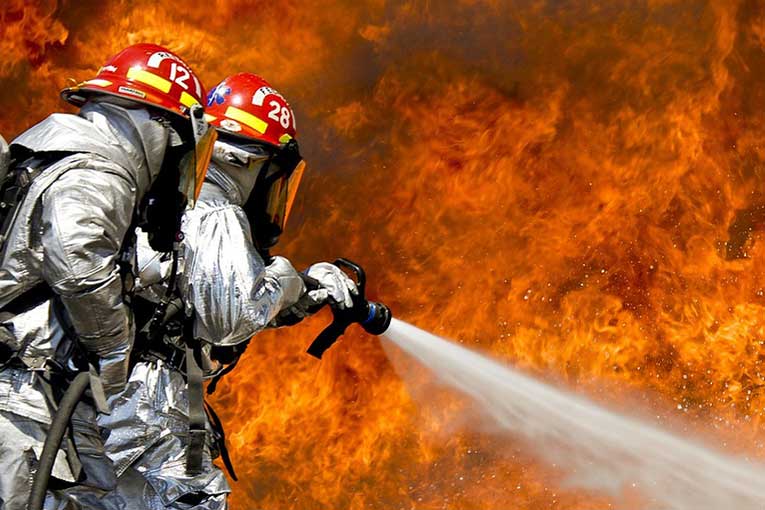
“If you are located in these areas, we ask you to leave.”

Catastrophic bushfire conditions forecasted across Victoria

The Bayindeen bushfire, located north-west of Ballarat, has already consumed 21,300 hectares and resulted in the destruction of six homes and 10 outbuildings since its inception last Thursday.

Nugent underscored the priority of saving lives over possessions, stating: “Its devastating for families to lose all of those possessions but they can be replaced; a life can’t.

This is all about saving lives.”

In response to the escalating threat, two relief centres have been established in Ararat and Maryborough for evacuees.

Furthermore, aged care community residents and all prisoners from the Langi Kal Kal prison have been evacuated preemptively.

Statewide efforts to combat the fire threat

Jason Heffernan, the Country Fire Authority’s chief officer, warned that any fire starting in the Wimmera region on Wednesday could become “uncontrolled very quickly,” emphasising that no homes are built to withstand such catastrophic conditions.

The premier, Jacinta Allan, described the upcoming day as “incredibly difficult,” with a forecast of mid-40s temperatures in north-west Victoria and high 30s to low 40s for the rest of the state.

An afternoon cool change is expected to bring wind gusts of up to 80km/h and dry lightning, further complicating firefighting efforts.

In preparation, about 110 firefighters from New South Wales have been deployed to Ballarat and Halls Gap, joining thousands of Victorian firefighters and more than 60 aircraft.

Allan also noted that approximately 100 schools and early childhood facilities will close on Wednesday as a precautionary measure.

IFSJ Comment

The proactive evacuation orders issued by Victoria’s authorities reflect a comprehensive and coordinated effort to mitigate the risks associated with the forecasted catastrophic fire conditions.

By prioritising the safety and well-being of residents, the state demonstrates a clear understanding of the unpredictable nature of bushfires and the importance of early action.

The commitment shown by emergency services, combined with the support from interstate firefighters and the deployment of significant aerial resources, underscores the seriousness of the threat and the collective resolve to protect communities.

Kent Fire and Rescue Service to conclude contract with Eurotunnel in 2025

KFRS to terminate long-standing fire cover contract with Eurotunnel

After nearly three decades of providing dedicated fire and rescue services to the Channel Tunnel, Kent Fire and Rescue Service (KFRS) has announced its decision to end its private contract with Eurotunnel by next year.

This exclusive arrangement, which has ensured round-the-clock fire cover at the critical crossing, is distinct from the public services offered by KFRS across Kent.

KFRS Chief Executive, Ann Millington, highlighted the evolution of the service’s commitments: “While the operation is no longer viable for Kent Fire and Rescue Service, fire cover and safety will not be compromised – there will still be a fire station at the tunnel with a full fire and rescue team.”

Continued commitment to safety

Despite the forthcoming conclusion of this longstanding contract, the commitment to safety at the Channel Tunnel remains unwavering.

KFRS assures that the protective measures in place for the tunnel will not see a decline.

The service plans to maintain a fully staffed fire station at the Eurotunnel site, ensuring that expert fire and rescue teams are always on hand.

“KFRS’ strong working relationship with Eurotunnel will continue, and firefighters at stations nearest to the crossing, such as Dover, Folkestone, and Ashford, will continue to respond to emergencies at the site when called out via 999, in the usual way,” Millington added, reinforcing the service’s dedication to emergency response and safety for the Channel Tunnel.

The search for alternative solutions

As the current phase of the partnership between KFRS and Eurotunnel approaches its end, Eurotunnel is set to explore alternative options for maintaining 24/7 onsite fire and rescue services.

This proactive approach ensures that the high safety standards and swift emergency responses that have characterised the Eurotunnel for nearly 30 years will continue without interruption.

IFSJ Comment

The announcement of the end of Kent Fire and Rescue Service’s exclusive contract with Eurotunnel marks a significant transition in the provision of fire and rescue services at one of the UK’s most critical transport links.

This change opens a new chapter in ensuring the safety and security of the Channel Tunnel, reflecting both organisations’ adaptability and commitment to public safety.

As Eurotunnel seeks new solutions for round-the-clock fire cover, the continued collaboration with KFRS and local fire stations will remain a cornerstone of emergency response at the crossing.

Survitec enhances fire safety for alternative fuel-powered ships

Survitec responds to the demand for advanced fire safety

In a significant development for maritime safety, Survitec, a leading provider of Survival Technology solutions, has announced enhancements to its Dry Chemical Powder (DCP) fire extinguishing system.

The upgrades, designed to offer improved protection for vessels operating on LNG and LPG fuels, have received type approval certification, marking a significant milestone in the maritime industry’s transition to cleaner fuels.

The reconfigured DCP system is already being specified for both newbuild and existing vessels, demonstrating immediate industry recognition.

Survitec’s first order for the upgraded system will be installed on a 16,000 TEU container ship currently under construction at a newbuild yard in South Korea.

Rafal Kolodziejski, Head of Product Support & Development – Fire Systems at Survitec, commented on the importance of this innovation: “This first order represents a crucial step forward in ensuring the safety of ships running on LNG or LPG.

The Survitec DCP system offers comprehensive bunkering station protection, cost-efficiency, and versatility for a variety of vessel types, whether newbuild or retrofit.”

Technological advancements in fire safety

Survitec’s newly enhanced DCP system includes several key components such as an extinguishant storage container, nitrogen gas cylinder, safety valves, a pressure regulator, piping, and discharge devices, including nozzles.

A notable advancement is the ability to combine longer lengths of discharge piping with smaller volumes of powder, optimising fire protection for bunkering stations and fuel-switching operations across a broader range of vessels.

The system’s design allows for increased pipe runs, up to 69m, with the potential for further extension on a case-by-case basis.

This flexibility is a significant improvement over traditional systems, enabling more efficient and adaptable fire safety solutions.

Piotr Bulas, Product Manager for DCP solutions at Survitec, elaborated on the system’s unique features: “Our solution is designed to support potassium bicarbonate or sulphate salts as the dry power medium, offering multiple advantages, including smaller, lighter, and more easily accommodated hardware, as well as lower overall cost of consumables.”

A cost-effective and efficient solution for maritime safety

Survitec’s nitrogen-propelled DCP solution is designed to meet the stringent requirements of both newbuilds and existing ships undergoing dual fuel propulsion solution retrofits.

The system ensures constant deployment at a minimum of 3.5kg/second for 45 seconds using just 175kg of powder, a significant reduction in consumables compared to competing solutions.

Kolodziejski further highlighted the system’s efficiency and cost benefits: “With the DCP system from Survitec, shipowners can often safeguard bunkering stations on both sides of the ship with just one DCP unit without compromising performance. This reduces installation and maintenance costs.”

Survitec’s commitment to innovation extends to maintenance, with the new DCP system designed for easy servicing and testing without disassembling core components.

The system is delivered as a single, compact unit for ‘plug and play’ installation, simplifying the shipbuilding process and ensuring long-term reliability and safety.

IFSJ Comment

The introduction of Survitec’s type-approved dry chemical powder system upgrades represents a timely response to the maritime industry’s shift towards alternative fuels.

By enhancing fire safety measures for vessels powered by LNG and LPG, Survitec is setting a new standard in maritime safety technology.

The system’s cost-efficiency, versatility, and technological advancements offer comprehensive protection for a variety of vessel types, ensuring the safety of maritime operations in an era of cleaner fuels.

This initiative underscores the critical role of innovation in advancing maritime safety and the importance of adopting flexible, efficient solutions to meet the evolving challenges of the industry.