What is a COSHH Assessment & Who Needs Them?

Workplace safety is of the utmost importance and understanding and implementing proper risk assessments is paramount. 

One such essential assessment is COSHH, short for Control of Substances Hazardous to Health. 

The COSHH assessment aims to safeguard employees and others from potential harm due to exposure to hazardous substances in the workplace.

What is a COSHH Assessment?
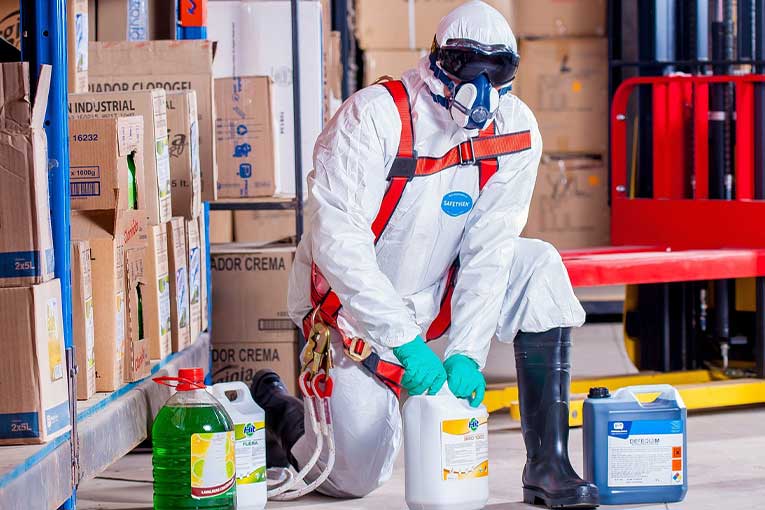
COSHH assessment employee exposed to chemicals
A COSHH assessment is needed for any employee exposed to chemicals

A COSHH assessment is a crucial process designed to systematically manage and mitigate the risks linked to hazardous substances within a workplace. 

The fundamental objective is to safeguard the health and well-being of individuals exposed to these substances during various work activities.

The assessment encompasses a broad spectrum of materials, not just limited to traditional chemicals. 

It includes biological agents, dust, fumes, and other substances that have the potential to pose health risks. 

This systematic evaluation ensures that any potential harm associated with these substances is identified and effectively controlled.

COSHH assessments play a pivotal role in fostering a secure work environment. 

By scrutinising all substances within the workplace that could be considered hazardous, this process enables organisations to take proactive measures to minimise risks and adhere to regulatory standards.

The systematic steps involved in a COSHH assessment, from identifying hazardous substances to evaluating control measures, contribute to the creation of a detailed and effective risk management plan. 

Through documentation, communication, and training, a COSHH assessment becomes a cornerstone in promoting awareness and understanding among personnel about the potential risks associated with hazardous substances and the measures in place to mitigate them. 

Overall, it is an indispensable tool for organisations committed to maintaining a safe and healthy workplace.

Who Needs to have a COSHH Assessment?

COSHH assessment healthcare
A COSHH assessment happens in several industries, including healthcare

Any business where employees are exposed to hazardous substances requires a COSHH assessment. 

This includes but is not limited to:

Manufacturing and Industry

Industries that involve the use of chemicals, solvents, or other hazardous substances in processes or production.

Healthcare

Hospitals, clinics, and other healthcare settings where various substances, including cleaning chemicals and pharmaceuticals, are utilised.

Laboratories

Research facilities and testing laboratories dealing with chemicals and biological agents.

Construction

Sites where workers may encounter substances like dust, adhesives, or paints.

Cleaning Services

Companies involved in cleaning, janitorial, or sanitation services using various cleaning agents.

Agriculture

Farms and agricultural settings where pesticides, fertilisers, and other chemicals are employed.

Retail

Businesses that sell products containing hazardous substances, such as paints, adhesives, or cleaning supplies.

Office Environments

Even seemingly low-risk environments may have substances like cleaning chemicals that require assessment.

Educational Institutions

Schools, colleges, and universities where laboratories and workshops involve the use of various chemicals.

How Often Should a COSHH Assessment be Done?

According to COSHH Regulations, there is no set frequency specified for how often a COSHH assessment should be conducted. 

Instead, it is a dynamic process that depends on the nature of the work, the substances involved, and any changes in the workplace that may affect exposure.

The law requires that COSHH assessments be carried out systematically and be reviewed regularly. 

The Health and Safety Executive (HSE) advises that assessments should be reviewed if there is any reason to suspect they are no longer valid or if there has been a significant change in the workplace or work processes.

For example, if new substances are introduced into the workplace, processes change, or if there is evidence that control measures are not effective, a review of the COSHH assessment is necessary. 

This flexible approach allows for the adaptation of safety measures to the evolving nature of work environments.

It’s crucial for employers to stay vigilant and ensure that COSHH assessments are not treated as a one-off task but rather as an ongoing process that reflects the dynamic nature of workplaces. 

Regular reviews help in identifying emerging risks and adjusting control measures accordingly. 

Failure to regularly review COSHH assessments can lead to a workplace being ill-prepared to manage new risks, potentially endangering the health and safety of employees.

What Happens in a COSHH Assessment?

What happens COSHH assessment
What exactly happens in a COSHH assessment?

Here’s an in-depth look at what happens during a COSHH assessment:

Identification of Hazardous Substances

The process begins with identifying all the hazardous substances used, stored, or generated in the workplace. 

This includes any substances that could pose a risk to health.

Assessment of Risks

Once identified, the next step is to assess the risks associated with these substances. 

This involves evaluating how employees might be exposed, the potential harm it could cause, and the likelihood of that harm occurring.

Evaluation of Control Measures

The effectiveness of existing control measures is examined. 

This includes ventilation systems, personal protective equipment (PPE), safe work procedures, and any other measures in place to minimise exposure. 

The assessment considers whether these measures are sufficient or if additional controls are needed.

Recording and Documentation

All findings are recorded, and a written assessment is created. 

This document outlines the identified hazards, the risks associated, and the control measures in place. 

This serves as a reference for employees, management, and regulatory bodies.

Review and Update

The assessment is not a one-time task. It needs to be regularly reviewed and updated, especially when there are changes in work processes, substances used, or if control measures prove ineffective. 

This ensures that the assessment remains relevant and effective over time.

Communication and Training

Employees need to be informed about the hazards associated with the substances they work with and the measures in place to protect them. 

Training is essential for ensuring that everyone understands the risks and knows how to use control measures effectively.

Emergency Planning

In the event of an emergency, such as a spill or exposure, there should be clear plans and procedures in place. 

This could include evacuation plans, first aid procedures, and emergency contact information.

Consultation with Employees

Employees should be actively involved in the assessment process. 

They are often the ones with valuable insights into the practical aspects of their work, and their input can contribute to a more comprehensive and effective assessment.

How can you Minimise Risks in a COSHH Assessment?

Here are strategic approaches to minimise these risks:

Robust Employee Training

Ensuring that employees are well-versed in handling hazardous substances is paramount. 

Training should cover the proper usage of personal protective equipment (PPE), safe handling procedures, and emergency response protocols. 

An educated workforce is a critical line of defence against potential risks.

Effective Ventilation Systems

Investing in and maintaining effective ventilation systems is pivotal. 

Adequate ventilation minimises the concentration of hazardous substances in the air, reducing the risk of inhalation and airborne contamination.

Stringent Control Measures

Implementing stringent control measures, such as engineering controls and administrative procedures, is essential. 

This could include enclosure systems, fume hoods, or designated work practices that limit exposure.

Regular Health Surveillance

Conducting regular health surveillance of employees exposed to hazardous substances is a proactive measure. 

Monitoring their health allows for early detection of adverse effects and the adjustment of control measures as needed.

Substitution of Hazardous Substances

Exploring less hazardous alternatives or substitutes for substances in use is a powerful risk reduction strategy. 

Where feasible, replacing hazardous substances with safer alternatives minimises potential harm.

Adequate Storage and Handling Protocols

Establishing and enforcing proper storage and handling protocols is critical. 

This involves secure storage, clearly labelled containers, and meticulous procedures to prevent spills or accidental exposure.

Emergency Response Planning

Having a robust emergency response plan is non-negotiable. 

This includes clear procedures for spills, leaks, or unintended exposures. 

Employees should be well-trained on emergency protocols, including evacuation routes and first aid procedures.

Regular Audits and Inspections

Frequent audits and inspections ensure that control measures are consistently implemented and effective. 

Identifying and rectifying any lapses promptly enhances the overall safety of the workplace.

Conclusion

COSHH assessments are not just regulatory requirements; they are fundamental tools for ensuring workplace safety. 

Whether you are in a chemical manufacturing plant or a bakery, identifying and controlling hazards is critical. 

By understanding the significance of COSHH assessments and actively implementing their findings, businesses can create safer environments for their workforce, promoting health, well-being, and overall productivity.
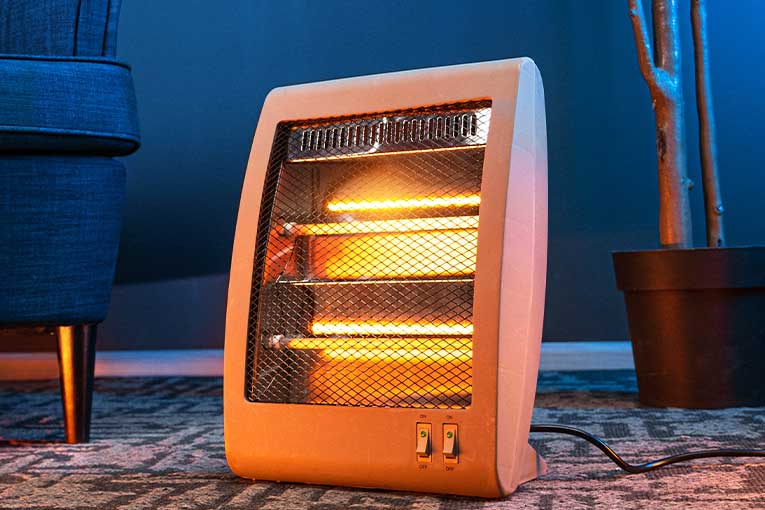
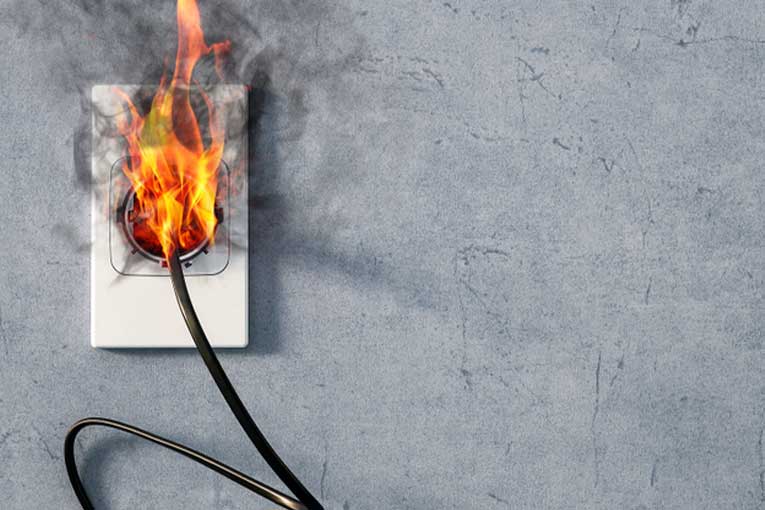
How to Put Out an Electrical Fire

Electrical fires are not only frightening but also pose a severe threat to life and property. 

Understanding the dynamics of these fires and, more importantly, knowing how to respond is paramount for personal safety. 

This article delves into the origins of electrical fires, provides practical insights into how to put out an electrical fire, and imparts crucial preventive measures. 

Hopefully you’ll gain the knowledge needed to protect yourself, your loved ones, and your surroundings from the potentially devastating consequences of electrical hazards.

What Causes Electrical Fires?

Overloading circuits cause electrical fires
Overloading circuits will cause electrical fires

Electrical fires can ignite from various sources, often stemming from issues within the electrical systems themselves. 

Here’s a breakdown of the common causes:

Faulty Wiring

Old or improperly installed wiring is one of the most common causes of fire.

Frayed wires, loose connections, or overloaded outlets can create a spark, initiating a fire hazard.

Appliance Malfunctions

Defective appliances, especially those with damaged cords or internal faults, can be catalysts for electrical fires. 

Overheating due to prolonged use or manufacturing defects can escalate the risk.

Outdated Electrical Systems

Ageing electrical systems, unable to meet the demands of modern appliances, are susceptible to overheating. 

This can result in sparks, leading to potential fire outbreaks.

Overloaded Circuits

Plugging too many devices into a single circuit can overload it, causing overheating and sparks. 

This is particularly prevalent in older homes with limited electrical capacity.

Power Strips and Extension Cords

Improper use of power strips and extension cords, such as daisy-chaining them or using them for high-wattage appliances, can lead to overheating and electrical fires.

Light Fixtures

Faulty light fixtures or incorrect wattage bulbs can generate excess heat, posing a risk of fire. Ensuring proper installation and using appropriate bulbs is essential.

Electrical Appliances Left On

Leaving electrical appliances on for extended periods, even when not in use, can result in overheating and potential fire hazards.

Infestations

Rodents chewing on electrical wiring can expose the conductors, leading to short circuits and the possibility of electrical fires.

Natural Disasters

Extreme weather events, such as lightning strikes or power surges during storms, can cause electrical fires by overwhelming the system.

Poor Electrical Maintenance

Neglecting regular electrical maintenance, including checking for wear and tear, loose connections, and outdated components, increases the likelihood of electrical fires.

Thermal Runaway

Thermal runaway is a phenomenon where a device’s temperature escalates uncontrollably, often leading to catastrophic consequences. 

In electrical systems, it’s a potential precursor to fires. 

If a component experiences thermal runaway, it can trigger a chain reaction, causing neighbouring components to heat up rapidly.

How to Put Out an Electrical Fire

Electrical fires demand swift action. 

If you encounter an electrical fire, follow these steps:

Cut the Power

Cutting the power put out electrical fire
Cutting the power will help to put out an electrical fire

The initial and most critical action when dealing with an electrical fire is to sever its power source. 

Find the fuse box and promptly turn off the electricity. 

This action eliminates the fuel that sustains the fire.

Use a Fire Extinguisher

In the case of a small electrical fire, a Class C fire extinguisher is the appropriate tool. 

Aim the extinguisher directly at the base of the flames and sweep from side to side. 

This targeted application helps smother the fire without posing additional risks.

Never Use Water

Water and electricity don’t mix well. 

Never attempt to use water to extinguish an electrical fire, as it can lead to electrocution and worsen the situation. 

Instead, opt for a fire extinguisher designed specifically for electrical fires.

Smother the Flames

Employ a fire blanket or a heavy, non-flammable material to smother the flames. 

Place the blanket over the fire to cut off its oxygen supply, a crucial element for combustion. 

This method is effective for smaller fires on electrical equipment.

Evacuate and Call for Help

If the electrical fire persists or escalates beyond your control, prioritise your safety. 

Immediately evacuate the premises, and from a safe distance, call the fire service

Await professional assistance to handle the situation effectively.

Why Electrical Fires are so Dangerous

Electrical fires pose a significant threat due to their unique characteristics.

Here’s a closer look at why these fires are particularly hazardous:

Rapid Escalation

Electrical fires have a notorious reputation for escalating swiftly. 

The high temperatures generated can cause surrounding materials to catch fire, leading to a rapid spread. 

What begins as a small electrical malfunction can transform into a full-blown inferno within moments.

Toxic Fumes

The materials involved in electrical fires, such as wiring and appliances, release toxic fumes when ignited. 

These fumes can include carbon monoxide and other harmful substances, posing severe health risks to occupants. 

Inhaling these toxic gases can lead to respiratory issues, unconsciousness, and, in extreme cases, fatalities.

Structural Damage

Beyond the immediate flames, electrical fires can cause extensive structural damage. 

The intense heat can compromise the integrity of wiring systems, insulation, and surrounding materials. 

This damage not only causes costly repairs but also increases the risk of subsequent fires.

Risk of Electrocution

Attempting to extinguish an electrical fire with water can lead to a grave risk of electrocution. 

Water conducts electricity, and using it on electrical fires can result in severe injuries or fatalities. 

This unique hazard makes responding to electrical fires more complex and necessitates specialised firefighting measures.

Challenges for Firefighters

Firefighters face distinct challenges when tackling electrical fires. 

The conductivity of electricity can interfere with standard firefighting methods, requiring specialised equipment. 

Moreover, the potential for hidden pockets of fire within walls or electrical systems makes complete extinguishment more challenging.

Reignition Potential

Even after seemingly successful extinguishment, electrical fires can reignite. 

This is often due to hidden smouldering embers or damaged wiring reigniting when power is restored. 

Addressing this reignition potential requires thorough assessment and preventative measures.

What Type of Fire is an Electrical Fire?

Electrical fires fall under Class C fires. 

Unlike other types of fire, they involve energised electrical equipment, making water a dangerous choice for extinguishing.

How to Prevent Electrical Fires

Electrical fires, with their potential for devastating consequences, underscore the importance of proactive preventive measures. 

Here’s a detailed look at how you can significantly reduce the risk of electrical fires:

Regular Inspections and Maintenance

Regular maintenance needed prevent electrical fires
Regular maintenance is needed to prevent electrical fires

Regular inspections of your electrical systems are vital. 

Ensure that wiring, outlets, and appliances are in good condition. 

Any signs of wear, damage, or overheating should be promptly addressed. 

Consider hiring a professional electrician for thorough inspections, especially in older properties.

Avoid Overloading Outlets

Overloading outlets is a common cause of electrical fires. 

Distribute electrical loads evenly and avoid daisy-chaining multiple devices to a single outlet. 

Invest in surge protectors to safeguard against power surges, which can also contribute to overheating.

Use Correct Wattage Bulbs

Incorrectly matched light bulb wattages can generate excessive heat, posing a fire risk. 

Always use bulbs that match the recommended wattage for fixtures. 

Check labels and replace bulbs promptly if they blow or flicker.

Replace Damaged Cords

Frayed or damaged electrical cords are hazardous. 

Replace them immediately to avoid short circuits and potential fires. 

When using extension cords, opt for high-quality ones designed for your specific needs and replace them if they show signs of wear.

Install Arc Fault Circuit Interrupters (AFCIs)

AFCIs detect dangerous electrical arcs, which can cause fires, and automatically shut off the circuit. 

Consider installing AFCIs in your home, especially in bedrooms and living spaces. 

They provide an additional layer of protection against electrical fires.

Keep Combustibles Away

Avoid placing flammable materials near electrical appliances and outlets. 

Curtains, papers, and other combustibles should be kept away from heaters, appliances, and other devices that generate heat.

Professional Wiring for Appliances

Ensure that major appliances like stoves, refrigerators, and washing machines are installed by professionals. 

Improper wiring or installation can lead to electrical faults and fires.

Upgrade Older Wiring

In older homes, outdated wiring systems may not meet current safety standards. 

Consider upgrading to modern wiring, especially if you experience frequent electrical issues or if your home is more than a few decades old.

Educate Household Members

Educate all household members about electrical safety. 

Teach them about the dangers of overloading circuits, the importance of reporting electrical issues promptly, and the proper use of appliances and electronic devices.

Emergency Planning

Include electrical fire safety in your overall emergency planning. 

Ensure that all family members know how to respond to electrical fires, including the location of fire extinguishers and emergency exits.

Conclusion

This article should now give you the information on how to put out an electrical fire.

Knowing how to put out an electrical fire is essential, but prevention is key. 

Prioritise electrical safety through regular maintenance, professional installations, and a quick response to warning signs. 

Your proactive efforts can make a significant difference in keeping your home or workplace safe from electrical fire hazards.

NFU publishes fire safety guide for farmers: practical steps to prevent fires

NFU releases fire prevention tips for agricultural settings

In a recent publication, the National Farmers Union (NFU) has shared a guide titled “Fire safety – 5 practical tips for preventing fires on farm.”

This guide aims to address the persistent risk of fires in agricultural settings, highlighting the potential for significant losses including farm buildings, produce, and livestock, not to mention the risk of injuries or fatalities.

Securing flammable substances: a key preventive measure

The first tip emphasises the importance of securely storing flammable substances away from public access.

The guide specifically mentions fuels, fertilisers, hay and straw bales, and chemicals as potential fire hazards.

“In particular, bales can be a target for arson; try to keep them away from any areas of public access,” the guide advises.

Where avoiding public access isn’t feasible, it suggests implementing measures like fencing to restrict entry.

Importance of a fire emergency procedure plan

Another critical recommendation is the development of a comprehensive fire emergency procedure plan.

This plan should be easily accessible and include details such as responsible personnel on the farm, muster points, evacuation routes, locations of flammable substances and potential ignition sources, and where fire extinguishers and water sources are located.

Advocating for separate storage units

The guide also advises keeping flammable materials and ignition sources in separate storage units, ideally at least 10 metres away from livestock.

Special attention is drawn to lithium-powered equipment and machines due to their potential for self-ignition.

Regular checks on electrical equipment

Ensuring that all electrical systems and equipment are in proper working order and do not pose a fire risk is another vital step.

Regular inspections and maintenance can help prevent electrical fires, which are a common cause of farm fires.

Utilising local resources for fire safety

Finally, the NFU suggests collaboration with local fire services to assess the suitability and practicality of existing fire prevention and emergency measures.

Additionally, it highlights the value of local WhatsApp groups for sharing information about arson incidents, enabling farmers to respond and manage risks more effectively.

IFSJ Comment

The NFU’s publication of practical fire safety tips for farms reflects a proactive approach to managing the inherent risks in agricultural environments.

By outlining key steps such as secure storage of flammable materials, establishing a fire emergency procedure plan, and regular checks on electrical equipment, the guide provides farmers with essential information to minimise fire risks.

Collaboration with local fire services and utilising community resources like WhatsApp groups for information sharing further enhance this safety initiative.

Such measures are crucial in safeguarding not only valuable farm assets but also the lives and wellbeing of those working in and around these environments.

Electric Car Fires – Facts & Fiction

Electric cars have become a hot topic, quite literally, in recent years. 

With the rise of these eco-friendly vehicles, myths and misconceptions about their safety have also surfaced. 

One of the most prevalent concerns revolves around electric car fires. 

In this article, we’ll debunk the myths and shed light on the actual facts about electric car fires.

The Myths of Electric Car Fires

Electric Car Fires are Impossible to Put Out

One widespread myth is that electric car fires cannot be extinguished easily. 

This fear stems from the complex nature of electric vehicles, particularly their intricate battery systems. 

However, it’s crucial to understand that modern firefighting techniques have evolved significantly to cope with these challenges.

Firefighters today undergo rigorous training, equipping them with specific protocols and advanced tools designed explicitly for electric vehicle fires. 

These tools include specialised cooling methods that help dissipate the heat generated during a battery fire

Cooling sprays and water-based solutions are utilised to control the temperature and prevent reignition. 

Advancements in fire-resistant materials used in electric vehicles contribute significantly to containing and preventing the spread of fires. 

These materials are engineered to withstand high temperatures and flames, giving firefighters valuable time to respond and manage the situation. 

Contrary to the myth, electric car fires are not insurmountable challenges for trained professionals. 

Through continuous training and the utilisation of cutting-edge equipment, firefighters can effectively tackle electric vehicle fires and ensure the safety of all involved parties.

Electric Car Fires are More Common than Petrol or Diesel Cars

Contrary to popular belief, electric car fires are not more common than those in traditional petrol or diesel vehicles. 

The reality is quite the opposite. 

Electric car fires are not inherently more common; in fact, statistics show that their occurrence rate is lower than that of conventional cars.

Various safety measures are in place in electric vehicles to prevent fires. 

Advanced battery management systems continuously monitor the battery’s temperature, ensuring it operates within safe limits. 

Moreover, electric cars undergo rigorous testing and adhere to stringent safety standards before they hit the market. 

These standards encompass the entire vehicle, including the battery and electrical systems.

Additionally, automakers invest heavily in research and development to enhance the safety of electric vehicles. 

This includes designing batteries with robust thermal management systems, making them more resilient to extreme conditions. 

In the event of a collision, electric vehicles have built-in safety features, like automatic power cutoffs, to minimise the risk of fire.

While any vehicle, regardless of its power source, can catch fire under extreme circumstances, it’s crucial to understand that electric cars are engineered with advanced safety features, making them as secure, if not more so, than traditional vehicles. 

Public safety remains a top priority for electric vehicle manufacturers, and continuous advancements in technology contribute significantly to reducing the already low incidence of electric car fires.

Rain can Cause Electric Car Fires

Another misconception is that rainwater can trigger electric car fires. 

However, this belief is entirely unfounded.

Electric cars undergo stringent safety testing and are equipped with multiple layers of protection to prevent such incidents.

Firstly, electric vehicles feature sealed battery compartments and electrical systems. 

These critical components are shielded from external elements, including rainwater. 

Manufacturers employ advanced engineering techniques to ensure that the vehicle’s electrical elements remain insulated and protected, even in adverse weather conditions.

Moreover, electric car batteries are equipped with management systems that monitor various parameters, including temperature and moisture levels. 

These systems are designed to detect and mitigate any issues related to external factors, such as rainwater. 

Additionally, electric cars are constructed following rigorous safety standards and regulations. 

These standards encompass every aspect of the vehicle, ensuring that it can withstand various environmental conditions without compromising safety. 

Manufacturers conduct extensive testing, including exposure to water and moisture, to validate the vehicle’s resilience under real-world scenarios.

The Facts of Electric Car Fires

Thermal Runaway can cause Electric Car Fires

Thermal runaway can cause fire and explosions

One of the real concerns is thermal runaway.

Lithium-ion batteries, like those found in electric cars, operate by shuttling lithium ions between two electrodes, separated by an electrolyte. 

During charging and discharging, these ions move back and forth, creating an electric current. 

If something disrupts this delicate balance, like damage to the battery or excessive heat, it can initiate thermal runaway.

It can set off a chain reaction of increasing temperatures and accelerating chemical reactions. 

In extreme cases, this can lead to a fire, and is one of the dangers of electric vehicles.

While this might sound alarming, it’s crucial to understand that thermal runaway is a rare occurrence, especially in well-designed electric vehicles.

EV Manufacturers are Working on Preventing Electric Car Fires

Car manufacturers are investing heavily in research and development to enhance electric vehicle safety. 

Electric vehicle manufacturers have made significant strides in bolstering the safety of their vehicles. 

These advancements are not only aimed at enhancing overall safety but also specifically mitigating the risks associated with electric car fires.

Firstly, it’s essential to note that electric vehicles are held to the same rigorous safety standards as traditional Internal Combustion Engine (ICE) cars. 

These standards ensure that EVs provide high levels of protection in the event of a collision, making them as safe as their conventional counterparts.

Manufacturers, in collaboration with independent safety organisations like Euro NCAP, conduct extensive crash tests on EVs. 

These tests simulate various real-life collision scenarios to evaluate the vehicle’s safety features. 

Consumers rely on safety ratings derived from these tests when choosing a new vehicle. 

Remarkably, no EV subjected to these tests has ever set alight due to a crash.

EV manufacturers are investing substantially in preventive technologies. 

These technologies are designed to significantly reduce the risk of electric car fires. 

One notable example is Tesla’s Model Y, the UK’s most popular EV, which achieved the highest safety score awarded by Euro NCAP. 

This achievement underscores the commitment of car manufacturers to ensuring not only the performance and efficiency of their vehicles but also their safety.

Moreover, car manufacturers are implementing advanced thermal management systems. 

These systems help regulate the battery’s temperature, ensuring it remains within safe operating limits. 

Whether through liquid cooling, where a coolant circulates around the battery cells, or air cooling, where fans direct cool air over the battery, these methods effectively dissipate heat, reducing the risk of overheating and, consequently, electric car fires.

Fire Services are Working on Solutions to Electric Car Fires

Fire services globally are proactively addressing the challenges posed by electric car fires.

Fire services have updated their guidelines, emphasising the importance of promptly identifying the type of alternative fuel vehicle (AFV) involved. 

This distinction is vital, as AFVs, especially electric cars, operate silently and can move unexpectedly if not immobilised. 

Firefighters are trained to stop these vehicles safely, often by disconnecting the 12-volt battery or removing the main vehicle fuse. 

Specialised techniques are employed to isolate high-voltage systems, crucial for preventing potential hazards post-collision.

Conclusion

Separating fact from fiction is essential when it comes to understanding electric car fires. 

While there are genuine concerns, the automotive industry, along with firefighting professionals, is actively working to address these challenges. 

As technology continues to advance, electric vehicles are becoming increasingly safe, paving the way for a sustainable and secure future in transportation.

4 Smoke Detector Types Explained

In home safety, smoke detectors are always ready to alert us to potential dangers. 

However, not all smoke detectors are created equal. 

There are different types, each designed for specific purposes. 

In this article, we’ll unravel the mystery of smoke detector types, explaining their functionalities, strengths, and ideal applications. 

Understanding these variations is crucial for ensuring the safety of your home and loved ones.

Why are there Different Smoke Detector Types?

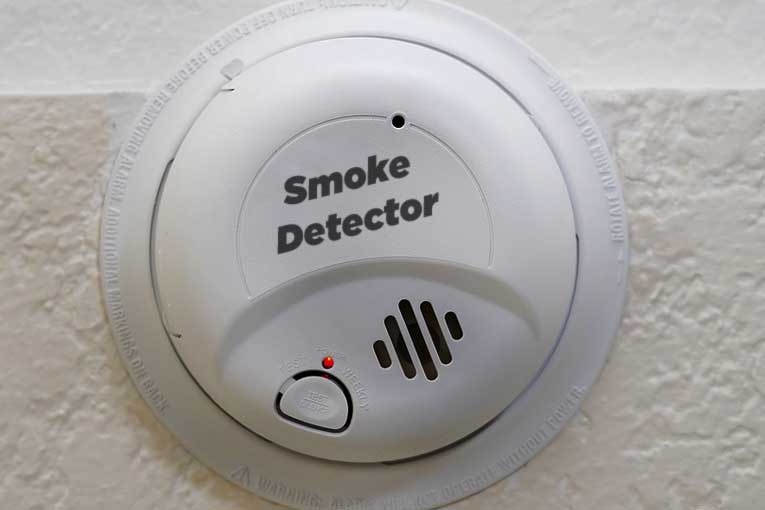
There is 4 different smoke detector types
There are 4 different smoke detector types

You might wonder why there’s a need for different smoke detector types. 

The answer lies in the varying natures of fires. 

Some fires produce different types of smoke and heat, making it essential to have varied smoke detector types that sense these differences. 

By having multiple types, you’re ensuring a higher chance of early detection regardless of the fire’s origin.

Ionisation Smoke Detector

Ionisation smoke detectors operate on the principle of ionising radiation, utilising a small, controlled amount of radioactive material, often americium-241. 

This material emits alpha particles, which ionise the surrounding air molecules in a small chamber inside the detector. 

This ionisation process creates a stable electric current within the chamber.

When smoke particles enter the detector due to a nearby fire, they interfere with the electric current. 

The presence of smoke disrupts the ions’ flow, causing fluctuations in the electric current. 

This disruption triggers the alarm, indicating the potential presence of a fire.

Advantages of Ionisation Smoke Detectors

Swift Detection of Fast Fires

Ionisation detectors excel in swiftly detecting fast, flaming fires. 

Fires that rapidly consume combustible materials produce fewer large smoke particles and more small, invisible particles. 

Ionisation detectors are highly sensitive to these smaller particles, ensuring prompt detection and alerting occupants promptly.

Cost-Effectiveness

Ionisation detectors are generally cost-effective, making them accessible for residential and commercial use. 

Their affordability allows for widespread adoption, enhancing overall fire safety in various settings.

Commonly Used in Living Spaces

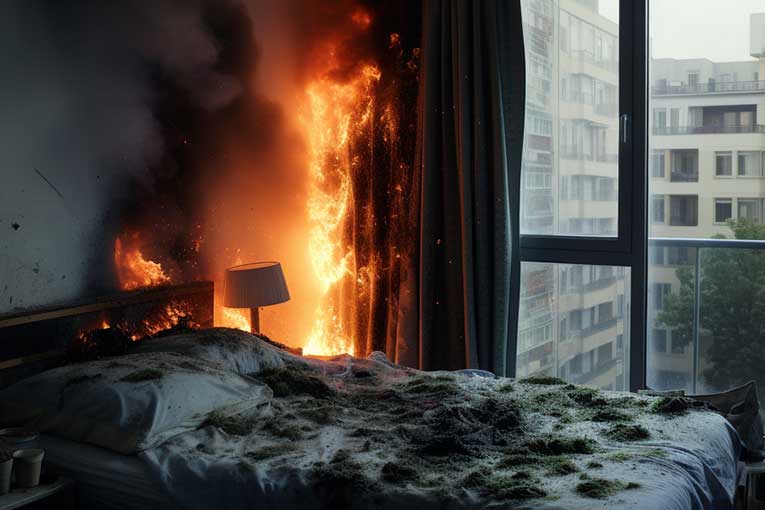
different smoke detector types in the bedroom
Ionisation smoke detectors are better in living spaces such as the bedroom

These detectors one of the most common smoke detector types in living rooms, bedrooms, and hallways, where typical combustible materials like fabrics and paper are present. 

Their ability to quickly detect fast-burning fires makes them valuable in spaces with these materials.

Disadvantages of Ionisation Smoke Detectors

Limited Sensitivity to Slow Fires

Ionisation detectors might not be as sensitive to slow-burning fires, such as smouldering electrical fires

In scenarios where the fire generates more significant smoke before escalating, ionisation detectors might not provide as early a warning as desired.

Potential False Alarms

In areas like kitchens, where cooking activities can produce steam or minor smoke, ionisation detectors are prone to false alarms

This limitation requires careful placement to avoid unnecessary disruptions.

Radioactive Material Concerns

While the radioactive material used is minimal and safely enclosed, some individuals might have concerns about the presence of any radioactive substance within their homes, even in minute quantities.

Heat Smoke Detector

Unlike traditional smoke detectors, heat smoke detectors operate on a different principle. 

Instead of sensing smoke particles, they respond to temperature changes. 

Inside a heat detector, there’s a thermal sensor or a thermistor that continuously monitors the surrounding temperature. 

When a significant and sudden rise in temperature occurs, indicating the presence of a fire, the heat detector triggers the alarm.

Advantages of Heat Smoke Detectors

Specific Response

Heat detectors respond only to significant temperature increases, making them immune to smoke, steam, or minor heat fluctuations. 

This specificity makes them ideal for places like kitchens, garages, or workshops, where false alarms from cooking activities or exhaust fumes can be common with traditional smoke detectors.

Reliability in Harsh Environments

Heat detectors are highly reliable in harsh environments where smoke detectors might malfunction. 

Areas with high dust, moisture, or drastic temperature changes, which could interfere with the operation of traditional smoke detectors, make heat smoke detectors the prime choice for smoke detector types in these conditions.

Complementary Protection

They provide an additional layer of safety when used alongside traditional smoke detectors. 

By detecting temperature changes, they offer a backup alarm system, ensuring that fires are detected even if smoke detectors fail to respond due to specific conditions.

Disadvantages of Heat Smoke Detectors

Lack of Early Warning

Heat detectors do not offer early warning signs of a fire

They respond only when a fire has already generated a substantial amount of heat. 

This delay in detection can be a disadvantage, especially in situations where early detection is critical for evacuation and fire control.

Not Suitable for All Areas

While excellent for specific environments, heat detectors are not suitable for areas where early detection of smouldering fires or small flames is essential, such as bedrooms or living rooms. 

In these spaces, smoke detectors are more appropriate.

Limited Applicability

Heat detectors are specialised devices suited for specific situations. 

They cannot replace the versatility and broad application of smoke detectors, making them a supplementary rather than a primary fire detection method.

Optical Smoke Detector

Optical smoke detectors, often referred to as photoelectric smoke detectors, rely on a straightforward yet ingenious mechanism. 

Inside the detector, there’s a light source, typically an LED, and a light sensor. 

The chamber between these components is designed to be free of smoke under normal conditions. 

When smoke particles enter this chamber, they scatter the light, causing it to hit the sensor. This interruption triggers the alarm, indicating the presence of smoke.

Advantages of Optical Smoke Detectors

Early Detection of Smouldering Fires

Optical smoke detectors excel in detecting slow-burning, smouldering fires, which often produce more smoke than flames. 

This early detection capability is crucial for timely evacuation and fire control, making them ideal for bedrooms, living rooms, and other areas where people might be asleep or unaware of a fire’s initial stages.

Reduced False Alarms

Optical detectors are less sensitive to minute particles and minor heat fluctuations, reducing the likelihood of false alarms caused by cooking activities or steam. 

This specificity ensures reliable detection without unnecessary interruptions, making them suitable for residential spaces where false alarms can be disruptive and concerning.

Suitable for Residential Spaces

Due to their ability to detect slow-burning fires and their reduced sensitivity to common household disturbances, optical smoke detectors are widely used in homes. 

They provide reliable fire detection while minimising the inconvenience of false alarms, ensuring the safety of occupants without causing unnecessary panic.

Disadvantages of Optical Smoke Detectors

Slower Response to Fast Flames

Optical smoke detectors may respond slightly slower to fast, flaming fires compared to ionisation detectors. 

While they are excellent for smouldering fires, their response time might be marginally delayed in situations where rapid flame detection is crucial.

Limited Sensitivity to Certain Particles

While reduced sensitivity is an advantage for preventing false alarms, it can also mean that in certain conditions, such as detecting very fine smoke particles, optical detectors might take longer to activate, potentially delaying the alarm in specific fire scenarios.

Not Universal for All Fire Types

Optical detectors are highly effective for specific fire types, but no single type of detector is universally perfect for all situations. 

For comprehensive fire protection, a combination of different types of smoke detectors might be necessary to cover various fire behaviours.

Combination Smoke Detector

Combination smoke detectors revolutionise fire safety by integrating multiple sensor technologies within a single unit. 

One common combination involves merging ionisation and optical sensors. 

The ionisation sensor excels in detecting fast, flaming fires, while the optical sensor specialises in recognizing slow, smouldering fires. 

By combining these sensors, the detector can swiftly identify a broad range of fire types. 

When smoke particles disrupt either sensor, the alarm is triggered, ensuring rapid response regardless of the fire’s nature.

Advantages of Combination Smoke Detectors

Comprehensive Fire Detection

The primary advantage of combination smoke detectors is their ability to detect various fire types

By integrating different sensor technologies, they provide comprehensive coverage, ensuring early detection of both fast and slow-burning fires. 

This versatility makes them highly effective in diverse environments.

Reduced False Alarms

Combination detectors leverage the strengths of different sensors, making them less prone to false alarms triggered by common household activities like cooking. 

Their enhanced specificity ensures that alarms are only activated when genuine fire threats are detected, minimising unnecessary interruptions.

Versatility for Different Environments

Combination detectors are versatile and adaptable, making them suitable for various settings. 

They are commonly used in homes, where different fire scenarios can arise, ensuring that residents are safeguarded from a wide range of potential threats.

Disadvantages of Combination Smoke Detectors

Complexity in Maintenance

Due to their multifaceted design, combination smoke detectors can be more complex to maintain and troubleshoot. 

If one sensor malfunctions, diagnosing the issue might require specialised knowledge, potentially leading to challenges in repairs or replacements.

Higher Initial Cost

Combination detectors, equipped with advanced sensor technologies, often come at a higher initial cost compared to single-sensor counterparts. 

While the investment provides comprehensive fire protection, it’s crucial for consumers to weigh this against their specific safety needs and budget constraints.

Power Consumption

Combination detectors, due to their dual-sensor configuration, might consume slightly more power than single-sensor models. 

While the difference is usually minimal, it’s essential to consider power efficiency, especially in areas where battery life is a critical concern.

Which Smoke Detector Type Should You Use?

A kitchen to show different smoke detector types
Different smoke detector types are required in certain rooms, such as the kitchen

Selecting the appropriate smoke detector for your home involves thoughtful consideration of its layout, the activities conducted in different areas, and the potential fire risks unique to each space. 

Here’s a detailed guide to help you make an informed choice:

Kitchen and Cooking Areas

Best Choice: Heat Detector

Kitchens are prone to false alarms due to cooking activities. 

Heat detectors, which respond to a rise in temperature rather than smoke, are ideal here. 

They won’t trigger unnecessarily due to cooking fumes or burnt toast, ensuring reliable performance in this high-risk zone.

Bedrooms and Living Spaces

Best Choice: Optical Smoke Detector

Bedrooms and living rooms often experience slow-burning fires, such as those caused by faulty wiring or smouldering fabrics. 

Optical smoke detectors, sensitive to the visible smoke particles in slow-burning fires, are well-suited for these areas. 

They offer reliable performance and are less prone to false alarms caused by common household activities.

Hallways and General Areas

Recommended Choice: Combination Smoke Detector (Ionization + Optical)

Hallways and general areas can experience a variety of fire scenarios. 

A combination smoke detector, integrating both ionisation and optical sensors, ensures comprehensive coverage. 

These detectors can quickly detect both fast, flaming fires and slow, smouldering fires, making them ideal for spaces where diverse fire risks exist.

Entertainment or Workshop Spaces

Best Choice: Combination Smoke Detector (Ionization + Heat)

Spaces like entertainment rooms or workshops might have a mix of fast-burning materials and potential heat sources. 

A combination smoke detector that combines ionisation for fast fires and heat detection for abrupt temperature changes provides effective protection in these environments.

Strategic Placement for Enhanced Protection

Beyond selecting the right type of smoke detector for specific areas, strategic placement is vital for maximum effectiveness:

Install smoke detectors in every bedroom, outside each sleeping area, and on every level of the home.

Place detectors high on walls or ceilings as smoke rises.

Avoid placing detectors near windows, doors, or ducts where drafts might interfere with their operation.

Regularly test smoke detectors to ensure functionality.

By tailoring your choice of smoke detectors based on the unique needs of each space and strategically placing them throughout your home, you create a comprehensive safety net against potential fire threats. 

Remember, a well-planned smoke detector setup can significantly enhance your home’s overall safety and provide invaluable peace of mind.

Conclusion

Understanding the nuances of all smoke detector types is paramount. 

By tailoring your choice to the specific requirements of different areas in your home, you’re ensuring a robust safety net against potential fires. 

Remember, the best protection comes from a combination of these detectors, strategically placed to detect various types of fires promptly. 

Investing in the right smoke detector types is not just about adhering to safety regulations; it’s a proactive step towards safeguarding what matters most – your family and home.

The importance of careful hay baling to prevent fire risks

The challenge of hay baling in current conditions

Fire and Emergency New Zealand has issued an important reminder for those involved in hay baling this season.

Tim Mitchell, the National Wildfire Manager, highlighted the current challenging conditions for hay making, largely due to frequent rain and overcast conditions.

These weather patterns are making it difficult to achieve the necessary drying between cutting and baling of hay.

The moisture content of hay is a critical factor in fire risk, as wet hay is more likely to lead to spontaneous combustion compared to dry hay.

The risks of moist hay and fire prevention tips

When hay is baled with too much moisture, there’s a heightened risk of the haystack spontaneously combusting.

This is particularly concerning in areas that may face drought conditions, where losing precious feed could be disastrous.

Hay that is baled at less than 15% moisture carries a very low risk of fire, but as the moisture level increases, so does the risk of fire.

Fire and Emergency NZ offers several tips for safe hay baling, such as not rushing the process, delaying cutting if proper drying isn’t likely, and regularly checking the hay stack for any signs of heat build-up, steam, mould, or acid fumes.

Additional considerations for safe hay storage and baling equipment

Beyond the baling process, there are further precautions to take.

It’s advised to consider the storage location of hay, avoiding placing all in one place or near implement sheds and hedge rows.

Ensuring that baling equipment is in good working condition is also critical to avoid sparks and heat build-up which can start a fire.

It’s noted that the greatest risk for a fire from spontaneous combustion occurs in the first two to six weeks after hay is baled and stored at higher moisture levels.

IFSJ Comment

The reminder from Fire and Emergency New Zealand to take care during hay baling season is timely and crucial.

With the current challenging weather conditions, the risk of hay bale fires is notably increased, posing a significant threat to both property and feed supplies.

This reminder not only highlights the importance of proper moisture management in the baling process but also brings attention to the broader aspects of fire safety in agricultural settings.

By focusing on the right conditions for cutting and baling, regular monitoring of hay stacks, and proper maintenance of baling equipment, the potential for devastating fires can be significantly reduced.

This guidance serves as an essential resource for farmers and agricultural workers, emphasising the need for vigilance and careful planning to safeguard against the risks of fire in rural communities.

Live discharge testing for CO2 fire systems reveals critical safety insights

Global Survival Technology solutions provider Survitec has released the results of pioneering tests conducted on high-pressure CO2 fire extinguishing systems aboard three Floating Production Storage and Offloading (FPSO) vessels.

The tests confirmed the efficacy of live discharge testing in verifying the performance of fire extinguishing systems, beyond theoretical simulations.

Survitec validates live testing forCO2 fire systems

Michal Sadzynski, Product Manager at Survitec, emphasized the findings’ implications: “The important take-home for the industry here is that some of the protected spaces did not pass the tests the first time. T

“his suggests there may be other vessels and offshore structures out there with potentially underperforming CO2 fire extinguishing systems in fire-critical areas such as switchboard rooms, engine rooms, and generator houses.”

Challenges uncovered in live discharge scenarios

Survitec designed a new set of test protocols to align with the latest NFPA12 standard amendments.

These initial tests on the FPSOs covered a range of scenarios, including both moored and docked vessels during conversion.

Sadzynski shared details of the testing process: “The devised live test comes as close as is practical to creating the demands of an actual fire aboard.

“On large vessels like FPSOs, it involves opening hundreds of cylinders – for example, in the engine room of one of these FPSOs, 315 cylinders were released.”

“We have found that the release of large amounts of highly pressurised gas into a partially closed space usually uncovers some engineering challenges within the protected space, rather than with the delivery system itself,” Sadzynski added, detailing the engineering issues that surfaced during testing.

A particular instance of these challenges was witnessed in the switchboard room aboard the first FPSO, where gas-tightness due to the air conditioning system’s specifications led to unforeseen complications during testing.

The pressure increase caused door damage, compromising the room’s integrity and allowing CO2 to escape, which resulted in test failure.

Implementing solutions and acknowledging costs

On another FPSO, leaks within a machinery space led to CO2 concentration drops, highlighting the issue that not all spaces are airtight.

Sadzynski explained the rectifications for such issues: “There are often relatively simple and inexpensive fixes in these scenarios.

“Overpressure in air-conditioned spaces can be resolved by implementing a time delay on one of the fire dampers.

“This allows over-pressurised gas to escape from the space and then closes when the pressure becomes stable, thereby keeping the CO2 concentration at the required level.”

However, he acknowledged the cost implications of live testing, as it exhausts CO2 cylinders which then require refilling, and the need to ensure personnel safety during tests on operational vessels.

Still, the potential cost of unverified systems in an emergency was presented as a much greater risk.

Sadzynski summarised the overarching goal and benefit of the study: “It is important to emphasise that designing a vessel is a highly complex process… This study shows very clearly the limitations of modelling… versus a real-world test.”

He further encouraged the adoption of live testing guidelines to improve the protection of lives and assets and to assist in designing more effective fire suppression systems.

IFSJ Comment

The findings from Survitec’s study highlight an often-overlooked aspect of maritime safety: the reliability of fire extinguishing systems in real-world scenarios.

The fact that not all spaces with CO2 systems passed live discharge testing underscores the necessity for regular and rigorous checks, which goes beyond standard compliance.

It provides a stark reminder that even with advanced modelling techniques, nothing can substitute for the robustness of a live test.

By drawing attention to the need for stringent testing protocols, the study serves as a catalyst for improved safety measures within the industry.

The consequential data derived from such studies are invaluable for both maritime safety experts and engineers in refining fire suppression technology and strategies.

Thermal Runaway in Batteries – What are the Dangers?

Over the past decade, batteries have quietly become the unsung heroes that power our daily lives. 

From the smartphones that keep us connected to the electric vehicles revolutionising our commutes, batteries play an integral role in our modern existence. 

Yet, as our appetite for high-performance batteries grows, so does the threat of a potentially catastrophic danger: thermal runaway.

It’s a term that’s often shrouded in mystery for many, but its implications are profound. 

When thermal runaway takes hold, it can transform a seemingly harmless battery into a ticking time bomb, capable of causing fires, explosions, and substantial damage to property and life.

In this article, we will shine a light on the shadowy realm of thermal runaway in batteries. 

We’ll dissect what it is, unravel the intricate web of dangers it weaves, dissect the main culprits behind its occurrence, and, most importantly, arm you with the knowledge to prevent it. 

As we journey through the world of batteries, we’ll equip you with insights and strategies to ensure that these energy storage devices remain the trusted servants they are meant to be, rather than becoming potential hazards. 

What is Thermal Runaway in Batteries?

Thermal runaway in batteries is an intricate and potentially catastrophic chain reaction, rooted in the physics and chemistry of these energy storage devices. 

It’s a phenomenon that occurs when a battery experiences an overheat, causing a domino effect of events within its confines.

Thermal runaway can happen from overheating

At the heart of thermal runaway lies a crucial factor: temperature. 

Batteries are designed to operate within a specific temperature range. 

When this equilibrium is disrupted trouble begins to brew.

As the battery’s temperature starts to rise, it initiates chemical reactions within its cells that generate heat and energy. 

These reactions, usually tightly controlled during normal battery operation, become increasingly exothermic as temperatures climb. 

In other words, they start producing more heat than they release under normal circumstances.

This excess heat further accelerates the chemical reactions, akin to throwing fuel onto a fire. 

As the heat and energy production surge, the temperature inside the battery spikes uncontrollably. 

It’s a self-sustaining cycle, akin to a snowball rolling downhill, picking up speed and mass as it goes.

As the battery’s temperature surges beyond critical levels, its components can undergo significant structural changes. 

The electrolyte, which typically serves as a benign mediator of ions between the battery’s anode and cathode, can break down into volatile compounds. 

This breakdown releases gases that can lead to internal pressure buildup. The battery may swell or vent these gases in an attempt to release the mounting pressure.

In extreme cases, this pressure release can lead to a battery rupture or even an explosion. 

More often, it results in the battery catching fire, creating a hazardous and difficult-to-control situation. 

The outcome is a devastating release of thermal energy that can cause significant damage to property and pose grave risks to human safety.

What are the Dangers of Thermal Runaway?

The dangers associated with thermal runaway in batteries are multifaceted and far-reaching, encompassing a spectrum of immediate and long-term risks. 

Understanding these perils is essential in appreciating the gravity of this danger:

Fire Hazard

Perhaps the most immediate and palpable peril is the propensity for thermal runaway to cause fires

As the battery’s temperature skyrockets and chemical reactions spiral out of control, it generates intense heat. 

This heat can readily ignite flammable materials within or around the battery. 

In enclosed spaces or environments where combustible materials are present, such as homes or vehicles, the consequences can be catastrophic. 

With the rise in E-bike fires, it’s more of a concern than ever. 

Thermal runaway can cause fire and explosions

Explosions

In the most severe instances of thermal runaway, the battery may undergo catastrophic failure, leading to explosions. 

The relentless buildup of pressure from the release of gases within the battery can exceed the structural integrity of its enclosure. 

The resultant explosion can send debris flying and create shockwaves, posing grave risks to anyone in proximity. 

These explosions can also exacerbate fires or lead to secondary explosions of nearby objects, amplifying the overall threat.

Toxic Gas Emissions

Certain types of batteries, such as lithium-ion batteries, have the potential to release toxic gases when subjected to thermal runaway. 

These gases, which may include carbon monoxide and hydrogen fluoride, can be harmful to human health when inhaled. 

Exposure to these toxic fumes can lead to respiratory distress, poisoning, or other severe health consequences, particularly in situations where adequate ventilation is lacking.

Property Damage

Thermal runaway events have the capacity to cause extensive property damage, especially in cases where fires or explosions occur indoors. 

The combination of intense heat, flames, and toxic emissions can wreak havoc on structures and belongings. 

Not only does this result in significant financial losses, but it can also ruin lives.

Environmental Impact

Beyond immediate safety concerns, thermal runaway poses environmental threats. 

Batteries contain a variety of chemicals and materials that can be harmful to the ecosystem. 

Improper disposal of batteries that have experienced thermal runaway can lead to contamination of soil, water, and air. 

The leaching of hazardous substances can have lasting ecological consequences, affecting wildlife and vegetation in the vicinity.

The dangers associated with thermal runaway are not confined to a single aspect; rather, they encompass a complex web of risks that can have dire consequences for individuals, property, and the environment. 

Addressing these perils necessitates a multifaceted approach that includes prevention, mitigation, and appropriate responses to thermal runaway events.

What are the Main Causes of Thermal Runaway?

Understanding the main causes of thermal runaway in batteries is essential for both safety and prevention. 

Overcharging

Overcharging occurs when a battery receives more electrical energy than it can safely store, which can be a major issue with regards to electric vehicle fires

This excess energy leads to an increase in temperature, which can trigger thermal runaway. 

Thermal Runaway can happen from overcharging

Modern batteries often incorporate protective measures like built-in voltage regulators or charge controllers to prevent overcharging. 

These mechanisms help ensure that the battery doesn’t receive excessive energy during charging.

External Heat

Batteries exposed to elevated temperatures from external sources are at risk of overheating. 

High ambient temperatures can cause chemical reactions within the battery to accelerate, leading to thermal runaway. 

It’s crucial to avoid leaving batteries in direct sunlight, hot vehicles, or other environments with extreme heat to mitigate this risk.

Physical Damage

Physical damage to a battery can compromise its internal structure and safety mechanisms. 

Even minor punctures or dents can create pathways for internal components to come into contact, potentially leading to short circuits and thermal runaway. 

Proper handling and storage of batteries are vital to prevent physical damage.

Manufacturing Defects

Poorly manufactured batteries can have internal defects that make them prone to thermal runaway. 

These defects may include subpar assembly, improper sealing, or flaws in the battery’s internal components. 

Quality control during battery production is essential to detect and prevent such defects.

Short Circuits

A short circuit represents a direct pathway for the rapid discharge of electrical energy within a battery. 

This discharge generates heat, which can contribute to thermal runaway. 

Short circuits can occur due to various factors, including internal defects, physical damage, or contaminants within the battery.

Contamination

Contaminants that infiltrate a battery can disrupt its chemical reactions, leading to thermal runaway. 

Contaminants might include foreign materials or impurities introduced during manufacturing or as a result of exposure to external elements. 

Ensuring that batteries remain free from contamination is crucial for their safe operation.

Thermal runaway in batteries is a complex process that can result from a combination of factors. 

Mitigating this risk involves proper battery management, including avoiding overcharging, protecting batteries from external heat sources, preventing physical damage, and maintaining stringent quality control in battery production. 

Additionally, user awareness and responsible disposal of old or damaged batteries contribute to overall safety. 

Recognizing and addressing these causes are essential steps in minimising the potential dangers associated with thermal runaway in batteries.

How can Thermal Runaway be Prevented?

Preventing thermal runaway in batteries is a matter of paramount importance to ensure the safety of individuals and property.

Battery Management Systems (BMS)

Advanced battery management systems technology is a cornerstone of preventing thermal runaway. 

These systems continuously monitor various battery parameters, including voltage, current, and, crucially, temperature. 

If the BMS detects that the battery is operating outside safe temperature limits or is at risk of overcharging or over-discharging, it can take corrective actions. 

These may include adjusting the charging rate, shutting down charging, or even disconnecting the battery from the system to prevent further temperature escalation.

Proper Charging

One of the most effective ways to prevent thermal runaway is to follow the manufacturer’s charging guidelines diligently. 

Overcharging a battery forces excess energy into it, increasing the risk of overheating. 

By adhering to recommended charging practices, you help maintain the battery within safe operating conditions.

Temperature Management

Batteries should be operated and stored within their specified temperature ranges. 

Extreme heat can accelerate internal chemical reactions, while extreme cold can reduce a battery’s efficiency. 

Ensuring that batteries are not exposed to temperatures outside these limits helps prevent thermal runaway.

Physical Protection

Physical damage to batteries, such as punctures or impacts, can create internal short circuits and lead to thermal runaway. 

Handling batteries with care and protecting them from physical harm is essential. This includes proper packaging during transport and storage.

Quality Assurance

Choosing batteries from reputable manufacturers with stringent quality control measures reduces the risk of using batteries with manufacturing defects. 

High-quality batteries are more likely to adhere to safety standards and are less prone to internal flaws that could lead to thermal runaway.

Avoid Contaminants

Contaminants within a battery can disrupt its chemical reactions and increase the risk of thermal runaway. 

To prevent this, batteries should be kept clean and protected from foreign substances that might infiltrate their internal components.

Safe Disposal

When it’s time to dispose of batteries, follow local regulations and guidelines for proper disposal methods. 

Recycling or disposing of batteries correctly not only prevents environmental contamination but also reduces the risk of mishandling that could lead to thermal runaway.

Conclusion

While batteries have revolutionised the way we power our devices and vehicles, they are not without risks. 

Thermal runaway in batteries is a serious issue that can lead to fires, explosions, and environmental damage. 

Understanding the dangers, causes, and prevention methods associated with thermal runaway is essential for safely harnessing the power of batteries in our modern world and helping with the future of fire safety

By following best practices and being aware of the risks, we can continue to benefit from the convenience and efficiency that batteries provide while minimising potential hazards.

Safety at sea with Hochiki

Exploring the unique challenges of fire safety at sea and how Hochiki is rising to meet these demands

Marine vessels and offshore structures like ships, submarines, and oil rigs have distinct fire safety challenges.

With enclosed, hard-to-access areas and distances far from shore, fires become particularly hazardous.

It is essential for their onboard fire detection systems to uphold top-tier standards, given the absence of immediate external help.

These systems must promptly detect fire indicators even in tough conditions like extreme temperatures, vibrations, salt spray, and high humidity to ensure timely responses and continued performance.

In pursuit of enhancing marine safety, the Hochiki ESP Marine Approved Range emerges as a beacon of innovation and reliability.

This article delves into the strict requirements and the capabilities of this product range, and the significant role it plays in safeguarding lives and assets on the high seas.

What are the safety standards required for marine fire detection devices?

Any fire detection devices on board sea bound vessels, must be marine approved.

The M.E.D. 96/98/EC Directive is an initiative of the European Commission (EC) in the European Union (EU) set up with the intention to reduce costs for the end user by having a simplified classification model for marine approvals.

All approved and authorised products are stored in the MarED database, which to date contains more than 35,000 datasets about products approved under the EU Marine Equipment Directive.

Products are strictly tested by a third-party, such as Germanischer Lloyd or LPCB, for use in the marine environment before being granted an approval certificate.

For this very reason, it is also important to work with installers and engineers who are experienced in marine life safety.

Hochiki’s Marine Approved Intelligent and Conventional products have been designed around the existing world-proven ESP and CDX ranges and have been approved for marine use by both Germanischer Lloyd and LPCB, to the MED approval scheme.

Ideal for use on ships, oil and gas platforms, wind farms and other similar applications the Hochiki Marine Approved Range incorporates the same reliability and quality as its core product range.

Innovation and adaptions

Hochiki’s range boasts advanced sensor technology with state-of-the-art smoke, heat, and multi-sensor detectors offering unmatched precision.

These detectors quickly identify minute smoke traces or temperature shifts, ensuring early hazard detection.

Notably, the multi-sensor detectors merge various technologies, discerning genuine threats from benign changes, thus minimising false alarms—a vital feature in marine settings.

Addressing the severe marine conditions, the ESP Marine Approved Range prioritises durability and appropriate material choice.

Through intensive testing, these detectors secured marine certification, affirming their reliability amidst marine challenges.

Highlighting their resilience, Hochiki devices are employed in the Margate offshore wind farm.

Despite harsh conditions characterised by fluctuating weather and sea-salt spray, these devices consistently deliver, ensuring both the safety of personnel and efficient operations, as vouched for by Dan Smith of KM Security Solutions: “The constant change in weather combined with sea-salt spray makes offshore wind farms an incredibly hostile environment to work in, not only for people but also for the systems, cabling and devices that help to run it and keep it safe. 

“Therefore, it’s imperative we install life safety devices that won’t let the teams and premises down in an emergency.

Hochiki’s ESP Marine Approved range offers unparalleled scalability, catering to the varying sizes and complexities of maritime installations, from modest fishing vessels to grand offshore structures.

This adaptability guarantees that every marine entity, regardless of its magnitude, can avail the superior safety protocols that Hochiki delivers.

One noteworthy application is its integration into a renovated hotel barge by Perenco in Gabon, intended to accommodate their offshore rig staff.

During the barge’s refurbishment, Perenco aimed to upgrade the outdated life safety systems, ensuring adherence to Gabonese regulations and aptness for marine challenges.

Tasked with this responsibility, Autochim, with Jean-Marie Rabier at the helm, endorsed Hochiki Europe’s solutions.

The barge, with its diverse sections from kitchens to engine rooms, demanded distinct safety solutions.

Hochiki’s specialised marine equipment met these unique requirements, promising optimal protection for its inhabitants.

Intelligent alerting

Hochiki’s ESP Marine Approved Range emphasises swift and precise communication during maritime emergencies, integrating advanced notification mechanisms like audible and visual alarms to promptly alert crews.

Leveraging the Enhanced Systems Protocol with interrupt processing, the system ensures a response time of less than 1.5 seconds from alert to fire indication.

Additionally, its intelligent alert system provides detailed emergency insights, allowing for efficient response and safeguarding data integrity to maintain unwavering reliability.

Comprehensive detection

A comprehensive fire detection system on board a marine vessel is crucial for the safety of passengers, crew, and the vessel itself.

Hochiki’s ESP Marine Approved Range, designed specifically for marine applications, exemplifies the brand’s dedication to creating solutions that meet the unique challenges posed by maritime environments.

Here are the key components and features that a fire detection system onboard a marine vessel should include:

Multi-sensors, Smoke, and Heat Detectors

These devices are placed strategically throughout the vessel, especially in areas where fire risks are higher, such as engine rooms, galleys, electrical rooms, and cabins.

Smoke detectors sense the presence of smoke particles, while heat detectors monitor rapid increases in temperature.

Both types of detectors provide early indications of a fire.

Multi-sensors incorporate more than one sensing element within a single device (heat, smoke, and sometimes carbon dioxide).

These sensors can operate two or more sensing elements in combination to determine a fire condition.

Manual Call Points

Easily accessible manual call points (sometimes known as manual pull stations) allow crew members or passengers to initiate the fire alarm manually when they spot a fire or smoke.

These stations should be located along escape routes and in key gathering areas.

Flame Detectors

Flame detectors can identify the presence of flames by detecting specific wavelengths of light emitted by fires.

These detectors are particularly useful for areas with potential fuel leaks or where a fast-acting fire could occur.

Gas Detectors

Gas detectors can identify the presence of potentially hazardous gases, such as combustible gases or toxic fumes.

In marine environments, gas leaks can contribute to fire hazards, so detecting them early is crucial.

Fire Alarm Control Panel

This panel serves as the central hub of the fire detection system, receiving signals from various detectors and initiating alarms.

It provides visual and audible alerts, indicates the location of the fire, and allows for manual control of alarms.

The fire detection system should integrate with other onboard systems, such as the vessel’s automation and control system, to facilitate coordinated responses to emergencies.

The control panel will provide this integration.

Alarm Notification Devices

Strobe lights, sirens, and sounder beacons should be strategically placed throughout the vessel to ensure that all occupants are alerted to the presence of a fire, especially in noisy or visually impaired environments. 

Remote Monitoring and Alerts

Many modern fire detection systems and emergency lighting systems allow for remote monitoring, enabling the crew to receive alerts and updates even when they’re not in the immediate vicinity of the alarm panel.

Emergency Communication System

An integrated communication system ensures that critical information is relayed to passengers and crew members in case of a fire, guiding them on evacuation procedures and safe areas.

Redundancy and Reliability

The system should have built-in redundancy to minimise the risk of system failures.

This could involve duplicate detectors or backup power sources.

In addition to this list, regular maintenance and testing should be carried out by experts.

Proper maintenance and regular testing are essential to ensure that all components of the fire detection system are functioning correctly when needed.

Regular training of crew members and passengers on how to respond to fire alarms and emergencies is also crucial for a successful evacuation and mitigation process.

The maritime industry inherently involves risks, but with the Hochiki ESP Marine Approved Range, these risks can be mitigated significantly.

By harnessing advanced sensor technology, adaptability to harsh marine conditions, and intelligent alerting systems, the ESP Marine Approved range exemplifies a new era of marine safety systems.

Its ability to detect and respond to emergencies swiftly and effectively can make the critical difference between life and death at sea.

Hochiki’s dedication to innovation and unwavering commitment to safeguarding lives and assets have positioned the ESP Marine Approved Range as an industry leader, setting new benchmarks for marine safety.

As vessels continue to navigate the vast oceans, this product range serves as a reliable guardian, ensuring that maritime journeys are not only efficient and productive but also secure for everyone on board.

To find out more visit: www.hochikieurope.com/marine

This article was originally published in the October 2023 issue of International Fire & Safety Journal. To read your FREE digital copy, click here.

Why is PPE Important?

In every workplace, safety should be the top priority for both employers and employees.

Ensuring a safe and secure working environment not only protects the well-being of workers but also helps to increase productivity and overall organisational success. 

One crucial aspect of achieving workplace safety is the use of Personal Protective Equipment, commonly known as PPE

PPE refers to a diverse range of specialised gear designed to shield workers from various workplace hazards, such as chemical exposure, physical impacts, electrical shocks, and more. 

Cloth Facemasks
PPE equipment includes respiratory protection

Throughout this article, we will delve into the different types of PPE available, explore why is PPE important and understand the benefits they offer, all while emphasising the significance of compliance in fostering a culture of safety.

Different Types of PPE

There are countless potential workplace hazards which create the need for several categories of PPE options that are tailored to provide specific protection.

There are 5 main categories:

Protective Clothing

From standard coveralls, gloves and aprons, to specialised fire-resistant or high-visibility clothing, PPE workwear and clothing items are an essential part of everyday life for many organisations.

These garments act as a robust barrier against harmful chemicals, biohazards, and other potentially hazardous substances.

Eye Protection

Safety goggles, face shields, and safety glasses are important PPE items that shield the eyes from dust, debris, chemicals, and intense light. 

Doctor Wearing PPE
The right PPE has to fit for purpose for the right job

These protective gear options are especially important in the construction, manufacturing, and healthcare industries.

Respiratory Protection

Respiratory protection is essential for workers who could be exposed to airborne contaminants like dust, fumes, or gases. 

Respirators, masks, and filters ensure that the air the wearer breathes in is free from harmful particles, safeguarding their respiratory health.

Hearing Protection

Hearing protection, such as earplugs and earmuffs, is vital for employees working in noisy environments, as prolonged exposure to high levels of noise can lead to hearing damage or loss.

Head Protection

Head protection, most often hard hats, serves as a primary defence against head injuries resulting from falling objects or accidental collisions on construction sites or other hazardous workplaces.

Why is PPE Important in the Workplace?

PPE is an individual’s first line of defence against a wide range of workplace accidents, injuries and illnesses. 

Wearing and utilising the correct PPE significantly reduces the risk of severe injuries and long-term health issues caused by exposure to various hazards.

PPE provides an additional layer of safety, offering protection even in circumstances where other safety measures might fall short.

The proper use of PPE can give workers confidence, empowering them to carry out their duties effectively, knowing they have reliable protection against potential harm. 

This sense of security fosters a safer work culture, and can even boost employee morale and motivation.

As well as this, strict adherence to PPE guidelines showcases an employer’s commitment to their employees’ well-being and safety. 

High Vis PPE
PPE is vital for safety in the workplace

As such, a proactive approach to safety can enhance the company’s reputation and contribute to improved employee loyalty and retention.

PPE is especially important in high-risk industries such as construction, manufacturing, healthcare, and laboratories, where exposure to hazardous substances and potential accidents is much more prevalent.

The use of PPE ensures the continuity of business operations by minimising work disruptions due to accidents or illnesses. 

When workers remain safe and healthy, absenteeism decreases, leading to enhanced productivity and reduced downtime.

What are the Benefits of Wearing PPE?

Using PPE offers a multitude of benefits for both employers and employees alike. 

Reduces Risk of Injury or Illness

Using the correct PPE significantly lowers the risk of injury or illness, and prevents a wide range of accidents, from minor incidents to life-altering mishaps. 

For instance, using appropriate gloves when handling hazardous chemicals can prevent skin irritation or burns.

Enhances Overall Workplace Safety

PPE can enhance overall workplace safety, and lead to fewer accidents and injuries. 

A safe work environment instils a sense of confidence and well-being in employees, leading to improved job satisfaction and reduced stress.

Reduces Medical Expenses & Insurance Costs

By preventing accidents and illnesses, PPE can lead to reduced medical expenses and insurance costs for businesses. 

Fewer accidents result in fewer worker compensation claims, saving both time and financial resources.

Fosters Positive Work Environment

Prioritising creating a safe workplace fosters a positive work environment, promoting teamwork and trust among employees. 

As a result, workers are more likely to feel valued and loyal to their employer, contributing to higher employee retention rates and increased productivity.

Enhances Compliance

In addition to the immediate benefits of PPE, employers also benefit from enhanced compliance with safety regulations and standards when they supply their workers with the correct PPE. 

Adherence to safety guidelines helps businesses avoid penalties and fines from regulatory bodies and creates a more positive image for the company.

Attracts Potential Clients & Investors

A good safety record can also attract potential clients and investors, who recognise the company’s commitment to responsible business practices. 

A positive reputation for safety can give a competitive edge to the business, making it an attractive choice for clients and investors.

Longer Term Financial Savings

By investing in PPE and prioritising safety, companies can reduce the costs associated with accidents and injuries, leading to long-term financial savings and increased profitability.

What Can Be Done to Ensure Correct Use of PPE?

Thank You Sign
Positive Signage Encourages Compliance. Image credit: Pixabay

Ensuring the proper use of PPE requires a comprehensive approach that involves employees, employers, and the organisational culture. 

Training and education are the cornerstones of proper PPE implementation. 

All employees must be trained on the potential hazards in their workplace, the appropriate PPE for each task, as well as the correct way to wear and maintain their equipment. 

Here are some ways you can ensure that PPE is used correctly within your organisation:

Provide Easy Access to the Correct PPE

Ensure that it fits well and is comfortable for the workers.

One-size-fits-all approaches may not be suitable for all employees, so it is vital to offer a range of sizes and styles to accommodate individual needs.

Regularly Inspect PPE

Identify any defects or signs of wear and tear, so that damaged or outdated equipment can be replaced.

Get Supervisors to Enforce PPE Usage

Management should lead by example, consistently wearing PPE, and address any non-compliance promptly.

Recognising and rewarding employees who consistently use PPE can also boost compliance.

Create an Open Communication Culture

Encourage open dialogue to foster compliance with PPE guidelines.

Employees should feel comfortable expressing their safety concerns and providing feedback on PPE usage and any challenges they may face.

Host Regular Safety Meetings

Organise regular huddles and staff meetings where PPE usage is discussed.

This provides an opportunity to address any issues and find practical solutions collaboratively.

Promote the Importance of PPE

Create and display safety campaigns and posters as reminders in prominent areas of the workplace.

Periodic PPE Policy & Practice Evaluation

This ensures they remain up-to-date and effective.

As workplaces evolve, so do the potential hazards, and adjustments to PPE guidelines may be necessary to keep workers protected.

Conclusion

Personal Protective Equipment (PPE) plays a pivotal role in safeguarding employee from workplace hazards.

Hopefully from this article you have gained an answer to the question of why is PPE important.

The diverse range of PPE options, from protective clothing to eye, respiratory, hearing, and head protection, ensures a comprehensive defence against potential accidents and illnesses when implemented and used correctly.

Using PPE is not only vital for protecting individual workers but it can also contribute to a safer work environment overall. 

The benefits of proper PPE implementation are manifold, ranging from reduced injury rates and medical expenses to improved employee morale and enhanced productivity.

The key to effective PPE usage lies in comprehensive training, easy access to equipment, regular inspections, and a culture that prioritises safety. 

Employers, employees, and organisational leaders must work together to foster a safety-first mindset.