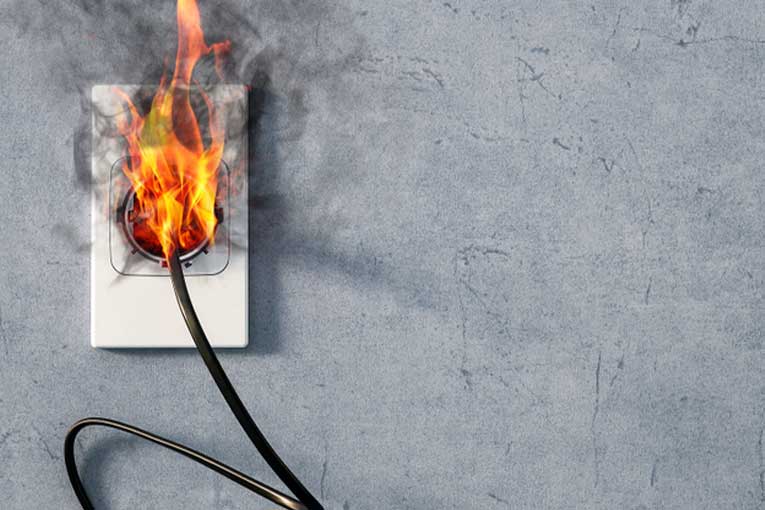
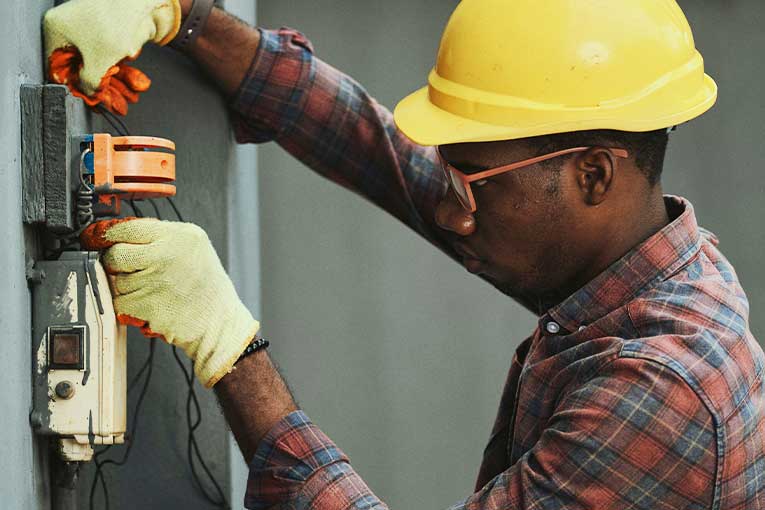
Essential Personal Protective Equipment List

Personal Protective Equipment (PPE) plays a crucial role in keeping people safe in various work environments. 

Whether you’re working in construction, healthcare, or manufacturing, the right equipment helps reduce the risk of injury or exposure to hazards. 

This article will walk you through everything you need to know about PPE, including what it is, who needs it, and an essential personal protective equipment list.

What is Personal Protective Equipment?

what is personal protective equipment

Personal Protective Equipment refers to specialised gear and clothing designed to protect individuals from workplace hazards. 

PPE is used to minimise exposure to risks that can cause injury or illness. 

This equipment includes items such as helmets, gloves, goggles, masks, earplugs, and protective clothing, depending on the specific hazards present in a given environment.

PPE is commonly used in industries like construction, manufacturing, healthcare, and laboratories, where workers may be exposed to physical, chemical, or biological dangers. 

The type of PPE required varies based on the job, such as hard hats for construction workers or gloves and masks for healthcare professionals.

The main goal of PPE is to provide a barrier between the individual and potential hazards, ensuring a safer working environment. 

It’s a critical element of workplace safety and is often legally required in high-risk industries.

Who Needs Personal Protective Equipment?

who needs- personal protective equipment

Personal Protective Equipment is essential for anyone working in environments with potential hazards. 

Various industries require different types of PPE to ensure worker safety. 

Here are some key groups that need PPE:

Construction Workers

Construction sites are full of risks, such as falling objects, loud noises, and hazardous materials. 

Workers in this field need hard hats, safety glasses, gloves, and steel-toed boots to protect against injuries.

Healthcare Professionals

Doctors, nurses, and other healthcare workers are exposed to biological hazards, chemicals, and infectious diseases. 

They require gloves, masks, gowns, and face shields to safeguard themselves and their patients.

Manufacturing Workers

In manufacturing environments, workers often operate heavy machinery and handle hazardous substances. 

They need PPE like safety goggles, gloves, and hearing protection to minimise risks associated with machinery and chemicals.

Laboratory Personnel

Chemists and laboratory technicians frequently work with potentially dangerous chemicals and biological materials. 

PPE such as lab coats, safety goggles, and respirators is necessary to protect against spills and inhalation of harmful substances.

Agricultural Workers

Farmworkers face unique hazards, including exposure to pesticides, machinery, and the elements. 

They need gloves, masks, and protective clothing to reduce the risk of exposure to chemicals and injuries.

Emergency Responders

Firefighters, paramedics, and police officers encounter various hazards, including toxic environments and physical dangers. 

They rely on specialised PPE to protect themselves while performing their duties.

Essential Personal Protective Equipment List

This is the essential Personal Protective Equipment List used in various industries. 

Below are the main categories of personal protective equipment:

Head Protection

head personal protective equipment

Head protection is crucial for workers in environments where there is a risk of head injuries from falling objects or bumps.

Hard Hats

Hard hats are designed to protect the head from impacts and penetration. 

They are made of durable materials like high-density polyethylene (HDPE) and come with adjustable straps for a secure fit. 

Hard hats also often have a built-in sweatband for comfort. 

Bump Caps

Bump caps provide limited protection against minor bumps and scrapes. 

They are softer than hard hats and are often used in low-risk environments, such as warehouses or indoor facilities.

Eye Protection

eye personal protective equipment

Eye protection is necessary in jobs where workers are exposed to flying debris, chemicals, or harmful light.

Safety Goggles

Safety goggles protect the eyes from various hazards, including dust, splashes, and chemical fumes. 

They provide a snug fit around the eyes and often have anti-fog and scratch-resistant coatings.

Face Shields

Face shields offer full-face protection and are commonly used in welding, grinding, and chemical handling. 

They are usually worn over safety goggles for additional eye protection.

Ear Protection

ear personal protective equipment

Exposure to loud noises can lead to hearing loss. Ear protection helps minimise this risk.

Earplugs

Earplugs are small devices inserted into the ear canal to block out sound. 

They are effective in reducing noise levels and are often disposable for hygiene.

Earmuffs

Earmuffs cover the entire ear and provide higher noise reduction than earplugs. 

They are ideal for environments with extreme noise levels, such as factories and construction sites.

Respiratory Protective Equipment (RPE)

respiratory personal protective equipment

Respiratory protective equipment is vital in environments where workers may inhale harmful substances, including dust, gases, and vapours.

Dust Masks

Dust masks provide basic protection against dust and non-toxic particles. 

They are lightweight and easy to use, making them suitable for short-term tasks.

Respirators

Respirators offer more robust protection and can filter out specific airborne contaminants. 

They come in two main types: half-mask and full-face. 

Half-mask respirators cover the nose and mouth, while full-face respirators protect the eyes as well. 

Respirators must be fitted correctly to ensure they provide adequate protection.

Hand Protection

hand personal protective equipment

Hand protection is essential in environments where workers may encounter cuts, abrasions, or exposure to chemicals.

Work Gloves

These gloves are designed to protect against cuts, abrasions, and punctures. 

They come in various materials, such as leather, cotton, and synthetic options. 

Different gloves are available for different tasks, so it’s essential to choose the right type for the job.

Chemical-Resistant Gloves

These gloves protect against hazardous substances, including chemicals and solvents. 

They are made from materials like nitrile, neoprene, or latex, depending on the specific chemical hazards present.

Body Protection

body personal protective equipment

Body protection involves clothing designed to shield workers from physical and chemical hazards.

Coveralls

Coveralls provide full-body protection from dirt, abrasions, and chemicals. 

They are often used in manufacturing, automotive, and agricultural settings. 

Some coveralls are flame-resistant or chemical-resistant for added safety.

Aprons

Aprons protect the front of the body from spills and splashes. 

They are commonly used in kitchens, laboratories, and industries dealing with chemicals or hazardous materials.

Foot Protection

foot personal protective equipment

Foot protection is crucial in environments where workers are at risk of foot injuries from heavy objects or slippery surfaces.

Steel-Toed Boots

Steel-toed boots protect the toes from falling objects and punctures. 

They also provide support and insulation for the feet. It’s important to ensure that these boots fit correctly for maximum comfort and protection.

Slip-Resistant Shoes

These shoes have specialised soles that provide grip on slippery surfaces, reducing the risk of slips and falls. 

They are essential for workers in kitchens, restaurants, and outdoor settings.

Is Personal Protective Equipment A Legal Requirement?

is personal protective equipment legal requirement

Yes, in most countries, providing and using PPE is a legal requirement for businesses. 

Employers must assess the risks in the workplace and provide appropriate PPE to their employees. 

For example, the Occupational Safety and Health Administration (OSHA) in the United States mandates that employers ensure workers use PPE when necessary. 

Failure to comply with these regulations can result in fines and legal consequences.

PPE regulations differ between industries, so it’s essential to follow the specific guidelines relevant to your field. 

In most cases, both employers and employees share responsibility for ensuring PPE is used correctly.

How Often Should Personal Protective Equipment be Replaced?

how often personal protective equipment replaced

The frequency of replacing Personal Protective Equipment PPE depends on several factors, including the type of equipment, its usage, and the work environment.

Manufacturer Guidelines

Always refer to the manufacturer’s recommendations for replacement intervals. 

Many PPE items come with guidelines that specify how often they should be replaced.

Wear and Tear

Inspect PPE regularly for signs of wear and damage. 

Equipment that shows signs of deterioration, such as cracks, tears, or faded materials, should be replaced immediately, even if it hasn’t reached the recommended time frame.

Frequency of Use

PPE that is used frequently or in harsh conditions will wear out faster. 

For example, gloves and respirators may need replacement after a specific number of uses, while hard hats may last several years with proper care.

Regulatory Standards

Some industries have strict regulations regarding PPE replacement. 

Be aware of any legal requirements specific to your workplace.

Changes in Workplace Conditions

If the work environment changes, such as increased exposure to hazardous materials, consider replacing PPE to ensure adequate protection.

Does Personal Protective Equipment Require Training?

personal protective equipment require training

Yes, Personal Protective Equipment (PPE) requires training to ensure that employees understand how to use it correctly and safely. 

Proper training is crucial for maximising the effectiveness of PPE and minimising workplace injuries. 

Here are key aspects of PPE training:

Understanding PPE Types

Employees need to know the different types of PPE relevant to their job. 

This includes hard hats, gloves, goggles, and respirators. 

Training helps workers identify which PPE is necessary for specific tasks.

Correct Usage

Training should cover how to wear and adjust PPE properly. 

This includes ensuring a snug fit and understanding how to operate any equipment, such as respirators, correctly.

Maintenance and Inspection

Employees must be trained on how to inspect PPE for signs of wear or damage. 

Knowing when to replace or repair equipment is essential for ongoing safety.

Legal Requirements

Many regulatory bodies require employers to provide PPE training. 

Understanding these regulations helps ensure compliance and promotes a culture of safety in the workplace.

Emergency Procedures

Training should also cover what to do in case of an emergency, including how to remove PPE safely after exposure to hazardous materials.

Conclusion

That was our essential personal protective equipment list.

Personal Protective Equipment is vital for maintaining safety in various industries. 

From head protection to proper footwear, each piece of PPE serves a specific purpose in preventing injury and harm. 

Employers must provide appropriate PPE and ensure workers are trained in its use, care, and maintenance.

Regular inspections and timely replacements ensure that PPE continues to offer adequate protection. 

While PPE is a legal requirement in many workplaces, its importance goes beyond compliance. 

It safeguards lives and helps create a safer work environment for everyone. 

By investing in the right PPE and ensuring it’s used correctly, businesses can minimise risks and keep their workers safe.

Fire Risk Assessment – A Guide for Workplaces

A Fire risk assessment is crucial in ensuring the safety of a workplace. 

They help identify potential fire hazards and create a plan to reduce risks. 

Having an effective fire risk assessment can prevent serious incidents and save lives.

In this article, we will explore what a fire risk assessment is, why it’s necessary, who needs it, how to conduct one, and how often it should be done.

What is a Fire Risk Assessment?

what is fire risk assessment

A fire risk assessment is a process that identifies potential fire hazards in a workplace and evaluates the risk they pose. 

The goal is to prevent fires from starting and to ensure that people can safely evacuate if one occurs. 

The assessment involves looking for sources of ignition, flammable materials, and any risks that could make a fire worse.

It also includes checking if there are enough fire safety measures in place, such as fire alarms, extinguishers, and emergency exits. 

The findings help create an action plan to reduce risks, ensuring the workplace complies with fire safety regulations.

A fire risk assessment isn’t just a one-time task. 

It needs to be reviewed regularly, especially if there are changes in the workplace, like new equipment or staff. 

By conducting regular fire risk assessments, workplaces can minimise the chance of fires, protect lives, and avoid costly damages. 

They’re a legal requirement for most businesses, but more importantly, they ensure a safe environment for everyone in the building.

Why is a Fire Risk Assessment Needed?

why fire risk assessment needed

A fire risk assessment is essential for several reasons. 

Legal Requirements

It ensures that workplaces comply with legal requirements. 

Many countries have laws that mandate regular fire risk assessments for businesses.

Accident Prevention

Fire risk assessments help prevent accidents and injuries. 

Fires can spread quickly, and without proper precautions, they can cause serious damage or even fatalities. 

Identifying fire hazards early allows businesses to put in place measures to prevent fires.

Property Protection

A fire risk assessment helps protect property. 

Fires can cause significant financial losses by damaging buildings, equipment, and inventory. 

By reducing fire risks, businesses can protect their investments and ensure continuity.

Safe Working Environment

Finally, fire risk assessments promote a safe working environment. 

Employees will feel safer knowing that their workplace has taken steps to protect them from potential fire risks. 

This can boost morale and increase productivity.

Who Needs a Fire Risk Assessment?

who needs fire risk assessment

A fire risk assessment is essential for almost all businesses and organisations. 

It is a legal requirement in most countries for any workplace that has more than five employees. 

Whether it’s a small office, a large factory, or a retail store, fire risks exist, and conducting regular fire risk assessments helps minimise them.

Businesses and Offices

Any business, regardless of size or industry, needs a fire risk assessment. 

This includes offices, retail stores, restaurants, and warehouses. 

Even low-risk environments, like small offices, should assess potential fire hazards, such as electrical equipment or paper storage.

Industrial Facilities

Factories and warehouses deal with larger risks, especially when handling hazardous materials, machinery, or chemicals. 

Regular assessments help manage these risks and ensure that proper safety measures, like fire suppression systems and clear evacuation routes, are in place.

Public Buildings

Public spaces, such as schools, healthcare buildings such as hospitals, and care homes, need fire risk assessments to protect large groups of people. 

These places often have vulnerable individuals, such as children, the elderly, or people with disabilities, who require extra safety considerations during evacuation.

Landlords and Property Owners

Landlords and property managers are responsible for ensuring that their properties, particularly multi-occupancy buildings like apartment complexes, are fire-safe. 
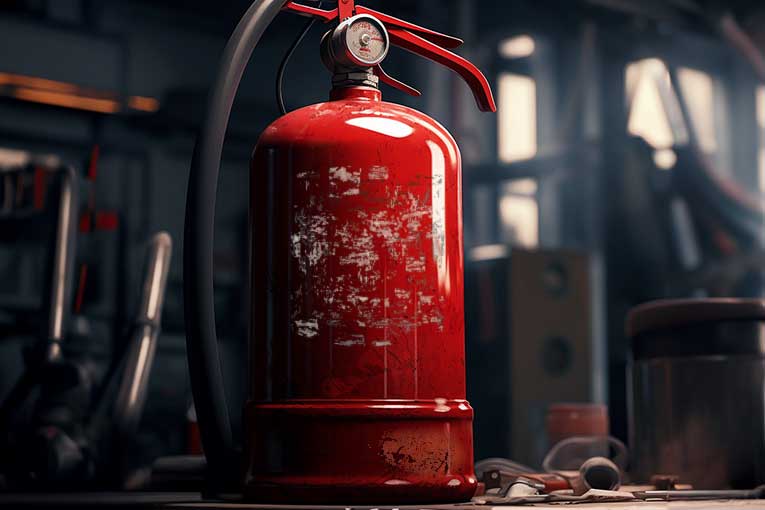
Regular fire risk assessments ensure that residents have adequate fire alarms, clear escape routes, and functioning fire doors.

What to do For a Fire Risk Assessment

fire risk assessment what to do

Conducting a fire risk assessment is essential for maintaining workplace safety. 

It involves identifying potential fire hazards, assessing risks, and implementing measures to reduce those risks. 

Below is a step-by-step guide on what to do for a fire risk assessment.

Identify Fire Hazards

The first step in a fire risk assessment is identifying potential fire hazards in the workplace. 
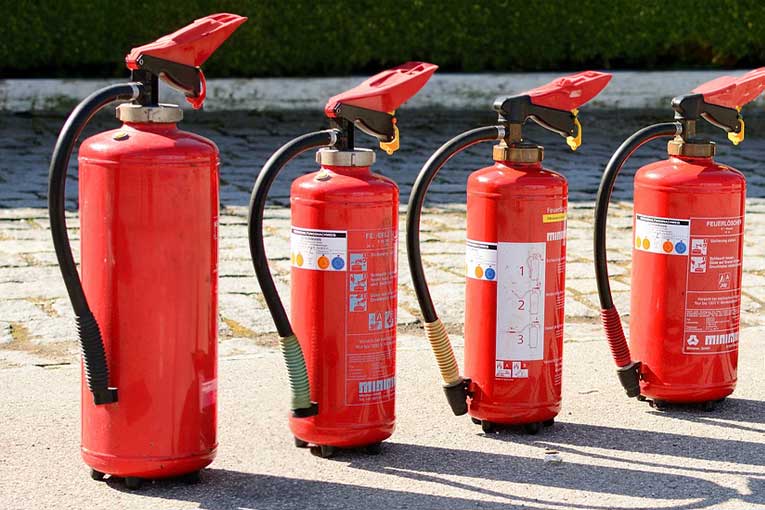
Hazards can include sources of ignition, such as electrical equipment, heaters, or machinery, and combustible materials like paper, fabric, or chemicals. 

Look for areas where heat or sparks could come into contact with flammable items. 

This can be anything from overloaded power outlets to improper chemical storage.

Identify People at Risk

Next, identify who might be at risk in the event of a fire. 

This includes not only employees but also visitors, contractors, or members of the public. 

Consider specific groups that may be more vulnerable, such as the elderly, disabled, or those with mobility issues. 

Make sure that emergency exits and lighting, and evacuation procedures are suitable for everyone, including those who may need assistance during an evacuation.

Evaluate the Risks and Take Action

Once you’ve identified hazards and people at risk, evaluate the level of risk associated with each hazard. 

Ask yourself: How likely is it that a fire could start, and how severe would the consequences be? 

After evaluating the risks, take appropriate actions to eliminate or reduce them. 

This could involve:

  • Removing or reducing fire hazards (e.g., properly storing flammable materials).
  • Installing or improving fire detection systems, such as smoke alarms.
  • Ensuring that fire extinguishers are accessible and maintained.
  • Implementing clear fire safety protocols and ensuring exits are unobstructed.

Record Your Findings and Implement Changes

In businesses with more than five employees, it is a legal requirement to document your findings. 

This documentation should include the hazards identified, the people at risk, and the actions taken to reduce or eliminate risks. 

Keep a detailed log of all fire safety measures in place, such as fire extinguishers, fire exits, and alarms.

Once you have recorded the findings, make sure the necessary changes are implemented. 

Assign responsibilities to individuals, such as fire wardens or fire marshals, who can oversee the implementation of safety measures.

Review and Update Regularly

Fire risk assessments are not a one-time task and should be reviewed regularly.

By keeping your assessment up to date, you ensure that new risks are addressed, and fire safety measures remain effective.

Who Can Do a Fire Risk Assessment?

who can do fire risk assessment

A fire risk assessment can be conducted by a competent person within the workplace. 

This person must have adequate knowledge of fire safety regulations and an understanding of fire hazards. 

Often, businesses will appoint a fire warden or safety officer to conduct these assessments.

For complex buildings or high-risk environments, it may be necessary to hire a professional fire risk assessor. 

A professional will have the expertise and experience to identify risks that might be overlooked by someone with less training.

Some businesses choose to outsource their fire risk assessment entirely to certified professionals. 

This ensures that the assessment is thorough and compliant with legal standards. 

However, even if you hire a professional, the employer is still responsible for ensuring the assessment is carried out properly.

How Often Should a Fire Risk Assessment be Done?

how often fire risk assessment

A fire risk assessment should be conducted regularly to ensure the safety of a workplace and its occupants. 

The frequency of these assessments depends on various factors, such as the type of business, the size of the premises, and the level of fire risk involved.

Annual Reviews

As a general rule, businesses should review their fire risk assessments at least once a year. 

This ensures that any changes in the workplace, such as new equipment or changes in staff, are considered and any new risks are identified and addressed.

After Significant Changes

If there are significant changes in the workplace, such as renovations, new machinery, or changes in the number of employees, a new fire risk assessment should be done immediately. 

These changes can introduce new fire hazards or affect existing safety measures, such as fire exits or alarm systems.

High-Risk Environments

Workplaces with higher fire risks, such as factories, chemical plants, or places that handle flammable materials, may need more frequent fire risk assessments. 

Depending on the level of risk, reviews might be necessary every six months or even quarterly.

After a Fire Incident

If a fire has occurred, an immediate review and reassessment should be conducted. 

This helps identify what went wrong and ensures that additional safety measures are put in place to prevent future incidents.

Conclusion

You should now have the knowledge on exactly what a fire risk assessment is. 

A Fire risk assessment is vital for ensuring workplace safety and preventing devastating incidents. 

They help identify potential hazards, protect employees, and ensure compliance with fire safety regulations. 

Conducting regular fire risk assessments, documenting findings, and acting on identified risks will create a safer environment for everyone. 

Remember, whether your workplace is an office, a factory, or a care home, fire safety is a responsibility that should never be overlooked. 

By following the steps outlined in this guide, you can ensure that your fire risk assessment is thorough, effective, and up to date.

What is a Dual Sensing Smoke Alarm?

A smoke alarm is an essential safety device that can save lives. 

It detects smoke, alerting occupants to a fire, giving them time to escape. 

While there are different types of smoke alarms, a dual sensing smoke alarm is known for its enhanced detection abilities. 

This article will explore what a dual sensing smoke alarm is, its types, advantages, disadvantages, and other smoke alarm options.

What is a Dual Sensing Smoke Alarm?

dual sensing smoke alarm image

A dual sensing smoke alarm is a type of fire detection device designed to improve fire detection by using two different sensors: ionisation and photoelectric.

Ionisation Sensors

These are more responsive to fast-flaming fires, such as those caused by paper. 

They detect small particles of smoke that are typically produced in these types of fires.

Photoelectric Sensors

These are better at detecting slow, smouldering fires, like those caused by cigarettes. 

They work by sensing larger smoke particles that scatter light.

Why Dual Sensing is Safer

By combining these two sensors, dual sensing smoke alarms offer more comprehensive coverage, ensuring faster and more accurate detection of different types of fires. 

This dual approach minimises the chances of false alarms while maximising the likelihood of detecting a real fire.

These alarms are recommended by safety experts and are ideal for providing enhanced protection in homes, giving occupants crucial time to respond in case of a fire. 

Despite being slightly more expensive than single-sensor alarms, the added safety they provide makes them a valuable investment for any household.

What are the Different Types of Dual Sensing Smoke Alarm?

dual sensing smoke alarm types

Dual sensing smoke alarms come in several types, categorised by their power source, connectivity, and additional features. 

Understanding these types can help you choose the best option for your home.

Battery-Powered Dual Sensing Smoke Alarms

Battery-powered dual sensing smoke alarms are standalone units that rely on batteries for operation. 

These alarms are easy to install and can be placed anywhere in the home. 

They are especially useful in homes without hardwired smoke alarm systems. 

However, they require regular battery checks and replacements to ensure they function properly. 

Some models come with long-life lithium batteries, reducing the frequency of battery changes.

Hardwired Dual Sensing Smoke Alarms

Hardwired dual sensing smoke alarms are connected directly to your home’s electrical system, ensuring continuous power. 

These alarms usually include a battery backup to maintain functionality during power outages. 

Hardwired alarms are often interconnected, meaning that if one alarm is triggered, all alarms in the system will sound. 

This feature enhances safety by ensuring that the alarm is heard throughout the home.

Smart Dual Sensing Smoke Alarms

Smart dual sensing smoke alarms are equipped with wireless connectivity, allowing them to be monitored and controlled via a smartphone app. 

These alarms can send alerts to your phone if smoke is detected, even when you’re not home. 

Some models integrate with other smart home devices, such as lights or thermostats, to enhance safety. 

For example, if smoke is detected, a smart alarm could automatically shut off the HVAC system to prevent the spread of smoke.

Combination Alarms

Combination alarms are dual sensing smoke alarms that also detect other hazards, such as carbon monoxide (CO). 

These alarms provide comprehensive protection by combining smoke and CO detection in a single device. 

They are ideal for areas like bedrooms, where both fire and CO risks may be present.

What are the Advantages of a Dual Sensing Smoke Alarm?

dual sensing smoke alarm advantages

Dual sensing has a wide array of advantages over single-sensing alternatives.

The main benefits are: 

Comprehensive Fire Detection

Dual sensing smoke alarms combine two types of sensors: ionisation and photoelectric. 

This dual approach allows them to detect both fast-flaming fires and slow, smouldering fires. 

Ionisation sensors are more responsive to fires that spread quickly, like those involving paper or grease. 

Photoelectric sensors, on the other hand, are better at detecting smouldering fires, which may start from something like a cigarette or an electrical fault. 

By covering both types of fires, dual sensing alarms offer more reliable and comprehensive protection.

Reduced False Alarms

One of the significant advantages of dual sensing smoke alarms is their ability to reduce false alarms. 

Single-sensor alarms, like those with only ionisation or only photoelectric sensors, may trigger false alarms due to non-fire-related activities like cooking or steam from a shower. 

The dual sensors in a dual sensing smoke alarm work together to provide a more accurate response to actual fire threats, reducing the chances of unnecessary alarms.

Enhanced Safety and Peace of Mind

Dual sensing smoke alarms increase safety by providing earlier and more accurate fire detection. 

Early detection is critical in preventing injury or loss of life, giving occupants valuable time to escape in the event of a fire. 

Knowing that your smoke alarm can detect different types of fires effectively gives you peace of mind, especially when it comes to protecting your family and property.

Compliance with Safety Recommendations

Many fire safety organisations recommend the use of dual sensing smoke alarms due to their enhanced detection capabilities. 

Installing these alarms can help ensure that your home meets current safety standards and regulations, providing an extra layer of security and compliance.

Cost-Effective Protection

While dual sensing smoke alarms may be slightly more expensive upfront, they offer cost-effective protection in the long run. 

By combining the functions of two alarms into one, they eliminate the need to install multiple devices, reducing overall costs and maintenance efforts.

What are the Disadvantages of a Dual Sensing Smoke Alarm?

dual sensing smoke alarm disadvantages

While dual sensing smoke alarms have many benefits, they are not without their drawbacks. 

The main ones are: 

Higher Initial Cost

One of the main disadvantages of dual sensing smoke alarms is their higher initial cost compared to single-sensor alarms. 

Because they incorporate both ionisation and photoelectric sensors, dual sensing alarms are generally more expensive to purchase. 

For homeowners on a tight budget, the upfront cost may be a deterrent, especially when multiple units are required for comprehensive home coverage.

Maintenance and Battery Replacement

Dual sensing smoke alarms require regular maintenance, including battery checks and replacements. 

Although this is true for most smoke alarms, the complexity of dual sensing alarms can sometimes make maintenance slightly more cumbersome. 

Homeowners may also need to familiarise themselves with the specific maintenance needs of both types of sensors. 

In addition, if the alarm includes a battery backup for a hardwired system, maintaining both the electrical and battery components can be a hassle.

Potential for Over-Detection

While dual sensing smoke alarms are designed to reduce false alarms, their heightened sensitivity to different types of fires can sometimes lead to over-detection. 

For example, activities like cooking or using a fireplace may trigger the alarm more frequently, which could become annoying and lead to complacency. 

If the alarm goes off too often for non-emergencies, occupants may start ignoring it, which defeats the purpose of having an advanced detection system.

Installation Complexity

Dual sensing smoke alarms, particularly hardwired or interconnected models, can be more complicated to install than basic single-sensor alarms. 

Homeowners who are not comfortable with electrical work might need to hire a professional, adding to the overall cost. 

The complexity of installation might also make it more difficult to troubleshoot issues if the alarm malfunctions or needs to be replaced.

Limited Availability in Some Markets

In some areas, dual sensing smoke alarms might not be as readily available as single-sensor models. 

This limited availability can make it harder for homeowners to find and purchase the right alarm, especially if they live in remote or less densely populated regions.

What Other Types of Smoke Alarms are There?

other types of smoke alarms

Aside from dual sensing smoke alarms, there are other types of smoke alarms available, each with its own advantages and disadvantages.

Ionisation Smoke Alarms

Ionisation smoke detectors are designed to detect fast-flaming fires. 

They contain a small amount of radioactive material between two electrically charged plates, which ionises the air and creates a flow of current between the plates. 

When smoke enters the chamber, it disrupts this current, triggering the alarm. 

These alarms are particularly effective at detecting fires that produce little visible smoke but spread quickly, such as those involving paper or flammable liquids. 

However, they are more prone to false alarms from cooking or steam.

Photoelectric Smoke Alarms

Photoelectric smoke detectors are more sensitive to slow, smouldering fires that produce a lot of smoke before they burst into flames. 

These alarms use a light beam and a sensor inside the chamber. 

When smoke enters the chamber, it scatters the light beam, directing it towards the sensor and triggering the alarm. 

Photoelectric alarms are less likely to be triggered by cooking fumes, making them ideal for installation near kitchens. 

They provide earlier warning for smouldering fires, such as those caused by unattended candles or cigarettes.

Heat Alarms

Heat alarms are designed to detect a rapid rise in temperature rather than smoke. 

They are particularly useful in environments where smoke alarms might give false alarms, like kitchens or garages. 

Heat alarms are ideal for detecting fires in areas prone to dust, smoke, or fumes. 

However, because they don’t detect smoke, they are often used in conjunction with smoke alarms to provide comprehensive fire detection.

Conclusion

You should now have more of an understanding of dual sensing smoke alarms. 

A dual sensing smoke alarm is a critical safety device that enhances fire detection in your home. 

By combining ionisation and photoelectric sensors, these alarms provide comprehensive coverage for various types of fires. 

While they come with higher costs and some maintenance needs, the added protection they offer can be invaluable. 

Understanding the different types of dual sensing smoke alarms, their advantages, and disadvantages helps you make an informed decision when safeguarding your home. 

Remember, no matter which type of smoke alarm you choose, regular maintenance and testing are key to ensuring it functions correctly and provides the protection you need.

What is COSHH?

Keeping your business safe for everyone in your workplace is vitally important. 

This is where COSHH comes in, but exactly what is COSHH?

COSHH is a crucial regulation for workplace safety. 

This article explains what COSHH is, what it covers, how to comply with it, and everyone’s responsibilities.

What is COSHH?

what is coshh image

COSHH stands for Control of Substances Hazardous to Health. 

It is a set of regulations in the United Kingdom designed to protect workers from health risks associated with hazardous substances. 

COSHH requires employers to manage and control risks associated with these substances to ensure the safety and health of their employees. 

This involves several key activities, including identifying hazardous substances, assessing their potential risks, and implementing control measures to minimise exposure.

The regulations mandate that employers must conduct a thorough risk assessment to evaluate how these substances might affect employees. 

Based on this assessment, they must implement control measures, which may include ventilation systems, protective equipment, and safe handling procedures. 

Employers are also required to provide adequate training for employees on the safe use of hazardous substances and ensure that safety data sheets are available for all chemicals used.

Additionally, COSHH requires regular monitoring and review of the control measures to ensure they are effective and up-to-date. 

Employers must also keep records of risk assessments and any incidents related to hazardous substances.

What Does COSHH Cover?

what does coshh cover

COSHH is a regulation that addresses a wide range of hazardous substances found in various workplaces. 

Understanding what COSHH covers is crucial for managing health risks effectively.

Chemicals

COSHH covers chemicals used in industrial processes, laboratories, and cleaning. 

These include solvents, acids, and detergents. 

Chemicals can pose risks such as toxicity, flammability, or corrosivity. 

COSHH requires employers to identify these risks and implement control measures.

Fumes and Vapours

Workplaces that involve high-temperature processes, such as welding or metalworking, often produce fumes and vapours. 

These can be harmful if inhaled over time. COSHH regulations require proper ventilation and air filtration systems to control exposure.

Dusts

Dusts from materials like wood, flour, or minerals can cause respiratory issues and other health problems. 

COSHH requires measures such as dust extraction systems and regular cleaning to minimise dust levels and protect workers.

Biological Agents

Biological agents include bacteria, viruses, and fungi that can pose health risks. 

For instance, healthcare settings or laboratories may deal with potentially infectious materials. 

COSHH covers the handling, storage, and disposal of these agents, requiring proper hygiene and protective equipment.

Nanomaterials

Nanomaterials are substances with particles smaller than 100 nanometers. 

They can have unique and potentially hazardous properties. 

COSHH regulations apply to the handling and safety of these materials, including risk assessments and protective measures.

Carcinogens

Substances that can cause cancer are covered by COSHH. 

Employers must implement stringent controls to limit exposure, such as using less hazardous alternatives or providing personal protective equipment.

Explosives

COSHH also applies to substances that are explosive or flammable. 

Proper storage, handling, and emergency procedures are required to prevent accidents.

Who Must Comply with COSHH?

who comply coshh

COSHH applies to all employers and self-employed individuals who handle hazardous substances in the workplace. 

This includes a wide range of industries and sectors where hazardous materials are used, stored, or produced.

Employers

Employers are responsible for ensuring compliance with COSHH regulations. 

This means they must:

  • Identify and assess risks associated with hazardous substances.
  • Implement control measures to minimise exposure.
  • Provide training and information to employees about handling these substances.
  • Ensure that safety data sheets are available for all hazardous chemicals.
  • Regularly review and update safety procedures and risk assessments.

Self-Employed Individuals

Self-employed individuals who work with hazardous substances are also required to comply with COSHH. 

They must:

  • Conduct their own risk assessments.
  • Implement appropriate control measures.
  • Use personal protective equipment (PPE) as needed.
  • Keep records of safety procedures and risk assessments.

Contractors and Visitors

Contractors and visitors may need to comply with COSHH if they work with hazardous substances while on site. 

Employers must ensure that they are informed of the risks and safety procedures.

What do the COSHH Symbols Mean?

COSHH symbols are essential for understanding the hazards associated with various substances. 

Each symbol indicates a specific type of risk and helps in handling materials safely. 

Here’s a guide to what each COSHH symbol means:

Compressed Gas

compressed gas coshh symbol

The compressed gas symbol looks like a cylinder and indicates that the substance is stored under pressure. 

This can be dangerous if the gas is released suddenly. 

Compressed gases can cause explosions or injuries if not handled correctly. 

Safety measures include proper storage and handling procedures.

Corrosive

corrosive coshh symbol

The corrosive symbol, represented by a container pouring liquid onto a hand and a metal surface, signifies that the substance can cause severe damage to skin, eyes, or materials. 

Corrosive substances can cause burns or corrosion, so proper protective equipment and careful handling are required.

Environmentally Hazardous

environmentally hazardous coshh symbol

An environmentally hazardous symbol features a dead tree and fish. 

This indicates that the substance can cause significant harm to the environment. 

It may be toxic to aquatic life or contribute to long-term ecological damage. 

Safe disposal and spill containment are essential.

Explosive

explosive coshh symbol

The explosive symbol shows an exploding bomb and warns that the substance can explode under certain conditions. 

Explosive materials can pose a severe risk of blast and fire. 

Proper storage, handling, and safety precautions are necessary to prevent accidents.

Flammable

flammable coshh symbol

The flammable symbol, a flame, indicates that the substance can easily catch fire. 

Flammable materials pose risks of fire and explosion. 

Avoid exposure to sources of ignition and store them away from heat sources.

Health Hazard

health hazard coshh symbol

The health hazard symbol features a human silhouette with a star. 

It denotes substances that may cause serious health effects such as cancer, respiratory issues, or reproductive harm. 

Using personal protective equipment and proper handling procedures is crucial.

Irritant

irritant coshh symbol

The irritant symbol, showing an exclamation mark, represents substances that can cause irritation to skin, eyes, or respiratory tract. 

While not as severe as corrosive substances, irritants can cause discomfort and long-term health effects if not handled properly.

Oxidiser

oxidiser coshh symbol

An oxidiser symbol looks like a flame over a circle and indicates that the substance can cause or enhance a fire. 

Oxidisers can make other materials burn more intensely. 

Store them carefully and away from flammable substances.

Toxic

toxic coshh symbol

The toxic symbol, with a skull and crossbones, signifies that the substance can cause severe health effects or death if ingested, inhaled, or absorbed. 

Extreme caution is needed when handling toxic substances, including using appropriate protective gear and ensuring proper storage.

What are COSHH Employer Responsibilities?

coshh employer responsibilities

Under COSHH regulations, employers have several key responsibilities to ensure the safety and health of their employees when dealing with hazardous substances:

Risk Assessment

Employers must conduct thorough risk assessments to identify hazardous substances and evaluate the risks they pose. 

This includes assessing how substances are used, handled, and stored, and determining the potential impact on employees’ health.

Control Measures

Based on the risk assessment, employers must implement control measures to minimise exposure. 

This can include engineering controls like ventilation systems, administrative controls such as safe working procedures, and personal protective equipment (PPE) like gloves and masks.

Training and Information

Employers are required to provide training for employees on how to handle hazardous substances safely. 

This includes understanding COSHH symbols, following safety procedures, and using PPE correctly. 

Employers must also ensure that employees have access to Safety Data Sheets (SDS) for all hazardous substances used.

Health Surveillance

Employers must monitor employees’ health if they are exposed to hazardous substances. 

This may involve regular health checks to detect any adverse effects early and take corrective actions.

Record Keeping

Employers must keep records of risk assessments, safety procedures, and any incidents involving hazardous substances. 

These records help ensure compliance and provide documentation for regulatory purposes.

What are COSHH Employee Responsibilities?

coshh employee responsibilities

Under COSHH regulations, employees also have important responsibilities to ensure their own safety and the safety of others when working with hazardous substances. 

These responsibilities include:

Following Procedures

Employees must adhere to all safety procedures and instructions provided by their employer. 

This includes using hazardous substances according to the guidelines and following established protocols for handling and storage.

Using Personal Protective Equipment (PPE)

Employees are required to wear and use PPE as specified by their employer. 

This includes items like gloves, masks, and goggles designed to protect against exposure to hazardous substances.

Reporting Hazards and Incidents

Employees must report any unsafe conditions, spills, or incidents involving hazardous substances to their employer immediately. 

Prompt reporting helps to address and mitigate potential risks and prevents accidents.

Attending Training

Employees should attend all training sessions provided by their employer. 

This training covers safe handling practices, understanding COSHH symbols, and emergency procedures related to hazardous substances.

Using Equipment Properly

Employees must use all equipment and tools as instructed and ensure they are in good working condition. 

Proper use of equipment helps to prevent accidents and reduce exposure to hazards.

Conclusion

You should now have more of an understanding of exactly what is COSHH.

COSHH is essential for protecting workers from health risks related to hazardous substances. 

By understanding COSHH regulations, symbols, and responsibilities, employers and employees can work together to create a safer workplace. 

Proper risk assessment, control measures, and training are key to managing hazardous substances effectively.

5 Fire Extinguisher Types Explained

Fire extinguishers are essential safety devices designed to help control or extinguish small fires. 

However, not all fires are the same, which is why there are different types of fire extinguishers available. 

There are 5 fire extinguisher types for different types of fires. 

In this article, we’ll explore the five main types of fire extinguishers and explain when each should be used.

Why Are There Different Types of Fire Extinguishers? 

fire extinguisher different types

Different types of fires require different approaches to extinguish them safely and effectively.

Type of Fire

Fires are classified into different classes of fires based on the type of fuel involved. 

Class A fires involve solid materials like wood and paper, Class B fires involve flammable liquids, Class C fires involve electrical equipment, Class D fires involve flammable metals, and Class F fires involve cooking oils and fats.

Different Methods of Extinguishing Fires

Each type of fire extinguisher is designed to combat a specific type of fire using different methods. 

For example, water extinguishers cool the fire, foam extinguishers create a barrier between the fuel and the oxygen, and CO2 extinguishers displace oxygen, smothering the fire.

Safety and Effectiveness

Using the wrong type of fire extinguisher can actually make a fire worse or put you at risk. 

Therefore, it’s crucial to understand the different types of fire extinguishers and when to use them.

5 Fire Extinguisher Types Explained

Water

water fire extinguisher types
Source: Amazon

How Does a Water Fire Extinguisher Work?

Water fire extinguishers are the most common type and are used to extinguish Class A fires, which involve solid materials like wood, paper, and textiles.

They work by cooling the fire, reducing the temperature below its ignition point

When water is applied to the fire, it absorbs heat from the fire, lowering the temperature and extinguishing the flames.

When to Use a Water Fire Extinguisher

Water fire extinguishers are suitable for fires involving solid materials such as wood, paper, and textiles.

They are effective for extinguishing fires in offices, schools, warehouses, and other environments where Class A fires are most likely to occur.

When Not to Use a Water Fire Extinguisher

Water fire extinguishers should not be used on fires involving flammable liquids, electrical equipment, or cooking oils and fats.

Using a water extinguisher on these types of fires can actually make the fire worse and increase the risk of electric shock or spreading the fire.

Where Are Water Fire Extinguishers Normally Found?

Water fire extinguishers are commonly found in offices, schools, warehouses, and other commercial and industrial environments.

They are usually mounted on walls in easily accessible locations and are identified by their red label colour..

CO2

co2 fire extinguisher types
Source: Amazon

How Does a CO2 Fire Extinguisher Work?

CO2 (Carbon Dioxide) fire extinguishers are used for Class B and Class C fires, which involve flammable liquids and electrical fires.

They work by displacing oxygen, smothering the fire and preventing it from spreading.

When CO2 is discharged from the extinguisher, it turns into a gas, depriving the fire of the oxygen it needs to continue burning.

When to Use a CO2 Fire Extinguisher

CO2 fire extinguishers are suitable for fires involving flammable liquids such as petrol, oil, and paint, as well as electrical fires.

They are commonly used in areas where there is a risk of electrical fires, such as offices, server rooms, and workshops.

When Not to Use a CO2 Fire Extinguisher

CO2 fire extinguishers should not be used on fires involving Class A materials such as wood, paper, and textiles.

They are also not effective for fires involving cooking oils and fats.

Additionally, CO2 extinguishers should not be used in confined spaces, as the gas can displace oxygen and cause suffocation.

Where Are CO2 Fire Extinguishers Normally Found?

CO2 fire extinguishers are commonly found in offices, server rooms, workshops, and other environments where there is a risk of electrical fires.

They are usually mounted on walls in easily accessible locations and are identified by their black label colour..

Foam

foam fire extinguisher types
Source: Amazon

How Does a Foam Fire Extinguisher Work?

Foam fire extinguishers are versatile and can be used for Class A and Class B fires.

They work by creating a blanket of foam that seals the fire’s surface, preventing re-ignition.

The foam also cools the fire, reducing the temperature and smothering the flames.

When to Use a Foam Fire Extinguisher

Foam fire extinguishers are suitable for fires involving solid materials such as wood, paper, and textiles (Class A fires), as well as flammable liquids such as petrol, oil, and paint (Class B fires).

They are commonly used in offices, workshops, garages, and other environments where there is a risk of both Class A and Class B fires.

When Not to Use a Foam Fire Extinguisher

Foam fire extinguishers should not be used on fires involving electrical equipment (Class C fires) or cooking oils and fats (Class F fires).

Using a foam extinguisher on these types of fires can actually make the fire worse and increase the risk of electric shock or spreading the fire.

Where Are Foam Fire Extinguishers Normally Found?

Foam fire extinguishers are commonly found in offices, workshops, garages, and other commercial and industrial environments.

They are usually mounted on walls in easily accessible locations and are identified by their cream label colour..

Dry Powder

dry powder fire extinguisher types
Source: Amazon

How Does a Dry Powder Fire Extinguisher Work?

Dry powder fire extinguishers are suitable for Class A, B, and C fires, as well as fires involving flammable gases and metals.

They work by forming a barrier between the fuel and the oxygen, smothering the fire and interrupting the chemical reaction.

Dry powder extinguishers contain a fine powder composed of sodium bicarbonate or potassium bicarbonate, which chemically inhibits the combustion process.

When to Use a Dry Powder Fire Extinguisher

Dry powder fire extinguishers are versatile and can be used for a wide range of fires, including fires involving solid materials (Class A), flammable liquids (Class B), and electrical equipment (Class C).

They are also effective for fires involving flammable gases such as propane and butane, as well as fires involving flammable metals such as magnesium and titanium.

When Not to Use a Dry Powder Fire Extinguisher

Dry powder fire extinguishers should not be used on fires involving cooking oils and fats, such as grease fires (Class F fires).

Using a dry powder extinguisher on these types of fires can actually make the fire worse and increase the risk of spreading the fire.

Where Are Dry Powder Fire Extinguishers Normally Found?

Dry powder fire extinguishers are commonly found in industrial environments, laboratories, workshops, and garages.

They are usually mounted on walls in easily accessible locations and are identified by their blue label colour.

Wet Chemical 

wet chemical fire extinguisher types
Source: Amazon

How Does a Wet Chemical Fire Extinguisher Work?

Wet chemical fire extinguishers are designed for Class F fires, which involve cooking oils and fats.

They work by cooling the fire and creating a barrier between the fuel and the oxygen.

Wet chemical extinguishers contain a special solution that reacts with the cooking oil or fat, forming a thick, soapy layer on the surface of the fire. 

This layer cools the fire and prevents it from re-igniting.

When to Use a Wet Chemical Fire Extinguisher

Wet chemical fire extinguishers are specifically designed for fires involving cooking oils and fats, such as deep fat fryers and commercial kitchens.

They are highly effective for extinguishing these types of fires and preventing them from spreading.

When Not to Use a Wet Chemical Fire Extinguisher

Wet chemical fire extinguishers should not be used on fires involving solid materials (Class A fires), flammable liquids (Class B fires), electrical equipment (Class C fires), or flammable metals (Class D fires).

Where Are Wet Chemical Fire Extinguishers Normally Found?

Wet chemical fire extinguishers are commonly found in commercial kitchens, restaurants, cafes, and other environments where there is a risk of fires involving cooking oils and fats.

They are usually mounted on walls in easily accessible locations and are identified by their yellow label colour.

Conclusion

That was a detailed breakdown of the 5 fire extinguisher types.

Each type of fire extinguisher is designed for specific types of fires, so it’s important to choose the right one for your needs.

By understanding the different types of fire extinguishers and their uses, you can be better prepared to respond effectively in the event of a fire emergency.

Remember to regularly inspect and maintain your fire extinguishers to ensure they are in good working condition and ready for use in case of an emergency.

In addition to having the right fire extinguishers, it’s also important to have a well-thought-out fire safety plan in place and to regularly train employees on fire safety procedures.

By taking these steps, you can help protect yourself, your employees, and your property from the devastating effects of fire.

Warehouse fire safety emphasised by Promat at Coventry event

Promat focuses on warehouse fire safety at Tomorrow’s Warehousing event

“Effective fire protection should be built into the structure of a warehouse”

Promat Commercial Director Joshua Slack

Passive fire protection specialist Promat will highlight the need to protect warehouses against the risk of fire through the effective use of built-in solutions today at the Tomorrow’s Warehousing event.

Promat Commercial Director Joshua Slack will discuss the importance of built-in fire protection in warehouses.

He will address how these measures ensure the safety of buildings, occupants, and stock, ultimately protecting the supply chain from fire risks.

He will also explore the relationship between fire safety and the drive towards net zero.

He will discuss whether there needs to be a compromise on fire safety to achieve high environmental performance or if both goals can be met simultaneously.

Joshua Slack’s insights on passive fire protection

Joshua Slack said: “Effective fire protection should be built into the structure of a warehouse to protect the people within it, the contents of the building, and the structure itself.”

He elaborated on the benefits of passive fire protection solutions: “Passive fire protection solutions allow fires to be contained, provide time to escape – and give firefighters time to tackle a fire to prevent it spreading and to protect the integrity of the building.”

Slack emphasized the necessity of fire protection in warehouses: “For warehouses, in particular, having a demonstrated level of fire protection is essential to both protecting the stock being stored there but also in terms of ensuring the continuity of the supply chain and protecting against the expense and potential implications of a business disruption.”

Importance of fire safety in the context of new regulations

Joshua Slack noted the increased focus on fire safety across industries due to new regulations: “There has been an increased focus on the need for effective fire safety across all industries, especially with the introduction of the Building Safety Act and this event is a good forum to highlight the need for best practice to ensure adequate fire protection is in place for warehouses – but also look at how this fits into a wider ESG strategy.”

Promat’s participation at the event

The Tomorrow’s Warehousing event will be held today (20th June) in Coventry at the CBS Arena.

Promat will address fire protection during the ‘Warehouse Property’ panel discussion, taking place from 3:15pm.

Technical experts from Promat will also be present during the event to discuss passive fire protection solutions and provide insights into the systems the company can offer to protect buildings.

How Long Do Fire Extinguishers Last?

Fire extinguishers are crucial tools for swiftly combating small fires, but do they last forever? 

Understanding their lifespan and exactly how long do fire extinguishers last is vital for ensuring their effectiveness in emergencies. 

In this article, we’ll explore how long different types of fire extinguishers last, when to replace them, and the importance of regular servicing.

How Long Do Fire Extinguishers Last?

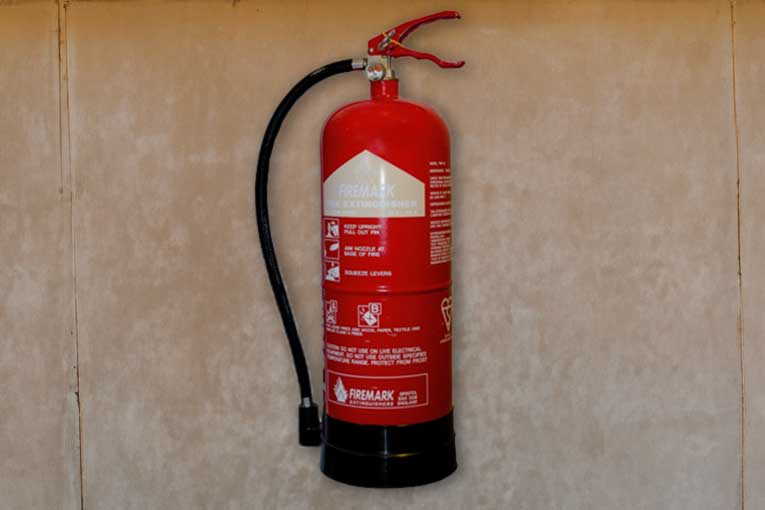
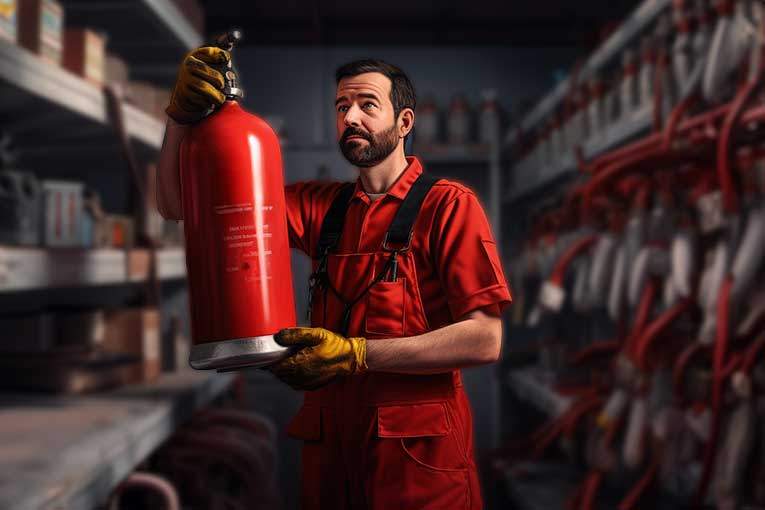
how long do fire extinguishers last image

Fire extinguishers are crucial for rapid response in emergencies, but their effectiveness diminishes over time. 

Understanding how long fire extinguishers last is essential for maintaining a safe environment.

Disposable

Disposable fire extinguishers typically have a lifespan of around 10 to 12 years. 

Once they reach this limit or display signs of wear, they should be replaced to ensure optimal performance. 

These extinguishers are designed for single use, emphasising the importance of timely replacements.

Rechargeable

Rechargeable fire extinguishers, designed for multiple uses, have a service life of approximately 6 years. 

After this period, a thorough professional inspection and maintenance are necessary to ensure their continued reliability. 

If any issues are identified during servicing or if the extinguisher reaches the end of its recommended life, it should be replaced promptly.

How Often Should Fire Extinguishers be Serviced?

how often fire extinguishers serviced

Routine maintenance is key to ensuring the reliability of fire extinguishers. 

Different types require distinct servicing intervals to guarantee optimal functionality when facing a fire emergency.

Water, Powder, or Foam

Fire extinguishers containing water, powder, or foam should undergo professional servicing every 5 years. 

This process involves a thorough inspection, testing, and refilling, if necessary. 

Regular servicing helps identify any issues and ensures the extinguisher is fully operational.

CO2

CO2 fire extinguishers, commonly used for electrical fires, have a longer service interval of 10 years. 

These extinguishers should undergo a comprehensive professional service to inspect and maintain their components. 

This ensures that the extinguisher remains effective in suppressing electrical fires.

Where to Find the Fire Extinguisher Manufacture Date?

fire extinguishers manufacture date

Knowing the manufacture date of a fire extinguisher is crucial for determining its lifespan and understanding how long your fire extinguisher will last. 

The location of this information varies based on the type of extinguisher.

Steel Fire Extinguishers

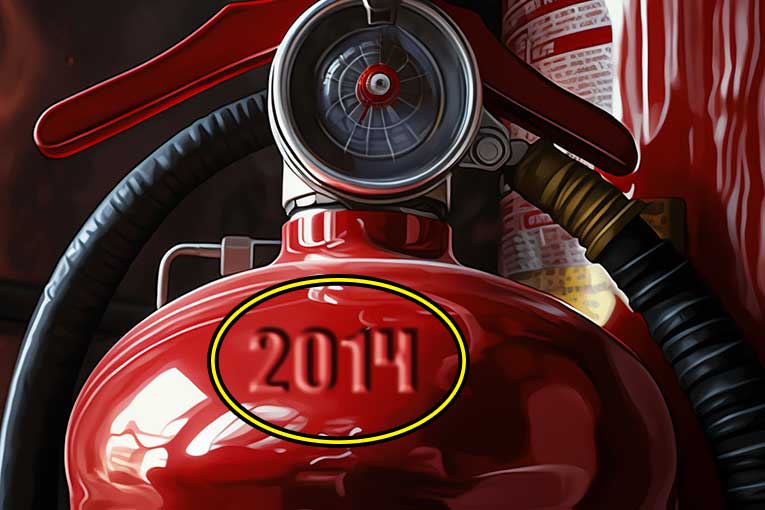
Stamped into the Cylinder

The manufacture date may be physically stamped onto the cylinder of the steel fire extinguisher. 

This stamp provides a clear and permanent indication of when the extinguisher was produced.

On the Label

Alternatively, the manufacture date might be included on the label affixed to the extinguisher. 

This label provides essential information about the extinguisher’s specifications and usage guidelines.

P50 Service-Free Extinguishers

Older Models 

For older P50 fire extinguisher models, the manufacture date is typically printed on the base of the unit.

Newer Models 

Newer P50 models use a coloured pin that correlates to a table printed on the label. 

The pin colour corresponds to the month and year of manufacture, providing a quick reference.

When Should you Replace a Fire Extinguisher Early?

replace fire extinguishers early

While fire extinguishers have defined lifespans, certain circumstances may warrant early replacement to ensure optimal performance in emergencies. 

Here are key indicators that suggest an extinguisher should be replaced ahead of schedule:

Cracked Nozzle or Hose

Issue

Physical damage like cracks compromises the structural integrity of the nozzle or hose.

Effect

The crack can lead to leaks or difficulties in delivering the extinguishing agent during a fire, rendering the extinguisher less effective.

Blocked Nozzle or Hose

Issue

Obstructions in the nozzle or hose can hinder the discharge of the extinguishing agent.

Effect

A blocked nozzle or hose reduces the extinguisher’s ability to control a fire, diminishing its overall performance.

Broken Handle

Issue

A broken handle makes it challenging to operate the extinguisher efficiently.

Effect

In an emergency, a broken handle may impede the user from effectively using the extinguisher, delaying response time.

Missing Locking Pin

Issue

The locking pin is crucial for preventing accidental discharges and maintaining the extinguisher’s readiness.

Effect

Without the locking pin, there’s a risk of unintentional discharges, and the extinguisher may not be securely stored or easily accessible.

Missing Inspection Sticker

Issue

An extinguisher without an updated inspection sticker may not have undergone required maintenance.

Effect

Missing inspection documentation indicates a lack of regular checks, raising concerns about the extinguisher’s reliability and adherence to safety standards.

Corrosion

Issue

Corrosion on the cylinder or other parts compromises the structural integrity of the extinguisher.

Effect

Corrosion weakens the extinguisher, making it more susceptible to damage and reducing its ability to withstand the pressure needed for proper discharge.

Suspected of Leaking

Issue 

Evidence of leaking substances suggests a loss of pressure and potential malfunction.

Effect

A leaking extinguisher may fail to discharge its contents effectively during a fire, necessitating immediate replacement to ensure reliability in an emergency.

How Often Should Fire Extinguishers be Inspected?

how often fire extinguishers inspected

Routine inspections are crucial to maintaining the reliability of fire extinguishers, ensuring they function correctly when needed. 

The inspection frequency can be categorised into two intervals:

Monthly Checks

Regular, brief checks by designated personnel.

This is to verify that the extinguisher is in its designated place, the pressure gauge shows adequate pressure, and there is no visible damage or tampering.

Monthly checks help identify immediate issues and ensure that the extinguisher is accessible and operational.

Yearly Inspections by a Fire Extinguisher Engineer

In-depth inspections conducted by a certified fire extinguisher engineer, for example those found in the Institution of Fire Engineers.

This will be a comprehensive examination of the extinguisher’s internal and external components, including pressure tests, to ensure it meets safety standards.

Yearly inspections are critical for identifying potential internal issues, such as corrosion or leaks, which might not be evident during routine checks.

What are the Risks of Using an Older Fire Extinguisher?

older fire extinguishers risks

Using an older fire extinguisher poses various risks, potentially compromising its effectiveness when faced with a fire emergency. 

Here are the key risks associated with relying on an aged fire extinguisher:

Decreased Pressure

Over time, fire extinguishers may experience a gradual loss of pressure, reducing their ability to discharge the extinguishing agent effectively. 

This decline can result from factors like gas leakage or gradual deterioration of internal components.

Corrosion

The internal components of a fire extinguisher, especially the cylinder, are susceptible to corrosion over an extended period. 

Corrosion weakens the structural integrity, making the extinguisher more prone to failure or rupture during use.

Deterioration of Seals and Valves

Seals and valves play a crucial role in maintaining the pressure and integrity of the extinguishing agent. 

As a fire extinguisher ages, these seals and valves can deteriorate, leading to potential leaks and a loss of pressure.

Reduced Extinguishing Agent Efficiency

The extinguishing agent within the fire extinguisher can degrade over time, diminishing its effectiveness. 

This reduction in efficiency may result from factors like exposure to temperature variations or chemical changes within the agent.

Outdated Technology

Older fire extinguishers may use outdated technology compared to more modern counterparts. 

Advances in fire safety technology have led to the development of extinguishers with enhanced features and improved extinguishing agents, providing better protection against various fire types.

Non-compliance with Standards

Fire safety standards and regulations evolve over time, introducing new requirements for equipment.

Older fire extinguishers may not comply with the latest standards, potentially leading to regulatory non-compliance and inadequate fire protection.

How to Dispose of a Fire Extinguisher?

dispose of fire extinguishers

Disposing of a fire extinguisher requires careful consideration to ensure the safe handling of potentially hazardous materials. 

Here’s a guide on how to appropriately dispose of a fire extinguisher:

Check the Extinguisher Type

Identify the type of fire extinguisher, as different extinguishing agents have specific disposal methods. 

Common types include water, powder, foam and CO2.

Contact Local Authorities

Check with your local fire department or waste disposal facility regarding their specific regulations for fire extinguisher disposal. 

Some municipalities organise special collection events or have designated drop-off locations.

Recycling Centres

Certain recycling centres may accept fire extinguishers, as many of the components are fully recyclable. 

Remember to follow local guidelines.

Professional Disposal Services

In some cases, professional hazardous waste disposal services may be necessary for extinguishers containing certain chemicals, such as older foam fire extinguishers. 

Contact local environmental agencies for advice on proper disposal methods.

Conclusion

Knowing how long fire extinguishers last and understanding when to replace them is vital for maintaining a safe environment. 

Regular inspections, proper servicing, and early replacement when necessary ensure that these essential firefighting tools remain effective when needed most. 

Prioritising the longevity and functionality of fire extinguishers is a proactive step towards enhancing overall safety and preparedness in various settings.

7 Common Causes of Warehouse Fires

Warehouses play a crucial role in supply chain management, but they are not immune to the threat of fires. 

Warehouse fires can cause business losses in the hundreds of millions every year.

The stakes are high when it comes to warehouse fires, and understanding their common causes and prevention strategies is vital for safeguarding both goods and personnel.

In this article we’ll delve into 7 of the most common causes of warehouse fires, why warehouse fires are so dangerous and ways to help prevent them.

7 Common Causes of Warehouse Fires

Warehouses, crucial parts of supply chain management, have various risks, and fires are a significant concern. 

To strengthen these logistical centres against fire risks, it’s essential to know the common causes thoroughly.

Arson

warehouse fires causes arson

Arson, the deliberate act of setting fires, ranks among the common causes of warehouse fires, with 15% of all warehouse fires being deliberate

Intentional and malicious, arson poses a severe threat, leading to extensive property damage and endangering lives within the facility. 

The deliberate ignition of flames in warehouses underscores the need for heightened security measures and vigilance to thwart potential acts of arson, protecting both assets and personnel.

Electrical Equipment

warehouse fires causes electrical equipment

Faulty electrical equipment poses a common threat, leading to warehouse fires. 

Overloaded circuits, damaged wiring, or neglected maintenance can turn these systems into ignition sources. 

Preventing electrical malfunctions through regular checks is vital to ensure the safety of warehouses and protect against the potential devastation caused by fires.

Heating Equipment

warehouse fires causes heating equipment

Poorly maintained heating systems present a common risk for warehouse fires, especially during the winter months. 

Malfunctions or improper usage of industrial heaters can turn them into sources of ignition. 

Regular maintenance and proper handling are crucial to mitigate these risks, ensuring the safety of both the warehouse environment and its occupants.

Combustible Materials

warehouse fires causes combustible materials

Warehouses storing combustible materials face an elevated risk of fires. 

Flammable substances, when not handled or stored properly, become potential ignition sources. 

The proximity of these materials to potential heat sources increases the likelihood of accidental fires. 

To mitigate this risk, proper storage protocols, adherence to safety guidelines, and regular inspections are essential, creating a safer environment within the warehouse and reducing the potential for devastating fires.

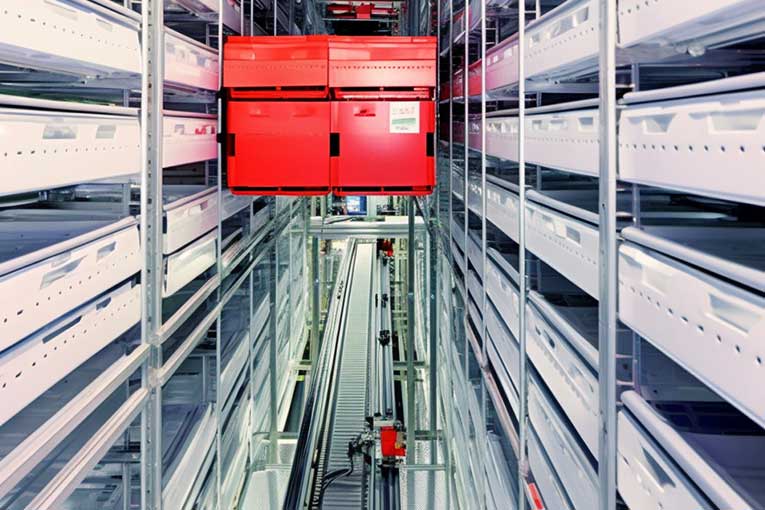
Automatic Storage Retrieval Systems (ASRS)

warehouse fires causes asrs

Automated Storage Retrieval Systems, while enhancing efficiency, can pose fire hazards in warehouses. 

Relying on intricate electrical components, these systems may experience malfunctions leading to fires. 

Ensuring the proper maintenance and functioning of ASRS is crucial to prevent potential fire incidents. 

Vigilance in monitoring these automated systems helps minimise the risk, contributing to the overall safety of the warehouse environment.

Smoking

warehouse fires causes smoking

Smoking near warehouses introduces a significant fire hazard. 

Igniting cigarettes in restricted areas or improper disposal of cigarette butts can lead to accidental fires, particularly in environments with combustible materials. 

The combination of open flames and flammable surroundings heightens the risk. 

Implementing strict no-smoking policies, designated smoking areas, and proper disposal measures are essential preventive measures to reduce the likelihood of fires caused by smoking within the warehouse premises.

Human Error

warehouse fires causes human error

Human error is a prevalent factor contributing to warehouse fires. 

Mistakes in equipment handling, incorrect storage of flammable materials, or neglecting safety protocols can result in unintentional fires. 

Awareness, proper training, and adherence to safety guidelines are crucial to mitigate the risks associated with human error. 

Implementing robust training programs and fostering a safety-conscious culture within the warehouse environment play pivotal roles in reducing the potential for fires caused by human mistakes.

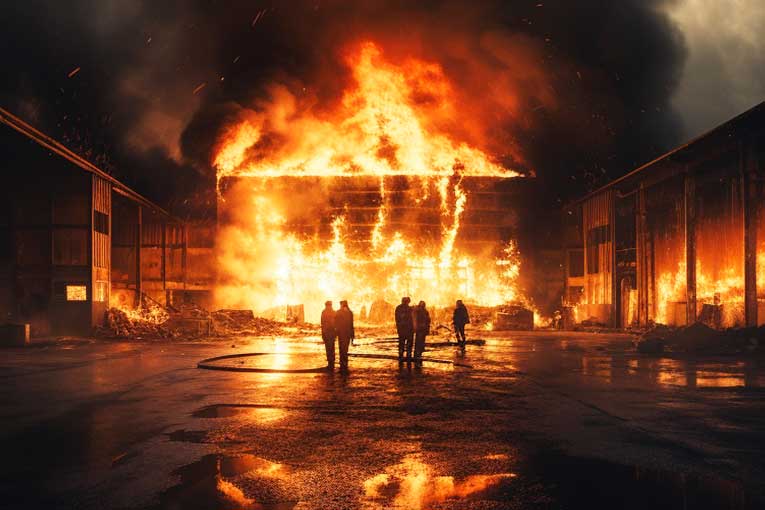
Why are Warehouse Fires so Dangerous?

Warehouse fires pose significant dangers due to their potential for rapid escalation and severe consequences. 

Several factors contribute to the high risk associated with these incidents:

Extensive Property Damage

warehouse fires dangerous

Warehouse facilities often house valuable inventory, machinery, and equipment. 

Fires can lead to substantial financial losses, impacting the business’s operations and long-term viability.

Risk to Human Lives

The safety of personnel working within warehouses is paramount. 

Fires can lead to injuries or fatalities, especially if evacuation procedures are not efficiently executed or if there are delays in emergency response.

Disruption of Supply Chains

Warehouse fires can disrupt the entire supply chain, affecting the timely delivery of goods and services. 

This disruption can have cascading effects on businesses, customers, and interconnected industries.

Environmental Impact

Depending on the nature of stored materials, warehouse fires can result in environmental hazards. 

The release of pollutants, toxins, or hazardous substances can contaminate air, soil, and water, posing long-term environmental risks.

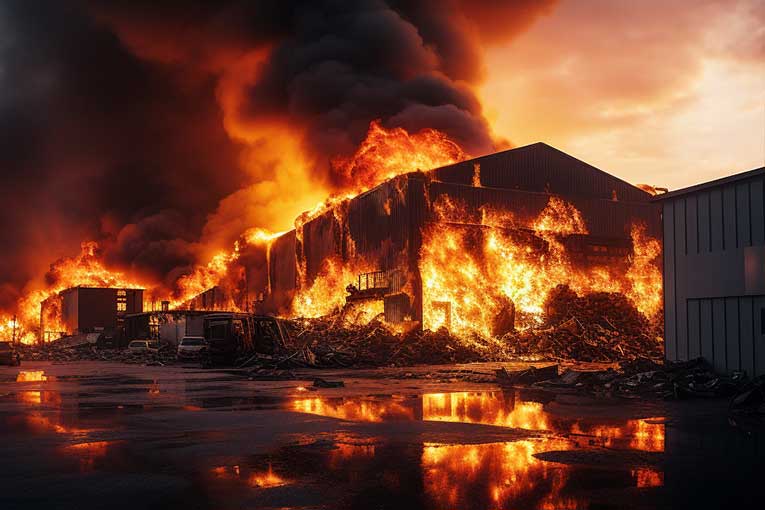
Structural Damage

warehouse fires structural damage

Intense heat and flames can cause structural damage to the warehouse itself, compromising its integrity. 

Collapses or structural failures during a fire can exacerbate the dangers and hinder firefighting efforts.

Challenges for Firefighters

Warehouses are often expensive structures, presenting challenges for firefighting efforts. 

The sheer size and the potential for limited access points can make it difficult for firefighters to quickly contain and extinguish the blaze.

Smoke Inhalation Risks

In addition to flames, the smoke generated during warehouse fires poses serious health risks. 

Smoke inhalation can lead to respiratory issues, and the toxic byproducts of combustion can have immediate and long-term health consequences.

Potential for Explosions

Depending on the nature of the materials stored, warehouses may contain combustible or explosive substances. 

Fires can trigger explosions, further intensifying the danger and complicating firefighting strategies.

How Can Warehouse Fires be Prevented?

Preventing warehouse fires involves a comprehensive approach that addresses potential risks and incorporates effective preventive measures:

Fire Risk Assessments

prevent warehouse fires fire risk assessment

Conducting regular fire risk assessments is a fundamental step in warehouse fire prevention. 

Identifying potential fire hazards and evaluating the effectiveness of existing preventive measures allow for the implementation of targeted strategies to mitigate risks.

Smoke Detectors

Installing smoke detectors strategically throughout the warehouse is crucial for early fire detection. 

These alarms provide timely alerts, enabling a swift response to potential fires and increasing the likelihood of containing the blaze before it escalates.

Fire Extinguishers

Strategically placing fire extinguishers within the warehouse and ensuring that staff are well-trained in their use is essential for controlling small fires. 

Quick and effective intervention with fire extinguishers can prevent the spread of flames and minimise damage.

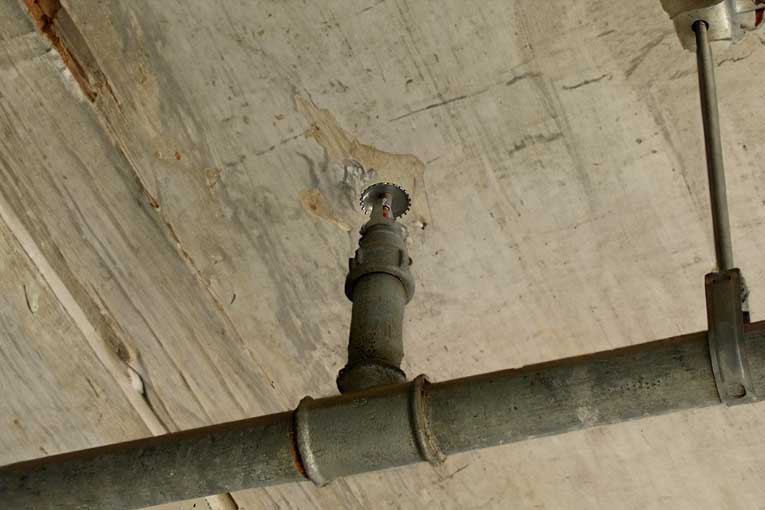
Sprinkler Systems

prevent warehouse fires sprinklers

Automatic sprinkler systems play a pivotal role in warehouse fire prevention. 

These systems can suppress fires in their early stages by releasing water or fire-retardant chemicals, limiting the extent of the blaze and providing valuable time for evacuation.

Staff Training

A well-trained workforce is a key component of effective fire prevention. 

Staff training should encompass various aspects, including the proper use of firefighting equipment, understanding evacuation procedures, and adherence to fire safety protocols. 

Educating employees on fire prevention measures fosters a collective responsibility for maintaining a safe warehouse environment.

Fire Drills

Regular fire drills are essential for ensuring that employees are familiar with evacuation procedures. 

Conducting drills periodically helps reduce panic in the event of a real fire, ensuring that staff can respond swiftly and efficiently. 

Familiarity with evacuation routes and assembly points enhances overall preparedness and contributes to a safer working environment.

What to do During a Warehouse Fire?

During a warehouse fire, swift and organised actions are crucial to ensure the safety of personnel and mitigate the potential impact of the blaze. 

Here are essential steps to follow:

Activate Fire Alarm

warehouse fires activate fire alarm

Immediately activate the fire alarm to alert all personnel to the emergency. 

The alarm signals the initiation of evacuation procedures.

Notify Emergency Services

Promptly call emergency services, providing them with accurate information about the location and nature of the fire. 

The sooner professional firefighting assistance arrives, the better the chances of containing the blaze.

Evacuation Procedures

Follow established evacuation procedures. 

Ensure that all personnel are aware of evacuation routes, assembly points, and procedures for assisting individuals with mobility challenges.

Do Not Use Elevators or Lifts

Avoid using elevators or lifts during a fire. 

Elevators and lifts can malfunction during emergencies, potentially trapping individuals or exacerbating the situation.

Stay Low if Smoke is Present

If smoke is present, stay low to the ground where the air is generally clearer. 

Cover the nose and mouth with a cloth to reduce smoke inhalation.

Close Doors

Close doors behind you as you evacuate to slow down the spread of fire and smoke.

Use Fire Extinguishers (if Safe)

warehouse fires use fire extinguishers

If the fire is small and contained, and it is safe to do so, use available fire extinguishers to suppress the flames. 

However, prioritising personal safety and evacuation is paramount.

Assist Others

Assist colleagues who may need help evacuating, especially those with mobility challenges. 

Ensure that everyone is accounted for at the designated assembly point.

Do Not Return for Belongings

Once safely evacuated, do not return to the building for personal belongings. 

Emergency services will manage the situation, and personal safety takes precedence.

Follow Instructions

Adhere to instructions from emergency services and designated personnel. 

Cooperate with their guidance for a coordinated and effective response.

Conclusion

You should now have an understanding of common causes of warehouse fires.

The gravity of warehouse fires cannot be overstated, given their potential for catastrophic consequences. 

Safeguarding these vital hubs of commerce requires a multifaceted approach encompassing awareness, prevention, and preparedness. 

By comprehending the common causes of warehouse fires, businesses can proactively address vulnerabilities and fortify their facilities against potential risks. 

The implementation of rigorous preventive measures, including regular fire risk assessments, strategic placement of safety equipment, and comprehensive staff training, forms a robust defence against flames.

Moreover, fostering a culture of fire safety within warehouse operations is paramount. 

Continuous education and training initiatives instil a sense of responsibility among personnel, empowering them to contribute actively to fire prevention and response efforts. 

Regular fire drills, along with the proper utilisation of firefighting equipment, further enhance the collective ability to handle emergencies.

What is a COSHH Assessment & Who Needs Them?

Workplace safety is of the utmost importance and understanding and implementing proper risk assessments is paramount. 

One such essential assessment is COSHH, short for Control of Substances Hazardous to Health. 

The COSHH assessment aims to safeguard employees and others from potential harm due to exposure to hazardous substances in the workplace.

What is a COSHH Assessment?

COSHH assessment employee exposed to chemicals
A COSHH assessment is needed for any employee exposed to chemicals

A COSHH assessment is a crucial process designed to systematically manage and mitigate the risks linked to hazardous substances within a workplace. 

The fundamental objective is to safeguard the health and well-being of individuals exposed to these substances during various work activities.

The assessment encompasses a broad spectrum of materials, not just limited to traditional chemicals. 

It includes biological agents, dust, fumes, and other substances that have the potential to pose health risks. 

This systematic evaluation ensures that any potential harm associated with these substances is identified and effectively controlled.

COSHH assessments play a pivotal role in fostering a secure work environment. 

By scrutinising all substances within the workplace that could be considered hazardous, this process enables organisations to take proactive measures to minimise risks and adhere to regulatory standards.

The systematic steps involved in a COSHH assessment, from identifying hazardous substances to evaluating control measures, contribute to the creation of a detailed and effective risk management plan. 

Through documentation, communication, and training, a COSHH assessment becomes a cornerstone in promoting awareness and understanding among personnel about the potential risks associated with hazardous substances and the measures in place to mitigate them. 

Overall, it is an indispensable tool for organisations committed to maintaining a safe and healthy workplace.

Who Needs to have a COSHH Assessment?

COSHH assessment healthcare
A COSHH assessment happens in several industries, including healthcare

Any business where employees are exposed to hazardous substances requires a COSHH assessment. 

This includes but is not limited to:

Manufacturing and Industry

Industries that involve the use of chemicals, solvents, or other hazardous substances in processes or production.

Healthcare

Hospitals, clinics, and other healthcare settings where various substances, including cleaning chemicals and pharmaceuticals, are utilised.

Laboratories

Research facilities and testing laboratories dealing with chemicals and biological agents.

Construction

Sites where workers may encounter substances like dust, adhesives, or paints.

Cleaning Services

Companies involved in cleaning, janitorial, or sanitation services using various cleaning agents.

Agriculture

Farms and agricultural settings where pesticides, fertilisers, and other chemicals are employed.

Retail

Businesses that sell products containing hazardous substances, such as paints, adhesives, or cleaning supplies.

Office Environments

Even seemingly low-risk environments may have substances like cleaning chemicals that require assessment.

Educational Institutions

Schools, colleges, and universities where laboratories and workshops involve the use of various chemicals.

How Often Should a COSHH Assessment be Done?

According to COSHH Regulations, there is no set frequency specified for how often a COSHH assessment should be conducted. 

Instead, it is a dynamic process that depends on the nature of the work, the substances involved, and any changes in the workplace that may affect exposure.

The law requires that COSHH assessments be carried out systematically and be reviewed regularly. 

The Health and Safety Executive (HSE) advises that assessments should be reviewed if there is any reason to suspect they are no longer valid or if there has been a significant change in the workplace or work processes.

For example, if new substances are introduced into the workplace, processes change, or if there is evidence that control measures are not effective, a review of the COSHH assessment is necessary. 

This flexible approach allows for the adaptation of safety measures to the evolving nature of work environments.

It’s crucial for employers to stay vigilant and ensure that COSHH assessments are not treated as a one-off task but rather as an ongoing process that reflects the dynamic nature of workplaces. 

Regular reviews help in identifying emerging risks and adjusting control measures accordingly. 

Failure to regularly review COSHH assessments can lead to a workplace being ill-prepared to manage new risks, potentially endangering the health and safety of employees.

What Happens in a COSHH Assessment?

What happens COSHH assessment
What exactly happens in a COSHH assessment?

Here’s an in-depth look at what happens during a COSHH assessment:

Identification of Hazardous Substances

The process begins with identifying all the hazardous substances used, stored, or generated in the workplace. 

This includes any substances that could pose a risk to health.

Assessment of Risks

Once identified, the next step is to assess the risks associated with these substances. 

This involves evaluating how employees might be exposed, the potential harm it could cause, and the likelihood of that harm occurring.

Evaluation of Control Measures

The effectiveness of existing control measures is examined. 

This includes ventilation systems, personal protective equipment (PPE), safe work procedures, and any other measures in place to minimise exposure. 

The assessment considers whether these measures are sufficient or if additional controls are needed.

Recording and Documentation

All findings are recorded, and a written assessment is created. 

This document outlines the identified hazards, the risks associated, and the control measures in place. 

This serves as a reference for employees, management, and regulatory bodies.

Review and Update

The assessment is not a one-time task. It needs to be regularly reviewed and updated, especially when there are changes in work processes, substances used, or if control measures prove ineffective. 

This ensures that the assessment remains relevant and effective over time.

Communication and Training

Employees need to be informed about the hazards associated with the substances they work with and the measures in place to protect them. 

Training is essential for ensuring that everyone understands the risks and knows how to use control measures effectively.

Emergency Planning

In the event of an emergency, such as a spill or exposure, there should be clear plans and procedures in place. 

This could include evacuation plans, first aid procedures, and emergency contact information.

Consultation with Employees

Employees should be actively involved in the assessment process. 

They are often the ones with valuable insights into the practical aspects of their work, and their input can contribute to a more comprehensive and effective assessment.

How can you Minimise Risks in a COSHH Assessment?

Here are strategic approaches to minimise these risks:

Robust Employee Training

Ensuring that employees are well-versed in handling hazardous substances is paramount. 

Training should cover the proper usage of personal protective equipment (PPE), safe handling procedures, and emergency response protocols. 

An educated workforce is a critical line of defence against potential risks.

Effective Ventilation Systems

Investing in and maintaining effective ventilation systems is pivotal. 

Adequate ventilation minimises the concentration of hazardous substances in the air, reducing the risk of inhalation and airborne contamination.

Stringent Control Measures

Implementing stringent control measures, such as engineering controls and administrative procedures, is essential. 

This could include enclosure systems, fume hoods, or designated work practices that limit exposure.

Regular Health Surveillance

Conducting regular health surveillance of employees exposed to hazardous substances is a proactive measure. 

Monitoring their health allows for early detection of adverse effects and the adjustment of control measures as needed.

Substitution of Hazardous Substances

Exploring less hazardous alternatives or substitutes for substances in use is a powerful risk reduction strategy. 

Where feasible, replacing hazardous substances with safer alternatives minimises potential harm.

Adequate Storage and Handling Protocols

Establishing and enforcing proper storage and handling protocols is critical. 

This involves secure storage, clearly labelled containers, and meticulous procedures to prevent spills or accidental exposure.

Emergency Response Planning

Having a robust emergency response plan is non-negotiable. 

This includes clear procedures for spills, leaks, or unintended exposures. 

Employees should be well-trained on emergency protocols, including evacuation routes and first aid procedures.

Regular Audits and Inspections

Frequent audits and inspections ensure that control measures are consistently implemented and effective. 

Identifying and rectifying any lapses promptly enhances the overall safety of the workplace.

Conclusion

COSHH assessments are not just regulatory requirements; they are fundamental tools for ensuring workplace safety. 

Whether you are in a chemical manufacturing plant or a bakery, identifying and controlling hazards is critical. 

By understanding the significance of COSHH assessments and actively implementing their findings, businesses can create safer environments for their workforce, promoting health, well-being, and overall productivity.

How to Put Out an Electrical Fire

Electrical fires are not only frightening but also pose a severe threat to life and property. 

Understanding the dynamics of these fires and, more importantly, knowing how to respond is paramount for personal safety. 

This article delves into the origins of electrical fires, provides practical insights into how to put out an electrical fire, and imparts crucial preventive measures. 

Hopefully you’ll gain the knowledge needed to protect yourself, your loved ones, and your surroundings from the potentially devastating consequences of electrical hazards.

What Causes Electrical Fires?

Overloading circuits cause electrical fires
Overloading circuits will cause electrical fires

Electrical fires can ignite from various sources, often stemming from issues within the electrical systems themselves. 

Here’s a breakdown of the common causes:

Faulty Wiring

Old or improperly installed wiring is one of the most common causes of fire.

Frayed wires, loose connections, or overloaded outlets can create a spark, initiating a fire hazard.

Appliance Malfunctions

Defective appliances, especially those with damaged cords or internal faults, can be catalysts for electrical fires. 

Overheating due to prolonged use or manufacturing defects can escalate the risk.

Outdated Electrical Systems

Ageing electrical systems, unable to meet the demands of modern appliances, are susceptible to overheating. 

This can result in sparks, leading to potential fire outbreaks.

Overloaded Circuits

Plugging too many devices into a single circuit can overload it, causing overheating and sparks. 

This is particularly prevalent in older homes with limited electrical capacity.

Power Strips and Extension Cords

Improper use of power strips and extension cords, such as daisy-chaining them or using them for high-wattage appliances, can lead to overheating and electrical fires.

Light Fixtures

Faulty light fixtures or incorrect wattage bulbs can generate excess heat, posing a risk of fire. Ensuring proper installation and using appropriate bulbs is essential.

Electrical Appliances Left On

Leaving electrical appliances on for extended periods, even when not in use, can result in overheating and potential fire hazards.

Infestations

Rodents chewing on electrical wiring can expose the conductors, leading to short circuits and the possibility of electrical fires.

Natural Disasters

Extreme weather events, such as lightning strikes or power surges during storms, can cause electrical fires by overwhelming the system.

Poor Electrical Maintenance

Neglecting regular electrical maintenance, including checking for wear and tear, loose connections, and outdated components, increases the likelihood of electrical fires.

Thermal Runaway

Thermal runaway is a phenomenon where a device’s temperature escalates uncontrollably, often leading to catastrophic consequences. 

In electrical systems, it’s a potential precursor to fires. 

If a component experiences thermal runaway, it can trigger a chain reaction, causing neighbouring components to heat up rapidly.

How to Put Out an Electrical Fire

Electrical fires demand swift action. 

If you encounter an electrical fire, follow these steps:

Cut the Power

Cutting the power put out electrical fire
Cutting the power will help to put out an electrical fire

The initial and most critical action when dealing with an electrical fire is to sever its power source. 

Find the fuse box and promptly turn off the electricity. 

This action eliminates the fuel that sustains the fire.

Use a Fire Extinguisher

In the case of a small electrical fire, a Class C fire extinguisher is the appropriate tool. 

Aim the extinguisher directly at the base of the flames and sweep from side to side. 

This targeted application helps smother the fire without posing additional risks.

Never Use Water

Water and electricity don’t mix well. 

Never attempt to use water to extinguish an electrical fire, as it can lead to electrocution and worsen the situation. 

Instead, opt for a fire extinguisher designed specifically for electrical fires.

Smother the Flames

Employ a fire blanket or a heavy, non-flammable material to smother the flames. 

Place the blanket over the fire to cut off its oxygen supply, a crucial element for combustion. 

This method is effective for smaller fires on electrical equipment.

Evacuate and Call for Help

If the electrical fire persists or escalates beyond your control, prioritise your safety. 

Immediately evacuate the premises, and from a safe distance, call the fire service

Await professional assistance to handle the situation effectively.

Why Electrical Fires are so Dangerous

Electrical fires pose a significant threat due to their unique characteristics.

Here’s a closer look at why these fires are particularly hazardous:

Rapid Escalation

Electrical fires have a notorious reputation for escalating swiftly. 

The high temperatures generated can cause surrounding materials to catch fire, leading to a rapid spread. 

What begins as a small electrical malfunction can transform into a full-blown inferno within moments.

Toxic Fumes

The materials involved in electrical fires, such as wiring and appliances, release toxic fumes when ignited. 

These fumes can include carbon monoxide and other harmful substances, posing severe health risks to occupants. 

Inhaling these toxic gases can lead to respiratory issues, unconsciousness, and, in extreme cases, fatalities.

Structural Damage

Beyond the immediate flames, electrical fires can cause extensive structural damage. 

The intense heat can compromise the integrity of wiring systems, insulation, and surrounding materials. 

This damage not only causes costly repairs but also increases the risk of subsequent fires.

Risk of Electrocution

Attempting to extinguish an electrical fire with water can lead to a grave risk of electrocution. 

Water conducts electricity, and using it on electrical fires can result in severe injuries or fatalities. 

This unique hazard makes responding to electrical fires more complex and necessitates specialised firefighting measures.

Challenges for Firefighters

Firefighters face distinct challenges when tackling electrical fires. 

The conductivity of electricity can interfere with standard firefighting methods, requiring specialised equipment. 

Moreover, the potential for hidden pockets of fire within walls or electrical systems makes complete extinguishment more challenging.

Reignition Potential

Even after seemingly successful extinguishment, electrical fires can reignite. 

This is often due to hidden smouldering embers or damaged wiring reigniting when power is restored. 

Addressing this reignition potential requires thorough assessment and preventative measures.

What Type of Fire is an Electrical Fire?

Electrical fires fall under Class C fires. 

Unlike other types of fire, they involve energised electrical equipment, making water a dangerous choice for extinguishing.

How to Prevent Electrical Fires

Electrical fires, with their potential for devastating consequences, underscore the importance of proactive preventive measures. 

Here’s a detailed look at how you can significantly reduce the risk of electrical fires:

Regular Inspections and Maintenance

Regular maintenance needed prevent electrical fires
Regular maintenance is needed to prevent electrical fires

Regular inspections of your electrical systems are vital. 

Ensure that wiring, outlets, and appliances are in good condition. 

Any signs of wear, damage, or overheating should be promptly addressed. 

Consider hiring a professional electrician for thorough inspections, especially in older properties.

Avoid Overloading Outlets

Overloading outlets is a common cause of electrical fires. 

Distribute electrical loads evenly and avoid daisy-chaining multiple devices to a single outlet. 

Invest in surge protectors to safeguard against power surges, which can also contribute to overheating.

Use Correct Wattage Bulbs

Incorrectly matched light bulb wattages can generate excessive heat, posing a fire risk. 

Always use bulbs that match the recommended wattage for fixtures. 

Check labels and replace bulbs promptly if they blow or flicker.

Replace Damaged Cords

Frayed or damaged electrical cords are hazardous. 

Replace them immediately to avoid short circuits and potential fires. 

When using extension cords, opt for high-quality ones designed for your specific needs and replace them if they show signs of wear.

Install Arc Fault Circuit Interrupters (AFCIs)

AFCIs detect dangerous electrical arcs, which can cause fires, and automatically shut off the circuit. 

Consider installing AFCIs in your home, especially in bedrooms and living spaces. 

They provide an additional layer of protection against electrical fires.

Keep Combustibles Away

Avoid placing flammable materials near electrical appliances and outlets. 

Curtains, papers, and other combustibles should be kept away from heaters, appliances, and other devices that generate heat.

Professional Wiring for Appliances

Ensure that major appliances like stoves, refrigerators, and washing machines are installed by professionals. 

Improper wiring or installation can lead to electrical faults and fires.

Upgrade Older Wiring

In older homes, outdated wiring systems may not meet current safety standards. 

Consider upgrading to modern wiring, especially if you experience frequent electrical issues or if your home is more than a few decades old.

Educate Household Members

Educate all household members about electrical safety. 

Teach them about the dangers of overloading circuits, the importance of reporting electrical issues promptly, and the proper use of appliances and electronic devices.

Emergency Planning

Include electrical fire safety in your overall emergency planning. 

Ensure that all family members know how to respond to electrical fires, including the location of fire extinguishers and emergency exits.

Conclusion

This article should now give you the information on how to put out an electrical fire.

Knowing how to put out an electrical fire is essential, but prevention is key. 

Prioritise electrical safety through regular maintenance, professional installations, and a quick response to warning signs. 

Your proactive efforts can make a significant difference in keeping your home or workplace safe from electrical fire hazards.