Why is PPE Important?

In every workplace, safety should be the top priority for both employers and employees.

Ensuring a safe and secure working environment not only protects the well-being of workers but also helps to increase productivity and overall organisational success. 

One crucial aspect of achieving workplace safety is the use of Personal Protective Equipment, commonly known as PPE

PPE refers to a diverse range of specialised gear designed to shield workers from various workplace hazards, such as chemical exposure, physical impacts, electrical shocks, and more. 

Cloth Facemasks
PPE equipment includes respiratory protection

Throughout this article, we will delve into the different types of PPE available, explore why is PPE important and understand the benefits they offer, all while emphasising the significance of compliance in fostering a culture of safety.

Different Types of PPE

There are countless potential workplace hazards which create the need for several categories of PPE options that are tailored to provide specific protection.

There are 5 main categories:

Protective Clothing

From standard coveralls, gloves and aprons, to specialised fire-resistant or high-visibility clothing, PPE workwear and clothing items are an essential part of everyday life for many organisations.

These garments act as a robust barrier against harmful chemicals, biohazards, and other potentially hazardous substances.

Eye Protection

Safety goggles, face shields, and safety glasses are important PPE items that shield the eyes from dust, debris, chemicals, and intense light. 

Doctor Wearing PPE
The right PPE has to fit for purpose for the right job

These protective gear options are especially important in the construction, manufacturing, and healthcare industries.

Respiratory Protection

Respiratory protection is essential for workers who could be exposed to airborne contaminants like dust, fumes, or gases. 

Respirators, masks, and filters ensure that the air the wearer breathes in is free from harmful particles, safeguarding their respiratory health.

Hearing Protection

Hearing protection, such as earplugs and earmuffs, is vital for employees working in noisy environments, as prolonged exposure to high levels of noise can lead to hearing damage or loss.

Head Protection

Head protection, most often hard hats, serves as a primary defence against head injuries resulting from falling objects or accidental collisions on construction sites or other hazardous workplaces.

Why is PPE Important in the Workplace?

PPE is an individual’s first line of defence against a wide range of workplace accidents, injuries and illnesses. 

Wearing and utilising the correct PPE significantly reduces the risk of severe injuries and long-term health issues caused by exposure to various hazards.

PPE provides an additional layer of safety, offering protection even in circumstances where other safety measures might fall short.

The proper use of PPE can give workers confidence, empowering them to carry out their duties effectively, knowing they have reliable protection against potential harm. 

This sense of security fosters a safer work culture, and can even boost employee morale and motivation.

As well as this, strict adherence to PPE guidelines showcases an employer’s commitment to their employees’ well-being and safety. 
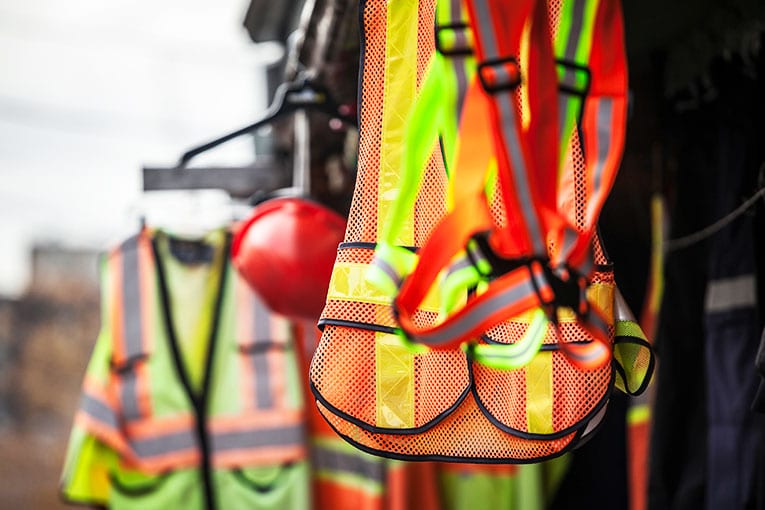
High Vis PPE
PPE is vital for safety in the workplace

As such, a proactive approach to safety can enhance the company’s reputation and contribute to improved employee loyalty and retention.

PPE is especially important in high-risk industries such as construction, manufacturing, healthcare, and laboratories, where exposure to hazardous substances and potential accidents is much more prevalent.

The use of PPE ensures the continuity of business operations by minimising work disruptions due to accidents or illnesses. 

When workers remain safe and healthy, absenteeism decreases, leading to enhanced productivity and reduced downtime.

What are the Benefits of Wearing PPE?

Using PPE offers a multitude of benefits for both employers and employees alike. 

Reduces Risk of Injury or Illness

Using the correct PPE significantly lowers the risk of injury or illness, and prevents a wide range of accidents, from minor incidents to life-altering mishaps. 

For instance, using appropriate gloves when handling hazardous chemicals can prevent skin irritation or burns.

Enhances Overall Workplace Safety

PPE can enhance overall workplace safety, and lead to fewer accidents and injuries. 

A safe work environment instils a sense of confidence and well-being in employees, leading to improved job satisfaction and reduced stress.

Reduces Medical Expenses & Insurance Costs

By preventing accidents and illnesses, PPE can lead to reduced medical expenses and insurance costs for businesses. 

Fewer accidents result in fewer worker compensation claims, saving both time and financial resources.

Fosters Positive Work Environment

Prioritising creating a safe workplace fosters a positive work environment, promoting teamwork and trust among employees. 

As a result, workers are more likely to feel valued and loyal to their employer, contributing to higher employee retention rates and increased productivity.

Enhances Compliance

In addition to the immediate benefits of PPE, employers also benefit from enhanced compliance with safety regulations and standards when they supply their workers with the correct PPE. 

Adherence to safety guidelines helps businesses avoid penalties and fines from regulatory bodies and creates a more positive image for the company.

Attracts Potential Clients & Investors

A good safety record can also attract potential clients and investors, who recognise the company’s commitment to responsible business practices. 

A positive reputation for safety can give a competitive edge to the business, making it an attractive choice for clients and investors.

Longer Term Financial Savings

By investing in PPE and prioritising safety, companies can reduce the costs associated with accidents and injuries, leading to long-term financial savings and increased profitability.

What Can Be Done to Ensure Correct Use of PPE?

Thank You Sign
Positive Signage Encourages Compliance. Image credit: Pixabay

Ensuring the proper use of PPE requires a comprehensive approach that involves employees, employers, and the organisational culture. 

Training and education are the cornerstones of proper PPE implementation. 

All employees must be trained on the potential hazards in their workplace, the appropriate PPE for each task, as well as the correct way to wear and maintain their equipment. 

Here are some ways you can ensure that PPE is used correctly within your organisation:

Provide Easy Access to the Correct PPE

Ensure that it fits well and is comfortable for the workers.

One-size-fits-all approaches may not be suitable for all employees, so it is vital to offer a range of sizes and styles to accommodate individual needs.

Regularly Inspect PPE

Identify any defects or signs of wear and tear, so that damaged or outdated equipment can be replaced.

Get Supervisors to Enforce PPE Usage

Management should lead by example, consistently wearing PPE, and address any non-compliance promptly.

Recognising and rewarding employees who consistently use PPE can also boost compliance.

Create an Open Communication Culture

Encourage open dialogue to foster compliance with PPE guidelines.

Employees should feel comfortable expressing their safety concerns and providing feedback on PPE usage and any challenges they may face.

Host Regular Safety Meetings

Organise regular huddles and staff meetings where PPE usage is discussed.

This provides an opportunity to address any issues and find practical solutions collaboratively.

Promote the Importance of PPE

Create and display safety campaigns and posters as reminders in prominent areas of the workplace.

Periodic PPE Policy & Practice Evaluation

This ensures they remain up-to-date and effective.

As workplaces evolve, so do the potential hazards, and adjustments to PPE guidelines may be necessary to keep workers protected.

Conclusion

Personal Protective Equipment (PPE) plays a pivotal role in safeguarding employee from workplace hazards.

Hopefully from this article you have gained an answer to the question of why is PPE important.

The diverse range of PPE options, from protective clothing to eye, respiratory, hearing, and head protection, ensures a comprehensive defence against potential accidents and illnesses when implemented and used correctly.

Using PPE is not only vital for protecting individual workers but it can also contribute to a safer work environment overall. 

The benefits of proper PPE implementation are manifold, ranging from reduced injury rates and medical expenses to improved employee morale and enhanced productivity.

The key to effective PPE usage lies in comprehensive training, easy access to equipment, regular inspections, and a culture that prioritises safety. 

Employers, employees, and organisational leaders must work together to foster a safety-first mindset.
Where are Fire Doors Required & Why Are They Needed?

One of the most common questions with regards to fire safety is where are fire doors required?

Fire safety is of paramount importance in any building or structure, and fire doors are an integral part of ensuring the safety and protection of occupants and property during a fire emergency. 

These specialised doors are meticulously engineered to serve as barriers against the rapid spread of fire, smoke, and toxic gases, effectively compartmentalising the building and providing valuable time for evacuation and firefighting efforts. 

In this article we will answer questions such as where are fire doors required, why fire doors are needed, what materials are used in their construction, what regulations that govern their installation, what safety checks are needed to maintain their functionality and what their cost implications are.

Where are Fire Doors Required?

Where fire doors are required is one of the most common questions raised by new business owners.

They are required by law in all properties that are for business or non-domestic usage.

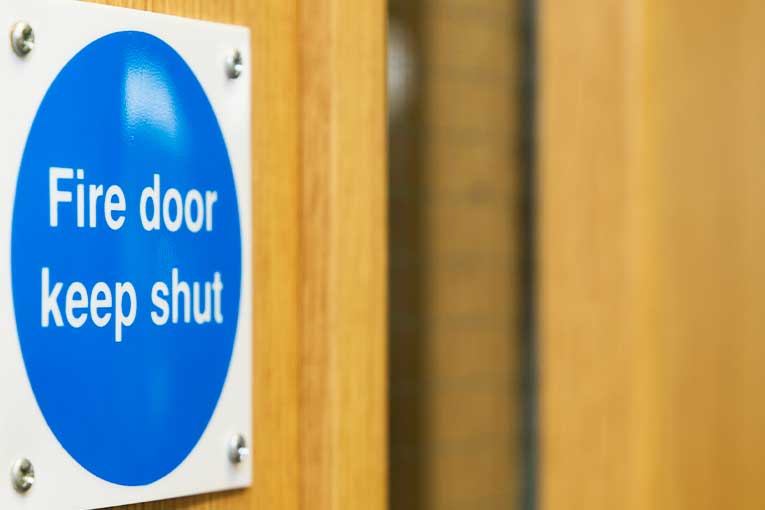
Close up of a fire door
Fire doors are vital for fire safety

Fire doors play an essential role in various settings to enhance fire safety and protect occupants from the dangers of fire incidents. 

They are strategically installed in a wide range of locations, including commercial buildings, residential buildings, industrial facilities, educational institutions, and healthcare facilities.

Commercial Buildings

Fire doors serve a critical role in securing escape routes during a fire emergency, providing occupants with a clear and safe path to evacuate the building. 

In various commercial settings, such as offices, hotels, restaurants, and shops, fire doors are essential for ensuring the safety of employees, customers, and visitors. 

These doors compartmentalise the building, containing the fire and allowing occupants to safely exit.

Similarly, in multi-occupancy residential buildings like apartments and care homes, fire doors play a crucial role in safeguarding residents. 

By preventing the rapid spread of fire between units, fire doors provide precious time for evacuation and help minimise the impact of the fire on the entire building.

Industrial Facilities

Industrial facilities, including manufacturing plants, warehouses, and storage areas, require fire doors to protect both employees and valuable assets. 

In these settings, the risk of fire can be significant due to the presence of flammable materials and machinery.

Fire doors play a crucial role in such environments by sectioning the building. 

In the event of a fire, the fire doors act as barriers, containing the fire to a specific area and preventing its rapid spread. 

This containment allows employees to safely evacuate the affected area and seek refuge in other fire-resistant compartments until help arrives.

By containing the fire, fire doors help to minimise damage to the facility, its contents, and the surrounding areas. 

They also provide additional time for emergency responders to arrive and mitigate the situation. 

This is vital in industrial settings where a rapid and uncontrolled fire could have catastrophic consequences for both human lives and business operations.

Educational Institutions

Fire safety is a top priority in educational institutions like schools, colleges, and universities, where the safety and well-being of students, staff, and visitors are of utmost importance. 

To achieve this, fire doors are strategically installed throughout the buildings.

In educational settings, fire doors are commonly found in corridors, classrooms, and assembly areas.

Healthcare Facilities

Healthcare facilities, including hospitals and clinics, must maintain a safe environment to protect patients and staff. 

Fire doors are a critical component of fire safety in healthcare settings, ensuring that patients can be evacuated safely and that critical areas, such as operating rooms and patient wards, remain protected.

Where are Fire Doors Required in a House?

In most residential properties, fire doors are not required by law, however there are exceptions to this rule. 

If the property is 3 stories or more, for example a block of flats, then a fire door is needed on every floor where a room connects onto the stairwell.

Also, if a garage connects directly to a property with access via a door, then the door must comply with fire safety regulations.

Some property owners install fire doors where not required by law, just to increase fire safety in the property. 

If fire doors are installed in a house, then they are strategically placed in key areas to prevent fire spread:

  • Kitchen: Fire doors in the kitchen separate it from living spaces, containing potential fires.
  • Garage: Fire doors are crucial if the garage has direct access to living areas.
  • Basement: Fire doors may be necessary in the basement to protect escape routes and contain fires.

What Do Fire Doors Do?

Fire doors serve as essential components of passive fire protection measures, providing critical barriers to contain flames, smoke, and toxic gases in the event of a fire. 

When a fire occurs, the proper functioning of fire doors can significantly impact the safety of building occupants and the overall integrity of the structure.

Fire doors can help stop fire spreading to other parts of buildings

One of the primary functions of fire doors is their ability to compartmentalise a building.

When closed, fire doors form a seal between different areas of the building, preventing the rapid spread of fire and smoke to other parts of the structure. 

By containing the fire to its point of origin, fire doors effectively limit the extent of damage and provide occupants with valuable time to evacuate the building safely.

What are Fire Doors Made From?

Fire doors are made from various materials with excellent fire-resistant properties, ensuring that they can withstand high temperatures and intense heat.

Timber

Timber is a commonly used material for fire doors, valued for its aesthetic appeal and reliable fire protection. 

Solid timber fire doors offer a classic and natural look, making them a popular choice for residential and commercial buildings alike. 

Timber fire doors are available in various finishes and can be customised to complement the overall interior design of a space. 

The thickness and quality of the timber used in the door’s construction determine its fire-resistant capabilities.

Steel

Steel fire doors are another widely used type of fire door, particularly in commercial and industrial settings. 

Steel doors offer exceptional strength and durability, making them suitable for high-traffic areas and locations with more stringent security requirements. 

Steel fire doors are commonly found in industrial and commercial properties

Steel fire doors can be coated with fire-resistant materials to enhance their fire resistance, and they are often used in facilities where protection against fire and potential break-ins is paramount.

Composite

Composite fire doors are a versatile option that combines various materials to provide enhanced fire resistance and durability. 

These doors typically feature a core made from fire-resistant materials, such as mineral wool or vermiculite boards, sandwiched between layers of other materials like timber, steel, or laminate. 

The combination of different materials in composite fire doors creates a door that is both robust and capable of withstanding the effects of fire for an extended period.

What are the Regulations of Fire Doors?

Fire doors play a crucial role in fire safety, and to ensure their effectiveness, they must adhere to specific regulations and standards. 

These standards are designed to test and assess the fire resistance and integrity of fire doors, ensuring that they can withstand the impact of a fire and provide adequate protection to occupants and property.

Fire Rating

One of the essential aspects of fire door regulations is the fire rating. 

Fire doors are rated based on their ability to withstand fire for a specific duration, usually indicated as 30, 60, or 90 minutes. 

This fire rating determines how long the door can effectively contain the spread of fire, smoke, and heat, providing occupants with valuable time to evacuate safely and emergency responders to take action.

Integrity

In addition to fire resistance, fire doors must also maintain their structural integrity during a fire. 

This means that they should prevent the passage of flames and smoke, forming a barrier that can effectively contain the fire to a specific area of the building. 

The ability of fire doors to maintain their integrity is critical in preventing the rapid spread of fire, protecting other parts of the building and allowing a more controlled response to the emergency.

Self-Closing Mechanism

Another essential feature of fire doors is the self-closing mechanism. 

Fire doors should automatically close and latch when not in use, ensuring that they are ready to act as a barrier in case of a fire. 

This self-closing mechanism helps prevent the accidental propping open of fire doors, which could compromise their effectiveness during an emergency.

Labelling

To provide clear and easily accessible information, fire doors should have appropriate labelling. 

The label on a fire door typically indicates its fire rating and compliance with safety standards. 

This labelling helps building occupants and emergency responders quickly identify fire doors and understand their fire resistance capabilities.

How are Safety Checks on Fire Doors Carried Out?

A proper safety check on fire doors is essential to ensure their functionality during an emergency, and has to be done by someone trained in fire door inspections.

Here are some key steps to include in a fire door safety inspection:

Check Closers

Verify that the door closes smoothly and latches securely without any obstructions.

Proper functioning closers are crucial to ensure that the door can effectively close and seal off the area in case of a fire.

Inspect Seals

Ensure that intumescent seals around the door frame and perimeter are intact.

These seals expand when exposed to heat, creating a barrier against the spread of flames and smoke.

Examine Hinges

Check for loose or damaged hinges that could affect the door’s performance.

Hinges should be in good condition and securely attached to the door and frame.

Look for Damage

Check for any cracks, holes, or damage that may compromise the door’s integrity.

Any damage to the door can weaken its ability to withstand fire and limit its effectiveness in containing flames and smoke.

Test Latching

Confirm that the latch engages correctly with the strike plate when the door is closed.

A properly functioning latch ensures that the door remains closed and prevents the passage of smoke and flames.

Evaluate Gap Sizes

Ensure that the gaps around the door are within the specified limits.

Properly sized gaps are essential for the door’s fire resistance, as excessive gaps can allow the passage of smoke and flames.

Regular fire door inspections are critical to maintaining their effectiveness in fire safety. 

If any issues are identified during the safety check, prompt repairs or replacements should be made to ensure that the fire doors are ready to perform their vital role in protecting lives and property during a fire emergency.

Changes in Regulations

As of January 2023, there have been significant changes to the fire door inspection regulations, due to the majority of fire doors in the UK failing inspections

Previously, inspections were conducted every six months to ensure compliance with fire door rules and regulations. 

However, with the new regulations in place, there are updated inspection frequencies for different types of fire doors:

Communal Fire Doors

These will now be expected to undergo inspection every 3 months.

This increased frequency aims to enhance safety and ensure that communal areas are adequately protected.

Fire & Escape Doors (FEDs)

FEDs will be subject to inspection at least once a year.

This measure aims to maintain the integrity of escape routes and vital access points in buildings.

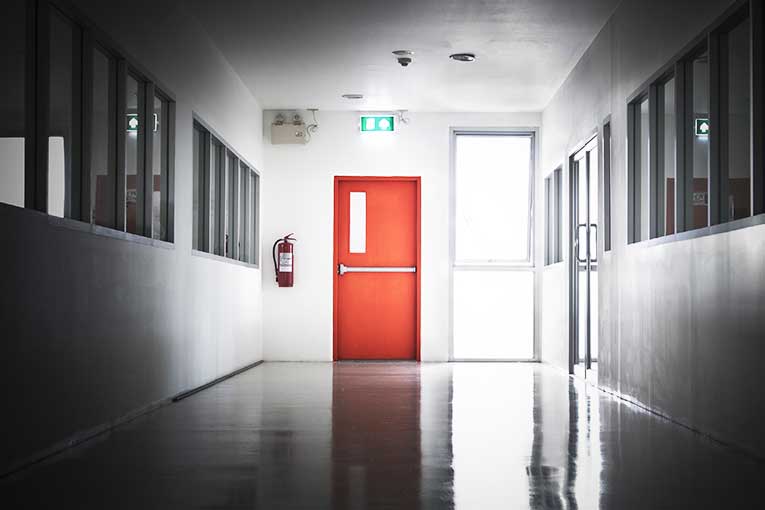
Fire and Escape doors need regular inspections to ensure maximum protection against fire

These changes reflect a more proactive approach to fire safety, ensuring that fire doors are regularly checked and maintained to meet the highest safety standards.

Can Fire Doors Have Windows?

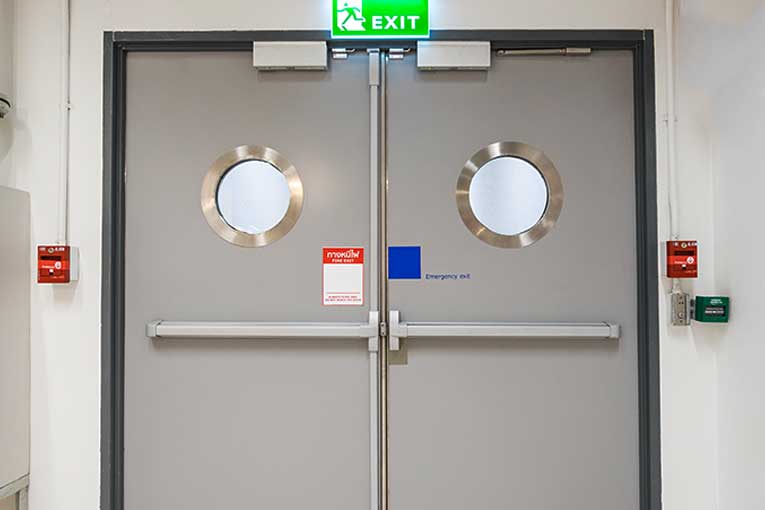
Fire doors are designed with the option of including vision panels that are equipped with fire-resistant glazing. 

These vision panels offer the advantage of visibility between different areas, allowing natural light to pass through while maintaining fire safety regulations. 

High-quality fire-rated glass can withstand temperatures of up to 900 degrees Celsius, over seven times that of normal glass. 

Moreover, it can maintain its integrity for over 60 minutes, effectively preventing the fire from spreading and providing ample time for evacuation and fire personnel to respond.

By following these regulations, property owners can strike a balance between safety and functionality, providing occupants with both fire protection and the convenience of visual communication within the building.

How Much Do Fire Doors Cost?

The cost of fire doors can vary significantly depending on several factors. 

The primary determinants of the price include the material used, the fire rating of the door, its size, and any additional features it may have. 

Here are some key factors that influence the cost of fire doors:

Material

Fire doors can be made from various materials, including timber, steel, and composite materials.

Each material has different characteristics and price points, with steel doors generally being more expensive than timber doors.

Fire Rating

Fire doors are assigned specific fire ratings, indicating the duration they can withstand exposure to fire.

Doors with higher fire ratings tend to be more expensive due to their increased fire resistance capabilities.

Size

The size of the fire door is another important factor in determining its cost.

Larger doors may require more materials and hardware, resulting in a higher price.

Additional Features

Some fire doors come with additional features, such as vision panels, glazing, or special hardware.

These features can add to the overall cost of the door.

The cost of a standard fire door can vary because of these factors, with a low-end fire door being rather low cost, to the upper end coming in with a price tag in the thousands. 

However, it is essential to consider that investing in high-quality fire doors is a crucial aspect of ensuring fire safety in any building. 

Fire doors play a critical role in preventing the spread of fire and protecting lives and property. 

Therefore, it is recommended to prioritise the quality and compliance of fire doors over cost considerations to ensure the utmost safety and security in the event of a fire emergency.

Conclusion

Fire doors are indispensable components of fire safety measures, protecting lives and properties during emergencies. 

Having an answer to the question of where are fire doors required, as well as their functions, materials, regulations, and safety checks is essential for creating a secure environment. 

Whether in commercial buildings, residential properties, or industrial facilities, the proper installation and maintenance of fire doors contribute significantly to fire prevention and enhanced safety for occupants.

How Many Types of Fire Are There?

Fire, as a natural phenomenon, has been intertwined with human history for millennia. 

It has served as a steadfast companion, offering warmth on cold nights, providing protection from predators, and allowing us to cook our food for sustenance. 

The mastery of fire was one of the defining moments of human evolution, enabling our ancestors to forge tools, tame the wilderness, and build thriving civilizations.

However, fire’s dual nature must not be overlooked. 

As much as it has been our friend, it can also be a formidable foe. 

When fire becomes unbridled and uncontrollable, it can wreak havoc, causing devastating consequences to lives, homes, and natural landscapes. 

The destructive power of wildfires, building fires, and industrial accidents reminds us of the need for vigilance and preparedness in the face of this primal force.

To navigate the complexities of fire and its potential dangers, understanding how many types of fire there are, as well the differences between them is of paramount importance. 

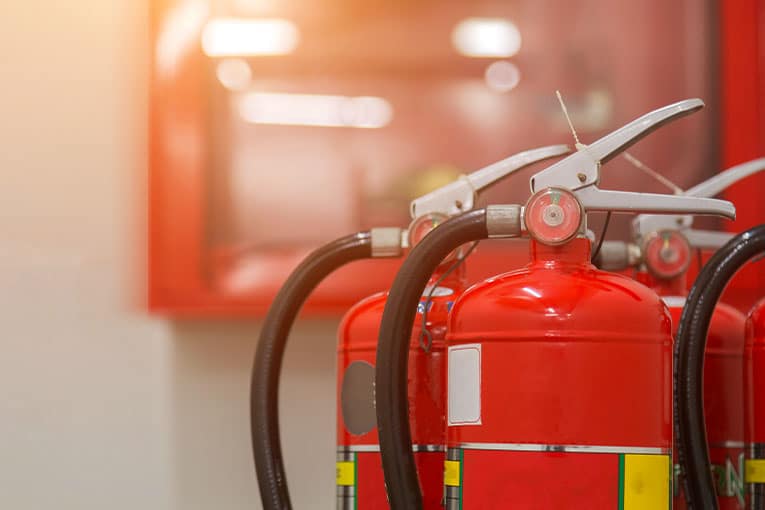
Different types of fire extinguishers
Knowing the right fire extinguisher for the right fire type is vital

Different types of fires arise from a diverse range of materials, each requiring an evolution of fire safety and a tailored approach for effective extinguishing. 

From the common Class A fires involving ordinary combustible materials to the specialised challenges of Class D fires involving combustible metals, a comprehensive knowledge of fire classifications empowers us to respond confidently and responsibly to fire emergencies.

How Many Types of Fire Are There?

There are six main classes of fires, each involving different materials and posing unique challenges for firefighting:

1. Class A – Solids

2. Class B – Liquids 

3. Class C – Gasses

4. Class D – Metals

5. Class F – Oils and Fats

6. Electrical Fires – These are not given their own class, as they can fall into any of the above categories, however due to the different requirements of electrical fires we will be covering them here. 

What are Class A Fires?

Class A fires are the most common type of fire encountered in various settings, ranging from residential homes to commercial offices and public spaces. 

These fires are characterised by their ignition of ordinary combustible materials, which are readily available in our everyday surroundings. 

Understanding the nature of Class A fires and how to handle them is crucial for effective fire safety and prevention.

The fuel sources that feed Class A fires include materials such as wood, paper, cloth, cardboard, and common plastics. 

These materials are typically found in abundance in residential and commercial spaces, making Class A fires a significant concern for fire safety.

How Do You Extinguish a Class A Fire?

The primary method for extinguishing Class A fires is to use water or water-based extinguishers. 

Water is a versatile and readily available firefighting agent that cools down the burning material, reducing the heat and ultimately smothering the flames. 

By removing the heat element of the fire triangle (heat, fuel, and oxygen), water effectively puts out the fire and prevents re-ignition.

When using water to extinguish Class A fires, it is essential to apply the water directly to the base of the flames. 

This ensures that the water reaches the burning material and cools it down, preventing the fire from spreading further. 

A class A fire
Class A fires are one of the most common types of fire

If possible, avoid spraying water directly onto electrical equipment or live electrical wires to prevent electric shock and potential electrocution hazards.

Another effective method to combat small Class A fires is by using fire blankets. 

Fire blankets are made of fire-resistant materials and can be quickly deployed to smother flames. 

They work by cutting off the oxygen supply to the fire, suffocating it and extinguishing the flames. 

Fire blankets are particularly useful for smothering fires on clothing, curtains, or small household items.

What are Class B Fires?

Class B fires pose a unique set of challenges due to the involvement of flammable liquids such as gasoline, oil, grease, and alcohol. 

These fires can occur in various settings, including kitchens, garages, workshops, industrial facilities, and places where flammable liquids are stored or used. 

Understanding how to handle Class B fires is crucial for effective fire safety and prevention.

Flammable liquids are highly volatile and can ignite easily, making Class B fires more intense and difficult to control compared to Class A fires. 

When a flammable liquid catches fire, it can quickly spread and produce intense flames, creating a dangerous and rapidly evolving situation. 

Additionally, flammable liquid fires can re-ignite if not fully extinguished, making them particularly challenging to manage.

How Do You Extinguish a Class B Fire?

To effectively control and extinguish Class B fires, it is crucial to use the appropriate firefighting agent. 

Water is generally not recommended for Class B fires as it can cause the flammable liquid to spread, potentially making the fire more dangerous. 

This class of fire also includes Lithium-ion battery fires, which is currently one of the causes of fire that is drastically on the rise. 

Instead, foam-based extinguishers or dry chemical extinguishers are the preferred choices for combating Class B fires.

Foam-based extinguishers work by covering the flammable liquid with a layer of foam, creating a barrier that prevents the release of flammable vapours and cutting off the oxygen supply to the fire. 

This smothers the flames and cools down the burning liquid, eventually extinguishing the fire.

Dry chemical extinguishers, on the other hand, are effective for Class B fires because they disrupt the chemical reaction of the fire. 

These extinguishers release a fine powder that separates the fuel from the oxygen, extinguishing the flames. 

They also work well on Class A fires, making them versatile and useful in various fire situations.

It is important to remember that when dealing with Class B fires, safety is paramount. 

Before attempting to extinguish a fire, assess the situation and ensure you have an escape route in case the fire becomes uncontrollable. 

If the fire continues to spread or becomes too intense, evacuate the area immediately and call the emergency services for professional assistance.

What are Class C Fires?

Class C fires involve flammable gases, which can create a hazardous and potentially explosive atmosphere. 

These fires present unique challenges and require specific precautions to ensure safety and prevent accidents. 

Class C fires pose a significant threat to locations like manufacturing and industrial warehouses, chemical plants, and facilities storing substantial quantities of flammable gases. These settings are particularly vulnerable to these types of fires.

Understanding the risks associated with flammable gases and implementing proper safety measures is crucial in managing Class C fires.

How Do You Extinguish a Class C Fire?

Extinguishing a Class C fire requires a methodical and cautious approach due to the volatile nature of flammable gases involved. 

When facing such a fire, two crucial steps come into play: shutting off the gas supply and utilising a dry powder extinguisher.

The first and most crucial step is to quickly shut off the gas supply at its source. 

This action prevents the continuous flow of fuel to the fire, thereby hindering its ability to grow and spread. 

Cutting off the gas supply is paramount to prevent the fire from intensifying and posing a greater threat to individuals attempting to extinguish it and those nearby.

After successfully shutting off the gas supply, the use of a dry powder extinguisher is recommended for extinguishing the Class C fire. 

Dry powder extinguishers are specifically designed to combat fires involving flammable gases effectively. 

The dry powder agent works by smothering the flames, cutting off their oxygen supply, and interrupting the fire’s chemical chain reaction, which leads to its rapid extinguishment.

It is important to note that while dry powder extinguishers are effective for Class C fires, water-based extinguishers should never be used in this scenario. 

Water-based extinguishers may cause the fire to spread or result in an explosion due to the reactive nature of certain flammable gases.

Additionally, individuals attempting to extinguish a Class C fire should prioritise their safety at all times. 

If the fire is beyond their control or if they are unsure about the gas source, it is best to evacuate the area immediately and call for professional help. 

The handling of Class C fires requires a level of expertise and knowledge to ensure the safety of both individuals and property

What are Class D Fires?

Class D fires present a unique and highly hazardous situation, involving combustible metals such as magnesium, titanium, potassium, sodium, and lithium. 

These fires can be particularly dangerous due to the reactive properties of these metals, which make them prone to violent and rapid combustion when exposed to air or water. 

The presence of combustible metals in specific industrial settings or laboratories increases the risk of Class D fires, and proper precautions must be taken to handle and store these materials safely.

One of the critical challenges in dealing with Class D fires is the limited effectiveness of conventional firefighting methods. 

Water, commonly used to extinguish other types of fires, can exacerbate Class D fires. 

When water comes into contact with burning combustible metals, it reacts vigorously, releasing hydrogen gas, intensifying the fire, and causing potential explosions.

How Do You Extinguish a Class D Fire?

To extinguish Class D fires safely and effectively, specialised dry powder extinguishing agents must be used. 

These agents, typically made of sodium chloride or graphite-based compounds, form a smothering layer over the burning metal, cutting off the supply of oxygen and heat. 

This action disrupts the combustion process and gradually cools the metal, leading to the fire’s suppression.

Due to the specialised nature of Class D fires and the need for specific extinguishing agents, it is essential to have personnel trained in handling such emergencies. 

Firefighters and other responders must be equipped with the appropriate dry powder extinguishers and knowledgeable about the risks and characteristics of combustible metal fires. 

These fires can be unpredictable and require careful planning and coordinated efforts to control and eliminate them safely.

What are Class F Fires?

Class F fires, also known as cooking oil fires or fat fires, are a specific type of fire that commonly occurs in commercial kitchens, restaurants, and other food preparation areas. 

These fires involve cooking oils and fats and can quickly escalate into intense and challenging situations to control.

The high temperatures used in cooking, especially deep frying, can cause cooking oils and fats to reach their autoignition point, leading to spontaneous combustion. 

Once ignited, the flames can rapidly spread and generate intense heat, posing a severe threat to kitchen staff, customers, and the entire building.

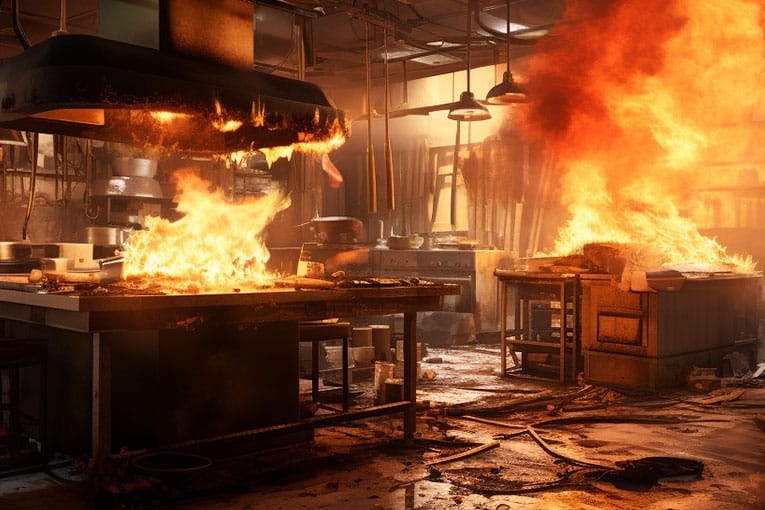
A Class F kitchen fire
Class F fires can be incredibly dangerous due to the oil involved

One of the primary reasons Class F fires are so dangerous is that water, a common extinguishing agent used for other types of fires, is ineffective and dangerous when applied to cooking oil fires. 

When water comes into contact with hot oil, it instantly vaporises and expands, splattering the burning oil and spreading the fire further. 

This reaction can cause severe burns and injuries to anyone nearby.

Knowing how to protect from kitchen fires is of vital importance to anyone working in the restaurant industry. 

How Do You Extinguish a Class F Fire?

The most effective method to extinguish Class F fires is to smother the flames with a fire blanket or use a wet chemical extinguisher specifically designed for cooking oil fires. 

Wet chemical extinguishers contain a special solution that creates a thick, soapy foam, which cools the burning oil, forms a barrier, and prevents the release of flammable vapours. 

This action starves the fire of oxygen, extinguishing it safely and effectively.

Preventing Class F fires involves implementing several safety measures in commercial kitchens and food preparation areas. 

Regular cleaning and maintenance of cooking equipment, ventilation systems, and hoods help reduce the buildup of grease and oil residues that could fuel a fire. 

Additionally, kitchen staff should be properly trained in fire safety, including the proper use of fire extinguishers and the importance of using fire blankets when dealing with cooking oil fires.

Commercial kitchens should have well-maintained fire suppression systems, such as automatic fire suppression systems installed in hoods above cooking areas. 

These systems can quickly detect and suppress cooking oil fires, minimising the risk of fire spreading to other parts of the kitchen.

What are Electrical Fires?

Electrical fires are a prevalent and concerning type of fire that poses a significant risk in modern life. 

Unlike other classes of fire (Class A, B, C, etc.), electrical fires are not categorised under a specific class. 

Instead, they are a distinct category of fires caused by electrical faults and malfunctions. 

These fires can result from various factors, such as faulty wiring, overloaded circuits, damaged appliances, or improper use of electrical equipment.

Damaged electrical equipment is one of the main causes of fires

Over time, electrical wires can deteriorate, become frayed, or develop loose connections. These issues create resistance and generate heat, which can ignite nearby combustible materials. 

Similarly, overloaded circuits, often caused by plugging too many electrical devices into a single outlet or circuit, can lead to overheating and ultimately trigger an electrical fire.

Another common cause of electrical fires is damaged appliances and electrical equipment. 

Ageing or poorly maintained appliances can develop electrical faults, leading to short circuits and fires. 

Electrical fires can also be triggered by the misuse of electrical equipment, such as using extension cords or power strips inappropriately or using appliances with damaged cords or plugs.

How Do You Extinguish an Electrical Fire?

In the event of an electrical fire, using water to extinguish the flames is extremely dangerous due to the risk of electrical shock. 

Instead, it is best to de-energize the electrical source by shutting off power at the circuit breaker or main electrical panel, if safe to do so. 

For smaller electrical fires, a Class C fire extinguisher or a dry powder extinguisher can be used. 

However, it is essential to prioritise personal safety and evacuate the area if the fire becomes uncontrollable.

To prevent electrical fires, regular electrical inspections and maintenance are essential. 

Homeowners and businesses should have their electrical systems inspected by qualified electricians to identify and address any potential issues. 

It is crucial to avoid overloading circuits, use proper wattage bulbs in light fixtures, and refrain from using damaged electrical equipment.

Conclusion

Understanding how many types of fire there are, and the appropriate methods to extinguish them is vital for everyone’s safety. 

In case of an emergency, knowing how to act quickly and effectively can make a significant difference in protecting lives and property. 

Fire safety training, having the right fire extinguishers, and staying informed about potential hazards are all crucial steps towards ensuring a safer environment for ourselves and those around us. 

With the current shift to electric cars, and the rise in the usage of lithium-ion batteries, it is now more important than ever to understand the difference in fire types and how to safely deal with them, with lithium-ion battery fires costing the UK £158 million a year alone

Let us all be proactive in fire prevention and response to mitigate the risks of fire-related incidents and create a safer world for everyone.

Hochiki fire system installed at Italian food production site

In 1959, eight dairies in the Parmigiano Reggiano area founded the CCS Consorzio Caseifici Sociali. Over the years, the business expanded to include the production and maturing of Parmigiano Reggiano.

In 1995, the Granterre Consortium was established, bringing together the entire Parmigiano Reggiano dairy chain, and then almost ten years later, in 2004, control of Parmareggio Spa was acquired. In 2019 Bonterre Spa, the holding company under which the control of Parmareggio Spa and Grandi Salumifici Italiani Spa (controlled by UNIBON) was established.

Then in 2021, Agriform Sca (leader in the production of Grana Padano PDO and the main Veneto PDOs such as Asiago, Piave, Montasio and Monte Veronese) merged with Parmareggio Spa to create the first Italian company in the world of PDO cheeses and cemented this new company as the leader in the Italian food industry.

New company requires fire safety upgrade

In 2021, the site at Sommacampagna required an upgrade of the fire detection system. Hochiki were the appointed manufacturers to supply the life safety system and devices due to their experience and expertise in the Italian fire safety market.

Within food production sites, the temperature and humidity inside the environment must be carefully controlled to comply with food hygiene laws, and because of this, these sites can be notoriously complex buildings to design and install fire safety systems for. The customer was looking for a high-performance fire detection system that would not be affected by these environmental factors, and most importantly avoid false alarms which can halt production and cost the company thousands of Euros for every minute the site is not fully operational.

The installation team also needed to pay particular attention to the installation of cables and piping. As a specialist in aged cheese production, it was imperative that the delicate work of the cheese wheels and the hot marking of the upper layer of the Parmesan rind was not affected during the installation project. One of the benefits to Hochiki products to this project was the ease of install and ease of use of the devices which had minimal impact on the business.

To meet the requirements of the project, the installer NET Technologies Srl chose Hochiki’s market leading system L@titude to be the brain of the life safety system. This innovative fire detection technology combines the very latest hardware and software to produce a control and indication system which is powerful and sophisticated, yet simple to use and understand via a graphical interface.

Mirko Corsini, project manager at Hochiki Italia said: “The installer chose Hochiki’s L@titude panel together with our SPC-ET beam smoke detectors, which are characterised by low power consumption at rest and incorporate a sophisticated algorithm of automatic compensation to environmental changes.

The technical features of these products make them perfect for meeting the needs of this type of food processing environment. The flexibility of the Hochiki ESP protocol made it possible, through the CHQ-SZM2/SCI Zone Modules, to integrate conventional detectors (SPC-ET) as if they were addressable devices, without having to use auxiliary power supplies that would have required additional cables and batteries.”

Detectors with short circuit isolators were installed to ensure the system complied with the requirements of UNI EN 9795, which states that a short-circuit isolator must be installed for each room/compartment.

Intelligent Photoelectric Smoke detector with SCI incorporates Hochiki’s newest High Performance Chamber Technology. This detector removes the need to use Ionisation Smoke Sensors in many applications. This also allows the sensor threshold level to be increased, thereby improving the signal to noise ratio, and reducing the likelihood of false alarms.

Throughout the site Intelligent Loop-Powered Wall Sounder Beacons and Visual Alarm Devices were installed to ensure a fully compliant and state of the art fire safety system.

Commenting on the project, Fabrizio Bergamin, Technical Coordinator at the installer company NET Technologies srl, said: “We chose Hochiki devices and system because of the technical characteristics and reliability that this brand offers, as well as a wide range of products that fully meet market demands. Post commissioning of the project, the operating conditions envisaged in the design phase have been amply met. Over the course of the next year, there will be further implementations of the fire detection system at the Parmareggio production site, with distributed intelligence solutions or with several autonomous and networked L@titude control panels.

During the project we have had to deal with several technical design studios to solve various kinds of system problems; a fundamental role, together with the products they offer, is played by the Hochiki Italia technical support. They have responded competently to regulatory and design aspects, as well as proposed solutions for applications”.

MoviTHERM’s IoT tech enables early fire detection applications

MoviTHERM has launched iEFD Cloud – a secure cloud-based software application to support its iEFD Early Fire Detection series of solutions. The iEFD solution leverages the industrial internet of things (IIoT) to connect thermal imaging cameras, heat and smoke sensors to detect early fire formation at various stages and conditions.

The new cloud application provides real-time situational awareness to facility operators, employees, and first responders. The IoT solution alerts users of potential fire formation, helping prevent disasters.

The iEFD Cloud software has many built-in features that provide situational awareness to anyone who works in a high fire risk environment.

Markus Tarin, President and CEO, MoviTHERM said: “The days of expensive and overly complicated fire detection systems are over. Our iEFD solution provides optimal situational awareness that benefits both operators and first responders.”

Warehouse company fined after employee killed in electrical incident

A warehouse management solutions company has been fined after an employee was killed in an electrical incident while servicing an air compressor.

Maidstone Magistrates’ Court heard that on 8 December 2017, Andrew Meade was carrying out pre-planned maintenance on an air compressor at a distribution centre in Gravesend, when he was electrocuted. He was not found for more than an hour following the incident. His injuries were fatal.

An investigation by the Health and Safety Executive (HSE) found that the control measures in place to prevent contact with electricity during maintenance activities were not suitable or sufficient. The electrical systems had not been tested or visually inspected since installation, and an incorrect isolating switch had not been identified.

Logistex Limited of Kettering Parkway, Kettering, Northamptonshire pleaded guilty to breaching Section 2(1) of the Health and Safety at Work Act 1974. The company was fined £180,000 and ordered to pay full costs of £23,358.16.

Speaking after the hearing, HSE inspector Joanne Williams said: “Poorly maintained electrical installations and faulty electrical appliances can kill or severely injure people; and cause damage to property.

“This was a wholly avoidable incident, caused by the failure of the company to implement safe systems of work and identify the risks. Had the company identified the correct isolation point for the compressor and ensured that employees were sufficiently trained and supervised in the lock off procedures expected of them then this fatal incident would not have occurred.”

NFPA releases new warehouse fire safety fact sheet

On the heels of last month’s well-attended Considerations for Warehouse Fire Safety webinar for contractors, installers, engineers, facility managers, and code officials, the National Fire Protection Association (NFPA) has released a Warehouse Fire Safety Fact Sheet.

The new resource provides warehouse safety statistics; identifies key benchmarks that are available for those responsible for warehouse safety; and summarises best practices for keeping storage structures, contents and occupants safe from harm.

With more and more businesses looking for storage space to meet online shopping and shipping demand, warehouse fire safety is at the forefront these days – or should be.

Several recent large scale warehouse fires including the epic explosion in Beirut, Lebanon, a suspicious fire at an Amazon distribution center in Redlands, California, and a relentless blaze at a recycling facility in South Carolina have also prompted interest in warehouse fire safety.

NFPA research shows that warehouse fires happen at a frequent rate with an average of 1,410 warehouse fires, two deaths, 20 injuries, and an estimated $159.4 million in direct property damage annually.

To help warehouse operators and code officials reduce risk, NFPA developed a new at-a-glance fact sheet that draws on the guidance found in NFPA 13, Standard for the Installation of Sprinkler SystemsThe piece covers:

  • Warehouse Fire Data
  • Responsibility for Safety
  • Commodity Classification
  • Sprinkler Design
  • Management of Change
  • Inspection, Testing and Maintenance
  • Fire Prevention Measures
  • Importance of ITM

NFPA has a myriad of resources related to warehouse fire safety including the recent warehouse fire safety webinarincident informationreports, and suppression related research including new information on Early Suppression

Fast Response (ESFR) sprinklers,  which are often installed in warehouses to avoid installation of in-rack sprinklers.

C-TEC’s CAST XFP specified for high-tech logistics site

C-TEC’s innovative CAST XFP addressable fire alarm system has been specified for a high-tech logistics site in County Durham.

Established in 1954, Stiller Warehousing & Distribution Ltd is one of the UK’s leading specialists in the storage and distribution of palletised goods with a turnover of £14M.

The purchase of a new 94,000 sq ft site to accommodate existing client growth led to the company approaching Key Security Group to design, supply and install a fire system to meet the site’s specific requirements. However, due to a major order and a delivery that would fill up the entire warehouse, the installation had to be completed within two weeks. 

Tony Leck, Key Security’s Head of Systems said: “The tight two-week timescale presented a big commitment due to the sheer size of the building. As a swift installation was required, we specified C-TEC’s robust and easy-to-install CAST addressable system.

“With a short-circuit loop isolator in each device to simplify fault-finding, multi-level addressing for easy device addition and two speedy programming options, we were confident CAST XFP could be installed quickly and meet the requirements for a first class intelligent fire system for the site.”

In a project undertaken by Key Security’s own specialist fire engineers and managed by Tony Leck, a 2-loop 32-zone CAST addressable fire panel connected to over 500 CAST XFP detectors, sounder VADs and multi-sensors was installed.

Third-party manufactured beam detectors were also interfaced to the system via CAST XFP input output units to cover the vast warehouse space. The system was then commissioned by Key, all within the two-week deadline.

Tony added: “C-TEC’s CAST system is very intuitive, easy-to-install and proved ideal for this time-tight installation. C-TEC also offer a fantastic technical support service and are always available to answer any enquiries which is great when you are on site. CAST is a powerful high-quality fire system and definitely our system of choice for future projects.”