Eccotarp introduces Foldable Drain Cover for spill response and environmental protection

The Foldable Drain Cover (FDC) developed by Eccotarp is designed to help prevent hazardous liquids from entering drainage systems during spill incidents and environmental protection emergencies.

According to the manufacturer, the product is intended for rapid deployment on steel and horizontal plastic drain grates, including those with side inlets or gullies. It is used in spill response situations to help contain liquids at the source and reduce the risk of environmental contamination.

The drain cover is described as foldable, reusable and chemically resistant, and is designed to be applied directly onto a cleaned drain surface with a flexible sealing membrane that uses pressure differences to help improve contact with uneven surfaces.

Eccotarp states that the product is suitable for use across a range of applications, including emergency response operations and industrial environments, and can be deployed on different types of drainage systems.

The Foldable Drain Cover is made from a combination of flexible magnetic and chemical-resistant foil materials and is designed to be compact for transport and storage, allowing it to be carried and deployed when required in spill situations.

The company says the product is part of its wider range of spill containment solutions used to support emergency responders and industry in managing accidental releases of hazardous substances.

The company is showcasing the Foldable Drain Cover at Booth E13, Hall 17, where it will be available for demonstration to visitors and industry professionals.

Jamaica Fire Brigade receives helmets donation from Rosenbauer America following Hurricane Melissa

Helmets donation to support Jamaica Fire Brigade

Rosenbauer America has donated 99 HEROS Titan Pro firefighting helmets and maintenance parts to the Jamaica Fire Brigade following Hurricane Melissa in late 2025.

Rosenbauer America confirmed the donation, valued at $61,647 USD, was provided in response to a request coordinated by National Safety LTD, its authorised dealer in Jamaica.

Hurricane Melissa struck Jamaica in late October 2025 as a severe storm and caused widespread damage across communities, placing pressure on emergency response resources.

National Safety LTD led outreach to industry partners in the weeks after the storm to secure equipment support aimed at restoring operational readiness for firefighters across the island.

Equipment details and response from organisations

The helmets supplied are Rosenbauer HEROS Titan Pro models and are accompanied by maintenance parts intended to support continued use during recovery and routine operations.

The Jamaica Fire Brigade (JFB) is expected to use the equipment to maintain frontline response capability while recovery work continues.

National Safety LTD stated: “On behalf of the Commissioner, we extend the Jamaica Fire Brigade’s sincere appreciation for this timely and impactful donation.

“These helmets will meaningfully support the men and women who continue to serve communities despite resource challenges.

“This contribution will enhance the Brigade’s firefighting and rescue capabilities, and the JFB is grateful to Rosenbauer America for its support.”

Joe Caughey, Director of Firefighting and Body Components for Rosenbauer America, said: “Supporting firefighters—wherever they serve—is fundamental to who we are.

“We are honored to contribute equipment that will help strengthen safety and readiness for the Jamaica Fire Brigade as their communities rebuild.”

Rosenbauer America has previously supported the Jamaica Fire Brigade, including supplying 30 fire apparatus in 2021 from its Wyoming, Minnesota campus.

Unstoppable lantern: Nightstick’s INTEGRTIAS 84

The INTEGRITAS™ 84 from Nightstick provides 600 lumens of adaptable light, designed for hazardous environments and tough jobs

When safety, reliability and adaptability are non-negotiable, the INTEGRITAS™ 84 Intrinsically Safe Rechargeable Lantern steps to the plate.

Certified for hazardous environments

The INTEGRITAS™ 84 is engineered to handle some of the most demanding environments.

It is certified by Intertek for ATEX Zone 0 compliance, making it suitable for use in areas where flammable gases or vapours are expected to be present.

Additional certifications include INMETRO, KOSHA and IECEx, ensuring compliance with international safety standards.

Engineered for flexibility, the charger can be mounted in any position on the apparatus, making reliable lighting accessible exactly when and where it’s needed.

Versatile and efficient lighting

With a maximum output of 600 lumens, the lantern provides bright, dependable illumination for up to 13 hours on a full charge.

A 180-degree articulating head ensures the light can be positioned precisely where needed, whether for overhead lighting or focused tasks.

For extended runtime, the lantern includes a 250-lumen low mode.

Users can activate this mode by holding down the power switch, allowing for up to 25 hours of illumination when prolonged use is required.

Built for tough conditions

Constructed from thick-walled glass-filled nylon, the INTEGRITAS™ 84 is both lightweight and robust, weighing only 2 lbs.

11 oz.

The over-moulded rubber handle and carry strap enhance grip and comfort, even in challenging conditions.

Designed to endure the toughest industrial environments, the lantern’s rugged exterior is complemented by its rare earth magnets, offering a 25 lb.

pull force for secure attachment to metal surfaces.

This hands-free capability allows users to focus on tasks without the need to hold the lantern.

Enhanced visibility for safety

The INTEGRITAS™ 84 FEATURES two additional rear-facing green LEDs for passive team support and visibility, allowing team members to easily locate one another in poor conditions.

Green is always chosen for Nightstick “follow me” lights since it’s found in the middle of the electromagnetic spectrum and the easiest color to see in low light.

It is powered by a rechargeable lithium-ion battery, and is IP-67, making it resistant to dust and fine particles as well as being 100% waterproof.

The package includes a charger base, AC and DC chargers and a carry strap.

Combining safety, durability and adaptability, the INTEGRITAS™ 84 Intrinsically Safe Rechargeable Lantern is a versatile tool and a dependable choice for tackling the most challenging environments.

This article was originally published in the February 2025 issue of International Fire & Safety Journal – to read your FREE digital copy, click here.

List of Firefighting Equipment

Firefighting equipment is what helps firefighters to extinguish flames, ensuring the safety of lives and property, and the varied list of firefighting equipment shows how diverse firefighting really is. 

From traditional tools like fire extinguishers to cutting-edge technology such as thermal imaging cameras, each item plays a crucial role in a firefighter’s arsenal. 

In this article, we’ll explore the diverse list of firefighting equipment, shedding light on their functions and importance in the face of fire emergencies.

What is Firefighting Equipment?

Firefighting equipment encompasses a diverse range of tools, devices, and protective gear specifically designed to combat and manage fires effectively. 

These crucial elements are essential for firefighters in their mission to extinguish flames, rescue individuals, and mitigate the impact of fire emergencies. 

Each piece of equipment serves a unique purpose in the complex and challenging task of firefighting.

Firefighting equipment is not only about extinguishing flames but also about ensuring the safety of those on the front lines. 

Protective gear, such as fire suits and gloves, shields firefighters from extreme heat, allowing them to navigate hazardous environments. 

The continuous advancements in firefighting equipment underscore a commitment to improving the efficiency, safety, and overall effectiveness of firefighting operations.

Firefighting equipment is the lifeline for those who risk their lives to protect communities and properties from the devastating impact of fires.

List of Firefighting Equipment

Firefighting equipment constitutes a comprehensive arsenal designed to combat fires of varying intensities and types. 

Each tool plays a crucial role in ensuring the safety of firefighters and the effectiveness of fire suppression efforts.

Fire Extinguishers

fire extinguisher firefighting equipment

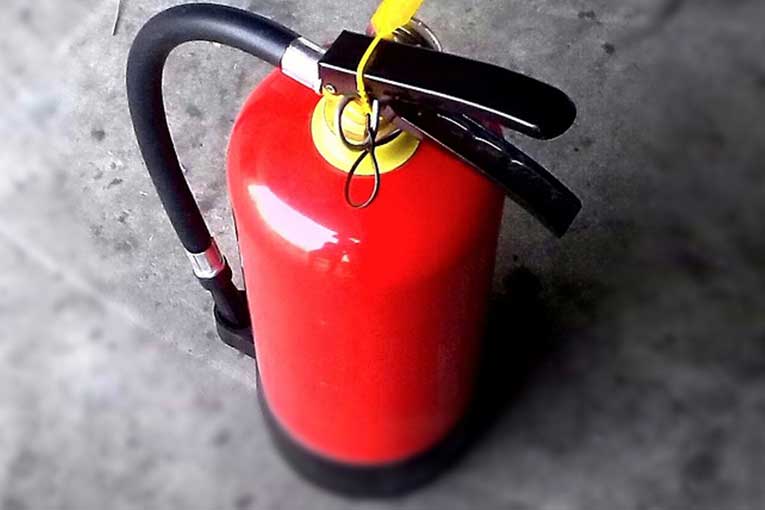
Portable and versatile, fire extinguishers are essential for promptly suppressing and extinguishing small fires. 

There are many different types of fire extinguisher, each containing specific firefighting agents such as water, foam, dry powder, or CO2. 

The diversity in extinguisher types ensures flexibility in addressing different classes of fires—whether involving ordinary combustibles, flammable liquids, electrical equipment, or gases. 

This adaptability allows firefighters and individuals to employ the most suitable extinguishing agent, enhancing the effectiveness of fire suppression efforts across a wide range of fire scenarios.

Fire Extinguisher Ball

fire extinguisher ball firefighting equipment
Source: Amazon

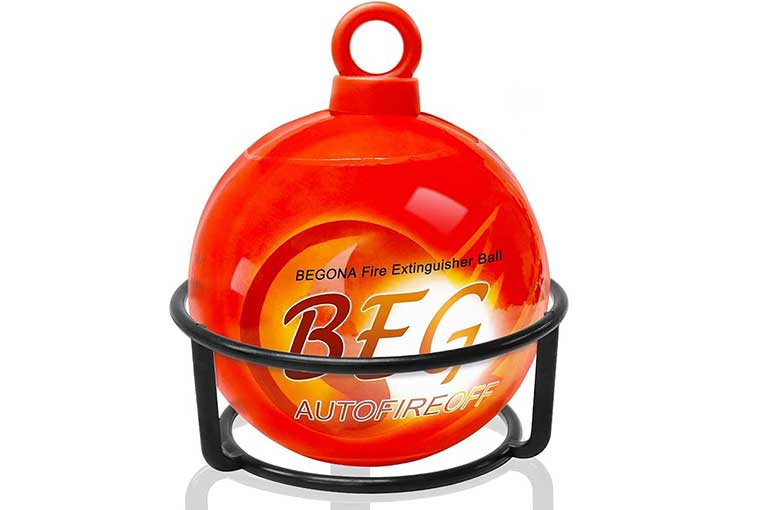
An innovative self-activating fire suppression system, the Fire Extinguisher Ball offers a unique approach to firefighting. 

When exposed to flames, the ball bursts autonomously, releasing a fine powder that swiftly and effectively extinguishes the fire. 

This ingenious device is particularly advantageous in confined spaces or areas with limited accessibility, where traditional firefighting methods might face challenges. 

The Fire Extinguisher Ball’s ability to initiate fire suppression independently makes it a valuable addition to fire safety measures, ensuring a rapid response even in scenarios where immediate human intervention may be difficult.

Fire Hoses

fire hose firefighting equipment

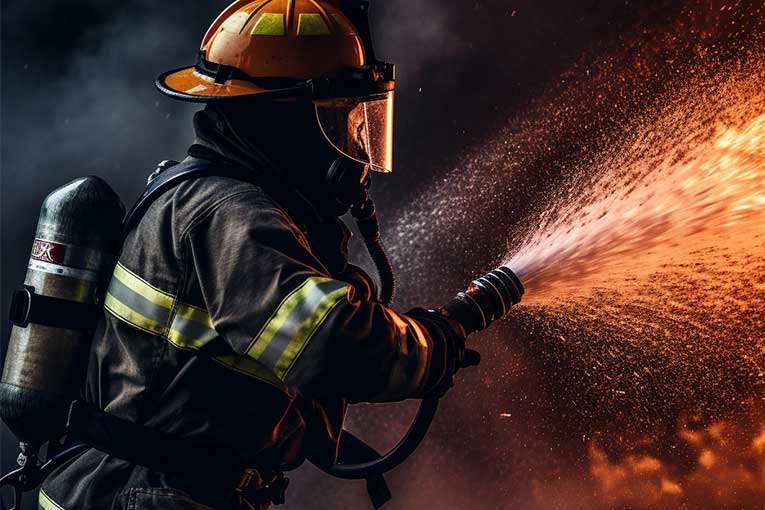
As one of the most prevalent tools in large-scale firefighting, fire hoses are indispensable for firefighters combating significant flames. 

These flexible and robust hoses serve as critical conduits, allowing the directed flow of water onto the fire. 

Their length and adaptability empower firefighters to reach remote or challenging locations, providing a versatile means of effectively delivering water to suppress fires. 

The strategic use of fire hoses enhances the agility and reach of firefighting efforts, enabling responders to address fires in diverse environments and mitigate potential challenges posed by the fire’s scale and intensity.

Hose Jets

fire hose firefighting equipment

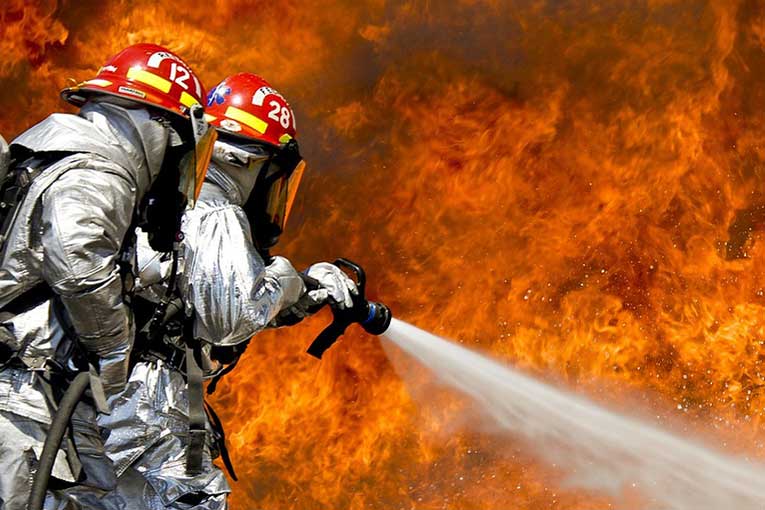
Hose Jets represent heightened firefighting capabilities, requiring the collaboration of two firefighters to handle their extra power. 

These specialised tools offer an elevated force and flow, allowing firefighters to exert increased control over the extinguishing process. 

With the ability to adjust the jet stream, firefighters enhance precision in directing water onto the flames, addressing specific firefighting requirements. 

The collaborative use of Hose Jets reflects a strategic approach, amplifying the effectiveness of firefighting efforts in scenarios where a more robust and targeted water delivery is essential to combat fires of greater scale or intensity.

Fire Buckets

fire buckets firefighting equipment

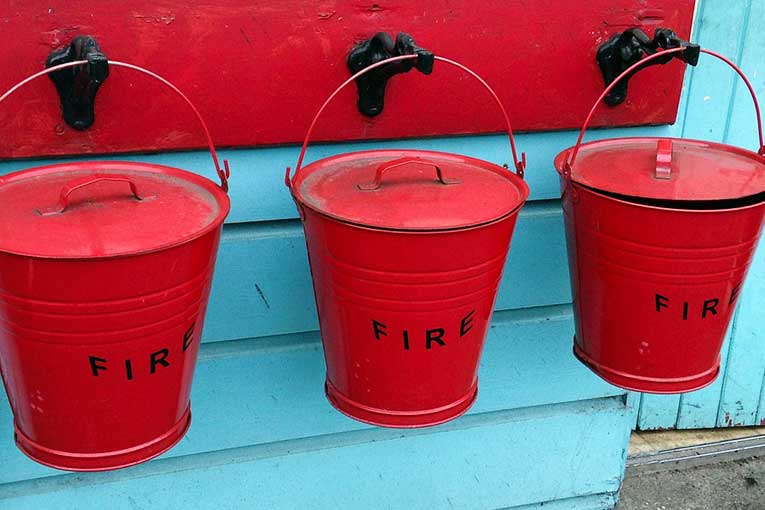
Simple in design yet highly effective, fire buckets are containers filled with either water or sand. 

Positioned strategically, these buckets serve as immediate response tools, offering a swift and accessible means to douse small fires or control sparks. 

Their simplicity makes them an essential first line of defence, providing an uncomplicated yet crucial tool in the initial stages of firefighting. 

Whether used by trained personnel or as part of fire safety measures in public spaces, fire buckets play a fundamental role in empowering individuals to take immediate action and contribute to fire containment efforts.

Flamezorb

flamezorb firefighting equipment
Source: Amazon

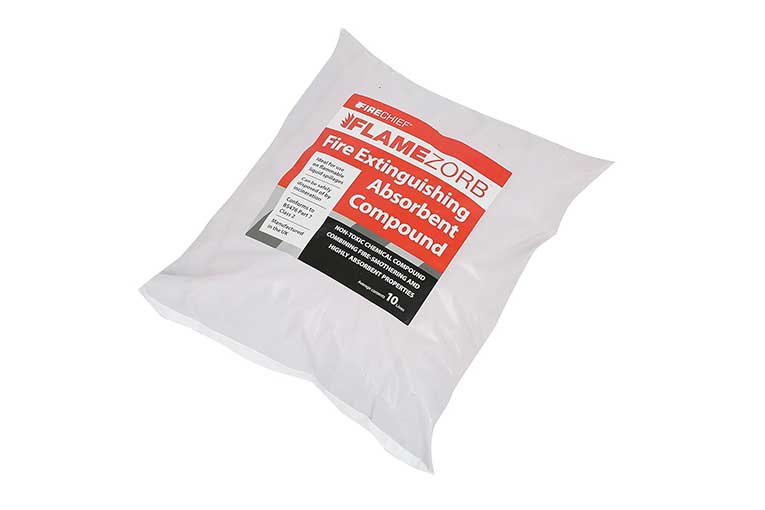
Flamezorb, a granular substance, serves as a rapid-response tool in firefighting by efficiently absorbing flammable liquids. 

When applied to spills, it swiftly neutralises and absorbs the substances, preventing the spread of fire. 

This versatile and effective tool finds particular utility in scenarios involving hazardous materials or potential chemical fires, where the quick containment of flammable liquids is essential to mitigate the risk of fire escalation. 

Flamezorb’s ability to address such specific challenges makes it a valuable asset in the firefighting arsenal, contributing to the overall effectiveness of fire suppression efforts in diverse and complex situations.

Fire Blankets

fire blanket firefighting equipment
Source: Amazon

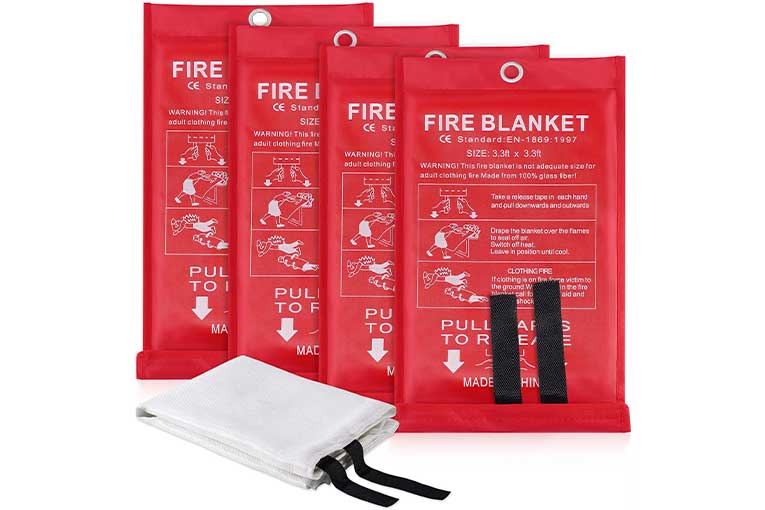
Constructed from fire-resistant materials, fire blankets emerge as versatile tools in firefighting and emergency response. 

Beyond their primary function of smothering small fires, these blankets provide a multifaceted solution. 

In emergency situations, they offer protection by wrapping around individuals, creating a temporary shield against flames and heat. 

The adaptability of fire blankets extends their utility beyond traditional firefighting scenarios, making them valuable assets in various emergency situations where rapid response and versatile tools are paramount to ensuring the safety of individuals and effectively addressing evolving challenges.

Fire Suit

fire suit firefighting equipment

Specially designed for the demanding challenges of firefighting, a fire suit is more than  a mere uniform – it’s a shield against extreme heat and flames. 

Crafted from fire-resistant materials, these suits envelop firefighters in a protective barrier during the most intense operations. 

With layers designed to withstand the harsh conditions of a fire, these suits are crucial in ensuring the safety and well-being of firefighters. 

The specialised construction of fire suits exemplifies the commitment to providing a robust defence against the hazards encountered in the line of duty, reinforcing the resilience of those who bravely confront the flames.

Firefighter Gloves

firefighting gloves firefighting equipment
Source: Amazon

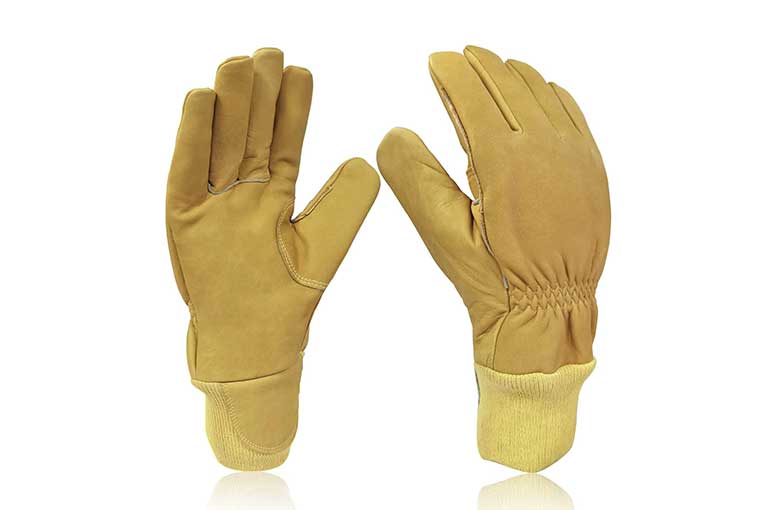
These gloves are essential for firefighters, offering crucial hand protection in the dynamic and intense environments encountered during firefighting operations. 

Crafted from materials resistant to high temperatures, they enable firefighters to handle hot surfaces and materials with confidence. 

The specialised design of firefighter gloves prioritises both dexterity and protection, allowing firefighters to navigate challenging situations while safeguarding their hands from the formidable heat generated in the course of combating fires. 

Gas Tight Suit

gas tight suit firefighting equipment
Source: Wikipedia

Comprising a multi-layered construction, these suits act as an impermeable barrier, creating a formidable shield between the firefighter and potentially harmful substances. 

Their purpose extends beyond conventional firefighting gear, addressing the specific challenges posed by chemical fires and the release of dangerous gases. 

By providing an encapsulating defence, gas-tight suits empower firefighters to navigate complex and perilous environments, ensuring their safety while enabling effective response and mitigation in the face of chemical hazards.

Drones

drones firefighting equipment

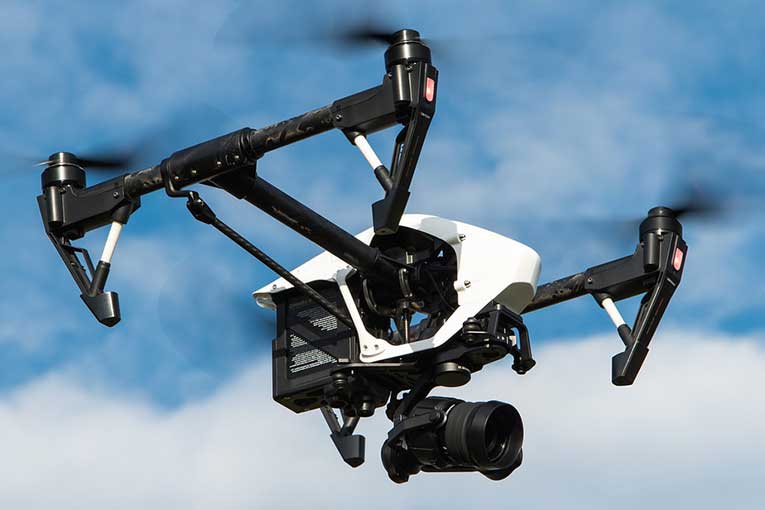
These unmanned aerial vehicles, equipped with advanced cameras, offer invaluable aerial views that significantly enhance fire assessment capabilities. 

Providing real-time situational awareness, drones become the eyes in the sky for firefighting teams. 

Their ability to swiftly survey large areas and capture critical information aids in strategizing and responding effectively to incidents. 

Drones not only contribute to the safety and efficiency of firefighting operations but also offer a technological edge, elevating the precision and speed with which responders can assess, plan, and execute strategies in the dynamic context of firefighting scenarios.

Thermal Imaging Camera

thermal camera firefighting equipment

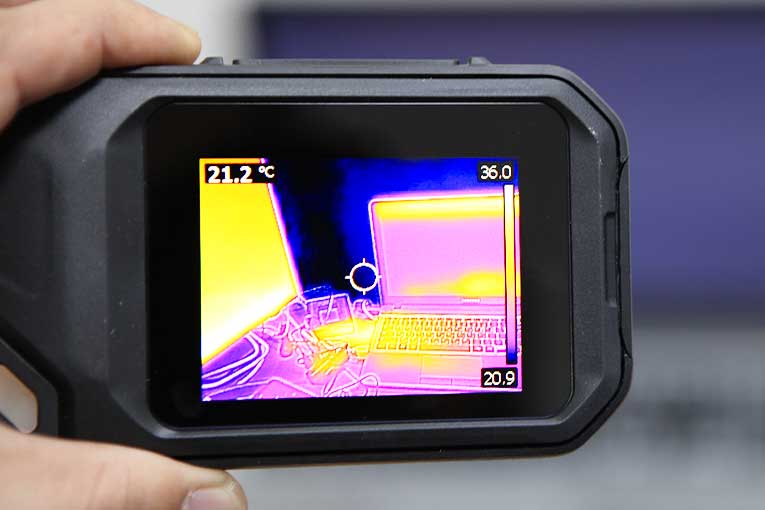
Thermal imaging cameras aid in locating individuals trapped in smoke-filled environments and identifying hotspots that may not be visible to the naked eye. 

The invaluable data provided by thermal imaging cameras enhances the efficiency and safety of firefighting operations. 

By offering real-time insights into the intensity and distribution of heat, these devices empower firefighters with the ability to make informed decisions, optimise resource allocation, and execute targeted strategies for suppressing fires and conducting search and rescue operations.

Breathing Apparatus

breathing apparatus firefighting equipment

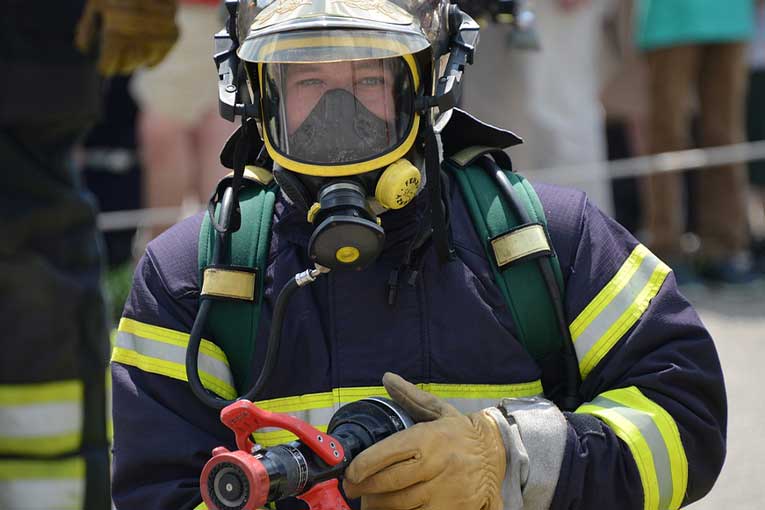
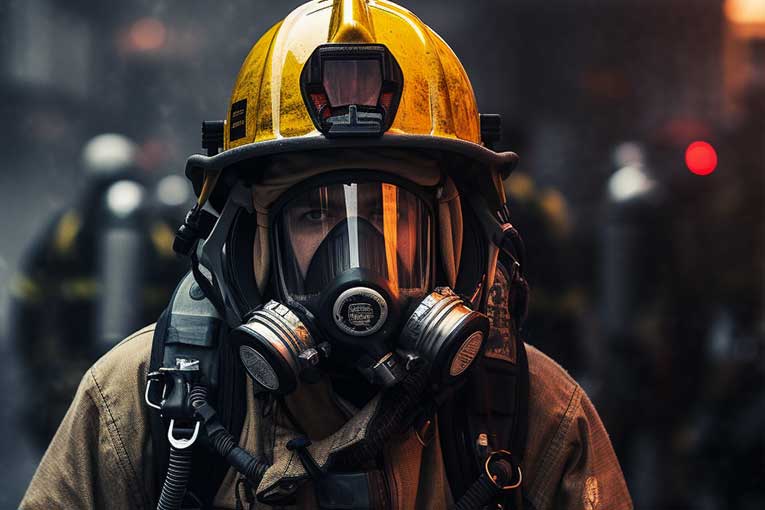
In smoke filled environments, these devices play a crucial role in ensuring the safety of firefighters by providing a continuous supply of clean air. 

The reliability and functionality of these apparatuses exemplify their vital role in preserving the well-being of firefighters and ensuring their ability to execute effective firefighting and rescue operations in environments where clean air is a precious commodity.

Positive Pressure Ventilation Fan

positive pressure ventilation fans firefighting equipment
Source: Wikipedia

Positive pressure ventilation fans are devices designed to create airflow that effectively removes smoke and toxins from enclosed spaces. 

By generating a controlled and directed flow of air, these fans contribute significantly to improving visibility for firefighters within confined areas. 

Beyond enhancing visibility, the removal of smoke and toxins creates a safer working environment, allowing firefighters to operate more efficiently and with reduced exposure to hazardous substances. 

Ladders

ladders firefighting equipment

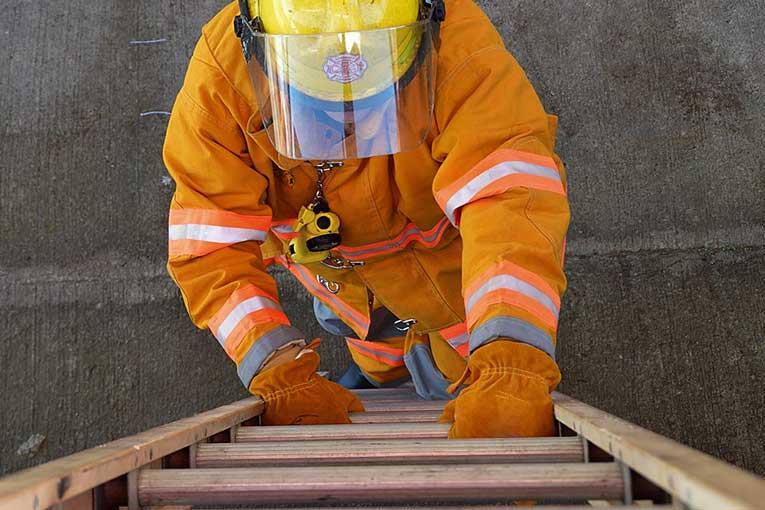
These versatile devices play a pivotal role in firefighting operations by enabling firefighters to access elevated areas, conduct rescues, and navigate challenging environments. 

Whether extending to reach upper floors of buildings or providing a stable platform for rescue operations, ladders enhance the agility and effectiveness of firefighting teams. 

Their portability and adaptability make them fundamental in addressing the diverse challenges posed by fires in varying structures and scenarios, contributing to the overall success and safety of firefighting operations.

Fire Fighting Vehicle

vehicles firefighting equipment

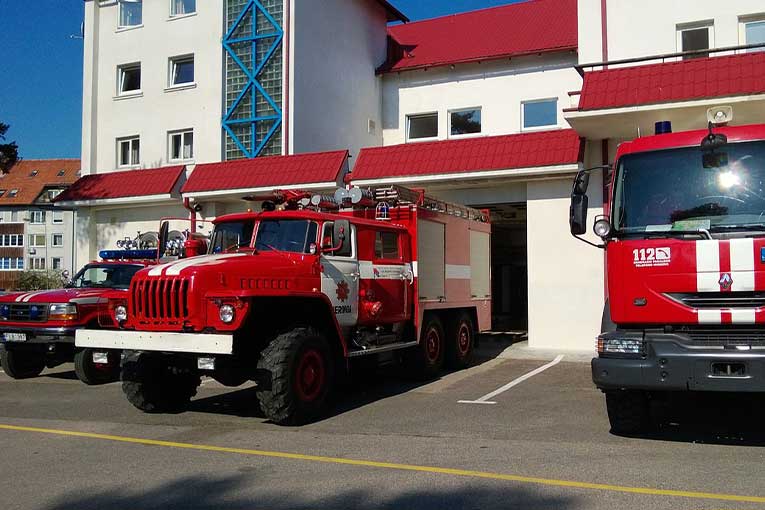
These vehicles carry essential firefighting tools, water tanks, and hoses, ensuring a swift and effective response to fire emergencies. 

Beyond their mobility, the specialised equipment on these vehicles equips firefighters with the resources needed to combat fires of varying scales. 

Whether navigating through urban environments or remote locations, these vehicles enhance the reach and capabilities of firefighting teams, playing a vital role in the timely containment and suppression of fires to protect lives and property.

How is Firefighting Equipment Used?

The strategic use of equipment is paramount, requiring a careful assessment of each fire’s unique characteristics. 

Firefighters, equipped with a diverse array of tools, employ a systematic approach to address different scales and types of fires.

Fire extinguishers, compact and versatile, find their application in swiftly suppressing small fires. 

Firefighters select the appropriate extinguisher based on the fire’s nature and discharge the firefighting agent with precision, aiming at the fire’s base. 

For larger incidents, fire hoses connected to water sources become instrumental. 

The hoses allow firefighters to direct water effectively, reaching inaccessible areas, while sprinklers automatically release water upon detecting excessive heat, contributing to fire containment.

Protective gear, including fire suits and gloves, plays a pivotal role in ensuring firefighters’ safety as they confront flames. 

These specialised garments shield against extreme heat, providing a critical barrier between the firefighter and the hazardous environment.

Cutting-edge technology, such as drones equipped with cameras and thermal imaging devices, offers invaluable insights. 

Drones provide aerial views, enhancing situational awareness for better decision-making, while thermal imaging cameras aid in locating individuals and identifying hotspots within a fire.

The use of firefighting equipment is not only reliant on the tools themselves but also on the skill, training, and coordination of firefighting teams. 

Firefighters undergo rigorous training to understand the capabilities and limitations of each tool, ensuring a synchronised and effective response to diverse fire scenarios. 

The strategic and well-coordinated utilisation of firefighting equipment remains a cornerstone in the battle against the unpredictable and destructive force of fires.

What Other Equipment Helps with Firefighting?

Some firefighting equipment is not directly used to directly put out fires, but it used to improve the safety and efficiency of firefighters.

Fire Sprinklers

fire sprinklers firefighting equipment
Source: Wikipedia

Installed in buildings, fire sprinklers are automatic devices that release water when detecting excessive heat. 

They play a crucial role in suppressing fire outbreaks and limiting damage in enclosed spaces. 

Strategically positioned, their rapid response significantly contributes to controlling fires, preventing their escalation, and protecting lives and property within structures.

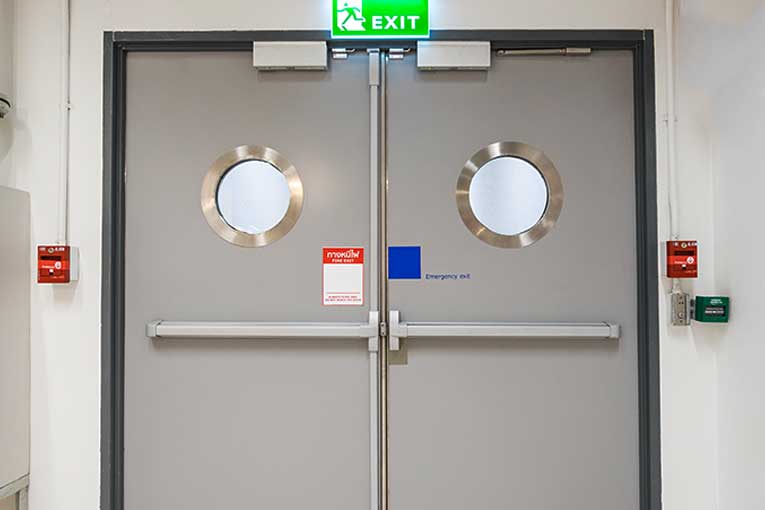
Fire Doors

Specialised fire doors are meticulously designed to resist fire and smoke, acting as effective barriers to limit their spread within a building. 

These doors are critical components of passive fire protection systems, providing crucial time for evacuation and minimising the potential for fire extension.

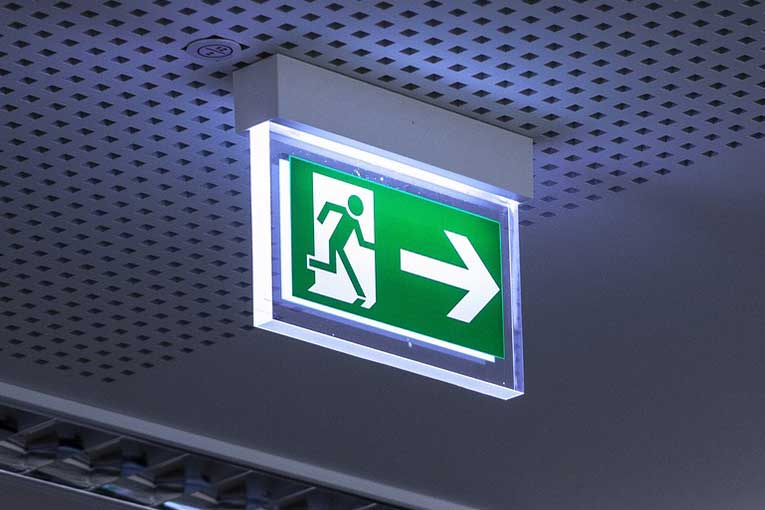
Emergency Signs

emergency signs firefighting supporting equipment

Clearly marked emergency lighting and signs are indispensable in ensuring swift and safe evacuation. 

These signs delineate evacuation routes and indicate the locations of firefighting equipment, guiding occupants to safety during fire emergencies.

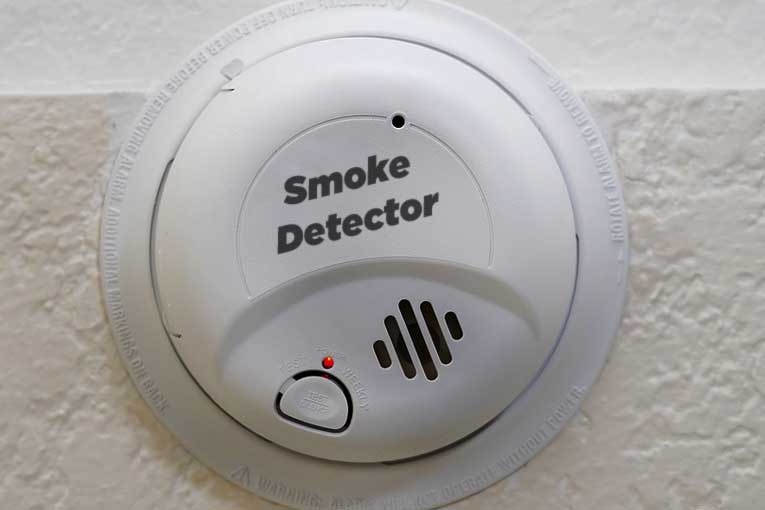
Smoke Alarms

There is 4 different smoke detector types

Essential components of early warning systems, smoke detectors are devices that promptly detect smoke, alerting occupants to potential fire hazards. 

Their rapid detection capability is pivotal in providing early warnings, allowing for timely response and evacuation.

The different types of smoke alarms ensure people can react quickly  to different types of fires.

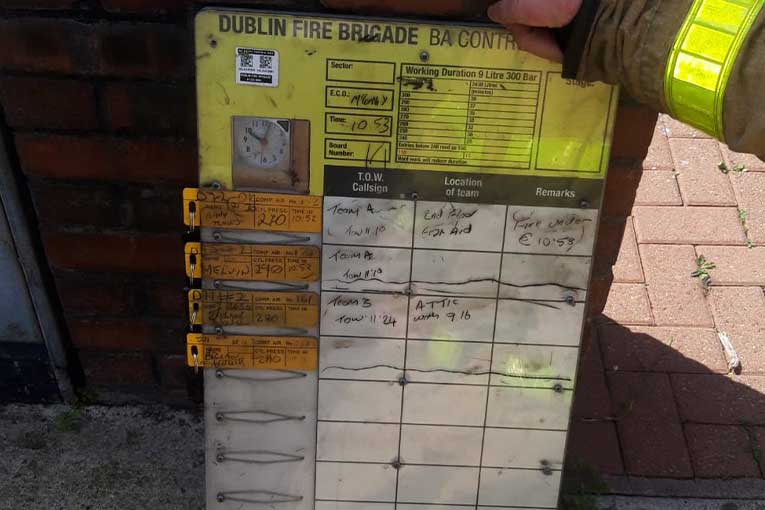
BA Entry Board

The Breathing Apparatus (BA) Entry Board serves as a control hub during breathing apparatus operations. 

It manages the entry and exit procedures of firefighters equipped with breathing apparatus, ensuring systematic and safe operations in environments with compromised air quality.

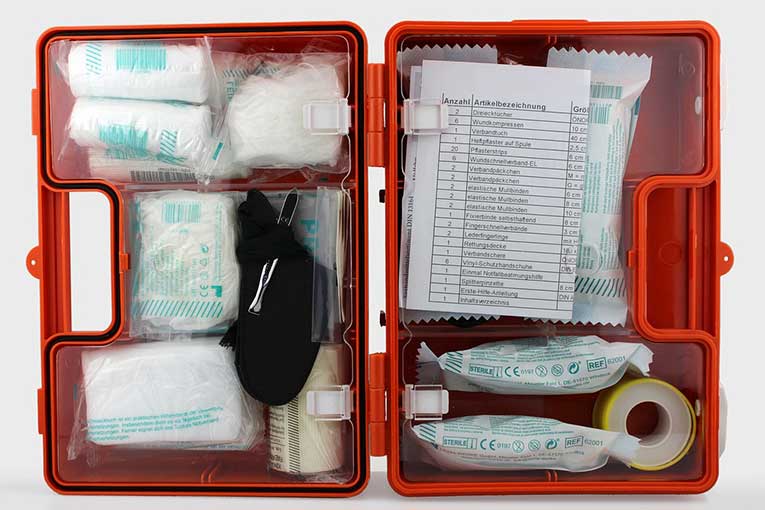
First Aid Kit

first aid kit firefighting supporting equipment

Containing medical supplies, first aid kits address injuries sustained during firefighting or rescue operations. 

They provide essential support until more extensive medical assistance is available.

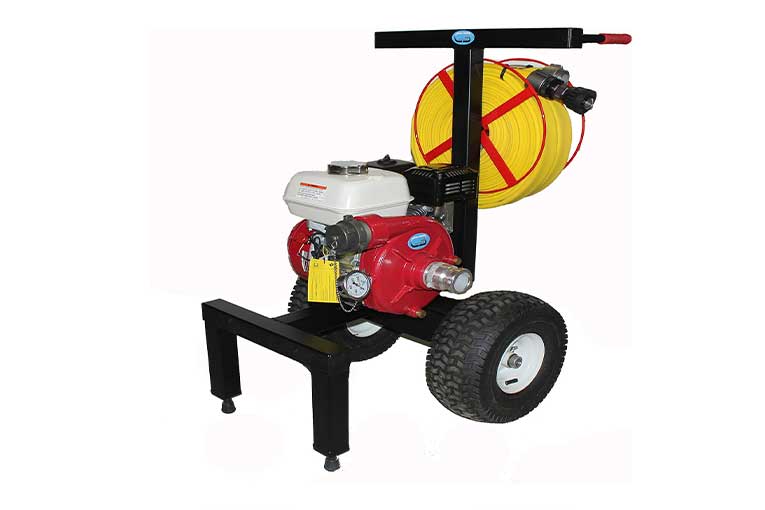
Light Portable Pump

light portable pump firefighting equipment
Source: Amazon

Compact and portable, light pumps are indispensable for transporting water to areas inaccessible to larger firefighting vehicles. 

These pumps enhance operational flexibility, providing firefighting teams with the ability to establish water supply points in diverse environments.

Cutters

cutters firefighting equipment
Source: Wikipedia

Cutting through materials obstructing access or rescuing individuals, cutters are versatile tools used by firefighters. 

They play a crucial role in extrication operations, enabling swift and precise interventions in situations where immediate access is essential.

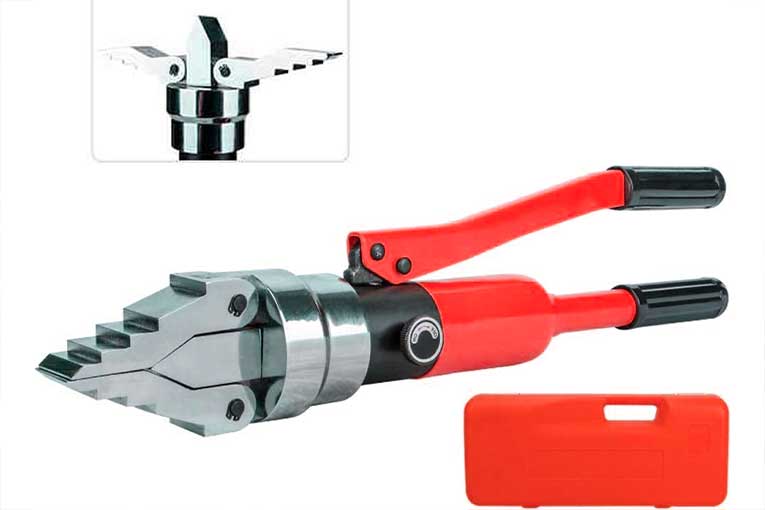
Spreaders

spreaders firefighting equipment
Source: Amazon

Hydraulic spreaders are powerful devices used to pry open objects or create openings in rescue situations. 

These tools are instrumental in providing access to trapped individuals, facilitating efficient rescue operations.

Rams

rams firefighting equipment
Source: Wikipedia

Hydraulic rams are tools designed to force open doors or create pathways during rescue operations. 

Their robust construction and power make them essential for situations where conventional access methods are insufficient.

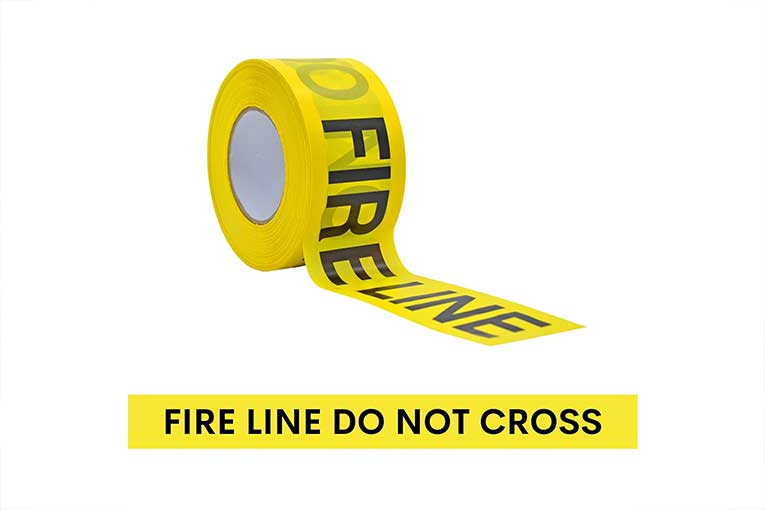
Do Not Cross Tape

do not cross tape firefighting equipment
Source: Amazon

Visible tape with the clear directive “Do Not Cross” is utilised to cordon off unsafe areas and control access to the fire scene. 

This tape ensures the safety of both emergency responders and the public by preventing unauthorised entry into potentially hazardous zones.

Traffic Cones

traffic cones firefighting equipment
Source: Amazon

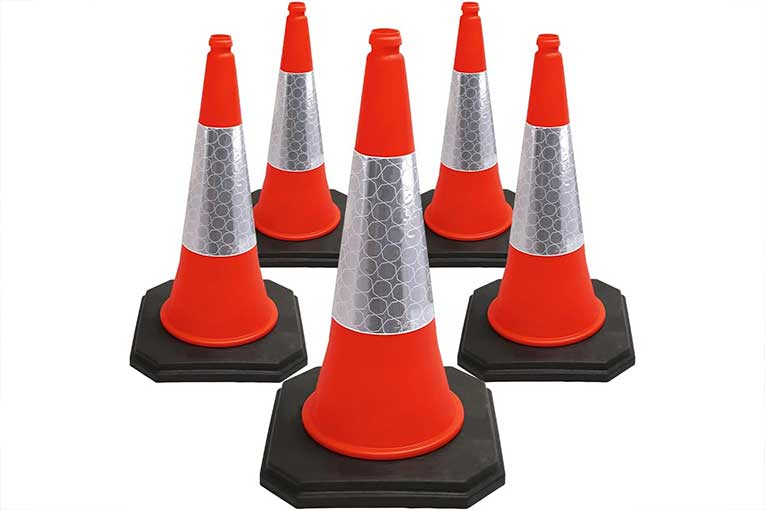
Deployed to manage traffic and create clear pathways for emergency vehicles, traffic cones are essential in ensuring unimpeded access for firefighting teams. 

These cones play a crucial role in maintaining order and facilitating the rapid movement of emergency vehicles to and from the incident scene.

What Does the Future Hold for Firefighting Equipment?

The future of firefighting equipment holds exciting possibilities, driven by advancements in technology, materials, and design. 

One prominent trend is the integration of smart technologies, such as artificial intelligence and the Internet of Things, into firefighting gear. 

This includes wearable sensors and augmented reality visors that provide real-time data to firefighters, enhancing situational awareness and decision-making. 

Innovations in materials science are shaping the development of more lightweight yet durable protective gear, addressing comfort and mobility concerns for firefighters. 

Nanotechnology may lead to advanced flame-resistant fabrics, ensuring greater protection against extreme temperatures. 

Additionally, the use of robotics in firefighting, ranging from autonomous vehicles to robotic firefighting assistants, is on the horizon.

As climate change intensifies, firefighting equipment is likely to evolve to cope with more frequent and severe wildfires. 

This may involve the development of specialised tools for wildfires and improved strategies for early detection and prevention. 

The collaborative efforts of researchers, engineers, and firefighters promise a future where technology plays a pivotal role in enhancing the safety, efficiency, and effectiveness of firefighting operations, ultimately better equipping first responders to address evolving challenges.

Conclusion

The array of equipment at a firefighter’s disposal is vast and diverse. 

From traditional tools that have stood the test of time to cutting-edge technology ensuring efficiency and safety, each item plays a crucial role in combating fires and protecting lives. 

The continuous evolution of firefighting equipment reflects a commitment to enhancing the capabilities of those who bravely confront the unpredictable nature of fires. 

As technology advances, so does our ability to respond effectively to fire emergencies, ensuring a safer and more resilient future for communities worldwide.
IFSJ Exclusive: Every second counts with Blackline Safety

Sean Stinson, newly appointed president at Blackline Safety tells all about his new role and future plans at the company

In March of this year, Blackline Safety announced key promotions and changes to its executive leadership team, including Sean Stinson’s promotion to the additional role of President. With this appointment, Stinson assumed the leadership of software and professional service offerings, including Blackline Vision custom analytics. He also continues to lead all revenue generating activities, including sales, customer success and channel management.

Stinson joined Blackline in 2013 and has held progressively senior roles at the Company, including sales, product, data services, user experience, client success and customer care. Prior to Blackline, Stinson held leadership roles in engineering and project management at BW Technologies and Honeywell. IFSJ Editor Iain Hoey sat down with Stinson’ to discuss his background, his thoughts on the industry, and his vision for Blackline’s future.

How did you become involved in the fire and safety industry?

A big part of what gives me my passion for the job and led to my early understanding of what customers need to do to keep people safe, is that I worked in the oil industry in Alberta early on, performing a variety of general labour jobs to help pay my way through university.

As a junior-level employee, I was often crawling inside petrochemical plants to do maintenance during a turnaround and I relied on portable gas protectors for my own personal safety. When I graduated as an electrical engineer, it was a natural progression to end up on the manufacturing side of the safety business and I’ve been here for more than two decades now.

Early in my career I held engineering and project management roles at BW Technologies and Honeywell, where I used my lived experience to create products that resonated with users. My deep understanding of customer needs allowed me to move quickly into leadership roles where I applied my knowledge to make better design decisions.

When Blackline embarked on our product strategy to build the G7 EXO area monitor, it was my responsibility to make sure we had the proper specifications in place to provide the best possible user experience.

What prompted your appointment as President?

Largely, the leadership changes are related to growth. Our company is almost 500 employees now and we’re selling products around the world. Six years ago, most of our revenue was generated in Canada whereas now we are the undisputed global leader in wearable connected safety devices for the industrial market. That growth necessitated the creation of new roles, including the role of President, to assist our CEO Cody Slater as we execute on strategy and allow him to retain a clear focus on direction and other C-level decisions. Cody and I have known each other and worked well together for a long time now and between us, we provide really good coverage of the skills required for strong leadership.

What does your new role entail and how does it fit with your role as Chief Growth Officer?

I still have the Chief Growth Officer responsibilities of sales, revenue generation and customer care. In addition to that, I’m assuming leadership of our software and professional service offerings, which brings me back to my engineering roots in some ways.

The title of President reflects my natural tendency to focus on strategy and business operations. I believe that leadership is really about empowering people to rise to their full potential, and now I’m in a position to make moves that allow employees to contribute more to our business at an individual level.

We have a fantastic team here and a big part of what I do now, and have done in the past as well, is pull people together to ensure we maintain our strong corporate culture. As President, I can step beyond my own team to fight the silos that often creep in when a company grows, and ensure we continue to build a productive, energised and inclusive culture here at Blackline.

What has Blackline been working on recently?

One of our most recent developments for the fire and safety market is the enhanced G7 EXO area monitor which now has plume modelling capabilities. We built this product with fire safety in mind, knowing that any time there is a release of harmful chemicals, it’s of utmost importance for the tactical teams on the ground to have accurate information about what’s happening now and what’s about to happen next.

Our newest technology was designed with input from Business Development Specialist Doug Mayer who works directly with our customers in the fire and safety space. We’ve incorporated their feedback about the most pressing challenges they face to design a product that offers a very fast deployment – it’s up and running in 60 seconds whereas competing monitors can take hours to set up – and automatically connects directly to the cloud to steam critical insights during an emergency.

What are Blackline’s plans for the near future? Is there anything specific you’re working towards?

Broadly, we’ll be continuing to expand and enhance our EXO product line. For the fire and safety market in particular, we’ll be adding more interchangeable cartridges to our area monitor so that responders will have the ability to sense more than five gases at a time. We understand that every second counts when they’re facing an unexpected gas release. Our goal is to provide a wide range of swappable cartridges, so that no matter what they’re faced with when they arrive, they’ll have a kit that that can keep them safe.

This exclusive article was originally published in the May 2023 issue of International Fire & Safety Journal. To read your FREE digital copy, click here.

IFSJ Exclusive: Thermal Imaging Camera use for Hazmat

Gavin Parker, Senior Station Officer with Fire Rescue Victoria, looks at using thermal imaging cameras in Hazmat incidents

While Thermal Imaging Cameras (TICs) are commonly used for fires, they can also be used for Hazmat incidents providing information without contact of the product or substance that may otherwise be unavailable visually.

Some cameras are intrinsically safe and may have operating modes, features and functions suited to Hazmat use. An understanding of image interpretation and application of a TIC for hazmat incidents and their limitations is important to optimise the equipment’s use.

Hazmat incident analysis

TICs can identify slight energy differences, presented in shades of grey and in some cases a hazmat specific colour palette selection that indicates surface energy variation at a fraction of a degree. Most fire service cameras can also display temperature differences with Direct Temperature Measurement (DTM) in 1° increments.

Typically, with camera use at fires, conditions may change rapidly requiring an extremely quick interpretation of the image and a fast-decision-making process using qualitative assessment that provides visual cues.

During hazmat incidents we may be able to make a detailed study of the scene. Observations can be done utilising comparative and trending assessment, quantitative and qualitative methods, using typically passive and sometimes active methods of detection.

Passive detection can be achieved when there is thermal contrast between the object of interest and its surroundings. An example of an active method could be external surface cooling to increase thermal contrast using a spray of water on objects such as containers to cool the airspace to indicate the product level.

The image and DTM of the object can be done from several viewing angles, utilising and comparing available operating modes. Baseline knowledge of the scene can also be used. As with all TIC use, when visible light is available, compare and consider what is detected in Infrared (IR) with what can be identified visually, together with other known information.

Uses and features

Generally, the use of TICs at Hazmat incidents falls into obtaining information for the following tasks: identifying product levels in containers; location and spread of spills and leaks; and monitoring chemical and physical change.

Features and functions that can be utilised for Hazmat incidents can include: intrinsic safety as not all cameras are intrinsically safe, labelling for intrinsic safety and certification will be located on the camera; DTM which allows for spot temperature measurement within the limitations of the cameras Distance to Spot ratio (D:S); and image freeze – to capture the image for detailed examination or to move to a shaded area to view without the effects from screen glare.

Other functions include: image capture and video recording and playback to record and on some cameras view previously recorded images/footage; laser pointer to indicate the centre of the field of view, as well as the location to others of product levels, extent or outline of leaks and spills; and  tripod mount to enable the camera to be fitted to a standard camera tripod for hands free use.

In addition: a visual sensor may allow a visual image and video capture, or the blending, edge definition or overlay of a thermal over a visual image; digital zoom can be utilised for viewing from a safe distance, improve accuracy of DTM and to reduce the field of view to manipulate the image to reduce or limit background energy dominating the image; hot and cold spot tracker displays a floating curser that automatically indicates the hottest or coldest item within the field of view and can be used to identify the source of some gas leaks and chemical reactions; and user selected cameras modes and screen palettes provide flexibility in detection and screen display options, particularly in low thermal contrast situations.

Screen palette selection

The choice between viewing in standard mode or other available modes will depend on a number of factors and each has its own strengths and weaknesses.

White hot (standard mode) is the more commonly used palette. White hot displays warmer objects in lighter shades and cooler objects darker. Grayscale palettes offer simplicity for scenes with a high thermal contrast and generate images with realistic details.

User adjustable screen temperature colourisation or isotherm allows the operator to select the point at which screen temperature colourisation occurs usually a single bright colour; this can be a useful feature when a leak or product level in a container is expected to be in thermal contrast with the container or environment. If there is low thermal contrast it may be difficult to set the camera without it being oversaturated with colorisation.

Hazmat or colour screen palettes can be suited for leaks, spills and determining product levels when focusing on an area with low thermal contrast. This may allow the colour palette to indicate slight temperature variations. For fire use a full colour pallet may overwhelm and confuse us with information, but when used in a hazmat application it can be suited for scenes with minimal energy differences.

Reverse polarity of greyscale (black hot) may have benefits under some circumstances, particularly in cooler outdoor environments.

Temperature measurement

Be aware of the limitations of DTM. These readings can be falsely high or low, the magnitude of error can range from a few degrees to a significant error. Factors influencing temperature measurement includes; size of the area being measured and distance from the target, background energy, atmospheric conditions, limitations of the equipment, the condition and emissivity of the surface.

The emissivity of surfaces will impact the apparent temperature or how it appears and the DTM; particularly gloss painted, stainless steel or other shiny metals and finishes. Shiny surfaces with low emissivity may reflect background energy levels. This can produce an inaccurate image and DTM that can be falsely interpreted.

General limitations using a TIC during Hazmat

Limitations include, by are not limited to the following: TICs will only identify surface energy and temperature; product levels in containers can only be determined with solids and liquids, not gases;  product levels, leaks, spills, and reactions may not always be able to be identified or determined;  environmental factors such as sunshine or other radiant heat may give a “false” thermal indication on surfaces by either reflection or absorption of energy; cold celestial radiation from either the day or night sky may also be reflected off shinny surfaces; and some vapour clouds near the source of a leak may be able to be identified but gas leaks may not.

Other limitation include: screen glare during outside use will sometimes make it difficult to clearly see the image displayed on the viewing screen – some cameras have accessory screen shrouds, otherwise shielding it with a hand or the use of a towel or jacket may cut down screen glare (alternatively, use the “image freeze” or capture function if available and view the screen in a shaded area); low sensor resolution and a lack of some specialist features and functions may limit the equipment’s suitability for hazmat applications; and finally not all TICs are intrinsically safe, and do not change batteries, or add powered accessory items to the TIC in a flammable atmosphere.

Decontamination and cleaning

Manufactures may list environmental and corrosion test standards in the equipment’s specifications. For decontamination, follow agency procedures and instructions in the camera’s operating manual for after use maintenance and cleaning.

A thermal imaging camera can provide information at hazardous materials incidents that may otherwise be unavailable. This can be gathered from a distance, increasing the safety of personnel.

It is important to remember that the information provided may not always be definitive and should be verified by other means if possible. Follow standard procedures and use in conjunction with PPE/PPC and other standard equipment. Experience, training, an understanding of the basics of thermal imaging and the camera you are using is critical in the effective and successful use and interpretation of images at hazmat incidents.

The views expressed are that of the author and not necessarily that of CFA or FRV.

MSA, DuPont and NVFC’s Globe Gear Giveaway returns

Since 2012, Globe by MSA, DuPont Personal Protection, and the National Volunteer Fire Council (NVFC) have partnered to provide turnout gear to fire departments in need. Applications for the 2023 giveaway are now open.

In 2023, MSA Safety will donate a total of 52 sets of turnout gear and 52 helmets (four per department) to 13 all-volunteer or mostly-volunteer fire departments in the U.S. and Canada.

To be eligible to apply, departments must meet be over 50% volunteer, serve a population of 25,000 or less, be located in the United States or Canada and be legally organized under state/province law [Indian/tribal entities not organized under state/province law are eligible].

Individuals applying on behalf of the department or department chief must be a member of the NVFC. MSA will provide complimentary NVFC memberships to the first 500 applicants.

Departments must also demonstrate a need for the gear. Only one application will be accepted per department and any subsequent applications received for that department will be disqualified. Recipients must use the donated items for the benefit of their department and not for any other purpose and cannot be resold.

Finally, recipients agree that their department name, details from application essay, and photo may be used in media by MSA, DuPont, and the NVFC for the purposes of promoting the donation program.

The scheme said that previous winners from the past two years are not eligible to apply.

View the official rules here and apply for the giveaway here.

IFSJ Exclusive: Handheld gas detection with Blackline Safety

Simon Rich, Sales Director for Europe at Blackline Safety Europe talks portable gas detection

Can you tell me about your background in the safety sector?

I have been working in industrial safety and gas detection sales for over 25 years and joined as one of the founding team members of Blackline Safety Europe following roles with Honeywell, Drager and ICI Chemicals. I oversee the entire sales function for Europe, from business development to customer support and channel management. Essentially, my role is to ensure Blackline Safety continues its international growth trajectory while maintaining the agility and care needed to support our customers and people at a local level.

Can you tell me about Blackline Safety: who you are and your place in the Fire and Safety market?

Blackline Safety is a global connected safety technology leader. We are headquartered in Calgary, with offices in Colchester, Lille, Houston and Dubai, we design and manufacture an award-winning range of gas detectors, area monitors and lone worker devices. Our ultimate goal is to ensure every worker returns home safely, every day, and connectivity is at the heart of this. Unique to Blackline, every product we produce has integrated direct-to-cloud connectivity. Couple that with our safety software, data analytics, reporting and optional 24/7 monitoring, and you have a scalable solution that can adapt quickly for any application in any organisation.

When an incident occurs we know that the speed of the response is critical. Because all Blackline Safety devices work straight out of the box and automatically stream data in real-time using integrated cellular connectivity, response teams are able to focus on the task at hand rather than dealing with a long and complex equipment deployment. There is no need for additional IT infrastructure or MESH networks – simply drop-and-go.

Emergency responses in the fire and safety industry are unpredictable and Blackline’s ATEX-certified technology is designed to be durable. All our devices are built for extremes and to function even in the toughest conditions, GPS-enabled location technology means you get real-time visibility of the conditions faced by each responder.

What is the BS 8484:2022 – why was it developed and what does it do?

Employers are legally obliged to manage any health and safety risks before their employees can work alone. Using a lone worker monitor enables you to ensure your workers’ safety.

BS 8484:2022 defines the industry-leading code of practice for lone worker equipment and monitoring services in the UK. The standard provides lone worker product and service providers with a code of practice that allows the despatch of a police Level 1 response, offering the highest level of emergency response and bypassing the central 999 system to make the process as efficient as possible.

Blackline Safety Europe is among the first businesses in the UK to be accredited to the new upgraded BS8484:2022 standard. Blackline’s G7c personal wearable is the world’s first connected gas detector and lone worker safety monitor certified to the newly upgraded BS 8484:2022, which is the standard that underpins the UK’s lone worker safety leadership.

How does it improve upon what came before it?

BS 8484:2022 is the British industry standard for providers of lone working safety services. Although it is not a legal requirement, BS8484 accreditation acts as a mark of quality for our product and proves to our consumers that Blackline Safety Europe has met the UK government’s strict standards.

BS8484:2016 was upgraded to BS8484:2022 to reflect changing technologies, and to improve safety. Included in the changes introduced in BS8484:2022 were: an acknowledgement that those working in pairs or small groups may be seen as “at risk” and so may benefit from the use of a lone worker system. There was also an acknowledgement that those working from home should be seen as “lone workers” and could benefit from using a lone working system.

In addition, there was new wording that accepts that calls with lone workers may be made via data, rather than the “traditional” call network. Finally, a new ruling states that to be BS8484 compliant, staff involved in delivering lone working services are to be screened in accordance with BS7858 (the UK standard for vetting of people employed in the security sector).

What special features does it have?

The standard provides lone worker product and service providers with a code of practice that allows the despatch of a police Level 1 response, offering the highest level of emergency response and bypassing the central 999 system to make the process as efficient as possible.

Where does G7c fit into Blackline Safety’s product portfolio?

Blackline’s G7c is an all-in-one cloud-connected monitoring solution integrating 4G connectivity and industry-first capabilities, from efficient and reliable lone worker monitoring to industry-leading multi-gas detection. We ensure no call for help goes unanswered by connecting workers directly with live monitoring personnel, from wherever they are working.

Is there anything else Blackline Safety has been working on recently?

We recently partnered with Vlahi Systems to extend our offering by providing cloud-hosted, sensor driven gas plume modelling. Vlahi are integrating the real-time, location-enabled data from Blackline’s G7 EXO portable area gas monitors into their web- and smartphone-based CERES plume modelling software — an ideal solution for managing chemical release and gas cloud scenarios that can harm personnel and surrounding communities, or trigger fires or explosions.

Using G7 EXO gas readings, CERES is able to automate and deliver the most accurate, up-to-date mapping of a gas plume, based on real-world conditions, to assist emergency personnel in their response.

This article was originally published in the January edition of IFSJ. To read your FREE digital copy, click here.

Market analysis: Tool mounting and storage

International Fire and Safety Journal analyses the current state of the equipment storage industry

Over the course of the pandemic, attitudes towards the storage and maintenance of equipment have changed. There has always been a level of emphasis on keeping departments and vehicles as safe and clean as possible, and the storage of equipment plays a key role in this. The pandemic put hygiene under the microscope, and this is surely to be exacerbated following the declaration from the World Health Organisation agency that the act of firefighting is carcinogenic.

As attitudes have changed, more departments have looked to incorporate better storage and maintenance solutions so potentially dangerous equipment is stored safely away from crew members.

The renewed focus on cleanliness follows a pivotal year in the firefighting equipment and maintenance storage industry as post-pandemic issues plaguing all manufacturers including labour and material shortages and shipping delays continue across the globe.

Supply chain issues

Despite economic worries as a result of the pandemic or otherwise, emergency services remain a critical asset and it is an asset that must be maintained and continuously improved. Like all manufacturers, the equipment storage industry’s ability to keep the pipeline full has been impacted by raw material shortages, labour shortages and other supply chain issues. Whilst great efforts have been made to keep materials stocked, there have been unavoidable delays and shortages due to unpreventable circumstances.

Greg Young, Vice President at Performance Advantage Company, said: “For us the supply chain issues haven’t been too bad – our products are made within this part of the US so we’ve been well poised to survive those shortages.

“However, some of our suppliers have been impacted because they’re using chemicals or additives or components sourced worldwide so some of their operations have been impacted by material shortages just like everyone else. In addition to the labour shortages that have been plaguing all manufacturers, we’re waiting for freight to be picked up, to be shipped – it’s been quite a struggle in those regards.”

New equipment

A growing consideration for equipment storage manufacturers comes in the form of new technology. As departments increasingly shift away from hydraulic-powered equipment to battery powered equipment – which are generally larger as they need to accommodate the battery – the question is whether or not their existing products are capable of securely holding new equipment or if new solutions must be developed.

Greg Young says that PAC does not design products specifically for one brand or model: “Tool manufacturers innovate and change. Different manufacturers become popular and their design for the tool might be different than the last. What we prefer to do is invest in products that accommodate a wide variety of the chosen brands in the field. Even when a new tool comes into the market we are fairly confident that our existing line will accommodate the geometry that would be present on another axe or tool.”

Regional considerations

Another issue is the need for storage and maintenance equipment to remain flexible to reflect the needs of each individual department. Across the world each department will operate with different equipment and PPE and different vehicles. In many cases, storage equipment must be able to be produced bespoke to the department. Depending on the needs of the local fire department, they have needs to mount fire tools – and it may not be on fire trucks.

Different regions will require vehicles depending on the terrain firefighting teams will be operating on, whether its using motorbikes, boats, or even bespoke-designed transit vans which are becoming more popular in Asian countries. In terms of regions there are the likes of wildland, urban settings, industrial settings – all of which will have different types of vehicles and different types of equipment, not to mention budgets as well. There are a wide variety of factors that go into tool mounting solutions that would be selected for each.

Greg Young says that PAC recently worked with an OEM to develop a solution for a custom-designed firefighting vehicle: “We have worked with sprinter vans – small transit vans – and there are some departments in Asian countries that have turned those into rescue vehicles and built their own fire trucks.”

Looking ahead

With the short-term effects of the pandemic still waning, it is likely that the changes in attitude will carry on into the future. More departments may look to find solutions to store their equipment in their department and on vehicles in a safe way that keeps any hazardous substances away from firefighting crew.

Manufacturers involved in tool storage and maintenance products will be tasked with keeping up to date with the latest equipment changes to reflect the developing products in departments. With increasing innovation in tool development, innovation can also continue within tool mounting and storage equipment. As such, the industry looks set to be in a strong position as we near the end of 2022, which could result in an uptick in sales across the globe.

This article was originally published in the August edition of IFSJ. To read your FREE digital copy, click here.

Cutting edge solutions: Weber Rescue Systems showcases smart rescue equipment

The slogan “Let’s create future” has been WEBER RESCUE SYSTEMS’ motto for quite some time. With the presentation of the new battery tool series at Interschutz 2022, the slogan has at last been realised. The innovative rescue equipment manufacturer demonstrates how digitalisation and networking – the leading theme of the trade fair – are also making their way into the fire department.

Just in time for the firefighting international trade fair, WEBER RESCUE SYSTEMS is presenting the new SMART-FORCE tool series, which marks a milestone in rescue tool technology. Revolutionary cutting technologies, high-performance batteries from Milwaukee and the use of smart additional functions will make accident rescue significantly faster and more efficient in the future. In addition to digitalisation, underwater use, service and training are also taken into consideration with the new product series.

Intelligent rescue

With the introduction of the new device series, smart functions are integrated into the rescue device itself for the first time. The SMART-FORCE devices enable communication via WLAN/UMTS connection and offer numerous additional functions for device control and management within their own app, including a pressure display, a training and theft mode, and the ability to analyse the current device status.

“Visitors to Interschutz can look forward to a wealth of new possibilities here, which we will be demonstrating live at our booth,” says Patrick Allinger, Product Manager responsible for the smart features of the new rescue equipment.

In recent years, battery-powered devices have become the standard in firefighting technology, proving over time that they are in no way inferior to hose-bound devices. By switching to the Milwaukee M18 High-Output battery technology, this offers a major advantage for rescue forces as one battery can be used for all operations currently across the range of 17 SMART-FORCE rescue tools from WEBER RESCUE and over 200 compatible Milwaukee tools.

Additionally, thanks to a robust, waterproof and dustproof housing, the new devices are submersible regardless of whether it is fresh, salt or dirty water, thanks to the IP 68 design. This enables work even under extreme conditions, such as high water or vehicle recovery under water.

Smooth Cut technology

In addition to the SMART-FORCE devices, WEBER RESCUE SYSTEMS is presenting a new cutter series with innovative cutting technology at Interschutz.

“The new SMOOTH CUT technology represents a quantum leap in cutting performance,” explains Product Manager Hannes Buchner. It allows us to ensure quiet, low-stress and therefore safe cutting performance with low weight.” The new technology has now also enabled the device capable of cutting through the strongest standard material F7 according to the American NFPA 1936 standard.

The new shape of the blade inserts means that only one roll pin needs to be changed. “This saves time and money. The Plus blade inserts can be changed by anyone in one minute directly at the point of use, and immediately resume working,” Buchner points out.

WEBER RESCUE continues to rely on forged blades that can withstand extreme loads. The forging process pre-shapes the material in the direction of the load, meaning the risk of blade breakage is greatly reduced even under extreme stress.

The new extreme U-shape makes it possible to grip the vehicle pillar even better, featuring an acute angle making them even sharper with two continuous teeth bite into the material and hold it at the pivot point during cutting.

Systemised crashing

The crash system presented as part of this year’s roadshow, the WEBER RESCUE Experience Tour, will also be presented to an international audience for the first time at Interschutz.

In co-operation with the S-GARD SAFETY TOUR, practice vehicles will be crashed live on the outdoor exhibition area. The crash system can be used to realistically recreate various scenarios for exercises. In addition to frontal, side and rear impacts on passenger cars, accident patterns on larger vehicles such vans and truck cabs can also be simulated. This is designed to make the exercises more realistic and optimally prepares firefighters for accidents like those that happen every day on our roads.

Flexible applications

Other product highlights from WEBER RESCUE SYSTEMS at the show include the Handvario RIT-Tool, WEBER RESCUE SYSTEMS’ recently developed hand-operated combination tool for rapid intervention teams (RIT) which functions completely independent of a power supply with hose or battery, enabling flexibility. The interchangeable tips and a wide range of accessories make it suitable for use in a variety of situations, from opening doors to pulling loads or pushing away obstacles.

The device can also be used under water up to a depth of 25 meters and its small size makes it easy to stow away and quick to deploy. Optimum cutting performance is ensured via high strength, forged lightweight blades. For user-friendly operation, the headpiece can be rotated 360-degrees.

The company is also promoting its compact battery-powered unit with an XL-sized hydraulic oil tank, which features a usable volume of five litres and allows the operation of any equipment combination. In Eco mode, the unit can run for up to ten hours and a connection to the external continuous power supply is also available.

Digital solutions

Digitalisation has long been a core topic for WEBER RESCUE SYSTEMS. To drive development in this area, a separate subsidiary was founded – RESCUE DIGITAL SYSTEMS GmbH. The company develops individual and easy-to-use apps and software applications in the areas of: alerting, administration, training, accident prevention, rescue and many more.

The new product configurator for the RIT tool makes it possible to configure necessary accessories such as battery and tips as well as additional gadgets online. From this, a pdf document is automatically created, which can be sent to WEBER RESCUE SYSTEMS as a request with one click.

With WEBER RESCUE System’s seismographic measurement via app, RETTERSeismo, vibrations and movements are detected via smartphone, enabling an early acoustic warning of the emergency forces in the event of uncontrolled changes in the situation. In addition, the data can also be evaluated for training purposes. The app’s multimode makes it possible to network up to 16 sensors that are attached to the object and track the operation or exercise in detail using mobile, providing data for handling the patient during the rescue of persons from buildings or accident vehicles and is a valuable support for the training of aid organisations.

Remote learning

Coronavirus and social distancing have shown that e-learning is an ideal complement to the training of rescue workers. WEBER RESCUE SYSTEMS offers two platforms that are also available as an app: RETTERAcademy and WEBER RESCUE Academy

RETTERAcademy, the individual e-learning platform, allows organisations to create their own e-learning platform. In addition to creating their own learning content, the layout can also be customised to suit the organisation in question, with customisable colours or logos able to be selected to ensure a unique appearance. In the backend, organisation’s own courses, videos, knowledge tests and certificates can be stored. The courses and videos can be completed independently of time.

WEBER RESCUE Academy, the learning platform, provides courses, expert videos and materials on various WEBER RESCUE SYSTEMS topics. This content can be purchased via the WEBER RESCUE online store and accessed in the individuals own account. A certificate of participation is issued upon completion of a course. WEBER RESCUE Academy and RETTERAcademy are also available as APP.

On WEBER RESCUE SYSTEMS RETTER AR application, training takes place in a virtual environment. Exercises and scenarios such as a head-on car collision, a rear-end collision or a house fire can be projected into the real environment and trained without any risk. In addition, technical data on the respective equipment used can be called up. With the Pro version, it will soon also be possible to connect to multiple devices.

Raising the alarm

Finally, WEBER RESCUE SYSTEMS is showcasing its RETTERAlarm offers a perfect supplement to alerting via radio detectors or the siren. RETTERAlarm makes it possible to alert emergency forces individually, in groups, or even subsequently again in a targeted manner, via either push notification, e-mail, SMS or voice call as appropriate to each emergency worker. It also offers other practical tools such as calendar for events or training services, readiness query, chat function, integration of smart home, alarm monitors for the fire station.

As an extension of RETTERAlarm, ZEUS offers even more efficient, comprehensive and detailed mission management. The display of situation maps as well as the display of deployment plans is possible. ZEUS offers the possibility to make an operation documentation, which can be used afterwards for the operation report. 

This article was originally published in the June edition of IFSJ. To read your FREE digital copy, click here.