Firefighting equipment is what helps firefighters to extinguish flames, ensuring the safety of lives and property, and the varied list of firefighting equipment shows how diverse firefighting really is.
From traditional tools like fire extinguishers to cutting-edge technology such as thermal imaging cameras, each item plays a crucial role in a firefighter’s arsenal.
In this article, we’ll explore the diverse list of firefighting equipment, shedding light on their functions and importance in the face of fire emergencies.
What is Firefighting Equipment?
Firefighting equipment encompasses a diverse range of tools, devices, and protective gear specifically designed to combat and manage fires effectively.
These crucial elements are essential for firefighters in their mission to extinguish flames, rescue individuals, and mitigate the impact of fire emergencies.
Each piece of equipment serves a unique purpose in the complex and challenging task of firefighting.
Firefighting equipment is not only about extinguishing flames but also about ensuring the safety of those on the front lines.
Protective gear, such as fire suits and gloves, shields firefighters from extreme heat, allowing them to navigate hazardous environments.
The continuous advancements in firefighting equipment underscore a commitment to improving the efficiency, safety, and overall effectiveness of firefighting operations.
Firefighting equipment is the lifeline for those who risk their lives to protect communities and properties from the devastating impact of fires.
List of Firefighting Equipment
Firefighting equipment constitutes a comprehensive arsenal designed to combat fires of varying intensities and types.
Each tool plays a crucial role in ensuring the safety of firefighters and the effectiveness of fire suppression efforts.
Fire Extinguishers
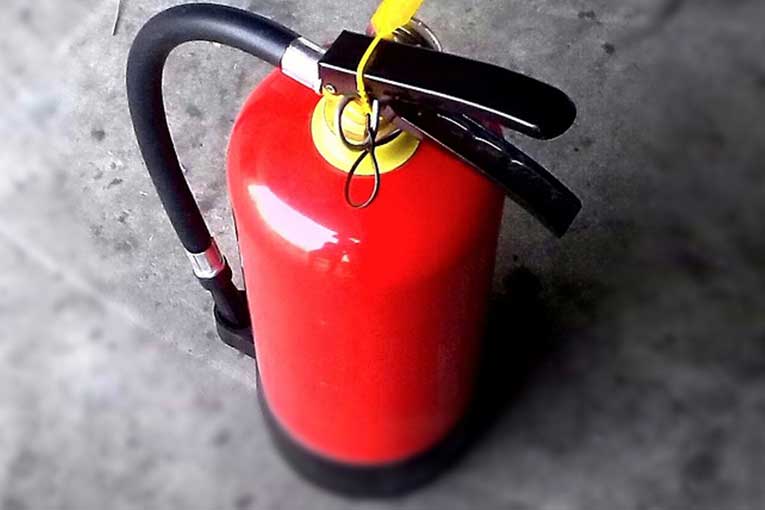
Portable and versatile, fire extinguishers are essential for promptly suppressing and extinguishing small fires.
There are many different types of fire extinguisher, each containing specific firefighting agents such as water, foam, dry powder, or CO2.
The diversity in extinguisher types ensures flexibility in addressing different classes of fires—whether involving ordinary combustibles, flammable liquids, electrical equipment, or gases.
This adaptability allows firefighters and individuals to employ the most suitable extinguishing agent, enhancing the effectiveness of fire suppression efforts across a wide range of fire scenarios.
Fire Extinguisher Ball
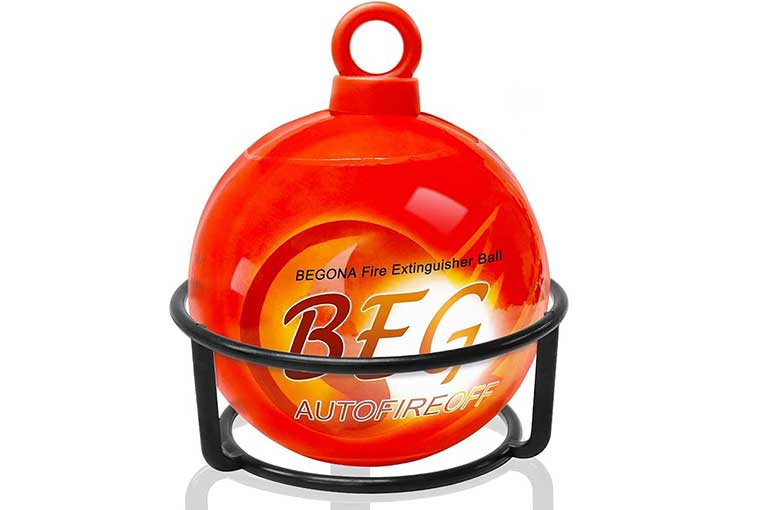
An innovative self-activating fire suppression system, the Fire Extinguisher Ball offers a unique approach to firefighting.
When exposed to flames, the ball bursts autonomously, releasing a fine powder that swiftly and effectively extinguishes the fire.
This ingenious device is particularly advantageous in confined spaces or areas with limited accessibility, where traditional firefighting methods might face challenges.
The Fire Extinguisher Ball’s ability to initiate fire suppression independently makes it a valuable addition to fire safety measures, ensuring a rapid response even in scenarios where immediate human intervention may be difficult.
Fire Hoses
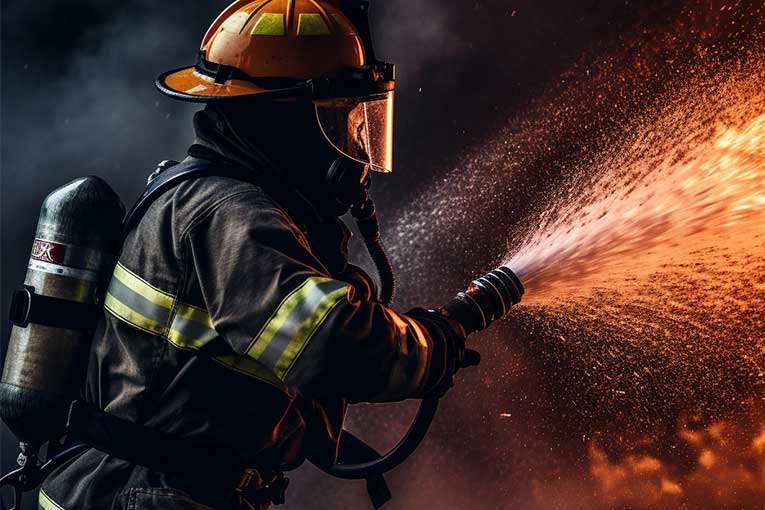
As one of the most prevalent tools in large-scale firefighting, fire hoses are indispensable for firefighters combating significant flames.
These flexible and robust hoses serve as critical conduits, allowing the directed flow of water onto the fire.
Their length and adaptability empower firefighters to reach remote or challenging locations, providing a versatile means of effectively delivering water to suppress fires.
The strategic use of fire hoses enhances the agility and reach of firefighting efforts, enabling responders to address fires in diverse environments and mitigate potential challenges posed by the fire’s scale and intensity.
Hose Jets
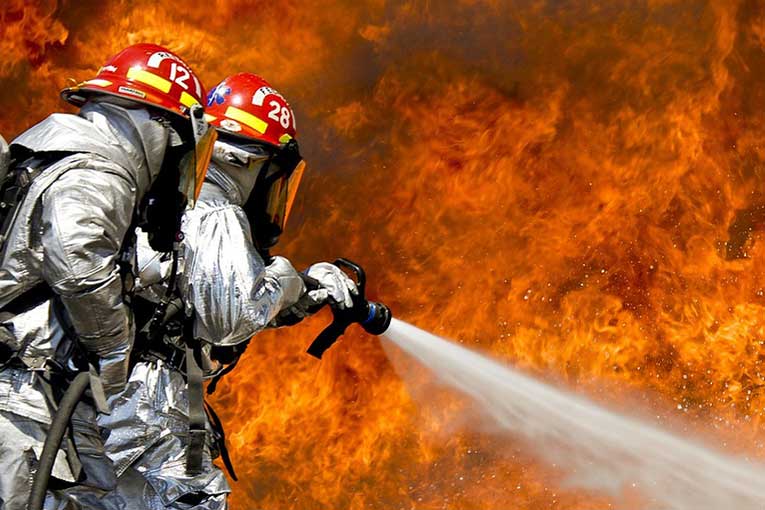
Hose Jets represent heightened firefighting capabilities, requiring the collaboration of two firefighters to handle their extra power.
These specialised tools offer an elevated force and flow, allowing firefighters to exert increased control over the extinguishing process.
With the ability to adjust the jet stream, firefighters enhance precision in directing water onto the flames, addressing specific firefighting requirements.
The collaborative use of Hose Jets reflects a strategic approach, amplifying the effectiveness of firefighting efforts in scenarios where a more robust and targeted water delivery is essential to combat fires of greater scale or intensity.
Fire Buckets
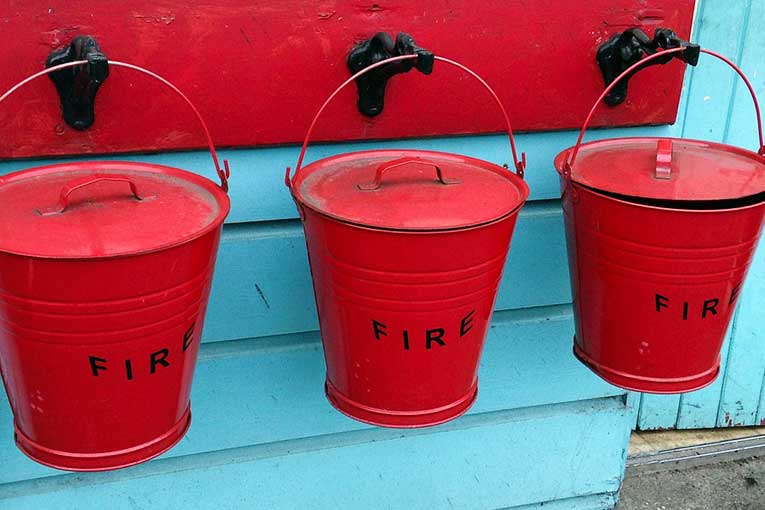
Simple in design yet highly effective, fire buckets are containers filled with either water or sand.
Positioned strategically, these buckets serve as immediate response tools, offering a swift and accessible means to douse small fires or control sparks.
Their simplicity makes them an essential first line of defence, providing an uncomplicated yet crucial tool in the initial stages of firefighting.
Whether used by trained personnel or as part of fire safety measures in public spaces, fire buckets play a fundamental role in empowering individuals to take immediate action and contribute to fire containment efforts.
Flamezorb

Flamezorb, a granular substance, serves as a rapid-response tool in firefighting by efficiently absorbing flammable liquids.
When applied to spills, it swiftly neutralises and absorbs the substances, preventing the spread of fire.
This versatile and effective tool finds particular utility in scenarios involving hazardous materials or potential chemical fires, where the quick containment of flammable liquids is essential to mitigate the risk of fire escalation.
Flamezorb’s ability to address such specific challenges makes it a valuable asset in the firefighting arsenal, contributing to the overall effectiveness of fire suppression efforts in diverse and complex situations.
Fire Blankets
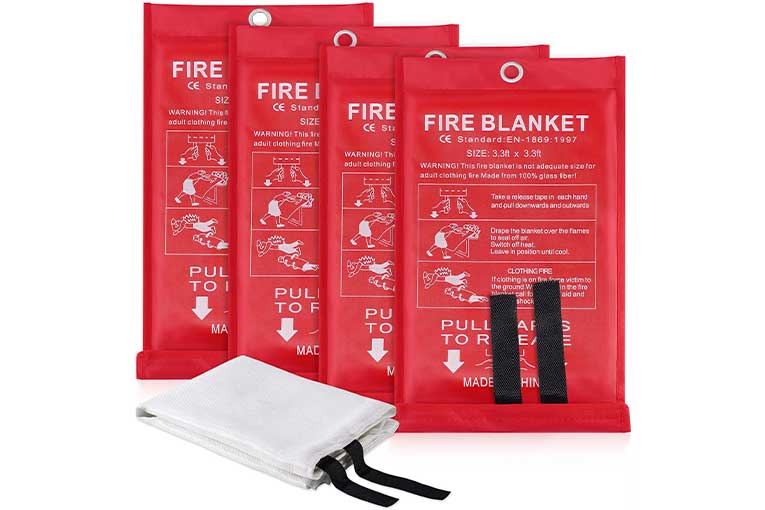
Constructed from fire-resistant materials, fire blankets emerge as versatile tools in firefighting and emergency response.
Beyond their primary function of smothering small fires, these blankets provide a multifaceted solution.
In emergency situations, they offer protection by wrapping around individuals, creating a temporary shield against flames and heat.
The adaptability of fire blankets extends their utility beyond traditional firefighting scenarios, making them valuable assets in various emergency situations where rapid response and versatile tools are paramount to ensuring the safety of individuals and effectively addressing evolving challenges.
Fire Suit
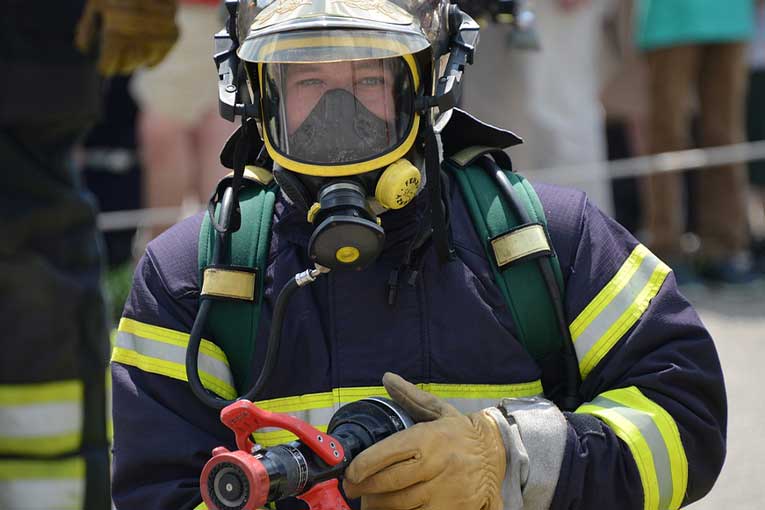
Specially designed for the demanding challenges of firefighting, a fire suit is more than a mere uniform – it’s a shield against extreme heat and flames.
Crafted from fire-resistant materials, these suits envelop firefighters in a protective barrier during the most intense operations.
With layers designed to withstand the harsh conditions of a fire, these suits are crucial in ensuring the safety and well-being of firefighters.
The specialised construction of fire suits exemplifies the commitment to providing a robust defence against the hazards encountered in the line of duty, reinforcing the resilience of those who bravely confront the flames.
Firefighter Gloves
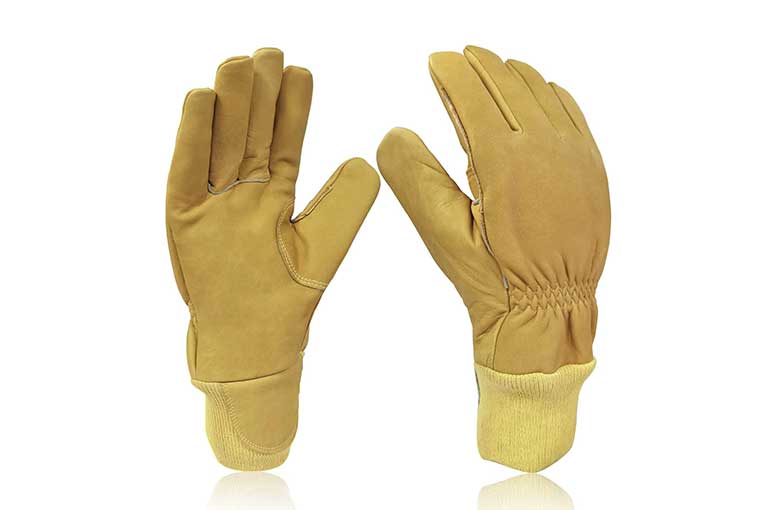
These gloves are essential for firefighters, offering crucial hand protection in the dynamic and intense environments encountered during firefighting operations.
Crafted from materials resistant to high temperatures, they enable firefighters to handle hot surfaces and materials with confidence.
The specialised design of firefighter gloves prioritises both dexterity and protection, allowing firefighters to navigate challenging situations while safeguarding their hands from the formidable heat generated in the course of combating fires.
Gas Tight Suit

Comprising a multi-layered construction, these suits act as an impermeable barrier, creating a formidable shield between the firefighter and potentially harmful substances.
Their purpose extends beyond conventional firefighting gear, addressing the specific challenges posed by chemical fires and the release of dangerous gases.
By providing an encapsulating defence, gas-tight suits empower firefighters to navigate complex and perilous environments, ensuring their safety while enabling effective response and mitigation in the face of chemical hazards.
Drones
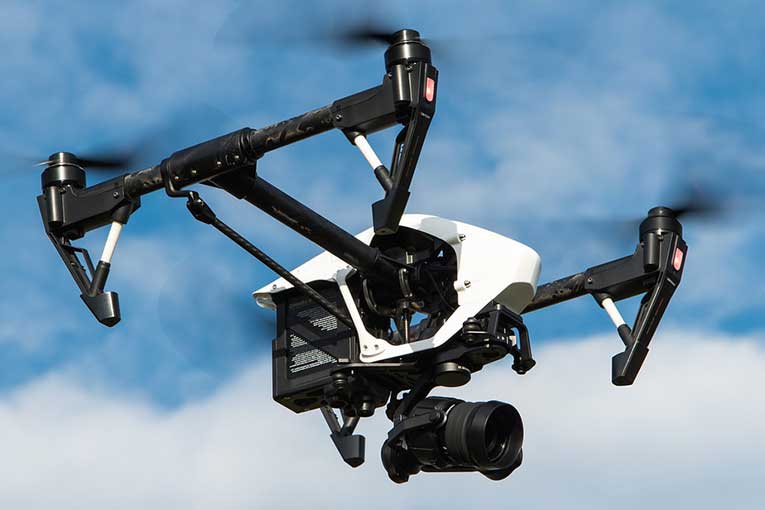
These unmanned aerial vehicles, equipped with advanced cameras, offer invaluable aerial views that significantly enhance fire assessment capabilities.
Providing real-time situational awareness, drones become the eyes in the sky for firefighting teams.
Their ability to swiftly survey large areas and capture critical information aids in strategizing and responding effectively to incidents.
Drones not only contribute to the safety and efficiency of firefighting operations but also offer a technological edge, elevating the precision and speed with which responders can assess, plan, and execute strategies in the dynamic context of firefighting scenarios.
Thermal Imaging Camera
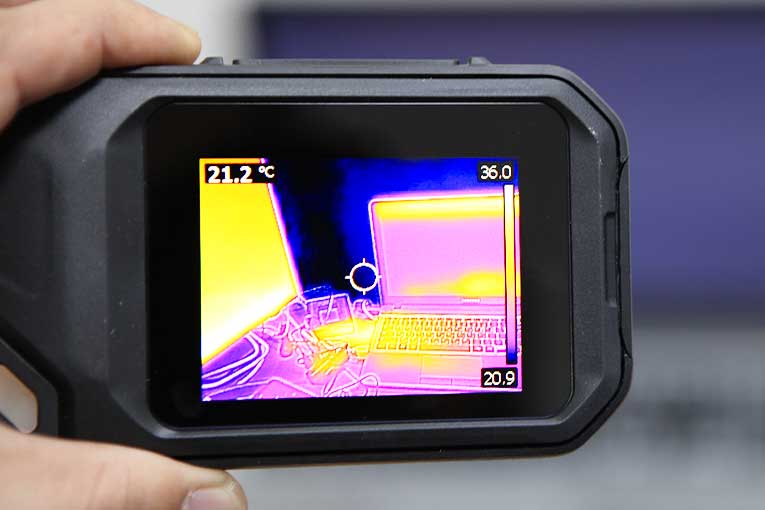
Thermal imaging cameras aid in locating individuals trapped in smoke-filled environments and identifying hotspots that may not be visible to the naked eye.
The invaluable data provided by thermal imaging cameras enhances the efficiency and safety of firefighting operations.
By offering real-time insights into the intensity and distribution of heat, these devices empower firefighters with the ability to make informed decisions, optimise resource allocation, and execute targeted strategies for suppressing fires and conducting search and rescue operations.
Breathing Apparatus
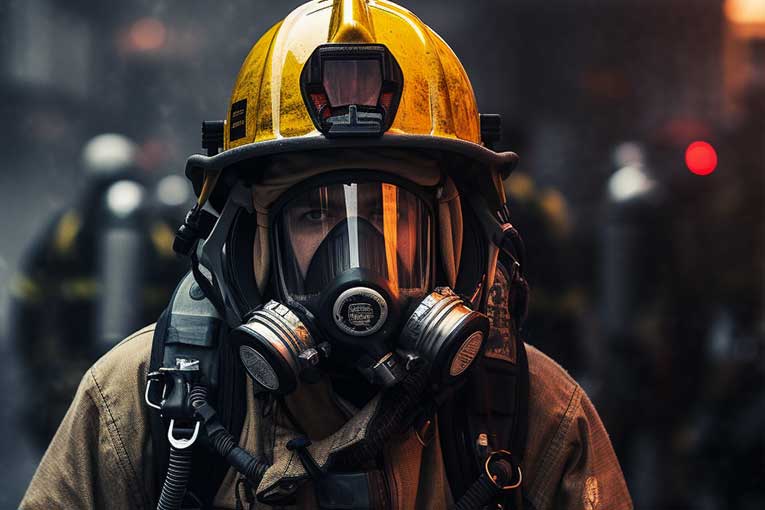
In smoke filled environments, these devices play a crucial role in ensuring the safety of firefighters by providing a continuous supply of clean air.
The reliability and functionality of these apparatuses exemplify their vital role in preserving the well-being of firefighters and ensuring their ability to execute effective firefighting and rescue operations in environments where clean air is a precious commodity.
Positive Pressure Ventilation Fan

Positive pressure ventilation fans are devices designed to create airflow that effectively removes smoke and toxins from enclosed spaces.
By generating a controlled and directed flow of air, these fans contribute significantly to improving visibility for firefighters within confined areas.
Beyond enhancing visibility, the removal of smoke and toxins creates a safer working environment, allowing firefighters to operate more efficiently and with reduced exposure to hazardous substances.
Ladders
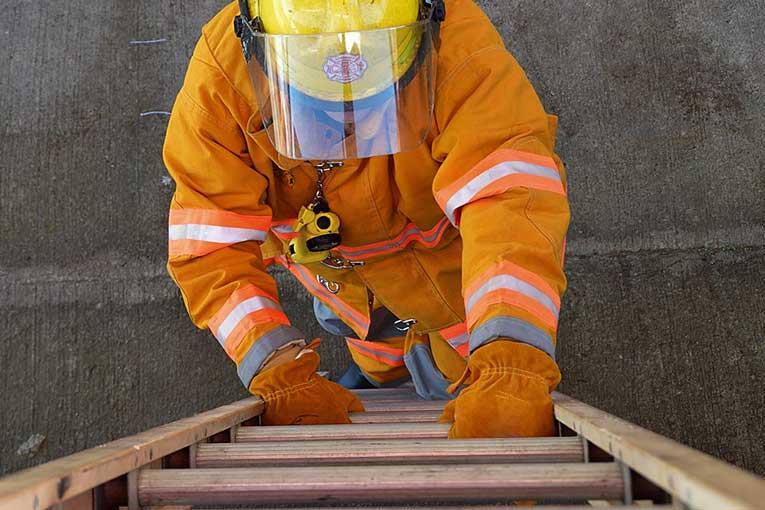
These versatile devices play a pivotal role in firefighting operations by enabling firefighters to access elevated areas, conduct rescues, and navigate challenging environments.
Whether extending to reach upper floors of buildings or providing a stable platform for rescue operations, ladders enhance the agility and effectiveness of firefighting teams.
Their portability and adaptability make them fundamental in addressing the diverse challenges posed by fires in varying structures and scenarios, contributing to the overall success and safety of firefighting operations.
Fire Fighting Vehicle
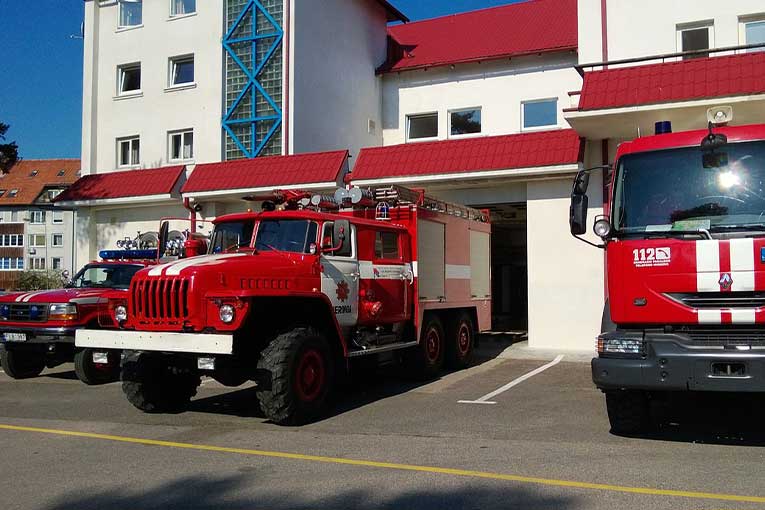
These vehicles carry essential firefighting tools, water tanks, and hoses, ensuring a swift and effective response to fire emergencies.
Beyond their mobility, the specialised equipment on these vehicles equips firefighters with the resources needed to combat fires of varying scales.
Whether navigating through urban environments or remote locations, these vehicles enhance the reach and capabilities of firefighting teams, playing a vital role in the timely containment and suppression of fires to protect lives and property.
How is Firefighting Equipment Used?
The strategic use of equipment is paramount, requiring a careful assessment of each fire’s unique characteristics.
Firefighters, equipped with a diverse array of tools, employ a systematic approach to address different scales and types of fires.
Fire extinguishers, compact and versatile, find their application in swiftly suppressing small fires.
Firefighters select the appropriate extinguisher based on the fire’s nature and discharge the firefighting agent with precision, aiming at the fire’s base.
For larger incidents, fire hoses connected to water sources become instrumental.
The hoses allow firefighters to direct water effectively, reaching inaccessible areas, while sprinklers automatically release water upon detecting excessive heat, contributing to fire containment.
Protective gear, including fire suits and gloves, plays a pivotal role in ensuring firefighters’ safety as they confront flames.
These specialised garments shield against extreme heat, providing a critical barrier between the firefighter and the hazardous environment.
Cutting-edge technology, such as drones equipped with cameras and thermal imaging devices, offers invaluable insights.
Drones provide aerial views, enhancing situational awareness for better decision-making, while thermal imaging cameras aid in locating individuals and identifying hotspots within a fire.
The use of firefighting equipment is not only reliant on the tools themselves but also on the skill, training, and coordination of firefighting teams.
Firefighters undergo rigorous training to understand the capabilities and limitations of each tool, ensuring a synchronised and effective response to diverse fire scenarios.
The strategic and well-coordinated utilisation of firefighting equipment remains a cornerstone in the battle against the unpredictable and destructive force of fires.
What Other Equipment Helps with Firefighting?
Some firefighting equipment is not directly used to directly put out fires, but it used to improve the safety and efficiency of firefighters.
Fire Sprinklers

Installed in buildings, fire sprinklers are automatic devices that release water when detecting excessive heat.
They play a crucial role in suppressing fire outbreaks and limiting damage in enclosed spaces.
Strategically positioned, their rapid response significantly contributes to controlling fires, preventing their escalation, and protecting lives and property within structures.
Fire Doors
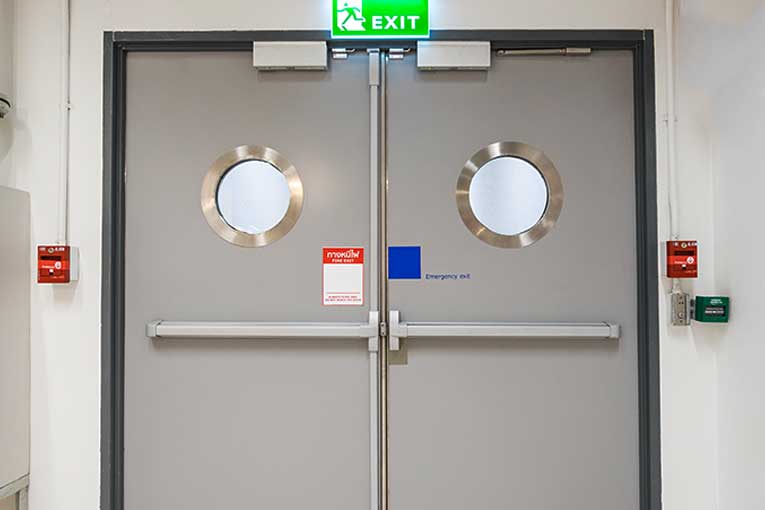
Specialised fire doors are meticulously designed to resist fire and smoke, acting as effective barriers to limit their spread within a building.
These doors are critical components of passive fire protection systems, providing crucial time for evacuation and minimising the potential for fire extension.
Emergency Signs
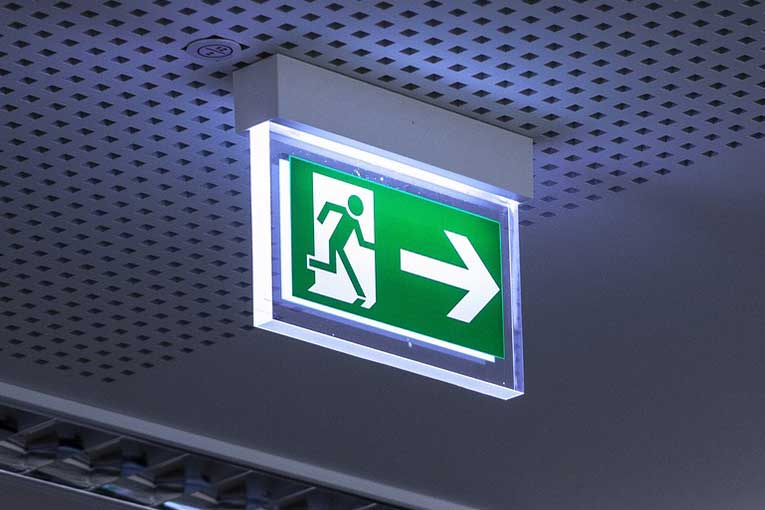
Clearly marked emergency lighting and signs are indispensable in ensuring swift and safe evacuation.
These signs delineate evacuation routes and indicate the locations of firefighting equipment, guiding occupants to safety during fire emergencies.
Smoke Alarms
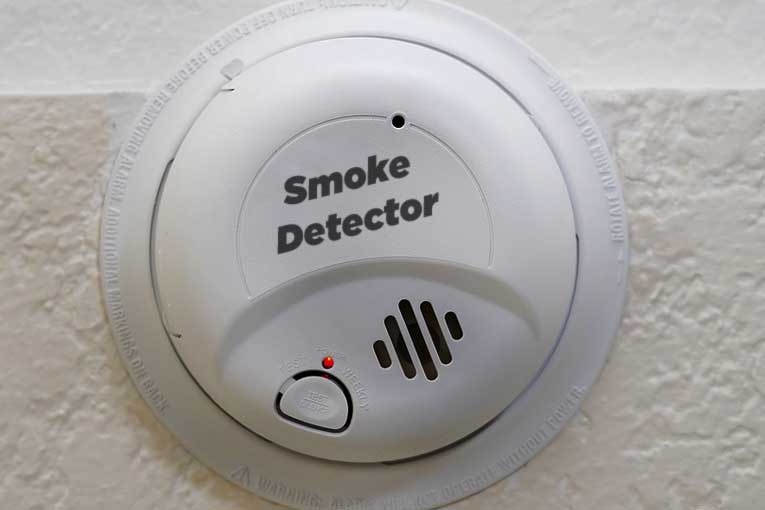
Essential components of early warning systems, smoke detectors are devices that promptly detect smoke, alerting occupants to potential fire hazards.
Their rapid detection capability is pivotal in providing early warnings, allowing for timely response and evacuation.
The different types of smoke alarms ensure people can react quickly to different types of fires.
BA Entry Board
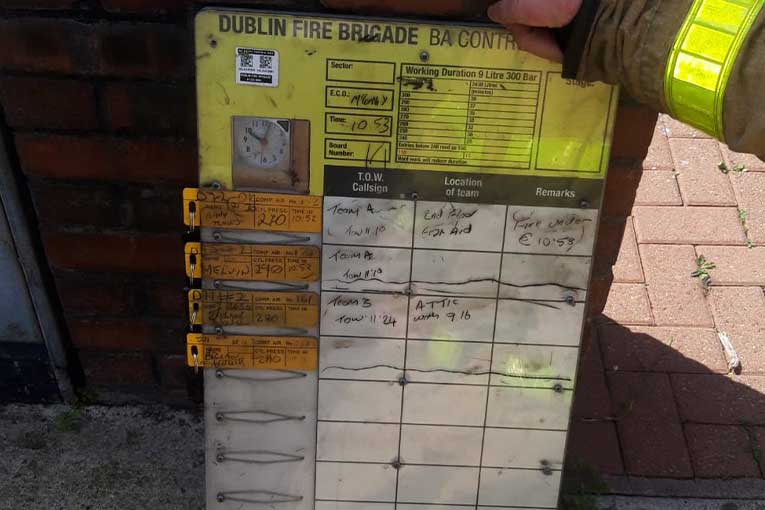
The Breathing Apparatus (BA) Entry Board serves as a control hub during breathing apparatus operations.
It manages the entry and exit procedures of firefighters equipped with breathing apparatus, ensuring systematic and safe operations in environments with compromised air quality.
First Aid Kit
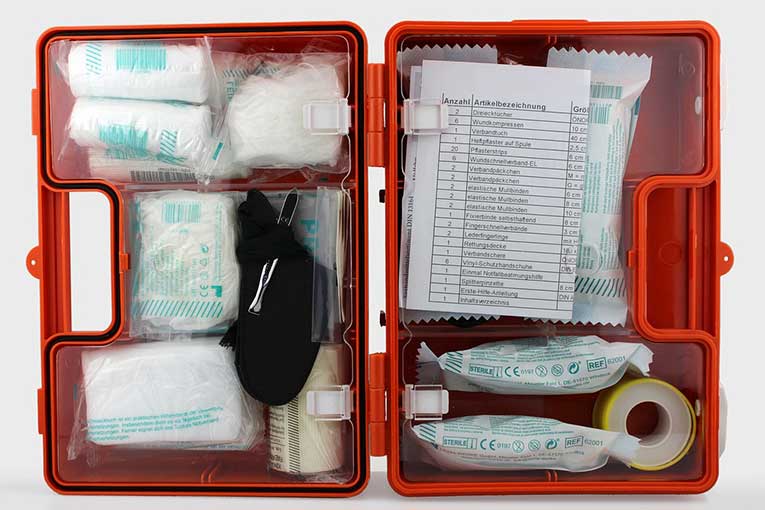
Containing medical supplies, first aid kits address injuries sustained during firefighting or rescue operations.
They provide essential support until more extensive medical assistance is available.
Light Portable Pump
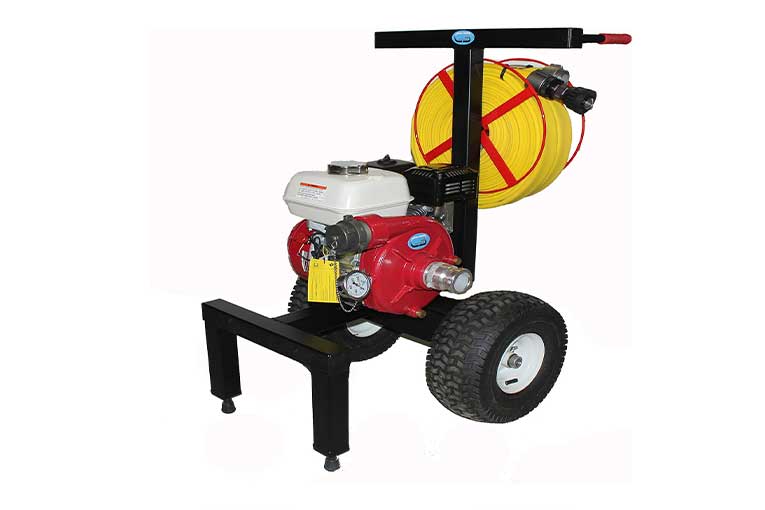
Compact and portable, light pumps are indispensable for transporting water to areas inaccessible to larger firefighting vehicles.
These pumps enhance operational flexibility, providing firefighting teams with the ability to establish water supply points in diverse environments.
Cutters

Cutting through materials obstructing access or rescuing individuals, cutters are versatile tools used by firefighters.
They play a crucial role in extrication operations, enabling swift and precise interventions in situations where immediate access is essential.
Spreaders
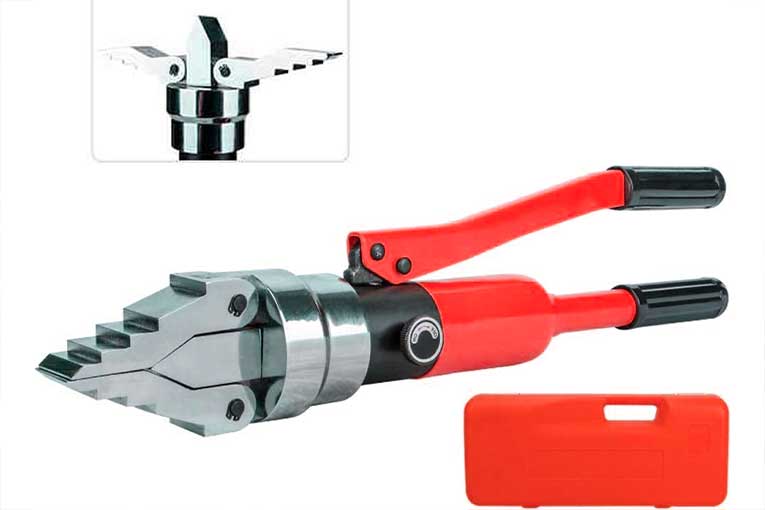
Hydraulic spreaders are powerful devices used to pry open objects or create openings in rescue situations.
These tools are instrumental in providing access to trapped individuals, facilitating efficient rescue operations.
Rams

Hydraulic rams are tools designed to force open doors or create pathways during rescue operations.
Their robust construction and power make them essential for situations where conventional access methods are insufficient.
Do Not Cross Tape
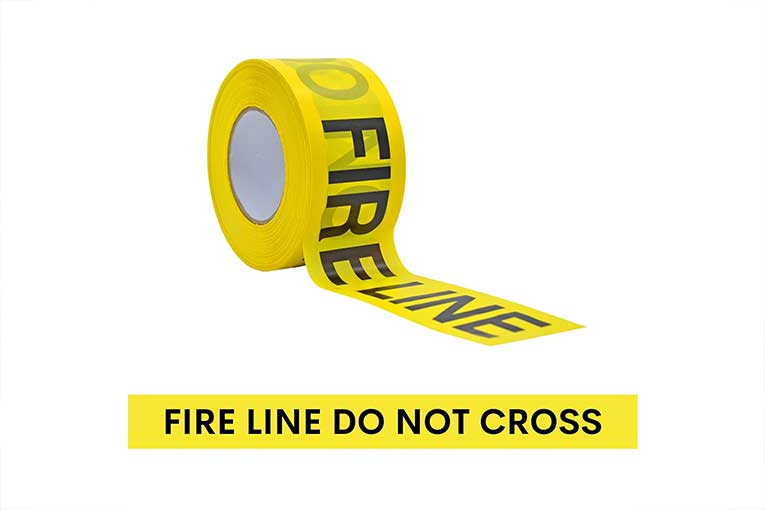
Visible tape with the clear directive “Do Not Cross” is utilised to cordon off unsafe areas and control access to the fire scene.
This tape ensures the safety of both emergency responders and the public by preventing unauthorised entry into potentially hazardous zones.
Traffic Cones
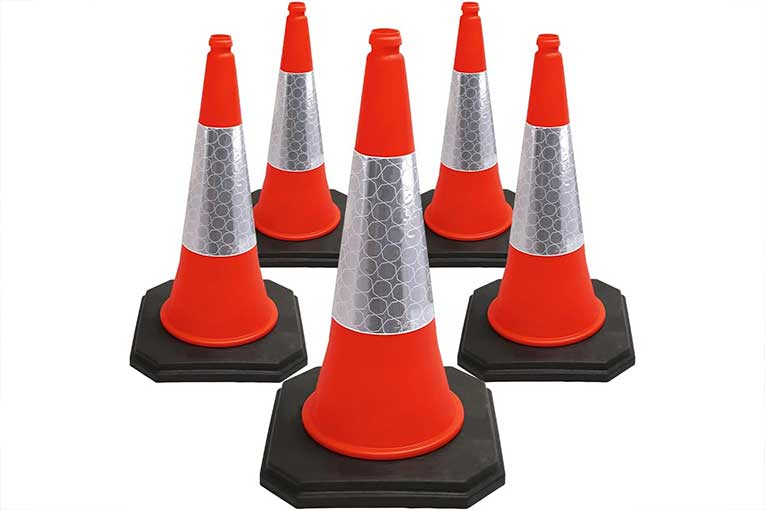
Deployed to manage traffic and create clear pathways for emergency vehicles, traffic cones are essential in ensuring unimpeded access for firefighting teams.
These cones play a crucial role in maintaining order and facilitating the rapid movement of emergency vehicles to and from the incident scene.
What Does the Future Hold for Firefighting Equipment?
The future of firefighting equipment holds exciting possibilities, driven by advancements in technology, materials, and design.
One prominent trend is the integration of smart technologies, such as artificial intelligence and the Internet of Things, into firefighting gear.
This includes wearable sensors and augmented reality visors that provide real-time data to firefighters, enhancing situational awareness and decision-making.
Innovations in materials science are shaping the development of more lightweight yet durable protective gear, addressing comfort and mobility concerns for firefighters.
Nanotechnology may lead to advanced flame-resistant fabrics, ensuring greater protection against extreme temperatures.
Additionally, the use of robotics in firefighting, ranging from autonomous vehicles to robotic firefighting assistants, is on the horizon.
As climate change intensifies, firefighting equipment is likely to evolve to cope with more frequent and severe wildfires.
This may involve the development of specialised tools for wildfires and improved strategies for early detection and prevention.
The collaborative efforts of researchers, engineers, and firefighters promise a future where technology plays a pivotal role in enhancing the safety, efficiency, and effectiveness of firefighting operations, ultimately better equipping first responders to address evolving challenges.
Conclusion
The array of equipment at a firefighter’s disposal is vast and diverse.
From traditional tools that have stood the test of time to cutting-edge technology ensuring efficiency and safety, each item plays a crucial role in combating fires and protecting lives.
The continuous evolution of firefighting equipment reflects a commitment to enhancing the capabilities of those who bravely confront the unpredictable nature of fires.
As technology advances, so does our ability to respond effectively to fire emergencies, ensuring a safer and more resilient future for communities worldwide.