Greek authorities investigate wildfires as arsonist suspected

Wildfires in Greece under investigation

Greek authorities are investigating the possibility that the wildfires threatening Athens were started by a single arsonist.

Civil protection minister Vassilis Kikilias stated that officials found evidence suggesting the fire near Athens was caused by arson, combined with extreme weather conditions.

A fire service spokesman noted the challenges faced by the force, stating: “Almost every 10 minutes a new fire breaks out.”

In Koropi, a storage facility and at least one home were destroyed, with the flames spreading to a boat dry dock and across fields of dry grass and olive trees.

Authorities have evacuated two nearby villages as a precaution.

The heatwave has also led to several foreign tourists dying or going missing while hiking.

Among them, 59-year-old American tourist Albert Calibet has been missing since last Tuesday on the island of Amorgos.

At least five tourists have been found dead on the Greek Islands in recent weeks.

Fire protection technical reports deadline

Today marks the deadline for the submission of fire protection technical reports by property owners near or within forested areas in Greece.

After submitting the technical and risk reports prepared by relevant scientists, property owners must complete necessary interventions by the end of June.

These include pruning trees, shrubs, and removing combustible materials, followed by submitting a Fire Protection Regulation compliance report.

Government sources indicate that no extension of the deadline is currently planned.

The priority is for citizens living close to or within forested areas to take necessary actions to prepare for potential fires.

Scientists are expected to inform property owners about the risks and recommend measures based on their financial capabilities.

The aim is to protect lives and property while easing the fire brigade’s efforts.

Implementation of fire protection measures

This year’s Fire Protection Regulation declarations will also serve as a practical exercise for relevant agencies to identify gaps, shortcomings, and omissions in the process.

The declarations, submitted manually or by email by scientific engineers, surveyors, foresters, or agronomists, will help in planning future interventions.

The application of measures for compliance has been suspended for this year, with mandatory measures focusing on the first line of protection from fire.

These include clearing branches and trees adjacent to buildings, dry grass, bushes, rubbish, and other combustible materials outdoors.

Property owners have until June 30 to complete these tasks and submit their declarations on the online platform.

Warehouse fire safety emphasised by Promat at Coventry event

Promat focuses on warehouse fire safety at Tomorrow’s Warehousing event

“Effective fire protection should be built into the structure of a warehouse”

Promat Commercial Director Joshua Slack

Passive fire protection specialist Promat will highlight the need to protect warehouses against the risk of fire through the effective use of built-in solutions today at the Tomorrow’s Warehousing event.

Promat Commercial Director Joshua Slack will discuss the importance of built-in fire protection in warehouses.

He will address how these measures ensure the safety of buildings, occupants, and stock, ultimately protecting the supply chain from fire risks.

He will also explore the relationship between fire safety and the drive towards net zero.

He will discuss whether there needs to be a compromise on fire safety to achieve high environmental performance or if both goals can be met simultaneously.

Joshua Slack’s insights on passive fire protection

Joshua Slack said: “Effective fire protection should be built into the structure of a warehouse to protect the people within it, the contents of the building, and the structure itself.”

He elaborated on the benefits of passive fire protection solutions: “Passive fire protection solutions allow fires to be contained, provide time to escape – and give firefighters time to tackle a fire to prevent it spreading and to protect the integrity of the building.”

Slack emphasized the necessity of fire protection in warehouses: “For warehouses, in particular, having a demonstrated level of fire protection is essential to both protecting the stock being stored there but also in terms of ensuring the continuity of the supply chain and protecting against the expense and potential implications of a business disruption.”

Importance of fire safety in the context of new regulations

Joshua Slack noted the increased focus on fire safety across industries due to new regulations: “There has been an increased focus on the need for effective fire safety across all industries, especially with the introduction of the Building Safety Act and this event is a good forum to highlight the need for best practice to ensure adequate fire protection is in place for warehouses – but also look at how this fits into a wider ESG strategy.”

Promat’s participation at the event

The Tomorrow’s Warehousing event will be held today (20th June) in Coventry at the CBS Arena.

Promat will address fire protection during the ‘Warehouse Property’ panel discussion, taking place from 3:15pm.

Technical experts from Promat will also be present during the event to discuss passive fire protection solutions and provide insights into the systems the company can offer to protect buildings.

Honeywell introduces AI-driven Battery MXP to boost gigafactory productivity

“This solution is vital in our manufacturing operation,” says John Kem, President of American Battery Factory

Honeywell has announced the launch of its Battery Manufacturing Excellence Platform (Battery MXP), an AI-powered software solution designed to optimize gigafactory operations.

As reported by Honeywell, this platform aims to improve battery cell yields and expedite facility startups.

Traditional battery manufacturing processes often result in material scrap rates as high as 30%.

Battery MXP integrates AI to detect and remedy quality issues before they lead to material waste.

This machine learning-driven solution transforms data into actionable insights to enhance efficiency and productivity.

Reducing scrap rates and increasing efficiency

Battery MXP is engineered to significantly reduce startup material scrap rates by 60% and increase production rates.

This improvement is crucial for meeting the growing demand for lithium-based batteries.

The platform offers powerful data to improve quality control and decision-making on the plant floor.

John Kem, president of American Battery Factory, commented on the impact of Battery MXP: “With Honeywell’s Battery MXP and its automation capabilities, we will be able to quickly and effectively establish a foundation for our network of gigafactories.

“This solution is vital in our manufacturing operation because it allows us to reduce scrap and scale up quickly, while also ensuring we meet the U.S. and international demand for high-quality lithium iron phosphate batteries as we prepare for the unprecedented surge expected over the next decade.”

Enhancing safety and traceability

Battery MXP offers bidirectional traceability, tracking battery cells from raw materials to finished products in real time.

This feature ensures product quality at every step of the manufacturing process.

Additionally, the solution addresses key challenges such as process controls, workforce management, and thermal runaway battery fire prevention, enhancing safety for both operators and end-users.

Pramesh Maheshwari, President of Honeywell Process Solutions, stated: “The electrification of everyday life continues to increase global demand for quality lithium-ion batteries to power electric vehicles, consumer electronics, and battery energy storage systems.

“With the construction of more than 400 gigafactories planned worldwide by 2030, Honeywell’s Battery MXP is a crucial technology that enables manufacturers to maximize cell yields and reach peak production much quicker than traditional methods.”

Aligning with global energy transition

Honeywell’s automation and energy transition portfolio supports the global shift towards electrification.

The company’s expertise in industrial automation, cyber-secure IoT, material handling, building automation, and safety solutions helps battery manufacturers meet the projected demand for reliable battery cells.

Honeywell’s Battery MXP is positioned as a key technology in the global energy transition, providing solutions that advance the electrification journey.

For more information on Battery MXP and Honeywell’s gigafactory solutions, visit process.honeywell.com/us/en/industries/sheet-manufacturing/lithium-ion-batteries.

IFSJ comment

The introduction of Honeywell’s Battery MXP is a notable development in the field of battery manufacturing.

The integration of AI and machine learning in the production process represents a step forward in addressing the inefficiencies and high scrap rates traditionally associated with gigafactories.

By enabling real-time quality control and reducing startup material waste, Battery MXP offers manufacturers a tool to accelerate production ramp-up and meet the growing demand for lithium-based batteries.

This is particularly relevant given the planned construction of numerous gigafactories worldwide by 2030, which underscores the increasing global reliance on battery technology for electric vehicles and other applications.

Global marine fire safety system market to reach USD 159.1 billion by 2032

Market growth driven by advanced fire safety technologies and crew training

The global marine fire safety system market is projected to expand from USD 86.05 billion in 2023 to USD 159.1 billion by 2032, growing at a CAGR of 6.1% during the forecast period of 2024–2032, as reported by Industry Today.

This growth is attributed to the increasing demand for advanced fire detection and suppression technologies in maritime operations.

The emphasis on crew training and competency development is also a key factor propelling the market, with shipowners and operators recognising the importance of well-trained personnel in effectively responding to fire emergencies and reducing risks to life and property.

Environmental sustainability and regulatory compliance are significant factors fuelling the market.

With rising scrutiny on the environmental impact of traditional firefighting agents, there is an increasing demand for alternative solutions that minimise ecological harm while maintaining fire safety efficacy.

Impact of artificial intelligence on marine fire safety systems

Artificial intelligence (AI) is transforming fire safety measures in the maritime industry.

By integrating AI-powered systems, vessels can proactively detect potential fire risks, analyse complex data patterns, and execute swift responses to enhance safety.

AI algorithms facilitate predictive modelling, allowing maritime authorities and ship operators to forecast fire occurrences based on historical data, environmental conditions, and vessel-specific parameters.

AI-driven solutions also optimise resource allocation by autonomously directing firefighting efforts and deploying extinguishing agents precisely where needed.

This advanced technology is revolutionising how vessels mitigate and prevent fire hazards, providing a significant boost to safety measures on board.

Major drivers and existing restraints in the market

The increasing globalisation and international trade within the maritime industry are primary drivers of the market.

The expansion of maritime activities in key shipping routes and ports worldwide is expected to drive the adoption of advanced fire prevention and suppression technologies to protect valuable assets and ensure uninterrupted trade operations.

Additionally, concerns over onboard safety and the protection of human lives are fuelling the market.

With passenger vessels, cruise ships, and ferries accommodating large numbers of travellers, safety remains paramount, prompting investments in cutting-edge fire detection and suppression technologies.

However, the complexity and cost of implementing advanced marine fire safety systems pose significant restraints.

The high initial investment required for installing and maintaining sophisticated fire detection, suppression, and control equipment deters small and medium-sized vessel owners from upgrading their safety systems.

Furthermore, environmental concerns over traditional fire suppression agents limit the market due to regulatory restrictions and international agreements aimed at phasing out ozone-depleting substances and reducing greenhouse gas emissions.

Emerging opportunities and regional outlook

The rapid digitalisation and automation of maritime operations are creating lucrative opportunities for the integration of AI and machine learning (ML) technologies in the market.

AI-powered predictive analytics enable ships to anticipate fire hazards based on real-time data insights, allowing for proactive risk mitigation measures and reducing the likelihood of catastrophic incidents.

The rising demand for autonomous and unmanned vessels also presents new opportunities, with AI-powered fire detection and suppression systems, including autonomous firefighting drones and robotic devices, offering scalable and efficient solutions for mitigating fire risks in unmanned operations.

Regionally, North America held a major market share in 2023 due to stringent regulatory frameworks and the presence of prominent maritime industry players investing in advanced fire safety technologies.

The robust maritime infrastructure in North America, coupled with a strong focus on safety and compliance standards, is driving the adoption of sophisticated fire detection and suppression systems across various vessel types.

The Asia Pacific region is projected to experience significant growth due to robust economic development, increasing trade activities, and investments in port infrastructure across countries such as China, Japan, South Korea, and Singapore.

The region’s focus on enhancing safety standards and regulatory compliance in maritime operations, along with rising awareness of the importance of fire safety measures, is expected to drive the demand for advanced fire detection and suppression technologies.

Survitec highlights increase in ship fire safety deficiencies

Increase in fire safety deficiencies reported

Global Survival Technology solutions provider Survitec has highlighted the dangers of inadequate maintenance, testing, and inspection of ship fire safety systems in a new white paper.

The paper points to an alarming increase in fire-safety-related deficiencies found during Port State Control Inspections and subsequent ship detentions, as reported by Survitec.

The white paper, released at the Posidonia tradeshow, emphasises that fire continues to be a leading cause of major shipping incidents, accounting for over 20% of total losses and the most expensive cause of marine insurance claims.

In 2022, the Paris MoU recorded the highest level of fire safety deficiencies in a decade, and the Tokyo MoU reported an increase in detentions, with 15,562 deficiencies in 2023.

Economic downturn impacting fire safety standards

Survitec has found that the economic downturn and the emphasis on cost reduction post-COVID have negatively impacted fire safety.

Some shipowners and operators are maintaining and inspecting safety equipment themselves to save costs.

Metkel Yohannes, Director of Service & Rental Solutions at Survitec, said: “We’re finding basic errors and oversights that do not become apparent until either the ship fails an inspection and is detained – or there is a fire.”

He cited an example where a crew installed a new foam pump but forgot to remove a protective cap, causing a blockage.

Disparity in service quality and use of incorrect parts

Survitec also finds issues with the quality of parts used and the service quality between providers.

In CO2 firefighting systems, for example, hydraulic hoses are often mistaken for high-pressure hoses, which can burst under pressure.

Yohannes noted: “We see evidence of a slip in standards regarding basic safety practices but also a wide disparity in service quality between service providers.

“Approval stamps are being applied to fire systems and appliances that would or should not pass inspection.”

New fire risks with alternative fuels

The white paper highlights an incident involving a bulk carrier where a fire broke out shortly after leaving port, despite the vessel having passed a fire safety inspection.

Over half of the CO2 cylinders failed to activate, causing significant damage and resulting in repair costs estimated between $2-3 million USD.

Yohannes commented: “The development and introduction of alternative fuels, including the use and transportation of lithium-ion batteries, brings new fire risks and safety challenges that can’t be ignored.

“Fire systems and equipment must be maintained and tested as mandated by SOLAS, the IMO and the FSS code.”

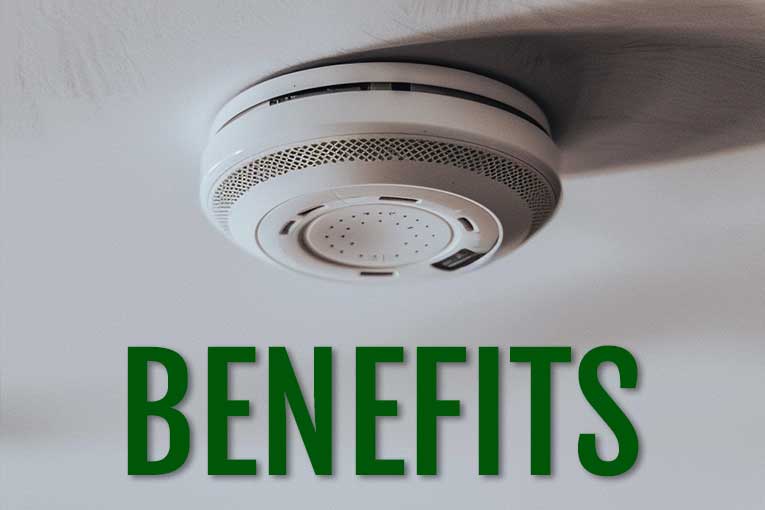
What is an Ionization Fire Detector?

In fire safety, fire detection plays a crucial role in early warning systems. 

Among these detectors, ionization fire detectors are one of the most common. 

But what exactly are ionization fire detectors, and how do they work? 

This article should give you the information on everything about ionization fire detectors, including their advantages and disadvantages, and how they stack up against other types of fire detectors.

What is an Ionization Fire Detector?

ionization fire detector image

An ionization fire detector is a type of fire alarm device designed to detect the presence of smoke particles in the air. 

It operates on the principle of ionization, utilising a small amount of radioactive material to ionize the air within the detector. 

When smoke enters the detector, it disrupts the ionization process, triggering the alarm.

Walter Jaeger, a Swiss physicist, is frequently attributed with the creation of the inaugural functional ionization smoke detector in 1943.

How Does an Ionization Fire Detector Work?

how ionization fire detector works

An ionization fire detector operates on a simple yet effective principle to detect the presence of smoke particles in the air. 

It utilises the process of ionization, facilitated by a small amount of radioactive material, typically Americium-241

The detector consists of an ionization chamber, a hollow enclosure containing two electrodes and a small radioactive source. 

The radioactive material emits alpha particles, which ionize the air within the chamber.

When alpha particles emitted by the radioactive source collide with air molecules in the chamber, they ionize them, creating positively and negatively charged ions. 

This process generates a small electric current between the electrodes.

Under normal conditions, the ionization process maintains a stable electric current between the electrodes. 

This current serves as a baseline for the detector’s operation.

When smoke enters the ionization chamber, it disrupts the ionization process. 

Smoke particles interfere with the movement of ions, causing a decrease in the electric current between the electrodes.

The drop in electric current triggers the alarm mechanism of the detector. 

The alarm may emit a loud sound, flash lights, or activate a connected fire alarm system, alerting occupants to the presence of smoke and potential fire.

What are the Benefits to an Ionization Fire Detector?

ionization fire detector benefits

Ionization fire detectors offer several benefits that make them valuable components of fire detection systems:

Fast-Flaming Fires 

Ionization detectors are highly sensitive to small smoke particles produced by fast-flaming fires, such as those caused by burning paper or flammable liquids. 

This sensitivity allows them to provide early warning in the critical early stages of a fire, giving occupants more time to evacuate safely and firefighters a better chance to contain the blaze.

Quick Response Time

Ionization detectors have a rapid response time, triggering the alarm promptly when smoke particles enter the ionization chamber and disrupt the electric current. 

This quick response is essential in emergency situations, helping to minimize the spread of fire and reduce property damage.

Availability and Affordability 

Ionization fire detectors are widely available and relatively affordable, making them accessible to homeowners, businesses, and organizations of all sizes. 

Their affordability allows for widespread deployment in residential and commercial buildings, enhancing overall fire safety.

Compatibility

Ionization detectors are compatible with standard fire alarm systems, allowing them to integrate seamlessly into existing fire protection infrastructure. 

They can be interconnected with other detectors, sirens, and monitoring systems to provide comprehensive coverage and centralized control.

Simple Installation and Maintenance

Ionization detectors are easy to install and require minimal maintenance. 

They can be mounted on walls or ceilings using simple hardware and do not require complex wiring or configuration. 

Routine maintenance typically involves periodic testing and battery replacement to ensure proper operation.

Effectiveness in Various Environments

Ionization detectors are effective in a wide range of environments, including residential homes, commercial buildings, and industrial facilities. 

They can detect smoke particles in open spaces, hallways, and enclosed rooms, making them versatile solutions for diverse fire detection needs.

What are the Downsides to an Ionization Fire Detector?

ionization fire detector downsides

While ionization fire detectors offer several advantages, they also have some downsides that should be considered:

Slow-Smouldering Fires

Ionization detectors are less sensitive to larger smoke particles produced by slow-smouldering fires, such as those caused by overheated electrical wiring or smouldering upholstery. 

These types of fires may produce less visible smoke and take longer to generate enough smoke to trigger an ionization detector, potentially delaying the alarm and increasing the risk of injury or property damage.

False Alarms

Ionization detectors are prone to false alarms, particularly in environments with high levels of dust, steam, or cooking fumes. 

These environmental factors can disrupt the ionization process and trigger false alarms, leading to nuisance alarms and potential complacency among occupants.

Radioactive Material

Ionization detectors contain a small amount of radioactive material, which is used to facilitate the ionization process. 

While the amount of radioactive material is minimal and considered safe for use in consumer products, some individuals may have concerns about the presence of radioactive material in their homes or workplaces.

Environmental Impact

The manufacturing and disposal of ionization detectors may have environmental implications due to the radioactive material they contain. 

Proper disposal of ionization detectors is necessary to prevent environmental contamination and ensure compliance with regulations governing the disposal of radioactive waste.

Limited Coverage Area

Ionization detectors are most effective at detecting smoke particles in open spaces and may have limited coverage in enclosed areas or rooms with obstructions. 

Supplementing ionization detectors with other types of detectors, such as photoelectric or heat detectors, can help overcome this limitation and provide more comprehensive fire detection coverage.

Incompatibility with Certain Environments 

Ionization detectors may not be suitable for certain environments with high levels of airborne contaminants or extreme temperatures, as these conditions can affect their performance and reliability.

What Other Types of Fire Detectors are Available?

fire detector types

In addition to ionization fire detectors, several other types of fire or smokes detectors are available, each offering unique advantages and capabilities:

Photoelectric Fire Detectors

Photoelectric fire detectors operate on the principle of light scattering. 

They contain a light source and a photosensitive receiver. 

When smoke enters the detector chamber, it scatters the light, triggering the alarm. 

Photoelectric detectors are highly sensitive to slow-smouldering fires and are less prone to false alarms from steam or cooking fumes.

Heat Detectors

Heat detectors are designed to detect changes in temperature rather than smoke particles. 

They are ideal for environments where smoke detection may be less effective, such as kitchens or garages. 

Heat detectors are available in fixed temperature and rate-of-rise models, which activate when the temperature exceeds a predetermined threshold or rises rapidly.

Dual Sensor Detectors

Dual sensor detectors combine the capabilities of ionization and photoelectric detectors into a single device. 

By integrating both sensing technologies, dual sensor detectors can provide comprehensive fire detection coverage, detecting both fast-flaming and slow-smouldering fires while minimising false alarms.

Air Aspiration Systems

Air aspiration systems use a network of pipes and sampling points to continuously draw air samples from the protected area. 

These samples are analyzed for the presence of smoke particles using sophisticated detection algorithms. 

Air aspiration systems offer highly sensitive and early detection of fires, making them suitable for high-value assets and critical infrastructure.

Flame Detectors

Flame detectors are designed to detect the presence of flames or combustion sources, such as those produced by gas or oil fires. 

They use optical sensors to detect the characteristic flicker of flames and can provide rapid detection in environments where smoke detection may be ineffective or impractical.

Ionization vs Photoelectric Fire Detectors

ionization vs photoelectric fire detector

Ionization and photoelectric fire detectors are two distinct types of smoke detectors, each offering unique advantages and capabilities. 

Ionization detectors excel at detecting fast-flaming fires, thanks to their high sensitivity to small smoke particles. 

They operate based on ionization, using a radioactive material to ionize the air within the detector chamber. 

However, ionization detectors may be less effective at detecting slow-smouldering fires, as they are less sensitive to larger smoke particles.

In contrast, photoelectric detectors are highly sensitive to larger smoke particles and are particularly effective at detecting smouldering fires. 

They work based on light scattering, utilising a light source and photosensitive receiver to detect changes in light patterns caused by smoke particles. 

While photoelectric detectors may have a slower response time to fast-flaming fires compared to ionization detectors, they are less prone to false alarms from environmental factors such as dust or cooking fumes.

Ultimately, the choice between ionization and photoelectric detectors depends on the specific fire detection needs and environment. 

Combining both types of detectors can provide comprehensive fire detection coverage, ensuring effective early warning in a variety of fire scenarios.

Ionization vs Heat Fire Detectors

ionization vs heat fire detector

Ionization, photoelectric, and heat fire detectors are three primary types of fire detection devices, each offering unique strengths and capabilities.

Ionization detectors are highly sensitive to small smoke particles produced by fast-flaming fires, making them effective at providing early warning in such situations. 

They operate based on ionization, using a small amount of radioactive material to ionize the air within the detector chamber. 

However, they may be less effective at detecting smouldering fires, as they are less sensitive to larger smoke particles.

Heat detectors are designed to detect changes in temperature rather than smoke particles. 

They are ideal for environments where smoke detection may be less effective, such as kitchens or garages. 

Heat detectors are available in fixed temperature and rate-of-rise models, which activate when the temperature exceeds a predetermined threshold or rises rapidly.

Conclusion

Ionization fire detectors serve as vital components of fire detection systems, offering early warning capabilities in the event of a fire. 

While they excel at detecting fast-flaming fires, they may have limitations in detecting slow-smouldering fires. 

By understanding their strengths and weaknesses, users can make informed decisions about incorporating ionization detectors into their fire safety plans, ensuring comprehensive protection against the threat of fire.

Survitec launches containment device for valve actuator safety

Survitec unveils new safety device

Survitec has introduced a new energy containment safety device designed to mitigate risks associated with catastrophic valve actuator failures.

High-pressure spring-loaded actuator failures can cause severe injury or death and significant damage to equipment and facilities.

Regular inspection and maintenance are often neglected, and the risks have not received much technological or regulatory attention.

Features of the Survitec Gauntlet

The Survitec Gauntlet is compatible with all valve actuator types.

It is a protective sleeve made from lightweight para-aramid armouring, which is ten times as strong as steel.

This design aims to contain the forces unleashed during a failure.

Lloyd’s Register has technically qualified the Survitec Gauntlet, providing immediate containment protection and enhancing safety measures.

It adds minimal weight to the actuator, avoiding additional stress, and protects the actuator’s components from corrosion and degradation.

Market adoption and expert opinions

Survitec has supplied the Gauntlet to many operators, including major companies in the North Sea.

The company has also received an order from a Spanish oil and gas operator.

David Montgomery, Head of Sales at Survitec, said: “The introduction of the Gauntlet is a testament to our proactive stance on safety enhancement.

“The absence of detailed regulatory control pertaining to valve actuator failures or maintenance of this critical component is a pressing issue that demands immediate attention.

“We urge regulators to initiate further discussions and ask operators to act promptly to safeguard their personnel and critical plants in the event of an uncontained failure of an actuator.”

Addressing corrosion and aging issues

Valve actuator failures offshore often result from corrosion and the age of the units, with hundreds in service on each offshore installation.

Paul Gwynne, Sales & Contracts Manager at Survitec, highlighted: “The valve return spring sits in a pre-loaded or loaded condition and is powerful enough to close down the valve even during full operation.

“However, far too many of these actuators have been left to degrade. We are now seeing hundreds in an unsafe or unknown condition – which may be intensified by pneumatic and/or hydraulic control pressures and, therefore, a huge issue and possible danger to equipment and personnel.”

Gwynne added: “Many actuators have suffered significant corrosion of the unit’s internal workings, not only the exterior weather shield, which is visible.

“The problem can be compounded when these actuators are tagged as non-operational or decommissioned, no longer serviced but in place, but still containing a pre-load force in the spring, which can be equivalent to several tonnes depending on the size of the actuator.

“The force and impact of an actuator failure can be violent and often potentially fatal, impacting people, critical plants and even pipelines.”

Preplanning for ship incidents with Paul E. Calderwood

Structural fire fighting response to marine incidents (part 2) By Paul E. Calderwood, Calderwood Consulting International

[Part 1 can be found here]

In February 1989 there was a vessel fire in Wilmington Delaware on the MV Centaurus and the following issues and problems were identified by the fire department:

  • Inability to communicate with the crew
  • Lack of knowledge of vessel systems and arrangement
  • Lack of knowledge of the fire control plan
  • Logistic of managing large amounts of foam concentrate, including protecting the foam from freezing temperatures
  • Difficulty in recharging large numbers of radios and flashlights during a prolonged operation
  • Difficulty in dewatering and controlling pollution from contaminated runoff

These and many other issues and problems will be faced by fire fighters and the command staff at a vessel fire and with proper pre-fire planning many of these can be eliminated or reduced.

All fires to a fire fighter can be a life and death situation, but with shipboard firefighting there is a heightened level of risk due to the unknowns.

Use of 30-minute air tanks may be only enough to get you to the fire but not able to exit from a lower deck or engine room.

There are a number of MIRT (Marine Incident Response Teams) Teams formed in the US today.

The make-up of these teams includes port area fire departments, USCG, special experts like marine architects and marine chemist and other agencies and departments that would be called upon to respond to a vessel fire.

These teams are used also to provide training and drills prior to actual events but it gives the responders the opportunity to meet each other and iron out any problems in a non-emergency situation.

Mutual aid training of fire fighters is an area of planning that will need extensive work to accomplish.

Every fire department is faced with legally mandated training, much of which is required to be repeated annually.

Finding the time, the vessels, competent instructors and a safe location to hold training is needed and not easy to do.

The basic training of fire fighters for responding to a shipboard fire is roughly 16 – 24 hours.

Now you have to factor in the typical day in the life of a fire fighter, shift starts at 8am, equipment checks and housework until 9am, training from 9-9:30 until lunch.

After lunch class could start around 1:30 until 5 pm, so in one day with breaks and lunch you will get about 6 hours’ worth of training in; unless there is a fire or a medical call.

Depending on fire department work schedules, vacation schedules, sick days and injuries it could take months to get everyone through just the basic training.

The hands-on training can be organized through multi-departmental drills with assistance from the shipping companies and the US Coast Guard.

The one item that can be pointed to as a problem at every fire that has not gone right is communications.

The command staff of a vessel fire should already be aware that they will have communications problems, especially trying to communicate with the fire attack teams below deck.

The comment about being able to communicate in any type of building can also be any type of vessel.

The steel construction of a vessel is going to cause problems on many levels but especially with communications.

During practical drills in Everett we have found that a standard portable radio can reach 2-3 decks below the main deck near a stairwell.

The use of radio relays or using the ship’s communications systems may be the only way to get messages back and forth.

A secondary issue of communications comes from the ability of the OIC to communicate in a common language.

The terminology of the marine environment and ships system is complicated; if an OIC has no idea what a ship’s crew member is talking about it is doubtful that he will go along with it.

During port calls, many of the ship’s crewmembers may be on shore leave and will be unavailable to assist in the emergency and with a language barrier it will be difficult to ascertain who is accounted for or missing.

A M.I.R.T. is a group of training individuals from the many different agencies and departments in the area that have practiced together and responded to actual incidents.

Special experts like marine architects, marine chemists and vessel stability are vital to have on scene throughout the event.

The M.I.R.T. team concept can help bridge the gaps that are left from the lack of training.

These experts can help OIC’s in developing attack plans that can actually keep fire fighters above deck and not have to enter spaces that can be attacked using ship systems.

The use of some indirect attack methods, like flooding a space with CO2, can help buy time for the OIC to arrange for further support and resources.

There are similarities in the basic construction and layouts but being familiar with a vessel will make a difference when an actual event occurs.

Training can be upgraded to practice drills where fire fighters board a vessel in turnout gear and simulate fire conditions, advance lines, do search and rescue, patient removals and systems operations.

Through the use of drills on actual vessels fire fighters will gain a working knowledge of how to operate on a vessel, how to find their way around the different decks and how to communicate.

The simple task of walking onto the ship, across the main deck and then down 4-5 decks to a smoke-filled engine room is not something an average fire fighter can physically do.

The command staff needs to know how to organize the attack on a fire and how to set up an accountability system to track all fire fighters and crew members.

The pre-fire planning that is needed in a port community needs to address all the different types of vessels that dock there.

Based on the different types of vessel the plan can be generic for all vessels or it may have to be specific to each type of vessel due to the size or hazards associated with the vessel.

In the back of the NFPA 1405 Guide there are generic forms that can be used to start your planning; the intent of the forms is to have a memory jogger that will assist the incident commander that is first assigned to the vessel fire to gather important information that can and will change during the course of the fire.

These changes need to be monitored but without a good base line to start with the changes may not seem to be as serious as they really are.

Things like the depth of the vessel in the water and any listing of the vessel to one side are important to note.

Accountability was one area that needs to be assigned to an officer at the beginning of the incident.

When coordinating the efforts of hundreds of fire fighters and the alphabet soup of local, state and federal agencies, there has to be a detailed method of accounting for everyone, especially those entering into the hot zones.

Control and check points need to be established at the vessel entrances and members need to check in when boarding and check out when leaving the vessel.

A secondary check point is also needed at the point where fire fighters are actually entering into the vessel to attack the fire.

The time they enter, and their air bottle pressure should be written down and an estimated time of return and their destination.

If the crew does not return within the given time period and is unable to be contacted the rapid intervention team should be sent in to search for them.

Crews can easily become disorientated below deck and travel to another exit point, but they should always contact the checkpoint where they entered to notify them that the team has exited the interior of the vessel safely.

If your department could be called on to respond to any type of vessel fire, please take the time and get the proper training to be able to safely and professionally respond and mitigate the situations.

I dedicate this article to Firefighter Augusto Acabou and Firefighter Wayne Brooks Jr., may they both Rest In Peace.

Contact me regarding available training programs in the US and International locations: dchiefpaul@aol.com

This article was originally published in the May 2024 issue of International Fire & Safety Journal. To read your FREE digital copy, click here.

Why are Firetrucks Red?

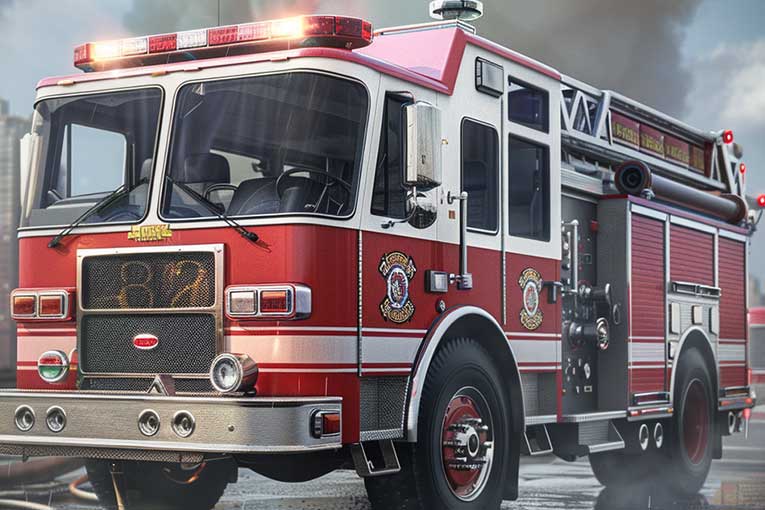
Firetrucks, with their distinctive red hue, stand out as symbols of rapid response to emergencies, commanding attention on roads and streets worldwide. 

But why are firetrucks red?

The vibrant red colour has become synonymous with the urgency and gravity of firefighting efforts. 

While the sight of red firetrucks is deeply ingrained in our collective consciousness, the origins of this colour choice remain shrouded in curiosity and speculation.

In this article, we will delve into the mystery behind the enduring tradition of painting firetrucks red.

Why are Firetrucks Red?

why are firetrucks red image

Firetrucks, with their bold and unmistakable red hue, have become iconic symbols of emergency response. 

The choice of this vibrant colour is deeply rooted in tradition. 

As to why firetrucks are red, the short answer is nobody knows for sure.

However there are numerous theories as to why, with some of the most common being:

Cheapest Colour of Paint

firetrucks red cheapest paint

One widely circulated theory suggests that red became the colour of choice for firetrucks due to its historical status as the least expensive colour of paint. 

In the early days of fire departments, when budgets were tight and they were mostly volunteers, the cost-effectiveness of red paint made it an economical choice. 

This theory reflects a pragmatic approach, where fire departments aimed for a uniform and easily recognizable colour without straining their limited resources.

Most Expensive Colour of Paint

firetrucks red most expensive paint

Contrary to the cost-effectiveness theory, another perspective argues that red was intentionally chosen as the most expensive colour of paint. 

In this view, fire departments sought high-quality, durable paint to protect their vehicles from the elements and enhance their visibility. 

While this theory challenges the notion of frugality, it underscores the importance of investing in materials that ensure the longevity and effectiveness of firefighting equipment.

Farmers

firetrucks red farmers carts

An interesting historical twist connects the colour choice of firetrucks to the practices of farmers. 

During the early days of fire departments, when acquiring vehicles for their fleets, departments often obtained used trucks from farmers. 

Farmers, who commonly painted their carts red to hide dirt and grime, unintentionally contributed to a surplus of red-painted carts that fire departments adopted. 

This theory highlights the influence of practicality and resourcefulness in shaping the colour palette of firefighting fleets.

Displaying Urgency

firetrucks red urgency

The early 20th century, marked by the dominance of black-coloured Ford cars, introduced another theory regarding the choice of red for firetrucks. 

In an era where many vehicles were black, fire departments opted for red to stand out and convey a sense of urgency. 

The stark contrast between the red firetrucks and the sea of black vehicles on the road facilitated quick identification and emphasised the critical nature of their mission.

An Old Joke

firetrucks red old joke

“Because they have 8 wheels and 4 people on them, and 4 plus 8 makes 12, and there are 12 inches in a foot, and 1 foot is a ruler, and Queen Elizabeth was a ruler, and Queen Elizabeth was also a ship, and the ship sailed the seas, and there were fish in the seas, and fish have fins, and the Finns fought the Russians, and the Russians are red, and fire trucks are always ‘Russian’ around, so that’s why fire trucks are red!”

Adding a humorous twist to the discussion is a centuries-old joke that offers a playful explanation for why firetrucks are red. 

According to this whimsical theory, the colour choice is a result of a convoluted chain of associations involving wheels, rulers, ships, fish, and even geopolitical references. 

While clearly a jest, this theory highlights the lighthearted and imaginative interpretations that have woven their way into the lore surrounding firetruck colours.

Can Firetrucks be Other Colours?

While red remains the traditional and widely recognized colour for firetrucks, fire departments around the world have occasionally deviated from this norm, experimenting with different colours for various practical and strategic reasons. 

These alternative colour choices not only break with tradition but also serve specific purposes in enhancing safety, visibility, and aesthetic appeal during emergency responses.

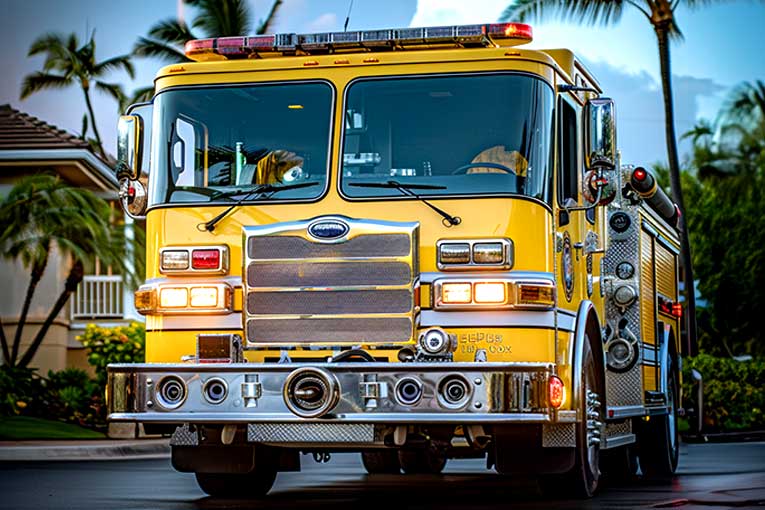
Yellow

yellow firetruck

Yellow firetrucks are occasionally employed to address specific challenges posed by rural environments. 

The vibrant and contrasting colour of yellow enhances visibility, making the trucks more noticeable, especially in expansive rural landscapes. 

This increased visibility is crucial for navigating challenging terrains and locating emergency sites efficiently. 

A notable example is the use of yellow firetrucks in Australia, in regions where the topography and vegetation necessitate heightened visibility for effective emergency response.

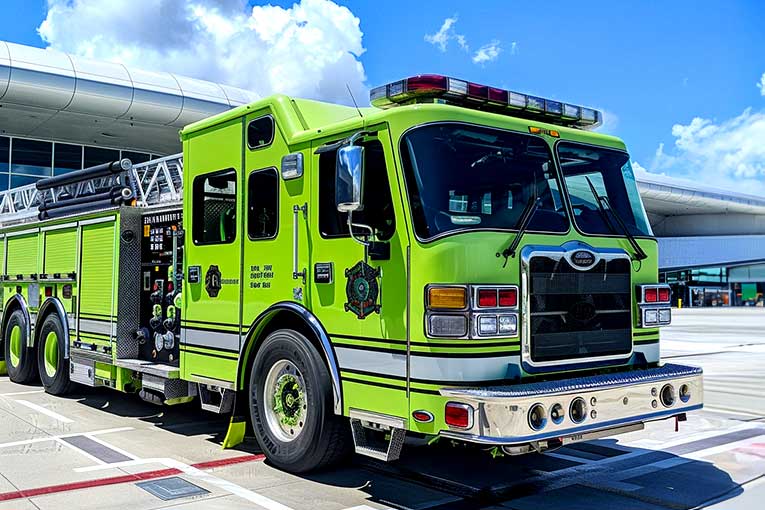
Lime Green

lime green firetruck

Lime green has emerged as a colour choice motivated by a desire to maximise visibility both during the day and at night. 

This highly visible hue stands out in various lighting conditions, ensuring that firetrucks are easily spotted by motorists and pedestrians alike. 

Fire departments adopting lime green firetrucks prioritise safety and awareness during emergency responses. 

This choice is particularly evident in urban areas where diverse lighting scenarios demand enhanced visibility. 

Several examples showcase fire departments incorporating lime green firetrucks into their fleets to bolster their visibility during critical operations.

White

white firetruck

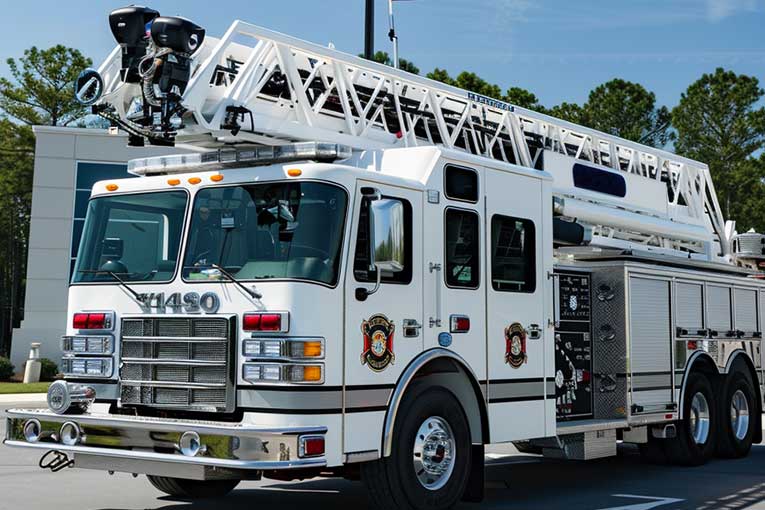
White firetrucks represent a departure from the traditional red, chosen by certain fire departments for their clean and modern aesthetic. 

The use of white not only imparts a contemporary look but also serves practical purposes. 

White is a reflective colour, aiding visibility, especially in low-light conditions. 

This choice aligns with the evolving design preferences of fire departments seeking a fresh and modern image while maintaining functionality. 

Examples of fire departments incorporating white firetrucks into their fleets can be found in urban settings where aesthetics and visibility converge as crucial considerations.

Blue

blue firetruck

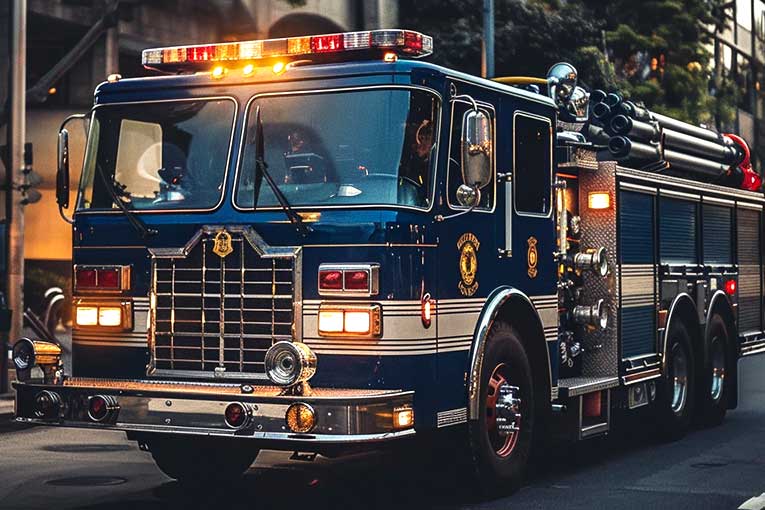
While less common, blue firetrucks are occasionally employed for special purposes or to distinguish specific types of emergency vehicles. 

Blue may be reserved for specialised units within a fire department, signifying distinct functions or equipment. 

This colour choice can aid in rapidly identifying the purpose of a particular vehicle during multi-agency responses. 

Real-world instances include fire departments utilising blue firetrucks for hazardous materials response teams or specialised rescue units, where differentiation in colour supports quick and efficient coordination during emergencies.

Orange

orange firetruck

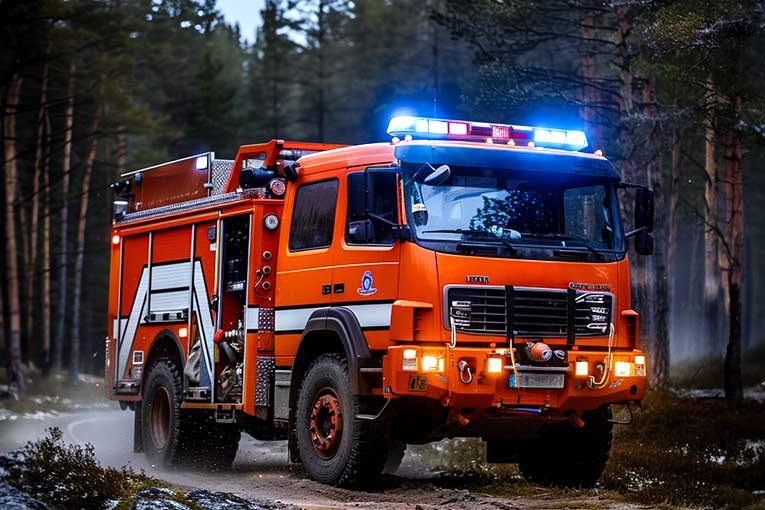
In Finland, the use of orange firetrucks adds a distinctive touch to the country’s emergency response vehicles. 

The choice of orange as a colour for firetrucks is not only a departure from the traditional red but also serves specific purposes tailored to the unique challenges of Finland’s environment.

The vibrant orange hue enhances visibility, especially in the country’s varied landscapes, including forests and lakes. 

Finland’s terrain, characterised by vast expanses of nature, demands vehicles that can stand out against diverse backgrounds. 

Orange firetrucks address this need by providing increased visibility during emergency responses, ensuring that they can be easily spotted in both urban and rural setting

Conclusion

Hopefully this should answer your question of why are firetrucks red?

While red remains the predominant colour for firetrucks, the choice is not solely based on tradition or aesthetics. 

Practical considerations, historical influences, and attempts to increase visibility and safety have all played a role in shaping the colour choices for these vital emergency response vehicles. 

As fire departments continue to evolve and adapt to new technologies and safety standards, we may see further experimentation with colours in the future. 

Regardless of the colour, the primary goal remains the same – to ensure that firetrucks are easily recognizable and effective in responding to emergencies.

Fire Protection Research Foundation to host webinar on marine transport safety of energy storage systems

Fire safety in marine transportation of energy storage systems highlighted in upcoming webinar

The Fire Protection Research Foundation (FPRF) is set to host an insightful webinar on the marine transportation of energy storage systems (ESS) titled “Hazard Assessment and Regulatory Analysis”.

This event, part of the 2024 FPRF webinar series, will take place on April 29, from 11:00 am to 12:30 pm ET.

Participants are encouraged to register via the NFPA’s dedicated link.

This session will focus on enhancing understanding of the risks associated with transporting ESS by sea, a practice increasing due to the global manufacturing and distribution of these systems.

Details of the webinar

Energy storage systems, which store renewable energy for later use, often require transportation across oceans due to international manufacturing.

The webinar will address the unique challenges posed by large-scale ESS during marine transport, such as safety and regulatory compliance.

A study by Transport Canada, conducted by the FPRF, will be presented, detailing new insights and recommendations for safe transportation practices and regulatory adherence.

This is crucial for ensuring the safety of ESS in the confined and resource-limited environments of marine vessels.

Support and sponsorship

The 2024 Fire Protection Research Foundation webinar series has garnered support from several key industry stakeholders.

Sponsors include the American Wood Council, AXA XL Risk Consulting, Johnson Controls, Inc., Telgian Engineering and Consulting LLC, and Zurich Resilience Solutions.

Their involvement underscores the significance of collaborative efforts in advancing safety standards in energy storage and transportation sectors.