How Long Do Fire Extinguishers Last?

Fire extinguishers are crucial tools for swiftly combating small fires, but do they last forever? 

Understanding their lifespan and exactly how long do fire extinguishers last is vital for ensuring their effectiveness in emergencies. 

In this article, we’ll explore how long different types of fire extinguishers last, when to replace them, and the importance of regular servicing.

How Long Do Fire Extinguishers Last?
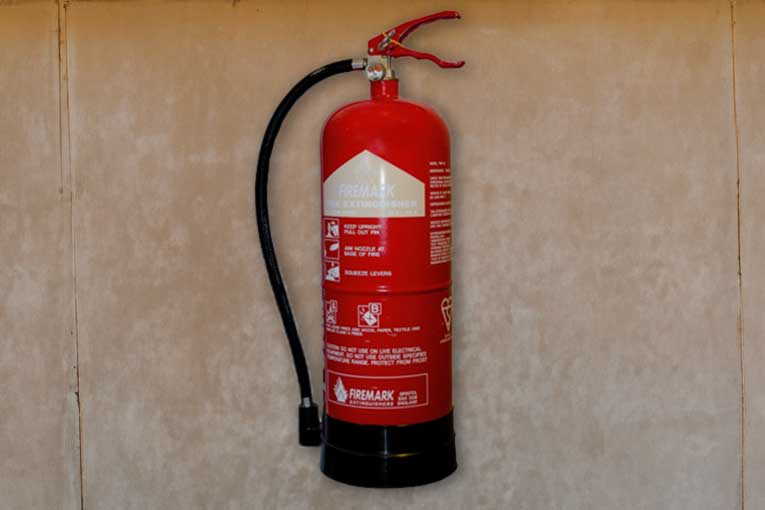
how long do fire extinguishers last image

Fire extinguishers are crucial for rapid response in emergencies, but their effectiveness diminishes over time. 

Understanding how long fire extinguishers last is essential for maintaining a safe environment.

Disposable

Disposable fire extinguishers typically have a lifespan of around 10 to 12 years. 

Once they reach this limit or display signs of wear, they should be replaced to ensure optimal performance. 

These extinguishers are designed for single use, emphasising the importance of timely replacements.

Rechargeable

Rechargeable fire extinguishers, designed for multiple uses, have a service life of approximately 6 years. 

After this period, a thorough professional inspection and maintenance are necessary to ensure their continued reliability. 

If any issues are identified during servicing or if the extinguisher reaches the end of its recommended life, it should be replaced promptly.

How Often Should Fire Extinguishers be Serviced?
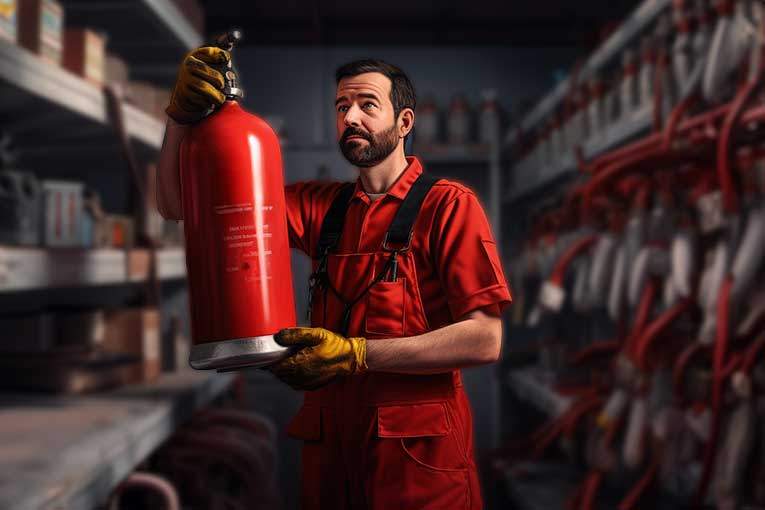
how often fire extinguishers serviced

Routine maintenance is key to ensuring the reliability of fire extinguishers. 

Different types require distinct servicing intervals to guarantee optimal functionality when facing a fire emergency.

Water, Powder, or Foam

Fire extinguishers containing water, powder, or foam should undergo professional servicing every 5 years. 

This process involves a thorough inspection, testing, and refilling, if necessary. 

Regular servicing helps identify any issues and ensures the extinguisher is fully operational.

CO2

CO2 fire extinguishers, commonly used for electrical fires, have a longer service interval of 10 years. 

These extinguishers should undergo a comprehensive professional service to inspect and maintain their components. 

This ensures that the extinguisher remains effective in suppressing electrical fires.

Where to Find the Fire Extinguisher Manufacture Date?
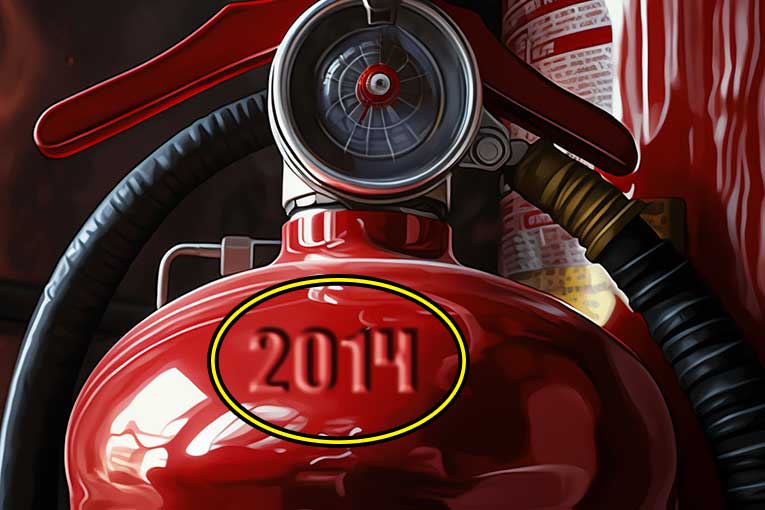
fire extinguishers manufacture date

Knowing the manufacture date of a fire extinguisher is crucial for determining its lifespan and understanding how long your fire extinguisher will last. 

The location of this information varies based on the type of extinguisher.

Steel Fire Extinguishers

Stamped into the Cylinder

The manufacture date may be physically stamped onto the cylinder of the steel fire extinguisher. 

This stamp provides a clear and permanent indication of when the extinguisher was produced.

On the Label

Alternatively, the manufacture date might be included on the label affixed to the extinguisher. 

This label provides essential information about the extinguisher’s specifications and usage guidelines.

P50 Service-Free Extinguishers

Older Models 

For older P50 fire extinguisher models, the manufacture date is typically printed on the base of the unit.

Newer Models 

Newer P50 models use a coloured pin that correlates to a table printed on the label. 

The pin colour corresponds to the month and year of manufacture, providing a quick reference.

When Should you Replace a Fire Extinguisher Early?
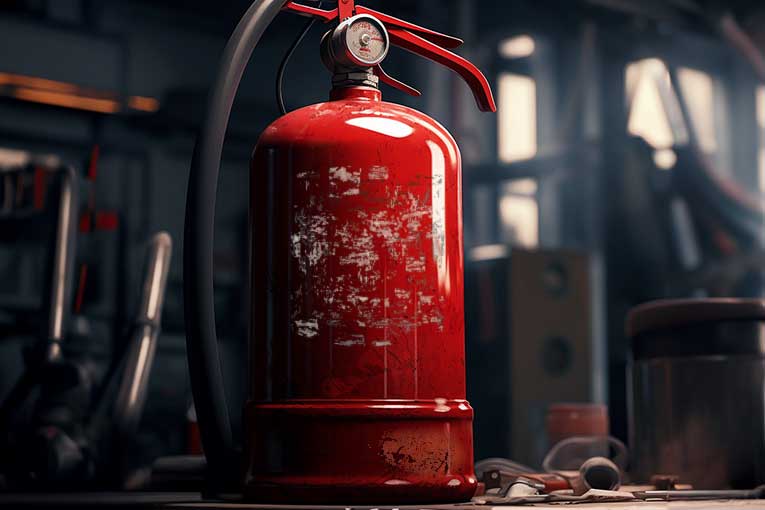
replace fire extinguishers early

While fire extinguishers have defined lifespans, certain circumstances may warrant early replacement to ensure optimal performance in emergencies. 

Here are key indicators that suggest an extinguisher should be replaced ahead of schedule:

Cracked Nozzle or Hose

Issue

Physical damage like cracks compromises the structural integrity of the nozzle or hose.

Effect

The crack can lead to leaks or difficulties in delivering the extinguishing agent during a fire, rendering the extinguisher less effective.

Blocked Nozzle or Hose

Issue

Obstructions in the nozzle or hose can hinder the discharge of the extinguishing agent.

Effect

A blocked nozzle or hose reduces the extinguisher’s ability to control a fire, diminishing its overall performance.

Broken Handle

Issue

A broken handle makes it challenging to operate the extinguisher efficiently.

Effect

In an emergency, a broken handle may impede the user from effectively using the extinguisher, delaying response time.

Missing Locking Pin

Issue

The locking pin is crucial for preventing accidental discharges and maintaining the extinguisher’s readiness.

Effect

Without the locking pin, there’s a risk of unintentional discharges, and the extinguisher may not be securely stored or easily accessible.

Missing Inspection Sticker

Issue

An extinguisher without an updated inspection sticker may not have undergone required maintenance.

Effect

Missing inspection documentation indicates a lack of regular checks, raising concerns about the extinguisher’s reliability and adherence to safety standards.

Corrosion

Issue

Corrosion on the cylinder or other parts compromises the structural integrity of the extinguisher.

Effect

Corrosion weakens the extinguisher, making it more susceptible to damage and reducing its ability to withstand the pressure needed for proper discharge.

Suspected of Leaking

Issue 

Evidence of leaking substances suggests a loss of pressure and potential malfunction.

Effect

A leaking extinguisher may fail to discharge its contents effectively during a fire, necessitating immediate replacement to ensure reliability in an emergency.

How Often Should Fire Extinguishers be Inspected?
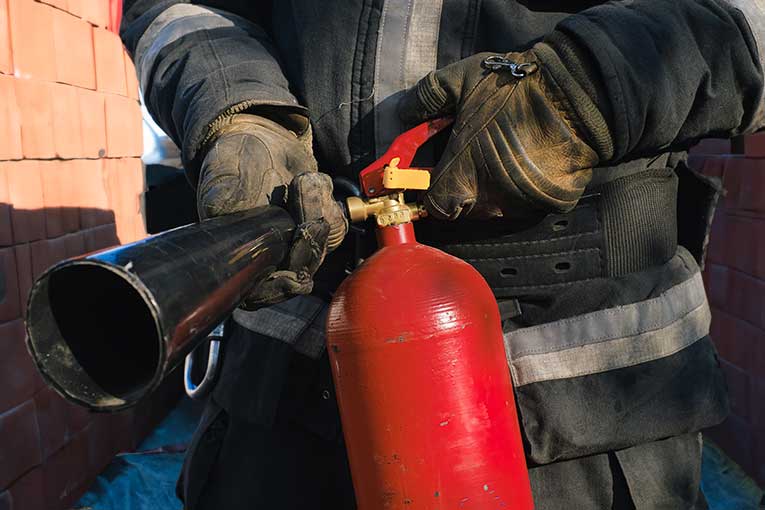
how often fire extinguishers inspected

Routine inspections are crucial to maintaining the reliability of fire extinguishers, ensuring they function correctly when needed. 

The inspection frequency can be categorised into two intervals:

Monthly Checks

Regular, brief checks by designated personnel.

This is to verify that the extinguisher is in its designated place, the pressure gauge shows adequate pressure, and there is no visible damage or tampering.

Monthly checks help identify immediate issues and ensure that the extinguisher is accessible and operational.

Yearly Inspections by a Fire Extinguisher Engineer

In-depth inspections conducted by a certified fire extinguisher engineer, for example those found in the Institution of Fire Engineers.

This will be a comprehensive examination of the extinguisher’s internal and external components, including pressure tests, to ensure it meets safety standards.

Yearly inspections are critical for identifying potential internal issues, such as corrosion or leaks, which might not be evident during routine checks.

What are the Risks of Using an Older Fire Extinguisher?
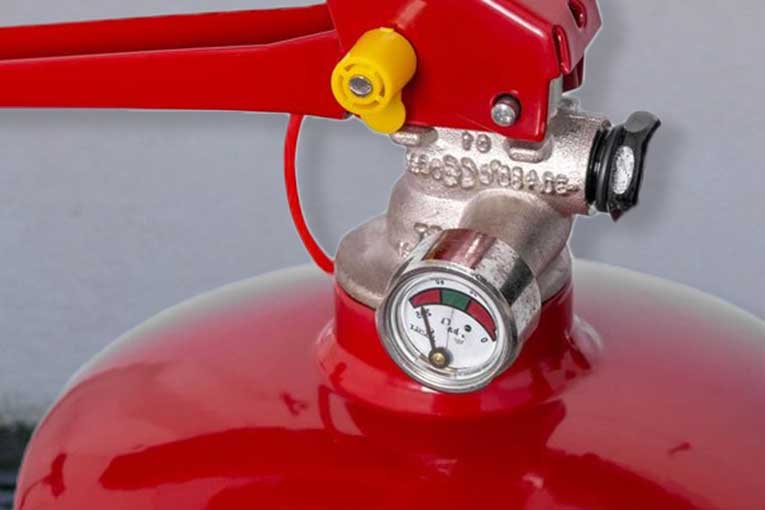
older fire extinguishers risks

Using an older fire extinguisher poses various risks, potentially compromising its effectiveness when faced with a fire emergency. 

Here are the key risks associated with relying on an aged fire extinguisher:

Decreased Pressure

Over time, fire extinguishers may experience a gradual loss of pressure, reducing their ability to discharge the extinguishing agent effectively. 

This decline can result from factors like gas leakage or gradual deterioration of internal components.

Corrosion

The internal components of a fire extinguisher, especially the cylinder, are susceptible to corrosion over an extended period. 

Corrosion weakens the structural integrity, making the extinguisher more prone to failure or rupture during use.

Deterioration of Seals and Valves

Seals and valves play a crucial role in maintaining the pressure and integrity of the extinguishing agent. 

As a fire extinguisher ages, these seals and valves can deteriorate, leading to potential leaks and a loss of pressure.

Reduced Extinguishing Agent Efficiency

The extinguishing agent within the fire extinguisher can degrade over time, diminishing its effectiveness. 

This reduction in efficiency may result from factors like exposure to temperature variations or chemical changes within the agent.

Outdated Technology

Older fire extinguishers may use outdated technology compared to more modern counterparts. 

Advances in fire safety technology have led to the development of extinguishers with enhanced features and improved extinguishing agents, providing better protection against various fire types.

Non-compliance with Standards

Fire safety standards and regulations evolve over time, introducing new requirements for equipment.

Older fire extinguishers may not comply with the latest standards, potentially leading to regulatory non-compliance and inadequate fire protection.

How to Dispose of a Fire Extinguisher?
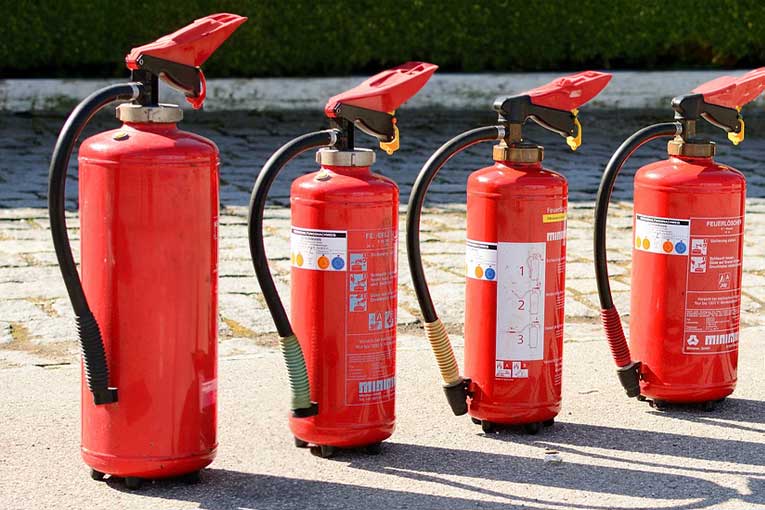
dispose of fire extinguishers

Disposing of a fire extinguisher requires careful consideration to ensure the safe handling of potentially hazardous materials. 

Here’s a guide on how to appropriately dispose of a fire extinguisher:

Check the Extinguisher Type

Identify the type of fire extinguisher, as different extinguishing agents have specific disposal methods. 

Common types include water, powder, foam and CO2.

Contact Local Authorities

Check with your local fire department or waste disposal facility regarding their specific regulations for fire extinguisher disposal. 

Some municipalities organise special collection events or have designated drop-off locations.

Recycling Centres

Certain recycling centres may accept fire extinguishers, as many of the components are fully recyclable. 

Remember to follow local guidelines.

Professional Disposal Services

In some cases, professional hazardous waste disposal services may be necessary for extinguishers containing certain chemicals, such as older foam fire extinguishers. 

Contact local environmental agencies for advice on proper disposal methods.

Conclusion

Knowing how long fire extinguishers last and understanding when to replace them is vital for maintaining a safe environment. 

Regular inspections, proper servicing, and early replacement when necessary ensure that these essential firefighting tools remain effective when needed most. 

Prioritising the longevity and functionality of fire extinguishers is a proactive step towards enhancing overall safety and preparedness in various settings.

Survitec enhances fire safety for alternative fuel-powered ships

Survitec responds to the demand for advanced fire safety

In a significant development for maritime safety, Survitec, a leading provider of Survival Technology solutions, has announced enhancements to its Dry Chemical Powder (DCP) fire extinguishing system.

The upgrades, designed to offer improved protection for vessels operating on LNG and LPG fuels, have received type approval certification, marking a significant milestone in the maritime industry’s transition to cleaner fuels.

The reconfigured DCP system is already being specified for both newbuild and existing vessels, demonstrating immediate industry recognition.

Survitec’s first order for the upgraded system will be installed on a 16,000 TEU container ship currently under construction at a newbuild yard in South Korea.

Rafal Kolodziejski, Head of Product Support & Development – Fire Systems at Survitec, commented on the importance of this innovation: “This first order represents a crucial step forward in ensuring the safety of ships running on LNG or LPG.

The Survitec DCP system offers comprehensive bunkering station protection, cost-efficiency, and versatility for a variety of vessel types, whether newbuild or retrofit.”

Technological advancements in fire safety

Survitec’s newly enhanced DCP system includes several key components such as an extinguishant storage container, nitrogen gas cylinder, safety valves, a pressure regulator, piping, and discharge devices, including nozzles.

A notable advancement is the ability to combine longer lengths of discharge piping with smaller volumes of powder, optimising fire protection for bunkering stations and fuel-switching operations across a broader range of vessels.

The system’s design allows for increased pipe runs, up to 69m, with the potential for further extension on a case-by-case basis.

This flexibility is a significant improvement over traditional systems, enabling more efficient and adaptable fire safety solutions.

Piotr Bulas, Product Manager for DCP solutions at Survitec, elaborated on the system’s unique features: “Our solution is designed to support potassium bicarbonate or sulphate salts as the dry power medium, offering multiple advantages, including smaller, lighter, and more easily accommodated hardware, as well as lower overall cost of consumables.”

A cost-effective and efficient solution for maritime safety

Survitec’s nitrogen-propelled DCP solution is designed to meet the stringent requirements of both newbuilds and existing ships undergoing dual fuel propulsion solution retrofits.

The system ensures constant deployment at a minimum of 3.5kg/second for 45 seconds using just 175kg of powder, a significant reduction in consumables compared to competing solutions.

Kolodziejski further highlighted the system’s efficiency and cost benefits: “With the DCP system from Survitec, shipowners can often safeguard bunkering stations on both sides of the ship with just one DCP unit without compromising performance. This reduces installation and maintenance costs.”

Survitec’s commitment to innovation extends to maintenance, with the new DCP system designed for easy servicing and testing without disassembling core components.

The system is delivered as a single, compact unit for ‘plug and play’ installation, simplifying the shipbuilding process and ensuring long-term reliability and safety.

IFSJ Comment

The introduction of Survitec’s type-approved dry chemical powder system upgrades represents a timely response to the maritime industry’s shift towards alternative fuels.

By enhancing fire safety measures for vessels powered by LNG and LPG, Survitec is setting a new standard in maritime safety technology.

The system’s cost-efficiency, versatility, and technological advancements offer comprehensive protection for a variety of vessel types, ensuring the safety of maritime operations in an era of cleaner fuels.

This initiative underscores the critical role of innovation in advancing maritime safety and the importance of adopting flexible, efficient solutions to meet the evolving challenges of the industry.

Live discharge testing for CO2 fire systems reveals critical safety insights

Global Survival Technology solutions provider Survitec has released the results of pioneering tests conducted on high-pressure CO2 fire extinguishing systems aboard three Floating Production Storage and Offloading (FPSO) vessels.

The tests confirmed the efficacy of live discharge testing in verifying the performance of fire extinguishing systems, beyond theoretical simulations.

Survitec validates live testing forCO2 fire systems

Michal Sadzynski, Product Manager at Survitec, emphasized the findings’ implications: “The important take-home for the industry here is that some of the protected spaces did not pass the tests the first time. T

“his suggests there may be other vessels and offshore structures out there with potentially underperforming CO2 fire extinguishing systems in fire-critical areas such as switchboard rooms, engine rooms, and generator houses.”

Challenges uncovered in live discharge scenarios

Survitec designed a new set of test protocols to align with the latest NFPA12 standard amendments.

These initial tests on the FPSOs covered a range of scenarios, including both moored and docked vessels during conversion.

Sadzynski shared details of the testing process: “The devised live test comes as close as is practical to creating the demands of an actual fire aboard.

“On large vessels like FPSOs, it involves opening hundreds of cylinders – for example, in the engine room of one of these FPSOs, 315 cylinders were released.”

“We have found that the release of large amounts of highly pressurised gas into a partially closed space usually uncovers some engineering challenges within the protected space, rather than with the delivery system itself,” Sadzynski added, detailing the engineering issues that surfaced during testing.

A particular instance of these challenges was witnessed in the switchboard room aboard the first FPSO, where gas-tightness due to the air conditioning system’s specifications led to unforeseen complications during testing.

The pressure increase caused door damage, compromising the room’s integrity and allowing CO2 to escape, which resulted in test failure.

Implementing solutions and acknowledging costs

On another FPSO, leaks within a machinery space led to CO2 concentration drops, highlighting the issue that not all spaces are airtight.

Sadzynski explained the rectifications for such issues: “There are often relatively simple and inexpensive fixes in these scenarios.

“Overpressure in air-conditioned spaces can be resolved by implementing a time delay on one of the fire dampers.

“This allows over-pressurised gas to escape from the space and then closes when the pressure becomes stable, thereby keeping the CO2 concentration at the required level.”

However, he acknowledged the cost implications of live testing, as it exhausts CO2 cylinders which then require refilling, and the need to ensure personnel safety during tests on operational vessels.

Still, the potential cost of unverified systems in an emergency was presented as a much greater risk.

Sadzynski summarised the overarching goal and benefit of the study: “It is important to emphasise that designing a vessel is a highly complex process… This study shows very clearly the limitations of modelling… versus a real-world test.”

He further encouraged the adoption of live testing guidelines to improve the protection of lives and assets and to assist in designing more effective fire suppression systems.

IFSJ Comment

The findings from Survitec’s study highlight an often-overlooked aspect of maritime safety: the reliability of fire extinguishing systems in real-world scenarios.

The fact that not all spaces with CO2 systems passed live discharge testing underscores the necessity for regular and rigorous checks, which goes beyond standard compliance.

It provides a stark reminder that even with advanced modelling techniques, nothing can substitute for the robustness of a live test.

By drawing attention to the need for stringent testing protocols, the study serves as a catalyst for improved safety measures within the industry.

The consequential data derived from such studies are invaluable for both maritime safety experts and engineers in refining fire suppression technology and strategies.

Safety at sea with Hochiki

Exploring the unique challenges of fire safety at sea and how Hochiki is rising to meet these demands

Marine vessels and offshore structures like ships, submarines, and oil rigs have distinct fire safety challenges.

With enclosed, hard-to-access areas and distances far from shore, fires become particularly hazardous.

It is essential for their onboard fire detection systems to uphold top-tier standards, given the absence of immediate external help.

These systems must promptly detect fire indicators even in tough conditions like extreme temperatures, vibrations, salt spray, and high humidity to ensure timely responses and continued performance.

In pursuit of enhancing marine safety, the Hochiki ESP Marine Approved Range emerges as a beacon of innovation and reliability.

This article delves into the strict requirements and the capabilities of this product range, and the significant role it plays in safeguarding lives and assets on the high seas.

What are the safety standards required for marine fire detection devices?

Any fire detection devices on board sea bound vessels, must be marine approved.

The M.E.D. 96/98/EC Directive is an initiative of the European Commission (EC) in the European Union (EU) set up with the intention to reduce costs for the end user by having a simplified classification model for marine approvals.

All approved and authorised products are stored in the MarED database, which to date contains more than 35,000 datasets about products approved under the EU Marine Equipment Directive.

Products are strictly tested by a third-party, such as Germanischer Lloyd or LPCB, for use in the marine environment before being granted an approval certificate.

For this very reason, it is also important to work with installers and engineers who are experienced in marine life safety.

Hochiki’s Marine Approved Intelligent and Conventional products have been designed around the existing world-proven ESP and CDX ranges and have been approved for marine use by both Germanischer Lloyd and LPCB, to the MED approval scheme.

Ideal for use on ships, oil and gas platforms, wind farms and other similar applications the Hochiki Marine Approved Range incorporates the same reliability and quality as its core product range.

Innovation and adaptions

Hochiki’s range boasts advanced sensor technology with state-of-the-art smoke, heat, and multi-sensor detectors offering unmatched precision.

These detectors quickly identify minute smoke traces or temperature shifts, ensuring early hazard detection.

Notably, the multi-sensor detectors merge various technologies, discerning genuine threats from benign changes, thus minimising false alarms—a vital feature in marine settings.

Addressing the severe marine conditions, the ESP Marine Approved Range prioritises durability and appropriate material choice.

Through intensive testing, these detectors secured marine certification, affirming their reliability amidst marine challenges.

Highlighting their resilience, Hochiki devices are employed in the Margate offshore wind farm.

Despite harsh conditions characterised by fluctuating weather and sea-salt spray, these devices consistently deliver, ensuring both the safety of personnel and efficient operations, as vouched for by Dan Smith of KM Security Solutions: “The constant change in weather combined with sea-salt spray makes offshore wind farms an incredibly hostile environment to work in, not only for people but also for the systems, cabling and devices that help to run it and keep it safe. 

“Therefore, it’s imperative we install life safety devices that won’t let the teams and premises down in an emergency.

Hochiki’s ESP Marine Approved range offers unparalleled scalability, catering to the varying sizes and complexities of maritime installations, from modest fishing vessels to grand offshore structures.

This adaptability guarantees that every marine entity, regardless of its magnitude, can avail the superior safety protocols that Hochiki delivers.

One noteworthy application is its integration into a renovated hotel barge by Perenco in Gabon, intended to accommodate their offshore rig staff.

During the barge’s refurbishment, Perenco aimed to upgrade the outdated life safety systems, ensuring adherence to Gabonese regulations and aptness for marine challenges.

Tasked with this responsibility, Autochim, with Jean-Marie Rabier at the helm, endorsed Hochiki Europe’s solutions.

The barge, with its diverse sections from kitchens to engine rooms, demanded distinct safety solutions.

Hochiki’s specialised marine equipment met these unique requirements, promising optimal protection for its inhabitants.

Intelligent alerting

Hochiki’s ESP Marine Approved Range emphasises swift and precise communication during maritime emergencies, integrating advanced notification mechanisms like audible and visual alarms to promptly alert crews.

Leveraging the Enhanced Systems Protocol with interrupt processing, the system ensures a response time of less than 1.5 seconds from alert to fire indication.

Additionally, its intelligent alert system provides detailed emergency insights, allowing for efficient response and safeguarding data integrity to maintain unwavering reliability.

Comprehensive detection

A comprehensive fire detection system on board a marine vessel is crucial for the safety of passengers, crew, and the vessel itself.

Hochiki’s ESP Marine Approved Range, designed specifically for marine applications, exemplifies the brand’s dedication to creating solutions that meet the unique challenges posed by maritime environments.

Here are the key components and features that a fire detection system onboard a marine vessel should include:

Multi-sensors, Smoke, and Heat Detectors

These devices are placed strategically throughout the vessel, especially in areas where fire risks are higher, such as engine rooms, galleys, electrical rooms, and cabins.

Smoke detectors sense the presence of smoke particles, while heat detectors monitor rapid increases in temperature.

Both types of detectors provide early indications of a fire.

Multi-sensors incorporate more than one sensing element within a single device (heat, smoke, and sometimes carbon dioxide).

These sensors can operate two or more sensing elements in combination to determine a fire condition.

Manual Call Points

Easily accessible manual call points (sometimes known as manual pull stations) allow crew members or passengers to initiate the fire alarm manually when they spot a fire or smoke.

These stations should be located along escape routes and in key gathering areas.

Flame Detectors

Flame detectors can identify the presence of flames by detecting specific wavelengths of light emitted by fires.

These detectors are particularly useful for areas with potential fuel leaks or where a fast-acting fire could occur.

Gas Detectors

Gas detectors can identify the presence of potentially hazardous gases, such as combustible gases or toxic fumes.

In marine environments, gas leaks can contribute to fire hazards, so detecting them early is crucial.

Fire Alarm Control Panel

This panel serves as the central hub of the fire detection system, receiving signals from various detectors and initiating alarms.

It provides visual and audible alerts, indicates the location of the fire, and allows for manual control of alarms.

The fire detection system should integrate with other onboard systems, such as the vessel’s automation and control system, to facilitate coordinated responses to emergencies.

The control panel will provide this integration.

Alarm Notification Devices

Strobe lights, sirens, and sounder beacons should be strategically placed throughout the vessel to ensure that all occupants are alerted to the presence of a fire, especially in noisy or visually impaired environments. 

Remote Monitoring and Alerts

Many modern fire detection systems and emergency lighting systems allow for remote monitoring, enabling the crew to receive alerts and updates even when they’re not in the immediate vicinity of the alarm panel.

Emergency Communication System

An integrated communication system ensures that critical information is relayed to passengers and crew members in case of a fire, guiding them on evacuation procedures and safe areas.

Redundancy and Reliability

The system should have built-in redundancy to minimise the risk of system failures.

This could involve duplicate detectors or backup power sources.

In addition to this list, regular maintenance and testing should be carried out by experts.

Proper maintenance and regular testing are essential to ensure that all components of the fire detection system are functioning correctly when needed.

Regular training of crew members and passengers on how to respond to fire alarms and emergencies is also crucial for a successful evacuation and mitigation process.

The maritime industry inherently involves risks, but with the Hochiki ESP Marine Approved Range, these risks can be mitigated significantly.

By harnessing advanced sensor technology, adaptability to harsh marine conditions, and intelligent alerting systems, the ESP Marine Approved range exemplifies a new era of marine safety systems.

Its ability to detect and respond to emergencies swiftly and effectively can make the critical difference between life and death at sea.

Hochiki’s dedication to innovation and unwavering commitment to safeguarding lives and assets have positioned the ESP Marine Approved Range as an industry leader, setting new benchmarks for marine safety.

As vessels continue to navigate the vast oceans, this product range serves as a reliable guardian, ensuring that maritime journeys are not only efficient and productive but also secure for everyone on board.

To find out more visit: www.hochikieurope.com/marine

This article was originally published in the October 2023 issue of International Fire & Safety Journal. To read your FREE digital copy, click here.

Ship safety in the modern age with Survitec

Rafal Kolodziejski, Head of Product Support and Development at Survitec explains how SMARR-TI Enhances Fire Safety in the Maritime Industry

In an era marked by rapid technological advancements and evolving challenges in the maritime industry, ship safety management has never been more vital.

The introduction of new fuels, more complex systems, and the trend towards autonomous shipping has brought about new safety risks and hurdles.

The traditional safety management methods are becoming insufficient, leaving the maritime industry in need of innovative solutions.

Enter the Safety Management and Rapid Response Technology Interface (SMARR-TI), a ground-breaking solution that represents a transformative step forward in fire safety from Survitec.

By integrating fire detection and suppression systems within a single, interactive platform, SMARR-TI offers a comprehensive approach to onboard safety, addressing the contemporary maritime safety challenges.

Rafal Kolodziejski, Head of Product Support and Development at Survitec, reveals the direction of the maritime industry’s safety protocols and provides a closer look at the necessary innovations required to ensure safety at sea.

Can you explain the importance of ship safety management?

This is an exciting time for the maritime industry; we’re in a period of great change. There are key trends such as digitalisation and autonomous shipping driving the development of new and more advanced technologies.

At the same time, there is the drive towards greater sustainability, with the shift towards fuels that are more environmentally friendly, and the introduction of new legislative requirements to help reduce greenhouse emissions.

With new developments come new challenges. Each new or alternative fuel has its own safety risks and challenges.

For example, there is much discussion around effective fire suppression methods for methanol dual-fuelled ships, and for electrical propulsion systems with energy storage spaces.

The safe transportation of electrical vehicles and the risks associated with lithium-ion batteries is another focus area.

Furthermore, with autonomous shipping and the trend towards ships operating with fewer – or no – crew onboard, perhaps with operations being monitored from the shore, this then presents other safety risks and challenges that must be addressed.

Consequently, we see a greater need among ship owners and managers for solutions that can help to support crew with: Effective emergency procedures – i.e., procedures that are transparent and easy to follow; Early detection – to help identify changing conditions as early as possible to prevent a fire from happening; and Rapid response – to support fast and effective decision-making, especially in emergency situations.

How do traditional safety management methods fall short when it comes to contemporary needs of the maritime industry?

With the new fire risks and safety challenges associated with the new fuels and technologies of today, there is a renewed focus on fire prevention, and the possibility of detecting pre-fire conditions that can either allow for suitable preventive measures to be taken to avoid a fire from starting and/or that allows the crew to contain the fire more quickly and minimise damage.

We can also consider the number and complexity of the systems implemented on board a ship today, and the challenges this can present to crew.

A safety management system can potentially integrate different safety subsystems, allowing crew to manage them more easily and efficiently within one control system.

Diagnostics and preventive maintenance are also increasingly important, to ensure that the proper maintenance regimes are observed to keep safety systems running efficiently and to avoid any interruptions to service.

Remote support and monitoring services can also provide crew with fast access to expert technical support.

Systems can be monitored remotely – and even controlled, if required – from the shore, with the potential to log and track faults and analyse the data for insight on faults and/or behaviours.

What is SMARR-TI?

SMARR-TI stands for Safety Management And Rapid Response – Technology Interface. SMARR-TI is an interactive safety management solution that allows crew to monitor and control all their onboard fire safety systems – that is, their fire detection, fire prevention and fire suppression systems – within one integrated and easy-to-use solution.

SMARR-TI is unique in that it integrates both fire detection and fire suppression systems in one solution.

Currently, there is no other digitised safety monitoring solution that does this to such an extent.

How does the integration of fire detection and suppression systems contribute to enhanced safety onboard?

The aim is to give early warning of changes in a quick and effective way, and then to enable swift action to prevent a fire from happening.

A graphical visualisation of the fire systems on board the vessel is paired with real-time status updates and notifications, so crew receive early warning of any changing conditions.

In the event of a fault or alarm, crew has full visibility of the location of the alarm; the equipment at their disposal; and the ability to deploy systems automatically where possible, allowing them to take swift, decisive action to prevent or contain a fire, and protect onboard safety.

Can you talk about the interactive features of SMARR-TI?

In the event of a fire or an alarm, crew can see instantly where the alarm is located, visualised on the ship layout, and also the nature of the alarm (e.g., whether it’s the result of a technical fault or whether there is actually a fire).

Furthermore, they can select the protected space on the ship plan visualisation to see which equipment is available in that space; and then have the capability to activate a firefighting system within SMARR-TI by following the screen prompts.

All of these actions can be performed within SMARR-TI; all the information the crew needs is at their fingertips, thus shortening the time to action.

How does the SMARR-TI system supplement the SOLAS requirements for general arrangement plans onboard?

SOLAS Chapter II-2, Regulation 15.2.4 requires general arrangement plans to be permanently exhibited for the guidance of the ship’s officers.

These plans must show: structural fire prevention measures onboard ship (fire doors, fire zone barriers, etc); location of firefighting equipment; and how to access the different compartments & decks.

These are generally static plans, normally printed/mounted on walls, and supplemented by, e.g. instruction manuals for the different systems/equipment.

SMARR-TI supplements these general arrangement plans by providing a digital, interactive, graphical visualisation of the ship layout and all the structural fire prevention measures on board with Fire Detection & Suppression systems attached plus real-time alerts and notifications to alert crew of any changing conditions.

This means that not only can the crew see instantly where the alarm originates, they can also differentiate between e.g. a technical fault or the presence of smoke or flame.

The operating procedures for deployment of the firefighting systems can then also be displayed on screen, so the crew has all the information they need in one place to support quick and effective decision-making in the event of a fire.

Could you explain the specific role of SMARR-TI during a potential fire hazard?

Within SMARR-TI, crew members can receive instant notifications of technical faults impacting system delivery, such as faulty connections or interruptions to power.

They also receive warnings of pre-alarm conditions, such as temperatures exceeding predefined limits, or the presence of smoke or flame.

SMARR-TI allows them to distinguish immediately between routine maintenance issues and situations requiring an emergency response, so they can manage resources accordingly.

Furthermore, the crew can identify the precise location and exact nature of the alarm instantly on the ship plan visualisation.

They can also integrate and control their CCTV cameras within SMARR-TI, allowing for an immediate view of the affected zone and local areas.

This enables them to mobilise the crew more quickly and efficiently, equipped to take immediate, preventive action to secure the space and protect life.

Should there be a fire, crew members can immediately identify the safety systems at their disposal within the protected space.

They can then select a system within SMARR-TI and follow the step-by-step instructions displayed on screen to proceed towards deployment.

They can sound the alarm, close fire doors and fire dampers, shut down ventilation where necessary, and trigger signals to the public announcement and alarm monitoring systems, all within the same system.

The crew is also able to activate fire suppression systems, such as water mist, automatically, which reduces the time to deployment.

They can follow the operating procedures displayed on screen to guide them through system deployment, support effective decision-making, and reduce the risk of human error in high-stress situations.

The ultimate aim with SMARR-TI is to streamline firefighting operations and save valuable seconds or even minutes in an emergency, to help protect life and minimise damage.

Can you share your experience developing SMARR-TI alongside Turkish shipyard Tersan and Havila Voyages?

SMARR-TI was designed according to the requirements of Havila Shipping ASA, which had experience of similar systems from other suppliers.

The purpose behind building the application was to create a tool that could provide a graphical representation of the text information provided via their dedicated fire detection system.

From the start, it was made clear that this information should be presented clearly and effectively so that it should be immediately apparent to crew when there was an alarm/notification requiring their attention.

SMARR-TI was designed to depict both the location of the fire and the fire extinguishing system available for use, and then also allow for that fire extinguishing system to be released remotely where possible, with crew able to follow operating instructions presented on screen.

Most importantly, the required actions at each stage had to be intuitive and efficient: the application had to be simple and easy to use and to facilitate swift, decisive action.

What are Survitec’s future plans for the expansion of SMARR-TI?

The official launch of SMARR-TI at Nor-shipping in June generated a lot of interest, and we have had many interesting discussions, not only with shipowners and shipyards, but also with other technology providers and suppliers of fire solutions who are interested in the potential of SMARR-TI to support additional safety features and systems. 

Today we have SMARR-TI Mark-1, which integrates Fire Detection & Fire Suppression systems, however we have many other ideas on how we can further develop SMARR-TI, to support effective and efficient safety management – for example, the integration of loose fire equipment (information on location and servicing requirements); support for monitoring fire patrols; and, of course, the integration of other safety systems – to highlight just a few of the ideas that are currently on our radar.

This exclusive article was originally published in the September 2023 issue of International Fire & Safety Journal. To read your FREE digital copy, click here.

The Criticality of Fire Prevention in Shipping

Lessons from the North Sea Tragedy: Understanding fire risks in the era of electric vehicle transportation and essential strategies for prevention and suppression

A recent disaster involving a major fire onboard a cargo ship, the Fremantle Highway, off the coast of the Netherlands has underscored the risks and challenges associated with shipping.

The ship, loaded with around 3,000 cars, including 25 electric vehicles (EVs), was en route from the German port of Bremen to Port Said in Egypt when a fire broke out.

The incident led to one fatality and several injuries, highlighting the necessity of enhanced fire safety measures in maritime transportation.

The Perils of EV Transportation at Sea

Electric Vehicles (EVs), powered by lithium-ion batteries, have emerged as an innovative solution to curb greenhouse gas emissions.

However, while their adoption in terrestrial transportation has been substantial, their carriage in maritime transport introduces a set of unique fire safety challenges.

One of the most significant risks associated with EVs on ships is the propensity of lithium-ion batteries to ignite under certain conditions, a phenomenon known as ‘thermal runaway‘.

This typically occurs when a battery overheats, causing a reaction that further increases the temperature and can lead to the battery catching fire.

The likelihood of thermal runaway increases if batteries are damaged, defective, or improperly handled or stored.

What makes these fires particularly dangerous is that they are notoriously difficult to extinguish.

When a lithium-ion battery ignites, it can produce its own oxygen, meaning a fire can continue even in the absence of ambient oxygen.

This makes traditional fire suppression methods, like smothering, less effective.

Further complicating matters is the issue of ‘stranded energy’.

After an initial fire involving a lithium-ion battery is extinguished, the battery can reignite.

This can occur hours, or even days, after the original fire, which presents a unique hazard not typically encountered with traditional vehicle fires.

To add to the risk, a fire originating from a lithium-ion battery produces toxic gases such as hydrogen fluoride and phosphorus pentafluoride, posing both a health risk to those in the immediate vicinity and a potential environmental hazard.

Moreover, the high energy density of lithium-ion batteries can lead to fires that are far hotter than typical combustible material fires.

The intensity of such fires can make them difficult to control and suppress, while also increasing the risk of the fire spreading.

Finally, the sheer volume of EVs transported on some vessels can exacerbate these risks.

With larger numbers of EVs in close proximity, a fire that starts in one vehicle can quickly spread to others, leading to a much larger and more dangerous situation.

This makes early detection, isolation, and suppression of fires critical in scenarios involving the transportation of EVs at sea.

Best Practices for Fire Suppression and Prevention Onboard

Fire safety in shipping, particularly concerning EVs, requires proactive measures for prevention, early detection, and effective suppression.

Leading Survival Technology solutions provider Survitec emphasises the importance of early fire detection systems, specially designed to monitor lithium-ion battery conditions.

Indicators like heat, smoke, popping sounds, and toxic gas emissions from batteries can serve as early warnings.

Current safety innovations focus on monitoring car decks for these early-stage fire conditions.

Survitec is investing in developing new solutions capable of pre-ignition monitoring, highlighting the importance of the type and location of sensors for effective detection.

New solutions are also emerging in the field of fire suppression.

An integrated graphical monitoring system, currently under development, aims to provide real-time status of all the fire-protected zones onboard.

It aims to link all the detection systems and sensors onboard for remote or local activation of a compartment’s fire suppression system.

Fire Suppression Techniques and Challenges

While tackling a fire onboard, understanding the unique nature of EV battery fires is crucial.

Such fires generate explosive and toxic gases, increasing the fire’s intensity and size, and can potentially reignite until the battery is completely burnt down.

This presents a real challenge for traditional gas-based fire systems.

Water-based solutions provide the best cooling effect.

However, they also introduce the risk of impacting ship stability due to the volume of water needed.

Therefore, an effective drainage system is a must.

Research suggests that a water mist system is the most effective for this type of fire, and numerous research and development initiatives are looking into the best water spraying method for EV fires.

The Path Ahead: Prevention and Early Detection

“Prevention is certainly better than the cure,” says Rafal Kolodziejski from Survitec.

Early monitoring and detection are increasingly important safety factors for ship operators and crew.

With an EV cargo, the earlier the crew can detect pre-fire conditions, the better. For instance, ship operators are being urged to increase the space between each vehicle or reduce the number of units transported.

As the maritime industry continues to grapple with these challenges, the recent North Sea incident serves as a tragic reminder of the importance of fire prevention and early detection in shipping, especially in the era of EV transportation.

Striking the balance between the efficient transportation of goods and the safety of crew and cargo will be pivotal in the shipping industry’s future.

Survitec launches major service centre expansion in Southampton

New 10,000 Sq. Ft. Facility Boosts Safety Equipment Servicing Capability

The internationally-renowned safety technology provider, Survitec, has significantly expanded its UK service operations with the inauguration of a comprehensive service centre in the Port of Southampton.

This facility is purposefully designed and fitted out to perform specialised servicing and repairs for life-rafts, lifejackets, immersion suits, and a host of other safety equipment. The large-scale expansion is set to provide increased capacity and expedited servicing times for an array of clients including those in the cruise, defence, Border Force, and commercial shipping sectors.

Optimised positioning for enhanced customer service

Survitec’s Operations Manager, Iain Allan, based in Southampton, has pointed out the strategic positioning of the new centre, stating that it will enable “swift access in and out of the docks” and thus, ensure an improved level of service to ships. He said that “many months” were spent in the search and fitting out of this “right facility in Southampton”, which is expected to “service more than 2,000 life-rafts a year” with potential for further expansion.

Upgrades and expansion

As a result of its major expansion, Survitec has not reduced its servicing turnaround time by up to 50%, and increased its workforce by 20% to accommodate the requirements of the new Service Centre. The Southampton facility is well-equipped with a 3,000-litre water tank for testing life-rafts and rescue boats, a special area dedicated to lifejacket servicing and repair, and a unique platform to accommodate large life-rafts.

Survitec’s Managing Director, UK Marine, Ronnie Vettese, has highlighted the benefits of the centre’s location in facilitating better management of their offerings to support regional customers. Looking forward, he mentioned that the new facility will “enable us to expand upon our customer offering” by introducing services related to fire, lifeboat, and mooring equipment.

Launch ahead of major marine exhibition

The latest addition to Survitec’s service centres was strategically launched this week, coinciding with Seawork, Europe’s largest commercial marine and workboat exhibition, held in Southampton.

This strategic move further cements Survitec’s position as a global leader in the supply, inspection, testing, servicing, and repair of safety and survival equipment. The company’s extensive global presence spans over 400 service centres, covering 2,000 ports worldwide.

Maritime Protection launches remote support service

In a game-changing move for the maritime industry, Survitec’s brand, Maritime Protection, has unveiled a novel remote support service that promises to optimise system performance and bring down running costs for operators of Inert Gas (IG) systems. This service was successfully trialled with a top-tier tanker operator and is now set to revolutionise how ships manage IG systems.

The benefits of the new offering became clear during the recent Covid pandemic, when travel restrictions hampered the usual flow of traffic on and off ships, and onsite repair services were frequently obstructed. In response to this challenge, Maritime Protection and a renowned European tanker operator developed this remote support solution, which is now functioning aboard 32 product tankers.

Remote Support

The Remote Support service facilitates faster access to expert advice and support in case of system failures or inefficiencies. The IG engineers at Maritime Protection can remotely access the system, help fine-tune it, diagnose faults, and organise solutions, without the need for costly and time-consuming travel to the vessel.

Managing Director of Maritime Protection, Bernt Øhrn, commented, “Inert gas systems are essential and complex safety systems.” He highlighted that any failure is “effectively treated as an emergency situation requiring immediate remedial action,” and this service will help mitigate such scenarios.

Crew members on board simply have to reach out to Maritime Protection’s IG specialists, who can then offer guidance to rectify any issues. If a situation does warrant a physical visit, the service also enables technicians to identify the problem and the necessary spare parts in advance, ensuring efficiency and cost-effectiveness.

The innovative Remote Support uses a secure VPN gateway, which is easy to install without any system wiring or modifications. For added security, a “key” switch is provided to enable or disable remote support and internet access swiftly, and it also functions as a firewall.

‘Significant fuel cost savings’

This innovative service was officially launched at the Nor-shipping event in Oslo, held from 6th-9th June. It offers an annual fee-based leasing model, which could include crew training, spare parts for the IG system, and regular system tune-ups to enhance fuel efficiency and increase system stability.

Øhrn concluded, “Our technicians can tune up the IG system remotely to stabilise the oxygen content,” noting that this could yield “significant fuel cost savings for each IG system.”

Survitec unveils remote support service for inert gas systems in the maritime industry

New remote support service introduced after successful pilot tests

Survitec, a global provider of survival technology solutions, has launched a new remote support service for its inert gas (IG) systems. The development follows a successful completion of pilot tests with a leading tanker operator. The Maritime Protection brand, specialising in inert gas, was the frontrunner in this new initiative.

The remote support service is set to offer a quicker access to inert gas expertise for IG system operators. It will assist in averting system failures and maintain system efficiency.

Enhanced system performance and cost reduction

Bernt Øhrn, the Managing Director of Maritime Protection, stated: “Inert gas systems are essential and complex safety systems. If they fail, it’s effectively treated as an emergency situation requiring immediate remedial action. We have developed a way of supporting our customers remotely, reducing vessel off-hire through system downtime, and cutting back on the need to send out service engineers to the ship, which can be costly.” This remote support will enable specialist IG engineers to access the system remotely for system tuning, fault diagnosis and solution arrangement.

Official unveiling at Nor-shipping event in Oslo

The remote support service, which serves as an IG monitoring, diagnostics and control service, was officially launched at the Nor-shipping event in Oslo, following successful pilot tests aboard a 40,000dwt product tanker.

The call for a remote support solution became more apparent during the Covid pandemic. Travel restrictions limited engineers’ ability to board vessels to diagnose and repair faults in situ. A prominent European-based tanker operator and long-standing Maritime Protection customer assisted in the development of the solution, which is now functioning aboard 32 product tankers.

Virtual support service to optimise safety systems

Øhrn further elaborated: “Both companies agreed that a virtual support service where our inert gas engineers could log in to access the IG system remotely, diagnose any problems and fix them immediately, without having to travel out to the ship, would not only reduce operational costs but keep this critical safety system operating optimally.”

In case of system breakdown or a situation requiring physical presence, the shore-based technicians will be able to identify the problem and provide the necessary spare parts in advance. This will cut down on the time spent onboard and ensure that the fault can be repaired in one trip.

Secure and efficient system operation

Remote Support employs a secure VPN (Virtual Private Network) gateway, which can be installed without any system wiring or modifications. This is compatible with all Maritime Protection IG and nitrogen systems. Additional security measures, such as a “key” switch, are included to quickly enable or disable remote support and internet access.

Marine Protection is offering this Remote Control as an annual fee-based leasing model. It will include crew training, spare parts for the IG system, and regular system tune-ups to reduce fuel consumption and increase system stability. Øhrn concluded by saying, “Our technicians can tune up the IG system remotely to stabilise the oxygen content, optimising fuel consumption, which can realise significant fuel cost savings for each IG system.”

Survitec revolutionises ship safety with integrated fire defence system

Global Survival Technology provider, Survitec, has unveiled a state-of-the-art safety management solution aimed at significantly enhancing onboard ship safety. This revolutionary solution, dubbed Safety Management and Rapid Response Technology Interface (SMARR-TI), boasts an interactive graphical monitoring interface that seamlessly integrates fire detection and suppression systems.

Conceived in collaboration with Turkish shipyard, Tersan, and Norwegian firm, Havila Voyages, SMARR-TI has already been implemented on two 15,500gt passenger ships.

Enabling swift action

Rafal Kolodziejski, Head of Product Support and Development at Survitec, said: “SMARR-TI is unique in that it can integrate both fire detection and fire suppression systems within one easy-to-use solution; there is currently no other digitised safety monitoring solution like this. What sets it apart is that it is interactive. The aim is to give early warning of changes in a quick and effective way, and then to enable swift action to prevent a fire from happening.”

Exceeding the Safety of Life at Sea (SOLAS) requirements, SMARR-TI provides an interactive digital representation of the entire ship’s fire defence mechanisms, including fire prevention, detection, and suppression.

The system’s functionality is optimised via a 27-inch touchscreen monitor located in the control room and bridge. Through this interface, the crew can effortlessly monitor the ship’s fire defences, receiving real-time status alerts regarding temperature fluctuations or the presence of smoke or flame. In such an event, SMARR-TI activates automatically, triggering a series of responsive actions including sounding the alarm, shutting down ventilation, activating CCTV cameras, and sending signals to the alarm monitoring system, SMS interface, and public announcement system.

Digital graphical monitoring

Vassilis Georgossopoulos, Sales Manager, Newbuild, Survitec, revealed: “The idea for a digital graphical monitoring system was already being developed by our engineers when we won the contract for the first Havila vessel. We realised that the ship’s profile fitted perfectly with the concept. The yard and owner agreed, and we started developing this as part of the project.”

As part of the agreement, Survitec provided Tersan with a comprehensive fire safety package for two new Havila Voyages’ ships, Havila Capella and Havila Castor. Notably, Havila Capella features the world’s largest battery pack installed on a passenger ship and was the recipient of the prestigious Next Generation Ship Award at Nor-Shipping 2022.

“Survitec’s proposal was exactly what we required for the Havila ships,” said Adnan Barış Arda, Project Manager, Tersan. “SMARR-TI acts as a ‘vessel monitoring brain’. Building new systems is a tough process, especially on a prototype vessel, and an open dialogue is the key to success.”

Future installations

Following the successful collaboration, Survitec has received additional orders, with further plans for installation on the Havila Polaris and Havila Pollux, set for delivery by summer 2023.

The company has also secured contracts with Turkey’s Cemre shipyard, with plans to offer SMARR-TI as an additional option in their safety packages installed on a Norwegian fishing vessel and a Danish passenger ferry.

Survitec will be showcasing SMARR-TI at the upcoming Nor-shipping trade fair, held in Lillestrøm, Norway, from the 6th to the 9th of June, in Hall C on Stand C02-46.