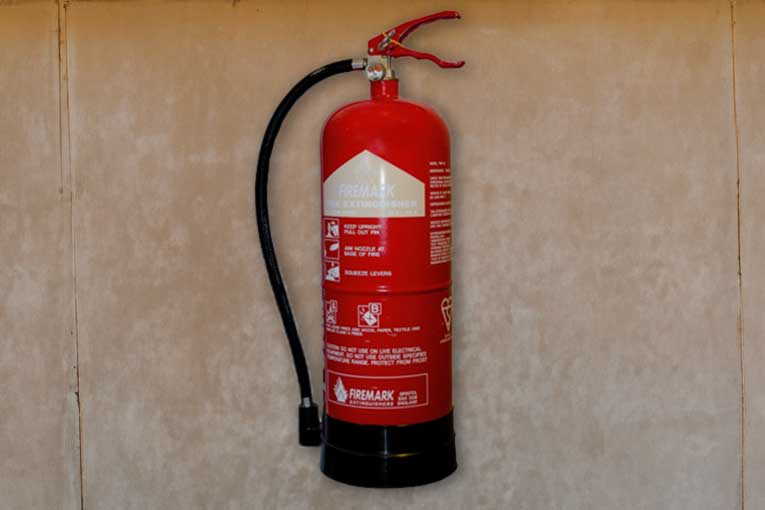
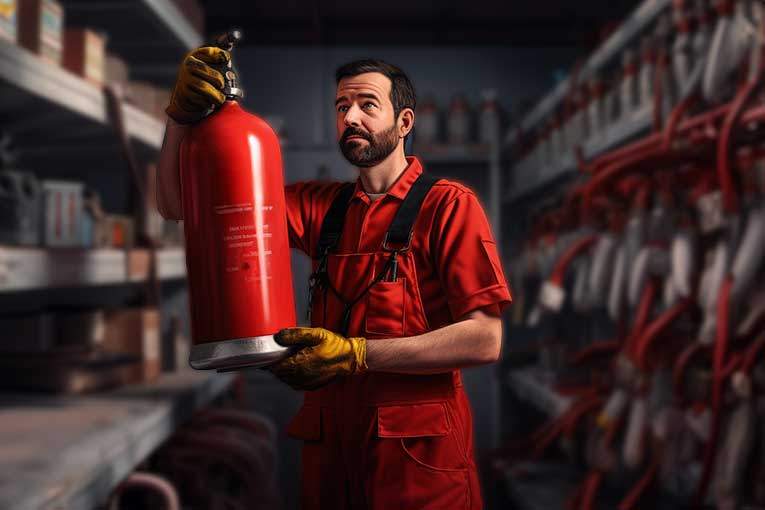
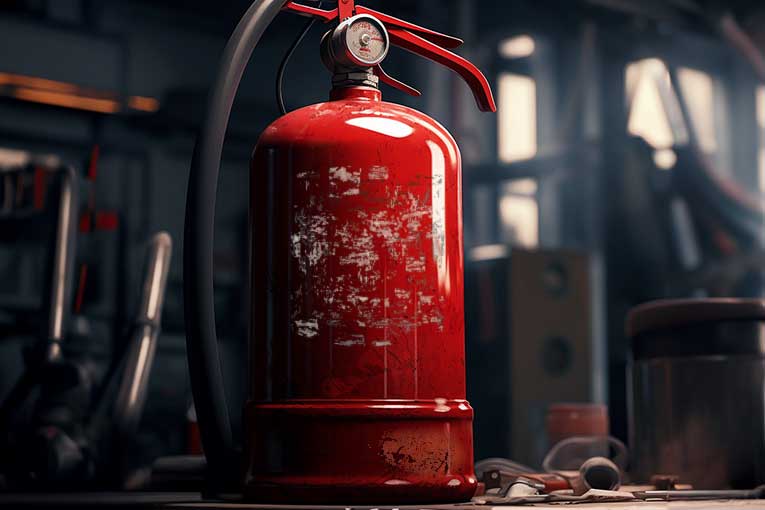
Which Fire Extinguisher Should Be Used for Flammable Liquids?

Understanding how to handle fires involving flammable liquids is crucial for ensuring personal safety and protecting property from potential devastation. 

Flammable liquids, such as gasoline, oils, and solvents, pose unique fire hazards due to their ability to ignite easily and spread rapidly. 

In such situations, using the correct type of fire extinguisher becomes paramount to swiftly and effectively extinguishing the flames without exacerbating the risk.

By understanding the specific hazards associated with flammable liquids and knowing how to respond effectively with the right equipment, individuals can significantly reduce the potential for injury, property damage, and environmental impact caused by such fires. 

This article explores the different types of fire extinguishers suitable for flammable liquid fires and provides guidance on their proper use to enhance fire safety practices in various settings.

What Different Types of Fire Extinguishers are there?

different types of fire extinguisher

Fire extinguishers are categorised into several types, each designed to combat specific classes of fire

Choosing the right type of fire extinguisher depends on the specific fire hazards present in a given environment.

Understanding these types is crucial for effective fire response and safety:

Water

These are designed for Class A fires, which involve solid materials such as wood, paper, and textiles. 

Water extinguishers work by cooling the fire and reducing its heat until it is extinguished. 

They are not suitable for use on flammable liquids or electrical fires due to the risk of spreading the fire or electrical shock.

Foam

Foam extinguishers are effective against Class A and B fires. 

They work by creating a barrier between the fuel and the air or by cooling and smothering the fire. 

Foam extinguishers are versatile and commonly used in environments where both solid materials and flammable liquids are present.

Dry Powder

These extinguishers are suitable for Class A, B, and C fires. 

They work by smothering the fire and interrupting the chemical reaction necessary for combustion. 

Dry powder extinguishers are effective for extinguishing fires involving flammable gases and are also safe for use on electrical fires.

CO2

CO2 extinguishers are designed for Class B and electrical fires. 

They work by displacing oxygen around the fire, suffocating it and leaving no residue. 

CO2 extinguishers are ideal for use on fires involving flammable liquids such as oil and petrol, as well as electrical fires.

Wet Chemical

These are specifically designed for Class F fires, which involve cooking oils and fats. 

Wet chemical extinguishers create a blanket that cools the burning oil and prevents reignition. 

They are effective in commercial kitchens and other environments where cooking oils are used and grease fires can happen.

What Class of Fire are Flammable Liquids?

flammable liquids class of fire

Flammable liquids are classified as Class B fires according to fire safety standards. 

This classification encompasses fires fueled by flammable gases, liquids, greases, and similar substances. 

Class B fires are characterised by their ability to ignite easily and burn rapidly, often with intense flames.

Common examples of flammable liquids include gasoline, diesel fuel, kerosene, alcohol, acetone, and various industrial solvents. 

These liquids typically have low flash points, meaning they can vaporise quickly at relatively low temperatures and ignite easily when exposed to an ignition source.

Fires involving flammable liquids pose unique challenges due to the volatility of the fuel involved. 

They can spread rapidly and may produce intense heat and flames, making them potentially dangerous and difficult to extinguish if not addressed promptly and effectively.

Which Fire Extinguisher Should Be Used for Flammable Liquids?

When dealing with flammable liquids, choosing the right fire extinguisher is crucial to effectively and safely extinguish fires of this type. 

Here are the recommended fire extinguishers for flammable liquids:

Foam Fire Extinguisher

foam fire extinguisher
Source: Amazon

Foam extinguishers are suitable for Class B fires, which involve flammable liquids such as gasoline, oil, and paint. 

They work by forming a blanket of foam over the liquid surface, cutting off the fire’s oxygen supply and cooling the fuel below its ignition point. 

Foam extinguishers are effective for both indoor and outdoor use and are particularly useful where flammable liquids may spill or pool.

Dry Powder Fire Extinguisher

dry powder fire extinguisher
Source: Amazon

Dry powder extinguishers are versatile and can be used on Class B fires.

They work by smothering the fire and interrupting the chemical reaction necessary for combustion. 

Dry powder extinguishers are effective for quickly extinguishing fires involving flammable liquids like petrol, diesel, and solvents. 

However, they can create a cloud that reduces visibility and may cause respiratory irritation, so they should be used in well-ventilated areas.

CO2 Fire Extinguisher

co2 fire extinguisher
Source: Amazon

CO2 extinguishers are suitable for Class B fires involving flammable liquids. 

They work by displacing oxygen and reducing the heat of the fire. CO2 extinguishers are ideal for use in confined spaces or areas with sensitive equipment because they do not leave a residue that can damage electronics or other materials. 

However, they should be used with caution in enclosed spaces to avoid the risk of suffocation due to the displacement of breathable air.

How do you Extinguish a Flammable Liquid Fire?

how to extinguish flammable liquids

Extinguishing a flammable liquid fire requires careful consideration and the right approach to prevent the fire from spreading or reigniting. 

Here are the steps to effectively extinguish a flammable liquid fire:

Assess the Situation

Before attempting to extinguish the fire, assess the size and nature of the fire. 

If the fire is small and contained, you may attempt to extinguish it using a fire extinguisher. 

For larger fires or those involving significant quantities of flammable liquids, evacuate the area immediately and call emergency services.

Select the Correct Extinguisher

Choose the appropriate fire extinguisher based on the type of flammable liquid involved. Foam, dry powder, and CO2 extinguishers are suitable for flammable liquid fires.

Approach the Fire

Approach the fire from a safe distance to avoid exposure to heat and flames. 

Aim the nozzle of the fire extinguisher at the base of the flames where the liquid fuel is burning.

Use the PASS Method

Follow the PASS method to operate the fire extinguisher effectively:

  • Pull: Pull the pin to unlock the extinguisher.
  • Aim: Aim the nozzle at the base of the fire.
  • Squeeze: Squeeze the handle to discharge the extinguishing agent.
  • Sweep: Sweep the nozzle from side to side, covering the base of the fire with the extinguishing agent.

Discharge the Extinguisher

Maintain a steady discharge of the extinguishing agent until the fire is fully extinguished. 

Continue to apply the agent to prevent re-ignition.

Monitor the Area

After extinguishing the fire, monitor the area for any signs of reignition or hotspots. 

Ensure the area remains evacuated until it is declared safe by firefighting professionals.

Dispose of Extinguisher Properly

After use, even if partially discharged, fire extinguishers should be serviced or replaced according to manufacturer guidelines to ensure readiness for future emergencies.

What are the Dangers of Using a Wrong Fire Extinguisher Type on Flammable Liquids?

wrong fire extinguisher dangers

Using the wrong type of fire extinguisher on flammable liquids can lead to several dangers and exacerbate the fire rather than extinguish it effectively. 

Here are the key risks:

Increased Fire Spread

Using the wrong extinguisher type may not effectively control or suppress the flammable liquid fire. 

Instead, it could spread the fire by agitating the burning liquid or dispersing it, increasing the area affected by flames.

Escalated Danger

Certain extinguishing agents, if incompatible with flammable liquids, can react chemically, producing hazardous by-products or increasing the intensity of the fire. 

For instance, using water or foam on some flammable liquids can cause splashing, spreading the fire or causing explosions.

Ineffective Suppression

Incorrect extinguisher types may not effectively smother the flames or cool the burning liquid, allowing the fire to reignite or continue burning.

Personal Safety Risks

Incorrect use can endanger the person attempting to extinguish the fire. 

Exposure to heat, flames, or chemical reactions from the wrong extinguisher type can result in burns, inhalation of toxic fumes, or other injuries.

Damage to Property

Inadequate suppression can lead to greater property damage. 

Uncontrolled fires can spread rapidly, causing structural damage or affecting nearby equipment and materials.

Conclusion

Hopefully you now have an understanding of which fire Extinguisher should be used for flammable liquids.

Knowing which fire extinguisher to use for flammable liquids is crucial for effective fire management and ensuring the safety of individuals and property. 

By understanding the specific fire classes and corresponding extinguisher types, you empower yourself to respond confidently and swiftly during emergencies.

Fire safety education plays a pivotal role in equipping individuals with the knowledge to make informed decisions under pressure. 

When faced with a fire involving flammable liquids, the ability to identify the appropriate extinguisher – such as a foam or dry powder extinguisher – can significantly mitigate risks and prevent the situation from escalating.

How Do You Use a Fire Extinguisher?

Knowing how to use a fire extinguisher is not just a valuable skill but a critical aspect of ensuring safety in any environment. 

Fires can erupt suddenly and escalate rapidly, posing immediate threats to life and property. 

Being equipped with the knowledge of how to operate a fire extinguisher can make the difference between containing a small fire and facing a potentially devastating situation.

But how do you use a fire extinguisher?

This article aims to empower individuals by providing essential insights into the effective use of fire extinguishers. 

Whether at home, in the workplace, or in public spaces, understanding the principles behind each type of extinguisher and how to apply them correctly is paramount. 

By familiarising yourself with these basics, you’ll be better prepared to respond calmly and effectively in the event of a fire emergency, potentially minimising its impact and safeguarding those around you.

What are the Different Types of Fire Extinguishers?

types of fire extinguisher

Understanding the different types of fire extinguishers is crucial for effective fire suppression

Each type of fire extinguisher is identified by a colour-coded label and symbol that indicates the classes of fires it is suitable for. 

It’s essential to choose the correct type of extinguisher based on the specific classes of fire in your environment to ensure safe and effective firefighting. 

Regular maintenance and proper training in the use of extinguishers are also critical for preparedness in emergencies.

Here’s an overview of the most common types:

Water Fire Extinguishers

Water extinguishers are suitable for Class A fires, which involve ordinary combustibles like wood, paper, and fabrics. 

They work by cooling the fire and lowering the temperature below its ignition point.

Foam Fire Extinguishers

Foam extinguishers are effective against Class A and Class B fires. 

Class B fires involve flammable liquids such as gasoline, oils, and paints. 

Foam extinguishers create a blanket over the fuel, smothering the fire and preventing reignition.

Dry Powder Fire Extinguishers

Dry powder extinguishers are versatile and can be used on Class A, B, and C fires. 

Class C fires involve flammable gases like propane and methane. 

These extinguishers work by coating the fuel with a fine powder that interrupts the chemical reaction of the fire.

CO2 Fire Extinguishers

CO2 extinguishers are suitable for Class B and Class C fires. 

They work by displacing oxygen, which suffocates the fire. 

CO2 extinguishers are effective for electrical fires and flammable liquid fires (Class B).

Wet Chemical Fire Extinguishers

Wet chemical extinguishers are specifically designed for Class F fires, which involve cooking oils and fats. 

They work by creating a soapy layer on the surface of the burning oil, suppressing the fire and preventing splashing.

How Do You Use a Fire Extinguisher?

how do you use a fire extinguisher image

Using a fire extinguisher effectively can make a crucial difference in containing small fires before they escalate. 

Here’s a comprehensive guide on how to use a fire extinguisher:

Assess the Situation

Before attempting to use a fire extinguisher, evaluate the type of fire. 

Fire extinguishers are designed for specific classes of fires and using the wrong type can worsen the situation.

Choose the Right Extinguisher

Identify the correct type of fire extinguisher needed for the fire. 

The types include water, foam, dry powder, CO2, and wet chemical . 

The label on the extinguisher indicates the classes it can handle.

Remember PASS

The PASS method is vital for effective fire suppression:

  • Pull the pin: This unlocks the operating lever.
  • Aim low: Point the nozzle or hose at the base of the fire.
  • Squeeze the handle: This releases the extinguishing agent.
  • Sweep from side to side: Move the extinguisher nozzle or hose back and forth to cover the fire until it’s extinguished.

Position Yourself Safely

Stand about 6 to 8 feet away from the fire. 

This distance provides safety while allowing you to effectively aim the extinguisher at the base of the flames, and gives you the greatest chance of extinguishing the fire.

Activate the Extinguisher

Pull the pin or safety clip to unlock the operating lever. 

Some extinguishers may require twisting or other actions to activate.

Aim at the Base of the Fire

Direct the nozzle or hose toward the base of the flames, not at the top of the fire. 

This targets the source of the fire and helps smother it effectively.

Squeeze the Handle

Firmly squeeze the handle or lever to discharge the extinguishing agent. 

Maintain control of the extinguisher while applying the agent.

Sweep from Side to Side

Using a sweeping motion, move the nozzle or hose from side to side to cover the entire area of the fire. 

Continue until the flames are completely extinguished.

Monitor the Area

After extinguishing the fire, monitor the area for any signs of reignition. 

Stay cautious, as fires can rekindle from hidden hot spots.

Evacuate if Necessary

If the fire grows or becomes uncontrollable, evacuate the area immediately. 

Close doors behind you to contain the fire and alert others to evacuate.

After Use

Once the fire is out, let the area cool down and ventilate if necessary. 

Report the incident and ensure the fire extinguisher is refilled or replaced promptly.

What to do if You are Unable to Put Out a Fire Using a Fire Extinguisher?

unable to put fire out with fire extinguisher

If you find yourself unable to extinguish a fire using a fire extinguisher, follow these critical steps to ensure safety and minimise the fire’s impact:

Evacuate Immediately

If the fire continues to grow despite your efforts, prioritise your safety and evacuate the area. 

Alert others nearby and ensure everyone leaves the building or area safely.

Close Doors

As you evacuate, close any doors, not just fire doors, behind you to help contain the fire and prevent it from spreading further.

Call Emergency Services

Once you are safely outside, call the emergency services (fire department) immediately. 

Provide them with accurate information about the location, size, and nature of the fire.

Do Not Re-enter

Under no circumstances should you re-enter the building or area until emergency responders have declared it safe to do so. 

Fire can spread rapidly and unpredictably, posing serious risks to anyone inside.

Follow Emergency Procedures

Follow any emergency procedures or evacuation plans in place for the building. 

These plans are designed to ensure everyone’s safety in the event of a fire or other emergency.

Monitor the Situation

While waiting for emergency services to arrive, monitor the situation from a safe distance. 

Be prepared to provide additional information or assistance as needed.

Report the Incident

After the fire has been dealt with by professionals, report the incident to building management or authorities as required.

Conclusion

Hopefully this article has answered your question on exactly how do you use a fire extinguisher.

Knowing how to effectively use a fire extinguisher is crucial for protecting lives and property during emergencies. 

Each type of fire extinguisher is designed to combat specific classes of fires, so understanding their distinctions is essential. 

Remembering the PASS method – Pull the pin, Aim at the base of the fire, Squeeze the handle, and Sweep from side to side – provides a systematic approach to using an extinguisher effectively. 

Regular practice of these steps enhances familiarity and readiness, ensuring quick and confident action during a fire incident. 

By staying prepared and knowledgeable about fire extinguisher operation, individuals can play a proactive role in fire safety and potentially mitigate the impact of fires in their environments.

5 Fire Extinguisher Types Explained

Fire extinguishers are essential safety devices designed to help control or extinguish small fires. 

However, not all fires are the same, which is why there are different types of fire extinguishers available. 

There are 5 fire extinguisher types for different types of fires. 

In this article, we’ll explore the five main types of fire extinguishers and explain when each should be used.

Why Are There Different Types of Fire Extinguishers? 

fire extinguisher different types

Different types of fires require different approaches to extinguish them safely and effectively.

Type of Fire

Fires are classified into different classes of fires based on the type of fuel involved. 

Class A fires involve solid materials like wood and paper, Class B fires involve flammable liquids, Class C fires involve electrical equipment, Class D fires involve flammable metals, and Class F fires involve cooking oils and fats.

Different Methods of Extinguishing Fires

Each type of fire extinguisher is designed to combat a specific type of fire using different methods. 

For example, water extinguishers cool the fire, foam extinguishers create a barrier between the fuel and the oxygen, and CO2 extinguishers displace oxygen, smothering the fire.

Safety and Effectiveness

Using the wrong type of fire extinguisher can actually make a fire worse or put you at risk. 

Therefore, it’s crucial to understand the different types of fire extinguishers and when to use them.

5 Fire Extinguisher Types Explained

Water

water fire extinguisher types
Source: Amazon

How Does a Water Fire Extinguisher Work?

Water fire extinguishers are the most common type and are used to extinguish Class A fires, which involve solid materials like wood, paper, and textiles.

They work by cooling the fire, reducing the temperature below its ignition point

When water is applied to the fire, it absorbs heat from the fire, lowering the temperature and extinguishing the flames.

When to Use a Water Fire Extinguisher

Water fire extinguishers are suitable for fires involving solid materials such as wood, paper, and textiles.

They are effective for extinguishing fires in offices, schools, warehouses, and other environments where Class A fires are most likely to occur.

When Not to Use a Water Fire Extinguisher

Water fire extinguishers should not be used on fires involving flammable liquids, electrical equipment, or cooking oils and fats.

Using a water extinguisher on these types of fires can actually make the fire worse and increase the risk of electric shock or spreading the fire.

Where Are Water Fire Extinguishers Normally Found?

Water fire extinguishers are commonly found in offices, schools, warehouses, and other commercial and industrial environments.

They are usually mounted on walls in easily accessible locations and are identified by their red label colour..

CO2

co2 fire extinguisher types
Source: Amazon

How Does a CO2 Fire Extinguisher Work?

CO2 (Carbon Dioxide) fire extinguishers are used for Class B and Class C fires, which involve flammable liquids and electrical fires.

They work by displacing oxygen, smothering the fire and preventing it from spreading.

When CO2 is discharged from the extinguisher, it turns into a gas, depriving the fire of the oxygen it needs to continue burning.

When to Use a CO2 Fire Extinguisher

CO2 fire extinguishers are suitable for fires involving flammable liquids such as petrol, oil, and paint, as well as electrical fires.

They are commonly used in areas where there is a risk of electrical fires, such as offices, server rooms, and workshops.

When Not to Use a CO2 Fire Extinguisher

CO2 fire extinguishers should not be used on fires involving Class A materials such as wood, paper, and textiles.

They are also not effective for fires involving cooking oils and fats.

Additionally, CO2 extinguishers should not be used in confined spaces, as the gas can displace oxygen and cause suffocation.

Where Are CO2 Fire Extinguishers Normally Found?

CO2 fire extinguishers are commonly found in offices, server rooms, workshops, and other environments where there is a risk of electrical fires.

They are usually mounted on walls in easily accessible locations and are identified by their black label colour..

Foam

foam fire extinguisher types
Source: Amazon

How Does a Foam Fire Extinguisher Work?

Foam fire extinguishers are versatile and can be used for Class A and Class B fires.

They work by creating a blanket of foam that seals the fire’s surface, preventing re-ignition.

The foam also cools the fire, reducing the temperature and smothering the flames.

When to Use a Foam Fire Extinguisher

Foam fire extinguishers are suitable for fires involving solid materials such as wood, paper, and textiles (Class A fires), as well as flammable liquids such as petrol, oil, and paint (Class B fires).

They are commonly used in offices, workshops, garages, and other environments where there is a risk of both Class A and Class B fires.

When Not to Use a Foam Fire Extinguisher

Foam fire extinguishers should not be used on fires involving electrical equipment (Class C fires) or cooking oils and fats (Class F fires).

Using a foam extinguisher on these types of fires can actually make the fire worse and increase the risk of electric shock or spreading the fire.

Where Are Foam Fire Extinguishers Normally Found?

Foam fire extinguishers are commonly found in offices, workshops, garages, and other commercial and industrial environments.

They are usually mounted on walls in easily accessible locations and are identified by their cream label colour..

Dry Powder

dry powder fire extinguisher types
Source: Amazon

How Does a Dry Powder Fire Extinguisher Work?

Dry powder fire extinguishers are suitable for Class A, B, and C fires, as well as fires involving flammable gases and metals.

They work by forming a barrier between the fuel and the oxygen, smothering the fire and interrupting the chemical reaction.

Dry powder extinguishers contain a fine powder composed of sodium bicarbonate or potassium bicarbonate, which chemically inhibits the combustion process.

When to Use a Dry Powder Fire Extinguisher

Dry powder fire extinguishers are versatile and can be used for a wide range of fires, including fires involving solid materials (Class A), flammable liquids (Class B), and electrical equipment (Class C).

They are also effective for fires involving flammable gases such as propane and butane, as well as fires involving flammable metals such as magnesium and titanium.

When Not to Use a Dry Powder Fire Extinguisher

Dry powder fire extinguishers should not be used on fires involving cooking oils and fats, such as grease fires (Class F fires).

Using a dry powder extinguisher on these types of fires can actually make the fire worse and increase the risk of spreading the fire.

Where Are Dry Powder Fire Extinguishers Normally Found?

Dry powder fire extinguishers are commonly found in industrial environments, laboratories, workshops, and garages.

They are usually mounted on walls in easily accessible locations and are identified by their blue label colour.

Wet Chemical 

wet chemical fire extinguisher types
Source: Amazon

How Does a Wet Chemical Fire Extinguisher Work?

Wet chemical fire extinguishers are designed for Class F fires, which involve cooking oils and fats.

They work by cooling the fire and creating a barrier between the fuel and the oxygen.

Wet chemical extinguishers contain a special solution that reacts with the cooking oil or fat, forming a thick, soapy layer on the surface of the fire. 

This layer cools the fire and prevents it from re-igniting.

When to Use a Wet Chemical Fire Extinguisher

Wet chemical fire extinguishers are specifically designed for fires involving cooking oils and fats, such as deep fat fryers and commercial kitchens.

They are highly effective for extinguishing these types of fires and preventing them from spreading.

When Not to Use a Wet Chemical Fire Extinguisher

Wet chemical fire extinguishers should not be used on fires involving solid materials (Class A fires), flammable liquids (Class B fires), electrical equipment (Class C fires), or flammable metals (Class D fires).

Where Are Wet Chemical Fire Extinguishers Normally Found?

Wet chemical fire extinguishers are commonly found in commercial kitchens, restaurants, cafes, and other environments where there is a risk of fires involving cooking oils and fats.

They are usually mounted on walls in easily accessible locations and are identified by their yellow label colour.

Conclusion

That was a detailed breakdown of the 5 fire extinguisher types.

Each type of fire extinguisher is designed for specific types of fires, so it’s important to choose the right one for your needs.

By understanding the different types of fire extinguishers and their uses, you can be better prepared to respond effectively in the event of a fire emergency.

Remember to regularly inspect and maintain your fire extinguishers to ensure they are in good working condition and ready for use in case of an emergency.

In addition to having the right fire extinguishers, it’s also important to have a well-thought-out fire safety plan in place and to regularly train employees on fire safety procedures.

By taking these steps, you can help protect yourself, your employees, and your property from the devastating effects of fire.

How Long Do Fire Extinguishers Last?

Fire extinguishers are crucial tools for swiftly combating small fires, but do they last forever? 

Understanding their lifespan and exactly how long do fire extinguishers last is vital for ensuring their effectiveness in emergencies. 

In this article, we’ll explore how long different types of fire extinguishers last, when to replace them, and the importance of regular servicing.

How Long Do Fire Extinguishers Last?

how long do fire extinguishers last image

Fire extinguishers are crucial for rapid response in emergencies, but their effectiveness diminishes over time. 

Understanding how long fire extinguishers last is essential for maintaining a safe environment.

Disposable

Disposable fire extinguishers typically have a lifespan of around 10 to 12 years. 

Once they reach this limit or display signs of wear, they should be replaced to ensure optimal performance. 

These extinguishers are designed for single use, emphasising the importance of timely replacements.

Rechargeable

Rechargeable fire extinguishers, designed for multiple uses, have a service life of approximately 6 years. 

After this period, a thorough professional inspection and maintenance are necessary to ensure their continued reliability. 

If any issues are identified during servicing or if the extinguisher reaches the end of its recommended life, it should be replaced promptly.

How Often Should Fire Extinguishers be Serviced?

how often fire extinguishers serviced

Routine maintenance is key to ensuring the reliability of fire extinguishers. 

Different types require distinct servicing intervals to guarantee optimal functionality when facing a fire emergency.

Water, Powder, or Foam

Fire extinguishers containing water, powder, or foam should undergo professional servicing every 5 years. 

This process involves a thorough inspection, testing, and refilling, if necessary. 

Regular servicing helps identify any issues and ensures the extinguisher is fully operational.

CO2

CO2 fire extinguishers, commonly used for electrical fires, have a longer service interval of 10 years. 

These extinguishers should undergo a comprehensive professional service to inspect and maintain their components. 

This ensures that the extinguisher remains effective in suppressing electrical fires.

Where to Find the Fire Extinguisher Manufacture Date?

fire extinguishers manufacture date

Knowing the manufacture date of a fire extinguisher is crucial for determining its lifespan and understanding how long your fire extinguisher will last. 

The location of this information varies based on the type of extinguisher.

Steel Fire Extinguishers

Stamped into the Cylinder

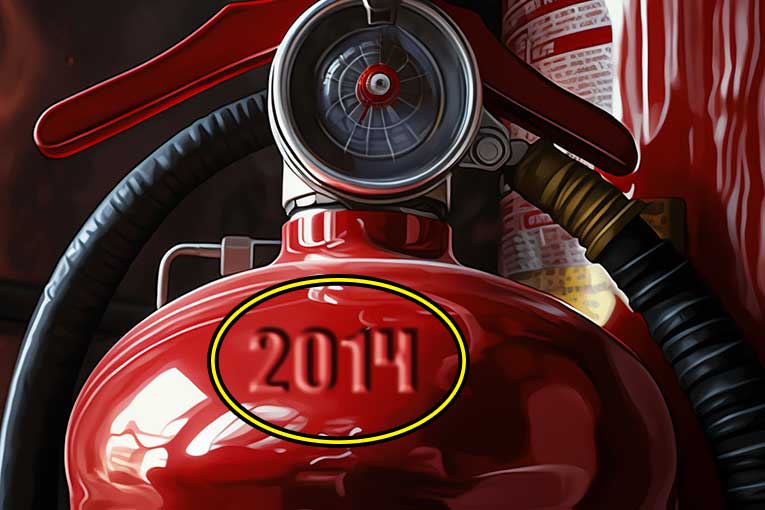
The manufacture date may be physically stamped onto the cylinder of the steel fire extinguisher. 

This stamp provides a clear and permanent indication of when the extinguisher was produced.

On the Label

Alternatively, the manufacture date might be included on the label affixed to the extinguisher. 

This label provides essential information about the extinguisher’s specifications and usage guidelines.

P50 Service-Free Extinguishers

Older Models 

For older P50 fire extinguisher models, the manufacture date is typically printed on the base of the unit.

Newer Models 

Newer P50 models use a coloured pin that correlates to a table printed on the label. 

The pin colour corresponds to the month and year of manufacture, providing a quick reference.

When Should you Replace a Fire Extinguisher Early?

replace fire extinguishers early

While fire extinguishers have defined lifespans, certain circumstances may warrant early replacement to ensure optimal performance in emergencies. 

Here are key indicators that suggest an extinguisher should be replaced ahead of schedule:

Cracked Nozzle or Hose

Issue

Physical damage like cracks compromises the structural integrity of the nozzle or hose.

Effect

The crack can lead to leaks or difficulties in delivering the extinguishing agent during a fire, rendering the extinguisher less effective.

Blocked Nozzle or Hose

Issue

Obstructions in the nozzle or hose can hinder the discharge of the extinguishing agent.

Effect

A blocked nozzle or hose reduces the extinguisher’s ability to control a fire, diminishing its overall performance.

Broken Handle

Issue

A broken handle makes it challenging to operate the extinguisher efficiently.

Effect

In an emergency, a broken handle may impede the user from effectively using the extinguisher, delaying response time.

Missing Locking Pin

Issue

The locking pin is crucial for preventing accidental discharges and maintaining the extinguisher’s readiness.

Effect

Without the locking pin, there’s a risk of unintentional discharges, and the extinguisher may not be securely stored or easily accessible.

Missing Inspection Sticker

Issue

An extinguisher without an updated inspection sticker may not have undergone required maintenance.

Effect

Missing inspection documentation indicates a lack of regular checks, raising concerns about the extinguisher’s reliability and adherence to safety standards.

Corrosion

Issue

Corrosion on the cylinder or other parts compromises the structural integrity of the extinguisher.

Effect

Corrosion weakens the extinguisher, making it more susceptible to damage and reducing its ability to withstand the pressure needed for proper discharge.

Suspected of Leaking

Issue 

Evidence of leaking substances suggests a loss of pressure and potential malfunction.

Effect

A leaking extinguisher may fail to discharge its contents effectively during a fire, necessitating immediate replacement to ensure reliability in an emergency.

How Often Should Fire Extinguishers be Inspected?

how often fire extinguishers inspected

Routine inspections are crucial to maintaining the reliability of fire extinguishers, ensuring they function correctly when needed. 

The inspection frequency can be categorised into two intervals:

Monthly Checks

Regular, brief checks by designated personnel.

This is to verify that the extinguisher is in its designated place, the pressure gauge shows adequate pressure, and there is no visible damage or tampering.

Monthly checks help identify immediate issues and ensure that the extinguisher is accessible and operational.

Yearly Inspections by a Fire Extinguisher Engineer

In-depth inspections conducted by a certified fire extinguisher engineer, for example those found in the Institution of Fire Engineers.

This will be a comprehensive examination of the extinguisher’s internal and external components, including pressure tests, to ensure it meets safety standards.

Yearly inspections are critical for identifying potential internal issues, such as corrosion or leaks, which might not be evident during routine checks.

What are the Risks of Using an Older Fire Extinguisher?

older fire extinguishers risks

Using an older fire extinguisher poses various risks, potentially compromising its effectiveness when faced with a fire emergency. 

Here are the key risks associated with relying on an aged fire extinguisher:

Decreased Pressure

Over time, fire extinguishers may experience a gradual loss of pressure, reducing their ability to discharge the extinguishing agent effectively. 

This decline can result from factors like gas leakage or gradual deterioration of internal components.

Corrosion

The internal components of a fire extinguisher, especially the cylinder, are susceptible to corrosion over an extended period. 

Corrosion weakens the structural integrity, making the extinguisher more prone to failure or rupture during use.

Deterioration of Seals and Valves

Seals and valves play a crucial role in maintaining the pressure and integrity of the extinguishing agent. 

As a fire extinguisher ages, these seals and valves can deteriorate, leading to potential leaks and a loss of pressure.

Reduced Extinguishing Agent Efficiency

The extinguishing agent within the fire extinguisher can degrade over time, diminishing its effectiveness. 

This reduction in efficiency may result from factors like exposure to temperature variations or chemical changes within the agent.

Outdated Technology

Older fire extinguishers may use outdated technology compared to more modern counterparts. 

Advances in fire safety technology have led to the development of extinguishers with enhanced features and improved extinguishing agents, providing better protection against various fire types.

Non-compliance with Standards

Fire safety standards and regulations evolve over time, introducing new requirements for equipment.

Older fire extinguishers may not comply with the latest standards, potentially leading to regulatory non-compliance and inadequate fire protection.

How to Dispose of a Fire Extinguisher?

dispose of fire extinguishers

Disposing of a fire extinguisher requires careful consideration to ensure the safe handling of potentially hazardous materials. 

Here’s a guide on how to appropriately dispose of a fire extinguisher:

Check the Extinguisher Type

Identify the type of fire extinguisher, as different extinguishing agents have specific disposal methods. 

Common types include water, powder, foam and CO2.

Contact Local Authorities

Check with your local fire department or waste disposal facility regarding their specific regulations for fire extinguisher disposal. 

Some municipalities organise special collection events or have designated drop-off locations.

Recycling Centres

Certain recycling centres may accept fire extinguishers, as many of the components are fully recyclable. 

Remember to follow local guidelines.

Professional Disposal Services

In some cases, professional hazardous waste disposal services may be necessary for extinguishers containing certain chemicals, such as older foam fire extinguishers. 

Contact local environmental agencies for advice on proper disposal methods.

Conclusion

Knowing how long fire extinguishers last and understanding when to replace them is vital for maintaining a safe environment. 

Regular inspections, proper servicing, and early replacement when necessary ensure that these essential firefighting tools remain effective when needed most. 

Prioritising the longevity and functionality of fire extinguishers is a proactive step towards enhancing overall safety and preparedness in various settings.

Bengal Fire Department launches fire safety awareness drive

The Bengal Fire and Emergency department has launched an awareness drive on fire safety through drills and to inform people about the precautions to take if a fire breaks out.

The campaign, which kicked off on 5 May in Calcutta will run for a month until 5 June. Teams from the department will travel to various locations carrying equipment and will demonstrate how one should respond to a fire.

The demonstrations are touring shopping malls, hospitals, hotels, office buildings, industrial units, petroleum outlets and in crowded locations in and around the city of Siliguri.

Bhaskar Nag, the officer-in-charge of the Siliguri fire station, said during the campaign, they will also conduct fire audits at these sites to determine whether the places have adequate fire-fighting equipment and arrangements to evacuate people.

“We are carrying out mock fire drills, which include evacuation exercises. Also, during our visit, we are training people, for example, employees of industrial units and security men of shopping malls, as to how they should douse a fire,” he said.

The department is also promoting the need to keep adequate fire extinguishers in hotels, hospitals, schools, colleges, offices, markets and factories, and will for employees of petrol pumps it will conduct a separate training “as we cannot have on-site demonstrations at a pump.”

Global fire extinguishers market to reach $7.1bn by 2026

The fire extinguisher market is set to reach US$7.1bn by 2026, according to a new study published by Global Industry Analysts Inc., (GIA). The report, titled “Fire Extinguishers – Global Market Trajectory & Analytics, presents fresh perspectives on opportunities and challenges in a significantly transformed post Covid-19 marketplace.

Improving global GDP, resurgence in remodeling and renovation activity in developed economies, steady rise in new constructions in emerging markets, and stricter law enforcements are driving growth in the market.

Along with their expiration date, the existence of international, national, or local building regulations, laws, and codes implies that some of the fire extinguishers must be replaced annually, which generates enough demand to ensure the industry’s stability.

Additional opportunities generated by the demand for fire suppression technologies and other proactive fire management systems, hold potential for the industry’s growth. Although the construction industry remains the primary end-use sector for fire extinguishers, growth is forecast to improve from expanding applications in automobiles, military vehicles, and aircrafts. Growing emphasis on safety is fueling demand for automotive fire extinguishers and poised to benefit against this backdrop are small, portable and lightweight fire protection systems. The growing base of military vehicles, especially army ground combat vehicles, is forecast to benefit demand for fast-opening hand-held fire extinguishers (HFE) to safeguard against combat-induced fires.

Amid the coronavirus pandemic, the global market for Fire Extinguishers is estimated at $5.2bn in 2022, is projected to reach a revised size of $7.1bn by 2026, growing at a CAGR of 7.5% over the analysis period.

Dry Chemical & Dry Powder, one of the segments analyzed in the report, is projected to grow at a 7.4% CAGR to reach $5.1bn by the end of the analysis period. After a thorough analysis of the business implications of the pandemic and its induced economic crisis, growth in the Carbon Dioxide segment is readjusted to a revised 9% CAGR for the next seven-year period. This segment currently accounts for a 14% share of the global Fire Extinguishers market.

Currently, the extensively used fire extinguisher type is the multiple use dry chemical, which is most efficient on class A, class B and class C fires. CO2 fire extinguishers, which can be deployed on Class A fires, put out fire by removing oxygen component from the fire triangle as well as eliminating the heat through an extremely cold release. These black colored fire extinguishers are ideal for electrical fires

The U.S. Market is Estimated at $1.4bn in 2022, While China is Forecast to Reach $1.2bn by 2026
The Fire Extinguishers market in the U.S. is estimated at $1.4bn in the year 2022. The country currently accounts for a 27.9% share in the global market. China, the world’s second largest economy, is forecast to reach an estimated market size of $1.2bn in the year 2026 trailing a CAGR of 9.2% through the analysis period. Among the other noteworthy geographic markets are Japan and Canada, each forecast to grow at 5.3% and 7.5% respectively over the analysis period.

Within Europe, Germany is forecast to grow at approximately 5.5% CAGR while Rest of European market (as defined in the study) will reach $422m by the end of the analysis period. Market growth is primarily led by change in standard building codes and mandating necessary deployment of fire extinguishers coupled with strong construction sector in developing markets such as Asia-Pacific, Latin America, Middle East and Eastern European markets. Both China and India have been investing significantly in expanding their infrastructure in order to gain competitive advantage and support burgeoning economy and population. The recovery in the construction industry in the US, coupled with steady gains in construction spending in developing countries including BRICs and CIVETs, is expected to drive the demand for fire extinguishers in the next few years.

Meanwhile, the foam-based segment is set to Reach $658.5m by 2026. Foam-Based and Water-Based Extinguishers put out fire by eliminating the heat component from the fire triangle, while foam agents remove oxygen component from additional components.

Foam extinguishers are expensive, and suitable for diverse use except for Class C fires due to shock risk. There are Aqueous Film Forming Foam (AFFF) based and Alcohol Resistant Aqueous Film Forming Foam (ARAFFF) based extinguishers, known as Class A and B fire extinguishers for fighting chemical fires, which involve alcohol. In the global Foam-based segment, USA, Canada, Japan, China and Europe will drive the 6.8% CAGR estimated for this segment.

These regional markets accounting for a combined market size of $355m will reach a projected size of $559.3m by the close of the analysis period. China will remain among the fastest growing in this cluster of regional markets. Led by countries such as Australia, India, and South Korea, the market in Asia-Pacific is forecast to reach $94.6m by the year 2026, while Latin America will expand at a 7.9% CAGR through the analysis period.

New Commander Safety Box from Check Fire Group

New this year, the Commander Safety Box from Check Fire Group offers a very practical solution for the protection and storage of fire safety equipment.

– Smooth, flat roof for sign application
– Ground fixing kit. Sold separately
– Plastic material with high resistance to: water and dust ingress, UV rays, high and low temperatures
– Logistics optimisation thanks to the stack-ability

For fire extinguishers in an outdoor setting, this time of year brings more need than ever to provide protection to ensure they work as they should in the event of a fire. Fire safety equipment stored outdoors should take cover from bad weather.

The Commander Safety Box is the ideal storage solution for extinguishers in a variety of outdoors settings, including holiday caravan parks, construction sites, festivals and garage forecourts.

www.checkfire.co.uk/