Kidde Commercial launches advanced fire detection system to minimise false alarms

The financial impact of false fire alarms on UK SMEs

UK SMEs are grappling with the financial repercussions of false fire alarms, incurring an average cost of nearly £40,000 due to fines and disruptions.

A recent study conducted by Censuswide on behalf of Kidde Commercial reveals that the majority of these false alarms are triggered by everyday occurrences such as burnt food, steam, faulty detectors, and vape and cigarette smoke.

This issue not only imposes a financial burden but also affects productivity, with 34% of business owners identifying a loss of productivity as the primary cost, alongside missed meetings and evacuation disruptions.

New fire detection technology aims to improve workplace safety

Kidde Commercial has unveiled its latest innovation in fire safety technology, the Kidde Commercial 2X-A, 2X-AT, and Excellence Series Solution.

This new range of fire detection systems is designed to enhance protection in the workplace while significantly reducing the occurrence of false alarms.

Leveraging over a century of expertise in fire safety, Kidde Commercial introduces these advanced systems as part of Carrier Global Corporation, a leader in creating intelligent climate and energy solutions.

Reduced false alarms and installation costs

The newly introduced fire detection panels are not only cost-effective, with installation costs cut by 17%, but they are also engineered to be compatible with existing legacy systems.

This compatibility ensures that the commissioning and maintenance of these intelligent devices are more efficient.

Key benefits of the new systems include:

  • A significant reduction in false alarms thanks to intelligent smoke detectors equipped with a patented Optical Chamber for more accurate smoke detection.
  • AI-powered connected gateways to the panel, facilitating an 80% reduction in response times to emergencies.
  • A 17% reduction in installation costs, enabling the new detectors to integrate seamlessly with legacy systems for quicker setup and maintenance.
  • The Excellence Series, featuring patented Optical Sensing technology, is the first of its kind to distinguish between nuisance particles, such as those from cooking, and serious threats.

Arman Saeidnia, GM Fire EMEA (Europe, Middle East, and Africa), highlighted the importance of the new system: “False fire alarms costing businesses is disruptive and often a strain on our productivity at work.

“It’s vital businesses know the triggers and upgrade technologies to ensure false alarms are kept to a minimum.

“Alarm fatigue can lead to complacency within the workplace – making it harder for people to properly evacuate and react in the case of an actual emergency”.

IFSJ Comment

The introduction of Kidde Commercial‘s new fire detection system marks a significant advancement in workplace safety technology.

By addressing the critical issue of false alarms, the company sets a new standard in fire safety, ensuring that businesses can maintain high productivity levels without compromising on safety.

The system’s integration of AI and patented technologies demonstrates an innovative approach to fire detection, offering both cost and operational efficiencies.

This development represents a forward step in safeguarding workplaces against fire hazards, reinforcing the importance of adopting advanced safety solutions in today’s rapidly evolving technological landscape.

List of Firefighting Equipment

Firefighting equipment is what helps firefighters to extinguish flames, ensuring the safety of lives and property, and the varied list of firefighting equipment shows how diverse firefighting really is. 

From traditional tools like fire extinguishers to cutting-edge technology such as thermal imaging cameras, each item plays a crucial role in a firefighter’s arsenal. 

In this article, we’ll explore the diverse list of firefighting equipment, shedding light on their functions and importance in the face of fire emergencies.

What is Firefighting Equipment?

Firefighting equipment encompasses a diverse range of tools, devices, and protective gear specifically designed to combat and manage fires effectively. 

These crucial elements are essential for firefighters in their mission to extinguish flames, rescue individuals, and mitigate the impact of fire emergencies. 

Each piece of equipment serves a unique purpose in the complex and challenging task of firefighting.

Firefighting equipment is not only about extinguishing flames but also about ensuring the safety of those on the front lines. 

Protective gear, such as fire suits and gloves, shields firefighters from extreme heat, allowing them to navigate hazardous environments. 

The continuous advancements in firefighting equipment underscore a commitment to improving the efficiency, safety, and overall effectiveness of firefighting operations.

Firefighting equipment is the lifeline for those who risk their lives to protect communities and properties from the devastating impact of fires.

List of Firefighting Equipment

Firefighting equipment constitutes a comprehensive arsenal designed to combat fires of varying intensities and types. 

Each tool plays a crucial role in ensuring the safety of firefighters and the effectiveness of fire suppression efforts.

Fire Extinguishers

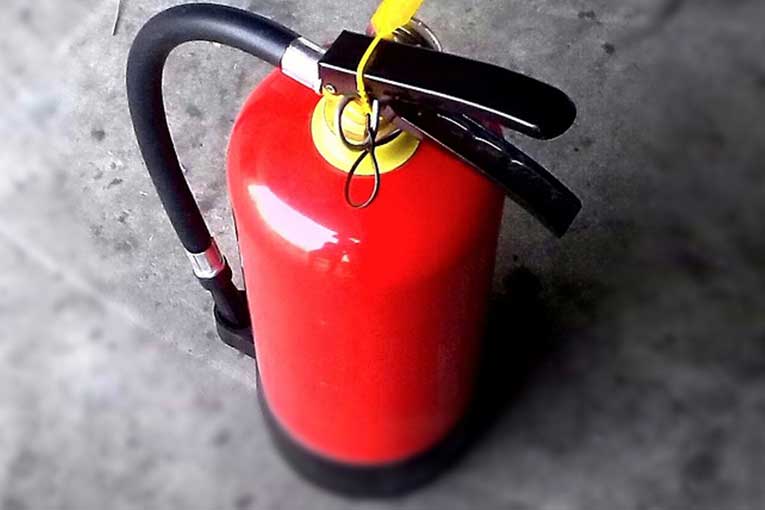
fire extinguisher firefighting equipment

Portable and versatile, fire extinguishers are essential for promptly suppressing and extinguishing small fires. 

There are many different types of fire extinguisher, each containing specific firefighting agents such as water, foam, dry powder, or CO2. 

The diversity in extinguisher types ensures flexibility in addressing different classes of fires—whether involving ordinary combustibles, flammable liquids, electrical equipment, or gases. 

This adaptability allows firefighters and individuals to employ the most suitable extinguishing agent, enhancing the effectiveness of fire suppression efforts across a wide range of fire scenarios.

Fire Extinguisher Ball

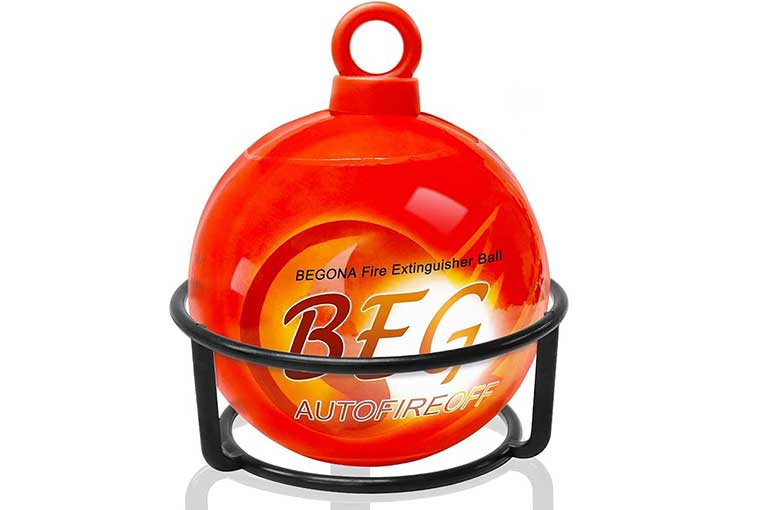
fire extinguisher ball firefighting equipment
Source: Amazon

An innovative self-activating fire suppression system, the Fire Extinguisher Ball offers a unique approach to firefighting. 

When exposed to flames, the ball bursts autonomously, releasing a fine powder that swiftly and effectively extinguishes the fire. 

This ingenious device is particularly advantageous in confined spaces or areas with limited accessibility, where traditional firefighting methods might face challenges. 

The Fire Extinguisher Ball’s ability to initiate fire suppression independently makes it a valuable addition to fire safety measures, ensuring a rapid response even in scenarios where immediate human intervention may be difficult.

Fire Hoses

fire hose firefighting equipment

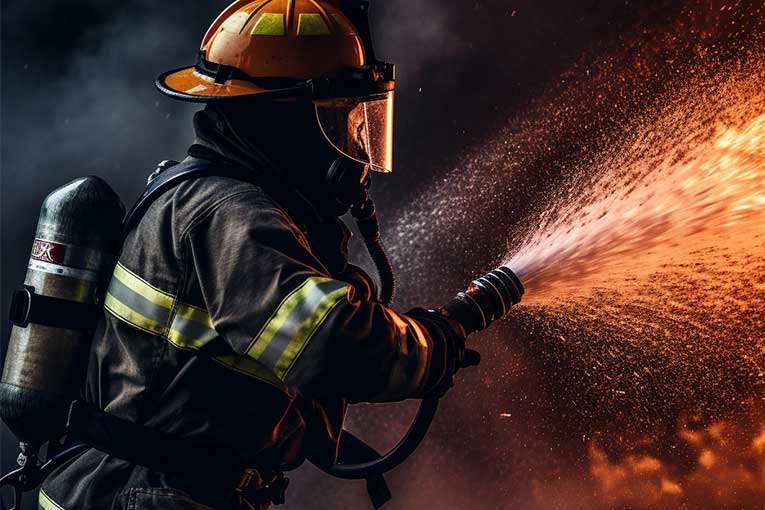
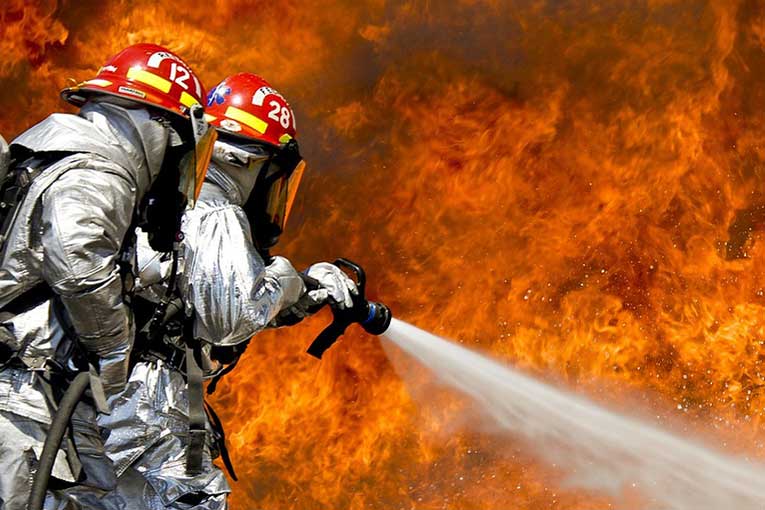
As one of the most prevalent tools in large-scale firefighting, fire hoses are indispensable for firefighters combating significant flames. 

These flexible and robust hoses serve as critical conduits, allowing the directed flow of water onto the fire. 

Their length and adaptability empower firefighters to reach remote or challenging locations, providing a versatile means of effectively delivering water to suppress fires. 

The strategic use of fire hoses enhances the agility and reach of firefighting efforts, enabling responders to address fires in diverse environments and mitigate potential challenges posed by the fire’s scale and intensity.

Hose Jets

fire hose firefighting equipment

Hose Jets represent heightened firefighting capabilities, requiring the collaboration of two firefighters to handle their extra power. 

These specialised tools offer an elevated force and flow, allowing firefighters to exert increased control over the extinguishing process. 

With the ability to adjust the jet stream, firefighters enhance precision in directing water onto the flames, addressing specific firefighting requirements. 

The collaborative use of Hose Jets reflects a strategic approach, amplifying the effectiveness of firefighting efforts in scenarios where a more robust and targeted water delivery is essential to combat fires of greater scale or intensity.

Fire Buckets

fire buckets firefighting equipment

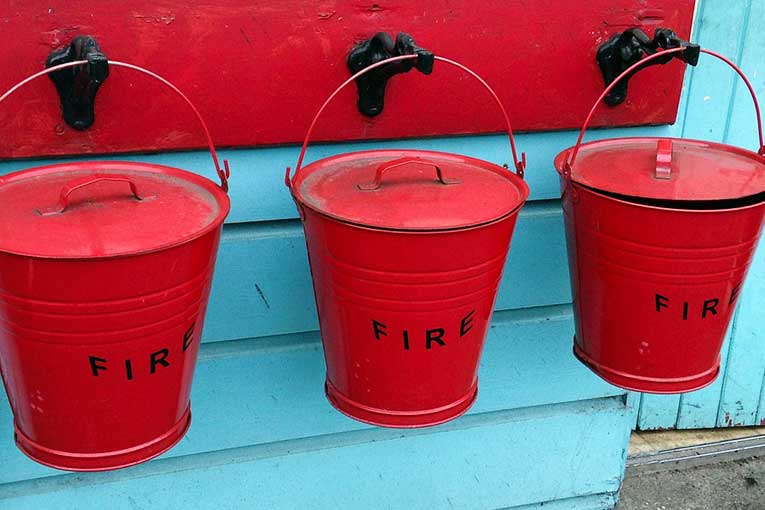
Simple in design yet highly effective, fire buckets are containers filled with either water or sand. 

Positioned strategically, these buckets serve as immediate response tools, offering a swift and accessible means to douse small fires or control sparks. 

Their simplicity makes them an essential first line of defence, providing an uncomplicated yet crucial tool in the initial stages of firefighting. 

Whether used by trained personnel or as part of fire safety measures in public spaces, fire buckets play a fundamental role in empowering individuals to take immediate action and contribute to fire containment efforts.

Flamezorb

flamezorb firefighting equipment
Source: Amazon

Flamezorb, a granular substance, serves as a rapid-response tool in firefighting by efficiently absorbing flammable liquids. 

When applied to spills, it swiftly neutralises and absorbs the substances, preventing the spread of fire. 

This versatile and effective tool finds particular utility in scenarios involving hazardous materials or potential chemical fires, where the quick containment of flammable liquids is essential to mitigate the risk of fire escalation. 

Flamezorb’s ability to address such specific challenges makes it a valuable asset in the firefighting arsenal, contributing to the overall effectiveness of fire suppression efforts in diverse and complex situations.

Fire Blankets

fire blanket firefighting equipment
Source: Amazon

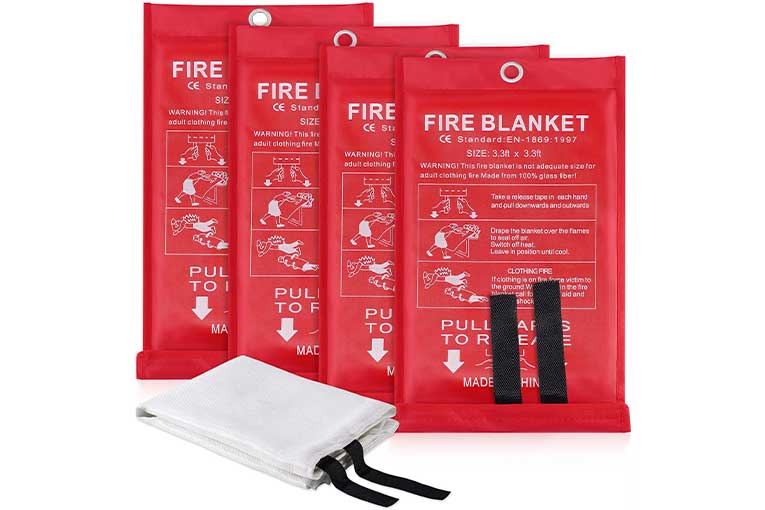
Constructed from fire-resistant materials, fire blankets emerge as versatile tools in firefighting and emergency response. 

Beyond their primary function of smothering small fires, these blankets provide a multifaceted solution. 

In emergency situations, they offer protection by wrapping around individuals, creating a temporary shield against flames and heat. 

The adaptability of fire blankets extends their utility beyond traditional firefighting scenarios, making them valuable assets in various emergency situations where rapid response and versatile tools are paramount to ensuring the safety of individuals and effectively addressing evolving challenges.

Fire Suit

fire suit firefighting equipment

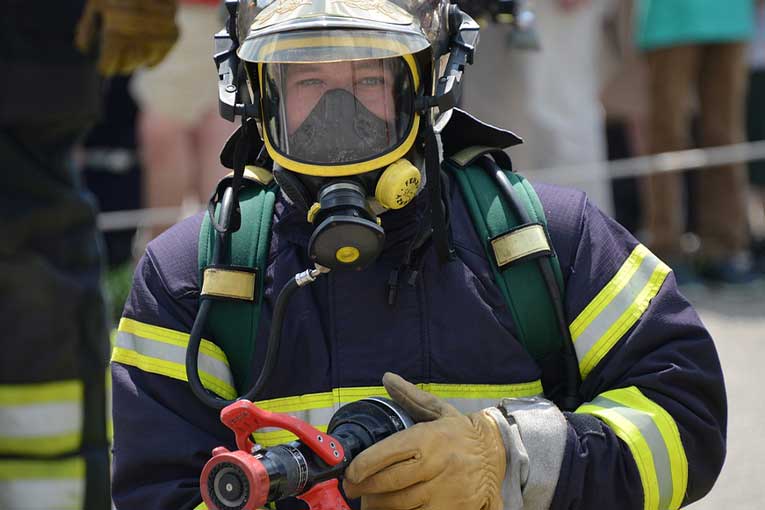
Specially designed for the demanding challenges of firefighting, a fire suit is more than  a mere uniform – it’s a shield against extreme heat and flames. 

Crafted from fire-resistant materials, these suits envelop firefighters in a protective barrier during the most intense operations. 

With layers designed to withstand the harsh conditions of a fire, these suits are crucial in ensuring the safety and well-being of firefighters. 

The specialised construction of fire suits exemplifies the commitment to providing a robust defence against the hazards encountered in the line of duty, reinforcing the resilience of those who bravely confront the flames.

Firefighter Gloves

firefighting gloves firefighting equipment
Source: Amazon

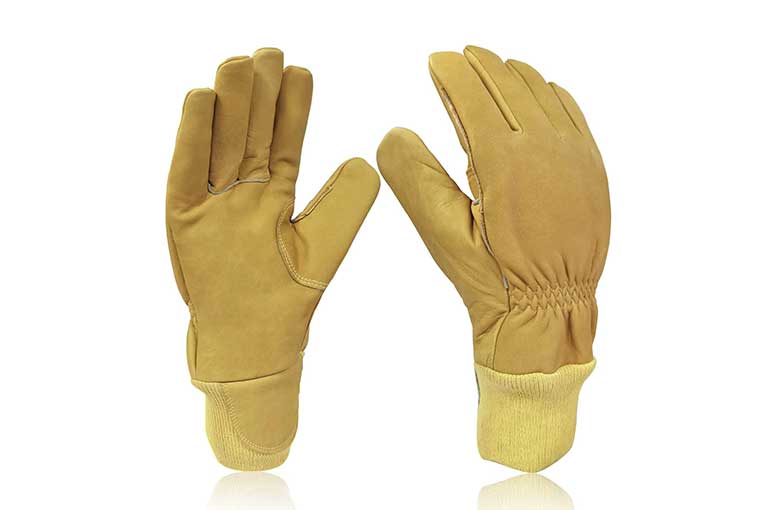
These gloves are essential for firefighters, offering crucial hand protection in the dynamic and intense environments encountered during firefighting operations. 

Crafted from materials resistant to high temperatures, they enable firefighters to handle hot surfaces and materials with confidence. 

The specialised design of firefighter gloves prioritises both dexterity and protection, allowing firefighters to navigate challenging situations while safeguarding their hands from the formidable heat generated in the course of combating fires. 

Gas Tight Suit

gas tight suit firefighting equipment
Source: Wikipedia

Comprising a multi-layered construction, these suits act as an impermeable barrier, creating a formidable shield between the firefighter and potentially harmful substances. 

Their purpose extends beyond conventional firefighting gear, addressing the specific challenges posed by chemical fires and the release of dangerous gases. 

By providing an encapsulating defence, gas-tight suits empower firefighters to navigate complex and perilous environments, ensuring their safety while enabling effective response and mitigation in the face of chemical hazards.

Drones

drones firefighting equipment

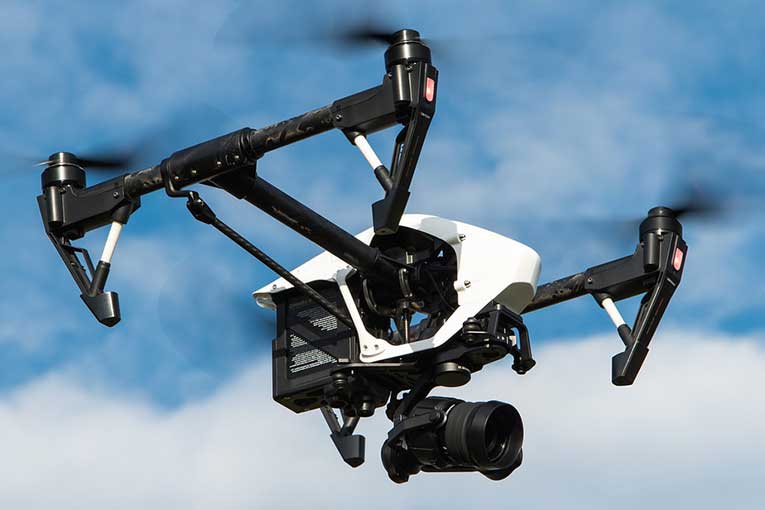
These unmanned aerial vehicles, equipped with advanced cameras, offer invaluable aerial views that significantly enhance fire assessment capabilities. 

Providing real-time situational awareness, drones become the eyes in the sky for firefighting teams. 

Their ability to swiftly survey large areas and capture critical information aids in strategizing and responding effectively to incidents. 

Drones not only contribute to the safety and efficiency of firefighting operations but also offer a technological edge, elevating the precision and speed with which responders can assess, plan, and execute strategies in the dynamic context of firefighting scenarios.

Thermal Imaging Camera

thermal camera firefighting equipment

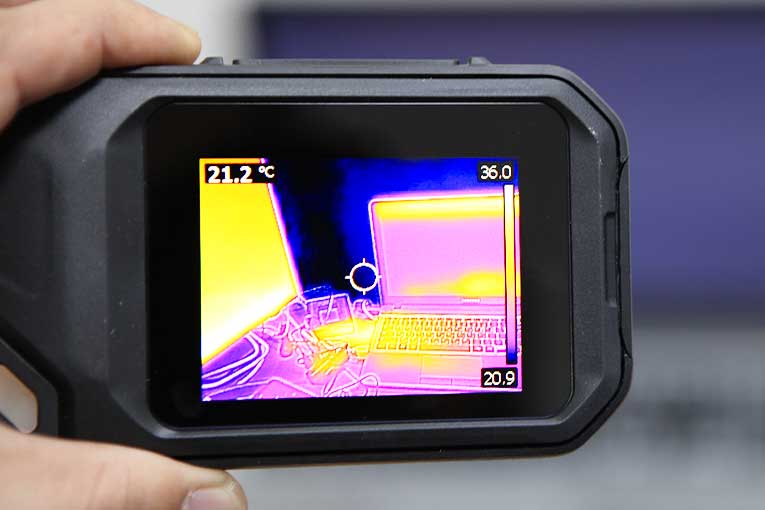
Thermal imaging cameras aid in locating individuals trapped in smoke-filled environments and identifying hotspots that may not be visible to the naked eye. 

The invaluable data provided by thermal imaging cameras enhances the efficiency and safety of firefighting operations. 

By offering real-time insights into the intensity and distribution of heat, these devices empower firefighters with the ability to make informed decisions, optimise resource allocation, and execute targeted strategies for suppressing fires and conducting search and rescue operations.

Breathing Apparatus

breathing apparatus firefighting equipment

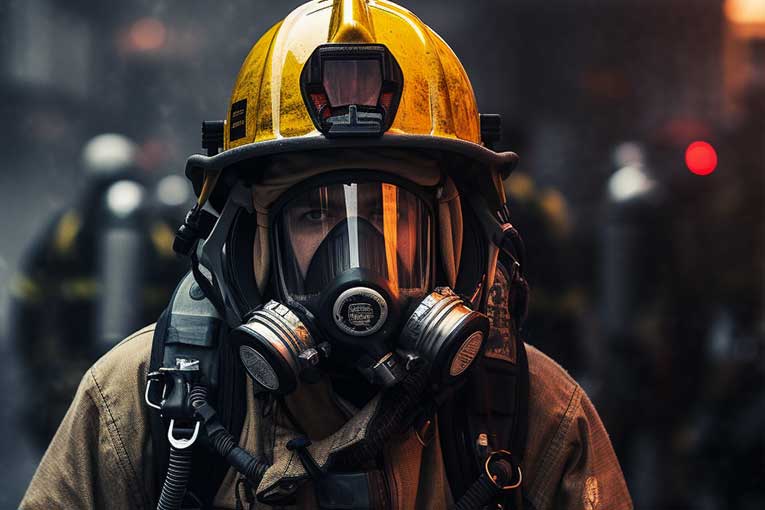
In smoke filled environments, these devices play a crucial role in ensuring the safety of firefighters by providing a continuous supply of clean air. 

The reliability and functionality of these apparatuses exemplify their vital role in preserving the well-being of firefighters and ensuring their ability to execute effective firefighting and rescue operations in environments where clean air is a precious commodity.

Positive Pressure Ventilation Fan

positive pressure ventilation fans firefighting equipment
Source: Wikipedia

Positive pressure ventilation fans are devices designed to create airflow that effectively removes smoke and toxins from enclosed spaces. 

By generating a controlled and directed flow of air, these fans contribute significantly to improving visibility for firefighters within confined areas. 

Beyond enhancing visibility, the removal of smoke and toxins creates a safer working environment, allowing firefighters to operate more efficiently and with reduced exposure to hazardous substances. 

Ladders

ladders firefighting equipment

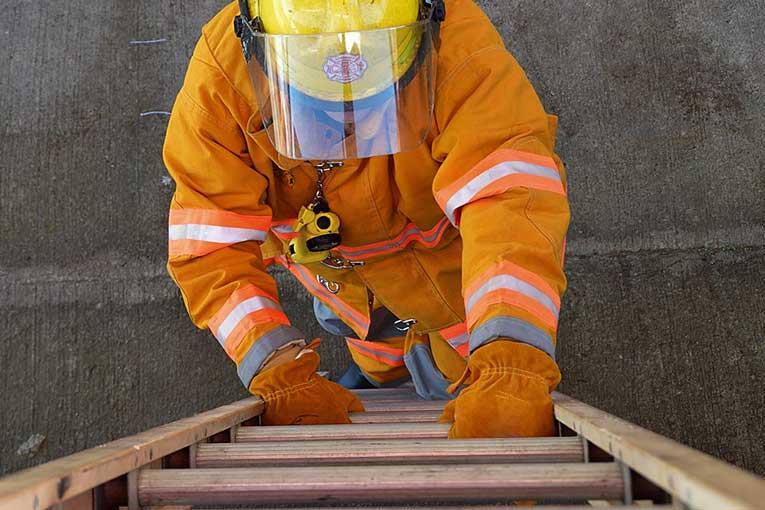
These versatile devices play a pivotal role in firefighting operations by enabling firefighters to access elevated areas, conduct rescues, and navigate challenging environments. 

Whether extending to reach upper floors of buildings or providing a stable platform for rescue operations, ladders enhance the agility and effectiveness of firefighting teams. 

Their portability and adaptability make them fundamental in addressing the diverse challenges posed by fires in varying structures and scenarios, contributing to the overall success and safety of firefighting operations.

Fire Fighting Vehicle

vehicles firefighting equipment

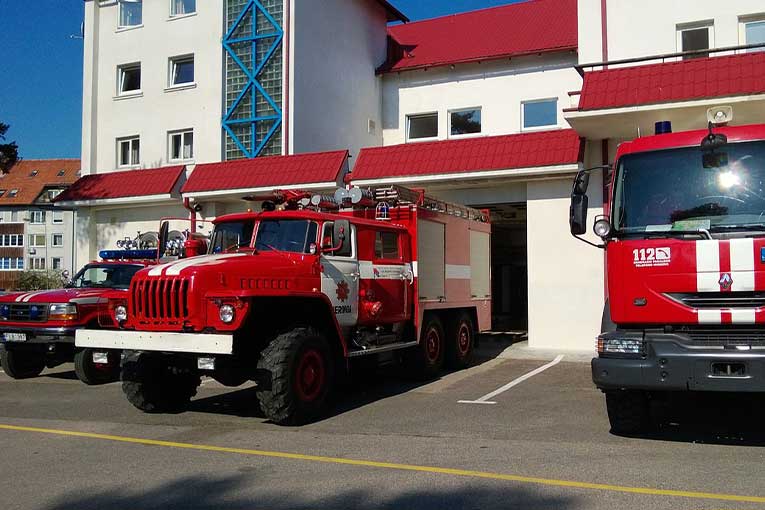
These vehicles carry essential firefighting tools, water tanks, and hoses, ensuring a swift and effective response to fire emergencies. 

Beyond their mobility, the specialised equipment on these vehicles equips firefighters with the resources needed to combat fires of varying scales. 

Whether navigating through urban environments or remote locations, these vehicles enhance the reach and capabilities of firefighting teams, playing a vital role in the timely containment and suppression of fires to protect lives and property.

How is Firefighting Equipment Used?

The strategic use of equipment is paramount, requiring a careful assessment of each fire’s unique characteristics. 

Firefighters, equipped with a diverse array of tools, employ a systematic approach to address different scales and types of fires.

Fire extinguishers, compact and versatile, find their application in swiftly suppressing small fires. 

Firefighters select the appropriate extinguisher based on the fire’s nature and discharge the firefighting agent with precision, aiming at the fire’s base. 

For larger incidents, fire hoses connected to water sources become instrumental. 

The hoses allow firefighters to direct water effectively, reaching inaccessible areas, while sprinklers automatically release water upon detecting excessive heat, contributing to fire containment.

Protective gear, including fire suits and gloves, plays a pivotal role in ensuring firefighters’ safety as they confront flames. 

These specialised garments shield against extreme heat, providing a critical barrier between the firefighter and the hazardous environment.

Cutting-edge technology, such as drones equipped with cameras and thermal imaging devices, offers invaluable insights. 

Drones provide aerial views, enhancing situational awareness for better decision-making, while thermal imaging cameras aid in locating individuals and identifying hotspots within a fire.

The use of firefighting equipment is not only reliant on the tools themselves but also on the skill, training, and coordination of firefighting teams. 

Firefighters undergo rigorous training to understand the capabilities and limitations of each tool, ensuring a synchronised and effective response to diverse fire scenarios. 

The strategic and well-coordinated utilisation of firefighting equipment remains a cornerstone in the battle against the unpredictable and destructive force of fires.

What Other Equipment Helps with Firefighting?

Some firefighting equipment is not directly used to directly put out fires, but it used to improve the safety and efficiency of firefighters.

Fire Sprinklers

fire sprinklers firefighting equipment
Source: Wikipedia

Installed in buildings, fire sprinklers are automatic devices that release water when detecting excessive heat. 

They play a crucial role in suppressing fire outbreaks and limiting damage in enclosed spaces. 

Strategically positioned, their rapid response significantly contributes to controlling fires, preventing their escalation, and protecting lives and property within structures.

Fire Doors

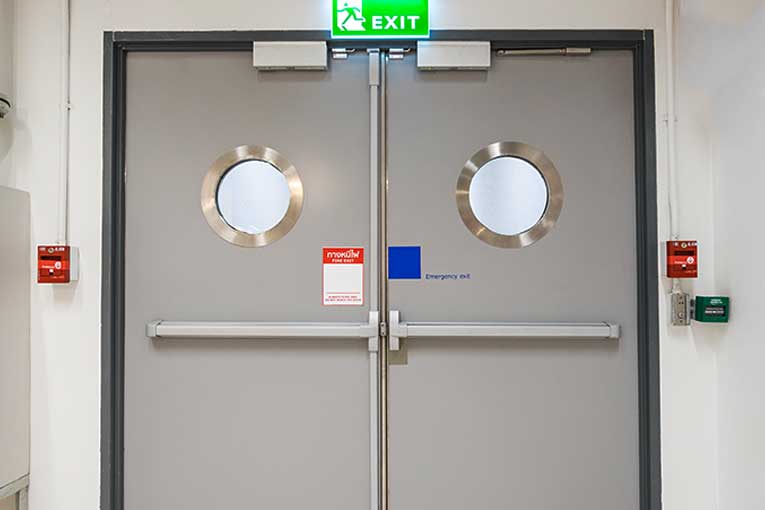
Specialised fire doors are meticulously designed to resist fire and smoke, acting as effective barriers to limit their spread within a building. 

These doors are critical components of passive fire protection systems, providing crucial time for evacuation and minimising the potential for fire extension.

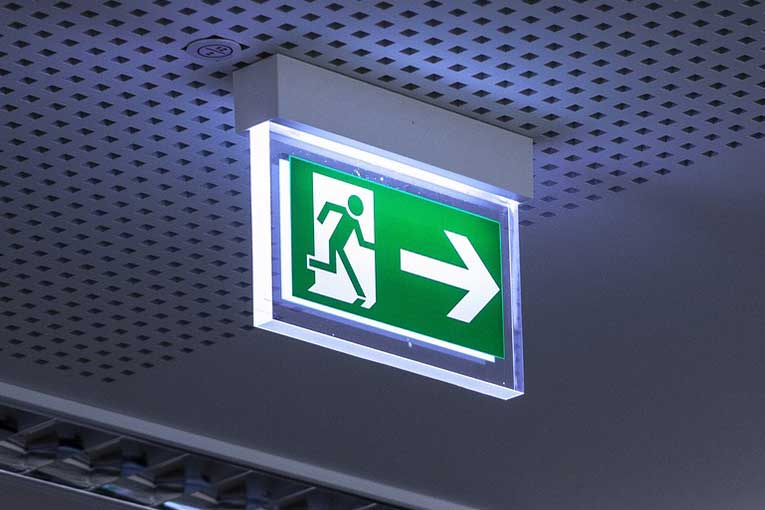
Emergency Signs

emergency signs firefighting supporting equipment

Clearly marked emergency lighting and signs are indispensable in ensuring swift and safe evacuation. 

These signs delineate evacuation routes and indicate the locations of firefighting equipment, guiding occupants to safety during fire emergencies.

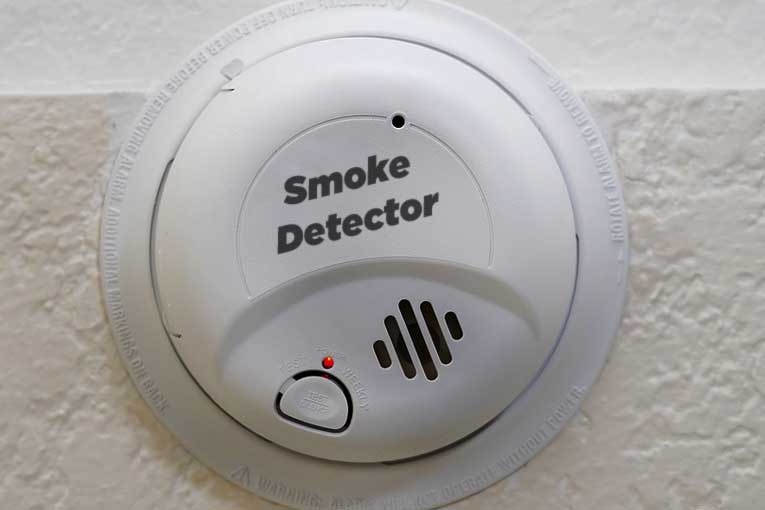
Smoke Alarms

There is 4 different smoke detector types

Essential components of early warning systems, smoke detectors are devices that promptly detect smoke, alerting occupants to potential fire hazards. 

Their rapid detection capability is pivotal in providing early warnings, allowing for timely response and evacuation.

The different types of smoke alarms ensure people can react quickly  to different types of fires.

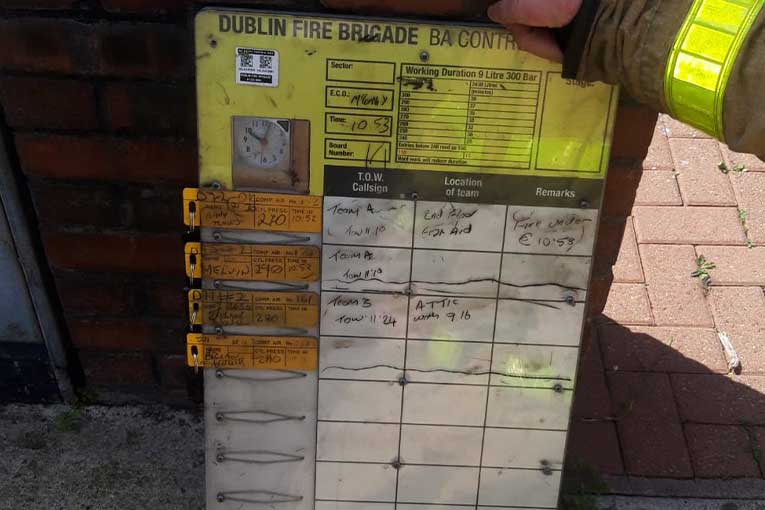
BA Entry Board

The Breathing Apparatus (BA) Entry Board serves as a control hub during breathing apparatus operations. 

It manages the entry and exit procedures of firefighters equipped with breathing apparatus, ensuring systematic and safe operations in environments with compromised air quality.

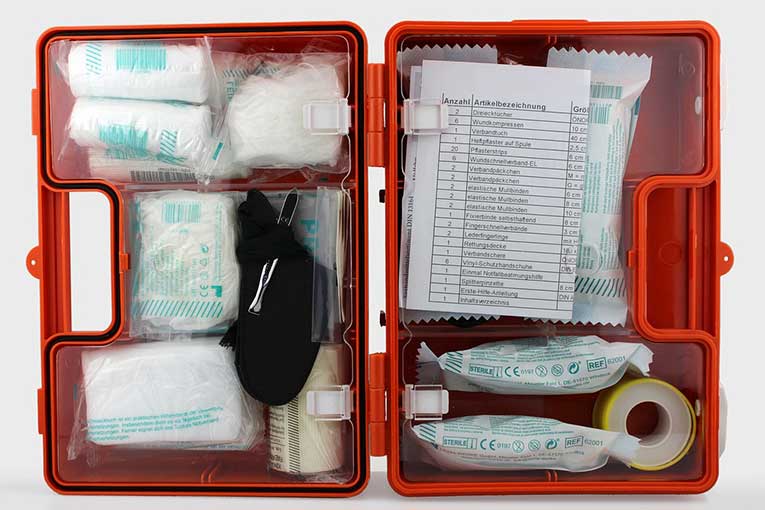
First Aid Kit

first aid kit firefighting supporting equipment

Containing medical supplies, first aid kits address injuries sustained during firefighting or rescue operations. 

They provide essential support until more extensive medical assistance is available.

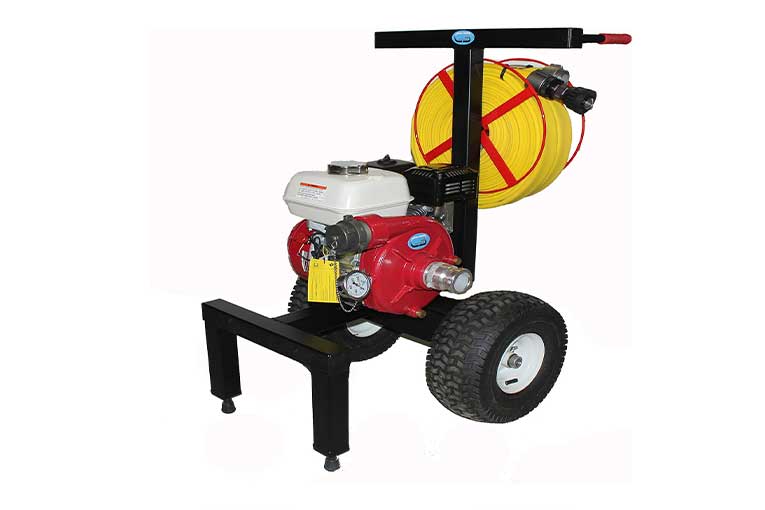
Light Portable Pump

light portable pump firefighting equipment
Source: Amazon

Compact and portable, light pumps are indispensable for transporting water to areas inaccessible to larger firefighting vehicles. 

These pumps enhance operational flexibility, providing firefighting teams with the ability to establish water supply points in diverse environments.

Cutters

cutters firefighting equipment
Source: Wikipedia

Cutting through materials obstructing access or rescuing individuals, cutters are versatile tools used by firefighters. 

They play a crucial role in extrication operations, enabling swift and precise interventions in situations where immediate access is essential.

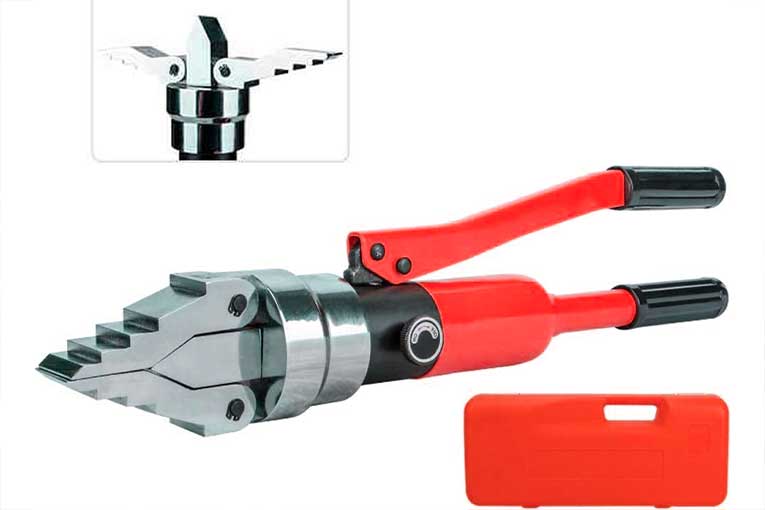
Spreaders

spreaders firefighting equipment
Source: Amazon

Hydraulic spreaders are powerful devices used to pry open objects or create openings in rescue situations. 

These tools are instrumental in providing access to trapped individuals, facilitating efficient rescue operations.

Rams

rams firefighting equipment
Source: Wikipedia

Hydraulic rams are tools designed to force open doors or create pathways during rescue operations. 

Their robust construction and power make them essential for situations where conventional access methods are insufficient.

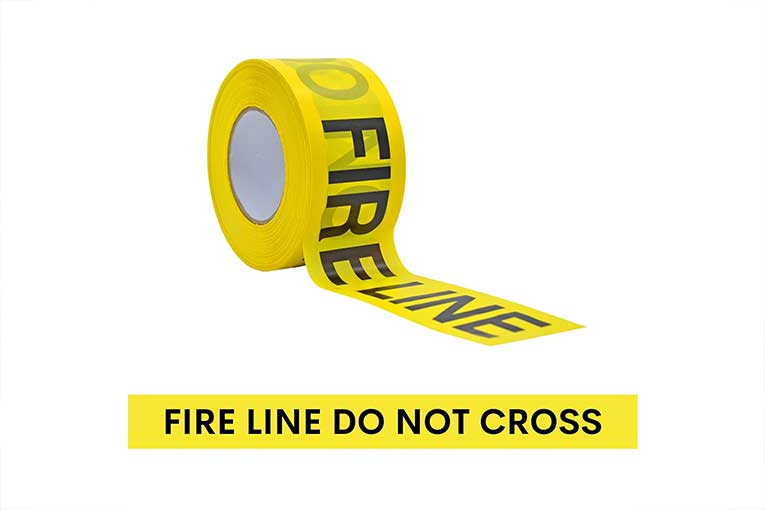
Do Not Cross Tape

do not cross tape firefighting equipment
Source: Amazon

Visible tape with the clear directive “Do Not Cross” is utilised to cordon off unsafe areas and control access to the fire scene. 

This tape ensures the safety of both emergency responders and the public by preventing unauthorised entry into potentially hazardous zones.

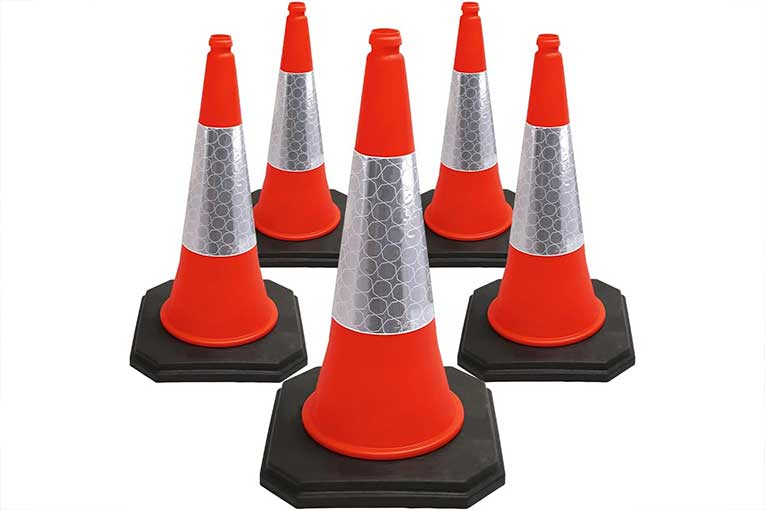
Traffic Cones

traffic cones firefighting equipment
Source: Amazon

Deployed to manage traffic and create clear pathways for emergency vehicles, traffic cones are essential in ensuring unimpeded access for firefighting teams. 

These cones play a crucial role in maintaining order and facilitating the rapid movement of emergency vehicles to and from the incident scene.

What Does the Future Hold for Firefighting Equipment?

The future of firefighting equipment holds exciting possibilities, driven by advancements in technology, materials, and design. 

One prominent trend is the integration of smart technologies, such as artificial intelligence and the Internet of Things, into firefighting gear. 

This includes wearable sensors and augmented reality visors that provide real-time data to firefighters, enhancing situational awareness and decision-making. 

Innovations in materials science are shaping the development of more lightweight yet durable protective gear, addressing comfort and mobility concerns for firefighters. 

Nanotechnology may lead to advanced flame-resistant fabrics, ensuring greater protection against extreme temperatures. 

Additionally, the use of robotics in firefighting, ranging from autonomous vehicles to robotic firefighting assistants, is on the horizon.

As climate change intensifies, firefighting equipment is likely to evolve to cope with more frequent and severe wildfires. 

This may involve the development of specialised tools for wildfires and improved strategies for early detection and prevention. 

The collaborative efforts of researchers, engineers, and firefighters promise a future where technology plays a pivotal role in enhancing the safety, efficiency, and effectiveness of firefighting operations, ultimately better equipping first responders to address evolving challenges.

Conclusion

The array of equipment at a firefighter’s disposal is vast and diverse. 

From traditional tools that have stood the test of time to cutting-edge technology ensuring efficiency and safety, each item plays a crucial role in combating fires and protecting lives. 

The continuous evolution of firefighting equipment reflects a commitment to enhancing the capabilities of those who bravely confront the unpredictable nature of fires. 

As technology advances, so does our ability to respond effectively to fire emergencies, ensuring a safer and more resilient future for communities worldwide.
WisuAlarm introduces innovative fire and CO detection technology to the UK and Ireland

WisuAlarm launches new smart alarm range for enhanced fire safety

WisuAlarm, a subsidiary of the international video surveillance leader Dahua Technology, has announced the launch of its innovative range of smoke, heat, CO, and environmental alarms in the UK and Ireland.

This BSI-certificated collection promises to offer advanced fire and environmental protection by leveraging Dahua’s expertise in fields such as video analysis, cloud computing, big data, and smart IoT.

The newly introduced range includes cutting-edge features like split-spectrum sensors that significantly reduce false alarms caused by environmental factors like dust and steam.

Aimed at the professional installation market, these products cater to both private homes and social housing, aligning with grades D1, D2, F1, and F2 as well as categories LD3, LD2, and LD1 under BS 5839-6 standards.

Product offerings and technological advancements

WisuAlarm’s initial product lineup is designed to meet the diverse needs of domestic and residential systems.

It includes interconnected smoke, heat, and CO alarms, mains-powered alarms, and environmental sensors for detecting damp, mould, and monitoring air quality.

Additionally, the range offers a Wireless Gateway for landlord monitoring in social housing scenarios, along with the WisuAlarm app for global device monitoring.

The interconnected devices utilise WisuLink, a wireless home safety network operating on the 868 MHz radio frequency, allowing up to 24 devices to be interconnected.

This technology supports long transmission distances and wall-crossing capabilities, ensuring comprehensive coverage across all rooms.

Moreover, the system allows for remote data management, visualisation, and the convenience of testing and silencing alarms using any infrared remote control.

Webinar and opportunities for installers

To introduce this range, WisuAlarm is hosting a webinar on Wednesday, 28 February, focusing on product details, installation guidance, and information on wholesale partnerships.

This event also aims to explore the potential within the private, rented, and social housing markets in the UK and Ireland.

Interested participants can register for the webinar online and have the chance to win various prizes.

Steve Boggis, Sales Director at WisuAlarm Technology UK & Ireland, highlighted the company’s comprehensive approach: “WisuAlarm is one of the very few brands that is designed, manufactured, fulfilled, and supported by one company.

“We are able to offer peace of mind to installers and householders on the back of our four principles: intelligence, innovation, responsibility, and quality.

“With between 8 million and 9 million private sector and social housing dwellings in the UK alone, there is a substantial opportunity for installers to partner with us and reap the benefits that are available.”

IFSJ Comment

The introduction of WisuAlarm’s smart fire and CO detection technology represents a notable advancement in fire safety solutions within the UK and Ireland.

By incorporating Dahua Technology’s expertise in smart IoT and other technological domains, WisuAlarm sets a new standard in the fire safety industry.

Through such initiatives, WisuAlarm contributes to the broader goal of enhancing fire safety standards and ensuring the well-being of residents across both private and social housing sectors.

Ranger Fire and Security launches to reshape fire and security services in the UK

Left to right is David Lee (CFO), Mark Bridges (CEO) & Ian Teader (MD)

Entry into the market with strategic acquisitions

Ranger Fire and Security has announced its entrance into the fire and security market, marking the beginning of its mission to transform the sector through strategic acquisitions.

The company, founded by specialists in the industry and service business experts, aims to consolidate high-quality fire and security businesses under one parent company.

The initial acquisitions, Ignis Fire Protection Ltd and Amerex Fire International Ltd, are set to form the cornerstone of a platform designed to introduce innovative solutions to the UK’s fire and security sector.

Ignis Fire Protection Ltd, known for its exceptional service quality in fire detection and security, is based in the Midlands.

Amerex Fire International Ltd, a provider of vehicle and kitchen suppression services with national coverage, boasts long-standing relationships with a key fire extinguisher distributor and service provider.

These acquisitions underscore Ranger’s commitment to enhancing service delivery within the highly skilled and regulated UK fire and security market.

Strategic collaboration for industry excellence

Ranger’s strategy focuses on overcoming the fragmentation in the fire and security market by fostering a collaborative and efficient industry platform.

Businesses joining Ranger will receive support in growth strategies, finance, and expertise pooling.

This approach not only aims to enhance the value for customers but also to preserve the culture and relationships established by the service providers.

Corporate organisations, charities, and public sector bodies will benefit from a comprehensive level of service that meets all their regulatory obligations in fire safety and security.

Mark Bridges, CEO of Ranger Fire and Security, emphasised the potential for collective strength in the industry: “The UK’s fire and security industry has seen significant transformation, and we believe the best businesses can be stronger together – working collaboratively to offer high-quality services under one umbrella.”

Vision for growth and industry leadership

The collaboration with Ignis Fire Protection and Amerex Fire International marks the beginning of Ranger’s journey to become a leading entity in the fire and security services industry.

Supported by Hyperion, a group of experienced private equity investors, Ranger has the resources for further investments, acquisitions, and innovations.

The management team, including industry veterans like CEO Mark Bridges and Managing Director Ian Teader, offers unmatched expertise to companies within the Ranger group.

Steve Evans, Managing Director of Amerex, and Martin Donald, Founder of Ignis Fire Protection, both expressed their enthusiasm for joining Ranger.

They highlighted the opportunities for growth and the shared ethos of customer care that Ranger promotes.

With plans for continued expansion through strategic collaborations and acquisitions, Ranger is poised to strengthen its leadership in the UK’s fire and security market.

IFSJ Comment

By uniting leading service providers under one umbrella, Ranger Fire and Security’s launch is setting a new standard for collaboration and innovation in an industry characterised by its necessity for precision and reliability.

This model promises enhanced service quality for customers and offer a sustainable path for growth and development for businesses within the sector.

Hyfire wireless fire devices improve safety at Bristol Port Company

Introduction of wireless fire safety technology

The Bristol Port Company has recently upgraded its office complex with over 250 Taurus wireless fire devices.

This initiative, in partnership with Astron Fire and Security, aims to bolster the company’s fire safety infrastructure, ensuring compliance with the rigorous BS5839-L2 standards.

Opting for a wireless solution to overcome challenges

The primary challenge encountered during the upgrade was the presence of asbestos within the building structure.

This condition necessitated a solution that could be implemented swiftly and with minimal impact on the daily operations of the office complex.

Simon van Laun, Operations Director at Astron Fire and Security, outlined the situation: “The challenge presented by The Bristol Port Company’s office complex wasn’t just about its scale, but predominantly the presence of asbestos.

Wired installations would have not only been hazardous, but would have also incurred a massive financial outlay, so turning to Hyfire’s Taurus wireless devices was the logical choice.

“By harnessing this cutting-edge technology, we were able to efficiently tackle the issue head-on, ensuring that the building’s integrity remained uncompromised, while delivering a fire system that offers the highest level of monitoring and protection.

This project underscores the adaptability and reliability that wireless devices offer in modern fire systems solutions.”

Hyfire’s advanced wireless technology

Hyfire is renowned for offering the broadest range of commercial standard wireless fire devices, including optical, multi-criteria and heat detectors, as well as EN54-23 Approved VAD’s, all certified to EN54 and fully compliant with BS5839 Part 1.

The technology allows for the construction of fully wireless systems or seamless hybrid solutions, providing unparalleled flexibility to specifiers and installers.

Rich Williams, Regional Sales Manager – South West at Hyfire, commented on the project: “This project with The Bristol Port Company demonstrates the adaptability of our Taurus wireless fire devices, particularly in complex environments.

We’re proud to see our devices play a key role in safeguarding such a significant commercial space, demonstrating the unmatched efficiency and reliability of wireless fire safety solutions.”

Enhancing safety without disruption

The use of Hyfire’s Taurus devices, developed in Trieste, Italy, a global centre for wireless fire design, has enabled The Bristol Port Company to enhance the fire safety of its office complex effectively.

The devices feature Pathfinder Technology for extended communication range and optimised antenna technology for efficient operation across various environments.

Luke Nesbitt, LV Team Leader at The Bristol Port Company, emphasised the importance of the project: “Ensuring the safety of our staff and the integrity of our infrastructure is paramount.

In collaboration with Astron Fire and Security, and with the use of Hyfire’s advanced wireless technology, we’ve successfully enhanced the fire safety of our office complex without the typical challenges and disruptions that come with large-scale fire system installations.”

IFSJ Comment

The collaboration between The Bristol Port Company, Astron Fire and Security, and Hyfire represents a forward-thinking approach to fire safety, highlighting the effectiveness of wireless technology in overcoming installation challenges and ensuring compliance with safety standards.

This project serves as a testament to the potential of wireless fire safety solutions in protecting commercial spaces, demonstrating a commitment to safety, innovation, and operational efficiency.

Euralarm launches new task force on video fire detection technology

Euralarm, the leading association for the fire and security industry, has announced the formation of a new Task Force dedicated to exploring the potential and applications of video fire detection technology.

This initiative, based in Zug, Switzerland, marks a significant step towards harnessing video technology within the fire safety sector.

Exploring video fire detection

The newly established Task Force Video Fire Detection (TF VFD) aims to conduct an in-depth investigation into both product/system development and installation practices related to video fire detection, including thermal video variants.

This move comes in response to the growing recognition of video technology as a promising tool for fire detection and prevention.

Mapping standardisation efforts

A key objective for TF VFD is to thoroughly map the current landscape of international, European, and national standardisation relating to video fire detection.

This includes identifying existing standards and guidance from various standardisation bodies and test houses.

The task force will also review ongoing efforts in Europe to develop and refine standards for the technology, assessing the need for improvements or additional standards tailored to European requirements.

Towards an Euralarm action plan

The ultimate goal of TF VFD is to formulate an Euralarm action plan, offering recommendations on the integration of video fire detection technology into European standards.

This plan will consider whether the technology merits inclusion in standardisation efforts, potentially shaping the future of fire safety protocols across Europe.

Leadership and support

The Task Force is currently in the process of selecting a chairperson to lead its activities, with support provided by the Technical Manager of the Fire Section.

This leadership structure is designed to ensure that the task force’s work is both focused and effective, leveraging expertise from across the fire safety industry.

Euralarm’s proactive approach to exploring and potentially standardising video fire detection technology highlights the industry’s commitment to innovation and safety.

As the task force embarks on its mission, its findings and recommendations could significantly influence fire detection and prevention strategies across Europe.

IFSJ Comment

The establishment of the Task Force Video Fire Detection by Euralarm represents a forward-thinking approach to fire safety and prevention.

By focusing on the exploration and standardisation of video fire detection technology, Euralarm is positioning the fire safety industry at the forefront of technological innovation.

This initiative reflects the industry’s dedication to improving fire detection methods and its commitment to adopting emerging technologies that can enhance safety and efficiency.

The outcome of this task force’s work may very well dictate the future direction of fire safety standards in Europe, underscoring the importance of continuous improvement and adaptation in the face of new challenges and opportunities.

Draft for fire alarm system guidelines now open for feedback

The FSH/12/1 committee, responsible for Installation and Servicing, has announced the availability of the BS 5839-1 draft for public review and comment.

This draft, titled “Fire detection and fire alarm systems for buildings – Part 1: Design, installation, commissioning, and maintenance of systems in non-domestic premises – Code of practice,” is now accessible through the BSI Standards Development website.

Public comment period now open

The public comment period commenced on 16th February 2024 and will conclude on 16th April 2024.

Interested parties are encouraged to visit the dedicated page on the BSI Standards Development website to read the draft and provide their feedback.

About BS 5839-1

BS 5839-1 provides comprehensive recommendations for the design, installation, commissioning, and maintenance of fire detection and fire alarm systems in non-domestic premises.

It addresses systems ranging from simple setups with manual call points and sounders to complex networked systems featuring numerous detectors and control panels.

While it focuses on fire detection and alarm systems, it does not cover systems primarily designed to extinguish or control fires, such as sprinkler systems.

However, it does include the use of signals from such systems as part of the fire alarm system.

The standard also outlines the interaction between fire detection and alarm systems and voice alarm systems, excluding recommendations for the latter.

It does not apply to systems combining fire alarm functions with non-fire related functions, the public emergency call system, or temporary fire detection and fire alarm systems.

BS 5839-1 is relevant not only for new systems but also for extensions and alterations to existing ones, ensuring that new work complies with current standards for design, installation, commissioning, and certification.

IFSJ comment

The opening of the BS 5839-1 draft for public comment represents a crucial step in the ongoing development and enhancement of standards for fire detection and alarm systems in non-domestic premises.

This opportunity for public involvement ensures that the final version of the standard will benefit from a wide range of insights and expertise, contributing to safer environments in buildings across the country.

It reflects the collective effort to maintain and improve safety standards, encouraging professionals and stakeholders in the fire safety industry to participate actively in this process.

AXA urges action following BT Redcare fire alarm service discontinuation

AXA UK urges quick response to BT Redcare’s closure

AXA UK has issued a warning to customers using BT’s Redcare signalling system for their intruder and fire alarms, urging them to seek alternative suppliers promptly.

The announcement of the service’s closure next year has highlighted the need for approximately 100,000 commercial and residential properties to update their alarm signalling equipment before 1 August 2025.

Redcare, a prominent provider in the UK, plays a crucial role in alerting property owners and the police when alarms are triggered.

Immediate steps required for fire alarm system continuity

Dougie Barnett, Director of Customer Risk Management at AXA Commercial, emphasized the importance of timely action: “It’s important that customers check the technical specifications of any new signalling equipment to ensure it’s a like-for-like replacement for the Redcare system.

“There are a limited number of alternative options so customers should act now rather than wait until next year when the Redcare service closes.

“If they don’t, they risk being faced with delays or even an interruption to their service if there are manufacturing or installation bottlenecks.”

Support and guidance for brokers and policyholders

AXA UK has proactively communicated with retail and commercial brokers, informing them of BT Redcare’s imminent closure and providing detailed technical guidance through the AXA Connect broker website.

Brokers are encouraged to ensure their clients are well-informed about the necessary changes to avoid potential impacts on their insurance policies.

Customers uncertain about the compatibility of new systems with their insurance requirements are advised to consult with their brokers or insurers.

Recommended replacements and certification requirements

To maintain the integrity of their alarm signalling, AXA UK advises customers to consider products like the CSL Dualcom Gradeshift Pro DP3 or any dual path alarm transmission system that matches the performance level DP3 and is certificated to BSEN50136-1:2012.

These alternatives are accepted by AXA as suitable replacements for the Redcare system, ensuring continued compliance with insurance policies.

IFSJ Comment

The closure of BT’s Redcare service will cause a significant transition for many UK property owners reliant on its alarm signalling capabilities.

AXA UK’s prompt advisement for customers to seek replacements underscores the importance of maintaining continuous alarm monitoring and communication with emergency services.

This situation highlights the need for readiness in the face of service discontinuations and the value of having robust, certificated systems in place that meet both safety standards and insurance requirements.

As the deadline approaches, the proactive engagement of customers, brokers, and insurers alike will be key to ensuring a seamless transition to new alarm signalling solutions.

Wellington College enhances fire safety with Cygnus wireless technology

Introduction to the project

Wellington College recently undertook a significant upgrade to its fire alarm system in response to a fire risk assessment that identified multiple non-compliances.

The assessment highlighted the urgency of addressing these issues, particularly because the college includes sleeping quarters, which posed a heightened risk.

Selecting the right solution

In search of a solution that could be implemented swiftly without disrupting its operations, Wellington College turned to Clevedon-based Raw Fire & Security.

The firm recommended the Cygnus SmartNet-100 fire detection and alarm system, noting its 100% wireless capability and EN 54 certification.

This recommendation was based on the system’s ability to offer quick installation and minimal disruption, eliminating the need for extensive groundwork and thereby maintaining the college’s aesthetic standards.

Cyngus Smartnet-100: Rapid installation and benefits

The installation process presented a considerable challenge: it had to be completed quickly to avoid downtime and potential revenue loss from cancelling bookings at the college’s Inns of Court shooting lodge.

The Cygnus SmartNet-100 system enabled a seamless transition by allowing the old and new systems to operate concurrently until full commissioning.

This approach facilitated the installation of one Cygnus SmartNet-100 Control Panel and 43 devices within just two days, allowing for uninterrupted rental operations.

Harvey, Project Manager at RAW Fire & Security, highlighted the project’s success: “The 100% wireless SmartNet-100 system not only met but exceeded our customer’s expectations.

“They were very pleased with the minimal disturbance to the property and the ability to continue renting out the building during installation.

“By removing the need for wires and avoiding any downtime, they prevented a potential loss of revenue equivalent to more than the cost of the wireless system. The wireless system paid for itself.

“We’ve since used Cygnus SmartNet in other installations and will be looking to use more in the future.”

System features and reliability

The SmartNet-100 is designed to offer a reliable and safe solution to fire detection and alarm needs.

It utilizes patented Cygnus technology and operates through battery-powered radio devices within a robust, self-forming, and self-healing mesh network.

This ensures maximum reliability by providing at least two communication paths to each wireless device.

IFSJ comment

The implementation of the Cygnus SmartNet-100 at Wellington College exemplifies a forward-thinking approach to fire safety in rented accommodations.

This case demonstrates the feasibility of deploying advanced technology to enhance safety measures without compromising operational continuity.

The project underscores the importance of selecting adaptable and efficient systems that can address compliance issues swiftly, ensuring both safety and minimal impact on revenue.

Such initiatives are essential in promoting a culture of safety and preparedness within educational institutions and their associated facilities.

Comprehensive security overhaul at Tyne and Wear Fire and Rescue Service with Chubb

Introduction to the upgrade

The Tyne and Wear Fire and Rescue Service (FRS), serving approximately 1.14 million people across North East England, has announced a major upgrade to its security infrastructure.

In partnership with Chubb, the service has implemented a state-of-the-art access control system across its facilities.

This move addresses the challenges posed by an outdated system, ensuring enhanced protection for people and assets within the boroughs of Newcastle Upon Tyne, Gateshead, North Tyneside, South Tyneside, and Sunderland.

Details of the security overhaul from Chubb

The partnership with Chubb came after a detailed competitive tender process, aiming to revolutionise the security framework of the Fire and Rescue Service.

The upgrade encompasses 17 fire stations, the head office, a maintenance facility, and a training centre.

The project includes the installation of over 350 advanced access control points, distribution of more than 1500 key fobs, and the implementation of mobile access control, integrated with door alarms and an interactive estate map for comprehensive monitoring and control.

The system’s connection with the FRS’s HR database significantly streamlines the process of managing access privileges, enhancing both efficiency and security.

Innovative features and outcomes

The new security system introduces several innovative features, including real-time interactive mapping for swift responses to security issues, automated access control synced with HR data for immediate changes to access privileges, and customisable alarm parameters to accommodate planned activities without compromising security.

This advanced system offers Tyne and Wear FRS enhanced reliability, tighter security, and improved control over entry and personnel management.

The system’s real-time monitoring capabilities and automated management of access fobs significantly improve the service’s ability to respond to security challenges and manage personnel access.

Moreover, the generated data allows for detailed analysis to further strengthen security measures.

IFSJ Comment

The strategic partnership between Tyne and Wear Fire and Rescue Service and Chubb marks a significant advancement in public sector security management.

This collaboration has laid the foundation for a more secure, efficient, and responsive system.

Through the implementation of advanced access control points, integration with HR databases, and innovative features like real-time interactive mapping, Tyne and Wear FRS demonstrates a forward-thinking approach to ensuring the safety of its personnel and the community it serves.

This initiative is a testament to the importance of adopting cutting-edge technology to meet the evolving security needs of public services.