UK qualifications regulator approves new fire sprinkler system course

BAFSA announces new qualification for fire safety professionals

The British Automatic Fire Sprinkler Association (BAFSA) has gained approval from OFQUAL for the ABBE Level 3 Award in Inspection and Commissioning of Commercial Fire Sprinkler Systems.

This qualification is tailored for professionals in the fire safety sector, focusing on the inspection and commissioning of commercial fire sprinkler systems in alignment with LPC Rules and BS EN 12845 standards.

Participants in the course will acquire critical skills, including assessing sprinkler designs against various storage configurations and overseeing the installation and maintenance processes.

This marks a significant development in enhancing the competency and capabilities within the fire safety industry.

Course details and industry implications

OFQUAL’s endorsement signifies a crucial step forward in standardized training for fire safety professionals.

The newly named ABBE Level 3 Award will equip individuals with essential knowledge for managing and implementing fire sprinkler systems, a fundamental component of modern commercial building safety protocols.

Ali Perry, Chief Executive of BAFSA, expressed satisfaction with the course’s approval, stating: “I would like to congratulate BAFSA’s Ruth Oliver and Alan Crichton and our partners at ABBE for achieving this milestone in BAFSA’s ongoing commitment to further enhance the competence of those working within our life saving industry.

We will continue to work to deliver approved qualifications for the suite of new courses BAFSA is currently developing.”

Further information and future prospects

The qualification also serves as part of the criteria for obtaining the Industry Skillcard Fire Sprinkler Engineer (Blue Skilled Worker card), which is pivotal for professionals in the sector.

For those interested in enrolling in this course, further details are available on the BAFSA Training Centre website.

As part of its commitment to advancing fire safety education, BAFSA continues to develop and introduce new courses aimed at addressing the evolving needs of the fire safety industry.

These efforts underscore the association’s dedication to fostering a safer working environment through accredited training and qualifications.

IFSJ Comment

The approval of the ABBE Level 3 Award in Inspection and Commissioning of Commercial Fire Sprinkler Systems by OFQUAL is a positive step towards standardising qualifications within the fire safety sector.

By setting a benchmark for educational excellence in this field, BAFSA is contributing to the overall enhancement of industry standards and safety.

FirePro UK enhances fire safety in NHS smart waste bins with innovative suppression technology

FirePro fire suppression technology has been successfully integrated into smart public waste bins located on NHS premises, marking a significant advancement in public safety and environmental sustainability.

The technology, certified by the LPCB, showcases a novel application in addressing the risks associated with internal fires in these bins, which are equipped with solar-powered technology for monitoring and compacting waste.

Revolutionising waste bin safety on NHS premises

The integration of FirePro technology into NHS smart waste bins is a response to the growing need for enhanced fire safety measures in public spaces.

These bins, which utilise solar power to monitor and compact waste, represent a forward-thinking approach to environmental management and cost efficiency.

However, the potential risk of internal fires necessitated a solution that could ensure both safety and sustainability.

FirePro UK’s contribution came in the form of a tailored fire suppression system designed to fit the unique requirements of these waste bins.

Ollie Harvey, representing FirePro UK, worked a solution with the client to provide an extremely low-cost, stand alone, solution, utilizing a 20gm FirePro unit equipped with a bulb thermal actuator (BTA).

The client said they were impressed with the proposal, and knowing that some form of internal fire suppression was better than none, proceeded with their order at less than £140 per smart waste bin.

Affordable and efficient fire suppression

The implementation of FirePro’s technology in NHS smart waste bins is notable for its cost-effectiveness, with each unit costing less than £140.

This affordable solution provides a significant advantage over traditional water and pressurized gas systems, which are often associated with higher costs and complexities.

The choice of FirePro’s technology by the NHS is a testament to the system’s efficiency and the value it brings to public safety and environmental stewardship.

The impact of this initiative extends beyond the immediate safety benefits.

By incorporating FirePro’s fire suppression technology into smart waste bins, the NHS is taking a proactive step towards reducing the risk of fire incidents on its premises.

IFSJ Comment

The introduction of FirePro fire suppression technology into NHS smart waste bins demonstrates the potential for advanced fire suppression solutions to be integrated into a variety of public infrastructure, reflecting a growing recognition of the importance of comprehensive fire safety measures.

As technology continues to evolve, the adaptation of such systems to meet the specific needs of different environments is crucial.

In an era where public safety and environmental sustainability are of paramount importance, the collaboration between FirePro UK and the NHS exemplifies a commitment to pioneering solutions that address both concerns effectively.

Safeguarding the electric future with EmiControls

Dominik Cantonati discusses the development and features of EmiControls’ Q-Container, addressing the evolving challenges of EV fires

Can you introduce yourself, your role and EmiControls’ Q-Container Solution?

My name is Dominik Cantonati, and I oversee the e-mobility business unit at EmiControls .

My expertise in firefighting and the automotive sector has been fundamental in addressing emerging challenges with electric vehicles (EVs), particularly regarding fires related to EV batteries.

Our goal was to develop a solution that effectively manages these risks.

The process involved extensive R&D, and we collaborated closely with manufacturers, gaining insights into the nuances of EV-related fire incidents.

This collaboration helped us understand the complexities of battery fires.

Recognising the growing concerns about EV safety, we worked with Porsche Italia and the Italian Fire Department, who provided valuable input on key factors, essential tools, and compliance considerations for fire safety, leading to the development of the first prototype of the Q-Container Solution.

Despite some initial reservations, we found that the initial apprehension around EVs has gradually decreased as people become more familiar with the technology.

At EmiControls, we focus on creating the most effective products for specific problems.

 With Q-the Q-Container, a patented solution launched by EmiControls, rather than jumping on the bandwagon with impractical solutions, we have been committed to developing a genuinely useful and reliable product.

We consciously avoided marketing anything prematurely or without thorough development and testing.

It was important for us to ensure that when the product was launched it was genuinely ready and effective.

Our product is now fully developed and has been received very positively.

In Italy, almost every Porsche Centre has installed our Q-Container Solution, making it a standard for them.

Gaining the trust and respect of our customers like Porsche Italia has been a crucial part of our journey.

We wanted them to believe in our commitment to quality and effectiveness, rather than selling them a subpar product.

Could you tell us about some of the key features of the Q-Container Solution?

We understand that EVs are generally less likely to catch fire under normal conditions.

However, the risk increases significantly when there is damage, particularly to the battery.

Unlike conventional vehicles, where removing the 12-volt battery and ensuring no oil leaks suffices to prevent fire risks, EVs can self-ignite due to the chemical processes within the batteries.

This potential for self-ignition, especially after a delay from the time of impact, is a critical challenge our Q-Container Solution addresses.

The primary function of the Q-Container is to contain and cool the battery in the event of thermal runaway, which often occurs unexpectedly and when the vehicle is unattended.

Our approach is containment and cooling, aiming to prevent further damage to surrounding assets and minimise environmental impact.

The operation of the Q-Container is straightforward when an EV is involved in an accident and brought to a dealership or repair shop, it is placed within the Q-Container, the aim is to safely manage the vehicle post-accident to prevent any potential fire risks.

Once an EV is brought into a dealership, it undergoes a quarantine process in the Q-Container, which can be customised with various features like winches or automated sliding systems for easy vehicle entry and exit.

The core of our system is the off-gas detection system.

This monitors the gases emitted by the vehicle before, during, and after a venting event, which is a precursor to thermal runaway.

The battery expands due to chemical processes, and when it can no longer contain the pressure, it releases pressurised vapour.

Our system is designed to detect these gases early, enabling a prompt cooling response.

The time between  the battery damage and thermal runaway can vary, sometimes occurring within minutes or up to days later.

Effective early cooling can prevent the thermal runaway from escalating.

The detection system is integrated with the dealership’s alarm system, and key personnel are alerted via calls or SMS.

We’ve incorporated a network SIM card for this purpose.

Porsche Italia specifically requested the ability to monitor the status of the car within the Q-container, primarily to capture video footage of blowouts or fire incidents, aiding in further understanding and analysis.

How does the Q-Container’s extinguishing and cooling system work?

The Q-Container offers two types of quarantine: ‘dry quarantine’ if no fire occurs, and ‘wet quarantine’ if a fire does break out.

In the latter case, the vehicle is submerged, depending on the vehicle type and height, up to 90 centimetres to ensure comprehensive protection of the surroundings.

For instance, for low vehicles 50cm are enough, for SUVs up to 90cm or more.

Complete coverage only occurs in the minority of cases.

This ensures rapid cooling of the battery pack with a compact volume of water at a relatively low temperature.

Additionally, we’ve installed a unique water mist system, a patented solution by EmiControls, to enhance the efficiency of the cooling process.

With droplets as small as 0.01 millimetres, the water mist system can cover a 600 square metre area with just one litre of water.

This efficiency is crucial for cooling the entire vehicle and managing smoke and gases, which tend to rise upwards.

In a fire situation, the first parts of a car to ignite are typically the interior components, like seats and upholstery.

Our system aims to suppress not only the fire but also the smoke and gases, to protect the environment and anyone nearby.

Another key feature of our system is water management.

We’ve developed watertight protocols to ensure that water used in the containment process is contained and doesn’t leak out, as it needs to be recycled appropriately and so we offer various solutions for water recycling.

It’s important to highlight that our system is fully automated.

This automation is critical, as fires can occur at any time, including weekends and holidays when staff may not be present.

Alternative solutions, like fire blankets, lack the ability to adapt to various scenarios and weather conditions, which can impact their effectiveness.

Our goal with the Q-Container is to provide a solution that doesn’t require constant human oversight, allowing people to focus on their lives without worrying about the potential fire hazards of damaged EVs.

How does Q-Container address EV quarantine requirements?

Each car manufacturer provides guidelines for managing EVs post-accident, including quarantine procedures.

These recommendations are complemented by national laws, which might vary.

For example, in the UK, a 15-metre distance is mandated for quarantined EVs, while in Italy, a 15-day quarantine period is often required.

We always adhere to the strictest standard, whether it’s the manufacturer’s recommendation or the national law.

Traditional EV quarantine recommendations, like maintaining a five to 15-metre clearance area for a damaged EV, are impractical in densely populated areas.

Allocating 200 square metres of free space for just one vehicle is simply not viable in many urban settings.

The Q-Container addresses this space issue effectively.

It occupies only slightly more space than a standard parking spot, reducing the required area by up to 90%.

This compact design, coupled with its automation, ensures 24/7 protection without needing additional space or constant human oversight.

From my experience in the automotive sector, I’ve observed frequent changes in industrial design.

Facilities often undergo modifications every few years, whether it’s for business expansion or updates.

Fixed structures like walls or partitions can become a hindrance in such dynamic environments.

The flexibility offered by the Q-Container is a significant advantage in this regard.

It’s a temporary solution, easily movable and adaptable to changing needs.

It connects to water and electrical networks but can be relocated with minimal effort.

How has feedback from users of the Q-Container Solution impacted its development?

We’ve received a variety of feedback from our users, particularly retail groups, which has been instrumental in refining the Q-Container Solution.

One update we’re currently engineering is a cooling system positioned below the battery.

This modification, suggested by one of our customers, aims to accelerate the cooling process, complementing our existing system that creates a curtain above the battery.

We’ve also received requests for customisations to accommodate different vehicle types and sizes.

For example, a customer in the US asked us to increase the height of the containers to fit larger vehicles like the Mercedes Vito and Ford Transit.

Similarly, a German customer who manufactures electric construction vehicles, such as excavators, presented us with the challenge of accommodating much heavier machines.

One particularly interesting case came from Switzerland, where they experienced a fire involving electric buses.

The intensity of these fires, especially when the vehicles are charging, posed a unique challenge.

This incident led to a distinct project where we utilised our high-powered firefighting turbines, the FT10e System, equipped with an advanced infrared system, to develop a comprehensive fire management solution for their electric bus depot.

Another aspect of development influenced by feedback is the adaptation to different environmental conditions.

For instance, a project in Poland required us to innovate thermal shields and protection for the Q-Container, as the local climate can reach extremely low temperatures, unlike what we experience here in Italy.

These adaptations ensure that the system operates effectively in diverse climates.

What are the future plans for the Q-Container in terms of development and expansion?

Our immediate focus is on strengthening our presence in the European market.

We aim to support the domestic market by addressing specific needs and challenges here.

The high-end version of our Q-Container, particularly successful, is a testament to the rigorous research and engineering that goes into our products.

We’ve observed a growing interest in our solutions from firefighters who require a more basic version of the product.

For the upcoming year, our goal is to cater to all European countries, tailoring our solutions to their unique firefighting and safety needs.

Our vision as a company is to create and provide safe, reliable solutions that earn the trust and belief of our customers.

We maintain close relationships with our clients, offering prompt and personal responses to their needs.

This customer-centric approach allows us to quickly and effectively address problems, providing a level of service that’s highly valued and, in our view, priceless.

This article was originally published in the April 2024 issue of International Fire & Safety Journal. To read your FREE digital copy, click here.
Innovative fire break sprinkler system completed at Lake Clearwater, NZ

Completion of a crucial fire break system at Lake Clearwater

The installation of a new sprinkler system designed to reduce the risk of wildfire at Lake Clearwater has been successfully completed as of 8 April 2024.

This initiative introduces a 300-metre long and 15-metre wide fire break along the western side of Lake Clearwater village.

It aims to protect both the village and the adjacent Hakatere Conservation Park against wildfires, particularly from those driven by North-West winds.

The green fire break is a strategic effort by the Lake Clearwater Hut Holder’s Association, Ashburton District Council, the Department of Conservation, and Fire and Emergency New Zealand as part of a wider Lake Clearwater Community Emergency Plan.

Collaborative effort and environmental consideration

The decision to implement a sprinkler system reflects a collective approach towards mitigating fire hazards within the community.

Don Geddes, Fire and Emergency Senior Advisor for Risk Reduction in Mid-South Canterbury, highlighted the increased fire risks during the peak summer season due to the influx of visitors engaging in activities that could potentially ignite fires.

He stated: “The community decided a sprinkler system was the preferred option for a fire break as it has no impact on the environment and requires little maintenance.” This initiative was partly funded by the Ashburton District Council, and the maintenance of the fire break will be managed by the community.

Acknowledging the efforts and future maintenance

The success of the project is attributed to the concerted efforts of the community, government bodies, and emergency services.

Special recognition was given to Greg Brake, Rural Controller at Lake Clearwater Volunteer Fire Brigade, for his contribution to the groundwork.

Geddes added: “This has been a long process and wouldn’t have been possible without the community, Department of Conservation, Ashburton District Council, and Fire and Emergency, especially our crew doing the groundwork.”

IFSJ Comment

By prioritising environmental sustainability and community collaboration, this project serves as a model for other regions facing similar wildfire threats.

The implementation of the green fire break enhances the safety of Lake Clearwater and its adjacent conservation areas, demonstrating a proactive approach to disaster risk reduction.

Moving forward, the maintenance and evaluation of this system will be crucial in ensuring its effectiveness and adaptability to evolving environmental conditions.

The Dynamics of Electric Vehicle Fires

Jessica Gallo delves into the intricacies of electric vehicle fires, examining their causes, consequences, and the future of EV safety

Electric vehicles (EVs) are a groundbreaking technology that are slowly taking over the world.

A vehicle that can run without fuel combustion or pollution yet may be powerful enough to power a home for days at a time, is the result of decades of investment and research.

However, as these vehicles increase in prevalence, the risk of EV fires also continues to increase with limited available research and education.

Electric Vehicle Fires: An Overview and Analysis aims to help fill the educational gap regarding EVs and EV fires.

EVs date back nearly two centuries to the creation of the first EV motor in 1828.

Despite development efforts in the late 19th century, EVs declined with the rise of internal combustion engines (ICEs), notably the Ford Model T.

Resurgence occurred in the 1970s due to oil dependence concerns, but faced challenges in performance, range, and price.

Tesla’s launch of the Roadster in 2008 marked a turning point, offering long-range luxury EVs.

Advances in battery technology, especially lithium-ion batteries (LIBs), further improved range and reduced costs, leading to a proliferation of EV options from various manufacturers and a significant shift towards affordable, long-range, eco-friendly transportation.  

For large-scale EV adoption, significant infrastructure development needs to take place.

This is occurring through the expansion of EV chargers as well as battery manufacturing plants, signifying the buy-in of consumers, manufacturers, and governmental institutions.

Cost factors

Evaluating the total costs of EVs versus ICE vehicles encompasses aspects such as the costs of charging and fueling, maintenance expenses, and available incentives.

EVs generally command a higher upfront cost but benefit from reduced maintenance and access to potential tax benefits.

The expense of powering EVs as opposed to refueling ICE vehicles fluctuates with the prices of electricity and gasoline, charging practices, and how the vehicle is used.

Charging at home generally offers cost savings, which can vary by location.

Despite the variability in fuel and electricity costs, research indicates that EVs can lead to cost savings over the vehicle’s life due to their lower maintenance needs, and additional improvements to range extending technology (i.e. regenerative braking) increasing vehicle efficiency.

While EV fires are a focus of media attention, they statistically rarely occur.

Although the number of ICE vehicles on the road significantly outnumbers those of EVs, according to data from the National Transportation Safety Board (NTSB), the rate of fires per 100k ICE vehicles on the road is nominally 40-60 times higher than that of EVs.

Thus, the number of ICE fires occurring daily far exceeds that of EV fires, and even with EVs becoming more prevalent, based on the failure rate data, it would be expected that EV fires would occur less frequently.

Thermal runaway

A Thermal Runaway (TR) is a major cause of EV battery fires, triggered by overcharge, short circuit, or other faults, and is an additional cause of fire outside of those experienced by an ICE vehicle.

Fighting EV battery fires can be challenging due to the risk of reignition, stranded energy, and the ability to get suppression agents to the fuel source.

EV safety is a growing field of research and development and is constantly improving.

  
Numerous safety features are integrated into the design of the EV: battery packs are often installed in reinforced compartments to prevent punctures that could lead to TR and/or fires; active liquid cooling is often used to regulate the battery temperature to avoid thermal effects; and battery management systems are integrated into the EV to monitor and control the health and operating state of the batteries.

There are two primary battery chemistries used in EVs: Lithium Iron Phosphate (LFP) and Lithium Nickel Manganese Cobalt Oxide (NMC).

Cell chemistry will vary by manufacturer, and along with the cell form factor, will impact stability, cost, energy density, charge rate, and life cycle.

Each chemistry and form factor offers several advantages; however, manufacturers are increasingly utilizing LFP cells over NMC in product vehicles.

LFP batteries are noted for their wider temperature range, lower cost, and overall stability, while NMC batteries offer higher energy capacity and nominal voltage.

Safety considerations, particularly regarding TR and venting, highlight advantages in thermal stability and slower venting in LFP batteries compared to NMC batteries.

The future development of battery chemistries will consider factors like safety, range, environmental impact, and resource availability.

Battery fires can propagate rapidly, making cell form factor selection critical for safety. There are three main form factors used in EVS: cylindrical, pouch, and prismatic.

Cylindrical cells have high energy density but lower packing efficiency due to unavoidable space between cells.

Prismatic cells have slightly lower energy density but better packing efficiency.

Cylindrical and prismatic cells can also have integrated vents or other safety features.

Pouch cells are constructed by stacking layers of components into a flexible pouch, offering high energy density and packing efficiency but lacking built-in safety features.

Cylindrical cells have metal casings and limited cell-to-cell contact, that can lower propagation rates compared to pouch cells.

Prismatic cells can resist thermal abuse due to their larger size. Prismatic and pouch cells are predominantly used in EVs.

Based on the requirements of the original equipment manufacturer (OEM), connections may be made in series to increase voltage or in parallel to change electrical characteristics.

Wireless battery connections offer potential advantages in reducing complexity, weight, and allowing for easier reconfiguration of battery packs with standardization.

There continues to be a lack of standardized battery specifications, leading manufacturers to choose batteries and their connections based on specific goals.

Managing battery temperature can happen through cooling methods like passive radiative fire protection, air, and liquid cooling.

Liquid cooling, though the most expensive, is the most effective, offering high heat conductivity and compactness.

Indirect liquid cooling, which occurs by circulating coolant around battery packs, is widely used in EVs due to its efficiency and safety.

Comparison studies show indirect liquid cooling outperforming other methods in temperature control.

However, challenges like corrosion and weight exist because of the extra fluid and unpredictable environmental conditions, thus other methods are still frequently used.

EV’s future

Advancements in EV research focus on safety and efficiency.

Moving the battery inside the vehicle reduces puncture risks, improves temperature control, and aids firefighting access.

Research suggests internal battery placement also improves efficiency, range, agility, and manufacturing costs while reducing environmental impact.

Transitioning to solid-state batteries (SSBs) or cobalt-free/nickel-based alternatives aim to mitigate fire risks associated with liquid-electrolyte LIBs, enhancing safety, but facing challenges in mass production and design complexity.

It must also be noted that though SSBs require higher temperatures to undergo venting and TR compared to standard LIBs, their venting and TR reactions can be significantly more powerful, hazardous, and difficult to extinguish.

Research on higher voltage batteries targets faster charging, lower heat generation, and longer range, meeting consumer demands while reducing overheating risks.

Battery swapping, though promising, encounters obstacles in standardization and infrastructure, particularly in diverse markets like the US.

The paper provides a comprehensive review of EVs, covering their history, functionality, materials, cooling mechanisms, and societal impact.

The conclusion was that the safest and least fire-prone EVs utilize prismatic LFP batteries with indirect liquid cooling.

There is a need for ongoing research in several areas, including battery cooling methods, SSB limits, cobalt-free LIBs, battery location, and charging infrastructure.

Furthermore, it highlights the importance of researching extinguishing methods for EV fires to ensure safety for firefighters and the environment, noting the lack of standardized protocols and the potential environmental and health risks associated with EV fires.  

 This article was originally published in the April 2024 issue of International Fire & Safety Journal. To read your FREE digital copy, click here.
How Long Do Fire Extinguishers Last?

Fire extinguishers are crucial tools for swiftly combating small fires, but do they last forever? 

Understanding their lifespan and exactly how long do fire extinguishers last is vital for ensuring their effectiveness in emergencies. 

In this article, we’ll explore how long different types of fire extinguishers last, when to replace them, and the importance of regular servicing.

How Long Do Fire Extinguishers Last?

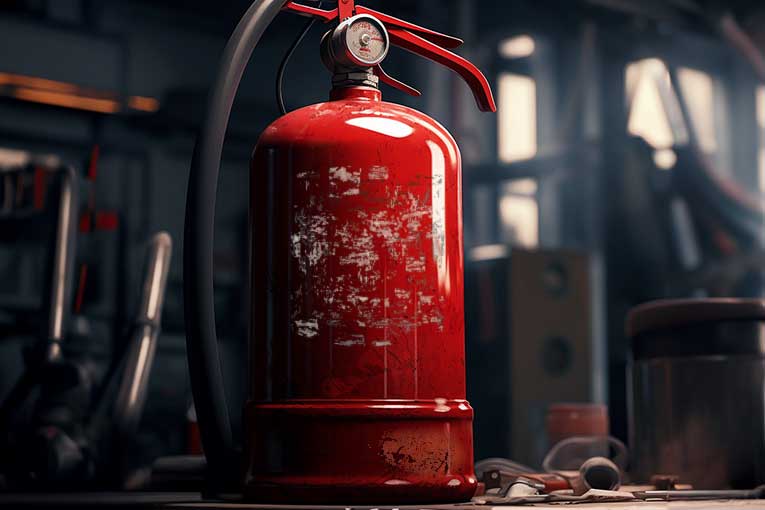
how long do fire extinguishers last image

Fire extinguishers are crucial for rapid response in emergencies, but their effectiveness diminishes over time. 

Understanding how long fire extinguishers last is essential for maintaining a safe environment.

Disposable

Disposable fire extinguishers typically have a lifespan of around 10 to 12 years. 

Once they reach this limit or display signs of wear, they should be replaced to ensure optimal performance. 

These extinguishers are designed for single use, emphasising the importance of timely replacements.

Rechargeable

Rechargeable fire extinguishers, designed for multiple uses, have a service life of approximately 6 years. 

After this period, a thorough professional inspection and maintenance are necessary to ensure their continued reliability. 

If any issues are identified during servicing or if the extinguisher reaches the end of its recommended life, it should be replaced promptly.

How Often Should Fire Extinguishers be Serviced?

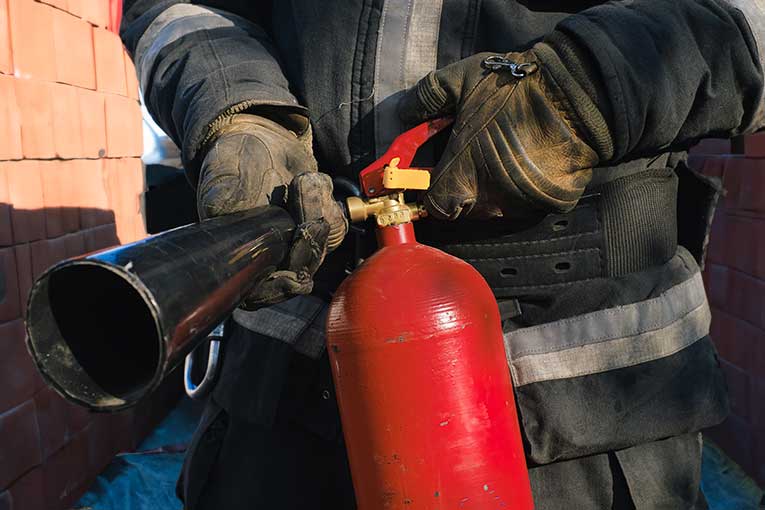
how often fire extinguishers serviced

Routine maintenance is key to ensuring the reliability of fire extinguishers. 

Different types require distinct servicing intervals to guarantee optimal functionality when facing a fire emergency.

Water, Powder, or Foam

Fire extinguishers containing water, powder, or foam should undergo professional servicing every 5 years. 

This process involves a thorough inspection, testing, and refilling, if necessary. 

Regular servicing helps identify any issues and ensures the extinguisher is fully operational.

CO2

CO2 fire extinguishers, commonly used for electrical fires, have a longer service interval of 10 years. 

These extinguishers should undergo a comprehensive professional service to inspect and maintain their components. 

This ensures that the extinguisher remains effective in suppressing electrical fires.

Where to Find the Fire Extinguisher Manufacture Date?

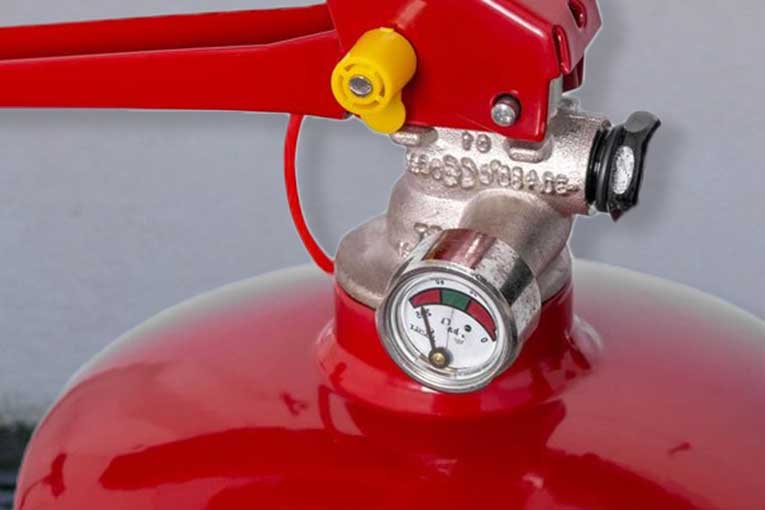
fire extinguishers manufacture date

Knowing the manufacture date of a fire extinguisher is crucial for determining its lifespan and understanding how long your fire extinguisher will last. 

The location of this information varies based on the type of extinguisher.

Steel Fire Extinguishers

Stamped into the Cylinder

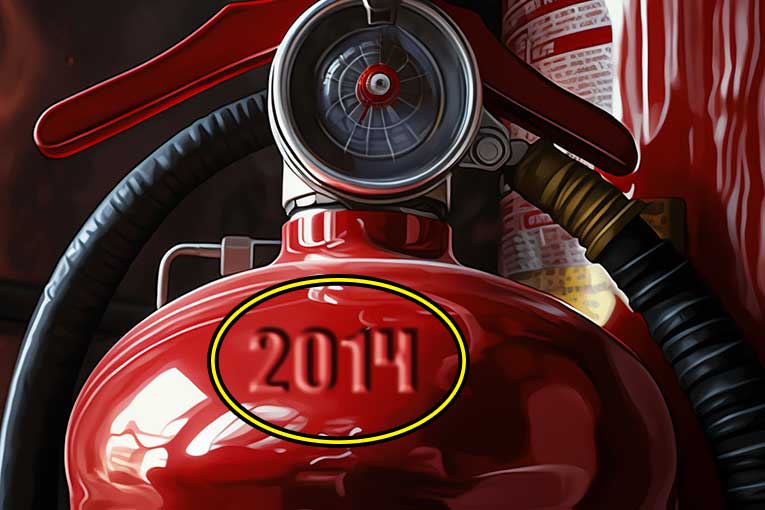
The manufacture date may be physically stamped onto the cylinder of the steel fire extinguisher. 

This stamp provides a clear and permanent indication of when the extinguisher was produced.

On the Label

Alternatively, the manufacture date might be included on the label affixed to the extinguisher. 

This label provides essential information about the extinguisher’s specifications and usage guidelines.

P50 Service-Free Extinguishers

Older Models 

For older P50 fire extinguisher models, the manufacture date is typically printed on the base of the unit.

Newer Models 

Newer P50 models use a coloured pin that correlates to a table printed on the label. 

The pin colour corresponds to the month and year of manufacture, providing a quick reference.

When Should you Replace a Fire Extinguisher Early?

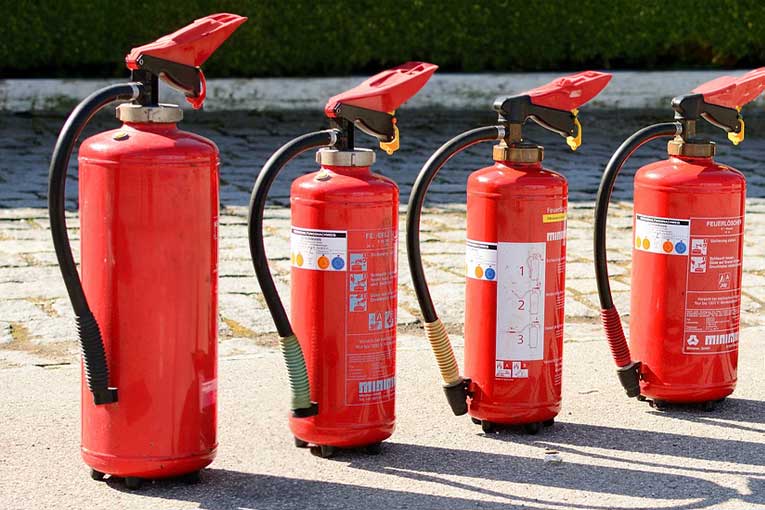
replace fire extinguishers early

While fire extinguishers have defined lifespans, certain circumstances may warrant early replacement to ensure optimal performance in emergencies. 

Here are key indicators that suggest an extinguisher should be replaced ahead of schedule:

Cracked Nozzle or Hose

Issue

Physical damage like cracks compromises the structural integrity of the nozzle or hose.

Effect

The crack can lead to leaks or difficulties in delivering the extinguishing agent during a fire, rendering the extinguisher less effective.

Blocked Nozzle or Hose

Issue

Obstructions in the nozzle or hose can hinder the discharge of the extinguishing agent.

Effect

A blocked nozzle or hose reduces the extinguisher’s ability to control a fire, diminishing its overall performance.

Broken Handle

Issue

A broken handle makes it challenging to operate the extinguisher efficiently.

Effect

In an emergency, a broken handle may impede the user from effectively using the extinguisher, delaying response time.

Missing Locking Pin

Issue

The locking pin is crucial for preventing accidental discharges and maintaining the extinguisher’s readiness.

Effect

Without the locking pin, there’s a risk of unintentional discharges, and the extinguisher may not be securely stored or easily accessible.

Missing Inspection Sticker

Issue

An extinguisher without an updated inspection sticker may not have undergone required maintenance.

Effect

Missing inspection documentation indicates a lack of regular checks, raising concerns about the extinguisher’s reliability and adherence to safety standards.

Corrosion

Issue

Corrosion on the cylinder or other parts compromises the structural integrity of the extinguisher.

Effect

Corrosion weakens the extinguisher, making it more susceptible to damage and reducing its ability to withstand the pressure needed for proper discharge.

Suspected of Leaking

Issue 

Evidence of leaking substances suggests a loss of pressure and potential malfunction.

Effect

A leaking extinguisher may fail to discharge its contents effectively during a fire, necessitating immediate replacement to ensure reliability in an emergency.

How Often Should Fire Extinguishers be Inspected?

how often fire extinguishers inspected

Routine inspections are crucial to maintaining the reliability of fire extinguishers, ensuring they function correctly when needed. 

The inspection frequency can be categorised into two intervals:

Monthly Checks

Regular, brief checks by designated personnel.

This is to verify that the extinguisher is in its designated place, the pressure gauge shows adequate pressure, and there is no visible damage or tampering.

Monthly checks help identify immediate issues and ensure that the extinguisher is accessible and operational.

Yearly Inspections by a Fire Extinguisher Engineer

In-depth inspections conducted by a certified fire extinguisher engineer, for example those found in the Institution of Fire Engineers.

This will be a comprehensive examination of the extinguisher’s internal and external components, including pressure tests, to ensure it meets safety standards.

Yearly inspections are critical for identifying potential internal issues, such as corrosion or leaks, which might not be evident during routine checks.

What are the Risks of Using an Older Fire Extinguisher?

older fire extinguishers risks

Using an older fire extinguisher poses various risks, potentially compromising its effectiveness when faced with a fire emergency. 

Here are the key risks associated with relying on an aged fire extinguisher:

Decreased Pressure

Over time, fire extinguishers may experience a gradual loss of pressure, reducing their ability to discharge the extinguishing agent effectively. 

This decline can result from factors like gas leakage or gradual deterioration of internal components.

Corrosion

The internal components of a fire extinguisher, especially the cylinder, are susceptible to corrosion over an extended period. 

Corrosion weakens the structural integrity, making the extinguisher more prone to failure or rupture during use.

Deterioration of Seals and Valves

Seals and valves play a crucial role in maintaining the pressure and integrity of the extinguishing agent. 

As a fire extinguisher ages, these seals and valves can deteriorate, leading to potential leaks and a loss of pressure.

Reduced Extinguishing Agent Efficiency

The extinguishing agent within the fire extinguisher can degrade over time, diminishing its effectiveness. 

This reduction in efficiency may result from factors like exposure to temperature variations or chemical changes within the agent.

Outdated Technology

Older fire extinguishers may use outdated technology compared to more modern counterparts. 

Advances in fire safety technology have led to the development of extinguishers with enhanced features and improved extinguishing agents, providing better protection against various fire types.

Non-compliance with Standards

Fire safety standards and regulations evolve over time, introducing new requirements for equipment.

Older fire extinguishers may not comply with the latest standards, potentially leading to regulatory non-compliance and inadequate fire protection.

How to Dispose of a Fire Extinguisher?

dispose of fire extinguishers

Disposing of a fire extinguisher requires careful consideration to ensure the safe handling of potentially hazardous materials. 

Here’s a guide on how to appropriately dispose of a fire extinguisher:

Check the Extinguisher Type

Identify the type of fire extinguisher, as different extinguishing agents have specific disposal methods. 

Common types include water, powder, foam and CO2.

Contact Local Authorities

Check with your local fire department or waste disposal facility regarding their specific regulations for fire extinguisher disposal. 

Some municipalities organise special collection events or have designated drop-off locations.

Recycling Centres

Certain recycling centres may accept fire extinguishers, as many of the components are fully recyclable. 

Remember to follow local guidelines.

Professional Disposal Services

In some cases, professional hazardous waste disposal services may be necessary for extinguishers containing certain chemicals, such as older foam fire extinguishers. 

Contact local environmental agencies for advice on proper disposal methods.

Conclusion

Knowing how long fire extinguishers last and understanding when to replace them is vital for maintaining a safe environment. 

Regular inspections, proper servicing, and early replacement when necessary ensure that these essential firefighting tools remain effective when needed most. 

Prioritising the longevity and functionality of fire extinguishers is a proactive step towards enhancing overall safety and preparedness in various settings.

7 Common Causes of Warehouse Fires

Warehouses play a crucial role in supply chain management, but they are not immune to the threat of fires. 

Warehouse fires can cause business losses in the hundreds of millions every year.

The stakes are high when it comes to warehouse fires, and understanding their common causes and prevention strategies is vital for safeguarding both goods and personnel.

In this article we’ll delve into 7 of the most common causes of warehouse fires, why warehouse fires are so dangerous and ways to help prevent them.

7 Common Causes of Warehouse Fires

Warehouses, crucial parts of supply chain management, have various risks, and fires are a significant concern. 

To strengthen these logistical centres against fire risks, it’s essential to know the common causes thoroughly.

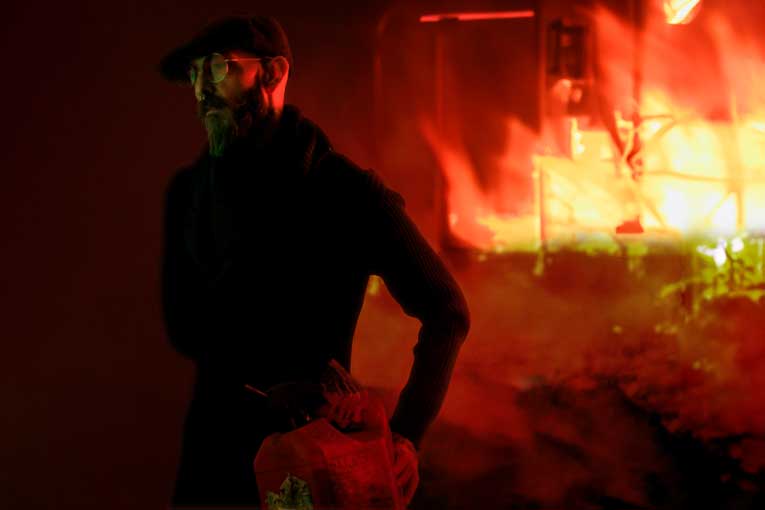
Arson

warehouse fires causes arson

Arson, the deliberate act of setting fires, ranks among the common causes of warehouse fires, with 15% of all warehouse fires being deliberate

Intentional and malicious, arson poses a severe threat, leading to extensive property damage and endangering lives within the facility. 

The deliberate ignition of flames in warehouses underscores the need for heightened security measures and vigilance to thwart potential acts of arson, protecting both assets and personnel.

Electrical Equipment

warehouse fires causes electrical equipment

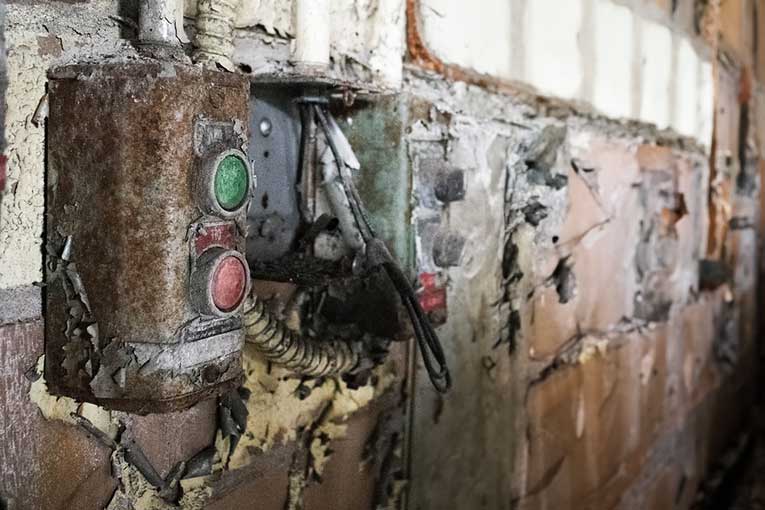
Faulty electrical equipment poses a common threat, leading to warehouse fires. 

Overloaded circuits, damaged wiring, or neglected maintenance can turn these systems into ignition sources. 

Preventing electrical malfunctions through regular checks is vital to ensure the safety of warehouses and protect against the potential devastation caused by fires.

Heating Equipment

warehouse fires causes heating equipment

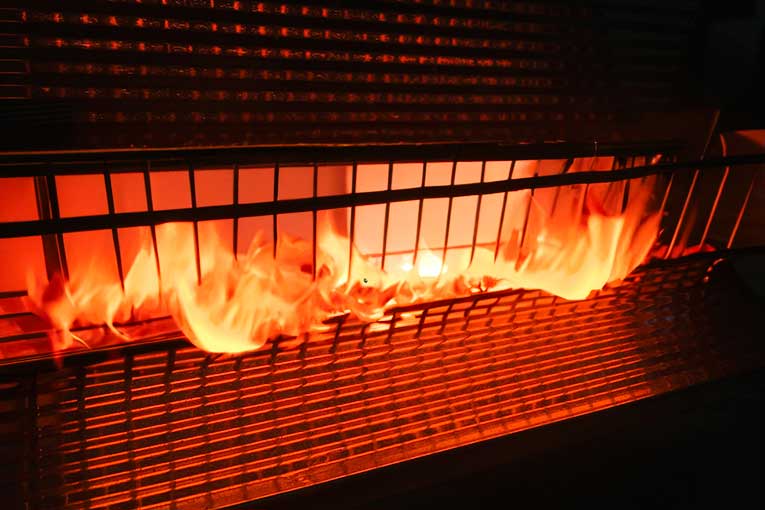
Poorly maintained heating systems present a common risk for warehouse fires, especially during the winter months. 

Malfunctions or improper usage of industrial heaters can turn them into sources of ignition. 

Regular maintenance and proper handling are crucial to mitigate these risks, ensuring the safety of both the warehouse environment and its occupants.

Combustible Materials

warehouse fires causes combustible materials

Warehouses storing combustible materials face an elevated risk of fires. 

Flammable substances, when not handled or stored properly, become potential ignition sources. 

The proximity of these materials to potential heat sources increases the likelihood of accidental fires. 

To mitigate this risk, proper storage protocols, adherence to safety guidelines, and regular inspections are essential, creating a safer environment within the warehouse and reducing the potential for devastating fires.

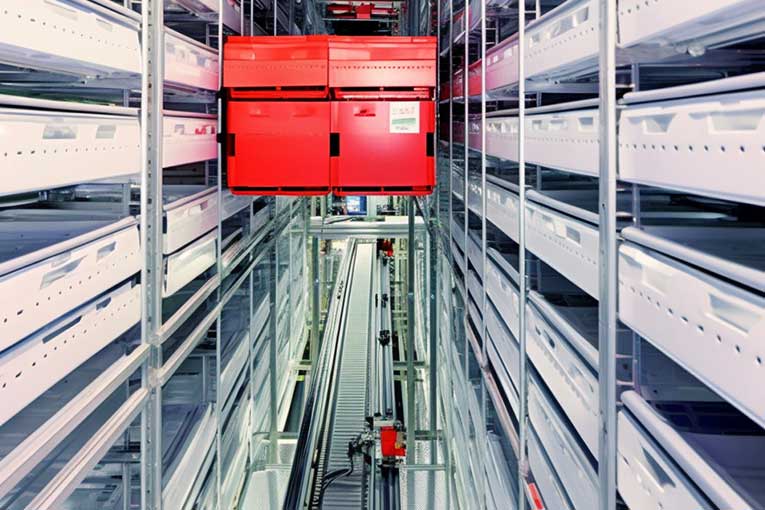
Automatic Storage Retrieval Systems (ASRS)

warehouse fires causes asrs

Automated Storage Retrieval Systems, while enhancing efficiency, can pose fire hazards in warehouses. 

Relying on intricate electrical components, these systems may experience malfunctions leading to fires. 

Ensuring the proper maintenance and functioning of ASRS is crucial to prevent potential fire incidents. 

Vigilance in monitoring these automated systems helps minimise the risk, contributing to the overall safety of the warehouse environment.

Smoking

warehouse fires causes smoking

Smoking near warehouses introduces a significant fire hazard. 

Igniting cigarettes in restricted areas or improper disposal of cigarette butts can lead to accidental fires, particularly in environments with combustible materials. 

The combination of open flames and flammable surroundings heightens the risk. 

Implementing strict no-smoking policies, designated smoking areas, and proper disposal measures are essential preventive measures to reduce the likelihood of fires caused by smoking within the warehouse premises.

Human Error

warehouse fires causes human error

Human error is a prevalent factor contributing to warehouse fires. 

Mistakes in equipment handling, incorrect storage of flammable materials, or neglecting safety protocols can result in unintentional fires. 

Awareness, proper training, and adherence to safety guidelines are crucial to mitigate the risks associated with human error. 

Implementing robust training programs and fostering a safety-conscious culture within the warehouse environment play pivotal roles in reducing the potential for fires caused by human mistakes.

Why are Warehouse Fires so Dangerous?

Warehouse fires pose significant dangers due to their potential for rapid escalation and severe consequences. 

Several factors contribute to the high risk associated with these incidents:

Extensive Property Damage

warehouse fires dangerous

Warehouse facilities often house valuable inventory, machinery, and equipment. 

Fires can lead to substantial financial losses, impacting the business’s operations and long-term viability.

Risk to Human Lives

The safety of personnel working within warehouses is paramount. 

Fires can lead to injuries or fatalities, especially if evacuation procedures are not efficiently executed or if there are delays in emergency response.

Disruption of Supply Chains

Warehouse fires can disrupt the entire supply chain, affecting the timely delivery of goods and services. 

This disruption can have cascading effects on businesses, customers, and interconnected industries.

Environmental Impact

Depending on the nature of stored materials, warehouse fires can result in environmental hazards. 

The release of pollutants, toxins, or hazardous substances can contaminate air, soil, and water, posing long-term environmental risks.

Structural Damage

warehouse fires structural damage

Intense heat and flames can cause structural damage to the warehouse itself, compromising its integrity. 

Collapses or structural failures during a fire can exacerbate the dangers and hinder firefighting efforts.

Challenges for Firefighters

Warehouses are often expensive structures, presenting challenges for firefighting efforts. 

The sheer size and the potential for limited access points can make it difficult for firefighters to quickly contain and extinguish the blaze.

Smoke Inhalation Risks

In addition to flames, the smoke generated during warehouse fires poses serious health risks. 

Smoke inhalation can lead to respiratory issues, and the toxic byproducts of combustion can have immediate and long-term health consequences.

Potential for Explosions

Depending on the nature of the materials stored, warehouses may contain combustible or explosive substances. 

Fires can trigger explosions, further intensifying the danger and complicating firefighting strategies.

How Can Warehouse Fires be Prevented?

Preventing warehouse fires involves a comprehensive approach that addresses potential risks and incorporates effective preventive measures:

Fire Risk Assessments

prevent warehouse fires fire risk assessment

Conducting regular fire risk assessments is a fundamental step in warehouse fire prevention. 

Identifying potential fire hazards and evaluating the effectiveness of existing preventive measures allow for the implementation of targeted strategies to mitigate risks.

Smoke Detectors

Installing smoke detectors strategically throughout the warehouse is crucial for early fire detection. 

These alarms provide timely alerts, enabling a swift response to potential fires and increasing the likelihood of containing the blaze before it escalates.

Fire Extinguishers

Strategically placing fire extinguishers within the warehouse and ensuring that staff are well-trained in their use is essential for controlling small fires. 

Quick and effective intervention with fire extinguishers can prevent the spread of flames and minimise damage.

Sprinkler Systems

prevent warehouse fires sprinklers

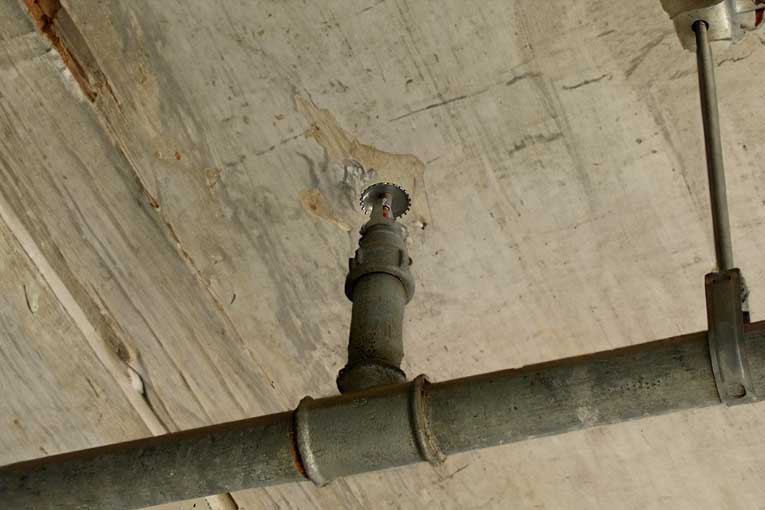
Automatic sprinkler systems play a pivotal role in warehouse fire prevention. 

These systems can suppress fires in their early stages by releasing water or fire-retardant chemicals, limiting the extent of the blaze and providing valuable time for evacuation.

Staff Training

A well-trained workforce is a key component of effective fire prevention. 

Staff training should encompass various aspects, including the proper use of firefighting equipment, understanding evacuation procedures, and adherence to fire safety protocols. 

Educating employees on fire prevention measures fosters a collective responsibility for maintaining a safe warehouse environment.

Fire Drills

Regular fire drills are essential for ensuring that employees are familiar with evacuation procedures. 

Conducting drills periodically helps reduce panic in the event of a real fire, ensuring that staff can respond swiftly and efficiently. 

Familiarity with evacuation routes and assembly points enhances overall preparedness and contributes to a safer working environment.

What to do During a Warehouse Fire?

During a warehouse fire, swift and organised actions are crucial to ensure the safety of personnel and mitigate the potential impact of the blaze. 

Here are essential steps to follow:

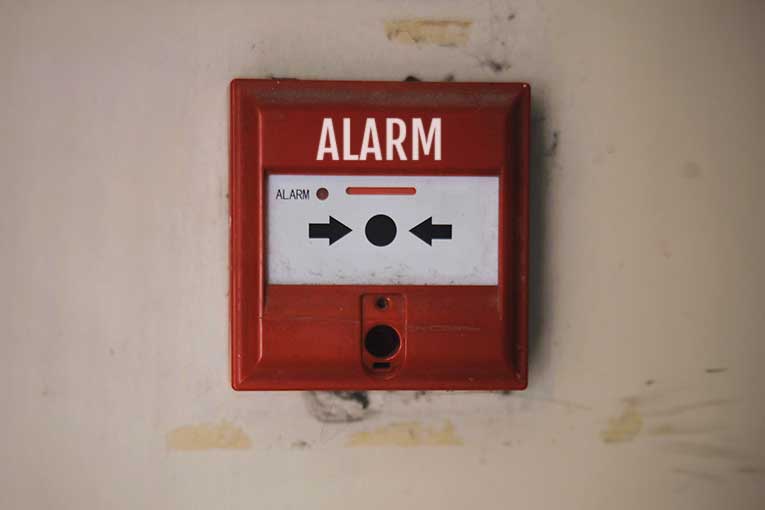
Activate Fire Alarm

warehouse fires activate fire alarm

Immediately activate the fire alarm to alert all personnel to the emergency. 

The alarm signals the initiation of evacuation procedures.

Notify Emergency Services

Promptly call emergency services, providing them with accurate information about the location and nature of the fire. 

The sooner professional firefighting assistance arrives, the better the chances of containing the blaze.

Evacuation Procedures

Follow established evacuation procedures. 

Ensure that all personnel are aware of evacuation routes, assembly points, and procedures for assisting individuals with mobility challenges.

Do Not Use Elevators or Lifts

Avoid using elevators or lifts during a fire. 

Elevators and lifts can malfunction during emergencies, potentially trapping individuals or exacerbating the situation.

Stay Low if Smoke is Present

If smoke is present, stay low to the ground where the air is generally clearer. 

Cover the nose and mouth with a cloth to reduce smoke inhalation.

Close Doors

Close doors behind you as you evacuate to slow down the spread of fire and smoke.

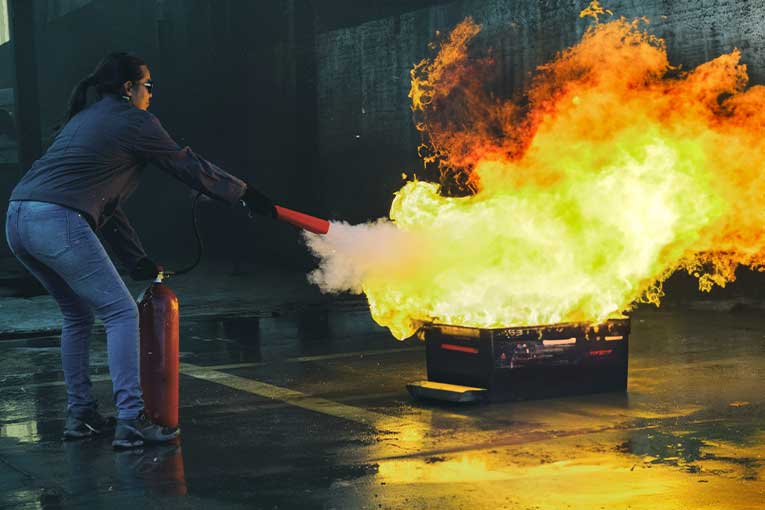
Use Fire Extinguishers (if Safe)

warehouse fires use fire extinguishers

If the fire is small and contained, and it is safe to do so, use available fire extinguishers to suppress the flames. 

However, prioritising personal safety and evacuation is paramount.

Assist Others

Assist colleagues who may need help evacuating, especially those with mobility challenges. 

Ensure that everyone is accounted for at the designated assembly point.

Do Not Return for Belongings

Once safely evacuated, do not return to the building for personal belongings. 

Emergency services will manage the situation, and personal safety takes precedence.

Follow Instructions

Adhere to instructions from emergency services and designated personnel. 

Cooperate with their guidance for a coordinated and effective response.

Conclusion

You should now have an understanding of common causes of warehouse fires.

The gravity of warehouse fires cannot be overstated, given their potential for catastrophic consequences. 

Safeguarding these vital hubs of commerce requires a multifaceted approach encompassing awareness, prevention, and preparedness. 

By comprehending the common causes of warehouse fires, businesses can proactively address vulnerabilities and fortify their facilities against potential risks. 

The implementation of rigorous preventive measures, including regular fire risk assessments, strategic placement of safety equipment, and comprehensive staff training, forms a robust defence against flames.

Moreover, fostering a culture of fire safety within warehouse operations is paramount. 

Continuous education and training initiatives instil a sense of responsibility among personnel, empowering them to contribute actively to fire prevention and response efforts. 

Regular fire drills, along with the proper utilisation of firefighting equipment, further enhance the collective ability to handle emergencies.

Perimeter Solutions unveils automated fire testing system for enhanced safety

Perimeter introduces the new fire testing system

Perimeter Solutions, in collaboration with AUXQUIMIA, S.A.U., is at the forefront of digital transformation in fire safety, developing an automated fire test system.

This system is designed to capture data during fire extinguishing tests involving firefighting foams on flammable liquids.

The initiative aims to expedite research and development processes while elevating quality control standards.

The automation project focuses on the fire-fighting foam testing activities at the manufacturing plant in Mieres, Asturias.

Project funding and support

The automation project has received significant backing, co-financed by the Government of the Principality of Asturias through IDEPA, and the European Union via the ERDF.

IFSJ Comment

The collaboration between Perimeter Solutions, AUXQUIMIA, S.A.U., the Government of the Principality of Asturias, and the European Union through the ERDF represents a significant step forward in fire safety technology.

By introducing automation into fire-fighting foam testing, this initiative aims to enhance the efficiency and accuracy of fire safety research and development.

Such advancements are crucial for developing more effective firefighting solutions, ultimately contributing to safer environments.

The Last Word with FIREMIKS AB

Per Aredal, International Sales Director at FIREMIKS AB shares insights into water driven volumetric proportioners

Can you give a brief introduction to FIREMIKS?

Originally founded in 1979 as a Swedish family-based business – Firemiks AB is operated by the third generation, together with strong industrial partners.

Throughout the years, our focus has been to develop, manufacture and distribute our own line of water driven pump proportioning systems worldwide.

Our work method is to have the possibility to produce custom solutions to the individual needs of each client project, while also delivering regular models in accordance with international standards.

Can you explain how FIREMIKS foam proportioners work?

The proportioning of the FIREMIKS is based on the principle of positive displacement for both the water motor that is driven by the extinguishing water flow and the concentrate pump that is driven by the water motor and which injects the concentrate into the extinguishing water flow.

In this manner, the dosing relation is established by the volumetric relation of the water motor and the concentrate pump.

This dosing relation is not affected much by viscosity, up to a limit of course as is detailed in the units’ performance data.

The concentrate pump is connected to an atmospheric concentrate tank with gravity feed to the dosing pump.

Solely the extinguishing water is required to power the whole dosing system.

How do FIREMIKS systems accommodate the varying viscosities of firefighting foams?

The volumetric water motor design was conceived by us in the late seventies, and it is very compact for the flow it can take.

On a typical 3% unit, the water motor will take roughly 30x the volume of the concentrate pump, yet it is barely bigger.

Since the start we have constantly refined its design for better performance and reliability.

Like all pump design, it is all about the details and the execution.

Important is also our flexibility to adapt the design and sizing, so we can quickly match the water motor up correctly with a wide variety of concentrate pumps, each of which also has its specifics to take into account.

What viscosity handling challenges are there when transitioning to SFFF?

Regulatory bodies are driving the shift from PFAS-containing concentrates to Syntheitic Fluorine-Free Foam (SFFF) concentrates, prompting a reassessment of many proportioning systems for compatibility.

Various manufacturers offer SFFF foams with a wide range of viscosities, including very high-viscosity concentrates.

To select an appropriate proportioner, understanding the concentrate’s properties — whether it falls within a viscosity range of 1cP to around 5-6000 cP (measured using a Brookfield Viscometer Spindle #4 at 30 rpm) — or if it’s classified as very high viscosity is crucial.

In the past engineers have relied on being to calculate the flow of concentrate, but with these new SFFF that are often non-Newtonian in their nature, accurately and reliably calculating the flow behavior is much harder.

On devices that need calibration, the dosing might work in a specific set of circumstances, but as soon as one variable changes, it could fall out of calibration.

Then it is much better to rely on a system that by design can accommodate a wide viscosity range, like FIREMIKS.

How is FIREMIKS preparing for further advancements in firefighting foam technology?

Apart from the important transition from AFFF to fluor-free SFFF, which we expect will last for at least another 5-10 years.

We see more interest in lower dosing rates as 1% and even lower for example 0,3, 0,5% etc.

Also, the challenges to create good system capable of extinguishing Li-Ion batteries in an effective way is a major challenge for the whole fire-fighting industry.

Firemiks AB is well-prepared in this process to further develop our system if necessary to meet different concentrates requirements.

This article was originally published in the March 2024 issue of International Fire & Safety Journal. To read your FREE digital copy, click here.
The holistic approach with Fomtec

John Ottesen, CEO and Founder at Fomtec, talks to IFSJ Editor Iain Hoey about the importance of tailored foam solutions for all applications

Over the last 12 months, in many articles and interviews that you’ve done you talk about the holistic approach. What do you actually mean by this, and can you elaborate?

 In the context of foam systems, the holistic approach means that all the products need to work together in harmony to achieve the goal we’re setting out to achieve, and that is putting fires out.

All the components of a system need to work together, and that needs to be proven by testing.

The holistic approach incorporates more than just hardware and software working together, it also needs to be appropriate for the application because not all applications are the same.

For example, if we consider the marine segment, with its challenges, such as the water quality, temperatures, and so on.

You have airports with totally different missions and very different fuels, so in the sense of a holistic approach, I also wanted to highlight the differences between applications.

So are you saying that we need different foams for different applications?

Yes, we have found that we need to develop products to meet the requirements of the various missions where foam is used.

We have products especially focused on airports, others for the marine segment, others for industrial applications, and so forth and so on.

They do have slightly different needs and slightly different conditions, and to get the very best for each application, sometimes you need a different product.

Surely as an end user, you would like one product that could do everything?

Yes, we all would want to have one universal product, but that is not the case in the real world, or at least this is what we have found.

To have the optimal performance for each mission application with one product is not possible, or sometimes it is not economically desirable.

When I look at the AFFF that Fomtec manufactures and supplies it is not one product but a range of products.

The Chemistry behind an AFFF must be very well known, so why is this?

Again, it was different formulations developed and tested to meet the requirements of the different missions and other requirements or to meet the fire performance set by different testing standards or authorities.

So, we have an extensive range of different AFFF´s and that has not changed as we develop and offer our SFFF’s.

These different missions and specialized requirements still exist, so our Enviro range of SFFF’s has evolved and will continue to evolve.

As an end user, how do I determine the right product for my mission?

A good place to start is to look at which approvals we have and if the approvals are appropriate for your application.

Each different application does have special approvals.

For example, for a marine application you can have a marine approval according to IMO 1312 which is for use on shipboard with sea water or alternatively, if you need an industrial product approved for use with sprinklers then the appropriate approvals would be the UL 162 or the FM 5130.

Are these approvals are linked to fire testing?

Yes, each approval is linked to a fire performance test, but these tests are NOT the same.

They all differ based on the application.

The ARFF mission differs from that of a shipboard mission, and these differences are reflected in the approval standard and, by extension, the fire performance tests associated with that standard.

We can talk about different test fuels, different water, different test nozzles, and different test procedures.

For example, the ARFF mission outside of the USA follows a test standard developed by ICAO and uses Jet A-1 as the test fuel, whereas the marine industry follows a standard developed by IMO and uses heptane as the test fuel (but you can also test with polar solvent fuels within the standard).

There can be great differences in how a product performs in one test compared to another.

Have these standards and associated fire tests changed for SFFF?

No they have not changed, but SFFF’s are treated differently to AFFF’s and AR-AFFF’s in UL 162 and FM 5130 for topside applications.

It was these differences that perhaps led to some people to make negative statements about the performance of SFFF’s.

What are these differences?

For topside applications, the application density is 50% greater than AFFF, and you are given 2 more minutes to achieve extinguishment.

Conversely, the burnback portion of the test has become more challenging due to the waiting period increasing from 9 minutes to 15 minutes.

It is important to remember that UL and FM did not invent these differences for SFFF because these differences have been in place for many years for non-film-forming foams.

So essentially the standards and the tests remain the same?

Exactly. That is why we believe that we need to develop and supply a range of SFFF foams to meet the different missions.

What missions do you currently have Enviro products for?

We have Enviro foam agents that cover all missions, and some are mission specific while some overlap and can, similar to our AFFF range, cover multiple missions.

Worthy of mention are:

Enviro USP – which is a high-performance and multi-mission foam for hydrocarbon fuel fires.

Enviro ARK – the first SFFF to receive FM approval for use on hydrocarbon fuel and polar solvent fuel fires with standard sprinklers.

Enviro AIR – a Newtonian product with ICAO B for the ARFF mission

Enviro 3 x 3 ULTRA – a multi approved high-risk industry 3 x 3 (which is also approved for marine use)

Enviro eMAX – an alcohol resistant multi-purpose high expansion foam approved according to APSAD T12

More recently, we expanded our IMO range of marine products to include

Enviro SEA – a Newtonian SFFF, available as a 1%, 3% and 6% concentrate.

Enviro SEA sounds like good news for the marine industry. Can you give us any information about what you are working on now?

The Enviro Program hit 2,500 tests in December last year, and we have already 12 weeks planned for 2024.

Some of this relates to the expansion of approvals but we will introduce more new products in 2024.

Our focus has been on introducing high-performance SFFF products for fixed systems, but now we are devoting more time and effort to the emergency response side of the foam business.

I don’t want to tempt fate by talking too much, but stay tuned.

When we last spoke, you hinted that the US Airports would also have some good news soon?

Yes, but the nice thing about the amount of testing we do is that we have an incredible amount of data, so when we see breakthroughs, we can be optimistic that these will lead to new commercial products.

I would like to come back to the subject of the need for mission-specific foam agents.

It is a key component of Fomtec’s business approach to develop the best-performing foam products for each specific mission and not to compromise performance.

Let me clarify this further by saying that when we develop a product, we are never looking for a “borderline” pass.

To qualify as a “mission specific” product, it needs to be a “star” performer for that mission – and hence why the Enviro Range of SFFF foams is evolving in the same way that our PFAS-containing foams did.

I’m glad you mentioned PFAS-containing foams because you recently announced that Fomtec would continue producing them. Why is this?

We fully support the move to the more environmentally responsible SFFF, but many end users are going to need time to plan and execute the change.

Within the EU, the proposed legislation relating to PFAS containing foams allows derogations of up to 10 years after force of entry (for the SEVESO companies), so we decided that we need to support these end users during this period so that the existing systems can be maintained in operational condition.

This article was originally published in the March 2024 issue of International Fire & Safety Journal. To read your FREE digital copy, click here.