List of Firefighting Equipment

Firefighting equipment is what helps firefighters to extinguish flames, ensuring the safety of lives and property, and the varied list of firefighting equipment shows how diverse firefighting really is. 

From traditional tools like fire extinguishers to cutting-edge technology such as thermal imaging cameras, each item plays a crucial role in a firefighter’s arsenal. 

In this article, we’ll explore the diverse list of firefighting equipment, shedding light on their functions and importance in the face of fire emergencies.

What is Firefighting Equipment?

Firefighting equipment encompasses a diverse range of tools, devices, and protective gear specifically designed to combat and manage fires effectively. 

These crucial elements are essential for firefighters in their mission to extinguish flames, rescue individuals, and mitigate the impact of fire emergencies. 

Each piece of equipment serves a unique purpose in the complex and challenging task of firefighting.

Firefighting equipment is not only about extinguishing flames but also about ensuring the safety of those on the front lines. 

Protective gear, such as fire suits and gloves, shields firefighters from extreme heat, allowing them to navigate hazardous environments. 

The continuous advancements in firefighting equipment underscore a commitment to improving the efficiency, safety, and overall effectiveness of firefighting operations.

Firefighting equipment is the lifeline for those who risk their lives to protect communities and properties from the devastating impact of fires.

List of Firefighting Equipment

Firefighting equipment constitutes a comprehensive arsenal designed to combat fires of varying intensities and types. 

Each tool plays a crucial role in ensuring the safety of firefighters and the effectiveness of fire suppression efforts.

Fire Extinguishers
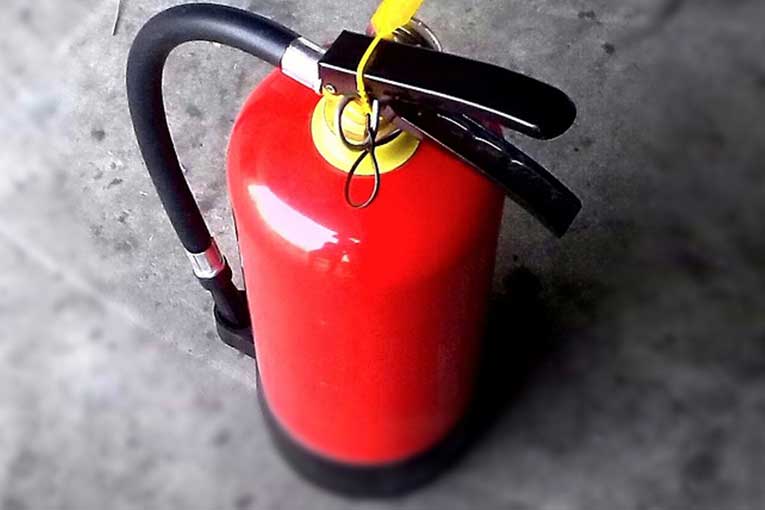
fire extinguisher firefighting equipment

Portable and versatile, fire extinguishers are essential for promptly suppressing and extinguishing small fires. 

There are many different types of fire extinguisher, each containing specific firefighting agents such as water, foam, dry powder, or CO2. 

The diversity in extinguisher types ensures flexibility in addressing different classes of fires—whether involving ordinary combustibles, flammable liquids, electrical equipment, or gases. 

This adaptability allows firefighters and individuals to employ the most suitable extinguishing agent, enhancing the effectiveness of fire suppression efforts across a wide range of fire scenarios.

Fire Extinguisher Ball
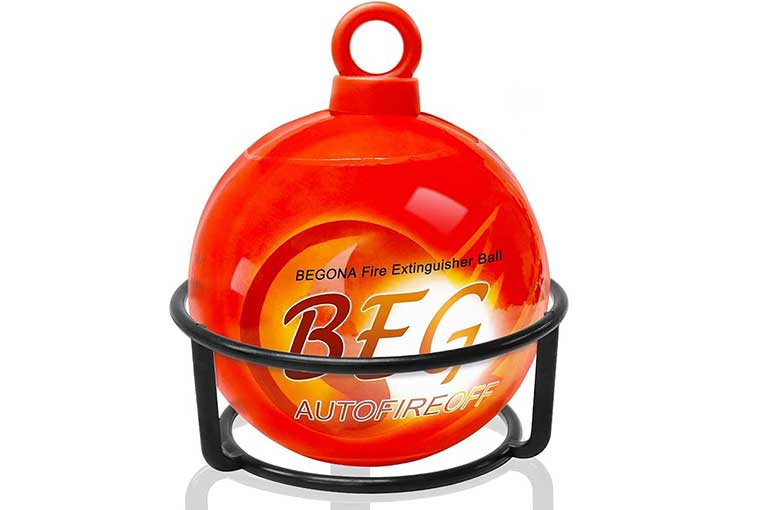
fire extinguisher ball firefighting equipment
Source: Amazon

An innovative self-activating fire suppression system, the Fire Extinguisher Ball offers a unique approach to firefighting. 

When exposed to flames, the ball bursts autonomously, releasing a fine powder that swiftly and effectively extinguishes the fire. 

This ingenious device is particularly advantageous in confined spaces or areas with limited accessibility, where traditional firefighting methods might face challenges. 

The Fire Extinguisher Ball’s ability to initiate fire suppression independently makes it a valuable addition to fire safety measures, ensuring a rapid response even in scenarios where immediate human intervention may be difficult.

Fire Hoses
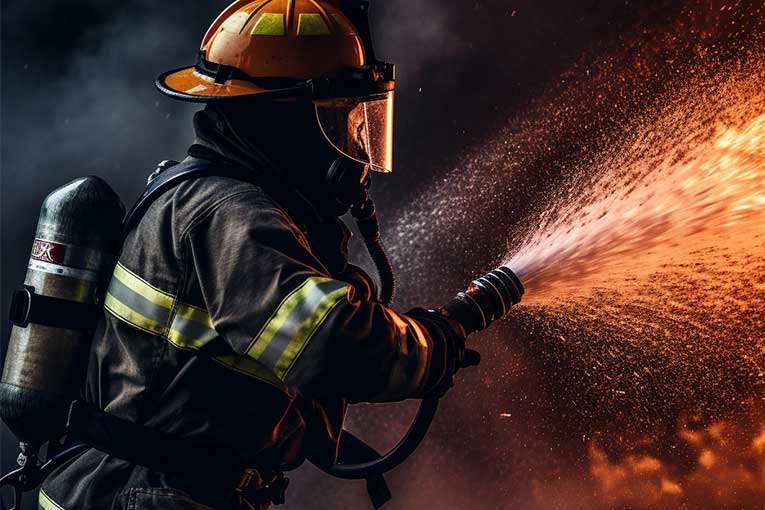
fire hose firefighting equipment

As one of the most prevalent tools in large-scale firefighting, fire hoses are indispensable for firefighters combating significant flames. 

These flexible and robust hoses serve as critical conduits, allowing the directed flow of water onto the fire. 

Their length and adaptability empower firefighters to reach remote or challenging locations, providing a versatile means of effectively delivering water to suppress fires. 

The strategic use of fire hoses enhances the agility and reach of firefighting efforts, enabling responders to address fires in diverse environments and mitigate potential challenges posed by the fire’s scale and intensity.

Hose Jets
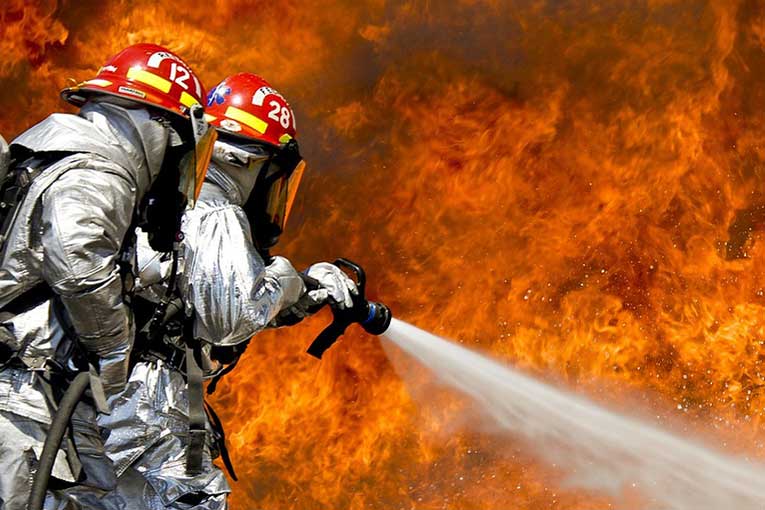
fire hose firefighting equipment

Hose Jets represent heightened firefighting capabilities, requiring the collaboration of two firefighters to handle their extra power. 

These specialised tools offer an elevated force and flow, allowing firefighters to exert increased control over the extinguishing process. 

With the ability to adjust the jet stream, firefighters enhance precision in directing water onto the flames, addressing specific firefighting requirements. 

The collaborative use of Hose Jets reflects a strategic approach, amplifying the effectiveness of firefighting efforts in scenarios where a more robust and targeted water delivery is essential to combat fires of greater scale or intensity.

Fire Buckets
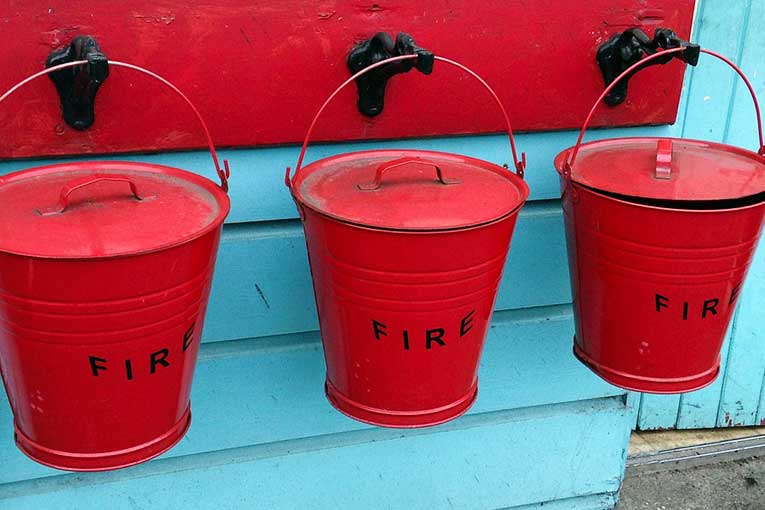
fire buckets firefighting equipment

Simple in design yet highly effective, fire buckets are containers filled with either water or sand. 

Positioned strategically, these buckets serve as immediate response tools, offering a swift and accessible means to douse small fires or control sparks. 

Their simplicity makes them an essential first line of defence, providing an uncomplicated yet crucial tool in the initial stages of firefighting. 

Whether used by trained personnel or as part of fire safety measures in public spaces, fire buckets play a fundamental role in empowering individuals to take immediate action and contribute to fire containment efforts.

Flamezorb
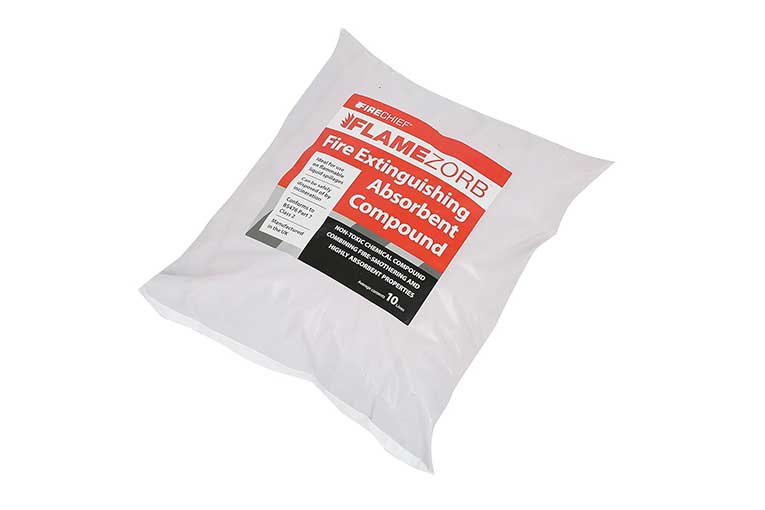
flamezorb firefighting equipment
Source: Amazon

Flamezorb, a granular substance, serves as a rapid-response tool in firefighting by efficiently absorbing flammable liquids. 

When applied to spills, it swiftly neutralises and absorbs the substances, preventing the spread of fire. 

This versatile and effective tool finds particular utility in scenarios involving hazardous materials or potential chemical fires, where the quick containment of flammable liquids is essential to mitigate the risk of fire escalation. 

Flamezorb’s ability to address such specific challenges makes it a valuable asset in the firefighting arsenal, contributing to the overall effectiveness of fire suppression efforts in diverse and complex situations.

Fire Blankets
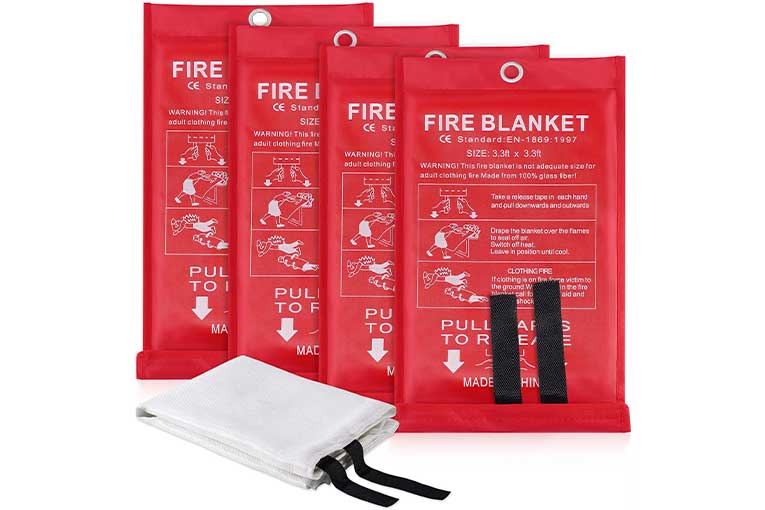
fire blanket firefighting equipment
Source: Amazon

Constructed from fire-resistant materials, fire blankets emerge as versatile tools in firefighting and emergency response. 

Beyond their primary function of smothering small fires, these blankets provide a multifaceted solution. 

In emergency situations, they offer protection by wrapping around individuals, creating a temporary shield against flames and heat. 

The adaptability of fire blankets extends their utility beyond traditional firefighting scenarios, making them valuable assets in various emergency situations where rapid response and versatile tools are paramount to ensuring the safety of individuals and effectively addressing evolving challenges.

Fire Suit
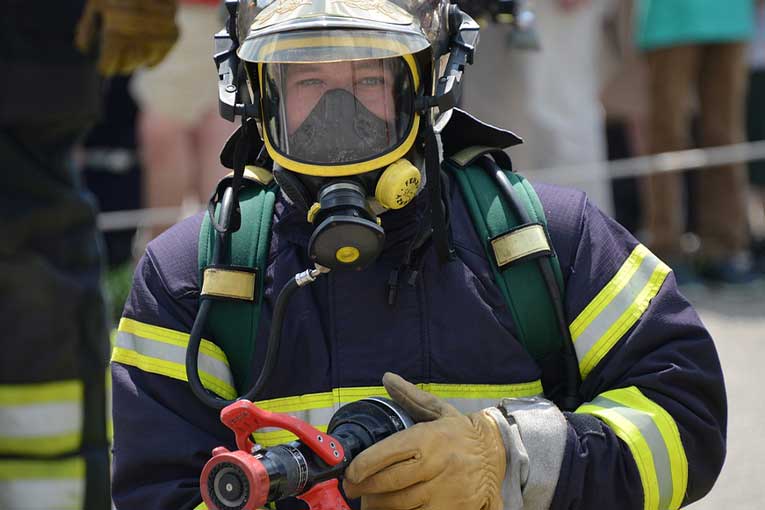
fire suit firefighting equipment

Specially designed for the demanding challenges of firefighting, a fire suit is more than  a mere uniform – it’s a shield against extreme heat and flames. 

Crafted from fire-resistant materials, these suits envelop firefighters in a protective barrier during the most intense operations. 

With layers designed to withstand the harsh conditions of a fire, these suits are crucial in ensuring the safety and well-being of firefighters. 

The specialised construction of fire suits exemplifies the commitment to providing a robust defence against the hazards encountered in the line of duty, reinforcing the resilience of those who bravely confront the flames.

Firefighter Gloves
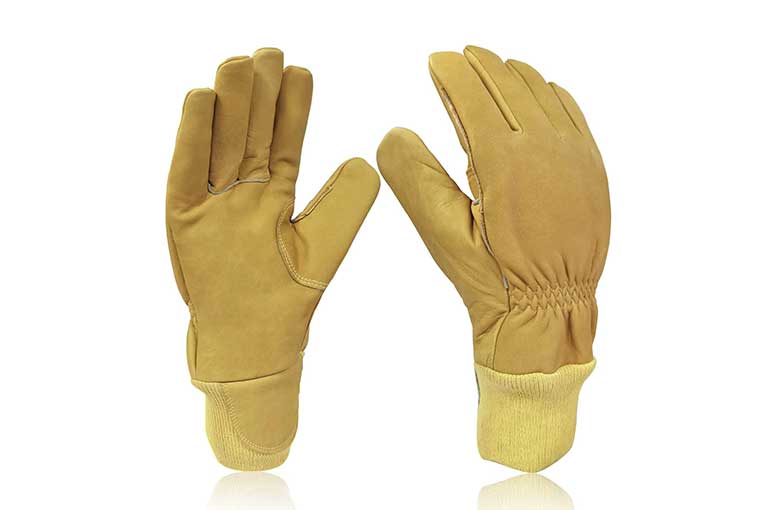
firefighting gloves firefighting equipment
Source: Amazon

These gloves are essential for firefighters, offering crucial hand protection in the dynamic and intense environments encountered during firefighting operations. 

Crafted from materials resistant to high temperatures, they enable firefighters to handle hot surfaces and materials with confidence. 

The specialised design of firefighter gloves prioritises both dexterity and protection, allowing firefighters to navigate challenging situations while safeguarding their hands from the formidable heat generated in the course of combating fires. 

Gas Tight Suit

gas tight suit firefighting equipment
Source: Wikipedia

Comprising a multi-layered construction, these suits act as an impermeable barrier, creating a formidable shield between the firefighter and potentially harmful substances. 

Their purpose extends beyond conventional firefighting gear, addressing the specific challenges posed by chemical fires and the release of dangerous gases. 

By providing an encapsulating defence, gas-tight suits empower firefighters to navigate complex and perilous environments, ensuring their safety while enabling effective response and mitigation in the face of chemical hazards.

Drones
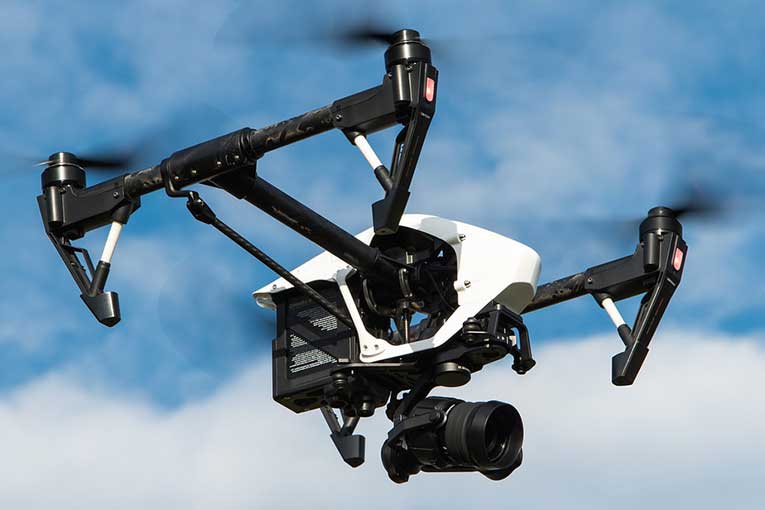
drones firefighting equipment

These unmanned aerial vehicles, equipped with advanced cameras, offer invaluable aerial views that significantly enhance fire assessment capabilities. 

Providing real-time situational awareness, drones become the eyes in the sky for firefighting teams. 

Their ability to swiftly survey large areas and capture critical information aids in strategizing and responding effectively to incidents. 

Drones not only contribute to the safety and efficiency of firefighting operations but also offer a technological edge, elevating the precision and speed with which responders can assess, plan, and execute strategies in the dynamic context of firefighting scenarios.

Thermal Imaging Camera
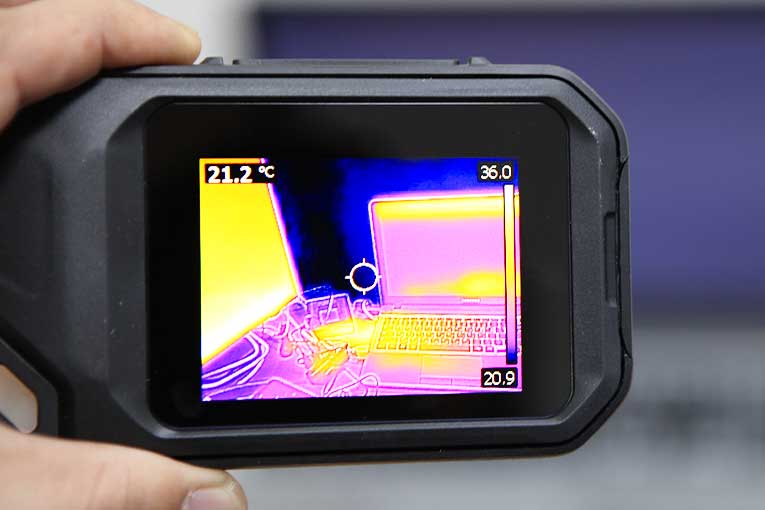
thermal camera firefighting equipment

Thermal imaging cameras aid in locating individuals trapped in smoke-filled environments and identifying hotspots that may not be visible to the naked eye. 

The invaluable data provided by thermal imaging cameras enhances the efficiency and safety of firefighting operations. 

By offering real-time insights into the intensity and distribution of heat, these devices empower firefighters with the ability to make informed decisions, optimise resource allocation, and execute targeted strategies for suppressing fires and conducting search and rescue operations.

Breathing Apparatus
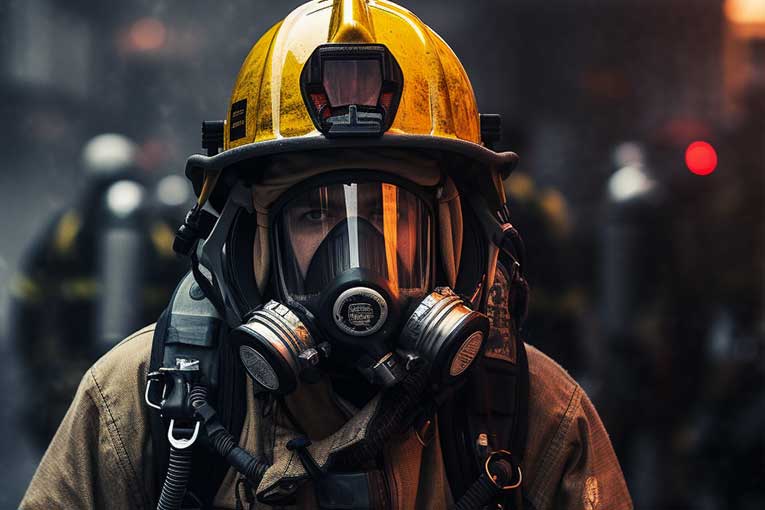
breathing apparatus firefighting equipment

In smoke filled environments, these devices play a crucial role in ensuring the safety of firefighters by providing a continuous supply of clean air. 

The reliability and functionality of these apparatuses exemplify their vital role in preserving the well-being of firefighters and ensuring their ability to execute effective firefighting and rescue operations in environments where clean air is a precious commodity.

Positive Pressure Ventilation Fan

positive pressure ventilation fans firefighting equipment
Source: Wikipedia

Positive pressure ventilation fans are devices designed to create airflow that effectively removes smoke and toxins from enclosed spaces. 

By generating a controlled and directed flow of air, these fans contribute significantly to improving visibility for firefighters within confined areas. 

Beyond enhancing visibility, the removal of smoke and toxins creates a safer working environment, allowing firefighters to operate more efficiently and with reduced exposure to hazardous substances. 

Ladders
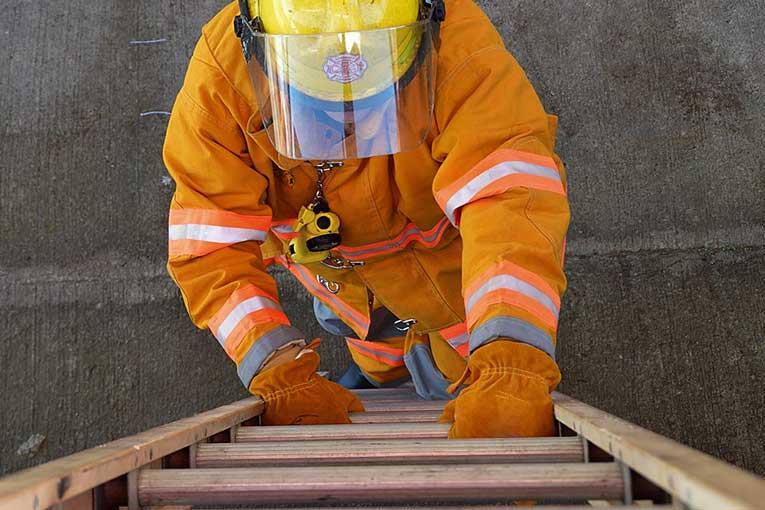
ladders firefighting equipment

These versatile devices play a pivotal role in firefighting operations by enabling firefighters to access elevated areas, conduct rescues, and navigate challenging environments. 

Whether extending to reach upper floors of buildings or providing a stable platform for rescue operations, ladders enhance the agility and effectiveness of firefighting teams. 

Their portability and adaptability make them fundamental in addressing the diverse challenges posed by fires in varying structures and scenarios, contributing to the overall success and safety of firefighting operations.

Fire Fighting Vehicle
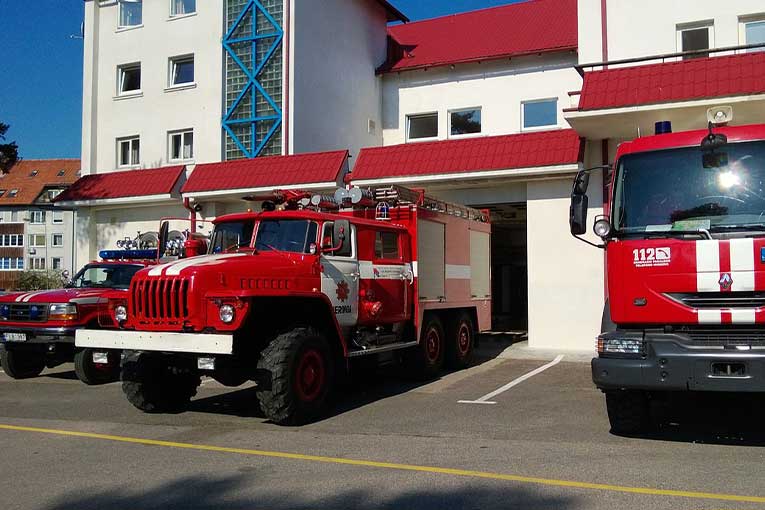
vehicles firefighting equipment

These vehicles carry essential firefighting tools, water tanks, and hoses, ensuring a swift and effective response to fire emergencies. 

Beyond their mobility, the specialised equipment on these vehicles equips firefighters with the resources needed to combat fires of varying scales. 

Whether navigating through urban environments or remote locations, these vehicles enhance the reach and capabilities of firefighting teams, playing a vital role in the timely containment and suppression of fires to protect lives and property.

How is Firefighting Equipment Used?

The strategic use of equipment is paramount, requiring a careful assessment of each fire’s unique characteristics. 

Firefighters, equipped with a diverse array of tools, employ a systematic approach to address different scales and types of fires.

Fire extinguishers, compact and versatile, find their application in swiftly suppressing small fires. 

Firefighters select the appropriate extinguisher based on the fire’s nature and discharge the firefighting agent with precision, aiming at the fire’s base. 

For larger incidents, fire hoses connected to water sources become instrumental. 

The hoses allow firefighters to direct water effectively, reaching inaccessible areas, while sprinklers automatically release water upon detecting excessive heat, contributing to fire containment.

Protective gear, including fire suits and gloves, plays a pivotal role in ensuring firefighters’ safety as they confront flames. 

These specialised garments shield against extreme heat, providing a critical barrier between the firefighter and the hazardous environment.

Cutting-edge technology, such as drones equipped with cameras and thermal imaging devices, offers invaluable insights. 

Drones provide aerial views, enhancing situational awareness for better decision-making, while thermal imaging cameras aid in locating individuals and identifying hotspots within a fire.

The use of firefighting equipment is not only reliant on the tools themselves but also on the skill, training, and coordination of firefighting teams. 

Firefighters undergo rigorous training to understand the capabilities and limitations of each tool, ensuring a synchronised and effective response to diverse fire scenarios. 

The strategic and well-coordinated utilisation of firefighting equipment remains a cornerstone in the battle against the unpredictable and destructive force of fires.

What Other Equipment Helps with Firefighting?

Some firefighting equipment is not directly used to directly put out fires, but it used to improve the safety and efficiency of firefighters.

Fire Sprinklers

fire sprinklers firefighting equipment
Source: Wikipedia

Installed in buildings, fire sprinklers are automatic devices that release water when detecting excessive heat. 

They play a crucial role in suppressing fire outbreaks and limiting damage in enclosed spaces. 

Strategically positioned, their rapid response significantly contributes to controlling fires, preventing their escalation, and protecting lives and property within structures.

Fire Doors
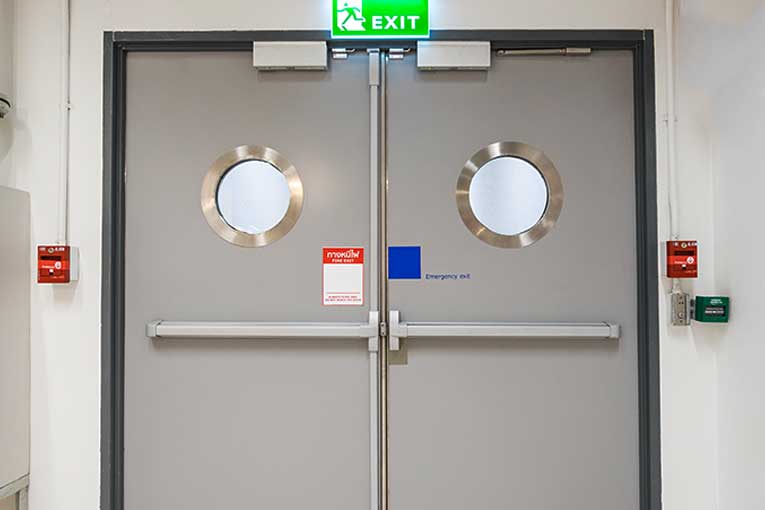
Specialised fire doors are meticulously designed to resist fire and smoke, acting as effective barriers to limit their spread within a building. 

These doors are critical components of passive fire protection systems, providing crucial time for evacuation and minimising the potential for fire extension.

Emergency Signs
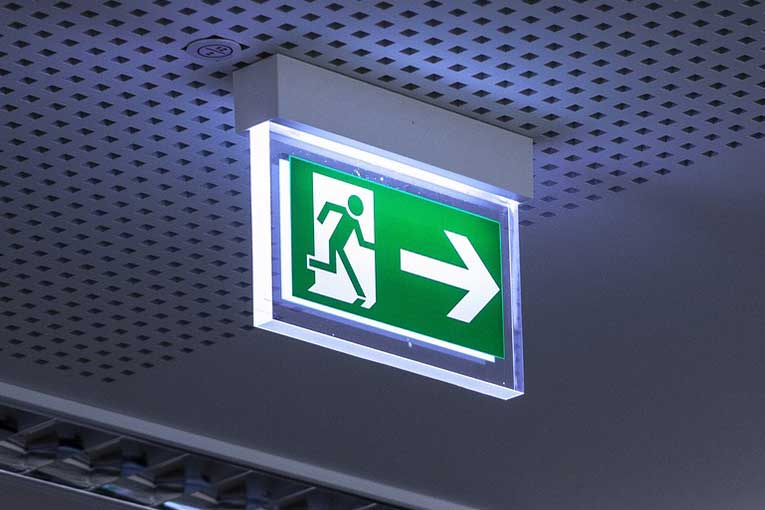
emergency signs firefighting supporting equipment

Clearly marked emergency lighting and signs are indispensable in ensuring swift and safe evacuation. 

These signs delineate evacuation routes and indicate the locations of firefighting equipment, guiding occupants to safety during fire emergencies.

Smoke Alarms
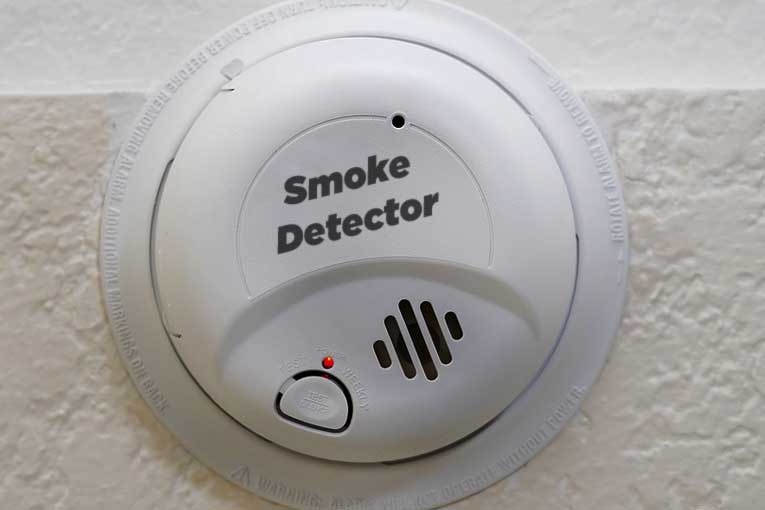
There is 4 different smoke detector types

Essential components of early warning systems, smoke detectors are devices that promptly detect smoke, alerting occupants to potential fire hazards. 

Their rapid detection capability is pivotal in providing early warnings, allowing for timely response and evacuation.

The different types of smoke alarms ensure people can react quickly  to different types of fires.

BA Entry Board
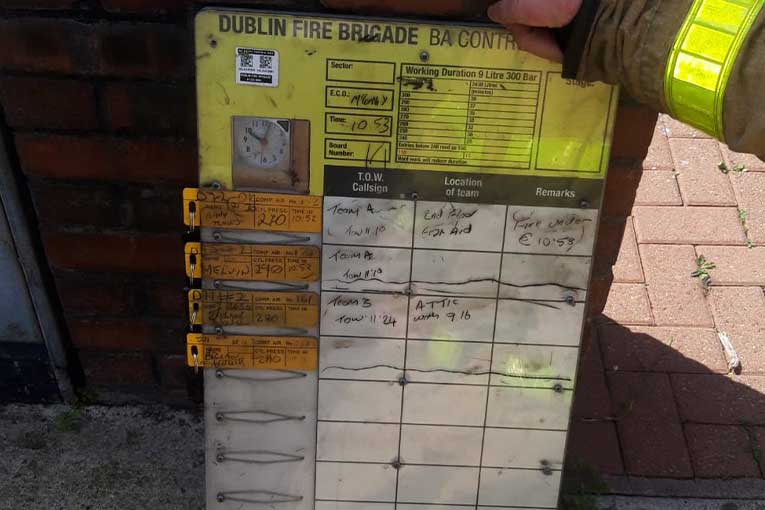
The Breathing Apparatus (BA) Entry Board serves as a control hub during breathing apparatus operations. 

It manages the entry and exit procedures of firefighters equipped with breathing apparatus, ensuring systematic and safe operations in environments with compromised air quality.

First Aid Kit
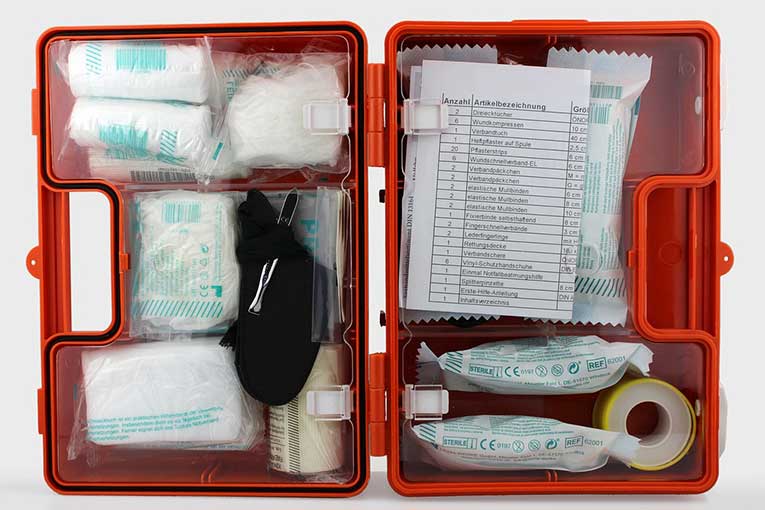
first aid kit firefighting supporting equipment

Containing medical supplies, first aid kits address injuries sustained during firefighting or rescue operations. 

They provide essential support until more extensive medical assistance is available.

Light Portable Pump
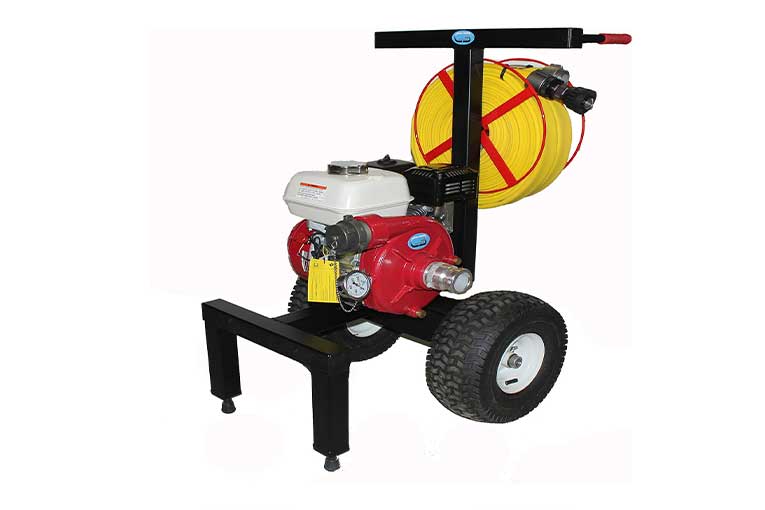
light portable pump firefighting equipment
Source: Amazon

Compact and portable, light pumps are indispensable for transporting water to areas inaccessible to larger firefighting vehicles. 

These pumps enhance operational flexibility, providing firefighting teams with the ability to establish water supply points in diverse environments.

Cutters

cutters firefighting equipment
Source: Wikipedia

Cutting through materials obstructing access or rescuing individuals, cutters are versatile tools used by firefighters. 

They play a crucial role in extrication operations, enabling swift and precise interventions in situations where immediate access is essential.

Spreaders
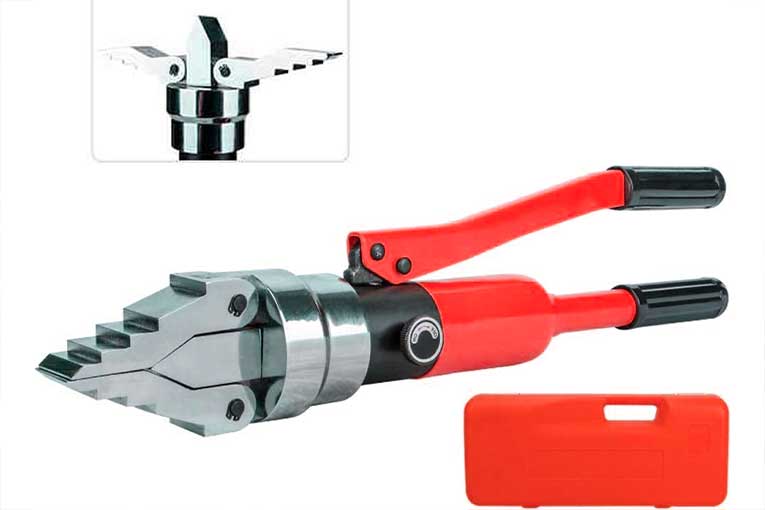
spreaders firefighting equipment
Source: Amazon

Hydraulic spreaders are powerful devices used to pry open objects or create openings in rescue situations. 

These tools are instrumental in providing access to trapped individuals, facilitating efficient rescue operations.

Rams

rams firefighting equipment
Source: Wikipedia

Hydraulic rams are tools designed to force open doors or create pathways during rescue operations. 

Their robust construction and power make them essential for situations where conventional access methods are insufficient.

Do Not Cross Tape
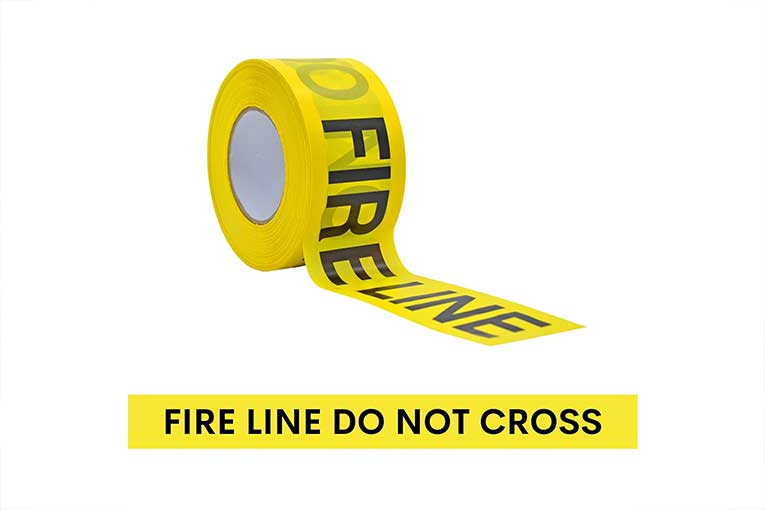
do not cross tape firefighting equipment
Source: Amazon

Visible tape with the clear directive “Do Not Cross” is utilised to cordon off unsafe areas and control access to the fire scene. 

This tape ensures the safety of both emergency responders and the public by preventing unauthorised entry into potentially hazardous zones.

Traffic Cones
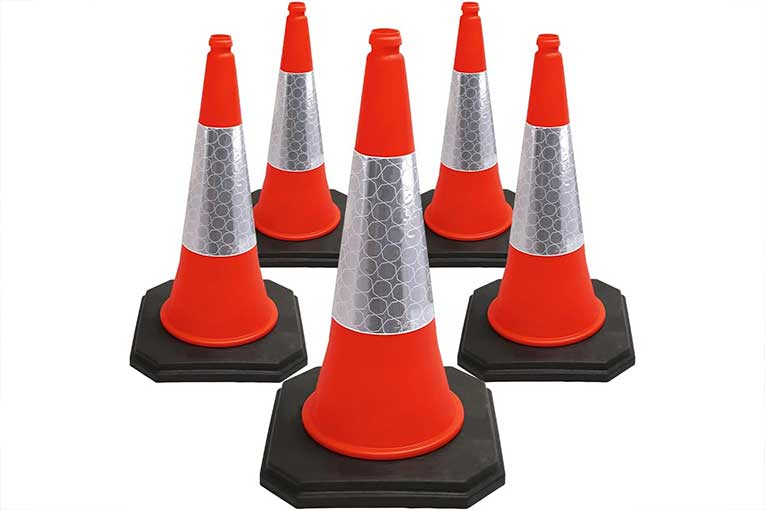
traffic cones firefighting equipment
Source: Amazon

Deployed to manage traffic and create clear pathways for emergency vehicles, traffic cones are essential in ensuring unimpeded access for firefighting teams. 

These cones play a crucial role in maintaining order and facilitating the rapid movement of emergency vehicles to and from the incident scene.

What Does the Future Hold for Firefighting Equipment?

The future of firefighting equipment holds exciting possibilities, driven by advancements in technology, materials, and design. 

One prominent trend is the integration of smart technologies, such as artificial intelligence and the Internet of Things, into firefighting gear. 

This includes wearable sensors and augmented reality visors that provide real-time data to firefighters, enhancing situational awareness and decision-making. 

Innovations in materials science are shaping the development of more lightweight yet durable protective gear, addressing comfort and mobility concerns for firefighters. 

Nanotechnology may lead to advanced flame-resistant fabrics, ensuring greater protection against extreme temperatures. 

Additionally, the use of robotics in firefighting, ranging from autonomous vehicles to robotic firefighting assistants, is on the horizon.

As climate change intensifies, firefighting equipment is likely to evolve to cope with more frequent and severe wildfires. 

This may involve the development of specialised tools for wildfires and improved strategies for early detection and prevention. 

The collaborative efforts of researchers, engineers, and firefighters promise a future where technology plays a pivotal role in enhancing the safety, efficiency, and effectiveness of firefighting operations, ultimately better equipping first responders to address evolving challenges.

Conclusion

The array of equipment at a firefighter’s disposal is vast and diverse. 

From traditional tools that have stood the test of time to cutting-edge technology ensuring efficiency and safety, each item plays a crucial role in combating fires and protecting lives. 

The continuous evolution of firefighting equipment reflects a commitment to enhancing the capabilities of those who bravely confront the unpredictable nature of fires. 

As technology advances, so does our ability to respond effectively to fire emergencies, ensuring a safer and more resilient future for communities worldwide.

Mark Bristow named National Chair of BSI committee on fire extinguishers

BSI enhances fire extinguisher standards committee

The British Standards Institution (BSI) has announced the appointment of Mark Bristow as the National Chair of the committee FSH/2, dedicated to “Fire Extinguishers.”

Bristow, known for his extensive involvement in the fire extinguisher sector, brings over 15 years of experience to the role, including significant contributions as a member of the FIA Extinguishing Council and the BSI committee FSH/2, representing LS UK Fire Group Ltd.

A career dedicated to fire safety

In his capacity, Bristow has also served as the Chair of the Extinguishing Manufacturers Technical Committee (EMTC), participated in the Portable Servicing Committee (PSC), and contributed to numerous Special Interest Group (SIG) working groups.

His appointment is expected to leverage his broad expertise and deep understanding of the industry to further the development and dissemination of UK standards for portable fire extinguishers.

The role of committee FSH/2 in fire safety

The BSI committee FSH/2 is tasked with developing, drafting, and publishing all UK standards related to portable fire extinguishers.

This encompasses standards for their manufacture, selection, and maintenance, and extends to addressing challenges posed by lithium-ion battery fires, fire blankets, and manually transportable fire extinguishers.

The committee’s work plays a vital role in promoting UK expertise in fire safety standards on both European and international stages.

Mark Bristow’s leadership is anticipated to enhance the committee’s output and prominence, contributing significantly to life safety improvements for end users of portable fire extinguishers.

IFSJ Comment

The appointment of Mark Bristow as the National Chair of the British Standards Institution’s committee on fire extinguishers marks a key moment for fire safety standards in the UK.

With his extensive background and commitment to the sector, Bristow is well positioned to guide the committee in its crucial work.

This move underscores the importance of continuous improvement and innovation in fire safety, reflecting the industry’s commitment to safeguarding lives and property.

The engagement of experienced professionals like Bristow ensures that fire safety standards remain comprehensive, current, and relevant, addressing the evolving needs of the industry and society at large.

Dyne Fire Protection Labs introduces FK 5-1-12 analysis for enhanced fire safety

Dyne Fire Protection Labs, based in St. Paul, Minnesota, has announced an expansion of its laboratory services to incorporate FK 5-1-12 analysis, marking a significant step in its commitment to advancing fire safety solutions.

This new service aligns with the requirements of the 2022 edition of NFPA 2001, the Standard on Clean Agent Fire Extinguishing Systems, which mandates testing and certification for each batch of agent, both recycled and newly manufactured, to meet specific standards.

The significance of FK 5-1-12 in fire protection

FK 5-1-12, a halogenated clean agent, is designed for environments where water-based fire suppression systems could harm sensitive equipment or property.

It is recognized as a viable replacement for halon and hydrofluorocarbons (HFCs), known for their ozone depletion potential (ODP) and global warming potential (GWP), offering a more environmentally friendly solution for fire suppression.

Dyne’s role in ensuring agent quality

With the phased withdrawal of 3M’s NovecTM 1230 from the market, the importance of verifying the quality of replacement agents has never been more critical.

Grant Lobdell, President of Dyne Fire Protection Labs, emphasized the lab’s crucial role: “As 3M’s NovecTM 1230 exits the market, it will be more important than ever to ensure the quality of the agents that will be entering the market to replace it.

Dyne will be here to help ensure both new and recycled FK 5-1-12 agent is safe, and remains safe, for the people and property it protects.”

IFSJ Comment

The introduction of FK 5-1-12 analysis by Dyne Fire Protection Labs represents a forward-thinking approach to fire safety, reflecting the industry’s evolving needs and the push towards more environmentally friendly fire suppression solutions.

By ensuring the integrity of both new and recycled FK 5-1-12 agents, Dyne plays a pivotal role in protecting assets and lives, reinforcing the importance of rigorous testing and certification in the industry.

Innovative study reveals water mist’s potential in preventing LiFePO4 battery thermal runaway

Researchers investigate water mist as a cooling strategy for LiFePO4 batteries

A recent study has delved into the effectiveness of water mist in suppressing thermal runaway events in LiFePO4 batteries, a critical concern for the safety of lithium-ion batteries widely used in electric vehicles and energy storage systems.

The research, conducted by a team from the State GRID Tianjin Electric Power Company and the School of Safety Engineering at China University of Mining and Technology, has been published in the “Crystals” journal, presenting a groundbreaking analysis of water mist as a cooling and suppressive agent against the dangers of thermal runaway in batteries.

Exploring water mist’s impact on battery safety

The study meticulously examined how water mist could inhibit the onset of thermal runaway before it begins, showing a significant improvement in cooling effects once the battery’s safety valve opens.

The research indicated that water mist could dramatically enhance the cooling rate, making it over ten times more effective in certain conditions compared to scenarios where the safety valve remains closed.

However, once thermal runaway initiates, water mist alone cannot prevent its progression but can substantially reduce the overall duration of the thermal runaway and the subsequent cooling time required.

Further analysis in the study observed a confrontational phenomenon between water mist and thermal runaway flames, highlighting two main impacts: cooling the flame’s heat at the top and compressing part of the heat in the confrontation region.

This interaction notably affects the flame’s morphology, particularly 50 cm above the safety valve, where the flame forms a “cone” shape.

Despite the challenges in applying water mist directly onto the battery surface due to this confrontation, the study found that it could still achieve a commendable cooling rate of 0.57 kW.

Read the study here.

IFSJ Comment

The study’s insights into the use of water mist in preventing and managing thermal runaway in LiFePO4 batteries mark a significant step forward in battery safety technology.

By demonstrating the conditions under which water mist can effectively cool and suppress thermal runaway, the research offers valuable guidance for enhancing safety measures in lithium-ion battery applications.

The findings underscore the importance of continued innovation and experimentation in safety strategies to mitigate risks associated with battery technologies, particularly as the demand for electric vehicles and energy storage solutions grows.

CheckFire Ltd launches eco-friendly enviroFoam fire extinguisher range

CheckFire Ltd, a trade-only fire safety supplier, has announced the release of its latest product innovation, the enviroFoam fire extinguisher range.

This new line is notable for being fluorine-free, addressing growing concerns over the environmental and health impacts of Per- and PolyFluoroAlkylated Substances (PFAS) found in traditional fire extinguishers.

Responding to environmental concerns with fluorine-free solutions

The development of the enviroFoam range represents CheckFire’s commitment to providing fire safety solutions that are not only effective against Class B flammable liquid fires but also environmentally responsible.

PFAS, commonly used in aqueous film-forming foam (AFFF) fire extinguishers, have been linked to significant environmental and health risks, prompting increased regulatory scrutiny and bans on certain PFAS chemicals since 2020.

The CommanderEDGE enviroFoam range: safety without compromise

CheckFire’s CommanderEDGE enviroFoam range offers a timely solution to these challenges.

As regulations tighten on the use of PFAS-containing products, the enviroFoam range emerges as an ideal option for businesses seeking to maintain high fire safety standards while also enhancing their environmental stewardship.

Available in 6ltr and 9ltr sizes, these extinguishers are designed to meet the diverse needs of various industries, including industrial warehouses, manufacturing facilities, and laboratories.

Exceeding industry standards with enviroFoam

The enviroFoam extinguishers boast an impressive 27A 183B rating for the 9ltr unit and 27A 144B for the 6ltr, surpassing industry standards for combating Class B fires.

Additionally, the range is certified with the internationally recognised BS Kitemark, affirming its quality and reliability.

A commitment to eco-conscious fire safety

Toria Jones, head of marketing at CheckFire, emphasised the importance of the launch: “With the potential upcoming changes in legislation, we wanted to be prepared with a more eco-conscious product line.

“That’s why we’ve developed our Green Range to support businesses looking to improve their sustainability efforts.”

IFSJ Comment

The introduction of CheckFire Ltd‘s enviroFoam fire extinguisher range marks a significant step forward in the fire safety industry’s journey towards sustainability.

By offering a fluorine-free alternative, CheckFire aligns with emerging legislative trends to meet the growing demand for environmentally friendly fire safety solutions.

This initiative reflects a broader movement within the industry to balance safety with environmental responsibility, providing businesses with the tools they need to protect their premises and the planet effectively.

The Last Word with TLX Fire & Security

Patrick Schwobe, Principal Engineer, Advanced Product Development at TLX Fire & Security talks about the new Liquid Level Sensor

Could you introduce us to TLX’s Liquid Level Sensor?

The development of TLX’s Liquid Level Sensor was initiated in response to our customers’ requests for a more reliable and precise method of measuring the weight of clean agent in their tanks.

The sensor functions by monitoring the foam’s position inside the tank, as well as the temperature.

Utilising this data, it can accurately determine and report the weight of the agent.

For instance, if there’s a 5% reduction in the agent, the sensor detects it and triggers an alarm.

This early warning system facilitates prompt intervention to address any issues, enhancing overall safety and efficiency.

The agent in question is a liquid when under pressure, and thus, the sensor floats within it.

Temperature variations in the surrounding environment, such as an increase in warmth, can cause thermal expansion of this liquid, resulting in a rise in its level.

Conversely, a drop in temperature can lead to a decrease in the level.

These fluctuations often lead to potential issues, such as false alarms indicating a loss of agent.

However, because our sensor monitors temperature changes, it can accurately discern between genuine agent loss and mere temperature-induced level variations, thereby reducing the likelihood of false alarms.

How does the Liquid Level Sensor fit into your existing portfolio?

Our portfolio already includes various accessories for fire suppression systems.

Among these, we have an accessory that provides valuable additional data points for our customers, offering insights into the health of their system.

This new product enhances our existing offerings by providing a more reliable alternative to the current industry-standard method, known as the dip tape.

The dip tape, essentially a tape measure, is manually operated and can yield subjective readings, varying with different operators.

In contrast, our product offers a more objective and consistent approach to measuring, thereby ensuring more accurate and reliable data for our customers.

With the level sensor, we’re equipped to detect even minor leaks, including micro leaks, providing earlier warnings.

This early detection capability potentially prevents the need for taking the tank offline, allowing it to remain operational.

Depending on the nature and location of the leak, it can often be rectified on-site, thereby reducing additional maintenance costs.

This feature enhances the overall efficiency and cost-effectiveness of our system for the users.

What issue does this product address?

The fire suppression market is increasingly seeking more comprehensive data.

Traditional methods, such as manual checks which might occur as infrequently as every six months, are being overshadowed by the need for continuous monitoring.

This product meets that demand by offering the capability for constant surveillance.

Alternatively, it can be configured to check the system once daily, especially if set up with a battery.

This approach enables early detection of issues, allowing for the data to be integrated into a dashboard for the customer.

This provides a more holistic view of the system’s health, moving away from reactive methods to a more proactive and data-informed management of fire suppression systems.

This article was originally published in the February 2024 issue of International Fire & Safety Journal. To read your FREE digital copy, click here.

CheckFire leads in environmental responsibility by recycling 1,000 tonnes of fire extinguishers in 2023

CheckFire demonstrates industry-leading recycling efforts

CheckFire Ltd, a trade-only fire safety supplier, has announced its achievement of recycling an impressive 1,000 tonnes of fire extinguishers in 2023.

This milestone underlines the company’s commitment to environmental responsibility and positions it as a leader in the fire extinguisher recycling sector.

The volume of recycled material equates to approximately 259,067 Commander 6ltr fire extinguishers, showcasing the scale of CheckFire’s efforts to reduce waste and promote sustainability within the fire safety industry.

The recycling of fire extinguishers is integral to CheckFire’s mission, emphasising the need for regular maintenance, servicing, and inspection to ensure that fire extinguishers remain fit for purpose.

Adhering to BS5306 best practices, the company prioritises both safety and environmental sustainability in its operations.

Sustainable practices in fire safety industry

In addition to recycling fire extinguishers, CheckFire has also processed 50 tonnes of associated cardboard packaging, further demonstrating its dedication to an eco-friendly approach.

The company highlights the importance of proper disposal methods for expired or faulty units to prevent environmental damage and ensure community safety.

“The correct disposal of fire extinguishers is critical for avoiding environmental harm,” said CheckFire.

“Our recycling initiative not only reflects our commitment to the planet but also to the safety and financial well-being of our customers, who appreciate the value of high-quality, sustainable fire safety equipment.”

A three-step approach to recycling

CheckFire simplifies the recycling process for its customers through a straightforward three-step procedure.

Units can be collected or dropped off at CheckFire’s Caerphilly site or at any of its depots, where they undergo careful unloading in compliance with safety protocols.

The recycling team then processes and sorts the extinguishers, setting aside any that may pose safety risks for further inspection.

Finally, authorised units are dismantled and recycled, ensuring materials such as steel, brass, and plastic find new life in various industries.

This comprehensive recycling process is part of CheckFire’s broader commitment to responsible fire safety practices and environmental stewardship.

“Recycling fire extinguishers is not just a service we offer; it’s a reflection of our dedication to protecting the environment and supporting our communities,” the company added.

“Every extinguisher we recycle contributes to a cleaner, safer future, emphasising the significance of choosing environmentally responsible fire safety solutions.”

IFSJ Comment

CheckFire’s achievement in recycling 1,000 tonnes of fire extinguishers in 2023 represents a commendable effort towards sustainability within the fire safety industry.

By combining environmental responsibility with its commitment to safety, CheckFire sets an example for how companies can contribute to a healthier planet while maintaining high standards of fire safety.

This initiative demonstrates the potential impact of integrating environmental considerations into business practices, encouraging a shift towards more sustainable operations across the industry.

As the demand for eco-friendly solutions grows, CheckFire’s approach highlights the importance of innovation and responsibility in meeting the needs of the planet and its people.

BAFSA marks 50 years of advancement in the sprinkler industry

BAFSA celebrates half a century of progress in fire safety

BAFSA, the British Automatic Fire Sprinkler Association, celebrated its 50th anniversary with a distinguished gathering at the House of Lords last week.

The Attlee Room hosted a special lunch, commemorating five decades of dedication to the sprinkler industry.

Among the attendees were 50 key stakeholders from the fire safety sector, including notable figures such as Lord David Goddard, Sir Ken Knight, Bob Blackman MP, and Ann Jones OBE.

A milestone event featuring industry leaders

The celebration was highlighted by the debut of a 50th-anniversary video, narrated by renowned broadcaster and fire safety advocate, Nick Ross CBE.

The video paid tribute to BAFSA’s significant achievements and the advancements in sprinkler legislation achieved over the past 50 years.

Ali Perry, BAFSA’s Chief Executive, emphasised the collaborative efforts behind the association’s successes in his welcome speech: “Nothing BAFSA has achieved in the past 50 years has been done in isolation.

“It has been delivered through real partnership because of the passion, drive and determination of the people in this room.”

Inaugural John McCann award presented

The event also featured the presentation of the inaugural John McCann award for a notable contribution to the sprinkler industry.

The award was given to Dr Simon Bird and is sponsored by Vipond Fire Protection in memory of its former Managing Director, John McCann, who passed away in 2022.

Perry added: “At the time of his passing, John was the chair of BAFSA, a leading advocate for all things sprinklers and was instrumental in driving the wider adoption of fire sprinklers and change within our industry.

“It is fitting in memory of John that we can make the first presentation of this award here at the House of Lords for BAFSA’s 50th.”

Dr Simon Bird expressed his gratitude upon receiving the award: “I am very grateful to BAFSA for this award, which was an unexpected honour.

“Having had the privilege of knowing John and working with him over the years, made it all the more special. I wish the industry continued success.”

IFSJ Comment

The 50th-anniversary celebration of BAFSA at the House of Lords underscores the enduring commitment and collaborative spirit that have driven the sprinkler industry’s progress over the last half-century.

As BAFSA looks forward to continuing its advocacy and support for the sprinkler industry, the legacy of its past achievements and the promise of future advancements exemplify the association’s pivotal role in enhancing fire safety standards.

The Retardant Revolution

Fortress North America sheds light on how it is merging tradition with advanced fire-retardant technology

In an era marked by unprecedented wildfires, the necessity for progressive firefighting solutions has never been more pronounced.

Fortress North America (Fortress), an industry leader in fire control, is making significant strides in this domain by reinventing fire retardants.

In this article, Jenny Hood, Head of Fire Retardants, Bob Baird, Director for Governmental and External Affairs, and Joe McLellan, Senior Director of Innovation, delve into Fortress’s evolution, the groundbreaking science behind their magnesium chloride-based retardants, and the exceptional features that set them apart in the realm of fire suppression.

Fire retardant evolution

Until Fortress entered the fire-retardant industry, fire retardants really had not evolved much, if at all, for the last 20 years.

And while our company doesn’t offer wildfire control or mitigation strategies, we do produce and safely deliver next-generation fire retardant products that help manage the spread of wildfires.

The strategy and operational decisions on a fire are determined by the incident commander and his or her team.

With respect to the evolution of retardants, going back to the beginning in the 1960s, there was a lot of attention focused on ammonium phosphates – and these materials are still predominantly used in the market today.

Early on, there was also some use of borates followed by a period of ammonium sulphate use, but those materials have essentially been out of use since about the turn of this century.

There also has been an evolution in the colour packages from iron oxide to more current fugitive approaches that fade with UV exposure from the sun.

Fortress uses a high-visible magenta colour to help firefighters in the air and on the land see where fire retardant products have been applied.

The concept of fugitive retardants has been around since the early 1980s. There have been minimal significant advances in thickeners with the biggest being the transition from clays to gums.

Additionally, there has been a desire on the part of many stakeholders to improve acute aquatic toxicity and to reduce overall toxicity, especially with regards to heavy metal content.

Fortress entering the market with an entirely new chemistry has been a huge change for the fire-retardant industry.

The initial products from Fortress have focused on formulations based on magnesium chloride (MgCl2) – a naturally derived salt extracted from mineral-enriched brine using solar evaporation.

The Fortress formulations not only have a lower carbon footprint, but lab tests show they help set new standards in terms of low aquatic toxicity while being highly durable and effective.

While there may be certain niche market applications where ammonia-based retardants make sense, MgCl2-based retardants that offer lower environmental impact should be the primary fire retardant used.

Addressing legacy retardant issues

Legacy retardants have an ammonium phosphate base. Concerns with phosphate-based retardants include aquatic toxicity and the fertiliser effect.

When dissolved in water, ammonium phosphate will dissociate into ammonium and phosphate species.

The ammonium will then form an equilibrium between the charged ammonium form and the neutral ammonia form based on the pH of the solution.

Even at very low concentrations, ammonia is highly toxic to aquatic species and should be used sparingly in certain applications.

The second area of concern is the way phosphates impact the environment they are introduced to.

The build-up of nitrogen and phosphorous nutrients in water ways can lead to eutrophication, where the overloading of nutrients can result in toxic algae blooms with the potential for fish kills and other damages.

On land, the application of phosphates in wildlands can promote the growth and spread of fire-prone invasive species, such as cheat grass.

These species have shallow root systems compared to more drought-tolerant and fire-resistant native species.

The shallow root systems of invasive species intercept water before it can reach the deep roots of native species increasing the drought stress on those native plants.

The invasive plants with their shallow roots are then less resistant to dehydration – as the summer heats up and the soil begins to dry out, they die off early in the season and create light and flashy fuels that are prone to ignition.

Fortress FR-200 for example, is our flagship liquid concentrate retardant based on magnesium chloride.

It’s ammonia-free and has the highest LC50 of any currently approved retardant on the U.S.

Forest Service’s (USFS) Qualified Product List (QPL).

LC50 is a measure of acute aquatic toxicity that the USFS uses when evaluating products – higher values mean the material is less toxic.

The active ingredient in FR-200 will not contribute to eutrophication or promote the growth and spread of fire-prone invasive species including cheat grass.

The integration of magnesium chloride

The unique chemistry of our proprietary magnesium chloride formulations brings a new and multi-faceted set of fire suppression capabilities to the frontlines of firefighting.

Fortress fire retardant products provide a thermally responsive, staged-reaction scheme that hydrates, cools, delays ignition and disrupts combustion.

Together, these reactions make for stronger fire lines and superior fire control.

Magnesium chloride catalyses low-temperature charring which reduces the availability of flammable compounds.

Charring in the presence of magnesium chloride generates an inert layer of magnesium oxide, ash, and other compounds that help inhibit further burning.

In the end-stage decomposition of magnesium chloride, chloride ions directly interfere with combusting free radicals, minimising the spread of fire.

Ensuring prolonged

Magnesium chloride is highly hygroscopic, meaning it loves water.

 It will absorb water from the atmosphere when the relative humidity (RH) is above about 33% and will continue to absorb water until it forms a saturated salt solution.

The equilibrium state of magnesium chloride at relative humidities below 33% RH is that of a hexahydrate, i.e., MgCl2*(H2O)6, wherein each MgCl2 is coordinated to six water molecules.

As the active ingredient in a long-term fire retardant, the unique properties of MgCl2 shine.

When a MgCl2-basedretardant is dropped in front of a fire, the retardant will take longer to dry compared to legacy retardants holding on to “free” water until the RH in the vicinity of the retardant is below 33% RH.

Then as it “dries out” it will form the hexahydrate, wherein the amount of coordinated water in the retardant is more than 50% by weight.

These coordinated water molecules require more energy than free water molecules to drive off as the flame front approaches.

The dehydration of the magnesium chloride hexahydrate in the retardant line cools the flame front, dilutes the combustion gasses with non-flammable steam, and then reduces the rate of flame spread.

Eventually the flame front will drive off all the water and the salt will begin to break down where it can form hydrogen and chloride free-radicals that will annihilate combustion radicals in a catalytic fashion – thus disrupting combustion much like halon extinguishers.

These formulations are highly durable, too. They will not dry out and blow away. The hygroscopic properties tend to keep the retardant hydrated, pliable and in conformal contact with the fuels.

Unlike phosphates, they are not actively consumed for nutrients by plants, fungi and microorganisms.

However, they will readily wash away with winter rains and the fugitive properties mean the colour will fade away after several days of UV exposure from the sun.

Ground and aerial evolution

One of the more interesting developments in the retardant space has been the development of the new category of retardants on the USFS QPL for ground-applied pre-treatment retardants.

A significant portion of human-caused wildland fires have ignitions near roads or power transmission lines or other power infrastructure.

The new class of fire retardants can be an effective tool to help reduce those types of ignitions.

Fortress has developed several ground-applied pre-treatment retardants to address this need.

FR-600 is a MgCl2-based formulation that was specifically designed for these types of applications.

It was designed for annual application to department of transportation or utility rights-of-way in early summer as the seasonal grasses begin to turn brown.

They last throughout the summer and fire season until they are washed away by winter rains.

As mentioned earlier, MgCl2 is particularly well-suited for this application as it will not dry up and blow away, nor will it readily decompose or get consumed in the environment like other retardants.

The hygroscopic nature will serve a dual function of both dust mitigation and reducing the likelihood of ignitions in the treated areas – slowing the spread of any ignitions that do occur.

Furthermore, the non-fertiliser nature will not promote growth in the treatment areas and may decrease the need or use of herbicides in some areas.

The use case for aerial retardant applications and the resultant environmental risks associated with those applications are well defined.

This is not the case with ground applied pre-treatments.

The repeated treatment of areas is one way that ground-applied and aerial uses differ.

In aerial retardant applications, specific areas are not likely to see repeated application within 5–10-year period, whereas FR-600 and related products are designed to be applied annually to the same locations.

While aerial applications must respect a 300-foot buffer of any waterways, most roads have ditches for handling stormwater run-off and thus the implications of those seasonal treatments will need to be understood.

While the USFS conducts a national environmental impact statement for aerial use of retardants, it’s left up to the users of ground applied per-treatment products to assess the potential impact for their treatment plan in their specific area.

This is the primary challenge that has hindered the large-scale adoption of this technology.

There are several studies ongoing that are seeking to better understand the fate and effectiveness of these products.

We’re optimistic those studies will reveal positive results.

In addition to FR-600 for ground applications on roadway and utility corridors, Fortress has developed a retardant to help protect structures, which is very important for communities at risk of wildfire.

Fortress FR-700 is our long-term retardant specifically designed for structural defense.

This product also features our unique magnesium chloride formulation making it more effective, safer for the environment, and more durable than conventional, phosphate-based retardants.

Fortress FR-700 features a higher salt content for improved fire shielding and a higher viscosity mix to adhere to structural surfaces like fences, decks, siding and roofs.

FR-700 is applied directly to structures as a pre-treatment or rapid response application.

The retardant remains effective throughout the fire season.

When needed, it can be easily washed off with a hose and leaves no residue.

This product is available in a clear, colourless formulation or in a high-visibility fugitive colour.

This product is fully qualified by the USFS.

We have seen interest in this product from Homeowner Associations, FIRESAFE Councils, realtor groups and fire professionals interested in protecting communities from catastrophic wildfire damage in a more environmentally friendly way.

An effective retardant

The feedback we have received has been primarily positive.

There are not great mechanisms for conveying those insights from the field back to the manufacturers outside of the operational field evaluation.

In a specific case of ground applied retardants, we supported an application for a prescribed burn with our FR-600 product in a relatively dense area of homes and around a prison.

The fire leadership responsible for the prison was using prescribed burning to create a buffer around the facility to ensure staff and inmates can safely shelter in place.

They used our fire retardant to ensure the prescribed burn stayed in the project boundary, adding an extra layer of protection against an escape which was important with the project area being so close to a community, thereby helping make the prescribed burn even safer.

Future innovations

Fortress will continue to drive innovation in the fire-retardant space with a commitment to developing and testing highly effective fire-retardant technology that minimises toxicity and environmental impacts.

Our aim is to broaden our product offerings and continuously improve upon existing products to help keep people safe.

This article was originally published in the February 2024 issue of International Fire & Safety Journal. To read your FREE digital copy, click here.

Survitec enhances fire safety for alternative fuel-powered ships

Survitec responds to the demand for advanced fire safety

In a significant development for maritime safety, Survitec, a leading provider of Survival Technology solutions, has announced enhancements to its Dry Chemical Powder (DCP) fire extinguishing system.

The upgrades, designed to offer improved protection for vessels operating on LNG and LPG fuels, have received type approval certification, marking a significant milestone in the maritime industry’s transition to cleaner fuels.

The reconfigured DCP system is already being specified for both newbuild and existing vessels, demonstrating immediate industry recognition.

Survitec’s first order for the upgraded system will be installed on a 16,000 TEU container ship currently under construction at a newbuild yard in South Korea.

Rafal Kolodziejski, Head of Product Support & Development – Fire Systems at Survitec, commented on the importance of this innovation: “This first order represents a crucial step forward in ensuring the safety of ships running on LNG or LPG.

The Survitec DCP system offers comprehensive bunkering station protection, cost-efficiency, and versatility for a variety of vessel types, whether newbuild or retrofit.”

Technological advancements in fire safety

Survitec’s newly enhanced DCP system includes several key components such as an extinguishant storage container, nitrogen gas cylinder, safety valves, a pressure regulator, piping, and discharge devices, including nozzles.

A notable advancement is the ability to combine longer lengths of discharge piping with smaller volumes of powder, optimising fire protection for bunkering stations and fuel-switching operations across a broader range of vessels.

The system’s design allows for increased pipe runs, up to 69m, with the potential for further extension on a case-by-case basis.

This flexibility is a significant improvement over traditional systems, enabling more efficient and adaptable fire safety solutions.

Piotr Bulas, Product Manager for DCP solutions at Survitec, elaborated on the system’s unique features: “Our solution is designed to support potassium bicarbonate or sulphate salts as the dry power medium, offering multiple advantages, including smaller, lighter, and more easily accommodated hardware, as well as lower overall cost of consumables.”

A cost-effective and efficient solution for maritime safety

Survitec’s nitrogen-propelled DCP solution is designed to meet the stringent requirements of both newbuilds and existing ships undergoing dual fuel propulsion solution retrofits.

The system ensures constant deployment at a minimum of 3.5kg/second for 45 seconds using just 175kg of powder, a significant reduction in consumables compared to competing solutions.

Kolodziejski further highlighted the system’s efficiency and cost benefits: “With the DCP system from Survitec, shipowners can often safeguard bunkering stations on both sides of the ship with just one DCP unit without compromising performance. This reduces installation and maintenance costs.”

Survitec’s commitment to innovation extends to maintenance, with the new DCP system designed for easy servicing and testing without disassembling core components.

The system is delivered as a single, compact unit for ‘plug and play’ installation, simplifying the shipbuilding process and ensuring long-term reliability and safety.

IFSJ Comment

The introduction of Survitec’s type-approved dry chemical powder system upgrades represents a timely response to the maritime industry’s shift towards alternative fuels.

By enhancing fire safety measures for vessels powered by LNG and LPG, Survitec is setting a new standard in maritime safety technology.

The system’s cost-efficiency, versatility, and technological advancements offer comprehensive protection for a variety of vessel types, ensuring the safety of maritime operations in an era of cleaner fuels.

This initiative underscores the critical role of innovation in advancing maritime safety and the importance of adopting flexible, efficient solutions to meet the evolving challenges of the industry.