NFPA join ‘Billion Readiness Initiative’ led by Dubai Civil Defense

The National Fire Protection Association (NFPA) has announced that it will be an active member and contribute to the “Billion Readiness Initiative” led by Dubai Civil Defense.

This global initiative seeks to enhance fire safety awareness and reduce fire-related incidents worldwide. It aims to educate and train 1 billion people across the globe from 2025 to 2027, encouraging communities to respond effectively and safely to fire emergencies.

A total of 34 countries and 18 major firefighting organisations, including the NFPA, are involved in the effort.

Director, International Business Development, MENA, NFPA, Dana Kamal’s statement

Dana Kamal, Director, International Business Development, MENA, NFPA said: As a global leader in fire and life safety, NFPA is proud to be part of the Billion Readiness Initiative, the largest of its kind. We are excited to share our expertise to help raise fire safety awareness worldwide.

“Working alongside Dubai Civil Defense, our goal is to use our knowledge, information and expertise to create a safer, more resilient future. We achieve this by empowering individuals with the resources and tools they need to prevent fires and protect lives on an unprecedented scale.

Collaboration and communication

As part of this initiative, NFPA will continue to collaborate and communicate with governments and regulatory bodies throughout the region to promote its codes and standards, encouraging their use and effective implementation through workshops and training sessions aimed at reducing fire-related incidents and the emissions that they cause.

It will also support countries in developing policies that align with the campaign’s objectives while addressing emerging risks and technological advancements.

In addition to policy adoption, NFPA will encourage subject matter experts to stay updated with code requirements and technical developments in their fields.

In addition, NFPA is also a member of the World Fire Emission Reduction Alliance (WFERA), launched at COP28, which aims to reduce global fire-related emissions by 80% by 2050.

This initiative unites countries and firefighting organizations in a global effort to tackle the environmental impact of fires and improve fire safety worldwide.

`Billion Readiness Initiative’ joined by NFPA: Summary

The NFPA has joined Dubai Civil Defense’s `Billion Readiness Initiative’, a global initiative designed to promote fire safety awareness and reduce fire-related incidents worldwide.

Dana Kamal, Director, International Business Development, MENA, NFPA said the goal is to use knowledge, information and expertise to create a safer, more resilient future.

AEI Cables says early partnering is key to solving legislation challenges

Early collaboration between project partners is an important first step to achieving smooth project completion under new legislation, says cable supplier AEI Cables.

The new Building Safety Act – introduced in October 2023 – makes new stringent requirements for higher-risk buildings which are those deemed to be of at least 18 metres in height or at least seven storeys containing at least two residential units.

The systems in these buildings powered by electrical cables – including smoke and heat extraction systems – assist fire services in firefighting and a safe evacuation in the case of life safety.

AEI Cables General Manager’s statement

Stuart Dover, General Manager of AEI Cables, said: “We recognise the issues presented by the new legislation for all those working in the built environment but by working closely together early in the process we believe we can overcome a lot of the challenges.

“We are finding that collaboration amongst our partners really works and leads to a much more streamlined, efficient process.”

The Building Safety Regulator’s role

The Building Safety Regulator will oversee the safety and performance of all buildings, as well as having a special focus on high-rise buildings. It will promote competence and organisational capability within the sector including for building control professionals and tradespeople.

Building owners should now have their building safety regime in place and any occupied higher-risk buildings should be registered with the Building Safety Regulator.

AEI Cables discuss importance of early collaboration due to new legislation: Summary

Thanks to the Building Safety Act and their tight new rules regarding higher-risk buildings, AEI have mapped out a plan they believe will combat any legislative issues.

Stuart Dover of AEI stated that by promoting collaboration amongst partnerships, a smoother process is ensured.

Firefighter Ranks in Order (Low to High)

Firefighting is a noble profession that requires bravery, dedication, and skill. 

Firefighters play a crucial role in protecting lives and property from fire hazards. 

The firefighting profession in the U.S. is organised with a clear hierarchy of ranks. 

But what are the firefighter ranks in the U.S.?

Firefighter ranks indicate a firefighter’s experience, responsibilities, and leadership within the department. 

Understanding the different firefighter ranks helps to clarify the structure and functioning of fire departments across the country.

The History of Firefighting in the US

history of firefighting

The Beginning of Firefighting the in US

Firefighting in the United States has a rich history that dates back to the colonial era

The first organised firefighting efforts began in the early 1600s, with bucket brigades made up of volunteers. 

These early firefighters would form lines to pass buckets of water from the nearest source to the fire. 

In 1736, Benjamin Franklin assisted in the creation of the Union Fire Company in Philadelphia, the first formal firefighting company in the colonies. 

This marked the beginning of organised fire departments.

The Evolution of Firefighting

Throughout the 19th century, fire suppression evolved with the introduction of hand-pumped fire engines, steam-powered engines, and, eventually, motorised fire trucks. 

The development of better firefighting equipment and techniques significantly improved the effectiveness of fire departments. 

The formation of paid, professional fire departments in major cities further enhanced the ability to respond quickly and efficiently to fires.

Modern Firefighting

In the 20th century, advancements in technology and communication, along with improved building codes and fire detection and prevention measures, contributed to a significant reduction in fire-related deaths and property damage. 

Today, firefighting is a highly professionalised field, with rigorous firefighter training and a clear rank structure that ensures the efficient operation of fire departments across the country.

Firefighter Ranks in the US

The U.S. fire service is organised into several ranks, each with specific roles and responsibilities. 

The firefighter ranks, listed from lowest to highest, reflect a firefighter’s level of experience, training, and leadership within the department.

Probationary Firefighter

The probationary firefighter is the entry-level of firefighter ranks in the fire service. 

After completing initial training at a fire academy, probationary firefighters are assigned to a fire station, where they gain practical experience under the supervision of senior firefighters.

During the probationary period, which typically lasts six months to a year, new firefighters must demonstrate their ability to perform the duties required of them. 

This includes responding to emergencies, maintaining equipment, and participating in ongoing training. 

Successful completion of the probationary period is required to be promoted to the next rank.

Firefighter

Once the probationary period is successfully completed, the firefighter becomes a full-fledged member of the department. 

Firefighters are responsible for responding to emergency calls, including fires, medical emergencies, and hazardous material incidents. 

They work as part of a team to extinguish fires, rescue victims, and provide emergency medical care. 

Firefighters also participate in ongoing training to maintain their skills and stay updated on the latest firefighting techniques. 

The role of a firefighter is physically demanding and requires a strong commitment to public service.

Driver Engineer

The driver engineer, also known as a fire apparatus operator, is responsible for driving the fire truck to and from emergency scenes. 

In addition to operating the vehicles, driver engineers are responsible for maintaining and operating the pumps, hoses, and other equipment on the fire truck. 

This role requires a thorough understanding of the mechanical aspects of fire apparatus and the ability to operate the equipment under high-pressure situations. 

Driver engineers also assist with firefighting and rescue operations when not engaged in driving duties. 

This rank is typically achieved after several years of experience as a firefighter and requires additional training in vehicle operation and equipment maintenance.

Lieutenant

firefighter ranks lieutenant

A lieutenant is the first level of officer in the firefighter ranks.

Lieutenants are responsible for leading a small team of firefighters during emergency operations and daily activities. 

They are in charge of directing the team’s efforts at the scene of a fire or other emergency, making critical decisions, and ensuring that all safety protocols are followed. 

In addition to their leadership duties, lieutenants are responsible for training and mentoring junior firefighters. 

The role of a lieutenant requires strong leadership skills, decision-making ability, and a thorough understanding of firefighting tactics.

Captain

firefighter ranks captain

The captain is a higher-ranking officer who oversees a larger team of firefighters and often manages an entire fire station. 

Captains are responsible for coordinating emergency response efforts, developing operational plans, and ensuring that all equipment is properly maintained and ready for use. 

They also play a key role in the training and development of their team members, ensuring that they are prepared to handle a wide range of emergency situations. 

Captains are often involved in administrative tasks, such as scheduling shifts, managing budgets, and conducting performance evaluations. 

This rank requires extensive experience, strong leadership skills, and the ability to manage complex operations.

Battalion Chief

firefighter ranks battalion chief

A battalion chief is a senior officer responsible for overseeing multiple fire stations or a specific geographic area within a fire department. 

They manage several teams of firefighters, including lieutenants and captains, and coordinate their efforts during large-scale emergencies. 

Battalion chiefs are responsible for making high-level strategic decisions, allocating resources, and ensuring that all operations are conducted safely and efficiently. 

They also serve as the primary point of contact between the fire department and other emergency services, such as police and medical teams, during major incidents. 

The role of a battalion chief requires extensive experience in the fire service, strong leadership abilities, and the capacity to manage complex, high-pressure situations.

Assistant Chief

firefighter ranks assistant chief

The assistant chief is a top-level officer who assists the fire chief in managing the entire fire department. 

Assistant chiefs oversee major divisions within the department, such as operations, training, or administration. 

They are responsible for developing and implementing department-wide policies, managing budgets, and ensuring that all personnel and resources are effectively utilised. 

Assistant chiefs also play a key role in strategic planning, working closely with the fire chief to set long-term goals and priorities for the department. 

This rank requires extensive experience in leadership and management, as well as a deep understanding of all aspects of fire department operations.

Fire Chief

firefighter ranks fire chief

The fire chief is the highest-ranking officer for firefighter ranks. 

The chief is responsible for the overall leadership and administration of the department, including setting the vision and direction for the organisation. 

Fire chiefs manage all aspects of the department’s operations, from emergency response and training to budgeting and public relations. 

They work closely with city or county officials, other emergency services, and the community to ensure that the department meets its public safety objectives. 

The fire chief is ultimately responsible for the department’s performance and plays a key role in shaping its future. 

This rank requires extensive experience, strong leadership skills, and the ability to manage a large, complex organisation.

How do you get Promoted as a Firefighter?

firefighter promotion

Promotion within the fire service is based on a combination of experience, training, and performance. 

To be considered for promotion, firefighters must meet specific criteria set by their department. 

This often includes a minimum number of years in service, completion of advanced training courses, and demonstrated leadership ability.

Promotions are typically awarded through a competitive process that may include written exams, practical assessments, and interviews. 

The process is designed to ensure that only the most qualified and capable individuals are selected for higher ranks.

In addition to technical skills, leadership and communication skills are crucial for promotion, as higher-ranking officers are responsible for managing teams and making critical decisions during emergencies. 

Continuous learning and professional development are also important, as firefighting techniques and technologies are constantly evolving.

How do you Become a Firefighter?

how to become firefighter

Becoming a firefighter requires a combination of education, training, and physical fitness. 

The first step is to obtain a high school diploma or equivalent, followed by completing a firefighter training program at a fire academy. 

These programs provide the necessary skills and knowledge to perform the duties of a firefighter, including fire suppression, rescue techniques, and emergency medical care.

In addition to formal training, aspiring firefighters must pass a series of physical fitness tests to demonstrate their ability to perform the physically demanding tasks required in the field. 

These tests may include endurance exercises, strength assessments, and obstacle courses.

After completing training and passing the required tests, candidates must apply to a fire department. 

The application process may include additional testing, background checks, and interviews. 

Once hired, new firefighters typically undergo a probationary period, during which they receive on-the-job training and evaluation before becoming full members of the department

Conclusion

You should now have more of an understanding of firefighter ranks. 

Firefighting is a challenging and rewarding profession with a well-defined rank structure. 

Each of the firefighter ranks carry specific responsibilities and reflects a firefighter’s experience and leadership within the department. 

From the entry-level probationary firefighter to the top-ranking fire chief, each position plays a vital role in ensuring public safety and protecting lives and property. 

Becoming a firefighter requires dedication, physical fitness, and a commitment to continuous learning, but it offers the opportunity to serve the community and make a real difference in people’s lives.

Spire and OroraTech awarded contract for US wildfire monitoring system

NASA selects Spire and OroraTech for wildfire detection study

NASA’s Jet Propulsion Laboratory has awarded a concept study contract to Spire Global, a provider of space-based data and analytics, to explore the development of a satellite-based wildfire early detection and monitoring system.

This new initiative, in partnership with OroraTech, a specialist in space-based thermal intelligence, aims to provide a comprehensive, cost-effective approach to monitoring wildfire-prone regions in the United States, as reported by Spire Global.

The collaboration between Spire and OroraTech will build on Spire’s capabilities in space and ground systems, while OroraTech brings expertise in thermal infrared sensing technology.

The goal is to develop a scalable orbital solution for the early detection and real-time monitoring of wildfires.

OroraTech’s existing network already delivers wildfire detection services to various entities, including public fire departments and conservation areas, across six continents.

The need for enhanced wildfire monitoring technology

The proposed satellite-based solution addresses the growing need for improved wildfire management as the frequency and severity of wildfires increase.

A recent report by the UN Environment Programme and GRID-Arendal anticipates a 30% rise in extreme wildfires by 2050.

The system under development aims to support fire managers and responders with near real-time data, which can assist in better decision-making and quicker response times.

Peter Platzer, CEO of Spire Global, emphasised the importance of this technology: “Wildfires are an escalating threat with far-reaching impacts on our environment and communities.

“Current monitoring methods fall short during peak periods of fire intensity.

“By leveraging the transformative power of space-based technology and our partnership with OroraTech, we aim to close this gap and provide a scalable, low-cost solution for early wildfire detection and monitoring.”

Planned satellite constellation to enhance detection capabilities

OroraTech has previously operated thermal infrared sensors on satellites developed by Spire, and the partnership plans to deploy eight additional satellites, called OTC-P1, to bolster wildfire monitoring from space.

The launch, expected no earlier than 2025, will mark the establishment of the first satellite constellation dedicated specifically to wildfire detection and monitoring, according to Spire.

OroraTech’s Chief Strategy Officer and co-founder, Thomas Grübler, highlighted the importance of the new technology: “Our orbital detection capabilities are incredibly valuable for quickly finding, tracking, and predicting the spread of wildfires and will play a crucial role in mitigating their impact.

“Together with Spire, this unique technology is prepared to close the detection gap and make actionable data available for thousands of federal, state, and local fire departments and agencies.”

Expansion of wildfire detection efforts in North America

In addition to the NASA contract, Spire and OroraTech were previously selected by the Canadian Space Agency in 2023 for a project aimed at developing a dedicated satellite constellation for wildfire monitoring across Canada.

This initiative aligns with ongoing efforts to provide more comprehensive wildfire detection solutions to meet the demands of escalating wildfire risks in North America.

Spire and OroraTech awarded contract for US wildfire monitoring system: Summary

Spire Global and OroraTech have secured a contract from NASA’s Jet Propulsion Laboratory to explore the development of a satellite-based wildfire early detection and monitoring system for the United States.

The project aims to utilise Spire’s space technology expertise in tandem with OroraTech’s thermal infrared sensing to create a cost-effective, scalable solution.

Planned for initial deployment no earlier than 2025, the constellation of wildfire-detecting satellites, named OTC-P1, is expected to provide timely, actionable data to fire managers and emergency responders.

This collaboration follows a similar contract awarded by the Canadian Space Agency in 2023 to expand wildfire monitoring capabilities across Canada.

“Grief, anger and vindication” – FBU responds to the Grenfell Tower public inquiry

The Grenfell Tower Inquiry has published its final report.  

Responding to the report, Matt Wrack, Fire Brigades Union general secretary, said:  

“Today is a sobering reminder of the tragic deaths of 72 people, and the deep scar that the Grenfell Tower fire has left on the community. The FBU shares the grief and anger of the bereaved, survivors and residents, and we call for justice for those who were killed by this entirely preventable fire.  

“The FBU has always argued that the fire was the result of decades of failure by central government to regulate the building industry – the prioritisation of private profit over human life.  

“This report completely vindicates that position, demonstrating beyond doubt that an agenda of deregulation cost lives. Construction companies gamed the system to maximise their profits. A system of semi-privatised building control put commercial interests ahead of regulatory duties.  

“Firefighters and fire control staff were put in an impossible position, forced to respond to a fire in a high rise building effectively wrapped in petrol.  Again and again, residents and firefighters warned of the dangers of combustible cladding but were ignored.  

“The FBU is still digesting the report’s recommendations, but the government must go further than what is set out in this report. The deregulation of recent decades must be comprehensively reversed. The systems for delivering building safety must be brought under public ownership and must be given the resources they need. 

“The lessons of the Grenfell Tower fire are relevant to fire and rescue services across the UK. To implement them, we need national standards set by a statutory advisory body on fire policy, giving a voice to firefighters and control staff and drawing on the best expert advice.  

“Seven years on from this horrific event, our thoughts and solidarity are with the victims of the fire.” 

2024 Firefighting Training Event hosted in Enschede by TenCate Protective Fabrics

This year’s event welcomed 30 elite firefighters from Germany

September 4 – 5, TenCate Protective Fabrics hosted the third annual “Experience Days” firefighting event, a collection of hands-on training sessions designed for firefighters to put their skills to the test in real-world firefighting simulations. The event was held at Twente Safety Campu[SJ1] s and the TenCate Protective Fabrics Nijverdal corporate office and production plant.

This year’s event welcomed 30 elite firefighters from Germany, all participating in intense training exercises over the two days. Each fire fighter got to wear the latest innovation in firefighter protection – the Nomex® Advance® Truecolor® – a new fire suit outer shell developed to deliver industry-leading levels of durability and colorfastness so wearers can stay more safe and more confident on the job.  

Experience Days is an unparalleled opportunity for firefighters to engage in realistic, high-pressure environments where the performance of top-of-the-line fire suits can truly be assessed. The event is made possible through the collaboration of TenCate Protective Fabrics with Dupont and Isotemp,[SJ2]  who will also be present to support the training exercises.

To learn more about how Nomex® Advance® Truecolor® outer shell fabric enables firefighters with new levels of durability and colourfastness – visit TenCate’s website.

For information please contact:

Dawn Hill, Global Marketing Specialist, Emergency Response, TenCate Protective Fabrics

d.hill@tencatefabrics.com

#PPE #Tencate

Burlington Uniforms to unveil first own brand range at The Emergency Services Show 2024

Leading uniform provider, Burlington Uniforms will be unveiling an own brand launch at The Emergency Services Show (18-19 September at NEC, Birmingham).  The Burlington Technical Range is the first clothing collection to be produced under the Burlington Uniforms brand and features 12 specialist garments.

The range comprises tactical flex trousers, a polo shirt, ¼ zip top and a shirt, each available in elite, premium, and performance options.

Display garments will feature on stand 5/E162 with additional items available for handling and closer inspection.  Swing tags will detail the product specification, features and benefits. 

Exceptional standards

Burlington Uniforms has harnessed more than 49 years’ experience in developing and curating bespoke garments and wardrobes for its emergency services and blue light clients, plus its knowledge of mass production, customisation and personalisation to produce this high-performance range. 

Each garment is designed so that the specification can be adjusted to meet certain requirements and various price points.  This capsule range showcases the exceptionally high spec to which these items can be produced.  For example, the elite and premium options use durable Cordura fabric and revolutionary odour absorbing fabric, Odegon.

Feedback for further development

Throughout the event Burlington Uniforms will be encouraging visitors to stand 5/E162 to offer honest and meaningful feedback on the specialist range.  The Emergency Services Show presents a unique opportunity for delegates to influence further product development.

Underpinned by outstanding customer service

The Burlington Uniforms team will also be on-hand with guidance and advice, and to explain the company’s extraordinary approach to customer care, including its fully managed service, innovative Wardrobe Management System, bespoke clothing and personalisation offers. 

These services set Burlington Uniforms apart from ordinary uniform providers.  Coupled with the new Burlington Technical Range, stand 5/E162 is a must-visit for buyers and procurement teams working in the emergency services and blue light industries.

Visitors to the stand will also be entered into a prize draw to win a pair of safety boots.

To find out more about Burlington Uniforms please visit our webhttps://www.burlington-uniforms.co.uk/site.  To arrange a meeting at The Emergency Services Show, please call 0208 443 6920.  In the meantime, stay up to date through social media, follow us on LinkedIn and Instagram.

List of Firefighting Equipment

Firefighting equipment is what helps firefighters to extinguish flames, ensuring the safety of lives and property, and the varied list of firefighting equipment shows how diverse firefighting really is. 

From traditional tools like fire extinguishers to cutting-edge technology such as thermal imaging cameras, each item plays a crucial role in a firefighter’s arsenal. 

In this article, we’ll explore the diverse list of firefighting equipment, shedding light on their functions and importance in the face of fire emergencies.

What is Firefighting Equipment?

Firefighting equipment encompasses a diverse range of tools, devices, and protective gear specifically designed to combat and manage fires effectively. 

These crucial elements are essential for firefighters in their mission to extinguish flames, rescue individuals, and mitigate the impact of fire emergencies. 

Each piece of equipment serves a unique purpose in the complex and challenging task of firefighting.

Firefighting equipment is not only about extinguishing flames but also about ensuring the safety of those on the front lines. 

Protective gear, such as fire suits and gloves, shields firefighters from extreme heat, allowing them to navigate hazardous environments. 

The continuous advancements in firefighting equipment underscore a commitment to improving the efficiency, safety, and overall effectiveness of firefighting operations.

Firefighting equipment is the lifeline for those who risk their lives to protect communities and properties from the devastating impact of fires.

List of Firefighting Equipment

Firefighting equipment constitutes a comprehensive arsenal designed to combat fires of varying intensities and types. 

Each tool plays a crucial role in ensuring the safety of firefighters and the effectiveness of fire suppression efforts.

Fire Extinguishers

fire extinguisher firefighting equipment

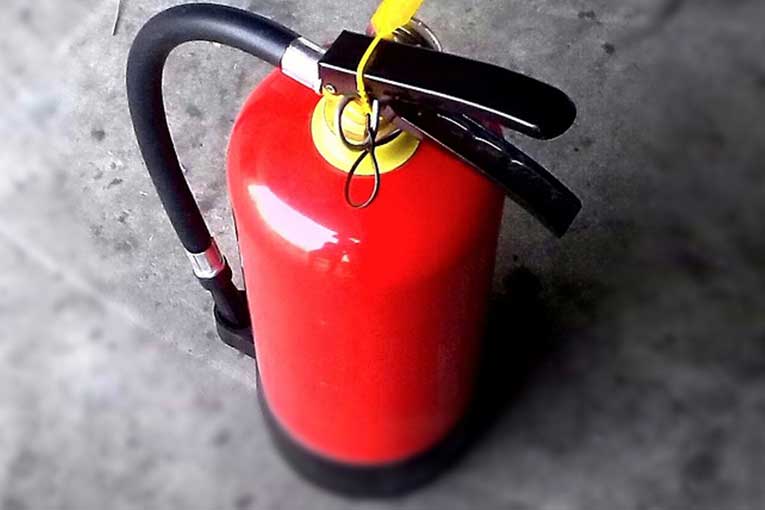
Portable and versatile, fire extinguishers are essential for promptly suppressing and extinguishing small fires. 

There are many different types of fire extinguisher, each containing specific firefighting agents such as water, foam, dry powder, or CO2. 

The diversity in extinguisher types ensures flexibility in addressing different classes of fires—whether involving ordinary combustibles, flammable liquids, electrical equipment, or gases. 

This adaptability allows firefighters and individuals to employ the most suitable extinguishing agent, enhancing the effectiveness of fire suppression efforts across a wide range of fire scenarios.

Fire Extinguisher Ball

fire extinguisher ball firefighting equipment
Source: Amazon

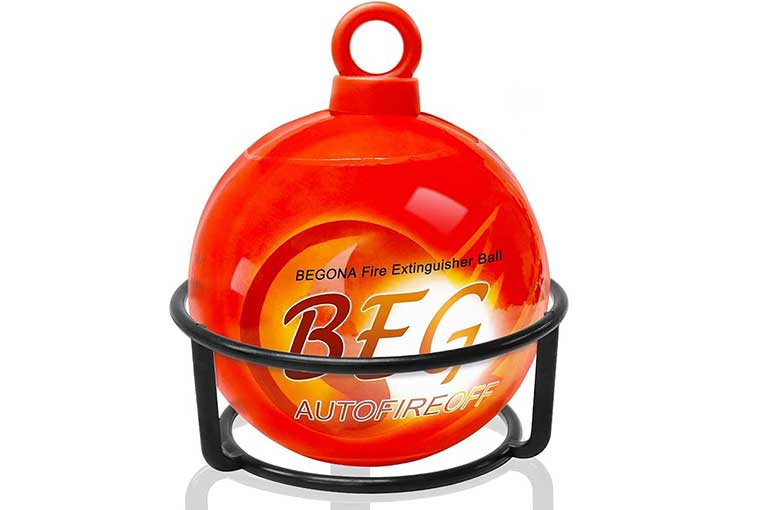
An innovative self-activating fire suppression system, the Fire Extinguisher Ball offers a unique approach to firefighting. 

When exposed to flames, the ball bursts autonomously, releasing a fine powder that swiftly and effectively extinguishes the fire. 

This ingenious device is particularly advantageous in confined spaces or areas with limited accessibility, where traditional firefighting methods might face challenges. 

The Fire Extinguisher Ball’s ability to initiate fire suppression independently makes it a valuable addition to fire safety measures, ensuring a rapid response even in scenarios where immediate human intervention may be difficult.

Fire Hoses

fire hose firefighting equipment

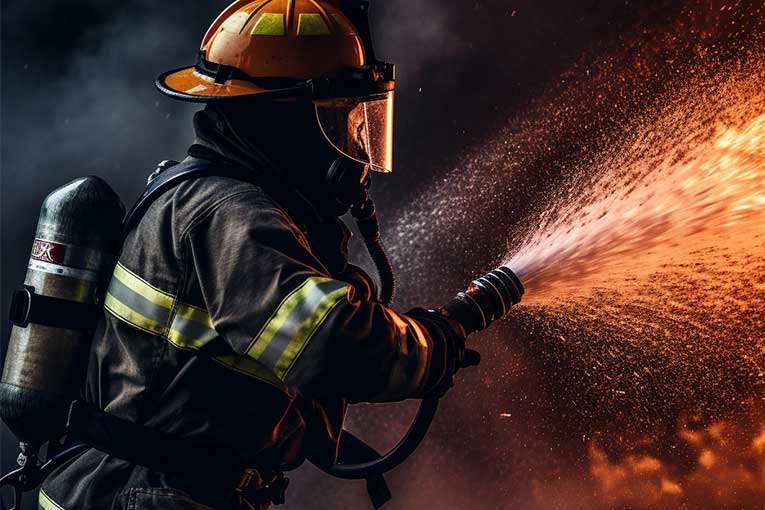
As one of the most prevalent tools in large-scale firefighting, fire hoses are indispensable for firefighters combating significant flames. 

These flexible and robust hoses serve as critical conduits, allowing the directed flow of water onto the fire. 

Their length and adaptability empower firefighters to reach remote or challenging locations, providing a versatile means of effectively delivering water to suppress fires. 

The strategic use of fire hoses enhances the agility and reach of firefighting efforts, enabling responders to address fires in diverse environments and mitigate potential challenges posed by the fire’s scale and intensity.

Hose Jets

fire hose firefighting equipment

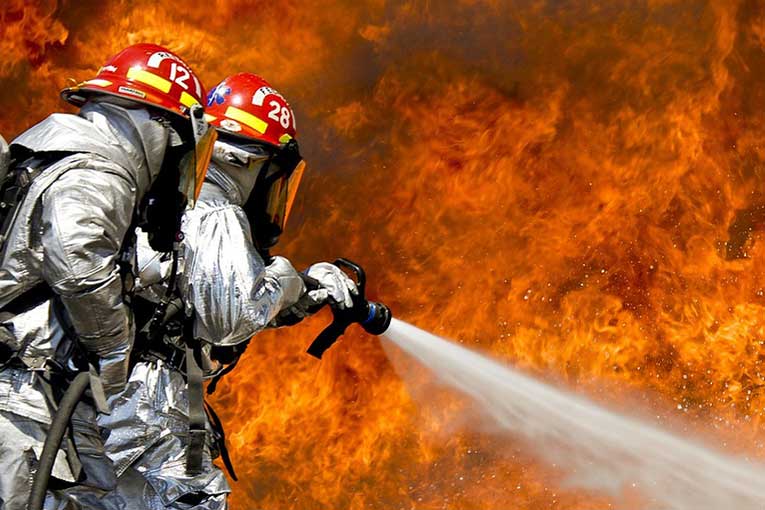
Hose Jets represent heightened firefighting capabilities, requiring the collaboration of two firefighters to handle their extra power. 

These specialised tools offer an elevated force and flow, allowing firefighters to exert increased control over the extinguishing process. 

With the ability to adjust the jet stream, firefighters enhance precision in directing water onto the flames, addressing specific firefighting requirements. 

The collaborative use of Hose Jets reflects a strategic approach, amplifying the effectiveness of firefighting efforts in scenarios where a more robust and targeted water delivery is essential to combat fires of greater scale or intensity.

Fire Buckets

fire buckets firefighting equipment

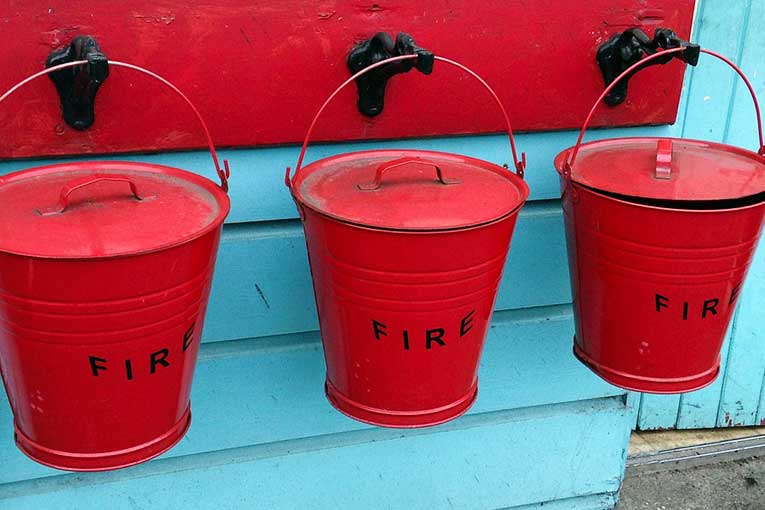
Simple in design yet highly effective, fire buckets are containers filled with either water or sand. 

Positioned strategically, these buckets serve as immediate response tools, offering a swift and accessible means to douse small fires or control sparks. 

Their simplicity makes them an essential first line of defence, providing an uncomplicated yet crucial tool in the initial stages of firefighting. 

Whether used by trained personnel or as part of fire safety measures in public spaces, fire buckets play a fundamental role in empowering individuals to take immediate action and contribute to fire containment efforts.

Flamezorb

flamezorb firefighting equipment
Source: Amazon

Flamezorb, a granular substance, serves as a rapid-response tool in firefighting by efficiently absorbing flammable liquids. 

When applied to spills, it swiftly neutralises and absorbs the substances, preventing the spread of fire. 

This versatile and effective tool finds particular utility in scenarios involving hazardous materials or potential chemical fires, where the quick containment of flammable liquids is essential to mitigate the risk of fire escalation. 

Flamezorb’s ability to address such specific challenges makes it a valuable asset in the firefighting arsenal, contributing to the overall effectiveness of fire suppression efforts in diverse and complex situations.

Fire Blankets

fire blanket firefighting equipment
Source: Amazon

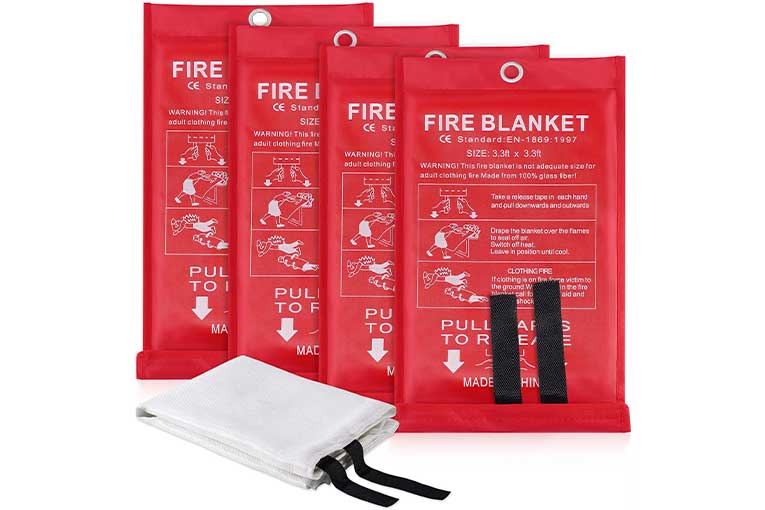
Constructed from fire-resistant materials, fire blankets emerge as versatile tools in firefighting and emergency response. 

Beyond their primary function of smothering small fires, these blankets provide a multifaceted solution. 

In emergency situations, they offer protection by wrapping around individuals, creating a temporary shield against flames and heat. 

The adaptability of fire blankets extends their utility beyond traditional firefighting scenarios, making them valuable assets in various emergency situations where rapid response and versatile tools are paramount to ensuring the safety of individuals and effectively addressing evolving challenges.

Fire Suit

fire suit firefighting equipment

Specially designed for the demanding challenges of firefighting, a fire suit is more than  a mere uniform – it’s a shield against extreme heat and flames. 

Crafted from fire-resistant materials, these suits envelop firefighters in a protective barrier during the most intense operations. 

With layers designed to withstand the harsh conditions of a fire, these suits are crucial in ensuring the safety and well-being of firefighters. 

The specialised construction of fire suits exemplifies the commitment to providing a robust defence against the hazards encountered in the line of duty, reinforcing the resilience of those who bravely confront the flames.

Firefighter Gloves

firefighting gloves firefighting equipment
Source: Amazon

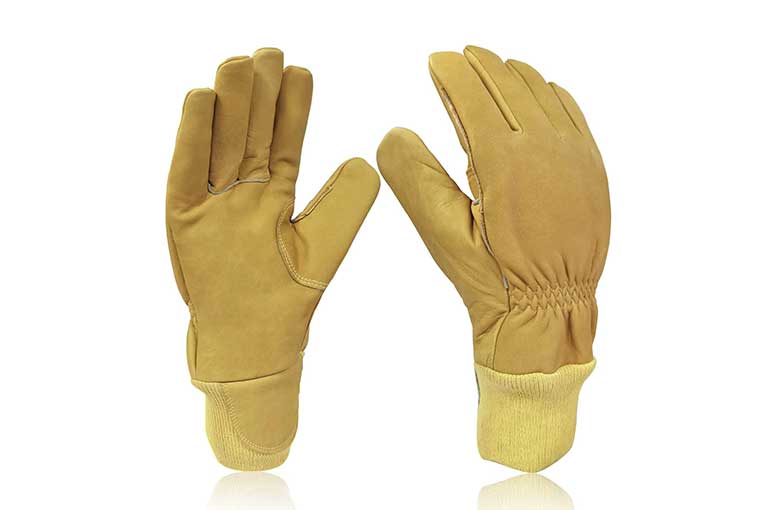
These gloves are essential for firefighters, offering crucial hand protection in the dynamic and intense environments encountered during firefighting operations. 

Crafted from materials resistant to high temperatures, they enable firefighters to handle hot surfaces and materials with confidence. 

The specialised design of firefighter gloves prioritises both dexterity and protection, allowing firefighters to navigate challenging situations while safeguarding their hands from the formidable heat generated in the course of combating fires. 

Gas Tight Suit

gas tight suit firefighting equipment
Source: Wikipedia

Comprising a multi-layered construction, these suits act as an impermeable barrier, creating a formidable shield between the firefighter and potentially harmful substances. 

Their purpose extends beyond conventional firefighting gear, addressing the specific challenges posed by chemical fires and the release of dangerous gases. 

By providing an encapsulating defence, gas-tight suits empower firefighters to navigate complex and perilous environments, ensuring their safety while enabling effective response and mitigation in the face of chemical hazards.

Drones

drones firefighting equipment

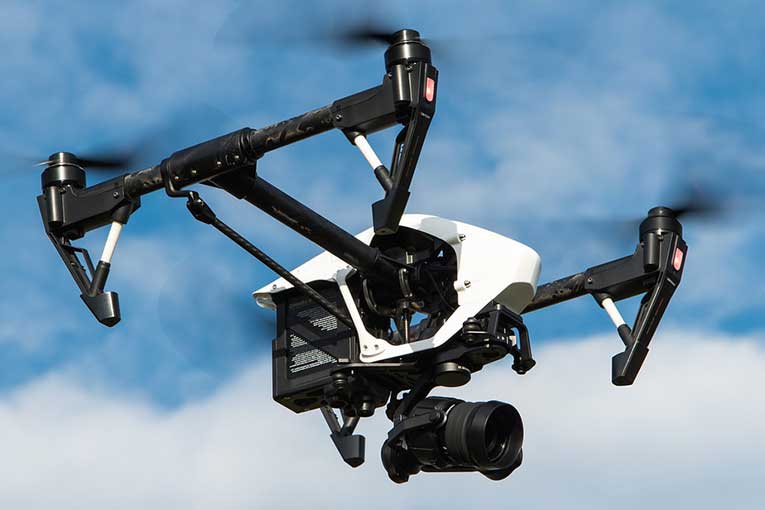
These unmanned aerial vehicles, equipped with advanced cameras, offer invaluable aerial views that significantly enhance fire assessment capabilities. 

Providing real-time situational awareness, drones become the eyes in the sky for firefighting teams. 

Their ability to swiftly survey large areas and capture critical information aids in strategizing and responding effectively to incidents. 

Drones not only contribute to the safety and efficiency of firefighting operations but also offer a technological edge, elevating the precision and speed with which responders can assess, plan, and execute strategies in the dynamic context of firefighting scenarios.

Thermal Imaging Camera

thermal camera firefighting equipment

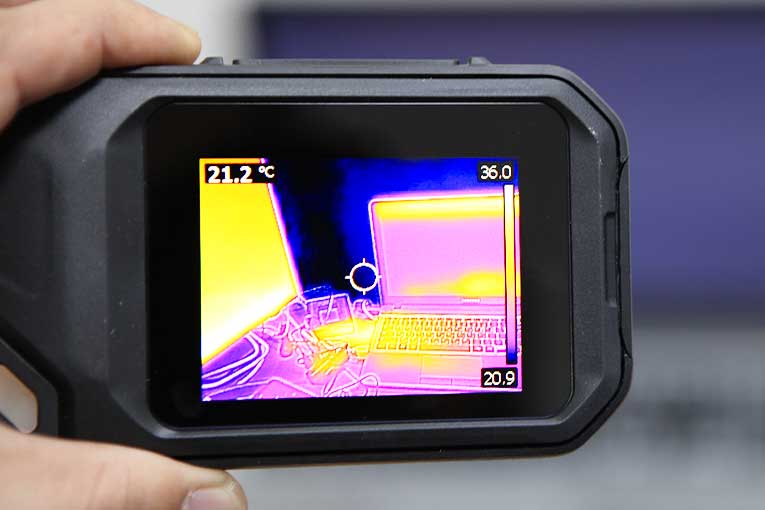
Thermal imaging cameras aid in locating individuals trapped in smoke-filled environments and identifying hotspots that may not be visible to the naked eye. 

The invaluable data provided by thermal imaging cameras enhances the efficiency and safety of firefighting operations. 

By offering real-time insights into the intensity and distribution of heat, these devices empower firefighters with the ability to make informed decisions, optimise resource allocation, and execute targeted strategies for suppressing fires and conducting search and rescue operations.

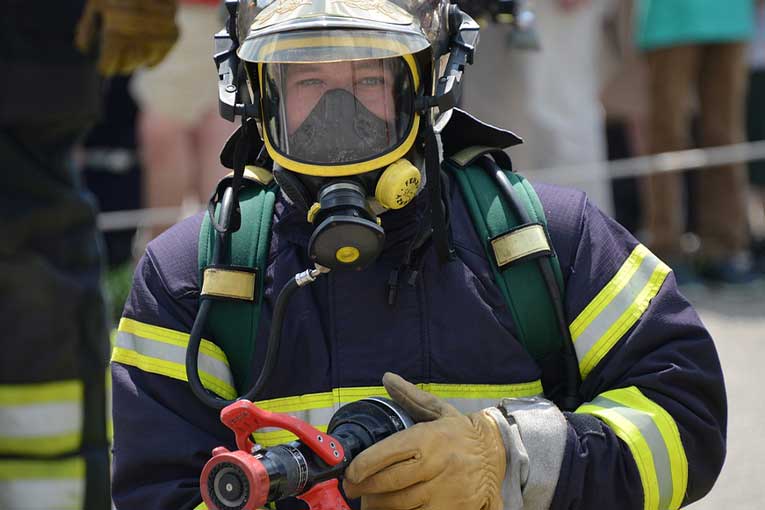
Breathing Apparatus

breathing apparatus firefighting equipment

In smoke filled environments, these devices play a crucial role in ensuring the safety of firefighters by providing a continuous supply of clean air. 

The reliability and functionality of these apparatuses exemplify their vital role in preserving the well-being of firefighters and ensuring their ability to execute effective firefighting and rescue operations in environments where clean air is a precious commodity.

Positive Pressure Ventilation Fan

positive pressure ventilation fans firefighting equipment
Source: Wikipedia

Positive pressure ventilation fans are devices designed to create airflow that effectively removes smoke and toxins from enclosed spaces. 

By generating a controlled and directed flow of air, these fans contribute significantly to improving visibility for firefighters within confined areas. 

Beyond enhancing visibility, the removal of smoke and toxins creates a safer working environment, allowing firefighters to operate more efficiently and with reduced exposure to hazardous substances. 

Ladders

ladders firefighting equipment

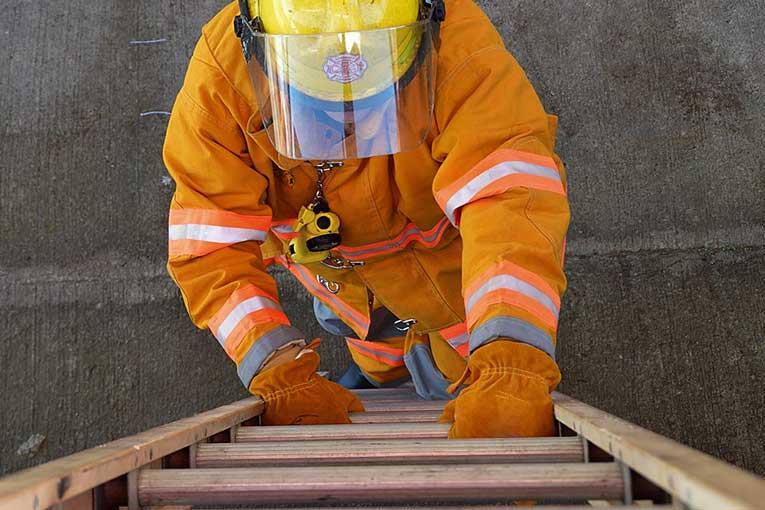
These versatile devices play a pivotal role in firefighting operations by enabling firefighters to access elevated areas, conduct rescues, and navigate challenging environments. 

Whether extending to reach upper floors of buildings or providing a stable platform for rescue operations, ladders enhance the agility and effectiveness of firefighting teams. 

Their portability and adaptability make them fundamental in addressing the diverse challenges posed by fires in varying structures and scenarios, contributing to the overall success and safety of firefighting operations.

Fire Fighting Vehicle

vehicles firefighting equipment

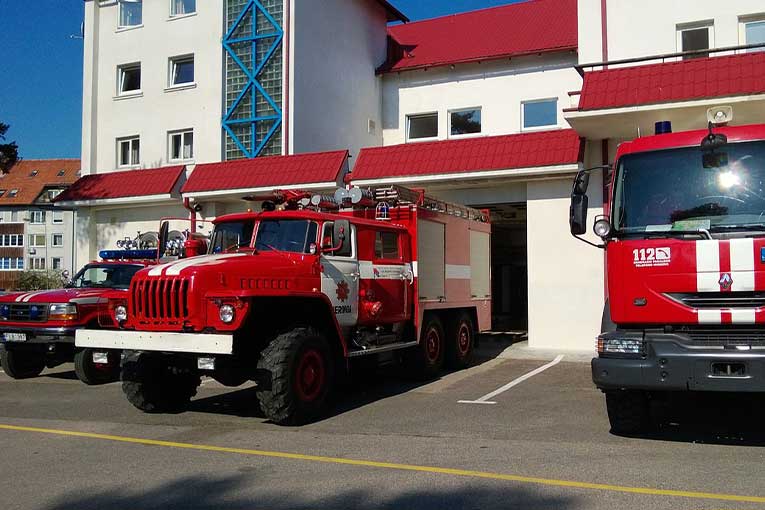
These vehicles carry essential firefighting tools, water tanks, and hoses, ensuring a swift and effective response to fire emergencies. 

Beyond their mobility, the specialised equipment on these vehicles equips firefighters with the resources needed to combat fires of varying scales. 

Whether navigating through urban environments or remote locations, these vehicles enhance the reach and capabilities of firefighting teams, playing a vital role in the timely containment and suppression of fires to protect lives and property.

How is Firefighting Equipment Used?

The strategic use of equipment is paramount, requiring a careful assessment of each fire’s unique characteristics. 

Firefighters, equipped with a diverse array of tools, employ a systematic approach to address different scales and types of fires.

Fire extinguishers, compact and versatile, find their application in swiftly suppressing small fires. 

Firefighters select the appropriate extinguisher based on the fire’s nature and discharge the firefighting agent with precision, aiming at the fire’s base. 

For larger incidents, fire hoses connected to water sources become instrumental. 

The hoses allow firefighters to direct water effectively, reaching inaccessible areas, while sprinklers automatically release water upon detecting excessive heat, contributing to fire containment.

Protective gear, including fire suits and gloves, plays a pivotal role in ensuring firefighters’ safety as they confront flames. 

These specialised garments shield against extreme heat, providing a critical barrier between the firefighter and the hazardous environment.

Cutting-edge technology, such as drones equipped with cameras and thermal imaging devices, offers invaluable insights. 

Drones provide aerial views, enhancing situational awareness for better decision-making, while thermal imaging cameras aid in locating individuals and identifying hotspots within a fire.

The use of firefighting equipment is not only reliant on the tools themselves but also on the skill, training, and coordination of firefighting teams. 

Firefighters undergo rigorous training to understand the capabilities and limitations of each tool, ensuring a synchronised and effective response to diverse fire scenarios. 

The strategic and well-coordinated utilisation of firefighting equipment remains a cornerstone in the battle against the unpredictable and destructive force of fires.

What Other Equipment Helps with Firefighting?

Some firefighting equipment is not directly used to directly put out fires, but it used to improve the safety and efficiency of firefighters.

Fire Sprinklers

fire sprinklers firefighting equipment
Source: Wikipedia

Installed in buildings, fire sprinklers are automatic devices that release water when detecting excessive heat. 

They play a crucial role in suppressing fire outbreaks and limiting damage in enclosed spaces. 

Strategically positioned, their rapid response significantly contributes to controlling fires, preventing their escalation, and protecting lives and property within structures.

Fire Doors

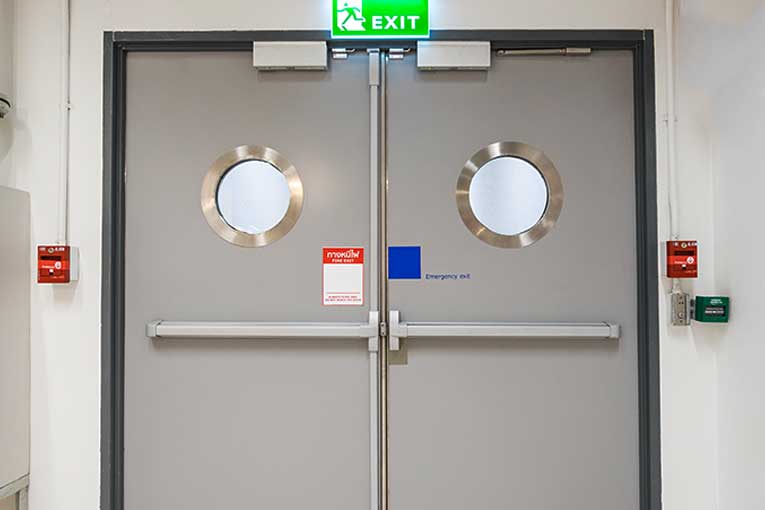
Specialised fire doors are meticulously designed to resist fire and smoke, acting as effective barriers to limit their spread within a building. 

These doors are critical components of passive fire protection systems, providing crucial time for evacuation and minimising the potential for fire extension.

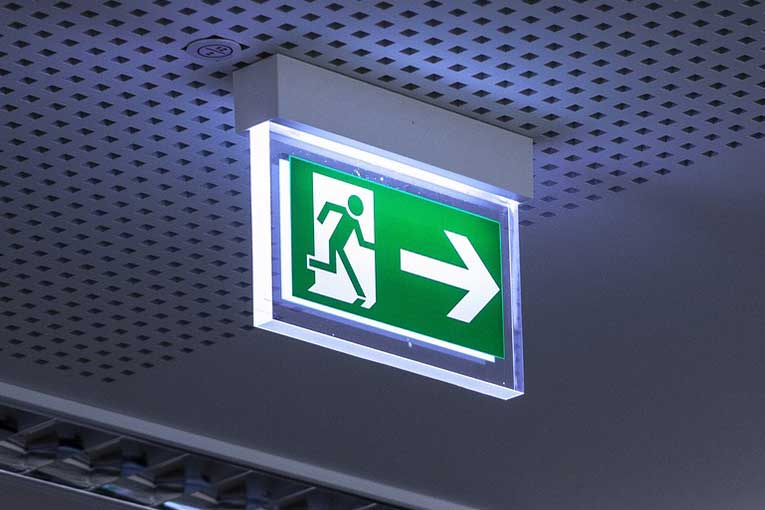
Emergency Signs

emergency signs firefighting supporting equipment

Clearly marked emergency lighting and signs are indispensable in ensuring swift and safe evacuation. 

These signs delineate evacuation routes and indicate the locations of firefighting equipment, guiding occupants to safety during fire emergencies.

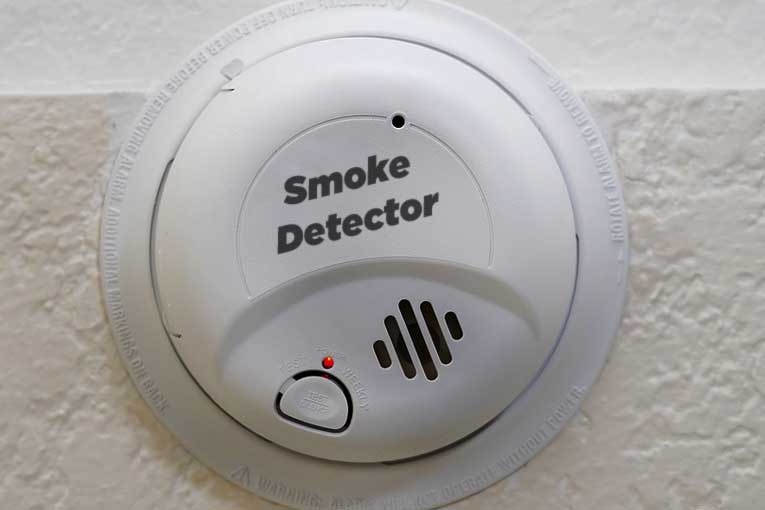
Smoke Alarms

There is 4 different smoke detector types

Essential components of early warning systems, smoke detectors are devices that promptly detect smoke, alerting occupants to potential fire hazards. 

Their rapid detection capability is pivotal in providing early warnings, allowing for timely response and evacuation.

The different types of smoke alarms ensure people can react quickly  to different types of fires.

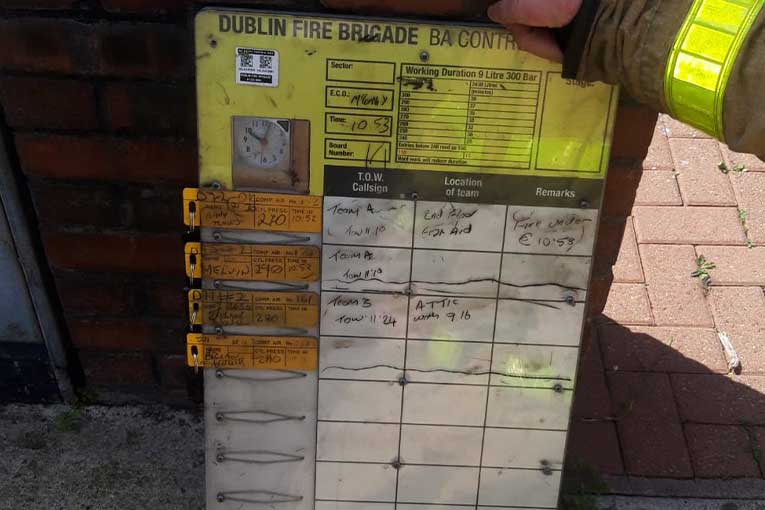
BA Entry Board

The Breathing Apparatus (BA) Entry Board serves as a control hub during breathing apparatus operations. 

It manages the entry and exit procedures of firefighters equipped with breathing apparatus, ensuring systematic and safe operations in environments with compromised air quality.

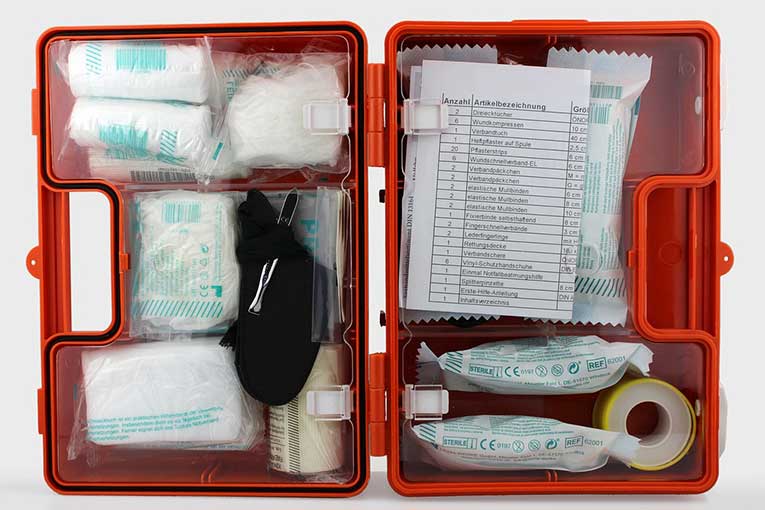
First Aid Kit

first aid kit firefighting supporting equipment

Containing medical supplies, first aid kits address injuries sustained during firefighting or rescue operations. 

They provide essential support until more extensive medical assistance is available.

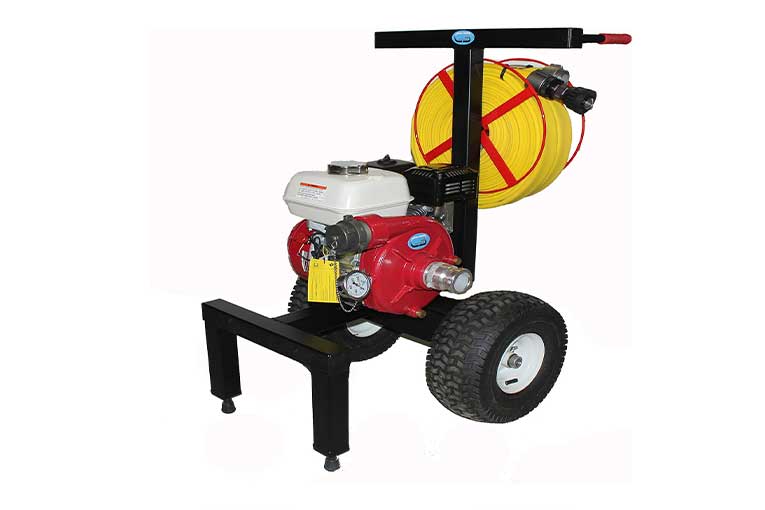
Light Portable Pump

light portable pump firefighting equipment
Source: Amazon

Compact and portable, light pumps are indispensable for transporting water to areas inaccessible to larger firefighting vehicles. 

These pumps enhance operational flexibility, providing firefighting teams with the ability to establish water supply points in diverse environments.

Cutters

cutters firefighting equipment
Source: Wikipedia

Cutting through materials obstructing access or rescuing individuals, cutters are versatile tools used by firefighters. 

They play a crucial role in extrication operations, enabling swift and precise interventions in situations where immediate access is essential.

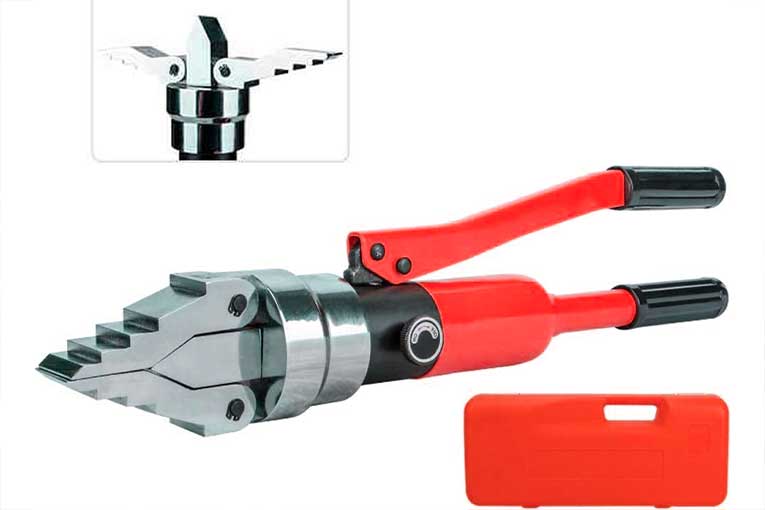
Spreaders

spreaders firefighting equipment
Source: Amazon

Hydraulic spreaders are powerful devices used to pry open objects or create openings in rescue situations. 

These tools are instrumental in providing access to trapped individuals, facilitating efficient rescue operations.

Rams

rams firefighting equipment
Source: Wikipedia

Hydraulic rams are tools designed to force open doors or create pathways during rescue operations. 

Their robust construction and power make them essential for situations where conventional access methods are insufficient.

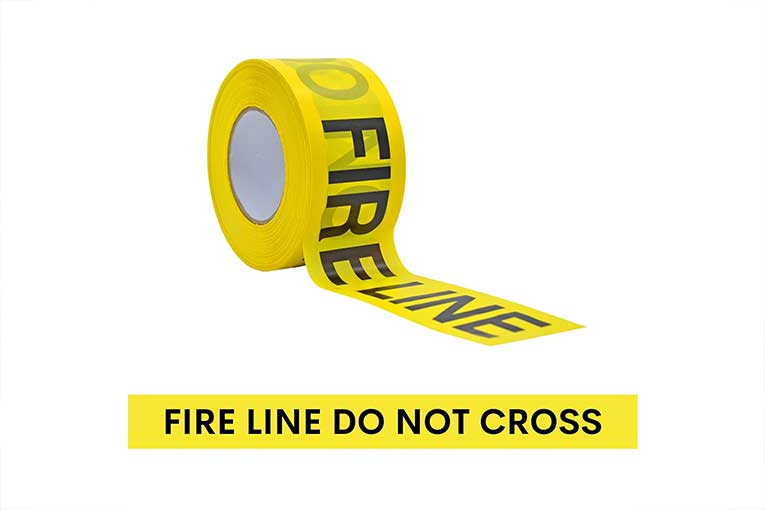
Do Not Cross Tape

do not cross tape firefighting equipment
Source: Amazon

Visible tape with the clear directive “Do Not Cross” is utilised to cordon off unsafe areas and control access to the fire scene. 

This tape ensures the safety of both emergency responders and the public by preventing unauthorised entry into potentially hazardous zones.

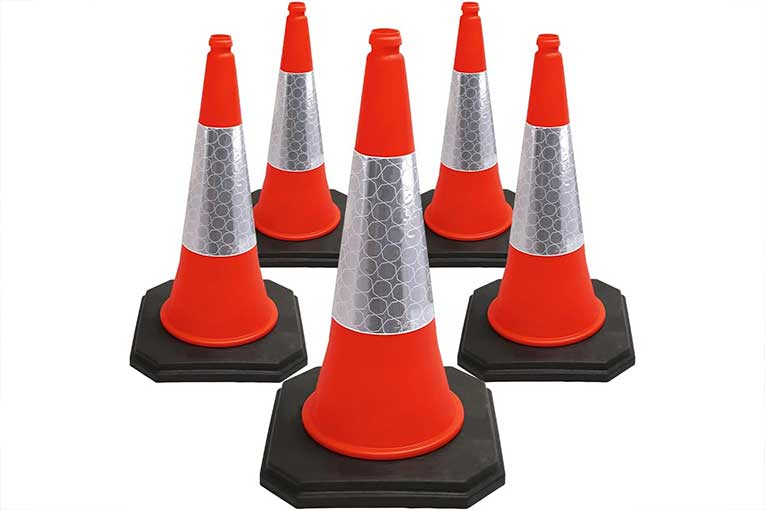
Traffic Cones

traffic cones firefighting equipment
Source: Amazon

Deployed to manage traffic and create clear pathways for emergency vehicles, traffic cones are essential in ensuring unimpeded access for firefighting teams. 

These cones play a crucial role in maintaining order and facilitating the rapid movement of emergency vehicles to and from the incident scene.

What Does the Future Hold for Firefighting Equipment?

The future of firefighting equipment holds exciting possibilities, driven by advancements in technology, materials, and design. 

One prominent trend is the integration of smart technologies, such as artificial intelligence and the Internet of Things, into firefighting gear. 

This includes wearable sensors and augmented reality visors that provide real-time data to firefighters, enhancing situational awareness and decision-making. 

Innovations in materials science are shaping the development of more lightweight yet durable protective gear, addressing comfort and mobility concerns for firefighters. 

Nanotechnology may lead to advanced flame-resistant fabrics, ensuring greater protection against extreme temperatures. 

Additionally, the use of robotics in firefighting, ranging from autonomous vehicles to robotic firefighting assistants, is on the horizon.

As climate change intensifies, firefighting equipment is likely to evolve to cope with more frequent and severe wildfires. 

This may involve the development of specialised tools for wildfires and improved strategies for early detection and prevention. 

The collaborative efforts of researchers, engineers, and firefighters promise a future where technology plays a pivotal role in enhancing the safety, efficiency, and effectiveness of firefighting operations, ultimately better equipping first responders to address evolving challenges.

Conclusion

The array of equipment at a firefighter’s disposal is vast and diverse. 

From traditional tools that have stood the test of time to cutting-edge technology ensuring efficiency and safety, each item plays a crucial role in combating fires and protecting lives. 

The continuous evolution of firefighting equipment reflects a commitment to enhancing the capabilities of those who bravely confront the unpredictable nature of fires. 

As technology advances, so does our ability to respond effectively to fire emergencies, ensuring a safer and more resilient future for communities worldwide.

IFSJ Exclusive: Private-public firefighting power

By Kees Kappetijn, consultant at Kappeijn Safety Specialists and Jimi Korst, tactical commander and team leader at Unified Fire Service Amersterdam

The success of public-private fire safety and response largely depends on shared safety interests and mutual confidence between the partners involved, as is demonstrated in the Amsterdam Sea Port area. In April 2020 a public-private firefighting organisation was established in the Dutch capital for the extensive harbour- and industrial zone west of the city.

Public authorities and industry joined hands in order to raise the level of fire safety and incident response in this dynamic economic hub in The Netherlands. Three years after take-off the initiative proves to be very successful and the next steps for further development are taken.

Unified Fire Service Amsterdam started as collective company fire service for 15 industrial sites in the Amsterdam Sea Port. Three years later 16 new members joined the cooperation.

The intensive logistic and industrial activity and the mutual ‘chain dependency’ in a densely populated urban area lead to an accumulation of risks, requiring smart concepts for ensuring safety, security and incident response. The risk profile of the area runs from smaller fires and spills in logistic units and test-installations of start-ups, to fires in large solar fields and tank storage facilities.

Effective incident response by a dedicated industrial response team are a ‘must’ in this economic vital area.

Major incidents could cause extensive disruption to industrial continuity and logistical flows and also considerable financial loss for the port and industrial companies. Effective incident response by a dedicated industrial response team, trained and equipped for the typical risks in the area, are therefore a ‘must’ in this economic vital area.

Stakeholders and interests

GBA took shape in Amsterdam there was a mutual aid organisation in the area already, focussing on preparation for tank and bund fires. In 2009 five large oil storage terminals in the Amsterdam agglomeration joined forces in establishing the Amsterdam Mutual Aid System (AMAS). They collectively purchased large scale firefighting equipment, such as high-capacity pumps, water transportation hoses, foam supply and high-capacity monitors.

The public component was added by two adjacent public firefighting organisations (Amsterdam-Amstelland and Kennemerland) to form the AYMA-collaboration: Amsterdam-Ymond Mutual Aid, thus ensuring the availability of trained personnel for firefighting operations.

Until three years ago the Amsterdam western harbour area had very little facilities for basic industrial incident response. There was no fire station in the extended area and only a few companies were required to maintain a company fire brigade by law. They largely covered their risks by implementing stationary fire safety systems. In case of fires and accidents in the harbour area the public fire service had to respond from fire stations in the Amsterdam urban areas, often at far distances, especially in the western parts of the industrial zone.

In 2015 a study for improving the fire safety and incident response in the western harbour area resulted in an advisory report, concluding that a public-private mutual aid fire brigade was the best option to raise the preparedness level in the area. All stakeholders involved: the Safety Region Amsterdam, the City of Amsterdam and the Port of Amsterdam as ‘housekeeper’ in the port area, saw the need of investing in a dedicated 24/7 fire brigade, properly equipped and trained for industrial incident scenarios.

After three years of preparation GBA was established in 2020 with a formation of 30 firefighters and a flex pool of 10 industrial firefighting specialists, ensuring the first incident response 24/7 with a six-member operational team from a fire station within the harbour area. One standard fire engine and an industrial foam tender are at their disposal.

Port authority as partner

GBA is an independent incident response organisation, serving three ‘customers’: the industry collective, counting 31 member companies meanwhile, the Safety Region Amsterdam-Amstelland and the Port of Amsterdam. These three partners also form the board of the organisation, in a 6-seat model. Two seat for industry, two seats for the public fifi-service and two seats for the harbour authorities, being a PPP in itself. So there is no majority for public or private partners, all decisions must be discussed and need a PPP majority.

There is no majority for public or private partners, all decisions must be discussed and need a PPP majority.”

By providing swift and professional incident response in case of fires and accidents GBA contributes to that safe business environment. Apart from incident response GBA also provides proactive and preventive safety advice and maritime and shipping incident response. In the first three years of its existence GBA proved its value in terms of rapid incident suppression and limited damage. The safety in the industrial zone has improved considerably, making the area attractive for new industries to settle. Altogether the Amsterdam PPP-model is a win-win construction for all three stakeholders involved.

Added value for public and private partners

The Western Sea Port area of Amsterdam is the ideal environment for establishing a public-private mutual aid incident response organisation. The harbour area is situated on the border area of three public safety regions, contains an extended cluster of industrial and storage facilities and has an intricate infrastructure for transportation.

While the public and private stake holders rely on each other in process chains and logistics, they share strong interests of safety and security. For that reason they decided to also share the costs for investments in better preparedness, response capacity, training and maintenance. The three stake holders each contribute for one third in the costs. The industrial contribution is split over a total of 31 companies, minimising the costs for individual member companies. Moto for the industry: for 2% of the cost you get 100% of the services.

The growth of the GBA organisation to 31 companies within three years proves that the industry in the Amsterdam harbour area believes in the ppp-model. The key to success are the services GBA provides to its members. That service extends beyond quick response in case of fire and accidents. GBA offers added services like safety advice, preparation by joined exercises, educating CMT-teams and support for fire safety audits.

A fire brigade that is familiar with the company site, its risks and the values that have to be protected, is better prepared to set priorities in case of incidents and to apply the right strategy to control the incident and limit the effects. This approach makes GBA not only the ideal safety partner for high risk-companies but also for capital intensive companies such as a shipyard, consumer alcohol storage, large logistic storage facilities for luxury products and cocoa production companies.

Further evolution

GBA is the result of the joined ambition of the three stakeholders: Safety region Amsterdam-Amstelland, Port of Amsterdam and the collective of member companies, partners that dared to experiment with a smart and innovative organisation model without any management layers and with alternate duty schedules. In the design- and building phase, personnel were carefully selected, not only on operational skills but also on additional gifts like management capabilities.

GBA plays an important role in improving the safety in the harbour area of Amsterdam.

After being operational for three years it is clear that GBA plays an important role in improving the safety in the harbour area of Amsterdam. The number of responses is considerably higher than estimated in the design phase. In 2022 298 incidents were reported, most of which were relatively small and in the public area.

Meanwhile the Amsterdam PPP mutual aid initiative has its focus on the future, planning further evolution and added services. GBA hopes to extend the cooperation with other public services in the harbour regions in time, such as police and customs, in order to improve the integral safety in the area. Also, GBA has the intention to invest in the cooperation with other PPP-platforms in the Netherlands, by sharing knowledge and experiences and in time perhaps also their heavy-duty equipment and capacity in case of extensive industrial fires or temporary unavailability of equipment components. ‘Stronger together’ in specialised industrial incident response.

This article was originally published in the April edition of IFSJ. To read your FREE digital copy, click here.

Firefighters have the most dangerous job in the UK

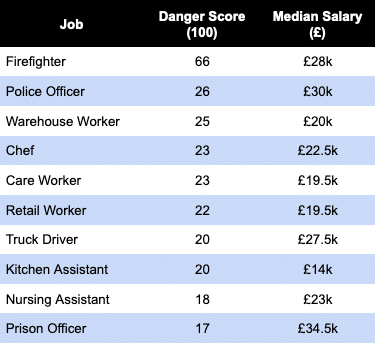
  • Firefighting is the most dangerous job in the UK, with the highest injury rate
  • However, on average, Brits overestimate firefighters’ salaries by £7,000 a year
  • Construction work is the deadliest industry overall, although none of the individual jobs rank in the top 10
  • Police officer and warehouse workers rank second and third on the dangerous jobs index
  • Chefs and care workers are among the most hazardous jobs – filling out the top five
  • Most dangerous jobs typically only pay between £20-£30,000k
  • Over a third (35%) of those with a dangerous jobs don’t have life insurance

A new study by Forbes Advisor finds being a firefighter is the most dangerous job of all, with over 47,000 injuries over the past five years.

Using government data, experts at Forbes Advisor have compiled a list of the most dangerous jobs in the UK based on the number of deaths and injuries over five years in each profession.

Forbes Advisor also conducted a survey of 2,000 UK adults to ask Brits what they thought the most dangerous jobs were, as well as what they pay.

The median salary for a firefighter in the UK is £28,000, but, on average, most respondents thought a firefighter made £35,000 annually, overestimating their salary by £7,000.

Following firefighters, the study shows that the second and third dangerous jobs are police officer and storage worker, followed by chefs and care workers in fourth and fifth position.

Source: Forbes Advisor

Forbes Advisor’s study looked through data from the Health and Safety Executive and the Home Office to determine which job is the most dangerous, giving the highest weighting to deaths, followed by injuries and injury rate, between 2015 and 2020.

With regards to dangerous industries, construction heads the list, although specific professions within the sector do not feature in the top 10 dangerous jobs table, as each one separately scores less than jobs in other areas. 

The three most dangerous jobs in the construction industry are tradespeople, builders, and civil engineers, totaling 181 deaths between 2015 and 2020.

While most Brits agree that people in dangerous professions should be paid more, most of the jobs that are considered dangerous do not pay above £30,000 a year, sometimes under £20,000, and lower than the national median wage of £33,000.

This is confirmed by Forbes Advisor’s survey, which asked respondents what their yearly salary was, and whether or not they considered their jobs to be dangerous.

The most common wage response (35%), for those who consider their jobs to be dangerous, was between £20,000 and £40,000 a year. Of those who made over £100,000 a year, 6% said they had a dangerous job, in contrast to 10% who said their line of work was not dangerous.

When asked what salary they would demand in order to accept a job where they have a one in four chance of getting seriously hurt or injured, the average Brit would not accept an offer under £94,000 a year, with nearly one in four (24%) saying they would not take such a risk in the first place.

For those with jobs where one might get seriously hurt or die while on the job, a life insurance policy is a good idea to make sure one’s family receives support after they die. However, more than a third (35%) of those who said their job was dangerous admitted not having life insurance.

Kevin Pratt, personal finance expert at Forbes Advisor, said: “Anyone with dependants should have life insurance, and it makes particular sense for those with high-risk occupations, whether that is a firefighter, someone on a building site, or a chef in a hectic kitchen.

“If you die without life insurance in place, your family will likely struggle with the burden of the rent or mortgage and all the other bills and expenses that families encounter. But the proceeds of a life insurance policy can make up for the loss of your income, providing a financial safety net at a time of deep distress.

“No-one likes to think of their own death, but those in high-risk occupations are reminded every day of the dangers they face. Arranging insurance cover is straightforward and relatively inexpensive – premiums reflect your age and occupation, starting at around £20 a month.

“Whatever your line of work, and even if you don’t have a traditional job beyond looking after the home and family, you should ask yourself a question: Am I guaranteed not to die before everyone who depends on me is financially self-sufficient? The answer, of course, is no. That is why life insurance is a good idea for everyone.”