Vietnam strengthens forest fire response in Tuyen Quang following March fires

Forest fire response in Tuyen Quang intensifies after directive from Prime Minister

The Vietnamese government has ordered departments and provincial authorities to strengthen forest fire prevention, response and recovery efforts following recent forest fires in Hoang Khai Commune, Yen Son District, Tuyen Quang Province.

According to Vietnam.VN, the Prime Minister issued Official Dispatch No. 25/CD-TTg on 22 March 2025, instructing local authorities to address the consequences of the fires and implement proactive prevention measures.

The Chairman of the Tuyen Quang Provincial People’s Committee has since assigned responsibilities to local departments, military forces, and law enforcement to carry out this directive.

Authorities have been tasked with strengthening forest protection forces, developing site-specific response plans, and increasing awareness of fire prevention regulations.

Local People’s Committees are to organise 24/7 on-duty teams in high-risk areas and apply the “four on-site” principle—on-site leadership, on-site forces, on-site equipment and on-site logistics—to ensure quick response.

Local governments and departments tasked with implementing forest fire measures

District and city People’s Committees are working with relevant departments to enhance forest fire prevention efforts.

These include reviewing and reinforcing their Steering Committees for Forest Protection and Development and deploying rapid response teams.

Authorities have also been directed to update and distribute forest fire alert levels through mass media, and temporarily suspend logging and burning activities during hot and dry weather conditions.

Violations related to forest management and illegal logging are to be strictly investigated and penalised.

The Department of Agriculture and Environment will take the lead in coordinating implementation of these tasks with district and city authorities.

Forest recovery plans initiated in fire-affected districts

Yen Son and Son Duong Districts have been instructed to implement reforestation plans in areas affected by fire.

Local authorities must ensure no illegal encroachment or misuse of forest land during this process.

Investigations are underway to determine the causes of the recent fires, and disciplinary action will be taken against any individuals or organisations found to be responsible, according to regulatory procedures.

Injured individuals and families of those killed while fighting fires will receive visits and support.

The Provincial Red Cross has called for donations from businesses, individuals, and local organisations to provide additional relief.

Forest fire response to be supported by military, police, and forestry boards

The Provincial Military Command and Provincial Police have been instructed to coordinate with local forestry forces and government units.

Their role is to support forest fire suppression, manage resources, and ensure equipment is available.

They will also inspect compliance with forest protection laws and monitor acts such as illegal logging and burning.

Special-use and protective forest management boards, as well as forestry companies, are increasing patrols to identify risks early and act promptly.

Media organisations, including Tuyen Quang Newspaper and provincial radio and television, have been tasked with conducting public information campaigns on fire prevention rules, especially during the dry season.

Vietnam strengthens forest fire response in Tuyen Quang following March fires: Summary

Geology and fire safety laws approved in VietnamThe Vietnamese government is coordinating a multi-agency response to forest fires that recently occurred in Hoang Khai Commune, Yen Son District, Tuyen Quang Province.

According to Vietnam.VN, the Prime Minister issued Official Dispatch No. 25/CD-TTg on 22 March 2025.

The document instructs local authorities to improve fire prevention and control measures.

District People’s Committees are revising prevention plans and coordinating fire response teams.

The Department of Agriculture and Environment is leading implementation and has been instructed to monitor, inspect and update fire alerts.

Reforestation and recovery plans are underway in fire-affected districts.

The Provincial Red Cross has launched support efforts for families of fire victims.

Military and police units have been instructed to support local firefighting activities.

Forest protection units are increasing patrols and enforcement.

Media outlets are to promote awareness and compliance with fire prevention regulations.

Australian Seasonal Bushfire Outlook Spring 2024

AFAC has released the Seasonal Bushfire Outlook for Spring 2024.  

The Seasonal Bushfire Outlook for Spring 2024 shows increased risk of fire for large areas in NT and Queensland, as well as far west and southwestern Victoria, and the southeast corner of SA.

Mean temperatures for the year to date have been above average to very much above average for most areas, with areas of western WA and northern SA experiencing highest on record maximum temperatures for the period. August saw widespread above average temperatures and was the warmest August on record.

For spring, there continues to be an increased likelihood of unusually high maximum temperatures across most of Australia. There is an increased chance of above average rainfall for much of NSW, Queensland, eastern Tasmania and far southeast SA, while large parts of WA have an increased chance of below average rainfall.

For this outlook period, increased risk of fire for southern and central Queensland is driven by dry grasslands caused by winter frosts and dry winds. In northern Australia, unseasonal rainfall in Queensland and NT has led to increased fuel loads. In both cases, fire authorities warn of increased fire danger as temperatures increase.

Further south, large parts of southeast SA and WA and parts of Tasmania received rainfall in the lowest 10% on record for the first half of the year. However, August saw above average to well above average rainfall in both southwest WA and western Tasmania, easing dry conditions in the region. Fire authorities are advising communities of the potential for an early start to the fire season in parts of SA and Victoria, and extending to Tasmania if warm and dry conditions continue to dry out fuels towards summer.

While other parts of Australia show normal risk of fire during this outlook period, communities are encouraged to be vigilant and stay alert through winter months. Destructive and deadly fires can still occur during normal bushfire seasons across Australia.

AFAC CEO Rob Webb urged communities to prepare and adhere to advice of local fire authorities this spring.

‘Fire and emergency services are prepared for the fire season ahead and are here today to encourage communities to do the same,’ Mr Webb said. 

‘Now is the time to make a plan. Understand your local risk, know where you will get your information, and talk to your family about what you will do.’

This Seasonal Outlook was developed by the Bureau of Meteorology, Queensland Fire Department, the NSW Rural Fire Service, ACT Emergency Services Agency, ACT Parks and Conservation Service, Country Fire Authority, Department of Energy, Environment and Climate Action Victoria, Tasmania Fire Service, SA Country Fire Service, Department of Fire and Emergency Services and Department of Biodiversity, Conservation and Attractions WA, Bushfires NT and AFAC.

Greek authorities investigate wildfires as arsonist suspected

Wildfires in Greece under investigation

Greek authorities are investigating the possibility that the wildfires threatening Athens were started by a single arsonist.

Civil protection minister Vassilis Kikilias stated that officials found evidence suggesting the fire near Athens was caused by arson, combined with extreme weather conditions.

A fire service spokesman noted the challenges faced by the force, stating: “Almost every 10 minutes a new fire breaks out.”

In Koropi, a storage facility and at least one home were destroyed, with the flames spreading to a boat dry dock and across fields of dry grass and olive trees.

Authorities have evacuated two nearby villages as a precaution.

The heatwave has also led to several foreign tourists dying or going missing while hiking.

Among them, 59-year-old American tourist Albert Calibet has been missing since last Tuesday on the island of Amorgos.

At least five tourists have been found dead on the Greek Islands in recent weeks.

Fire protection technical reports deadline

Today marks the deadline for the submission of fire protection technical reports by property owners near or within forested areas in Greece.

After submitting the technical and risk reports prepared by relevant scientists, property owners must complete necessary interventions by the end of June.

These include pruning trees, shrubs, and removing combustible materials, followed by submitting a Fire Protection Regulation compliance report.

Government sources indicate that no extension of the deadline is currently planned.

The priority is for citizens living close to or within forested areas to take necessary actions to prepare for potential fires.

Scientists are expected to inform property owners about the risks and recommend measures based on their financial capabilities.

The aim is to protect lives and property while easing the fire brigade’s efforts.

Implementation of fire protection measures

This year’s Fire Protection Regulation declarations will also serve as a practical exercise for relevant agencies to identify gaps, shortcomings, and omissions in the process.

The declarations, submitted manually or by email by scientific engineers, surveyors, foresters, or agronomists, will help in planning future interventions.

The application of measures for compliance has been suspended for this year, with mandatory measures focusing on the first line of protection from fire.

These include clearing branches and trees adjacent to buildings, dry grass, bushes, rubbish, and other combustible materials outdoors.

Property owners have until June 30 to complete these tasks and submit their declarations on the online platform.

Why are Firetrucks Red?

Firetrucks, with their distinctive red hue, stand out as symbols of rapid response to emergencies, commanding attention on roads and streets worldwide. 

But why are firetrucks red?

The vibrant red colour has become synonymous with the urgency and gravity of firefighting efforts. 

While the sight of red firetrucks is deeply ingrained in our collective consciousness, the origins of this colour choice remain shrouded in curiosity and speculation.

In this article, we will delve into the mystery behind the enduring tradition of painting firetrucks red.

Why are Firetrucks Red?

why are firetrucks red image

Firetrucks, with their bold and unmistakable red hue, have become iconic symbols of emergency response. 

The choice of this vibrant colour is deeply rooted in tradition. 

As to why firetrucks are red, the short answer is nobody knows for sure.

However there are numerous theories as to why, with some of the most common being:

Cheapest Colour of Paint

firetrucks red cheapest paint

One widely circulated theory suggests that red became the colour of choice for firetrucks due to its historical status as the least expensive colour of paint. 

In the early days of fire departments, when budgets were tight and they were mostly volunteers, the cost-effectiveness of red paint made it an economical choice. 

This theory reflects a pragmatic approach, where fire departments aimed for a uniform and easily recognizable colour without straining their limited resources.

Most Expensive Colour of Paint

firetrucks red most expensive paint

Contrary to the cost-effectiveness theory, another perspective argues that red was intentionally chosen as the most expensive colour of paint. 

In this view, fire departments sought high-quality, durable paint to protect their vehicles from the elements and enhance their visibility. 

While this theory challenges the notion of frugality, it underscores the importance of investing in materials that ensure the longevity and effectiveness of firefighting equipment.

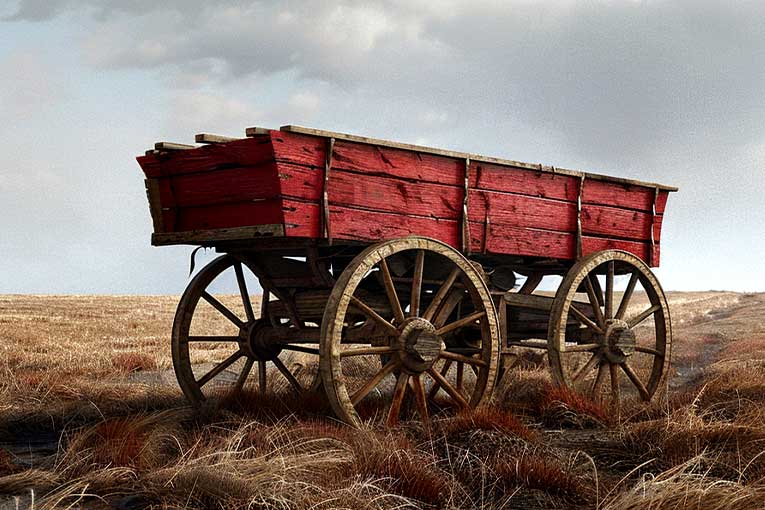
Farmers

firetrucks red farmers carts

An interesting historical twist connects the colour choice of firetrucks to the practices of farmers. 

During the early days of fire departments, when acquiring vehicles for their fleets, departments often obtained used trucks from farmers. 

Farmers, who commonly painted their carts red to hide dirt and grime, unintentionally contributed to a surplus of red-painted carts that fire departments adopted. 

This theory highlights the influence of practicality and resourcefulness in shaping the colour palette of firefighting fleets.

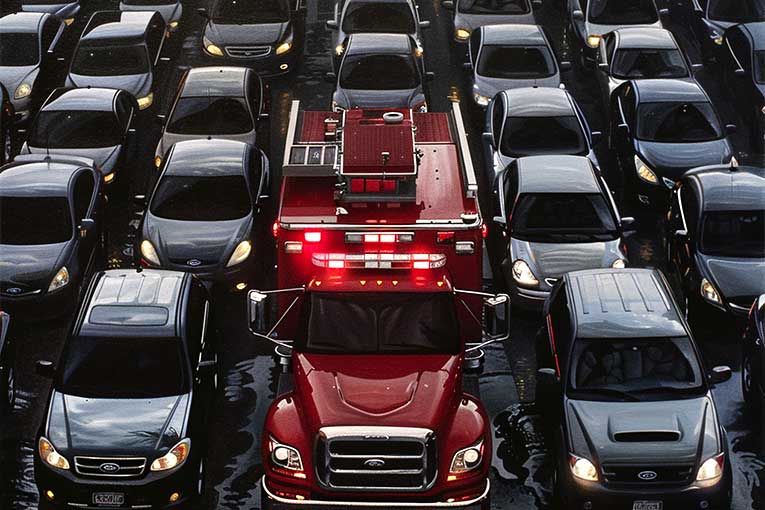
Displaying Urgency

firetrucks red urgency

The early 20th century, marked by the dominance of black-coloured Ford cars, introduced another theory regarding the choice of red for firetrucks. 

In an era where many vehicles were black, fire departments opted for red to stand out and convey a sense of urgency. 

The stark contrast between the red firetrucks and the sea of black vehicles on the road facilitated quick identification and emphasised the critical nature of their mission.

An Old Joke

firetrucks red old joke

“Because they have 8 wheels and 4 people on them, and 4 plus 8 makes 12, and there are 12 inches in a foot, and 1 foot is a ruler, and Queen Elizabeth was a ruler, and Queen Elizabeth was also a ship, and the ship sailed the seas, and there were fish in the seas, and fish have fins, and the Finns fought the Russians, and the Russians are red, and fire trucks are always ‘Russian’ around, so that’s why fire trucks are red!”

Adding a humorous twist to the discussion is a centuries-old joke that offers a playful explanation for why firetrucks are red. 

According to this whimsical theory, the colour choice is a result of a convoluted chain of associations involving wheels, rulers, ships, fish, and even geopolitical references. 

While clearly a jest, this theory highlights the lighthearted and imaginative interpretations that have woven their way into the lore surrounding firetruck colours.

Can Firetrucks be Other Colours?

While red remains the traditional and widely recognized colour for firetrucks, fire departments around the world have occasionally deviated from this norm, experimenting with different colours for various practical and strategic reasons. 

These alternative colour choices not only break with tradition but also serve specific purposes in enhancing safety, visibility, and aesthetic appeal during emergency responses.

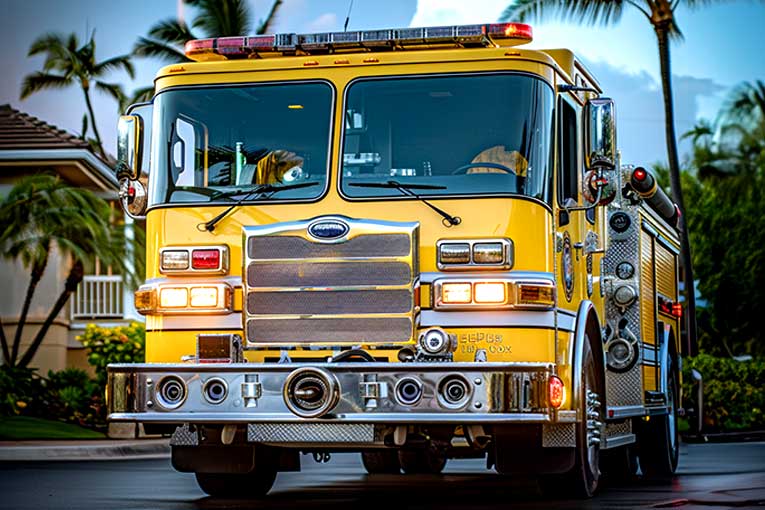
Yellow

yellow firetruck

Yellow firetrucks are occasionally employed to address specific challenges posed by rural environments. 

The vibrant and contrasting colour of yellow enhances visibility, making the trucks more noticeable, especially in expansive rural landscapes. 

This increased visibility is crucial for navigating challenging terrains and locating emergency sites efficiently. 

A notable example is the use of yellow firetrucks in Australia, in regions where the topography and vegetation necessitate heightened visibility for effective emergency response.

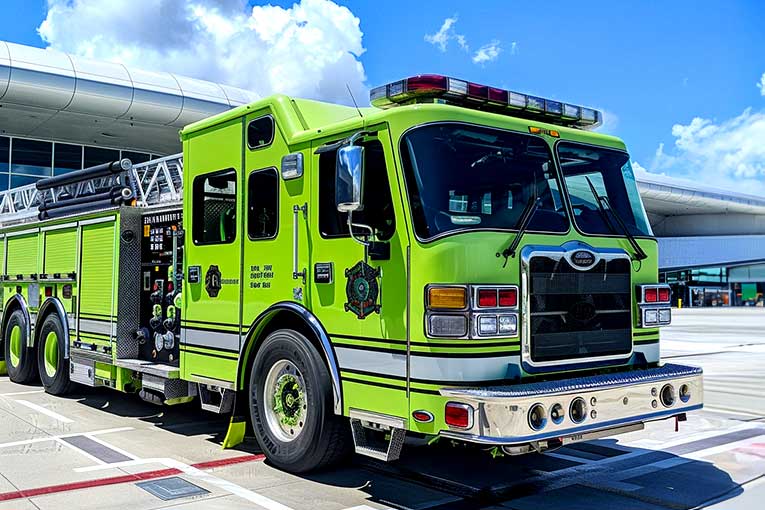
Lime Green

lime green firetruck

Lime green has emerged as a colour choice motivated by a desire to maximise visibility both during the day and at night. 

This highly visible hue stands out in various lighting conditions, ensuring that firetrucks are easily spotted by motorists and pedestrians alike. 

Fire departments adopting lime green firetrucks prioritise safety and awareness during emergency responses. 

This choice is particularly evident in urban areas where diverse lighting scenarios demand enhanced visibility. 

Several examples showcase fire departments incorporating lime green firetrucks into their fleets to bolster their visibility during critical operations.

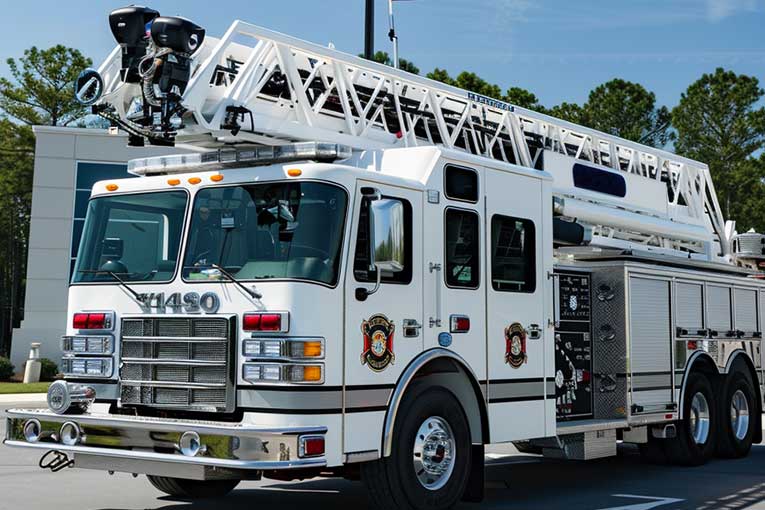
White

white firetruck

White firetrucks represent a departure from the traditional red, chosen by certain fire departments for their clean and modern aesthetic. 

The use of white not only imparts a contemporary look but also serves practical purposes. 

White is a reflective colour, aiding visibility, especially in low-light conditions. 

This choice aligns with the evolving design preferences of fire departments seeking a fresh and modern image while maintaining functionality. 

Examples of fire departments incorporating white firetrucks into their fleets can be found in urban settings where aesthetics and visibility converge as crucial considerations.

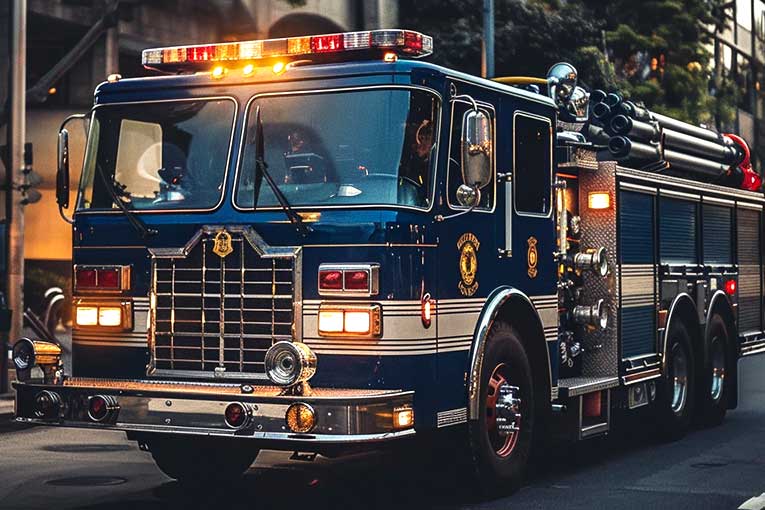
Blue

blue firetruck

While less common, blue firetrucks are occasionally employed for special purposes or to distinguish specific types of emergency vehicles. 

Blue may be reserved for specialised units within a fire department, signifying distinct functions or equipment. 

This colour choice can aid in rapidly identifying the purpose of a particular vehicle during multi-agency responses. 

Real-world instances include fire departments utilising blue firetrucks for hazardous materials response teams or specialised rescue units, where differentiation in colour supports quick and efficient coordination during emergencies.

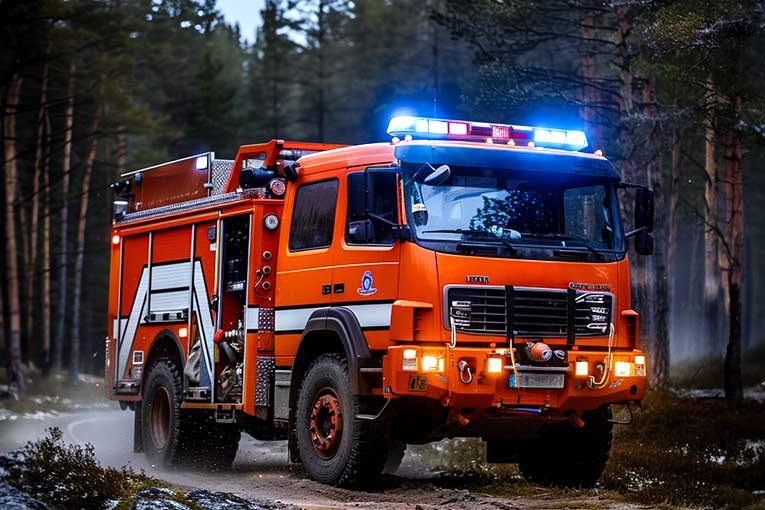
Orange

orange firetruck

In Finland, the use of orange firetrucks adds a distinctive touch to the country’s emergency response vehicles. 

The choice of orange as a colour for firetrucks is not only a departure from the traditional red but also serves specific purposes tailored to the unique challenges of Finland’s environment.

The vibrant orange hue enhances visibility, especially in the country’s varied landscapes, including forests and lakes. 

Finland’s terrain, characterised by vast expanses of nature, demands vehicles that can stand out against diverse backgrounds. 

Orange firetrucks address this need by providing increased visibility during emergency responses, ensuring that they can be easily spotted in both urban and rural setting

Conclusion

Hopefully this should answer your question of why are firetrucks red?

While red remains the predominant colour for firetrucks, the choice is not solely based on tradition or aesthetics. 

Practical considerations, historical influences, and attempts to increase visibility and safety have all played a role in shaping the colour choices for these vital emergency response vehicles. 

As fire departments continue to evolve and adapt to new technologies and safety standards, we may see further experimentation with colours in the future. 

Regardless of the colour, the primary goal remains the same – to ensure that firetrucks are easily recognizable and effective in responding to emergencies.

List of Firefighting Equipment

Firefighting equipment is what helps firefighters to extinguish flames, ensuring the safety of lives and property, and the varied list of firefighting equipment shows how diverse firefighting really is. 

From traditional tools like fire extinguishers to cutting-edge technology such as thermal imaging cameras, each item plays a crucial role in a firefighter’s arsenal. 

In this article, we’ll explore the diverse list of firefighting equipment, shedding light on their functions and importance in the face of fire emergencies.

What is Firefighting Equipment?

Firefighting equipment encompasses a diverse range of tools, devices, and protective gear specifically designed to combat and manage fires effectively. 

These crucial elements are essential for firefighters in their mission to extinguish flames, rescue individuals, and mitigate the impact of fire emergencies. 

Each piece of equipment serves a unique purpose in the complex and challenging task of firefighting.

Firefighting equipment is not only about extinguishing flames but also about ensuring the safety of those on the front lines. 

Protective gear, such as fire suits and gloves, shields firefighters from extreme heat, allowing them to navigate hazardous environments. 

The continuous advancements in firefighting equipment underscore a commitment to improving the efficiency, safety, and overall effectiveness of firefighting operations.

Firefighting equipment is the lifeline for those who risk their lives to protect communities and properties from the devastating impact of fires.

List of Firefighting Equipment

Firefighting equipment constitutes a comprehensive arsenal designed to combat fires of varying intensities and types. 

Each tool plays a crucial role in ensuring the safety of firefighters and the effectiveness of fire suppression efforts.

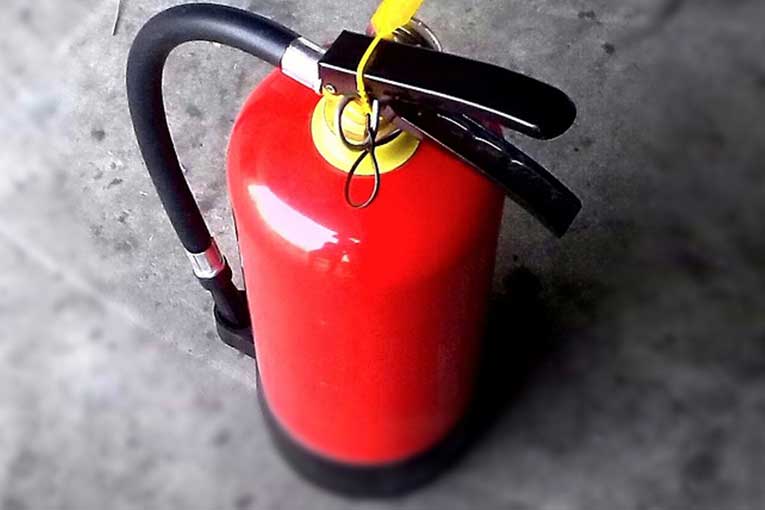
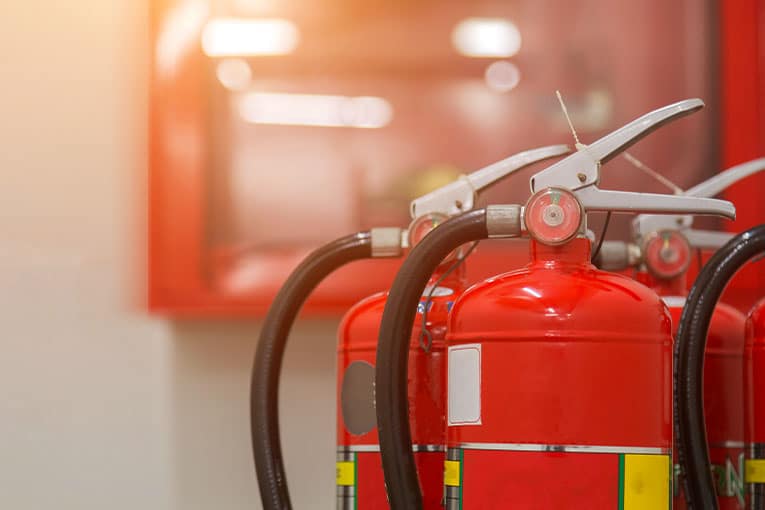
Fire Extinguishers

fire extinguisher firefighting equipment

Portable and versatile, fire extinguishers are essential for promptly suppressing and extinguishing small fires. 

There are many different types of fire extinguisher, each containing specific firefighting agents such as water, foam, dry powder, or CO2. 

The diversity in extinguisher types ensures flexibility in addressing different classes of fires—whether involving ordinary combustibles, flammable liquids, electrical equipment, or gases. 

This adaptability allows firefighters and individuals to employ the most suitable extinguishing agent, enhancing the effectiveness of fire suppression efforts across a wide range of fire scenarios.

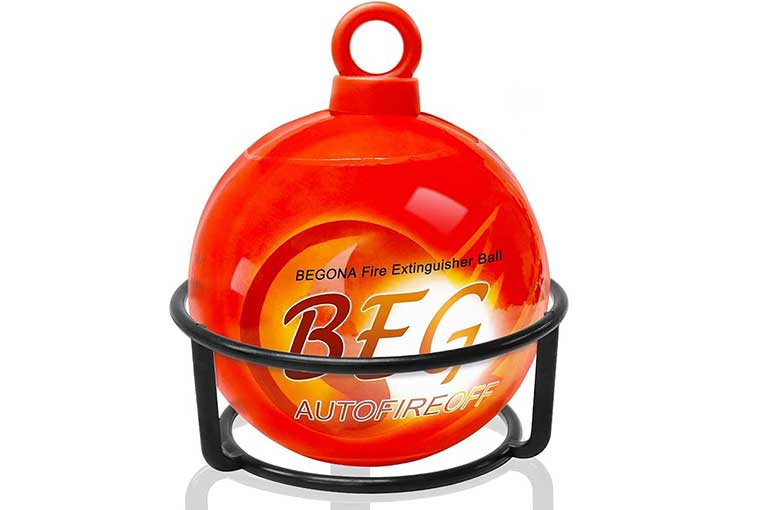
Fire Extinguisher Ball

fire extinguisher ball firefighting equipment
Source: Amazon

An innovative self-activating fire suppression system, the Fire Extinguisher Ball offers a unique approach to firefighting. 

When exposed to flames, the ball bursts autonomously, releasing a fine powder that swiftly and effectively extinguishes the fire. 

This ingenious device is particularly advantageous in confined spaces or areas with limited accessibility, where traditional firefighting methods might face challenges. 

The Fire Extinguisher Ball’s ability to initiate fire suppression independently makes it a valuable addition to fire safety measures, ensuring a rapid response even in scenarios where immediate human intervention may be difficult.

Fire Hoses

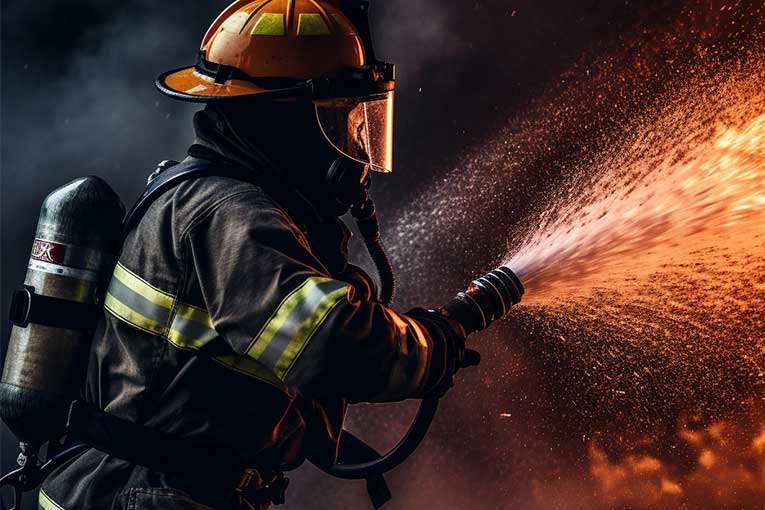
fire hose firefighting equipment

As one of the most prevalent tools in large-scale firefighting, fire hoses are indispensable for firefighters combating significant flames. 

These flexible and robust hoses serve as critical conduits, allowing the directed flow of water onto the fire. 

Their length and adaptability empower firefighters to reach remote or challenging locations, providing a versatile means of effectively delivering water to suppress fires. 

The strategic use of fire hoses enhances the agility and reach of firefighting efforts, enabling responders to address fires in diverse environments and mitigate potential challenges posed by the fire’s scale and intensity.

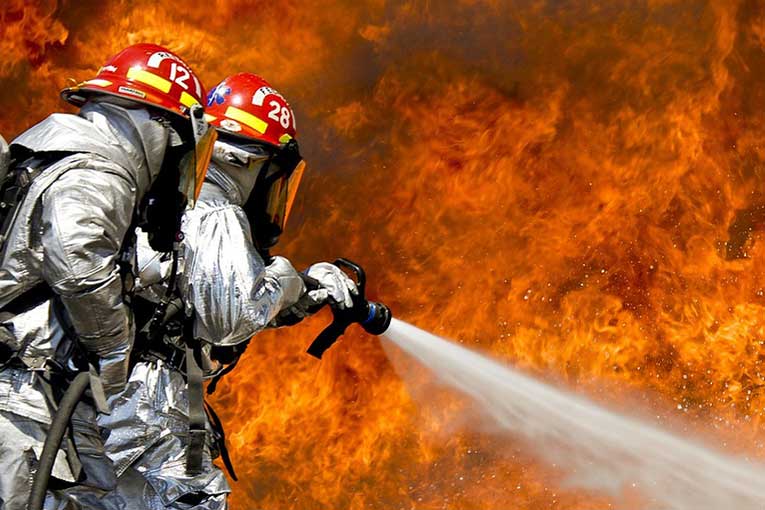
Hose Jets

fire hose firefighting equipment

Hose Jets represent heightened firefighting capabilities, requiring the collaboration of two firefighters to handle their extra power. 

These specialised tools offer an elevated force and flow, allowing firefighters to exert increased control over the extinguishing process. 

With the ability to adjust the jet stream, firefighters enhance precision in directing water onto the flames, addressing specific firefighting requirements. 

The collaborative use of Hose Jets reflects a strategic approach, amplifying the effectiveness of firefighting efforts in scenarios where a more robust and targeted water delivery is essential to combat fires of greater scale or intensity.

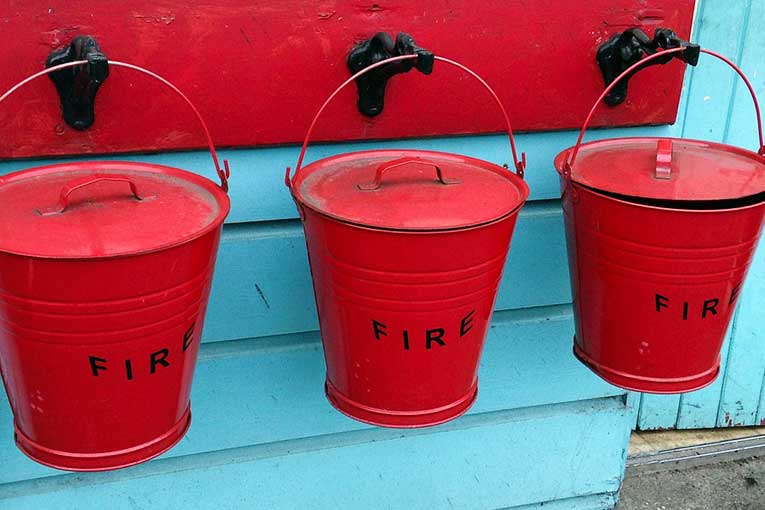
Fire Buckets

fire buckets firefighting equipment

Simple in design yet highly effective, fire buckets are containers filled with either water or sand. 

Positioned strategically, these buckets serve as immediate response tools, offering a swift and accessible means to douse small fires or control sparks. 

Their simplicity makes them an essential first line of defence, providing an uncomplicated yet crucial tool in the initial stages of firefighting. 

Whether used by trained personnel or as part of fire safety measures in public spaces, fire buckets play a fundamental role in empowering individuals to take immediate action and contribute to fire containment efforts.

Flamezorb

flamezorb firefighting equipment
Source: Amazon

Flamezorb, a granular substance, serves as a rapid-response tool in firefighting by efficiently absorbing flammable liquids. 

When applied to spills, it swiftly neutralises and absorbs the substances, preventing the spread of fire. 

This versatile and effective tool finds particular utility in scenarios involving hazardous materials or potential chemical fires, where the quick containment of flammable liquids is essential to mitigate the risk of fire escalation. 

Flamezorb’s ability to address such specific challenges makes it a valuable asset in the firefighting arsenal, contributing to the overall effectiveness of fire suppression efforts in diverse and complex situations.

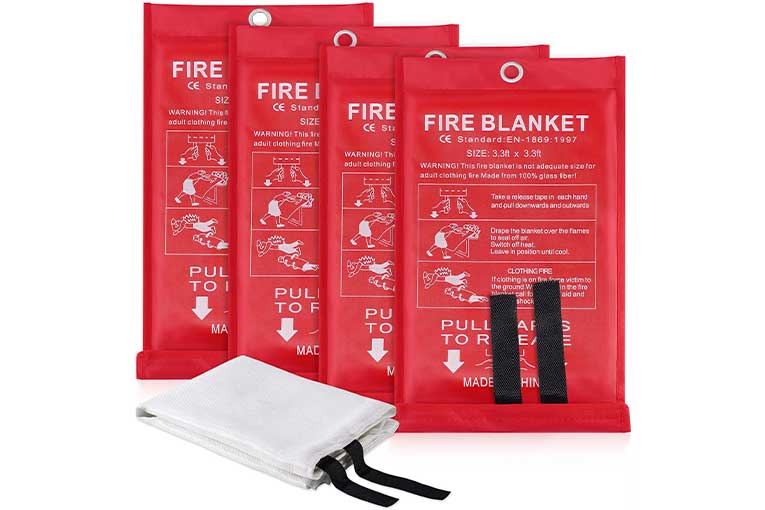
Fire Blankets

fire blanket firefighting equipment
Source: Amazon

Constructed from fire-resistant materials, fire blankets emerge as versatile tools in firefighting and emergency response. 

Beyond their primary function of smothering small fires, these blankets provide a multifaceted solution. 

In emergency situations, they offer protection by wrapping around individuals, creating a temporary shield against flames and heat. 

The adaptability of fire blankets extends their utility beyond traditional firefighting scenarios, making them valuable assets in various emergency situations where rapid response and versatile tools are paramount to ensuring the safety of individuals and effectively addressing evolving challenges.

Fire Suit

fire suit firefighting equipment

Specially designed for the demanding challenges of firefighting, a fire suit is more than  a mere uniform – it’s a shield against extreme heat and flames. 

Crafted from fire-resistant materials, these suits envelop firefighters in a protective barrier during the most intense operations. 

With layers designed to withstand the harsh conditions of a fire, these suits are crucial in ensuring the safety and well-being of firefighters. 

The specialised construction of fire suits exemplifies the commitment to providing a robust defence against the hazards encountered in the line of duty, reinforcing the resilience of those who bravely confront the flames.

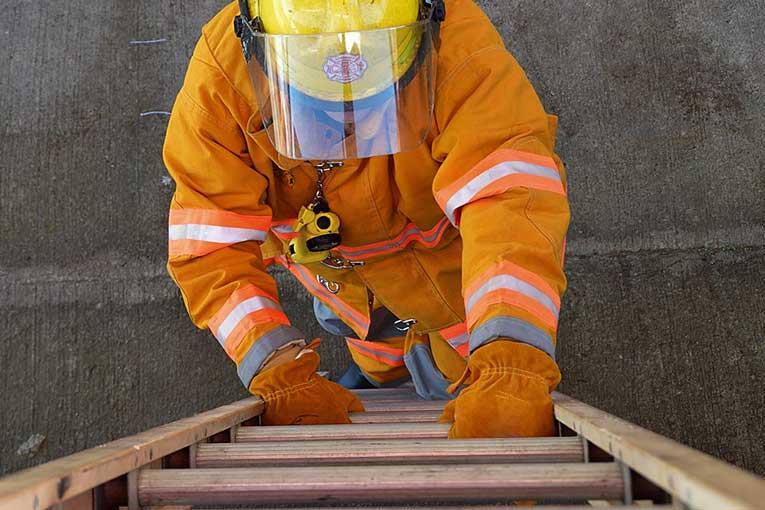
Firefighter Gloves

firefighting gloves firefighting equipment
Source: Amazon

These gloves are essential for firefighters, offering crucial hand protection in the dynamic and intense environments encountered during firefighting operations. 

Crafted from materials resistant to high temperatures, they enable firefighters to handle hot surfaces and materials with confidence. 

The specialised design of firefighter gloves prioritises both dexterity and protection, allowing firefighters to navigate challenging situations while safeguarding their hands from the formidable heat generated in the course of combating fires. 

Gas Tight Suit

gas tight suit firefighting equipment
Source: Wikipedia

Comprising a multi-layered construction, these suits act as an impermeable barrier, creating a formidable shield between the firefighter and potentially harmful substances. 

Their purpose extends beyond conventional firefighting gear, addressing the specific challenges posed by chemical fires and the release of dangerous gases. 

By providing an encapsulating defence, gas-tight suits empower firefighters to navigate complex and perilous environments, ensuring their safety while enabling effective response and mitigation in the face of chemical hazards.

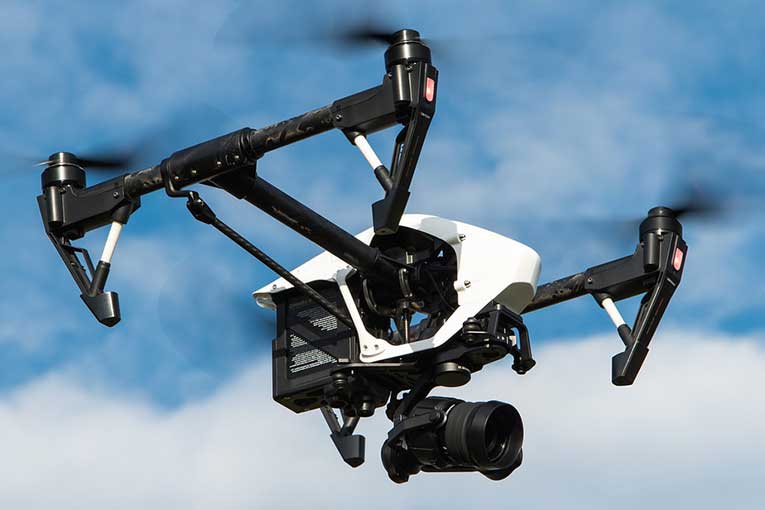
Drones

drones firefighting equipment

These unmanned aerial vehicles, equipped with advanced cameras, offer invaluable aerial views that significantly enhance fire assessment capabilities. 

Providing real-time situational awareness, drones become the eyes in the sky for firefighting teams. 

Their ability to swiftly survey large areas and capture critical information aids in strategizing and responding effectively to incidents. 

Drones not only contribute to the safety and efficiency of firefighting operations but also offer a technological edge, elevating the precision and speed with which responders can assess, plan, and execute strategies in the dynamic context of firefighting scenarios.

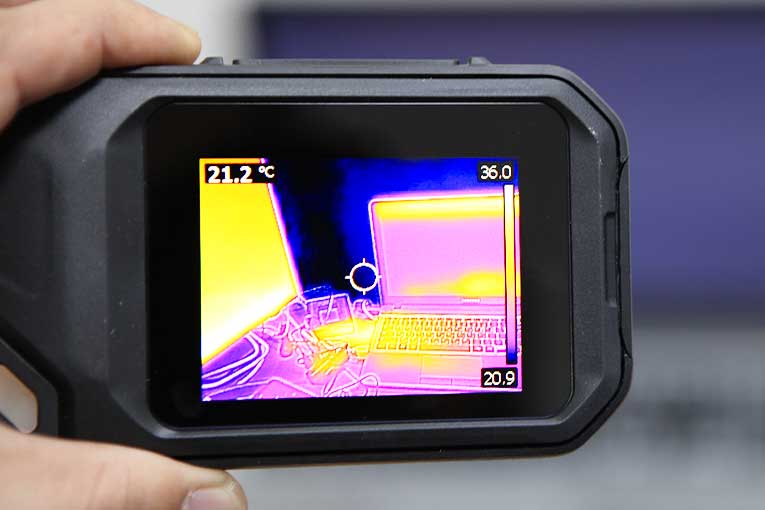
Thermal Imaging Camera

thermal camera firefighting equipment

Thermal imaging cameras aid in locating individuals trapped in smoke-filled environments and identifying hotspots that may not be visible to the naked eye. 

The invaluable data provided by thermal imaging cameras enhances the efficiency and safety of firefighting operations. 

By offering real-time insights into the intensity and distribution of heat, these devices empower firefighters with the ability to make informed decisions, optimise resource allocation, and execute targeted strategies for suppressing fires and conducting search and rescue operations.

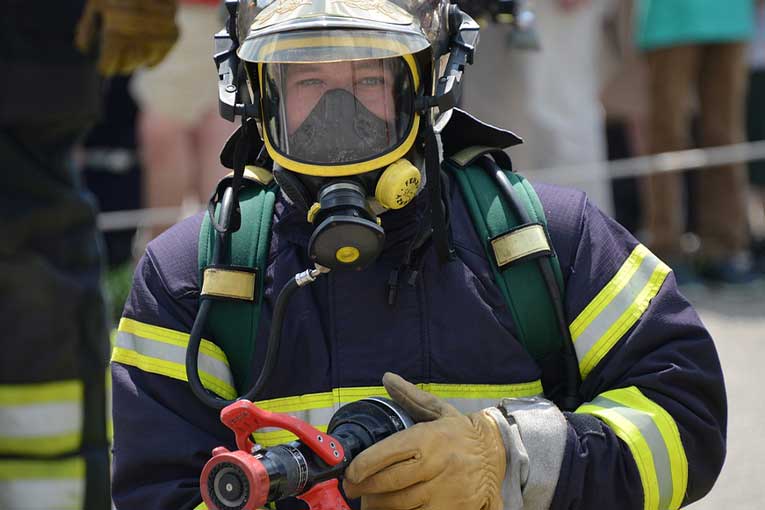
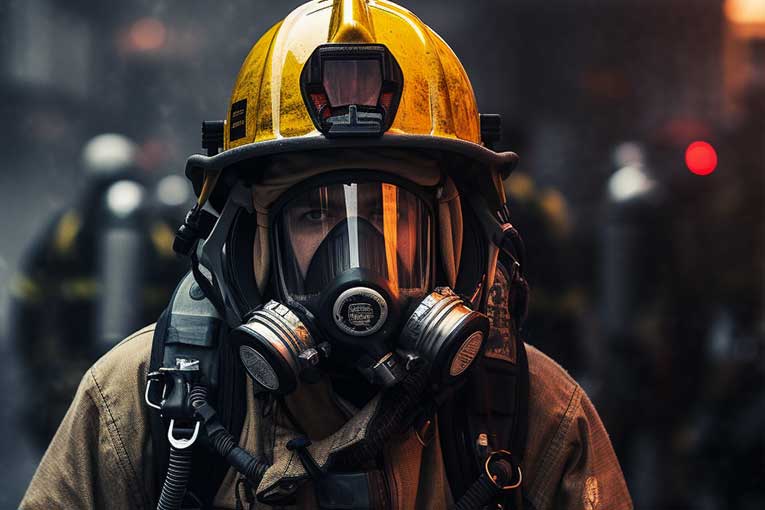
Breathing Apparatus

breathing apparatus firefighting equipment

In smoke filled environments, these devices play a crucial role in ensuring the safety of firefighters by providing a continuous supply of clean air. 

The reliability and functionality of these apparatuses exemplify their vital role in preserving the well-being of firefighters and ensuring their ability to execute effective firefighting and rescue operations in environments where clean air is a precious commodity.

Positive Pressure Ventilation Fan

positive pressure ventilation fans firefighting equipment
Source: Wikipedia

Positive pressure ventilation fans are devices designed to create airflow that effectively removes smoke and toxins from enclosed spaces. 

By generating a controlled and directed flow of air, these fans contribute significantly to improving visibility for firefighters within confined areas. 

Beyond enhancing visibility, the removal of smoke and toxins creates a safer working environment, allowing firefighters to operate more efficiently and with reduced exposure to hazardous substances. 

Ladders

ladders firefighting equipment

These versatile devices play a pivotal role in firefighting operations by enabling firefighters to access elevated areas, conduct rescues, and navigate challenging environments. 

Whether extending to reach upper floors of buildings or providing a stable platform for rescue operations, ladders enhance the agility and effectiveness of firefighting teams. 

Their portability and adaptability make them fundamental in addressing the diverse challenges posed by fires in varying structures and scenarios, contributing to the overall success and safety of firefighting operations.

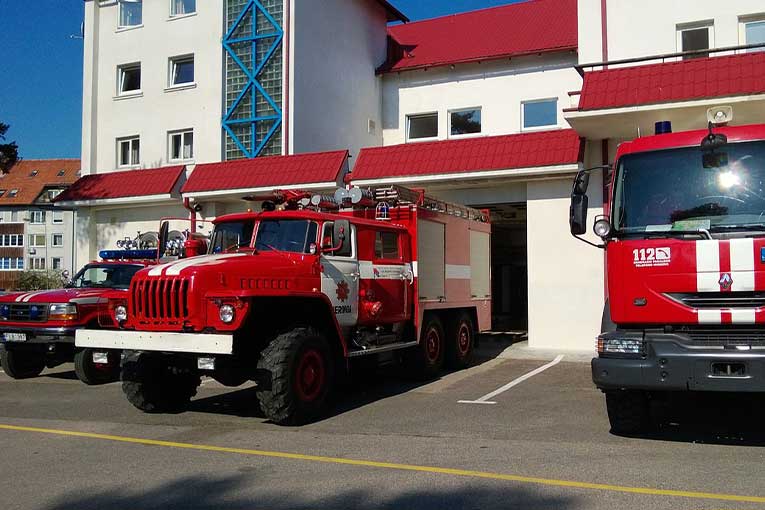
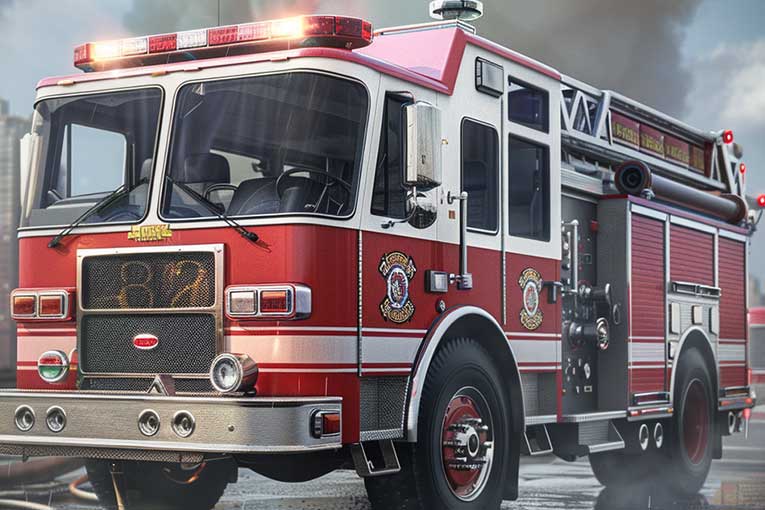
Fire Fighting Vehicle

vehicles firefighting equipment

These vehicles carry essential firefighting tools, water tanks, and hoses, ensuring a swift and effective response to fire emergencies. 

Beyond their mobility, the specialised equipment on these vehicles equips firefighters with the resources needed to combat fires of varying scales. 

Whether navigating through urban environments or remote locations, these vehicles enhance the reach and capabilities of firefighting teams, playing a vital role in the timely containment and suppression of fires to protect lives and property.

How is Firefighting Equipment Used?

The strategic use of equipment is paramount, requiring a careful assessment of each fire’s unique characteristics. 

Firefighters, equipped with a diverse array of tools, employ a systematic approach to address different scales and types of fires.

Fire extinguishers, compact and versatile, find their application in swiftly suppressing small fires. 

Firefighters select the appropriate extinguisher based on the fire’s nature and discharge the firefighting agent with precision, aiming at the fire’s base. 

For larger incidents, fire hoses connected to water sources become instrumental. 

The hoses allow firefighters to direct water effectively, reaching inaccessible areas, while sprinklers automatically release water upon detecting excessive heat, contributing to fire containment.

Protective gear, including fire suits and gloves, plays a pivotal role in ensuring firefighters’ safety as they confront flames. 

These specialised garments shield against extreme heat, providing a critical barrier between the firefighter and the hazardous environment.

Cutting-edge technology, such as drones equipped with cameras and thermal imaging devices, offers invaluable insights. 

Drones provide aerial views, enhancing situational awareness for better decision-making, while thermal imaging cameras aid in locating individuals and identifying hotspots within a fire.

The use of firefighting equipment is not only reliant on the tools themselves but also on the skill, training, and coordination of firefighting teams. 

Firefighters undergo rigorous training to understand the capabilities and limitations of each tool, ensuring a synchronised and effective response to diverse fire scenarios. 

The strategic and well-coordinated utilisation of firefighting equipment remains a cornerstone in the battle against the unpredictable and destructive force of fires.

What Other Equipment Helps with Firefighting?

Some firefighting equipment is not directly used to directly put out fires, but it used to improve the safety and efficiency of firefighters.

Fire Sprinklers

fire sprinklers firefighting equipment
Source: Wikipedia

Installed in buildings, fire sprinklers are automatic devices that release water when detecting excessive heat. 

They play a crucial role in suppressing fire outbreaks and limiting damage in enclosed spaces. 

Strategically positioned, their rapid response significantly contributes to controlling fires, preventing their escalation, and protecting lives and property within structures.

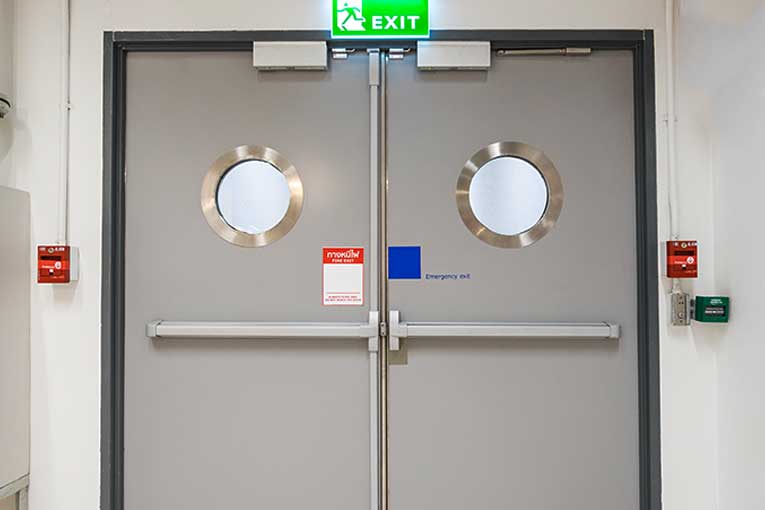
Fire Doors

Specialised fire doors are meticulously designed to resist fire and smoke, acting as effective barriers to limit their spread within a building. 

These doors are critical components of passive fire protection systems, providing crucial time for evacuation and minimising the potential for fire extension.

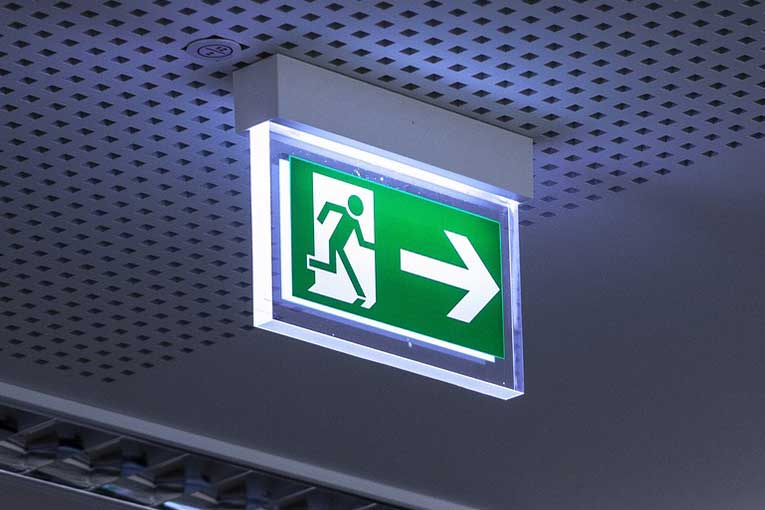
Emergency Signs

emergency signs firefighting supporting equipment

Clearly marked emergency lighting and signs are indispensable in ensuring swift and safe evacuation. 

These signs delineate evacuation routes and indicate the locations of firefighting equipment, guiding occupants to safety during fire emergencies.

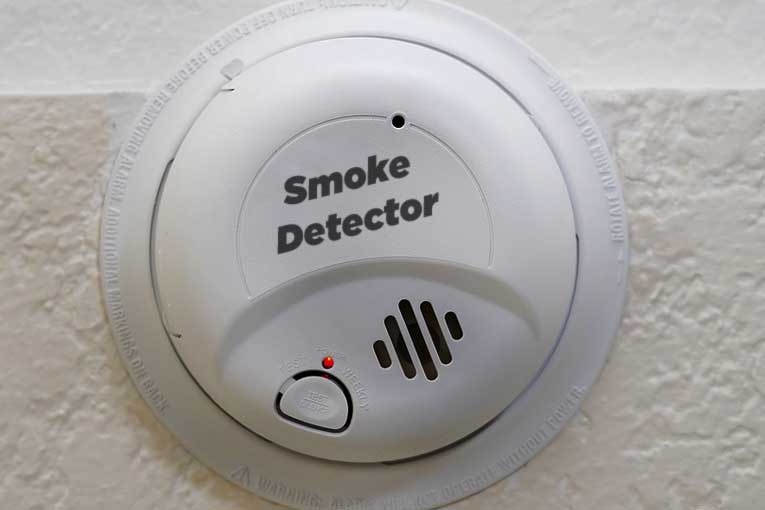
Smoke Alarms

There is 4 different smoke detector types

Essential components of early warning systems, smoke detectors are devices that promptly detect smoke, alerting occupants to potential fire hazards. 

Their rapid detection capability is pivotal in providing early warnings, allowing for timely response and evacuation.

The different types of smoke alarms ensure people can react quickly  to different types of fires.

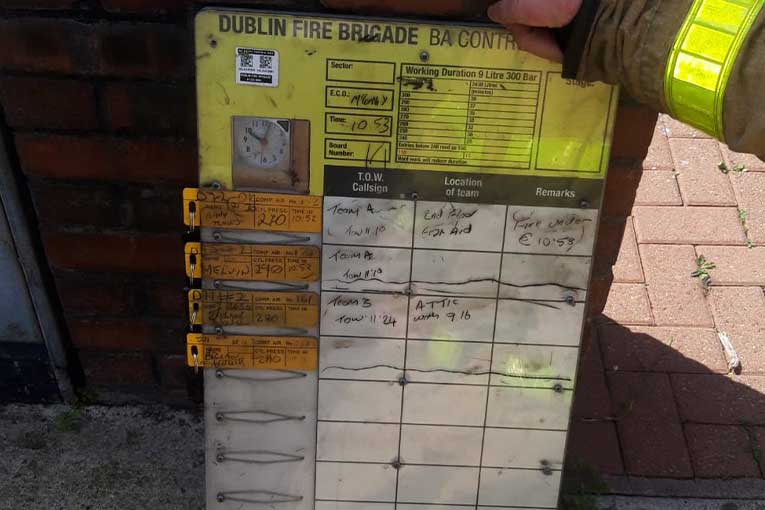
BA Entry Board

The Breathing Apparatus (BA) Entry Board serves as a control hub during breathing apparatus operations. 

It manages the entry and exit procedures of firefighters equipped with breathing apparatus, ensuring systematic and safe operations in environments with compromised air quality.

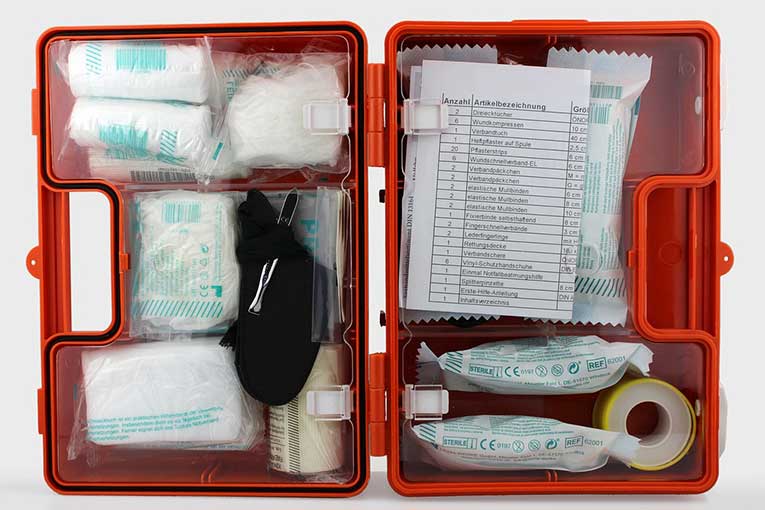
First Aid Kit

first aid kit firefighting supporting equipment

Containing medical supplies, first aid kits address injuries sustained during firefighting or rescue operations. 

They provide essential support until more extensive medical assistance is available.

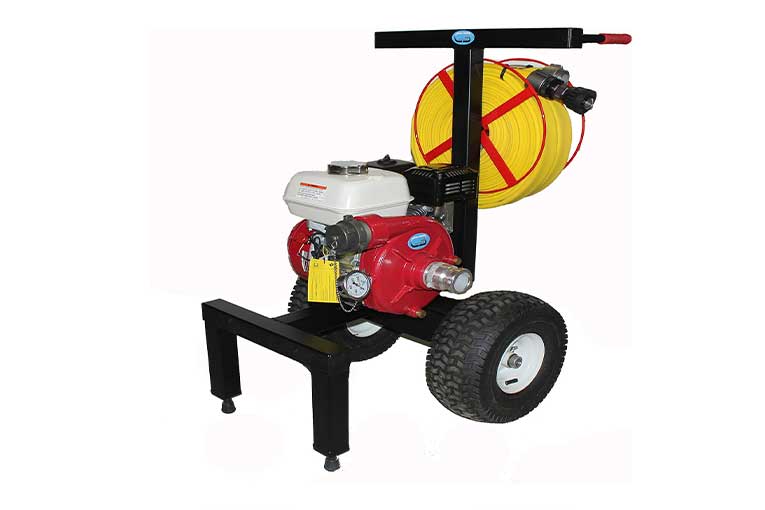
Light Portable Pump

light portable pump firefighting equipment
Source: Amazon

Compact and portable, light pumps are indispensable for transporting water to areas inaccessible to larger firefighting vehicles. 

These pumps enhance operational flexibility, providing firefighting teams with the ability to establish water supply points in diverse environments.

Cutters

cutters firefighting equipment
Source: Wikipedia

Cutting through materials obstructing access or rescuing individuals, cutters are versatile tools used by firefighters. 

They play a crucial role in extrication operations, enabling swift and precise interventions in situations where immediate access is essential.

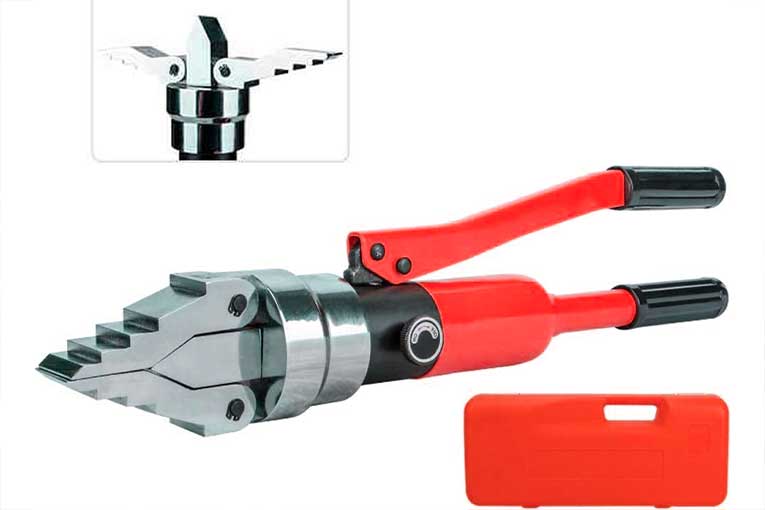
Spreaders

spreaders firefighting equipment
Source: Amazon

Hydraulic spreaders are powerful devices used to pry open objects or create openings in rescue situations. 

These tools are instrumental in providing access to trapped individuals, facilitating efficient rescue operations.

Rams

rams firefighting equipment
Source: Wikipedia

Hydraulic rams are tools designed to force open doors or create pathways during rescue operations. 

Their robust construction and power make them essential for situations where conventional access methods are insufficient.

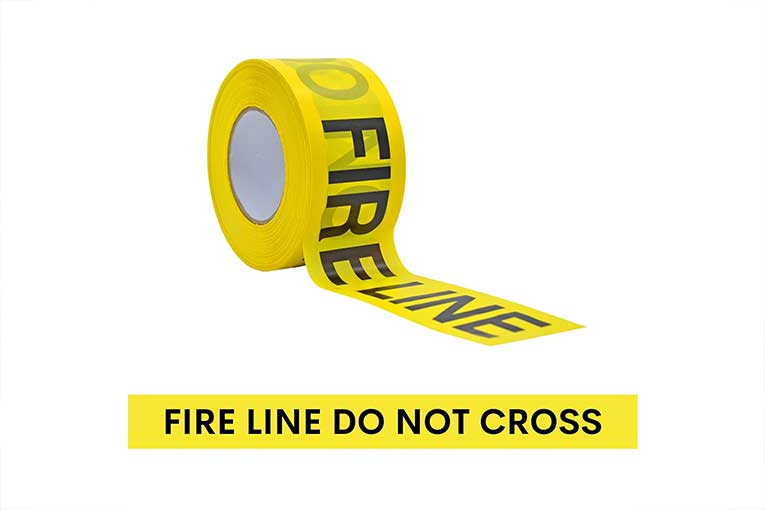
Do Not Cross Tape

do not cross tape firefighting equipment
Source: Amazon

Visible tape with the clear directive “Do Not Cross” is utilised to cordon off unsafe areas and control access to the fire scene. 

This tape ensures the safety of both emergency responders and the public by preventing unauthorised entry into potentially hazardous zones.

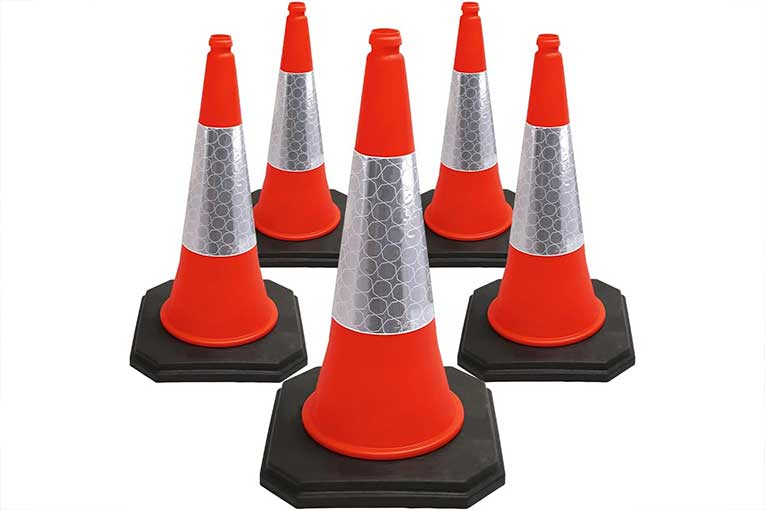
Traffic Cones

traffic cones firefighting equipment
Source: Amazon

Deployed to manage traffic and create clear pathways for emergency vehicles, traffic cones are essential in ensuring unimpeded access for firefighting teams. 

These cones play a crucial role in maintaining order and facilitating the rapid movement of emergency vehicles to and from the incident scene.

What Does the Future Hold for Firefighting Equipment?

The future of firefighting equipment holds exciting possibilities, driven by advancements in technology, materials, and design. 

One prominent trend is the integration of smart technologies, such as artificial intelligence and the Internet of Things, into firefighting gear. 

This includes wearable sensors and augmented reality visors that provide real-time data to firefighters, enhancing situational awareness and decision-making. 

Innovations in materials science are shaping the development of more lightweight yet durable protective gear, addressing comfort and mobility concerns for firefighters. 

Nanotechnology may lead to advanced flame-resistant fabrics, ensuring greater protection against extreme temperatures. 

Additionally, the use of robotics in firefighting, ranging from autonomous vehicles to robotic firefighting assistants, is on the horizon.

As climate change intensifies, firefighting equipment is likely to evolve to cope with more frequent and severe wildfires. 

This may involve the development of specialised tools for wildfires and improved strategies for early detection and prevention. 

The collaborative efforts of researchers, engineers, and firefighters promise a future where technology plays a pivotal role in enhancing the safety, efficiency, and effectiveness of firefighting operations, ultimately better equipping first responders to address evolving challenges.

Conclusion

The array of equipment at a firefighter’s disposal is vast and diverse. 

From traditional tools that have stood the test of time to cutting-edge technology ensuring efficiency and safety, each item plays a crucial role in combating fires and protecting lives. 

The continuous evolution of firefighting equipment reflects a commitment to enhancing the capabilities of those who bravely confront the unpredictable nature of fires. 

As technology advances, so does our ability to respond effectively to fire emergencies, ensuring a safer and more resilient future for communities worldwide.

Urgent evacuation in Victoria amid severe bushfire threat

Authorities issue evacuation orders ahead of catastrophic fire conditions

Authorities in Victoria have called for the evacuation of more than 30,000 people from their homes in anticipation of what is feared to be the most severe fire day the state has seen in four years.

With temperatures expected to soar into the mid-40s in certain areas, residents in a potential fire impact zone stretching between Ballarat and Ararat, in Victoria’s west, have been instructed to leave their homes by Wednesday morning at the latest.

Victoria’s Emergency Management Commissioner, Rick Nugent, announced that towns including Amphitheatre, Beaufort, Clunes, Elmhurst, Lexton, Glenbrae, and Learmonth would receive text messages urging residents to evacuate.
Nugent highlighted the gravity of the situation: “Fire, spot fires and ember attack are quite possible in these areas; these could result in loss of homes, closure of roads and isolating communities,” he told reporters.
“If you are located in these areas, we ask you to leave.”

Catastrophic bushfire conditions forecasted across Victoria

The Bayindeen bushfire, located north-west of Ballarat, has already consumed 21,300 hectares and resulted in the destruction of six homes and 10 outbuildings since its inception last Thursday.

Nugent underscored the priority of saving lives over possessions, stating: “Its devastating for families to lose all of those possessions but they can be replaced; a life can’t.

This is all about saving lives.”

In response to the escalating threat, two relief centres have been established in Ararat and Maryborough for evacuees.

Furthermore, aged care community residents and all prisoners from the Langi Kal Kal prison have been evacuated preemptively.

Statewide efforts to combat the fire threat

Jason Heffernan, the Country Fire Authority’s chief officer, warned that any fire starting in the Wimmera region on Wednesday could become “uncontrolled very quickly,” emphasising that no homes are built to withstand such catastrophic conditions.

The premier, Jacinta Allan, described the upcoming day as “incredibly difficult,” with a forecast of mid-40s temperatures in north-west Victoria and high 30s to low 40s for the rest of the state.

An afternoon cool change is expected to bring wind gusts of up to 80km/h and dry lightning, further complicating firefighting efforts.

In preparation, about 110 firefighters from New South Wales have been deployed to Ballarat and Halls Gap, joining thousands of Victorian firefighters and more than 60 aircraft.

Allan also noted that approximately 100 schools and early childhood facilities will close on Wednesday as a precautionary measure.

IFSJ Comment

The proactive evacuation orders issued by Victoria’s authorities reflect a comprehensive and coordinated effort to mitigate the risks associated with the forecasted catastrophic fire conditions.

By prioritising the safety and well-being of residents, the state demonstrates a clear understanding of the unpredictable nature of bushfires and the importance of early action.

The commitment shown by emergency services, combined with the support from interstate firefighters and the deployment of significant aerial resources, underscores the seriousness of the threat and the collective resolve to protect communities.

The importance of careful hay baling to prevent fire risks

The challenge of hay baling in current conditions

Fire and Emergency New Zealand has issued an important reminder for those involved in hay baling this season.

Tim Mitchell, the National Wildfire Manager, highlighted the current challenging conditions for hay making, largely due to frequent rain and overcast conditions.

These weather patterns are making it difficult to achieve the necessary drying between cutting and baling of hay.

The moisture content of hay is a critical factor in fire risk, as wet hay is more likely to lead to spontaneous combustion compared to dry hay.

The risks of moist hay and fire prevention tips

When hay is baled with too much moisture, there’s a heightened risk of the haystack spontaneously combusting.

This is particularly concerning in areas that may face drought conditions, where losing precious feed could be disastrous.

Hay that is baled at less than 15% moisture carries a very low risk of fire, but as the moisture level increases, so does the risk of fire.

Fire and Emergency NZ offers several tips for safe hay baling, such as not rushing the process, delaying cutting if proper drying isn’t likely, and regularly checking the hay stack for any signs of heat build-up, steam, mould, or acid fumes.

Additional considerations for safe hay storage and baling equipment

Beyond the baling process, there are further precautions to take.

It’s advised to consider the storage location of hay, avoiding placing all in one place or near implement sheds and hedge rows.

Ensuring that baling equipment is in good working condition is also critical to avoid sparks and heat build-up which can start a fire.

It’s noted that the greatest risk for a fire from spontaneous combustion occurs in the first two to six weeks after hay is baled and stored at higher moisture levels.

IFSJ Comment

The reminder from Fire and Emergency New Zealand to take care during hay baling season is timely and crucial.

With the current challenging weather conditions, the risk of hay bale fires is notably increased, posing a significant threat to both property and feed supplies.

This reminder not only highlights the importance of proper moisture management in the baling process but also brings attention to the broader aspects of fire safety in agricultural settings.

By focusing on the right conditions for cutting and baling, regular monitoring of hay stacks, and proper maintenance of baling equipment, the potential for devastating fires can be significantly reduced.

This guidance serves as an essential resource for farmers and agricultural workers, emphasising the need for vigilance and careful planning to safeguard against the risks of fire in rural communities.

How Many Types of Fire Are There?

Fire, as a natural phenomenon, has been intertwined with human history for millennia. 

It has served as a steadfast companion, offering warmth on cold nights, providing protection from predators, and allowing us to cook our food for sustenance. 

The mastery of fire was one of the defining moments of human evolution, enabling our ancestors to forge tools, tame the wilderness, and build thriving civilizations.

However, fire’s dual nature must not be overlooked. 

As much as it has been our friend, it can also be a formidable foe. 

When fire becomes unbridled and uncontrollable, it can wreak havoc, causing devastating consequences to lives, homes, and natural landscapes. 

The destructive power of wildfires, building fires, and industrial accidents reminds us of the need for vigilance and preparedness in the face of this primal force.

To navigate the complexities of fire and its potential dangers, understanding how many types of fire there are, as well the differences between them is of paramount importance. 

Different types of fire extinguishers
Knowing the right fire extinguisher for the right fire type is vital

Different types of fires arise from a diverse range of materials, each requiring an evolution of fire safety and a tailored approach for effective extinguishing. 

From the common Class A fires involving ordinary combustible materials to the specialised challenges of Class D fires involving combustible metals, a comprehensive knowledge of fire classifications empowers us to respond confidently and responsibly to fire emergencies.

How Many Types of Fire Are There?

There are six main classes of fires, each involving different materials and posing unique challenges for firefighting:

1. Class A – Solids

2. Class B – Liquids 

3. Class C – Gasses

4. Class D – Metals

5. Class F – Oils and Fats

6. Electrical Fires – These are not given their own class, as they can fall into any of the above categories, however due to the different requirements of electrical fires we will be covering them here. 

What are Class A Fires?

Class A fires are the most common type of fire encountered in various settings, ranging from residential homes to commercial offices and public spaces. 

These fires are characterised by their ignition of ordinary combustible materials, which are readily available in our everyday surroundings. 

Understanding the nature of Class A fires and how to handle them is crucial for effective fire safety and prevention.

The fuel sources that feed Class A fires include materials such as wood, paper, cloth, cardboard, and common plastics. 

These materials are typically found in abundance in residential and commercial spaces, making Class A fires a significant concern for fire safety.

How Do You Extinguish a Class A Fire?

The primary method for extinguishing Class A fires is to use water or water-based extinguishers. 

Water is a versatile and readily available firefighting agent that cools down the burning material, reducing the heat and ultimately smothering the flames. 

By removing the heat element of the fire triangle (heat, fuel, and oxygen), water effectively puts out the fire and prevents re-ignition.

When using water to extinguish Class A fires, it is essential to apply the water directly to the base of the flames. 

This ensures that the water reaches the burning material and cools it down, preventing the fire from spreading further. 

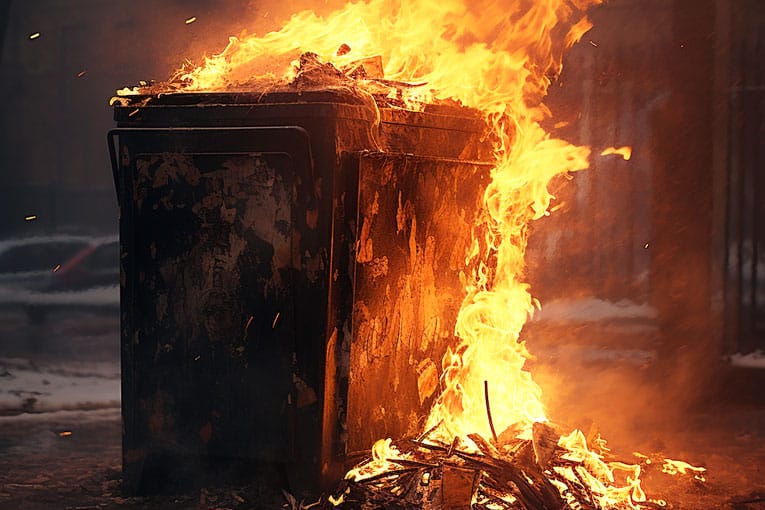
A class A fire
Class A fires are one of the most common types of fire

If possible, avoid spraying water directly onto electrical equipment or live electrical wires to prevent electric shock and potential electrocution hazards.

Another effective method to combat small Class A fires is by using fire blankets. 

Fire blankets are made of fire-resistant materials and can be quickly deployed to smother flames. 

They work by cutting off the oxygen supply to the fire, suffocating it and extinguishing the flames. 

Fire blankets are particularly useful for smothering fires on clothing, curtains, or small household items.

What are Class B Fires?

Class B fires pose a unique set of challenges due to the involvement of flammable liquids such as gasoline, oil, grease, and alcohol. 

These fires can occur in various settings, including kitchens, garages, workshops, industrial facilities, and places where flammable liquids are stored or used. 

Understanding how to handle Class B fires is crucial for effective fire safety and prevention.

Flammable liquids are highly volatile and can ignite easily, making Class B fires more intense and difficult to control compared to Class A fires. 

When a flammable liquid catches fire, it can quickly spread and produce intense flames, creating a dangerous and rapidly evolving situation. 

Additionally, flammable liquid fires can re-ignite if not fully extinguished, making them particularly challenging to manage.

How Do You Extinguish a Class B Fire?

To effectively control and extinguish Class B fires, it is crucial to use the appropriate firefighting agent. 

Water is generally not recommended for Class B fires as it can cause the flammable liquid to spread, potentially making the fire more dangerous. 

This class of fire also includes Lithium-ion battery fires, which is currently one of the causes of fire that is drastically on the rise. 

Instead, foam-based extinguishers or dry chemical extinguishers are the preferred choices for combating Class B fires.

Foam-based extinguishers work by covering the flammable liquid with a layer of foam, creating a barrier that prevents the release of flammable vapours and cutting off the oxygen supply to the fire. 

This smothers the flames and cools down the burning liquid, eventually extinguishing the fire.

Dry chemical extinguishers, on the other hand, are effective for Class B fires because they disrupt the chemical reaction of the fire. 

These extinguishers release a fine powder that separates the fuel from the oxygen, extinguishing the flames. 

They also work well on Class A fires, making them versatile and useful in various fire situations.

It is important to remember that when dealing with Class B fires, safety is paramount. 

Before attempting to extinguish a fire, assess the situation and ensure you have an escape route in case the fire becomes uncontrollable. 

If the fire continues to spread or becomes too intense, evacuate the area immediately and call the emergency services for professional assistance.

What are Class C Fires?

Class C fires involve flammable gases, which can create a hazardous and potentially explosive atmosphere. 

These fires present unique challenges and require specific precautions to ensure safety and prevent accidents. 

Class C fires pose a significant threat to locations like manufacturing and industrial warehouses, chemical plants, and facilities storing substantial quantities of flammable gases. These settings are particularly vulnerable to these types of fires.

Understanding the risks associated with flammable gases and implementing proper safety measures is crucial in managing Class C fires.

How Do You Extinguish a Class C Fire?

Extinguishing a Class C fire requires a methodical and cautious approach due to the volatile nature of flammable gases involved. 

When facing such a fire, two crucial steps come into play: shutting off the gas supply and utilising a dry powder extinguisher.

The first and most crucial step is to quickly shut off the gas supply at its source. 

This action prevents the continuous flow of fuel to the fire, thereby hindering its ability to grow and spread. 

Cutting off the gas supply is paramount to prevent the fire from intensifying and posing a greater threat to individuals attempting to extinguish it and those nearby.

After successfully shutting off the gas supply, the use of a dry powder extinguisher is recommended for extinguishing the Class C fire. 

Dry powder extinguishers are specifically designed to combat fires involving flammable gases effectively. 

The dry powder agent works by smothering the flames, cutting off their oxygen supply, and interrupting the fire’s chemical chain reaction, which leads to its rapid extinguishment.

It is important to note that while dry powder extinguishers are effective for Class C fires, water-based extinguishers should never be used in this scenario. 

Water-based extinguishers may cause the fire to spread or result in an explosion due to the reactive nature of certain flammable gases.

Additionally, individuals attempting to extinguish a Class C fire should prioritise their safety at all times. 

If the fire is beyond their control or if they are unsure about the gas source, it is best to evacuate the area immediately and call for professional help. 

The handling of Class C fires requires a level of expertise and knowledge to ensure the safety of both individuals and property

What are Class D Fires?

Class D fires present a unique and highly hazardous situation, involving combustible metals such as magnesium, titanium, potassium, sodium, and lithium. 

These fires can be particularly dangerous due to the reactive properties of these metals, which make them prone to violent and rapid combustion when exposed to air or water. 

The presence of combustible metals in specific industrial settings or laboratories increases the risk of Class D fires, and proper precautions must be taken to handle and store these materials safely.

One of the critical challenges in dealing with Class D fires is the limited effectiveness of conventional firefighting methods. 

Water, commonly used to extinguish other types of fires, can exacerbate Class D fires. 

When water comes into contact with burning combustible metals, it reacts vigorously, releasing hydrogen gas, intensifying the fire, and causing potential explosions.

How Do You Extinguish a Class D Fire?

To extinguish Class D fires safely and effectively, specialised dry powder extinguishing agents must be used. 

These agents, typically made of sodium chloride or graphite-based compounds, form a smothering layer over the burning metal, cutting off the supply of oxygen and heat. 

This action disrupts the combustion process and gradually cools the metal, leading to the fire’s suppression.

Due to the specialised nature of Class D fires and the need for specific extinguishing agents, it is essential to have personnel trained in handling such emergencies. 

Firefighters and other responders must be equipped with the appropriate dry powder extinguishers and knowledgeable about the risks and characteristics of combustible metal fires. 

These fires can be unpredictable and require careful planning and coordinated efforts to control and eliminate them safely.

What are Class F Fires?

Class F fires, also known as cooking oil fires or fat fires, are a specific type of fire that commonly occurs in commercial kitchens, restaurants, and other food preparation areas. 

These fires involve cooking oils and fats and can quickly escalate into intense and challenging situations to control.

The high temperatures used in cooking, especially deep frying, can cause cooking oils and fats to reach their autoignition point, leading to spontaneous combustion. 

Once ignited, the flames can rapidly spread and generate intense heat, posing a severe threat to kitchen staff, customers, and the entire building.

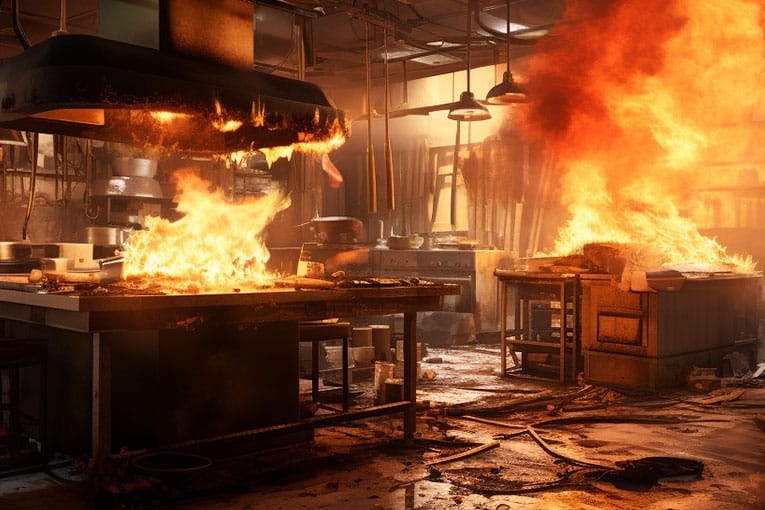
A Class F kitchen fire
Class F fires can be incredibly dangerous due to the oil involved

One of the primary reasons Class F fires are so dangerous is that water, a common extinguishing agent used for other types of fires, is ineffective and dangerous when applied to cooking oil fires. 

When water comes into contact with hot oil, it instantly vaporises and expands, splattering the burning oil and spreading the fire further. 

This reaction can cause severe burns and injuries to anyone nearby.

Knowing how to protect from kitchen fires is of vital importance to anyone working in the restaurant industry. 

How Do You Extinguish a Class F Fire?

The most effective method to extinguish Class F fires is to smother the flames with a fire blanket or use a wet chemical extinguisher specifically designed for cooking oil fires. 

Wet chemical extinguishers contain a special solution that creates a thick, soapy foam, which cools the burning oil, forms a barrier, and prevents the release of flammable vapours. 

This action starves the fire of oxygen, extinguishing it safely and effectively.

Preventing Class F fires involves implementing several safety measures in commercial kitchens and food preparation areas. 

Regular cleaning and maintenance of cooking equipment, ventilation systems, and hoods help reduce the buildup of grease and oil residues that could fuel a fire. 

Additionally, kitchen staff should be properly trained in fire safety, including the proper use of fire extinguishers and the importance of using fire blankets when dealing with cooking oil fires.

Commercial kitchens should have well-maintained fire suppression systems, such as automatic fire suppression systems installed in hoods above cooking areas. 

These systems can quickly detect and suppress cooking oil fires, minimising the risk of fire spreading to other parts of the kitchen.

What are Electrical Fires?

Electrical fires are a prevalent and concerning type of fire that poses a significant risk in modern life. 

Unlike other classes of fire (Class A, B, C, etc.), electrical fires are not categorised under a specific class. 

Instead, they are a distinct category of fires caused by electrical faults and malfunctions. 

These fires can result from various factors, such as faulty wiring, overloaded circuits, damaged appliances, or improper use of electrical equipment.

Damaged electrical equipment is one of the main causes of fires

Over time, electrical wires can deteriorate, become frayed, or develop loose connections. These issues create resistance and generate heat, which can ignite nearby combustible materials. 

Similarly, overloaded circuits, often caused by plugging too many electrical devices into a single outlet or circuit, can lead to overheating and ultimately trigger an electrical fire.

Another common cause of electrical fires is damaged appliances and electrical equipment. 

Ageing or poorly maintained appliances can develop electrical faults, leading to short circuits and fires. 

Electrical fires can also be triggered by the misuse of electrical equipment, such as using extension cords or power strips inappropriately or using appliances with damaged cords or plugs.

How Do You Extinguish an Electrical Fire?

In the event of an electrical fire, using water to extinguish the flames is extremely dangerous due to the risk of electrical shock. 

Instead, it is best to de-energize the electrical source by shutting off power at the circuit breaker or main electrical panel, if safe to do so. 

For smaller electrical fires, a Class C fire extinguisher or a dry powder extinguisher can be used. 

However, it is essential to prioritise personal safety and evacuate the area if the fire becomes uncontrollable.

To prevent electrical fires, regular electrical inspections and maintenance are essential. 

Homeowners and businesses should have their electrical systems inspected by qualified electricians to identify and address any potential issues. 

It is crucial to avoid overloading circuits, use proper wattage bulbs in light fixtures, and refrain from using damaged electrical equipment.

Conclusion

Understanding how many types of fire there are, and the appropriate methods to extinguish them is vital for everyone’s safety. 

In case of an emergency, knowing how to act quickly and effectively can make a significant difference in protecting lives and property. 

Fire safety training, having the right fire extinguishers, and staying informed about potential hazards are all crucial steps towards ensuring a safer environment for ourselves and those around us. 

With the current shift to electric cars, and the rise in the usage of lithium-ion batteries, it is now more important than ever to understand the difference in fire types and how to safely deal with them, with lithium-ion battery fires costing the UK £158 million a year alone

Let us all be proactive in fire prevention and response to mitigate the risks of fire-related incidents and create a safer world for everyone.

What Causes Wildfires – 11 Common Reasons

What causes wildfires is a commonly asked question, with wildfires during the summer months being shown almost every day in the news.

Fire only needs three components to thrive: fuel, oxygen, and heat. This is commonly referred to as the fire triangle.

During hot summer days when drought conditions are at their peak, even the tiniest spark can set off a wildfire. 

In certain instances, fires occur naturally, sparked by the intense heat of the sun or from lightning strikes.

Unfortunately, similarly to the main causes of fires in general, the majority of wildfires stem from human negligence. 

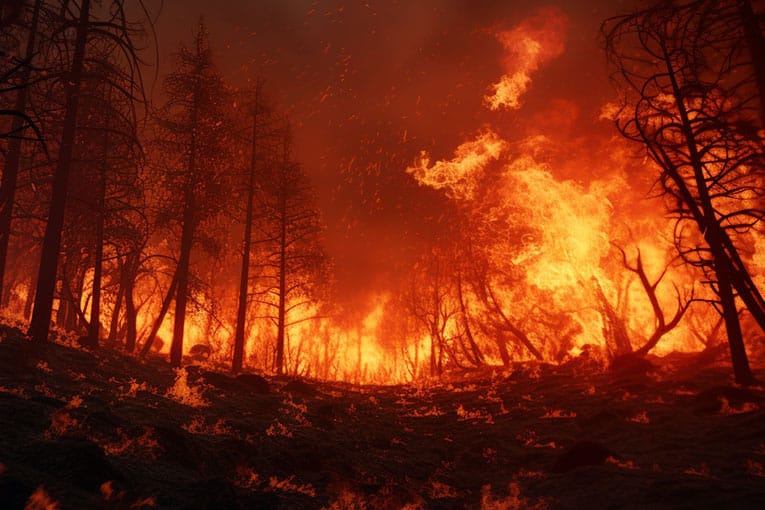
A large wildfire
Wildfires can be incredibly destructive

Events such as arson, poorly managed campfires, careless littering of lit cigarettes, improper burning of debris, and playing with matches or fireworks are often held responsible for igniting these devastating blazes.

This article aims to explore what causes wildfires, ranging from natural occurrences to human activities. 

By delving into these causes, we can enhance our knowledge and promote responsible behaviour to mitigate the future risks of devastating consequences of wildfires.

What is a Wildfire?

Wildfires are powerful and destructive forces of nature that can cause extensive damage to forests, natural habitats, and communities. 

Understanding the common causes of wildfires is crucial for prevention and effective fire management. 

By identifying the main causes of wildland fires, we can take proactive measures to reduce the risk of wildfires and protect our natural environment. 

What Causes Wildfires?

Wildfires start due to a number of reasons, with 11 of the most common causes being:

Lightning

Lightning is a natural cause of wildfires. 

Lightning strikes can ignite dry vegetation, particularly during periods of drought. The heat from a lightning strike can spark flames that spread through the surrounding landscape. 

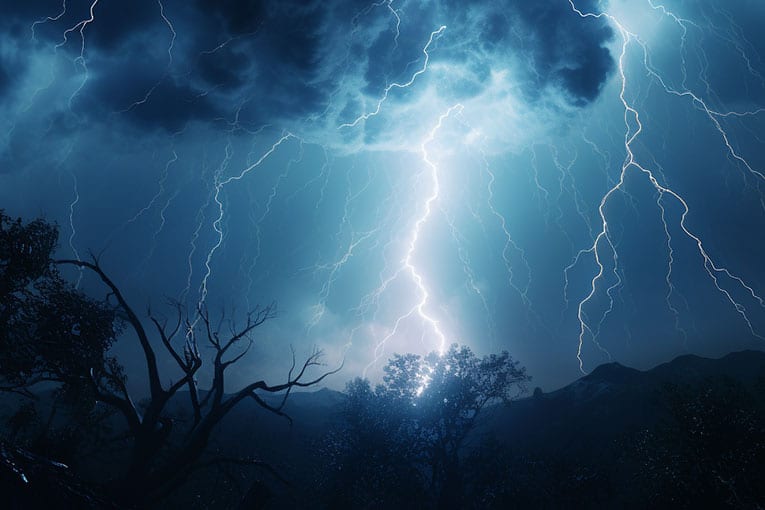
A lightning storm
Lightning is one of the main natural causes of wildfires

This can lead to large-scale wildfires, especially in areas with dry and combustible vegetation. 

Climate conditions and the frequency of thunderstorms can contribute to wildfires.

Campfires

Improperly managed campfires are a significant cause of wildfires. 

Unattended or poorly extinguished campfires can spread to surrounding vegetation and ignite a fire. 

Campers should always follow fire safety guidelines, including keeping fires small, using designated fire rings or pits, and ensuring that the fire is completely extinguished before leaving the site. 

It is crucial to douse the fire with water, stir the ashes, and repeat the process until the fire is cold to the touch.

Burning Vegetation

Whether intentional or not, burning of vegetation like agricultural burning or land clearing, can lead to wildfires. 

When uncontrolled, the spread of fires during vegetation burning can quickly escalate, especially in dry and windy conditions. 

Proper permits, monitoring weather conditions, and employing trained workers are essential for safe and controlled burning practices. 

It is important to follow local regulations and guidelines to prevent wildfires when conducting any form of vegetation burning.

Fallen Power Lines

Fallen power lines can be a significant cause of wildfires, particularly during windy conditions. 

Strong winds can cause power lines to break or come into contact with trees or dry vegetation, resulting in sparks and fires. 

Regular maintenance and inspection of power lines, timely tree trimming around power lines, and prompt repair of damaged infrastructure are essential for reducing the risk of wildfires caused by fallen power lines.

Cigarettes

Carelessly discarded cigarette butts can accidently start wildfires

Smokers should always use designated ashtrays or fire-safe containers to dispose of cigarette butts. 

It is crucial to fully extinguish cigarettes before discarding them and avoid smoking in fire-prone areas, particularly during dry and windy conditions.

Equipment Malfunctions

Equipment malfunctions, such as power tools, chainsaws, or machinery, can lead to wildfires if they generate sparks or excessive heat. 

Proper maintenance, regular inspection, and safe equipment operation are essential to prevent equipment-related wildfires. 

It is crucial to follow manufacturer guidelines, conduct routine maintenance checks, and promptly address any issues with equipment.

Vehicle Crashes

Vehicle crashes can cause wildfires when sparks or friction from the collision ignite. 

The heat generated from the impact, particularly with metal components, can also lead to fire ignition. 

Safe driving practices, proper vehicle maintenance, and avoiding off-road driving in fire-prone areas can help minimise the risk of wildfires caused by vehicle crashes.

Arson

Intentional acts of arson, where fires are intentionally set, are a significant cause of wildfires, and can lead to dangerous scenarios, and even loss of life

Arson can occur due to various motives, including vandalism, revenge, and even pyromania. 

It is a criminal offence and poses a serious threat to lives, property, and natural resources. 

Public awareness, community vigilance, and reporting suspicious activities can aid in preventing arson-related wildfires.

Controlled Burning

Controlled burning, also known as prescribed burning, is a planned fire management technique used to reduce vegetation fuel loads and promote ecosystem health. 

However, if not carefully executed, prescribed burns can escape control and result in wildfires. 

Proper planning, comprehensive risk assessments, and skilled personnel are essential for conducting prescribed burns safely. 

Adhering to specific weather conditions, monitoring fire behaviour, and having appropriate resources in place helps minimise the risk of prescribed burns turning into uncontrolled wildfires.

Fireworks

Improper use of fireworks, especially in areas with dry vegetation, can lead to wildfires. 

Fireworks produce sparks and embers that can ignite nearby combustible materials, including dry grass or trees. 

A fireworks show
Even though fireworks can be pretty to look at, they can be a cause of wildfires

Adhering to local laws and upkeep high fire safety standards regarding fireworks, using fireworks in designated areas, and ensuring proper disposal of fireworks debris is crucial to prevent wildfires.

Volcanoes

Volcanic eruptions can cause wildfires, particularly when hot lava or volcanic ash comes into contact with dry vegetation. 

Active volcano regions should have comprehensive emergency response plans in place to mitigate the impacts of volcanic-induced wildfires.

How does weather affect wildfires?

Increased temperatures alone do not guarantee a rise in wildfires. 

As previously stated, fires need a combination of 3 factors to survive; availability of fuel, fire-friendly conditions (such as dry weather), and the presence of an ignition source, whether human-caused or triggered by lightning strikes. 

One small spark can cause wildfires when conditions are dry and arid

The amount and dryness of vegetation are crucial factors since live, moist vegetation is less susceptible to burning compared to dry, dead vegetation, which easily catches fire and aids in the fire’s spread. 

This is why areas affected by hot, dry weather and drought are much more likely to have wildfires than areas that are often rainy and cold.

Weather conditions play a critical role in fire behaviour. 

Strong winds, like those experienced in the 2022 Colorado wildfires, can accelerate the spread of fires, resulting in unprecedented devastation for the affected communities.

Wildfires become more severe during prolonged periods of hot and dry weather due to higher temperatures leading to increased evaporation, which dries out the vegetation and provides ample fuel for the fires to thrive.

Where do most wildfires occur?

Wildfires happen all over the world. Places like the United States, Canada, Australia, the Western Cape of South Africa, and Southern Europe, especially forested areas, grasslands, and shrublands, are particularly susceptible to these blazes, particularly during extended periods of drought and high temperatures.

Among the regions in the United States, California and other Western states stand out as being prone to wildfires. 

The vegetation in this area, comprising pine needles, dry shrubs, and grasses, possesses higher flammability compared to moister trees like maple and beech found in other parts of the country.

The Western US’s mild and arid climate further contributes to the fire risk. California, in particular, experiences long, hot, and dry summers, which lead to the dehydration of vegetation, leaving it highly susceptible to wildfires.

Conclusion

Wildfires can have devastating consequences for ecosystems and communities. 

Understanding the common causes of wildfires is necessary to be able to better prevent them. 

Whether ignited by natural occurrences or as a result of human negligence, wildfires can be mitigated through responsible behaviour, adherence to fire safety guidelines, and community awareness. 

Implementing fire prevention strategies, practising safe habits, and promoting fire education can help minimise the occurrence and severity of wildfires. 

By working together, we can reduce the impact of wildfires and protect our environment for future generations.

23 Common Causes of Fire

Fires are a devastating and dangerous occurrence that can cause immense damage to property and pose a threat to lives, with the cost of fire in the UK now above £12 billion.

Understanding the most common causes of fire is essential for prevention and safety. 

By being aware of these causes, we can take proactive measures to minimise the risk of fire incidents. 

This article aims to provide an overview of 23 of the most common causes of fire, ranging from everyday activities to potential hazards within our surroundings.

By exploring some of the main causes, we can enhance our knowledge and promote fire safety in our homes, workplaces, and communities.

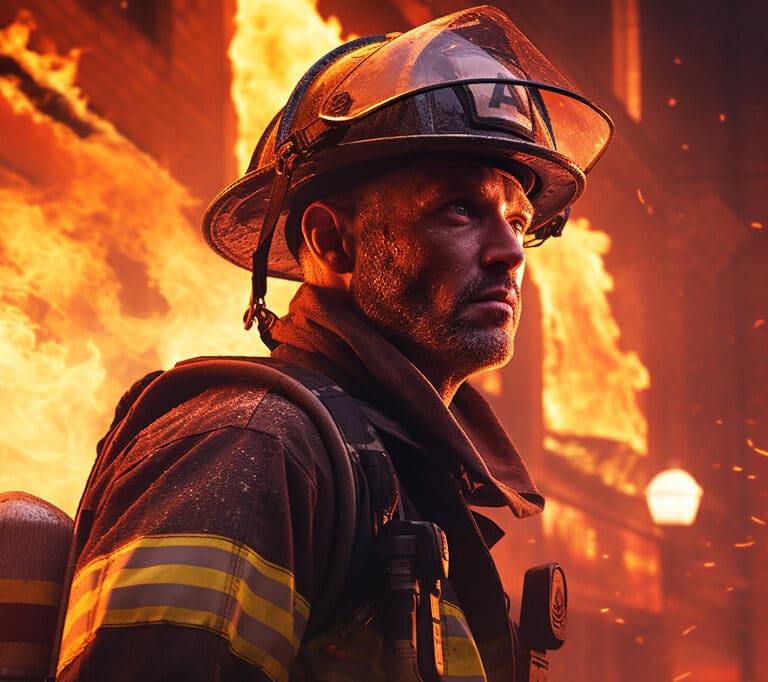
A firefighter fighting a fire
Knowing the causes of fire can help firefighters

Cooking Equipment

Cooking equipment is one of the leading causes of residential fires. 

Unattended cooking, grease buildup, and flammable objects left too close to heat sources can ignite fires. 

It’s crucial to maintain a high standard of cooking safety, use timers as reminders, and keep a safe distance between flammable materials and heat sources.

Heating Equipment

Heating equipment, including space heaters and furnaces, can pose a fire hazard if not used correctly. 

Overheating, lack of maintenance, and placing flammable items near heat sources can lead to fires. 

Regular inspection and maintenance of heating systems, proper ventilation, and keeping flammable items away from heaters are vital safety measures.

Electrical Equipment

Electrical equipment, such as faulty wiring, overloaded circuits, and malfunctioning appliances, is one of the leading causes of fire, as well as one of the most dangerous fires to put out. 

Electrical sparks, short circuits, and overheating due to loose connections or damaged cords can ignite fires. 

Ensuring proper installation, regular inspection, and prompt repair of electrical systems and appliances are crucial for fire prevention.

Cigarettes, Cigars & E-Cigarettes

Careless handling and improper disposal of cigarettes, cigars, and e-cigarettes are common causes of fires. 

Discarding lit cigarettes improperly or not fully extinguishing them can ignite flammable materials. 

Smokers should use designated ashtrays, never smoke in bed, and ensure proper disposal of smoking materials in fire-safe containers.

Candles

Candles, while creating a pleasant ambiance, can also be a fire hazard if left unattended. 

Accidental knocks, proximity to flammable objects, or forgetting to extinguish candles can result in fires. 

It’s important to place candles on stable surfaces, away from flammable materials, and never leave them burning when unattended.

Children Playing with Matches

Children playing with matches or lighters out of curiosity can lead to fire incidents. 

Educating children about the dangers of matches and lighters and keeping them out of their reach are essential preventive measures. 

Parents should store matches and lighters in secure locations to prevent access by children.

Faulty Electrical Wiring

A burning car on fire
Electrical faults can be especially dangerous in cars

Faulty electrical wiring, due to age, poor installation, or rodent damage, can cause electrical fires. 

Overheating wires, short circuits, and electrical arcing are common signs of faulty wiring. 

Regular electrical inspections, prompt repairs, and the use of licensed electricians can help prevent electrical fires.

Christmas Decorations

Christmas decorations, such as lights and candles, can pose fire risks if not used safely and are a serious cause of fire around the holiday season. 

Overloaded electrical sockets, damaged lights, and placing flammable decorations near heat sources can ignite fires. 

Following manufacturer’s instructions, using LED lights, and keeping decorations away from flammable materials are essential for fire safety during the holiday season.

BBQs

Disposable BBQ misuse can lead to dangerous wildfires

Barbecue grills, if used incorrectly, can be some of the main causes of fire

Improper placement near flammable structures, grease buildup, and failing to extinguish coals properly can result in fires.

Incorrectly used disposable BBQ’s also have a high risk of causing wildfires

Safe barbecue practices, regular cleaning of grills, and maintaining a safe distance from flammable materials are crucial for preventing accidents.

Bonfires

Bonfires, while enjoyable, require caution to prevent accidents. 

Inadequate containment, excessive size, and proximity to flammable materials can lead to uncontrolled fires. 

Ensuring proper construction, maintaining a safe distance from structures and vegetation, and having firefighting equipment nearby are important safety measures.

Remote Controls

Neglected or damaged remote controls can cause fires. 

Malfunctioning batteries, short circuits, and overheating can lead to remote control fires. 

Regularly checking and replacing batteries, keeping remote controls away from heat sources, and avoiding excessive pressure on buttons can prevent such incidents.

Batteries

Improper handling of batteries can be one of the causes of fire

Damaged or expired batteries, incorrect insertion, and mixing different types of batteries can cause overheating and fires. More public awareness is needed to help prevent battery fires. 

Safely storing batteries, using the correct battery type, and recycling old batteries properly are essential for fire prevention.

Tumble Dryers

Tumble dryers with clogged lint filters and vents pose a fire hazard. 

Accumulated lint can ignite from the dryer’s heat, leading to fires. 

Regularly cleaning lint filters, ensuring proper venting, and professional dryer maintenance can prevent such incidents.

Aerosol Cans

Aerosol cans, if exposed to heat or punctured, can explode and ignite fires. 

Leaving aerosol cans near heat sources or disposing of them improperly can lead to dangerous fire situations. 

Storing aerosol cans in cool, well-ventilated areas and following proper disposal guidelines are crucial for fire safety.

Arson 

Arson attacks can ruin entire families

Intentional acts of arson, where fires are set deliberately, can cause significant damage. 

Arson can occur due to various reasons, including vandalism, revenge, or insurance fraud. 

Community awareness, neighbourhood watch programs, and reporting suspicious activities can help deter arson incidents.

Construction Materials

Construction materials, such as flammable insulation, paint, or chemicals, can contribute to causes of fire during building projects. 

Mishandling, improper storage, and inadequate fire safety measures can lead to construction site fires. 

Implementing proper fire prevention strategies, following safety regulations, and having fire extinguishers readily available are vital during construction activities.

Clutter

Accumulated clutter can increase the risk of fires by obstructing escape routes and providing fuel for flames. 

Cluttered spaces make it challenging to control or escape fires quickly. 

Regular decluttering, proper storage of items, and maintaining clear pathways can help minimise fire hazards.

Flammable Liquids, Gases & Materials 

A burning factory on fire
Factory fires can be absolutely devastating, especially to the environment

Improper handling, storage, or use of flammable liquids, gases, and materials can lead to fires. 

Ignition sources near flammable substances, improper ventilation, and failure to follow safety guidelines are significant fire risk factors. 

Proper storage, using suitable containers, and adhering to safety protocols when working with flammable materials are essential for fire prevention.

Human Error

Human error, such as forgetfulness or negligence, can contribute to fire incidents. 

Leaving appliances unattended, forgetting to extinguish flames, or improperly handling flammable substances are examples of human error leading to fires. 

Being vigilant, practising fire safety habits, and staying aware of potential fire hazards are crucial for preventing accidents.

Outdated Fire Risk Assessments

Outdated or inadequate fire risk assessments can fail to address emerging fire hazards, increasing the risk of fire incidents. 

Regularly reviewing and updating fire risk assessments, considering changes in the environment or operations, and implementing appropriate fire safety measures are essential for effective fire prevention.

Mechanical Friction

Mechanical friction, such as faulty vehicles, machinery or equipment, can generate heat and sparks that ignite fires. 

Lack of lubrication, loose parts, or worn-out components can contribute to friction-related fires. 

Regular maintenance, inspection, and prompt repair of machinery are vital for preventing such incidents.

Negligence

Negligence, including careless behaviour, disregard for fire safety practices, or failure to follow regulations, can lead to fires. 

Ignoring safety protocols, misusing electrical equipment, or bypassing safety measures are examples of negligent actions that increase the risk of fire incidents. 

Cultivating a culture of safety, providing adequate fire prevention training, and enforcing compliance with fire safety standards can help mitigate the effects of negligence.

Nutella

In a tragic incident, sun rays shining through a glass jar of Nutella chocolate spread sparked a huge house fire that claimed the life of a family’s dog

The low winter sunlight refracted by the jar, which was used to collect loom bands, caused the rays to be magnified and ignited blinds, resulting in the devastating fire. 

This incident serves as a reminder to keep glass items away from windows and direct sunlight to prevent similar accidents.

Conclusion

Understanding the common causes of fire is crucial for promoting fire safety in our daily lives. 

By being aware of the potential fire hazards associated with cooking equipment, heating devices, electrical equipment, smoking materials, candles, and various other sources, we can take preventive measures to minimise the risk of fire incidents. 

Practising safe habits, ensuring regular maintenance, and adhering to fire safety guidelines can significantly reduce the likelihood of fires. 

It is important to educate ourselves and others about fire prevention, promote fire safety awareness, and create a culture of responsibility and vigilance. 
By taking these steps, we can protect our homes, workplaces, and communities from some of the main causes of fire and its devastating effects.