List of Firefighting Equipment

Firefighting equipment is what helps firefighters to extinguish flames, ensuring the safety of lives and property, and the varied list of firefighting equipment shows how diverse firefighting really is. 

From traditional tools like fire extinguishers to cutting-edge technology such as thermal imaging cameras, each item plays a crucial role in a firefighter’s arsenal. 

In this article, we’ll explore the diverse list of firefighting equipment, shedding light on their functions and importance in the face of fire emergencies.

What is Firefighting Equipment?

Firefighting equipment encompasses a diverse range of tools, devices, and protective gear specifically designed to combat and manage fires effectively. 

These crucial elements are essential for firefighters in their mission to extinguish flames, rescue individuals, and mitigate the impact of fire emergencies. 

Each piece of equipment serves a unique purpose in the complex and challenging task of firefighting.

Firefighting equipment is not only about extinguishing flames but also about ensuring the safety of those on the front lines. 

Protective gear, such as fire suits and gloves, shields firefighters from extreme heat, allowing them to navigate hazardous environments. 

The continuous advancements in firefighting equipment underscore a commitment to improving the efficiency, safety, and overall effectiveness of firefighting operations.

Firefighting equipment is the lifeline for those who risk their lives to protect communities and properties from the devastating impact of fires.

List of Firefighting Equipment

Firefighting equipment constitutes a comprehensive arsenal designed to combat fires of varying intensities and types. 

Each tool plays a crucial role in ensuring the safety of firefighters and the effectiveness of fire suppression efforts.

Fire Extinguishers
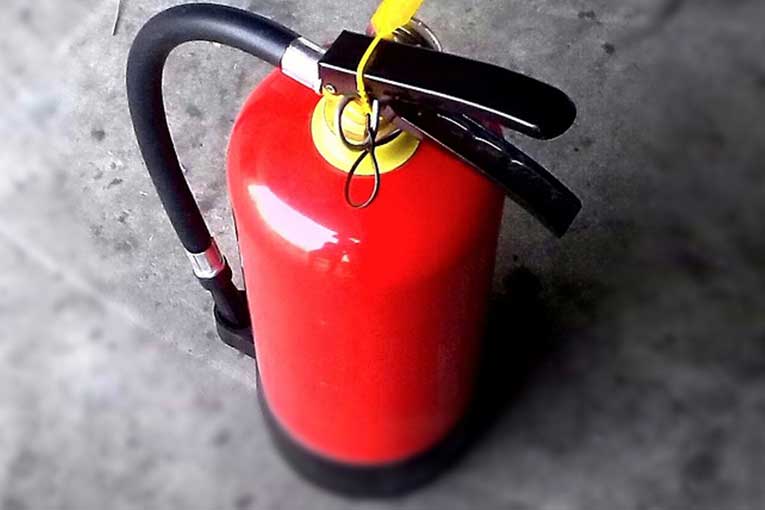
fire extinguisher firefighting equipment

Portable and versatile, fire extinguishers are essential for promptly suppressing and extinguishing small fires. 

There are many different types of fire extinguisher, each containing specific firefighting agents such as water, foam, dry powder, or CO2. 

The diversity in extinguisher types ensures flexibility in addressing different classes of fires—whether involving ordinary combustibles, flammable liquids, electrical equipment, or gases. 

This adaptability allows firefighters and individuals to employ the most suitable extinguishing agent, enhancing the effectiveness of fire suppression efforts across a wide range of fire scenarios.

Fire Extinguisher Ball
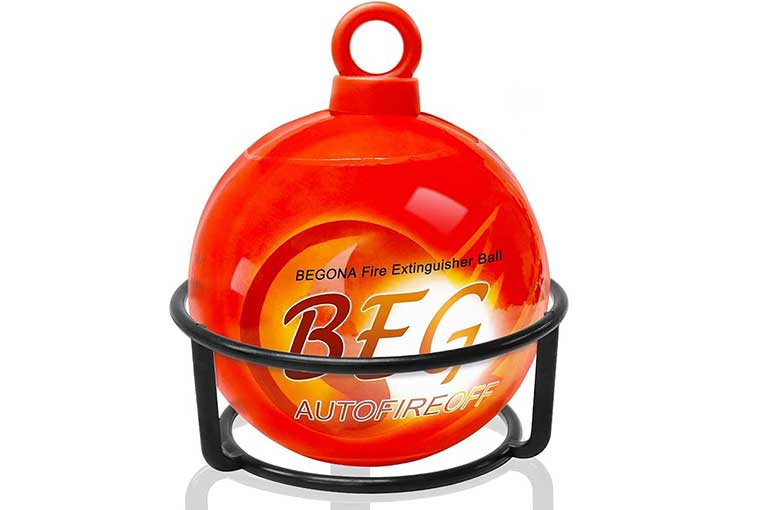
fire extinguisher ball firefighting equipment
Source: Amazon

An innovative self-activating fire suppression system, the Fire Extinguisher Ball offers a unique approach to firefighting. 

When exposed to flames, the ball bursts autonomously, releasing a fine powder that swiftly and effectively extinguishes the fire. 

This ingenious device is particularly advantageous in confined spaces or areas with limited accessibility, where traditional firefighting methods might face challenges. 

The Fire Extinguisher Ball’s ability to initiate fire suppression independently makes it a valuable addition to fire safety measures, ensuring a rapid response even in scenarios where immediate human intervention may be difficult.

Fire Hoses
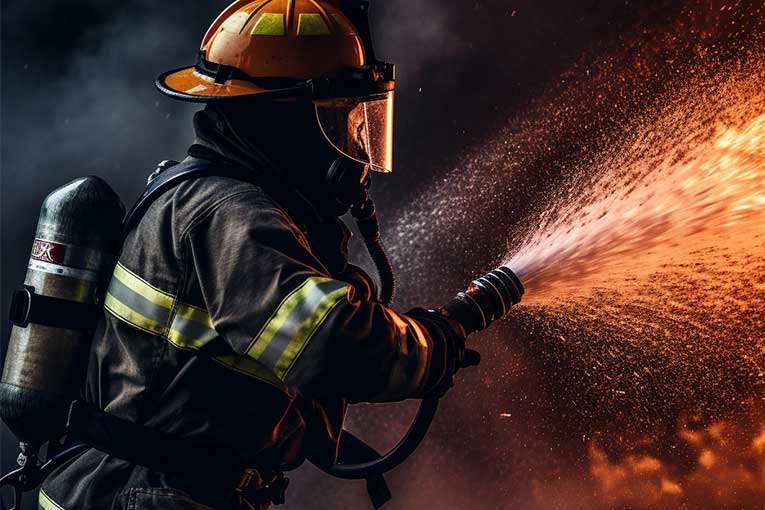
fire hose firefighting equipment

As one of the most prevalent tools in large-scale firefighting, fire hoses are indispensable for firefighters combating significant flames. 

These flexible and robust hoses serve as critical conduits, allowing the directed flow of water onto the fire. 

Their length and adaptability empower firefighters to reach remote or challenging locations, providing a versatile means of effectively delivering water to suppress fires. 

The strategic use of fire hoses enhances the agility and reach of firefighting efforts, enabling responders to address fires in diverse environments and mitigate potential challenges posed by the fire’s scale and intensity.

Hose Jets
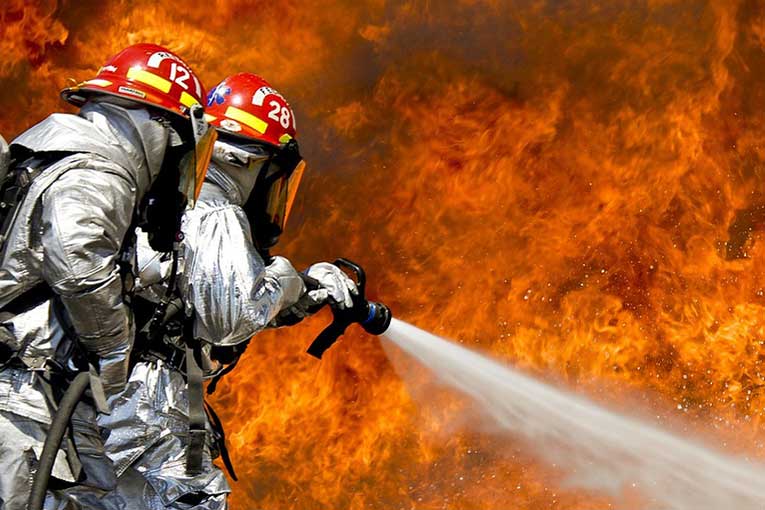
fire hose firefighting equipment

Hose Jets represent heightened firefighting capabilities, requiring the collaboration of two firefighters to handle their extra power. 

These specialised tools offer an elevated force and flow, allowing firefighters to exert increased control over the extinguishing process. 

With the ability to adjust the jet stream, firefighters enhance precision in directing water onto the flames, addressing specific firefighting requirements. 

The collaborative use of Hose Jets reflects a strategic approach, amplifying the effectiveness of firefighting efforts in scenarios where a more robust and targeted water delivery is essential to combat fires of greater scale or intensity.

Fire Buckets
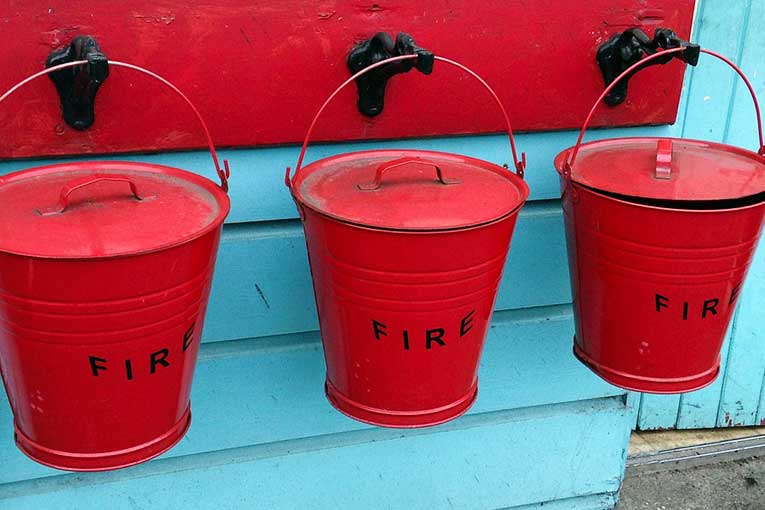
fire buckets firefighting equipment

Simple in design yet highly effective, fire buckets are containers filled with either water or sand. 

Positioned strategically, these buckets serve as immediate response tools, offering a swift and accessible means to douse small fires or control sparks. 

Their simplicity makes them an essential first line of defence, providing an uncomplicated yet crucial tool in the initial stages of firefighting. 

Whether used by trained personnel or as part of fire safety measures in public spaces, fire buckets play a fundamental role in empowering individuals to take immediate action and contribute to fire containment efforts.

Flamezorb

flamezorb firefighting equipment
Source: Amazon

Flamezorb, a granular substance, serves as a rapid-response tool in firefighting by efficiently absorbing flammable liquids. 

When applied to spills, it swiftly neutralises and absorbs the substances, preventing the spread of fire. 

This versatile and effective tool finds particular utility in scenarios involving hazardous materials or potential chemical fires, where the quick containment of flammable liquids is essential to mitigate the risk of fire escalation. 

Flamezorb’s ability to address such specific challenges makes it a valuable asset in the firefighting arsenal, contributing to the overall effectiveness of fire suppression efforts in diverse and complex situations.

Fire Blankets
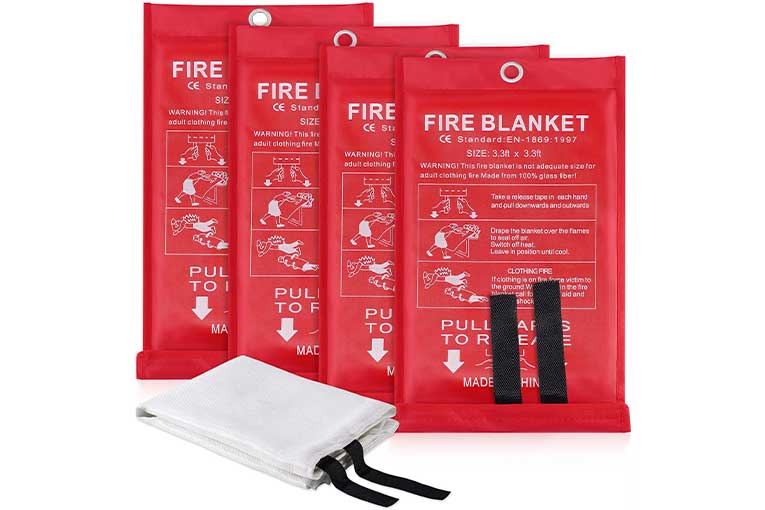
fire blanket firefighting equipment
Source: Amazon

Constructed from fire-resistant materials, fire blankets emerge as versatile tools in firefighting and emergency response. 

Beyond their primary function of smothering small fires, these blankets provide a multifaceted solution. 

In emergency situations, they offer protection by wrapping around individuals, creating a temporary shield against flames and heat. 

The adaptability of fire blankets extends their utility beyond traditional firefighting scenarios, making them valuable assets in various emergency situations where rapid response and versatile tools are paramount to ensuring the safety of individuals and effectively addressing evolving challenges.

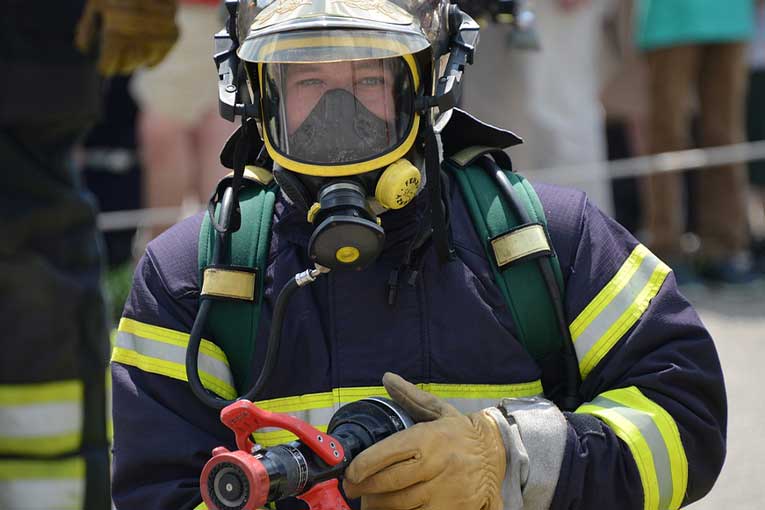
Fire Suit
fire suit firefighting equipment

Specially designed for the demanding challenges of firefighting, a fire suit is more than  a mere uniform – it’s a shield against extreme heat and flames. 

Crafted from fire-resistant materials, these suits envelop firefighters in a protective barrier during the most intense operations. 

With layers designed to withstand the harsh conditions of a fire, these suits are crucial in ensuring the safety and well-being of firefighters. 

The specialised construction of fire suits exemplifies the commitment to providing a robust defence against the hazards encountered in the line of duty, reinforcing the resilience of those who bravely confront the flames.

Firefighter Gloves
firefighting gloves firefighting equipment
Source: Amazon

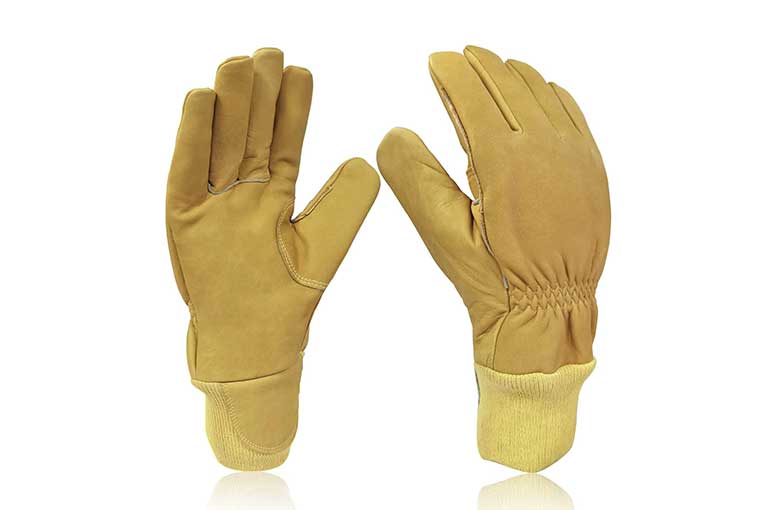
These gloves are essential for firefighters, offering crucial hand protection in the dynamic and intense environments encountered during firefighting operations. 

Crafted from materials resistant to high temperatures, they enable firefighters to handle hot surfaces and materials with confidence. 

The specialised design of firefighter gloves prioritises both dexterity and protection, allowing firefighters to navigate challenging situations while safeguarding their hands from the formidable heat generated in the course of combating fires. 

Gas Tight Suit

gas tight suit firefighting equipment
Source: Wikipedia

Comprising a multi-layered construction, these suits act as an impermeable barrier, creating a formidable shield between the firefighter and potentially harmful substances. 

Their purpose extends beyond conventional firefighting gear, addressing the specific challenges posed by chemical fires and the release of dangerous gases. 

By providing an encapsulating defence, gas-tight suits empower firefighters to navigate complex and perilous environments, ensuring their safety while enabling effective response and mitigation in the face of chemical hazards.

Drones
drones firefighting equipment

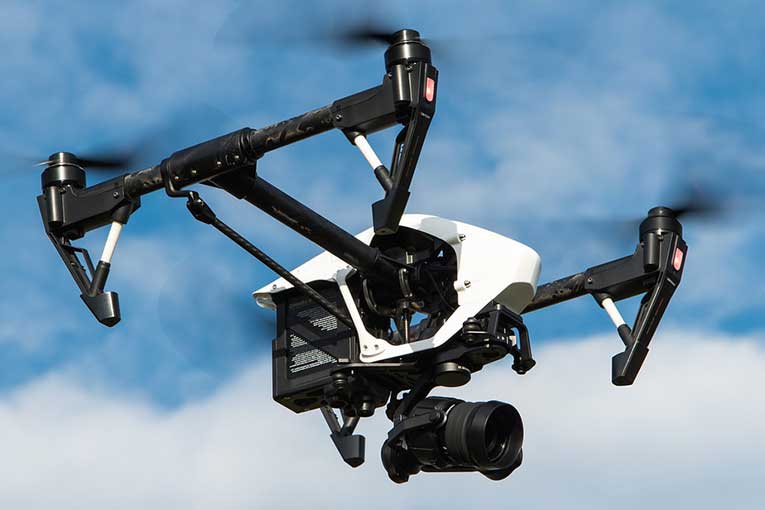
These unmanned aerial vehicles, equipped with advanced cameras, offer invaluable aerial views that significantly enhance fire assessment capabilities. 

Providing real-time situational awareness, drones become the eyes in the sky for firefighting teams. 

Their ability to swiftly survey large areas and capture critical information aids in strategizing and responding effectively to incidents. 

Drones not only contribute to the safety and efficiency of firefighting operations but also offer a technological edge, elevating the precision and speed with which responders can assess, plan, and execute strategies in the dynamic context of firefighting scenarios.

Thermal Imaging Camera
thermal camera firefighting equipment

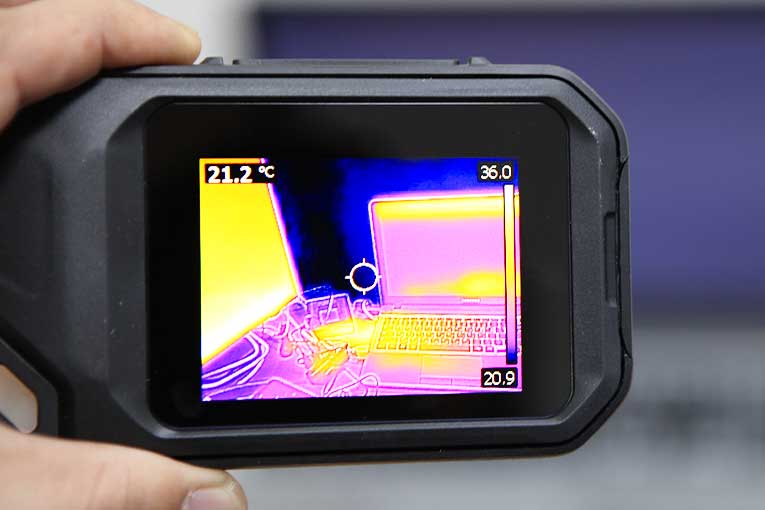
Thermal imaging cameras aid in locating individuals trapped in smoke-filled environments and identifying hotspots that may not be visible to the naked eye. 

The invaluable data provided by thermal imaging cameras enhances the efficiency and safety of firefighting operations. 

By offering real-time insights into the intensity and distribution of heat, these devices empower firefighters with the ability to make informed decisions, optimise resource allocation, and execute targeted strategies for suppressing fires and conducting search and rescue operations.

Breathing Apparatus
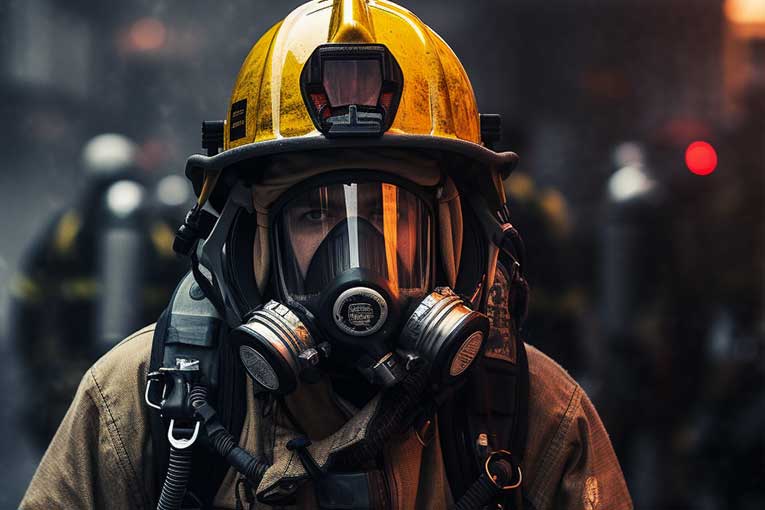
breathing apparatus firefighting equipment

In smoke filled environments, these devices play a crucial role in ensuring the safety of firefighters by providing a continuous supply of clean air. 

The reliability and functionality of these apparatuses exemplify their vital role in preserving the well-being of firefighters and ensuring their ability to execute effective firefighting and rescue operations in environments where clean air is a precious commodity.

Positive Pressure Ventilation Fan

positive pressure ventilation fans firefighting equipment
Source: Wikipedia

Positive pressure ventilation fans are devices designed to create airflow that effectively removes smoke and toxins from enclosed spaces. 

By generating a controlled and directed flow of air, these fans contribute significantly to improving visibility for firefighters within confined areas. 

Beyond enhancing visibility, the removal of smoke and toxins creates a safer working environment, allowing firefighters to operate more efficiently and with reduced exposure to hazardous substances. 

Ladders
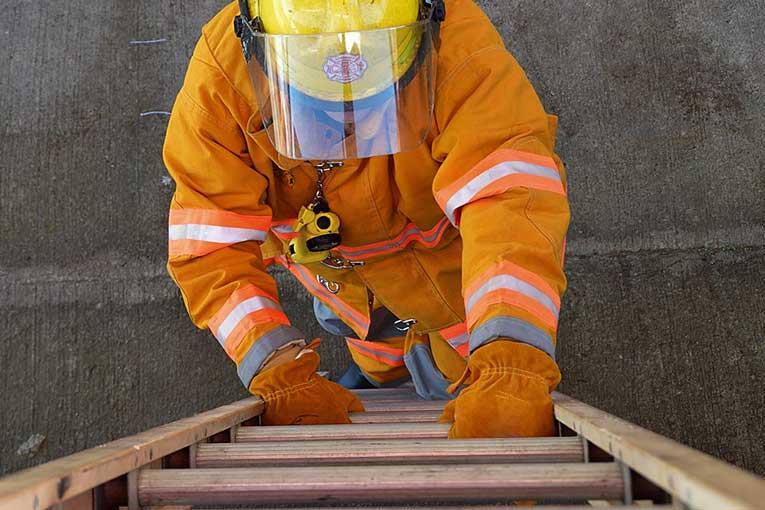
ladders firefighting equipment

These versatile devices play a pivotal role in firefighting operations by enabling firefighters to access elevated areas, conduct rescues, and navigate challenging environments. 

Whether extending to reach upper floors of buildings or providing a stable platform for rescue operations, ladders enhance the agility and effectiveness of firefighting teams. 

Their portability and adaptability make them fundamental in addressing the diverse challenges posed by fires in varying structures and scenarios, contributing to the overall success and safety of firefighting operations.

Fire Fighting Vehicle
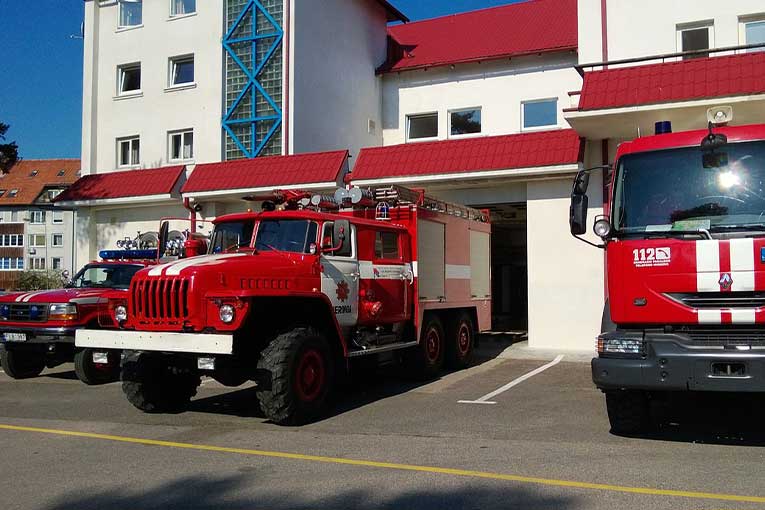
vehicles firefighting equipment

These vehicles carry essential firefighting tools, water tanks, and hoses, ensuring a swift and effective response to fire emergencies. 

Beyond their mobility, the specialised equipment on these vehicles equips firefighters with the resources needed to combat fires of varying scales. 

Whether navigating through urban environments or remote locations, these vehicles enhance the reach and capabilities of firefighting teams, playing a vital role in the timely containment and suppression of fires to protect lives and property.

How is Firefighting Equipment Used?

The strategic use of equipment is paramount, requiring a careful assessment of each fire’s unique characteristics. 

Firefighters, equipped with a diverse array of tools, employ a systematic approach to address different scales and types of fires.

Fire extinguishers, compact and versatile, find their application in swiftly suppressing small fires. 

Firefighters select the appropriate extinguisher based on the fire’s nature and discharge the firefighting agent with precision, aiming at the fire’s base. 

For larger incidents, fire hoses connected to water sources become instrumental. 

The hoses allow firefighters to direct water effectively, reaching inaccessible areas, while sprinklers automatically release water upon detecting excessive heat, contributing to fire containment.

Protective gear, including fire suits and gloves, plays a pivotal role in ensuring firefighters’ safety as they confront flames. 

These specialised garments shield against extreme heat, providing a critical barrier between the firefighter and the hazardous environment.

Cutting-edge technology, such as drones equipped with cameras and thermal imaging devices, offers invaluable insights. 

Drones provide aerial views, enhancing situational awareness for better decision-making, while thermal imaging cameras aid in locating individuals and identifying hotspots within a fire.

The use of firefighting equipment is not only reliant on the tools themselves but also on the skill, training, and coordination of firefighting teams. 

Firefighters undergo rigorous training to understand the capabilities and limitations of each tool, ensuring a synchronised and effective response to diverse fire scenarios. 

The strategic and well-coordinated utilisation of firefighting equipment remains a cornerstone in the battle against the unpredictable and destructive force of fires.

What Other Equipment Helps with Firefighting?

Some firefighting equipment is not directly used to directly put out fires, but it used to improve the safety and efficiency of firefighters.

Fire Sprinklers

fire sprinklers firefighting equipment
Source: Wikipedia

Installed in buildings, fire sprinklers are automatic devices that release water when detecting excessive heat. 

They play a crucial role in suppressing fire outbreaks and limiting damage in enclosed spaces. 

Strategically positioned, their rapid response significantly contributes to controlling fires, preventing their escalation, and protecting lives and property within structures.

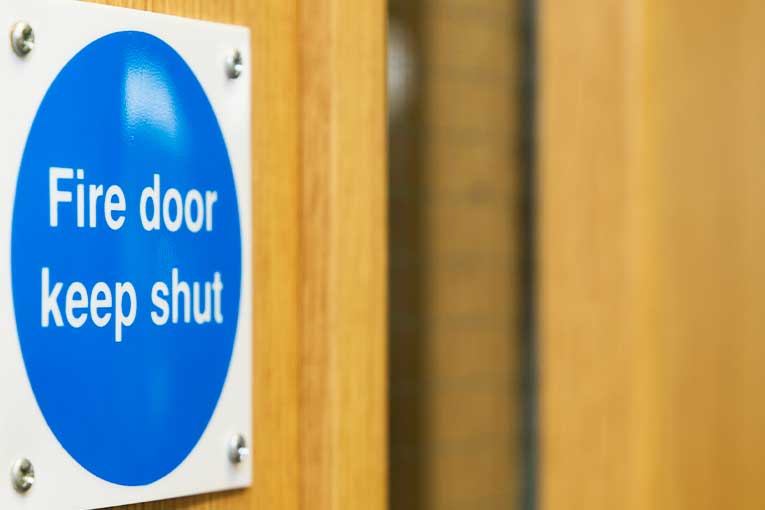
Fire Doors
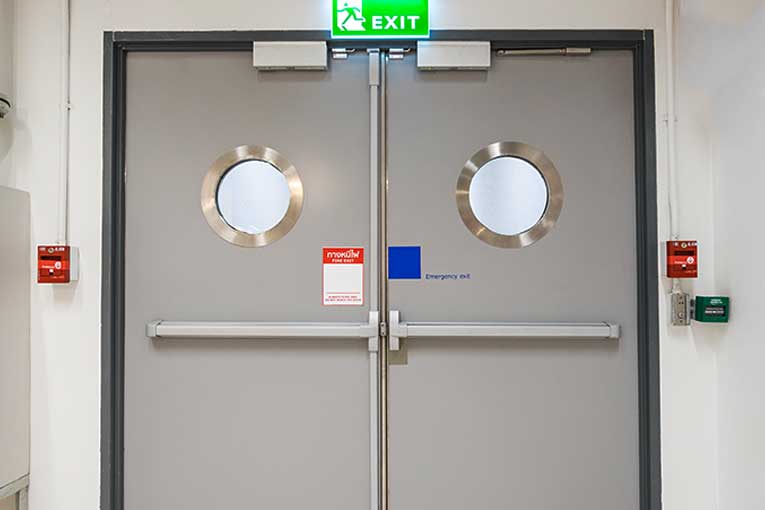
Specialised fire doors are meticulously designed to resist fire and smoke, acting as effective barriers to limit their spread within a building. 

These doors are critical components of passive fire protection systems, providing crucial time for evacuation and minimising the potential for fire extension.

Emergency Signs
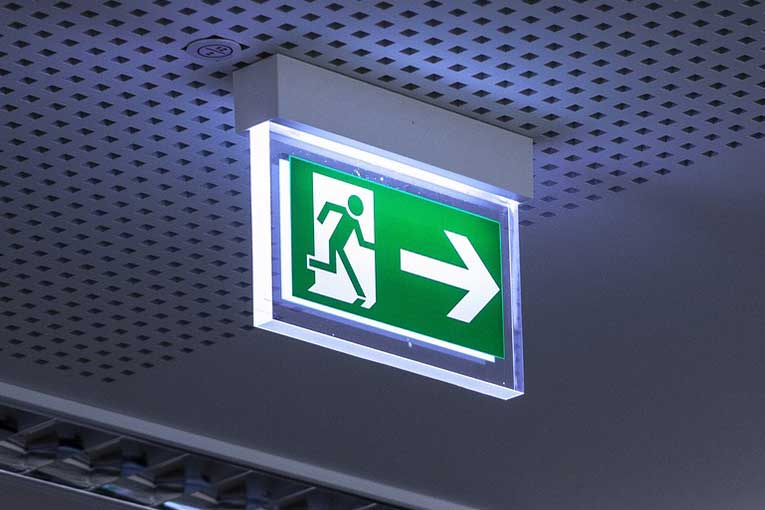
emergency signs firefighting supporting equipment

Clearly marked emergency lighting and signs are indispensable in ensuring swift and safe evacuation. 

These signs delineate evacuation routes and indicate the locations of firefighting equipment, guiding occupants to safety during fire emergencies.

Smoke Alarms
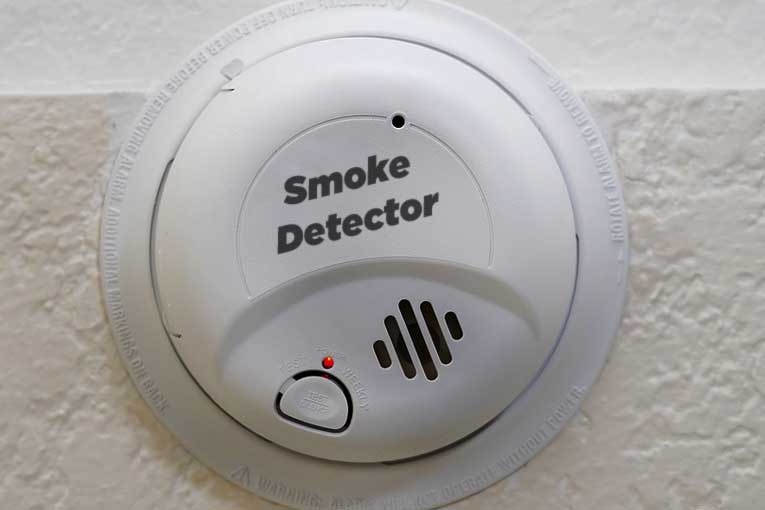
There is 4 different smoke detector types

Essential components of early warning systems, smoke detectors are devices that promptly detect smoke, alerting occupants to potential fire hazards. 

Their rapid detection capability is pivotal in providing early warnings, allowing for timely response and evacuation.

The different types of smoke alarms ensure people can react quickly  to different types of fires.

BA Entry Board
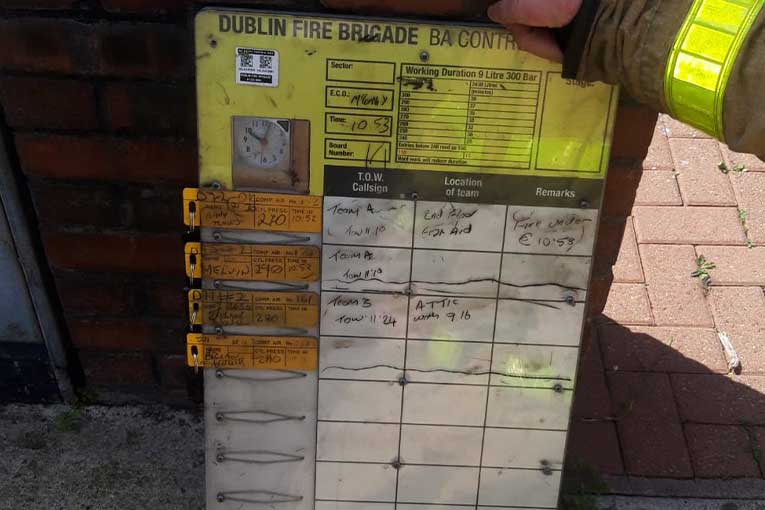
The Breathing Apparatus (BA) Entry Board serves as a control hub during breathing apparatus operations. 

It manages the entry and exit procedures of firefighters equipped with breathing apparatus, ensuring systematic and safe operations in environments with compromised air quality.

First Aid Kit
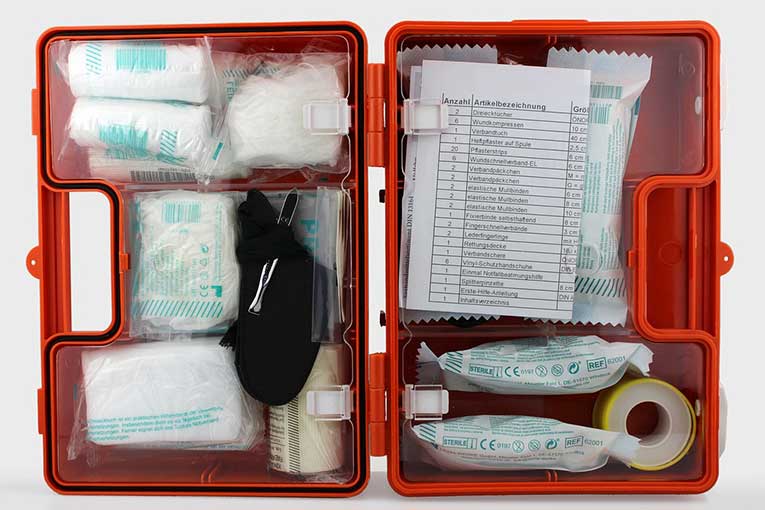
first aid kit firefighting supporting equipment

Containing medical supplies, first aid kits address injuries sustained during firefighting or rescue operations. 

They provide essential support until more extensive medical assistance is available.

Light Portable Pump
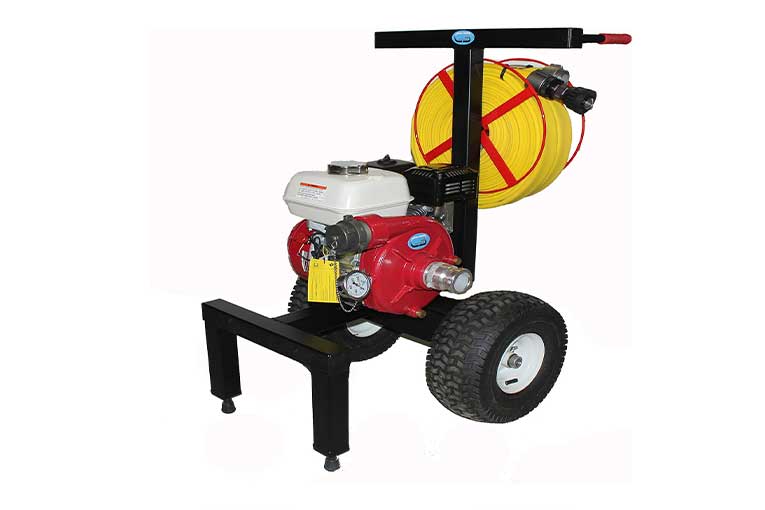
light portable pump firefighting equipment
Source: Amazon

Compact and portable, light pumps are indispensable for transporting water to areas inaccessible to larger firefighting vehicles. 

These pumps enhance operational flexibility, providing firefighting teams with the ability to establish water supply points in diverse environments.

Cutters

cutters firefighting equipment
Source: Wikipedia

Cutting through materials obstructing access or rescuing individuals, cutters are versatile tools used by firefighters. 

They play a crucial role in extrication operations, enabling swift and precise interventions in situations where immediate access is essential.

Spreaders
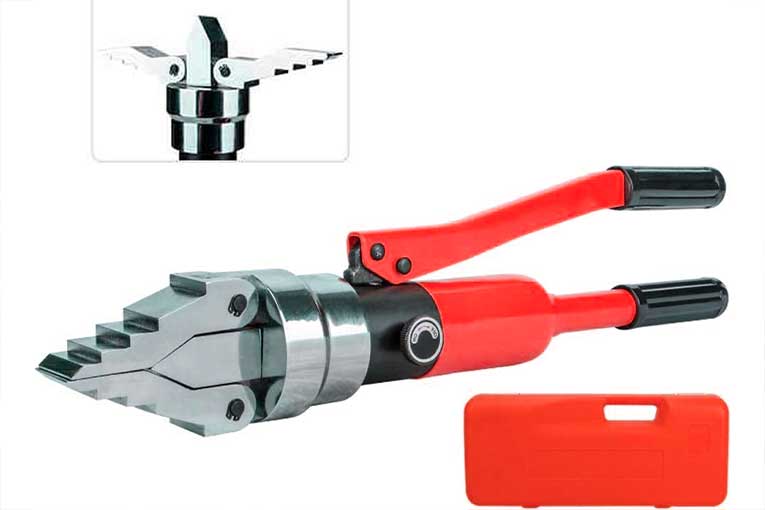
spreaders firefighting equipment
Source: Amazon

Hydraulic spreaders are powerful devices used to pry open objects or create openings in rescue situations. 

These tools are instrumental in providing access to trapped individuals, facilitating efficient rescue operations.

Rams

rams firefighting equipment
Source: Wikipedia

Hydraulic rams are tools designed to force open doors or create pathways during rescue operations. 

Their robust construction and power make them essential for situations where conventional access methods are insufficient.

Do Not Cross Tape
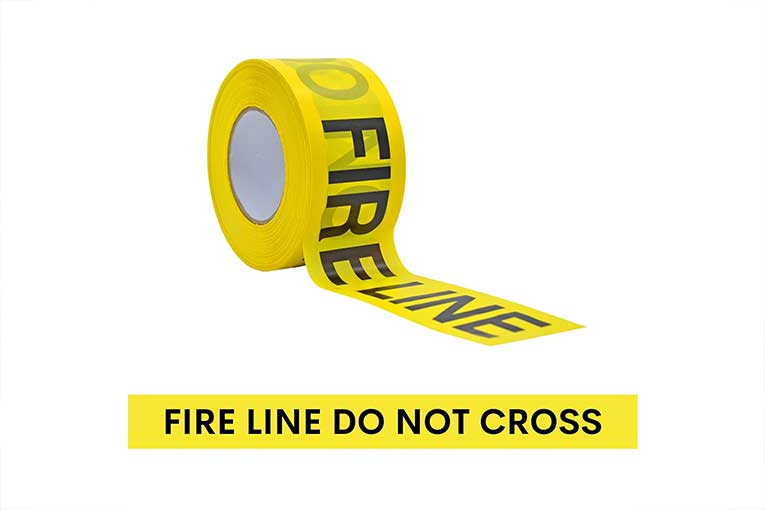
do not cross tape firefighting equipment
Source: Amazon

Visible tape with the clear directive “Do Not Cross” is utilised to cordon off unsafe areas and control access to the fire scene. 

This tape ensures the safety of both emergency responders and the public by preventing unauthorised entry into potentially hazardous zones.

Traffic Cones
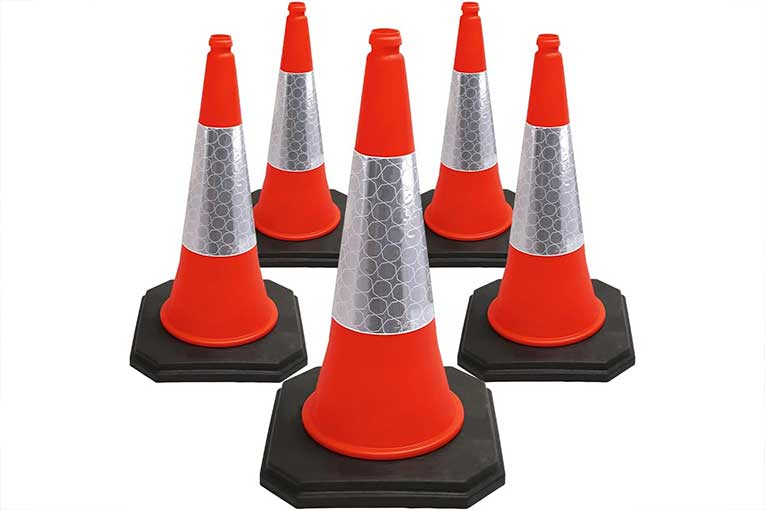
traffic cones firefighting equipment
Source: Amazon

Deployed to manage traffic and create clear pathways for emergency vehicles, traffic cones are essential in ensuring unimpeded access for firefighting teams. 

These cones play a crucial role in maintaining order and facilitating the rapid movement of emergency vehicles to and from the incident scene.

What Does the Future Hold for Firefighting Equipment?

The future of firefighting equipment holds exciting possibilities, driven by advancements in technology, materials, and design. 

One prominent trend is the integration of smart technologies, such as artificial intelligence and the Internet of Things, into firefighting gear. 

This includes wearable sensors and augmented reality visors that provide real-time data to firefighters, enhancing situational awareness and decision-making. 

Innovations in materials science are shaping the development of more lightweight yet durable protective gear, addressing comfort and mobility concerns for firefighters. 

Nanotechnology may lead to advanced flame-resistant fabrics, ensuring greater protection against extreme temperatures. 

Additionally, the use of robotics in firefighting, ranging from autonomous vehicles to robotic firefighting assistants, is on the horizon.

As climate change intensifies, firefighting equipment is likely to evolve to cope with more frequent and severe wildfires. 

This may involve the development of specialised tools for wildfires and improved strategies for early detection and prevention. 

The collaborative efforts of researchers, engineers, and firefighters promise a future where technology plays a pivotal role in enhancing the safety, efficiency, and effectiveness of firefighting operations, ultimately better equipping first responders to address evolving challenges.

Conclusion

The array of equipment at a firefighter’s disposal is vast and diverse. 

From traditional tools that have stood the test of time to cutting-edge technology ensuring efficiency and safety, each item plays a crucial role in combating fires and protecting lives. 

The continuous evolution of firefighting equipment reflects a commitment to enhancing the capabilities of those who bravely confront the unpredictable nature of fires. 

As technology advances, so does our ability to respond effectively to fire emergencies, ensuring a safer and more resilient future for communities worldwide.
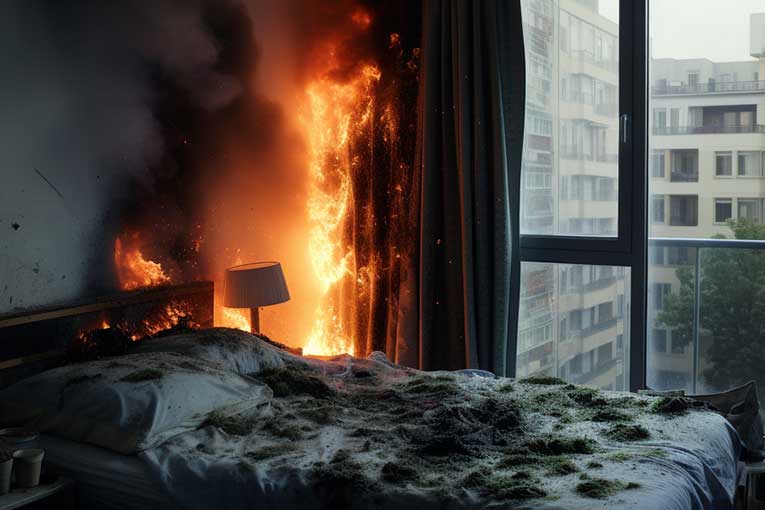

4 Smoke Detector Types Explained

In home safety, smoke detectors are always ready to alert us to potential dangers. 

However, not all smoke detectors are created equal. 

There are different types, each designed for specific purposes. 

In this article, we’ll unravel the mystery of smoke detector types, explaining their functionalities, strengths, and ideal applications. 

Understanding these variations is crucial for ensuring the safety of your home and loved ones.

Why are there Different Smoke Detector Types?

There is 4 different smoke detector types
There are 4 different smoke detector types

You might wonder why there’s a need for different smoke detector types. 

The answer lies in the varying natures of fires. 

Some fires produce different types of smoke and heat, making it essential to have varied smoke detector types that sense these differences. 

By having multiple types, you’re ensuring a higher chance of early detection regardless of the fire’s origin.

Ionisation Smoke Detector

Ionisation smoke detectors operate on the principle of ionising radiation, utilising a small, controlled amount of radioactive material, often americium-241. 

This material emits alpha particles, which ionise the surrounding air molecules in a small chamber inside the detector. 

This ionisation process creates a stable electric current within the chamber.

When smoke particles enter the detector due to a nearby fire, they interfere with the electric current. 

The presence of smoke disrupts the ions’ flow, causing fluctuations in the electric current. 

This disruption triggers the alarm, indicating the potential presence of a fire.

Advantages of Ionisation Smoke Detectors

Swift Detection of Fast Fires

Ionisation detectors excel in swiftly detecting fast, flaming fires. 

Fires that rapidly consume combustible materials produce fewer large smoke particles and more small, invisible particles. 

Ionisation detectors are highly sensitive to these smaller particles, ensuring prompt detection and alerting occupants promptly.

Cost-Effectiveness

Ionisation detectors are generally cost-effective, making them accessible for residential and commercial use. 

Their affordability allows for widespread adoption, enhancing overall fire safety in various settings.

Commonly Used in Living Spaces

different smoke detector types in the bedroom
Ionisation smoke detectors are better in living spaces such as the bedroom

These detectors one of the most common smoke detector types in living rooms, bedrooms, and hallways, where typical combustible materials like fabrics and paper are present. 

Their ability to quickly detect fast-burning fires makes them valuable in spaces with these materials.

Disadvantages of Ionisation Smoke Detectors

Limited Sensitivity to Slow Fires

Ionisation detectors might not be as sensitive to slow-burning fires, such as smouldering electrical fires

In scenarios where the fire generates more significant smoke before escalating, ionisation detectors might not provide as early a warning as desired.

Potential False Alarms

In areas like kitchens, where cooking activities can produce steam or minor smoke, ionisation detectors are prone to false alarms

This limitation requires careful placement to avoid unnecessary disruptions.

Radioactive Material Concerns

While the radioactive material used is minimal and safely enclosed, some individuals might have concerns about the presence of any radioactive substance within their homes, even in minute quantities.

Heat Smoke Detector

Unlike traditional smoke detectors, heat smoke detectors operate on a different principle. 

Instead of sensing smoke particles, they respond to temperature changes. 

Inside a heat detector, there’s a thermal sensor or a thermistor that continuously monitors the surrounding temperature. 

When a significant and sudden rise in temperature occurs, indicating the presence of a fire, the heat detector triggers the alarm.

Advantages of Heat Smoke Detectors

Specific Response

Heat detectors respond only to significant temperature increases, making them immune to smoke, steam, or minor heat fluctuations. 

This specificity makes them ideal for places like kitchens, garages, or workshops, where false alarms from cooking activities or exhaust fumes can be common with traditional smoke detectors.

Reliability in Harsh Environments

Heat detectors are highly reliable in harsh environments where smoke detectors might malfunction. 

Areas with high dust, moisture, or drastic temperature changes, which could interfere with the operation of traditional smoke detectors, make heat smoke detectors the prime choice for smoke detector types in these conditions.

Complementary Protection

They provide an additional layer of safety when used alongside traditional smoke detectors. 

By detecting temperature changes, they offer a backup alarm system, ensuring that fires are detected even if smoke detectors fail to respond due to specific conditions.

Disadvantages of Heat Smoke Detectors

Lack of Early Warning

Heat detectors do not offer early warning signs of a fire

They respond only when a fire has already generated a substantial amount of heat. 

This delay in detection can be a disadvantage, especially in situations where early detection is critical for evacuation and fire control.

Not Suitable for All Areas

While excellent for specific environments, heat detectors are not suitable for areas where early detection of smouldering fires or small flames is essential, such as bedrooms or living rooms. 

In these spaces, smoke detectors are more appropriate.

Limited Applicability

Heat detectors are specialised devices suited for specific situations. 

They cannot replace the versatility and broad application of smoke detectors, making them a supplementary rather than a primary fire detection method.

Optical Smoke Detector

Optical smoke detectors, often referred to as photoelectric smoke detectors, rely on a straightforward yet ingenious mechanism. 

Inside the detector, there’s a light source, typically an LED, and a light sensor. 

The chamber between these components is designed to be free of smoke under normal conditions. 

When smoke particles enter this chamber, they scatter the light, causing it to hit the sensor. This interruption triggers the alarm, indicating the presence of smoke.

Advantages of Optical Smoke Detectors

Early Detection of Smouldering Fires

Optical smoke detectors excel in detecting slow-burning, smouldering fires, which often produce more smoke than flames. 

This early detection capability is crucial for timely evacuation and fire control, making them ideal for bedrooms, living rooms, and other areas where people might be asleep or unaware of a fire’s initial stages.

Reduced False Alarms

Optical detectors are less sensitive to minute particles and minor heat fluctuations, reducing the likelihood of false alarms caused by cooking activities or steam. 

This specificity ensures reliable detection without unnecessary interruptions, making them suitable for residential spaces where false alarms can be disruptive and concerning.

Suitable for Residential Spaces

Due to their ability to detect slow-burning fires and their reduced sensitivity to common household disturbances, optical smoke detectors are widely used in homes. 

They provide reliable fire detection while minimising the inconvenience of false alarms, ensuring the safety of occupants without causing unnecessary panic.

Disadvantages of Optical Smoke Detectors

Slower Response to Fast Flames

Optical smoke detectors may respond slightly slower to fast, flaming fires compared to ionisation detectors. 

While they are excellent for smouldering fires, their response time might be marginally delayed in situations where rapid flame detection is crucial.

Limited Sensitivity to Certain Particles

While reduced sensitivity is an advantage for preventing false alarms, it can also mean that in certain conditions, such as detecting very fine smoke particles, optical detectors might take longer to activate, potentially delaying the alarm in specific fire scenarios.

Not Universal for All Fire Types

Optical detectors are highly effective for specific fire types, but no single type of detector is universally perfect for all situations. 

For comprehensive fire protection, a combination of different types of smoke detectors might be necessary to cover various fire behaviours.

Combination Smoke Detector

Combination smoke detectors revolutionise fire safety by integrating multiple sensor technologies within a single unit. 

One common combination involves merging ionisation and optical sensors. 

The ionisation sensor excels in detecting fast, flaming fires, while the optical sensor specialises in recognizing slow, smouldering fires. 

By combining these sensors, the detector can swiftly identify a broad range of fire types. 

When smoke particles disrupt either sensor, the alarm is triggered, ensuring rapid response regardless of the fire’s nature.

Advantages of Combination Smoke Detectors

Comprehensive Fire Detection

The primary advantage of combination smoke detectors is their ability to detect various fire types

By integrating different sensor technologies, they provide comprehensive coverage, ensuring early detection of both fast and slow-burning fires. 

This versatility makes them highly effective in diverse environments.

Reduced False Alarms

Combination detectors leverage the strengths of different sensors, making them less prone to false alarms triggered by common household activities like cooking. 

Their enhanced specificity ensures that alarms are only activated when genuine fire threats are detected, minimising unnecessary interruptions.

Versatility for Different Environments

Combination detectors are versatile and adaptable, making them suitable for various settings. 

They are commonly used in homes, where different fire scenarios can arise, ensuring that residents are safeguarded from a wide range of potential threats.

Disadvantages of Combination Smoke Detectors

Complexity in Maintenance

Due to their multifaceted design, combination smoke detectors can be more complex to maintain and troubleshoot. 

If one sensor malfunctions, diagnosing the issue might require specialised knowledge, potentially leading to challenges in repairs or replacements.

Higher Initial Cost

Combination detectors, equipped with advanced sensor technologies, often come at a higher initial cost compared to single-sensor counterparts. 

While the investment provides comprehensive fire protection, it’s crucial for consumers to weigh this against their specific safety needs and budget constraints.

Power Consumption

Combination detectors, due to their dual-sensor configuration, might consume slightly more power than single-sensor models. 

While the difference is usually minimal, it’s essential to consider power efficiency, especially in areas where battery life is a critical concern.

Which Smoke Detector Type Should You Use?

A kitchen to show different smoke detector types
Different smoke detector types are required in certain rooms, such as the kitchen

Selecting the appropriate smoke detector for your home involves thoughtful consideration of its layout, the activities conducted in different areas, and the potential fire risks unique to each space. 

Here’s a detailed guide to help you make an informed choice:

Kitchen and Cooking Areas

Best Choice: Heat Detector

Kitchens are prone to false alarms due to cooking activities. 

Heat detectors, which respond to a rise in temperature rather than smoke, are ideal here. 

They won’t trigger unnecessarily due to cooking fumes or burnt toast, ensuring reliable performance in this high-risk zone.

Bedrooms and Living Spaces

Best Choice: Optical Smoke Detector

Bedrooms and living rooms often experience slow-burning fires, such as those caused by faulty wiring or smouldering fabrics. 

Optical smoke detectors, sensitive to the visible smoke particles in slow-burning fires, are well-suited for these areas. 

They offer reliable performance and are less prone to false alarms caused by common household activities.

Hallways and General Areas

Recommended Choice: Combination Smoke Detector (Ionization + Optical)

Hallways and general areas can experience a variety of fire scenarios. 

A combination smoke detector, integrating both ionisation and optical sensors, ensures comprehensive coverage. 

These detectors can quickly detect both fast, flaming fires and slow, smouldering fires, making them ideal for spaces where diverse fire risks exist.

Entertainment or Workshop Spaces

Best Choice: Combination Smoke Detector (Ionization + Heat)

Spaces like entertainment rooms or workshops might have a mix of fast-burning materials and potential heat sources. 

A combination smoke detector that combines ionisation for fast fires and heat detection for abrupt temperature changes provides effective protection in these environments.

Strategic Placement for Enhanced Protection

Beyond selecting the right type of smoke detector for specific areas, strategic placement is vital for maximum effectiveness:

Install smoke detectors in every bedroom, outside each sleeping area, and on every level of the home.

Place detectors high on walls or ceilings as smoke rises.

Avoid placing detectors near windows, doors, or ducts where drafts might interfere with their operation.

Regularly test smoke detectors to ensure functionality.

By tailoring your choice of smoke detectors based on the unique needs of each space and strategically placing them throughout your home, you create a comprehensive safety net against potential fire threats. 

Remember, a well-planned smoke detector setup can significantly enhance your home’s overall safety and provide invaluable peace of mind.

Conclusion

Understanding the nuances of all smoke detector types is paramount. 

By tailoring your choice to the specific requirements of different areas in your home, you’re ensuring a robust safety net against potential fires. 

Remember, the best protection comes from a combination of these detectors, strategically placed to detect various types of fires promptly. 

Investing in the right smoke detector types is not just about adhering to safety regulations; it’s a proactive step towards safeguarding what matters most – your family and home.

Where are Fire Doors Required & Why Are They Needed?

One of the most common questions with regards to fire safety is where are fire doors required?

Fire safety is of paramount importance in any building or structure, and fire doors are an integral part of ensuring the safety and protection of occupants and property during a fire emergency. 

These specialised doors are meticulously engineered to serve as barriers against the rapid spread of fire, smoke, and toxic gases, effectively compartmentalising the building and providing valuable time for evacuation and firefighting efforts. 

In this article we will answer questions such as where are fire doors required, why fire doors are needed, what materials are used in their construction, what regulations that govern their installation, what safety checks are needed to maintain their functionality and what their cost implications are.

Where are Fire Doors Required?

Where fire doors are required is one of the most common questions raised by new business owners.

They are required by law in all properties that are for business or non-domestic usage.

Close up of a fire door
Fire doors are vital for fire safety

Fire doors play an essential role in various settings to enhance fire safety and protect occupants from the dangers of fire incidents. 

They are strategically installed in a wide range of locations, including commercial buildings, residential buildings, industrial facilities, educational institutions, and healthcare facilities.

Commercial Buildings

Fire doors serve a critical role in securing escape routes during a fire emergency, providing occupants with a clear and safe path to evacuate the building. 

In various commercial settings, such as offices, hotels, restaurants, and shops, fire doors are essential for ensuring the safety of employees, customers, and visitors. 

These doors compartmentalise the building, containing the fire and allowing occupants to safely exit.

Similarly, in multi-occupancy residential buildings like apartments and care homes, fire doors play a crucial role in safeguarding residents. 

By preventing the rapid spread of fire between units, fire doors provide precious time for evacuation and help minimise the impact of the fire on the entire building.

Industrial Facilities

Industrial facilities, including manufacturing plants, warehouses, and storage areas, require fire doors to protect both employees and valuable assets. 

In these settings, the risk of fire can be significant due to the presence of flammable materials and machinery.

Fire doors play a crucial role in such environments by sectioning the building. 

In the event of a fire, the fire doors act as barriers, containing the fire to a specific area and preventing its rapid spread. 

This containment allows employees to safely evacuate the affected area and seek refuge in other fire-resistant compartments until help arrives.

By containing the fire, fire doors help to minimise damage to the facility, its contents, and the surrounding areas. 

They also provide additional time for emergency responders to arrive and mitigate the situation. 

This is vital in industrial settings where a rapid and uncontrolled fire could have catastrophic consequences for both human lives and business operations.

Educational Institutions

Fire safety is a top priority in educational institutions like schools, colleges, and universities, where the safety and well-being of students, staff, and visitors are of utmost importance. 

To achieve this, fire doors are strategically installed throughout the buildings.

In educational settings, fire doors are commonly found in corridors, classrooms, and assembly areas.

Healthcare Facilities

Healthcare facilities, including hospitals and clinics, must maintain a safe environment to protect patients and staff. 

Fire doors are a critical component of fire safety in healthcare settings, ensuring that patients can be evacuated safely and that critical areas, such as operating rooms and patient wards, remain protected.

Where are Fire Doors Required in a House?

In most residential properties, fire doors are not required by law, however there are exceptions to this rule. 

If the property is 3 stories or more, for example a block of flats, then a fire door is needed on every floor where a room connects onto the stairwell.

Also, if a garage connects directly to a property with access via a door, then the door must comply with fire safety regulations.

Some property owners install fire doors where not required by law, just to increase fire safety in the property. 

If fire doors are installed in a house, then they are strategically placed in key areas to prevent fire spread:

  • Kitchen: Fire doors in the kitchen separate it from living spaces, containing potential fires.
  • Garage: Fire doors are crucial if the garage has direct access to living areas.
  • Basement: Fire doors may be necessary in the basement to protect escape routes and contain fires.

What Do Fire Doors Do?

Fire doors serve as essential components of passive fire protection measures, providing critical barriers to contain flames, smoke, and toxic gases in the event of a fire. 

When a fire occurs, the proper functioning of fire doors can significantly impact the safety of building occupants and the overall integrity of the structure.

Fire doors can help stop fire spreading to other parts of buildings

One of the primary functions of fire doors is their ability to compartmentalise a building.

When closed, fire doors form a seal between different areas of the building, preventing the rapid spread of fire and smoke to other parts of the structure. 

By containing the fire to its point of origin, fire doors effectively limit the extent of damage and provide occupants with valuable time to evacuate the building safely.

What are Fire Doors Made From?

Fire doors are made from various materials with excellent fire-resistant properties, ensuring that they can withstand high temperatures and intense heat.

Timber

Timber is a commonly used material for fire doors, valued for its aesthetic appeal and reliable fire protection. 

Solid timber fire doors offer a classic and natural look, making them a popular choice for residential and commercial buildings alike. 

Timber fire doors are available in various finishes and can be customised to complement the overall interior design of a space. 

The thickness and quality of the timber used in the door’s construction determine its fire-resistant capabilities.

Steel

Steel fire doors are another widely used type of fire door, particularly in commercial and industrial settings. 

Steel doors offer exceptional strength and durability, making them suitable for high-traffic areas and locations with more stringent security requirements. 

Steel fire doors are commonly found in industrial and commercial properties

Steel fire doors can be coated with fire-resistant materials to enhance their fire resistance, and they are often used in facilities where protection against fire and potential break-ins is paramount.

Composite

Composite fire doors are a versatile option that combines various materials to provide enhanced fire resistance and durability. 

These doors typically feature a core made from fire-resistant materials, such as mineral wool or vermiculite boards, sandwiched between layers of other materials like timber, steel, or laminate. 

The combination of different materials in composite fire doors creates a door that is both robust and capable of withstanding the effects of fire for an extended period.

What are the Regulations of Fire Doors?

Fire doors play a crucial role in fire safety, and to ensure their effectiveness, they must adhere to specific regulations and standards. 

These standards are designed to test and assess the fire resistance and integrity of fire doors, ensuring that they can withstand the impact of a fire and provide adequate protection to occupants and property.

Fire Rating

One of the essential aspects of fire door regulations is the fire rating. 

Fire doors are rated based on their ability to withstand fire for a specific duration, usually indicated as 30, 60, or 90 minutes. 

This fire rating determines how long the door can effectively contain the spread of fire, smoke, and heat, providing occupants with valuable time to evacuate safely and emergency responders to take action.

Integrity

In addition to fire resistance, fire doors must also maintain their structural integrity during a fire. 

This means that they should prevent the passage of flames and smoke, forming a barrier that can effectively contain the fire to a specific area of the building. 

The ability of fire doors to maintain their integrity is critical in preventing the rapid spread of fire, protecting other parts of the building and allowing a more controlled response to the emergency.

Self-Closing Mechanism

Another essential feature of fire doors is the self-closing mechanism. 

Fire doors should automatically close and latch when not in use, ensuring that they are ready to act as a barrier in case of a fire. 

This self-closing mechanism helps prevent the accidental propping open of fire doors, which could compromise their effectiveness during an emergency.

Labelling

To provide clear and easily accessible information, fire doors should have appropriate labelling. 

The label on a fire door typically indicates its fire rating and compliance with safety standards. 

This labelling helps building occupants and emergency responders quickly identify fire doors and understand their fire resistance capabilities.

How are Safety Checks on Fire Doors Carried Out?

A proper safety check on fire doors is essential to ensure their functionality during an emergency, and has to be done by someone trained in fire door inspections.

Here are some key steps to include in a fire door safety inspection:

Check Closers

Verify that the door closes smoothly and latches securely without any obstructions.

Proper functioning closers are crucial to ensure that the door can effectively close and seal off the area in case of a fire.

Inspect Seals

Ensure that intumescent seals around the door frame and perimeter are intact.

These seals expand when exposed to heat, creating a barrier against the spread of flames and smoke.

Examine Hinges

Check for loose or damaged hinges that could affect the door’s performance.

Hinges should be in good condition and securely attached to the door and frame.

Look for Damage

Check for any cracks, holes, or damage that may compromise the door’s integrity.

Any damage to the door can weaken its ability to withstand fire and limit its effectiveness in containing flames and smoke.

Test Latching

Confirm that the latch engages correctly with the strike plate when the door is closed.

A properly functioning latch ensures that the door remains closed and prevents the passage of smoke and flames.

Evaluate Gap Sizes

Ensure that the gaps around the door are within the specified limits.

Properly sized gaps are essential for the door’s fire resistance, as excessive gaps can allow the passage of smoke and flames.

Regular fire door inspections are critical to maintaining their effectiveness in fire safety. 

If any issues are identified during the safety check, prompt repairs or replacements should be made to ensure that the fire doors are ready to perform their vital role in protecting lives and property during a fire emergency.

Changes in Regulations

As of January 2023, there have been significant changes to the fire door inspection regulations, due to the majority of fire doors in the UK failing inspections

Previously, inspections were conducted every six months to ensure compliance with fire door rules and regulations. 

However, with the new regulations in place, there are updated inspection frequencies for different types of fire doors:

Communal Fire Doors

These will now be expected to undergo inspection every 3 months.

This increased frequency aims to enhance safety and ensure that communal areas are adequately protected.

Fire & Escape Doors (FEDs)

FEDs will be subject to inspection at least once a year.

This measure aims to maintain the integrity of escape routes and vital access points in buildings.

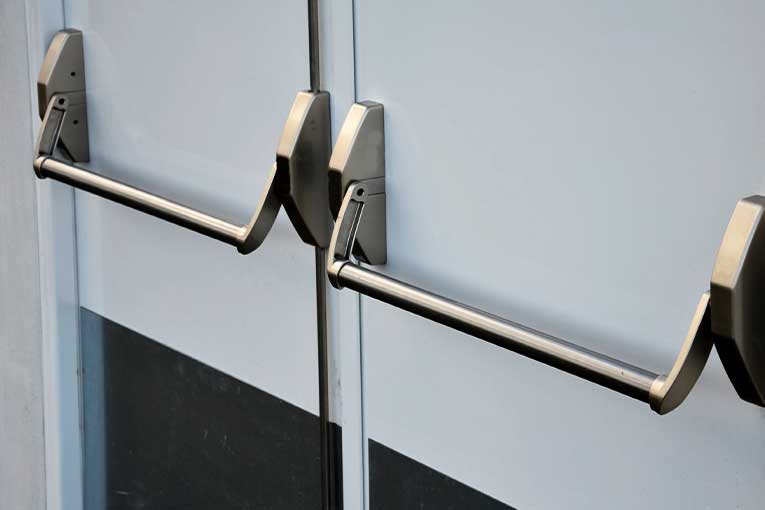
Fire and Escape doors need regular inspections to ensure maximum protection against fire

These changes reflect a more proactive approach to fire safety, ensuring that fire doors are regularly checked and maintained to meet the highest safety standards.

Can Fire Doors Have Windows?

Fire doors are designed with the option of including vision panels that are equipped with fire-resistant glazing. 

These vision panels offer the advantage of visibility between different areas, allowing natural light to pass through while maintaining fire safety regulations. 

High-quality fire-rated glass can withstand temperatures of up to 900 degrees Celsius, over seven times that of normal glass. 

Moreover, it can maintain its integrity for over 60 minutes, effectively preventing the fire from spreading and providing ample time for evacuation and fire personnel to respond.

By following these regulations, property owners can strike a balance between safety and functionality, providing occupants with both fire protection and the convenience of visual communication within the building.

How Much Do Fire Doors Cost?

The cost of fire doors can vary significantly depending on several factors. 

The primary determinants of the price include the material used, the fire rating of the door, its size, and any additional features it may have. 

Here are some key factors that influence the cost of fire doors:

Material

Fire doors can be made from various materials, including timber, steel, and composite materials.

Each material has different characteristics and price points, with steel doors generally being more expensive than timber doors.

Fire Rating

Fire doors are assigned specific fire ratings, indicating the duration they can withstand exposure to fire.

Doors with higher fire ratings tend to be more expensive due to their increased fire resistance capabilities.

Size

The size of the fire door is another important factor in determining its cost.

Larger doors may require more materials and hardware, resulting in a higher price.

Additional Features

Some fire doors come with additional features, such as vision panels, glazing, or special hardware.

These features can add to the overall cost of the door.

The cost of a standard fire door can vary because of these factors, with a low-end fire door being rather low cost, to the upper end coming in with a price tag in the thousands. 

However, it is essential to consider that investing in high-quality fire doors is a crucial aspect of ensuring fire safety in any building. 

Fire doors play a critical role in preventing the spread of fire and protecting lives and property. 

Therefore, it is recommended to prioritise the quality and compliance of fire doors over cost considerations to ensure the utmost safety and security in the event of a fire emergency.

Conclusion

Fire doors are indispensable components of fire safety measures, protecting lives and properties during emergencies. 

Having an answer to the question of where are fire doors required, as well as their functions, materials, regulations, and safety checks is essential for creating a secure environment. 

Whether in commercial buildings, residential properties, or industrial facilities, the proper installation and maintenance of fire doors contribute significantly to fire prevention and enhanced safety for occupants.

Roscam residents gain enhanced fire safety with Advanced protection panels

Revamped fire safety measures in Roscam apartments

Leading manufacturer of fire protection solutions, Advanced, has equipped Roscam, County Galway, Ireland’s residential buildings with its intelligent fire panels.

Eight apartment blocks within Roscam now have advanced protection, specifically through the use of Advanced’s Go, the company’s latest single-loop fire alarm control panel.

The task of system replacement and upgrade was undertaken by Securecom Claddagh Ltd, a trusted provider of fire and security services, which ensured each three-storey apartment block received a Go panel.

Efficient integration for comprehensive coverage in Roscam residences

Each building now has a Go panel installed close to the main entrance, ensuring the hallways and landlord areas are covered.

These panels have been seamlessly integrated with Apollo detectors, and a fire-specific remote monitoring device from CSL that communicates with an alarm receiving centre.

This ensures that the necessary key holders are promptly notified in case of any alarm trigger.

Securecom Claddagh Ltd has been utilising Advanced’s fire panels for its various projects for several years, acknowledging their simple programming, consistent site-wide standardisation and their ability to allow effective technical support from Advanced during any faults or unwanted alarms.

Jason Small, Director at Securecom Claddagh, said: “Advanced supplies fantastic equipment, which is very reliable and offers the same interface whether installing a Go panel on a small site or using an MxPro 5 fire panel for a larger networked site, such as a hotel or factory.”

Advanced’s Go panels: A boon for fire safety in Roscam and beyond

Neil Parkin, the North Sales Manager for Advanced, remarked: “Our Go fire panel features the same interface as our other Advanced fire panels, which means fire and security providers are familiar with how they work, ensuring quick installation.

“The Go provides sophisticated Advanced configuration but with a single loop making it ideal for small or standalone projects, like the Roscam apartment buildings, that still want robust fire protection to offer real peace of mind.”

With a wide range of applications from restaurants and guesthouses to small offices and shops, the Go panels have proven to be cost-efficient while providing maximum functionality, even for small-site budgets.

Furthermore, they offer compatibility with three leading detector protocols, providing wired and wireless options, as well as greater freedom over design and maintenance provider costs.

IFSJ Comment

The replacement of an ageing fire alarm system with Advanced’s new-generation Go panels in Roscam apartments serves as a model case of technology enhancing safety standards.

These advancements and their effective implementation could encourage similar upgrades in residential complexes worldwide, contributing to global fire safety improvement.

Johnson Controls launches fire detection solution for small businesses

A fresh addition to Johnson Controls’ Fire Detection Line

On June 22, 2023, Johnson Controls, renowned globally for its work towards smart, healthy, and sustainable buildings, released the latest addition to their FireClass line: The FireClass Essential fire alarm control panel. Noted for its cost-effectiveness, this new offering provides accessible and reliable fire detection solutions specifically tailored for small commercial properties such as schools, shops, restaurants, and medical clinics.

FireClass Essential Panel: Affordable, straightforward, and reliable

Tony Gryscavage, the Director of Product Management for Fire Detection Products at Johnson Controls, shared some insight on the design philosophy of the Essential Panel: “We designed the new Essential Panel with simplicity, functionality and affordability in mind. It’s the perfect product to round out our complete portfolio of conventional detection panels and devices.” It’s clear that the aim was to offer customers the latest in conventional technology at a competitive price, whilst ensuring fire detection compliance is simple to use and affordable.

Key features of the new FireClass Essential Panel

Sporting a compact, durable plastic build, the Essential Panel presents a straightforward interface that requires little to no training for installation and operation. To help reduce instances of false alarms, the panel offers a delayed alarm option and walk testing for reliable operation confirmation. Also included are useful features such as sounder and conventional zone disablement capabilities and buttons for silence, resound, and reset.

Versatile model options with compatibility across FireClass devices

The Essential Panel comes in two distinct models: a two-zone and a four-zone version. Each zone can support up to 32 devices, making it possible for the two-zone model to handle up to 64 devices, and the four-zone model up to 128. All FireClass 600 and 700 series conventional detectors, sounders, and devices are supported by the panel. Compliance with EN54-2, EN54-4 approvals, and the inclusion on the EN 54-13 system certificate list are additional advantages of this panel, surpassing the basic standards typically required of most conventional panels.

A drop-in solution for both new construction and retrofit applications

The FireClass Essential Panel, along with the other products in the FireClass conventional portfolio, is not only compatible with other products on the market but can also serve as a direct replacement in installed systems. It’s an ideal fire detection solution for both new builds and retrofit applications.

More information can be found at the Johnson Controls FireClass website: www.fireclass.com.

Blackline gas detectors recognised in product awards

Blackline Safety Corp‘s G6 single-gas detector has been recognised for its innovative product design by Red Dot, as well as for outstanding product development in the area of industrial hygiene by Occupational Health & Safety (OH&S).

“The Red Dot award validates the user-centred approach we took when collaborating on G6’s development with our design partner, Advanta Design,” said Phil Benson, Vice President, Product Design & Data Analytics at Blackline Safety.

“We kept HSE workers and their real-world tasks in mind through every step of the design process.” Based in Germany, the Red Dot Award, is a globally recognized symbol of product design excellence. The company previously won a Red Dot Award in 2017 for its G7 product.

G6 has also been recognised for outstanding product development in the Gas and Vapor Monitoring category by OH&S through its 2023 Industrial Hygiene Awards. This is the ninth time in 10 years Blackline Safety has been awarded for its new product innovations by OH&S.

About the G6

Unveiled in late 2022, G6 is a fully connected and intuitive connected single-gas detector that leverages instant cloud connectivity and integrated location technology to help organizations quickly respond to incidents. Over time, data from G6 usage helps organizations get ahead of possible safety risks by leveraging visuals of high alarm rates and low compliance, as well as data insights from its analytics platform.

“With this new technology, we’re bringing unprecedented levels of connectivity to industrial workplaces, helping to reduce the risk of injury, and bring proactive safety management to a new level,” said Cody Slater, CEO and Chair, Blackline Safety.

“We’re responding to a direct need in the market, giving safety managers higher performing technology to access reliable, actionable data at their fingertips.”

G6 also delivers a full-year battery life and fewer false alarms. It also gives safety professionals access to the trusted data they need to manage their safety protocols, processes, and ongoing compliance more effectively and efficiently.

“We are honoured that G6 is receiving international attention for product design and innovation,” said Slater. “Our game-changing technology is revolutionizing an industry that hasn’t changed in decades—and we continue to innovate and improve as part of our vison to transform the industrial workplace through technology.”

IFSJ Exclusive: The Last Word with Hochiki Europe

Robert Drake, Director of Research and Development at Hochiki Europe talks R&D, teamwork and future plans

What does a typical day in research and development look like for you and the team?

As part of the R&D management team I not only guide the development activities I also act as a filter to protect the manager and team of engineers, who are a mix of hardware, software, and mechanical experts as well as test teams, from interruptions – something which is key to keep our new product designs on target, while providing our technical expertise in support of the rest of the business.

We hold daily stand ups, which are short meetings to discuss progress and identify blockers. The reason we call it a “stand-up” is because we hold the meeting standing, which helps to keep the meeting short and focused. The rest of my day is a mixture of sustaining, recruitment and product planning and building a strong product development funnel for the next 3-5 years.

What would you say are the fundamentals to a successful research and development team as well as output?

I think, and I’m sure the team here would agree, that the fundamentals to a successful R&D team output is clear goals, excellent communication and limited interruptions.  The processes we have in place here at Hochiki allow for this.  For example, our team is separate to production, but we have ensured that the link is still well maintained.  We work with support tickets and priority levels and ensure an engineer is available in the factory each week to help with improvements.

How important is customer insight and legislation to R&D at Hochiki?

Customer insight is critical to the success of our products. The voice of the customer alongside legislation drives everything from our department, through to customer support, sales, marketing, manufacturing, even the administrational side of the business. I’d say we are a customer first company.

In my career I’ve mostly worked with heavily regulated industries, and the fire industry is possibly one of the most heavily regulated there is. Legislation can make things slow moving, rightly so because it’s important, but I enjoy that challenge and Hochiki are committed to making sure the products they design, develop, manufacture, and put to market are 100% safe. We can only do this though through customer insight and having those experts in house to ensure we work closely with the governing bodies.

What can we expect to see from Hochiki over the next 12 months?

We’ve got some exciting research underway with Japan and with the BRE, plus some new products coming out this year, one being our newest intelligent emergency lighting product. The Middle East team were able to share a preview demo of this new system with the visitors to Intersec in Dubai. I can’t go into too much detail, but I’m excited to see how this is received by customers, new and old. I’ll just say watch this space because it’s an exciting road map year ahead for Hochiki Europe customers.

This article was originally published in the March edition of IFSJ. To read your FREE digital copy, click here.

Teledyne unveils Spyglass flame detection series

Teledyne Gas and Flame Detection has unveiled its Spyglass SG50-F series of flame detectors, featuring updated optics and algorithms and on-board video in either colour or near-infrared options.

The Spyglass SG50-F series open-path flame detectors elevate the level of reliability and functionality. The flame detectors come equipped with HD video capabilities, allowing for the detection of fires that may not be visible to the naked eye.

The on-board video enables remote confirmation of fire situations and provides valuable information on fire progression and suppression methods, which can prove vital in responding to fire emergencies and enabling users to make important safety decisions from a remote location.

The Spyglass series feature a robust and durable housing. Made from 316L stainless steel to meet IP66/IP68 and NEMA 250 6P protection rating standards, the enclosure houses state-of-the-art optic technology and advanced software algorithms, enabling rapid and reliable fire detection.

The range offers improved optical flame detection capabilities, with a quicker detection time and better performance even over extended distances. They are designed to be a cost-effective alternative to employing multiple line of sight point gas detectors, which would entail higher initial costs and maintenance expenses.

The detectors also offer industry-leading false alarm immunity to several challenging environments while performing in adverse climates.

All Spyglass flame detectors work by analysing the absorption of radiation caused by gases in the atmosphere and comparing it to background atmospheric absorption. They come with triple infrared (IR3) and UV-IR options to suit a range of applications.

The IR3 version is specifically designed to detect hydrocarbons, making it ideal for applications such as refineries, oil and gas platforms, FPSO (floating production storage and offloading) systems, petrochemical plants, marine facilities, compressor stations and turbine enclosures. There is also an IR3-H2 option for hydrogen and energy transition applications.

Honeywell launches UL-approved self-testing smoke detectors

Global leader in fire and life safety Honeywelll has launched the first fire alarm system with UL-approved self-testing smoke detectors that can be tested automatically, changing the way fire and life safety systems are installed, tested and maintained.

The NOTIFIER INSPIRE™ fire alarm system with Self-Test detectors is designed to help create a safer building environment by increasing facility managers awareness of system needs while equipping service providers with digital self-testing tools that streamline maintenance and support regulatory compliance and system uptime.

The all-in-one fire system is designed to deliver reliable protection, scalability, efficient monitoring, as well as flexible and timely reporting. It helps enhance fire technician efficiency as it is designed to scale based on the buildings’ needs, minimizes the need for equipment changes, and provides secure connectivity.

Jurgen Van Goethem, global president, Fire, Honeywell said: “Honeywell is integrating intelligence across all aspects of fire and life safety systems.

“By digitalizing the most essential system in the building, we’re creating efficiencies during commissioning and maintenance, we’re further improving system reliability and we’re improving the end-user experience.

“We’re also working to change building owners’ mindsets to think about fire and life safety systems not just as a necessary system to be able to occupy the building, but as a system with a wealth of data that going forward, we can tap into to ultimately better protect lives. This will help move the industry toward the creation of safer and more compliant buildings.” 

Cygnus introduces fully wireless fire alarm system

Cygnus has launched its new entirely wireless, EN54 compliant SmartNet fire alarm system range. This new system is designed to deliver a reliable, safe solution, significant reductions on fire alarm installation times as well as reduced costs for fire alarm installers, specifiers, M&E contractors and consultants. 

The Cygnus SmartNet system comprises a comprehensive range of EN54 compliant and Construction Products Regulation (CPR 305/2011) certified fire detection and alarm devices suitable for permanent installation across all types of building environment.

These include a choice of Radio Bases, with and without Sounders and Visual Indicators; Optical Smoke, Type B Heat Detectors, PIR Detectors and a Combi detector, which has a smoke and A1R sensor, together with Ceiling and Wall-Mounted Visual Alarm Devices, Call Points and Interface.

With the capability for 511 devices to operate on one wireless system, a SmartNet network is built on a combination of these battery powered radio devices, operating on a self-forming, self-healing mesh network using the SmartNet wireless protocol across 10 frequency channels operating at 865-868 MHz.

A minimum of two communication paths to each wireless device and innovative channel-hopping technology makes the network extremely reliable, protecting against the risk of broken communication links, network redundancy and interference.

In addition, SmartNet devices feature a long radio range, extending up to 350m (unobstructed), with the help of a 360o directional antenna. SmartNet enables installers to design 16, 32, 64, and 96 zone panel options with the possibility to network up to five panels together in a single system.

A fully wireless system

Austen Wells, Sales Manager at Cygnus, said the wireless system is a game changer for installers: “For the first time, it offers the sector a fully wireless system, which is quick and easy to install, and can be scaled effectively from small to large installations. As this system is designed to be fitted by SmartNet Certified Partners, Cygnus offers full training and technical support to its partners. SmartNet brings significant operational and installation benefits of wireless technology to the market, with no need for wired boosters, translators or any other wired element, it removes the often stressful first fix stage of an install.”

The SmartNet system reduces engineering time and the overall project cost by eliminating the need for cabling during installation, enabling faster and easier installation on new buildings, where project timescales are often extremely pressurised.

It also opens up the retrofit opportunity since wireless installation minimises occupant disruption and reduces the cost of rewiring. The wireless mesh network system also requires no gateway expanders or loop-powered translating devices to speed up installation still further.

BS 5839 and EN54 compliant

As a BS 5839 and EN54 compliant system, SmartNet eliminates the need for fire-resistant cabling, restrictions on device locations and multiple loops, which need to be protected against failure. The wireless system offers increased safety as there is no requirement for cable damage mitigation, no combustible fixings, no possibility of inadequate wiring and no risk of circuit overloading or high circuit loads.

The system is configured and commissioned using a Windows-based configuration tool on a PC, tablet or mobile device. The software includes an easy-to-use menu to guide engineers through each stage of the configuration and commissioning process, making the installation process as easy as possible. The tool also permits system diagnostics using any Windows device.

The SmartNet touch screen Control Panel offers a complete overview of the system as well as the capability to send reports about the alarms, low battery alerts, and faults, which are all identifiable by location. SmartNet is compliant with all relevant EN54 standards and can also be installed, serviced, and maintained in accordance with BS 5839-1.