List of Firefighting Equipment

Firefighting equipment is what helps firefighters to extinguish flames, ensuring the safety of lives and property, and the varied list of firefighting equipment shows how diverse firefighting really is. 

From traditional tools like fire extinguishers to cutting-edge technology such as thermal imaging cameras, each item plays a crucial role in a firefighter’s arsenal. 

In this article, we’ll explore the diverse list of firefighting equipment, shedding light on their functions and importance in the face of fire emergencies.

What is Firefighting Equipment?

Firefighting equipment encompasses a diverse range of tools, devices, and protective gear specifically designed to combat and manage fires effectively. 

These crucial elements are essential for firefighters in their mission to extinguish flames, rescue individuals, and mitigate the impact of fire emergencies. 

Each piece of equipment serves a unique purpose in the complex and challenging task of firefighting.

Firefighting equipment is not only about extinguishing flames but also about ensuring the safety of those on the front lines. 

Protective gear, such as fire suits and gloves, shields firefighters from extreme heat, allowing them to navigate hazardous environments. 

The continuous advancements in firefighting equipment underscore a commitment to improving the efficiency, safety, and overall effectiveness of firefighting operations.

Firefighting equipment is the lifeline for those who risk their lives to protect communities and properties from the devastating impact of fires.

List of Firefighting Equipment

Firefighting equipment constitutes a comprehensive arsenal designed to combat fires of varying intensities and types. 

Each tool plays a crucial role in ensuring the safety of firefighters and the effectiveness of fire suppression efforts.

Fire Extinguishers
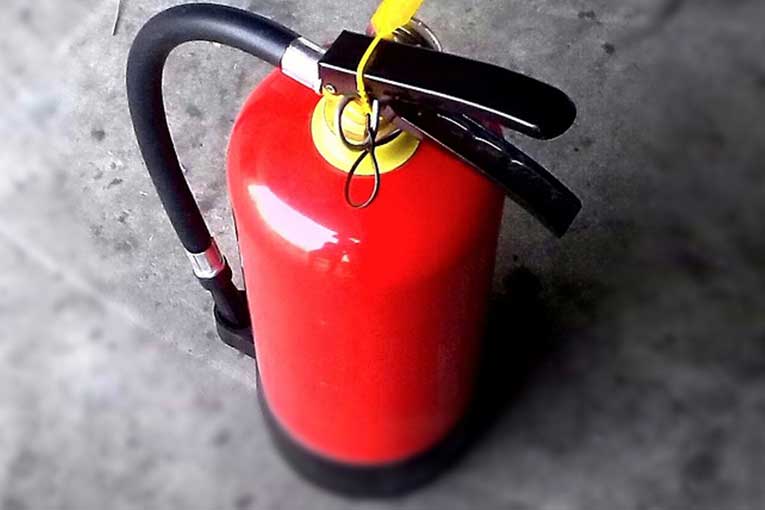
fire extinguisher firefighting equipment

Portable and versatile, fire extinguishers are essential for promptly suppressing and extinguishing small fires. 

There are many different types of fire extinguisher, each containing specific firefighting agents such as water, foam, dry powder, or CO2. 

The diversity in extinguisher types ensures flexibility in addressing different classes of fires—whether involving ordinary combustibles, flammable liquids, electrical equipment, or gases. 

This adaptability allows firefighters and individuals to employ the most suitable extinguishing agent, enhancing the effectiveness of fire suppression efforts across a wide range of fire scenarios.

Fire Extinguisher Ball
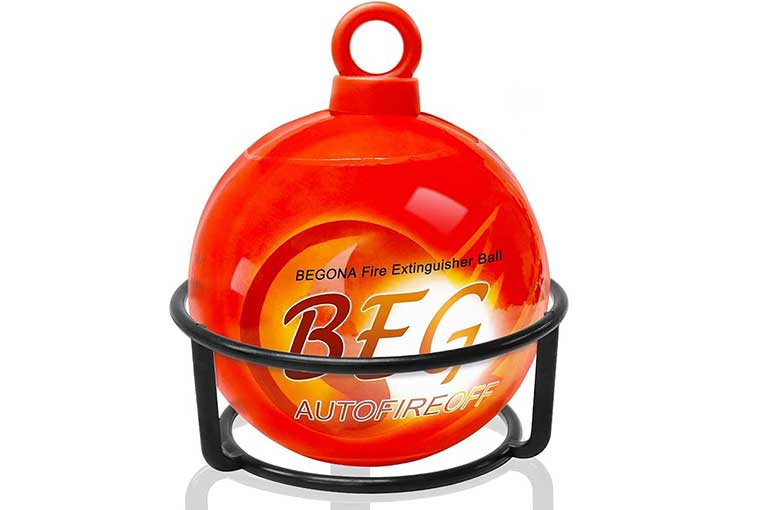
fire extinguisher ball firefighting equipment
Source: Amazon

An innovative self-activating fire suppression system, the Fire Extinguisher Ball offers a unique approach to firefighting. 

When exposed to flames, the ball bursts autonomously, releasing a fine powder that swiftly and effectively extinguishes the fire. 

This ingenious device is particularly advantageous in confined spaces or areas with limited accessibility, where traditional firefighting methods might face challenges. 

The Fire Extinguisher Ball’s ability to initiate fire suppression independently makes it a valuable addition to fire safety measures, ensuring a rapid response even in scenarios where immediate human intervention may be difficult.

Fire Hoses
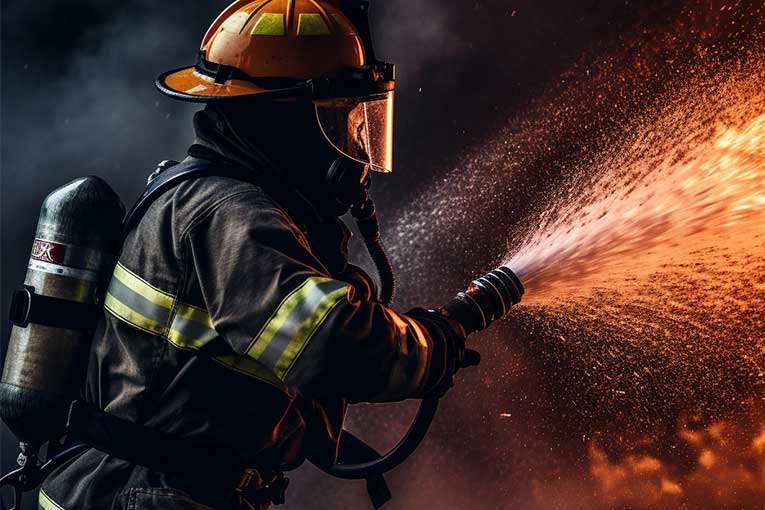
fire hose firefighting equipment

As one of the most prevalent tools in large-scale firefighting, fire hoses are indispensable for firefighters combating significant flames. 

These flexible and robust hoses serve as critical conduits, allowing the directed flow of water onto the fire. 

Their length and adaptability empower firefighters to reach remote or challenging locations, providing a versatile means of effectively delivering water to suppress fires. 

The strategic use of fire hoses enhances the agility and reach of firefighting efforts, enabling responders to address fires in diverse environments and mitigate potential challenges posed by the fire’s scale and intensity.

Hose Jets
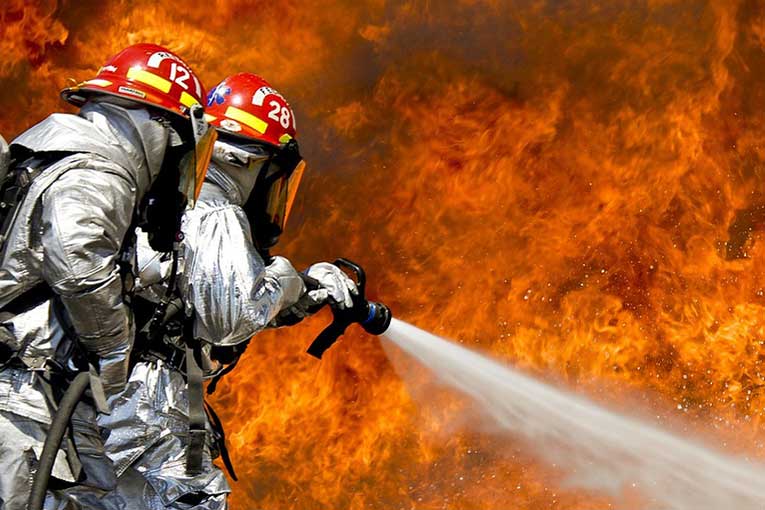
fire hose firefighting equipment

Hose Jets represent heightened firefighting capabilities, requiring the collaboration of two firefighters to handle their extra power. 

These specialised tools offer an elevated force and flow, allowing firefighters to exert increased control over the extinguishing process. 

With the ability to adjust the jet stream, firefighters enhance precision in directing water onto the flames, addressing specific firefighting requirements. 

The collaborative use of Hose Jets reflects a strategic approach, amplifying the effectiveness of firefighting efforts in scenarios where a more robust and targeted water delivery is essential to combat fires of greater scale or intensity.

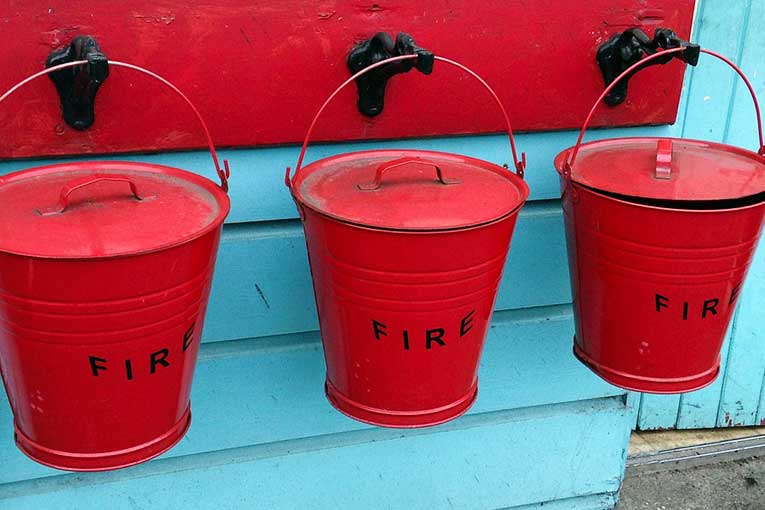
Fire Buckets
fire buckets firefighting equipment

Simple in design yet highly effective, fire buckets are containers filled with either water or sand. 

Positioned strategically, these buckets serve as immediate response tools, offering a swift and accessible means to douse small fires or control sparks. 

Their simplicity makes them an essential first line of defence, providing an uncomplicated yet crucial tool in the initial stages of firefighting. 

Whether used by trained personnel or as part of fire safety measures in public spaces, fire buckets play a fundamental role in empowering individuals to take immediate action and contribute to fire containment efforts.

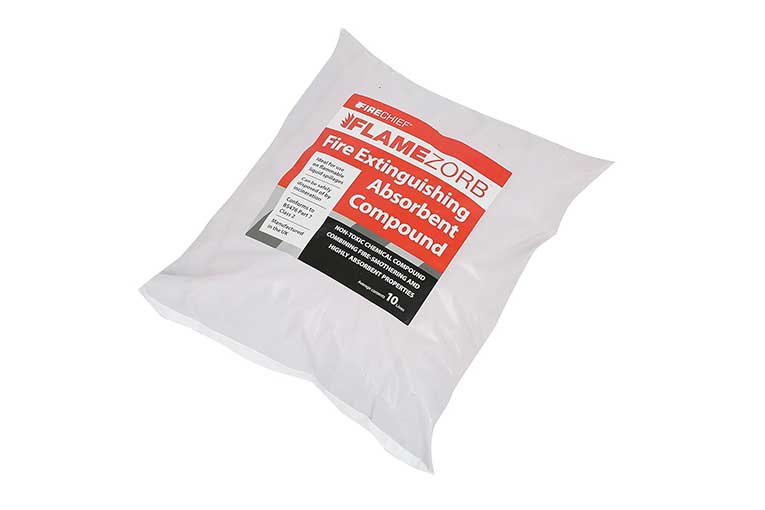
Flamezorb
flamezorb firefighting equipment
Source: Amazon

Flamezorb, a granular substance, serves as a rapid-response tool in firefighting by efficiently absorbing flammable liquids. 

When applied to spills, it swiftly neutralises and absorbs the substances, preventing the spread of fire. 

This versatile and effective tool finds particular utility in scenarios involving hazardous materials or potential chemical fires, where the quick containment of flammable liquids is essential to mitigate the risk of fire escalation. 

Flamezorb’s ability to address such specific challenges makes it a valuable asset in the firefighting arsenal, contributing to the overall effectiveness of fire suppression efforts in diverse and complex situations.

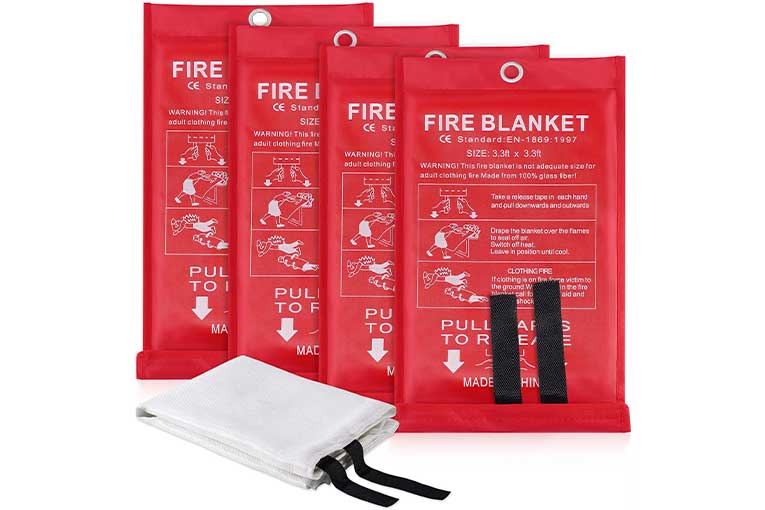
Fire Blankets
fire blanket firefighting equipment
Source: Amazon

Constructed from fire-resistant materials, fire blankets emerge as versatile tools in firefighting and emergency response. 

Beyond their primary function of smothering small fires, these blankets provide a multifaceted solution. 

In emergency situations, they offer protection by wrapping around individuals, creating a temporary shield against flames and heat. 

The adaptability of fire blankets extends their utility beyond traditional firefighting scenarios, making them valuable assets in various emergency situations where rapid response and versatile tools are paramount to ensuring the safety of individuals and effectively addressing evolving challenges.

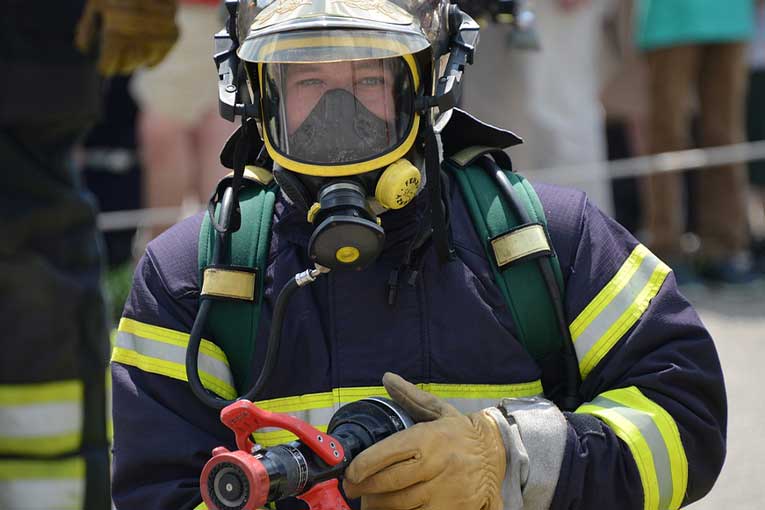
Fire Suit
fire suit firefighting equipment

Specially designed for the demanding challenges of firefighting, a fire suit is more than  a mere uniform – it’s a shield against extreme heat and flames. 

Crafted from fire-resistant materials, these suits envelop firefighters in a protective barrier during the most intense operations. 

With layers designed to withstand the harsh conditions of a fire, these suits are crucial in ensuring the safety and well-being of firefighters. 

The specialised construction of fire suits exemplifies the commitment to providing a robust defence against the hazards encountered in the line of duty, reinforcing the resilience of those who bravely confront the flames.

Firefighter Gloves
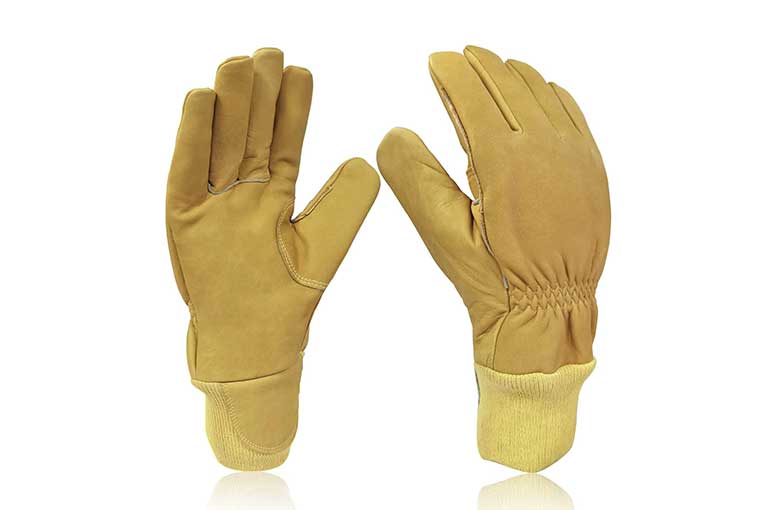
firefighting gloves firefighting equipment
Source: Amazon

These gloves are essential for firefighters, offering crucial hand protection in the dynamic and intense environments encountered during firefighting operations. 

Crafted from materials resistant to high temperatures, they enable firefighters to handle hot surfaces and materials with confidence. 

The specialised design of firefighter gloves prioritises both dexterity and protection, allowing firefighters to navigate challenging situations while safeguarding their hands from the formidable heat generated in the course of combating fires. 

Gas Tight Suit

gas tight suit firefighting equipment
Source: Wikipedia

Comprising a multi-layered construction, these suits act as an impermeable barrier, creating a formidable shield between the firefighter and potentially harmful substances. 

Their purpose extends beyond conventional firefighting gear, addressing the specific challenges posed by chemical fires and the release of dangerous gases. 

By providing an encapsulating defence, gas-tight suits empower firefighters to navigate complex and perilous environments, ensuring their safety while enabling effective response and mitigation in the face of chemical hazards.

Drones
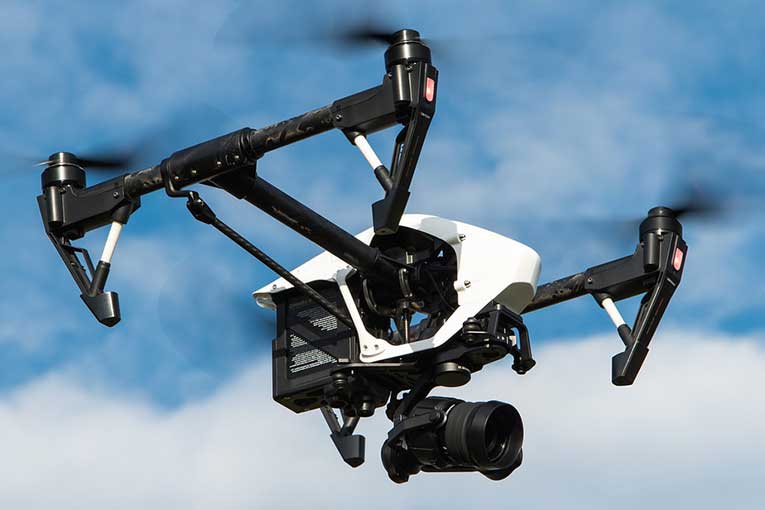
drones firefighting equipment

These unmanned aerial vehicles, equipped with advanced cameras, offer invaluable aerial views that significantly enhance fire assessment capabilities. 

Providing real-time situational awareness, drones become the eyes in the sky for firefighting teams. 

Their ability to swiftly survey large areas and capture critical information aids in strategizing and responding effectively to incidents. 

Drones not only contribute to the safety and efficiency of firefighting operations but also offer a technological edge, elevating the precision and speed with which responders can assess, plan, and execute strategies in the dynamic context of firefighting scenarios.

Thermal Imaging Camera
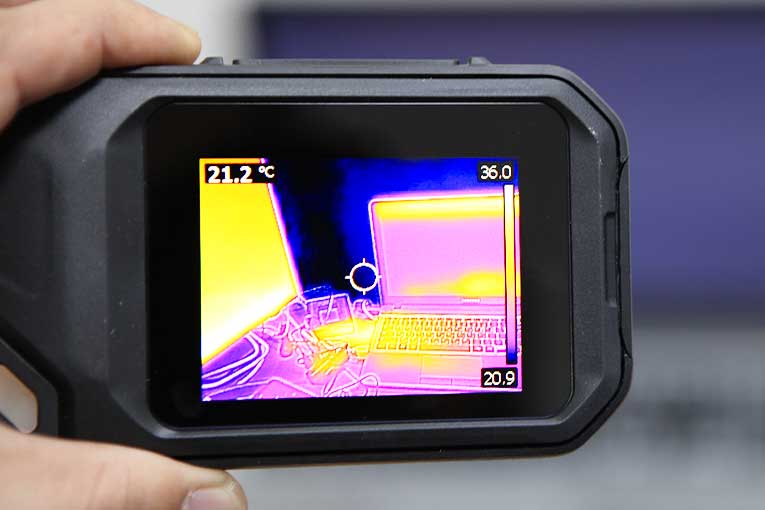
thermal camera firefighting equipment

Thermal imaging cameras aid in locating individuals trapped in smoke-filled environments and identifying hotspots that may not be visible to the naked eye. 

The invaluable data provided by thermal imaging cameras enhances the efficiency and safety of firefighting operations. 

By offering real-time insights into the intensity and distribution of heat, these devices empower firefighters with the ability to make informed decisions, optimise resource allocation, and execute targeted strategies for suppressing fires and conducting search and rescue operations.

Breathing Apparatus
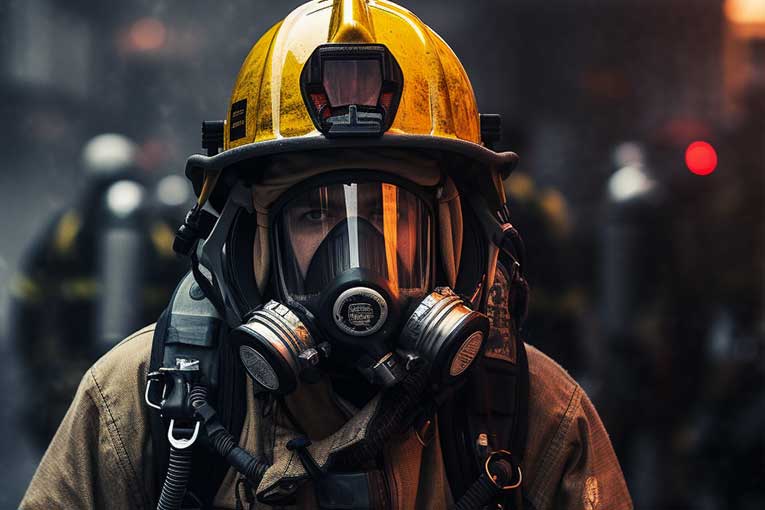
breathing apparatus firefighting equipment

In smoke filled environments, these devices play a crucial role in ensuring the safety of firefighters by providing a continuous supply of clean air. 

The reliability and functionality of these apparatuses exemplify their vital role in preserving the well-being of firefighters and ensuring their ability to execute effective firefighting and rescue operations in environments where clean air is a precious commodity.

Positive Pressure Ventilation Fan

positive pressure ventilation fans firefighting equipment
Source: Wikipedia

Positive pressure ventilation fans are devices designed to create airflow that effectively removes smoke and toxins from enclosed spaces. 

By generating a controlled and directed flow of air, these fans contribute significantly to improving visibility for firefighters within confined areas. 

Beyond enhancing visibility, the removal of smoke and toxins creates a safer working environment, allowing firefighters to operate more efficiently and with reduced exposure to hazardous substances. 

Ladders
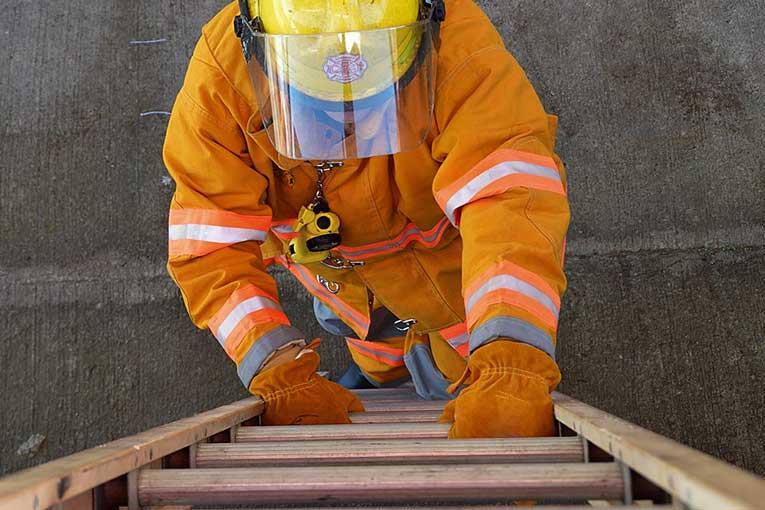
ladders firefighting equipment

These versatile devices play a pivotal role in firefighting operations by enabling firefighters to access elevated areas, conduct rescues, and navigate challenging environments. 

Whether extending to reach upper floors of buildings or providing a stable platform for rescue operations, ladders enhance the agility and effectiveness of firefighting teams. 

Their portability and adaptability make them fundamental in addressing the diverse challenges posed by fires in varying structures and scenarios, contributing to the overall success and safety of firefighting operations.

Fire Fighting Vehicle
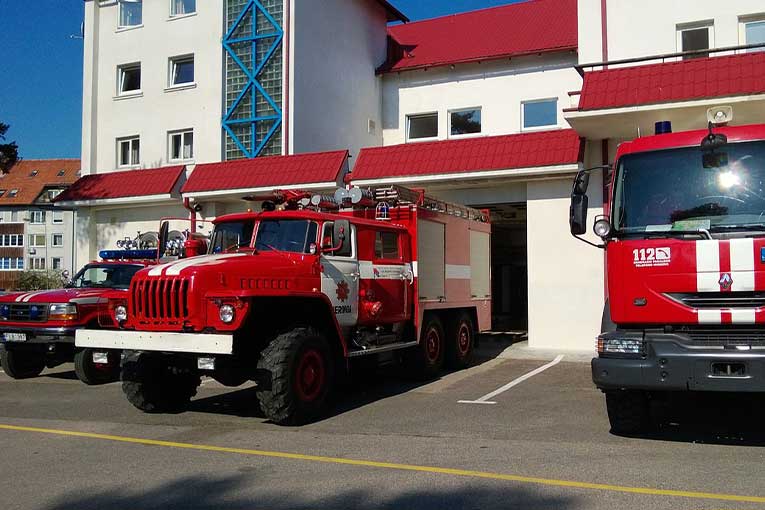
vehicles firefighting equipment

These vehicles carry essential firefighting tools, water tanks, and hoses, ensuring a swift and effective response to fire emergencies. 

Beyond their mobility, the specialised equipment on these vehicles equips firefighters with the resources needed to combat fires of varying scales. 

Whether navigating through urban environments or remote locations, these vehicles enhance the reach and capabilities of firefighting teams, playing a vital role in the timely containment and suppression of fires to protect lives and property.

How is Firefighting Equipment Used?

The strategic use of equipment is paramount, requiring a careful assessment of each fire’s unique characteristics. 

Firefighters, equipped with a diverse array of tools, employ a systematic approach to address different scales and types of fires.

Fire extinguishers, compact and versatile, find their application in swiftly suppressing small fires. 

Firefighters select the appropriate extinguisher based on the fire’s nature and discharge the firefighting agent with precision, aiming at the fire’s base. 

For larger incidents, fire hoses connected to water sources become instrumental. 

The hoses allow firefighters to direct water effectively, reaching inaccessible areas, while sprinklers automatically release water upon detecting excessive heat, contributing to fire containment.

Protective gear, including fire suits and gloves, plays a pivotal role in ensuring firefighters’ safety as they confront flames. 

These specialised garments shield against extreme heat, providing a critical barrier between the firefighter and the hazardous environment.

Cutting-edge technology, such as drones equipped with cameras and thermal imaging devices, offers invaluable insights. 

Drones provide aerial views, enhancing situational awareness for better decision-making, while thermal imaging cameras aid in locating individuals and identifying hotspots within a fire.

The use of firefighting equipment is not only reliant on the tools themselves but also on the skill, training, and coordination of firefighting teams. 

Firefighters undergo rigorous training to understand the capabilities and limitations of each tool, ensuring a synchronised and effective response to diverse fire scenarios. 

The strategic and well-coordinated utilisation of firefighting equipment remains a cornerstone in the battle against the unpredictable and destructive force of fires.

What Other Equipment Helps with Firefighting?

Some firefighting equipment is not directly used to directly put out fires, but it used to improve the safety and efficiency of firefighters.

Fire Sprinklers

fire sprinklers firefighting equipment
Source: Wikipedia

Installed in buildings, fire sprinklers are automatic devices that release water when detecting excessive heat. 

They play a crucial role in suppressing fire outbreaks and limiting damage in enclosed spaces. 

Strategically positioned, their rapid response significantly contributes to controlling fires, preventing their escalation, and protecting lives and property within structures.

Fire Doors
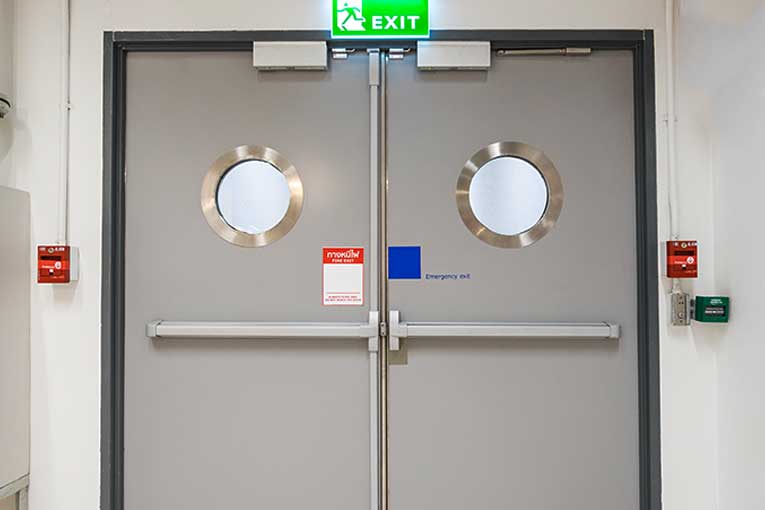
Specialised fire doors are meticulously designed to resist fire and smoke, acting as effective barriers to limit their spread within a building. 

These doors are critical components of passive fire protection systems, providing crucial time for evacuation and minimising the potential for fire extension.

Emergency Signs
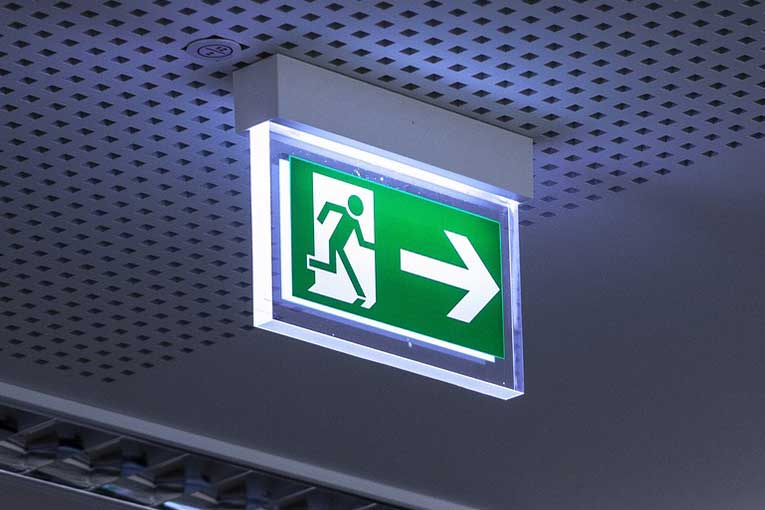
emergency signs firefighting supporting equipment

Clearly marked emergency lighting and signs are indispensable in ensuring swift and safe evacuation. 

These signs delineate evacuation routes and indicate the locations of firefighting equipment, guiding occupants to safety during fire emergencies.

Smoke Alarms
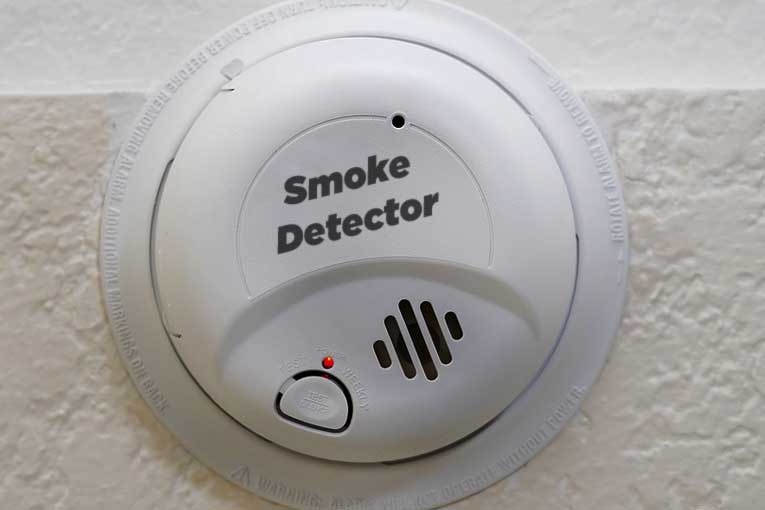
There is 4 different smoke detector types

Essential components of early warning systems, smoke detectors are devices that promptly detect smoke, alerting occupants to potential fire hazards. 

Their rapid detection capability is pivotal in providing early warnings, allowing for timely response and evacuation.

The different types of smoke alarms ensure people can react quickly  to different types of fires.

BA Entry Board
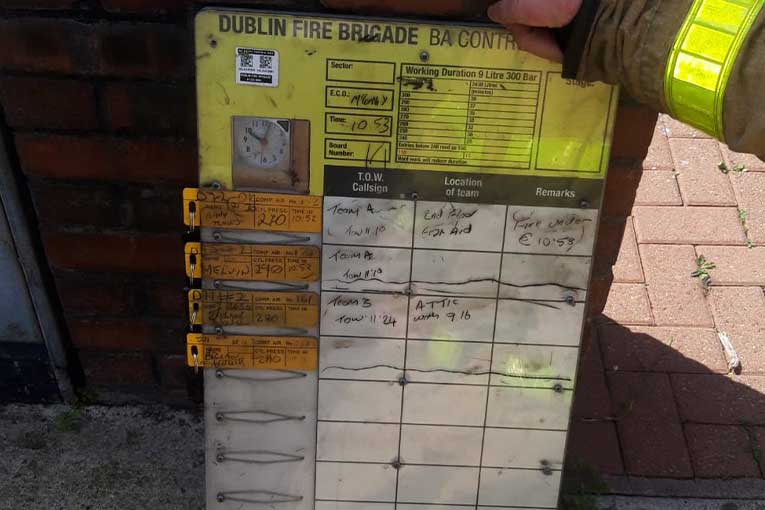
The Breathing Apparatus (BA) Entry Board serves as a control hub during breathing apparatus operations. 

It manages the entry and exit procedures of firefighters equipped with breathing apparatus, ensuring systematic and safe operations in environments with compromised air quality.

First Aid Kit
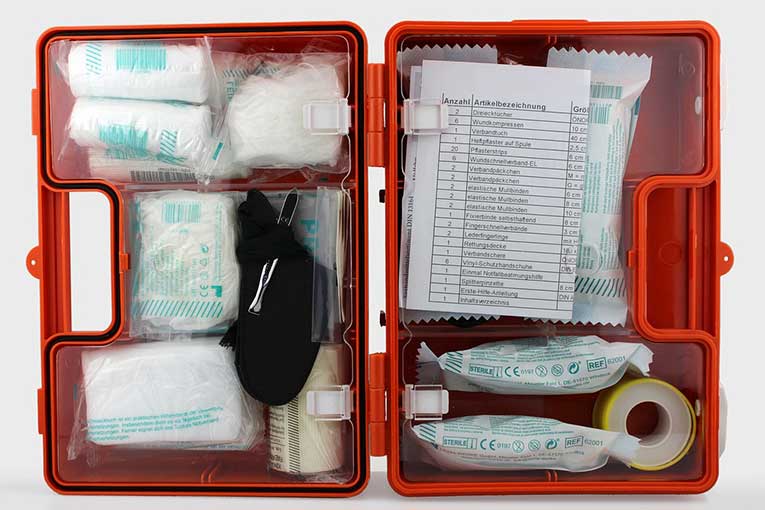
first aid kit firefighting supporting equipment

Containing medical supplies, first aid kits address injuries sustained during firefighting or rescue operations. 

They provide essential support until more extensive medical assistance is available.

Light Portable Pump
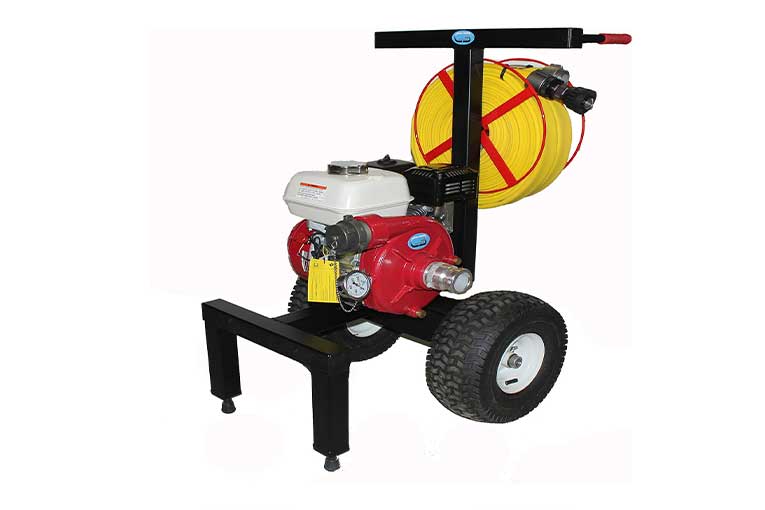
light portable pump firefighting equipment
Source: Amazon

Compact and portable, light pumps are indispensable for transporting water to areas inaccessible to larger firefighting vehicles. 

These pumps enhance operational flexibility, providing firefighting teams with the ability to establish water supply points in diverse environments.

Cutters

cutters firefighting equipment
Source: Wikipedia

Cutting through materials obstructing access or rescuing individuals, cutters are versatile tools used by firefighters. 

They play a crucial role in extrication operations, enabling swift and precise interventions in situations where immediate access is essential.

Spreaders
spreaders firefighting equipment
Source: Amazon

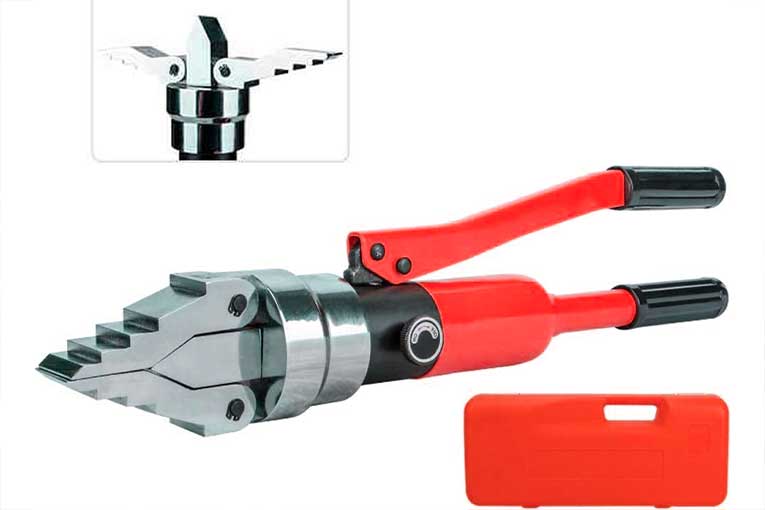
Hydraulic spreaders are powerful devices used to pry open objects or create openings in rescue situations. 

These tools are instrumental in providing access to trapped individuals, facilitating efficient rescue operations.

Rams

rams firefighting equipment
Source: Wikipedia

Hydraulic rams are tools designed to force open doors or create pathways during rescue operations. 

Their robust construction and power make them essential for situations where conventional access methods are insufficient.

Do Not Cross Tape
do not cross tape firefighting equipment
Source: Amazon

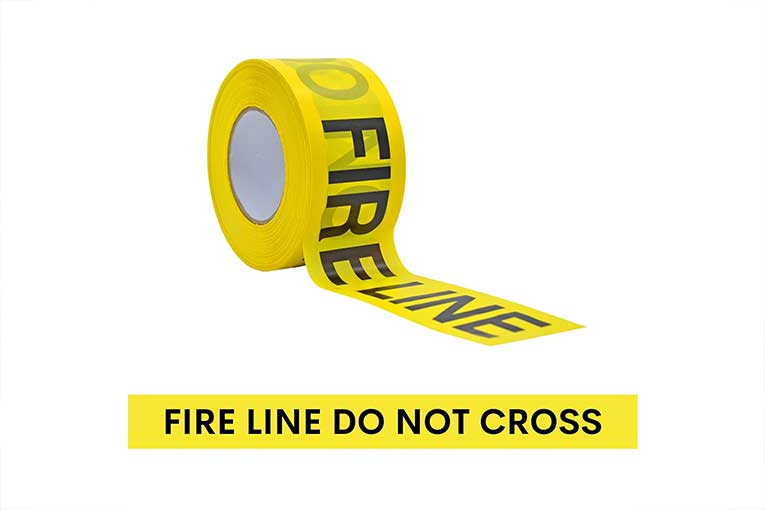
Visible tape with the clear directive “Do Not Cross” is utilised to cordon off unsafe areas and control access to the fire scene. 

This tape ensures the safety of both emergency responders and the public by preventing unauthorised entry into potentially hazardous zones.

Traffic Cones
traffic cones firefighting equipment
Source: Amazon

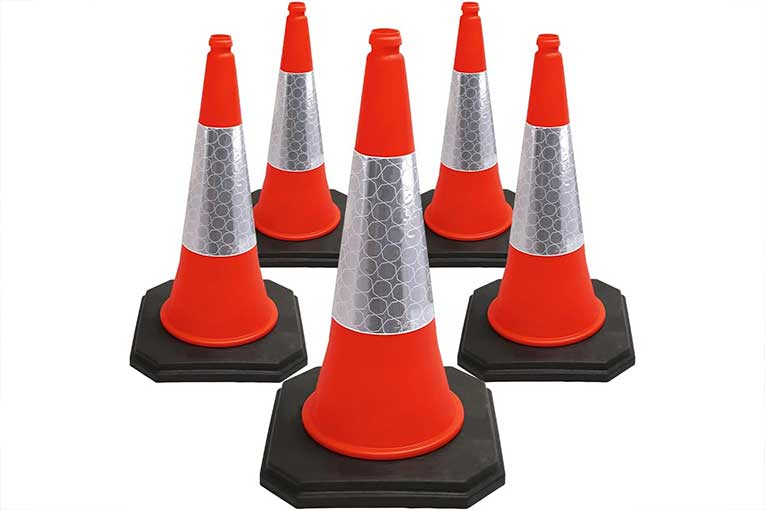
Deployed to manage traffic and create clear pathways for emergency vehicles, traffic cones are essential in ensuring unimpeded access for firefighting teams. 

These cones play a crucial role in maintaining order and facilitating the rapid movement of emergency vehicles to and from the incident scene.

What Does the Future Hold for Firefighting Equipment?

The future of firefighting equipment holds exciting possibilities, driven by advancements in technology, materials, and design. 

One prominent trend is the integration of smart technologies, such as artificial intelligence and the Internet of Things, into firefighting gear. 

This includes wearable sensors and augmented reality visors that provide real-time data to firefighters, enhancing situational awareness and decision-making. 

Innovations in materials science are shaping the development of more lightweight yet durable protective gear, addressing comfort and mobility concerns for firefighters. 

Nanotechnology may lead to advanced flame-resistant fabrics, ensuring greater protection against extreme temperatures. 

Additionally, the use of robotics in firefighting, ranging from autonomous vehicles to robotic firefighting assistants, is on the horizon.

As climate change intensifies, firefighting equipment is likely to evolve to cope with more frequent and severe wildfires. 

This may involve the development of specialised tools for wildfires and improved strategies for early detection and prevention. 

The collaborative efforts of researchers, engineers, and firefighters promise a future where technology plays a pivotal role in enhancing the safety, efficiency, and effectiveness of firefighting operations, ultimately better equipping first responders to address evolving challenges.

Conclusion

The array of equipment at a firefighter’s disposal is vast and diverse. 

From traditional tools that have stood the test of time to cutting-edge technology ensuring efficiency and safety, each item plays a crucial role in combating fires and protecting lives. 

The continuous evolution of firefighting equipment reflects a commitment to enhancing the capabilities of those who bravely confront the unpredictable nature of fires. 

As technology advances, so does our ability to respond effectively to fire emergencies, ensuring a safer and more resilient future for communities worldwide.

Rosenbauer launches new firefighting boots with chainsaw cut protection

Rosenbauer introduces enhanced safety footwear for firefighters

Firefighters face various hazards in their line of duty, with chainsaw operations being among the most dangerous.

Recognising this, Rosenbauer has expanded its BOROS line of firefighting boots to include models featuring integrated chainsaw cut protection, specifically designed to safeguard firefighters from serious injuries during chainsaw use.

Innovative protection meets rigorous standards

The new BOROS CS models come equipped with several layers of KEVLAR® to offer unmatched protection.

This design effectively stops a chainsaw in its tracks upon contact, ensuring the safety of the wearer’s feet.

“Several KEVLAR® layers are incorporated into all BOROS CS firefighting boots. Their fibers reliably block the chainsaw on contact, bringing the saw to a standstill before it can come into contact with the foot,” said a Rosenbauer spokesperson.

These boots have undergone rigorous laboratory testing, surpassing real-life conditions to meet the EN 17249 protection level 3 standards.

Distinctive design for easy identification

The BOROS B2 CS and BOROS B4 CS models are not only about safety but also convenience and ease of identification.

The use of a golden seam instead of the traditional red thread allows emergency crews to quickly verify they are wearing the correct boots for chainsaw operations.

The BOROS B4 CS also features Rosenbauer’s patented quick-release device for a perfect fit in seconds, enhancing both safety and readiness.

High-quality features across the board

Despite the added chainsaw protection, the BOROS CS models maintain the high-quality features of the standard BOROS boots.

These include a non-slip and antistatic sole by Michelin®, steel toe cap and penetration protection, breathable bootleg closure, Sympatex climate membrane, high-quality bullskin upper, and TPU toe and heel cap.

Availability

The BOROS CS firefighting boots, alongside the rest of the BOROS range and a comprehensive selection of personal protective equipment (PPE), are now available for purchase in the Rosenbauer online shop.

IFSJ Comment

The introduction of BOROS CS firefighting boots by Rosenbauer reflects a deep understanding of the risks involved in firefighting operations, particularly when using chainsaws.

The combination of innovative materials and design, such as KEVLAR® layers for cut protection and the distinctive golden seam for easy identification, demonstrates Rosenbauer’s commitment to the safety and efficiency of emergency response teams.

Such innovations are essential in ensuring that firefighters are equipped with the best possible protection against the diverse and dangerous situations they face.

BSIF highlights risks of non-compliant personal protective equipment in the UK

Alarming rate of non-compliance discovered

The British Safety Industry Federation (BSIF) has issued a stark warning regarding the procurement of personal protective equipment (PPE) and safety products.

Their latest tests on products from non-member companies have uncovered a disturbing prevalence of substandard and potentially dangerous items.

During a year-long investigation from December 2022 to December 2023, the BSIF scrutinised 123 non-member products for advertised performance, marking adequacy, and compliance with standards.

Shockingly, a mere 21%—26 products—met full compliance criteria, leaving an overwhelming 79%, or 97 products, failing to meet the required testing standards.

Many of these deficient products are alarmingly still available for purchase and use, posing grave risks to users.

Examples of product failures highlight risks

Among the non-compliant products were a Flame Retardant Parka and a pair of safety boots purchased from an online retailer, both of which failed critical safety tests.

The parka’s outer layer was consumed by flames during flame spread testing due to inadequate protection, while the safety boots failed toe cap compression tests and were found to be over ten years old with outdated certification.

Additionally, a pair of safety spectacles from a high street retailer failed impact resistance tests, with lenses cracking or breaking upon impact.

Despite assurances to remove these products from sale, they remained available, further compounding the risk to consumers.

Similarly, three pairs of protective gloves and a Respiratory Protective Mask (FFP3) failed to meet their advertised performance levels and lacked the required documentation and correct markings, with sellers failing to act responsibly upon notification.

BSIF member products demonstrate high personal protective equipment compliance rates

Contrasting sharply with these findings, products supplied by BSIF Registered Safety Suppliers showed a significantly higher rate of compliance.

Of the 348 products tested from Registered Safety Suppliers within the same period, an impressive 91%—315 products—passed the tests on their first attempt.

For the remaining 9% that initially did not meet the standards, all issues were quickly identified and rectified, underscoring the commitment of BSIF members to selling certified PPE and conducting business with integrity and ethical standards.

Alan Murray, CEO of the BSIF, commented on the findings: “Our latest test results show that you don’t have to look very far to find examples of inadequate and substandard PPE and safety equipment for sale in the UK.

Shockingly, many unsuspecting users are relying on these compromised products for their safety.

Buyers and specifiers must urgently review their procurement processes and consider what assurances they have that the PPE and safety equipment they are being supplied with is fit for purpose.

Checking for the BSIF Registered Safety Supplier shield is the easiest way to ensure you only deal with compliant, competent, and trustworthy suppliers.

Remember, anyone can sell safety, but you shouldn’t buy safety from just anyone; always check for the shield.”

IFSJ Comment

The findings from the British Safety Industry Federation reveal a concerning landscape within the PPE market, where a significant proportion of products fail to meet safety standards.

This situation underscores the critical importance of due diligence in the procurement processes for safety equipment.

The BSIF’s efforts to illuminate these issues serve as a vital reminder for all stakeholders in the safety industry to prioritise compliance and reliability above all.

The stark contrast in compliance rates between non-member products and those supplied by Registered Safety Suppliers highlights the value of the BSIF Shield as a mark of credibility and assurance in the PPE marketplace.

It is essential for buyers and end-users to seek out this mark of quality to safeguard against the use of inadequate and dangerous products.

What is a COSHH Assessment & Who Needs Them?

Workplace safety is of the utmost importance and understanding and implementing proper risk assessments is paramount. 

One such essential assessment is COSHH, short for Control of Substances Hazardous to Health. 

The COSHH assessment aims to safeguard employees and others from potential harm due to exposure to hazardous substances in the workplace.

What is a COSHH Assessment?

COSHH assessment employee exposed to chemicals
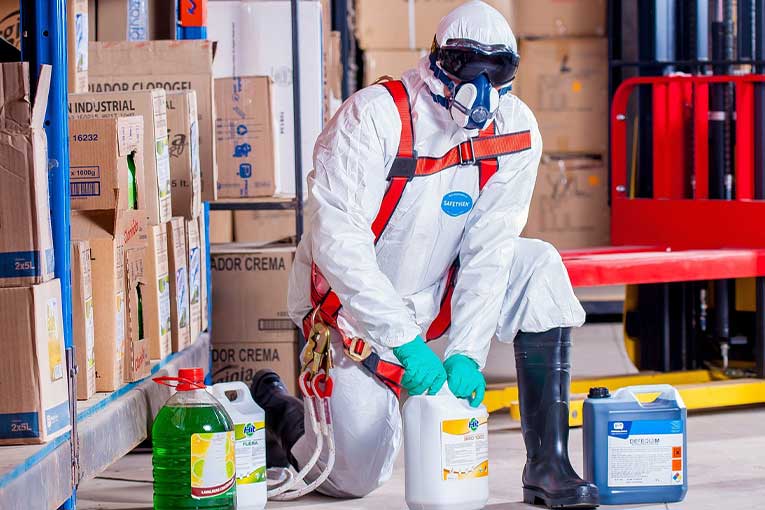
A COSHH assessment is needed for any employee exposed to chemicals

A COSHH assessment is a crucial process designed to systematically manage and mitigate the risks linked to hazardous substances within a workplace. 

The fundamental objective is to safeguard the health and well-being of individuals exposed to these substances during various work activities.

The assessment encompasses a broad spectrum of materials, not just limited to traditional chemicals. 

It includes biological agents, dust, fumes, and other substances that have the potential to pose health risks. 

This systematic evaluation ensures that any potential harm associated with these substances is identified and effectively controlled.

COSHH assessments play a pivotal role in fostering a secure work environment. 

By scrutinising all substances within the workplace that could be considered hazardous, this process enables organisations to take proactive measures to minimise risks and adhere to regulatory standards.

The systematic steps involved in a COSHH assessment, from identifying hazardous substances to evaluating control measures, contribute to the creation of a detailed and effective risk management plan. 

Through documentation, communication, and training, a COSHH assessment becomes a cornerstone in promoting awareness and understanding among personnel about the potential risks associated with hazardous substances and the measures in place to mitigate them. 

Overall, it is an indispensable tool for organisations committed to maintaining a safe and healthy workplace.

Who Needs to have a COSHH Assessment?

COSHH assessment healthcare
A COSHH assessment happens in several industries, including healthcare

Any business where employees are exposed to hazardous substances requires a COSHH assessment. 

This includes but is not limited to:

Manufacturing and Industry

Industries that involve the use of chemicals, solvents, or other hazardous substances in processes or production.

Healthcare

Hospitals, clinics, and other healthcare settings where various substances, including cleaning chemicals and pharmaceuticals, are utilised.

Laboratories

Research facilities and testing laboratories dealing with chemicals and biological agents.

Construction

Sites where workers may encounter substances like dust, adhesives, or paints.

Cleaning Services

Companies involved in cleaning, janitorial, or sanitation services using various cleaning agents.

Agriculture

Farms and agricultural settings where pesticides, fertilisers, and other chemicals are employed.

Retail

Businesses that sell products containing hazardous substances, such as paints, adhesives, or cleaning supplies.

Office Environments

Even seemingly low-risk environments may have substances like cleaning chemicals that require assessment.

Educational Institutions

Schools, colleges, and universities where laboratories and workshops involve the use of various chemicals.

How Often Should a COSHH Assessment be Done?

According to COSHH Regulations, there is no set frequency specified for how often a COSHH assessment should be conducted. 

Instead, it is a dynamic process that depends on the nature of the work, the substances involved, and any changes in the workplace that may affect exposure.

The law requires that COSHH assessments be carried out systematically and be reviewed regularly. 

The Health and Safety Executive (HSE) advises that assessments should be reviewed if there is any reason to suspect they are no longer valid or if there has been a significant change in the workplace or work processes.

For example, if new substances are introduced into the workplace, processes change, or if there is evidence that control measures are not effective, a review of the COSHH assessment is necessary. 

This flexible approach allows for the adaptation of safety measures to the evolving nature of work environments.

It’s crucial for employers to stay vigilant and ensure that COSHH assessments are not treated as a one-off task but rather as an ongoing process that reflects the dynamic nature of workplaces. 

Regular reviews help in identifying emerging risks and adjusting control measures accordingly. 

Failure to regularly review COSHH assessments can lead to a workplace being ill-prepared to manage new risks, potentially endangering the health and safety of employees.

What Happens in a COSHH Assessment?

What happens COSHH assessment
What exactly happens in a COSHH assessment?

Here’s an in-depth look at what happens during a COSHH assessment:

Identification of Hazardous Substances

The process begins with identifying all the hazardous substances used, stored, or generated in the workplace. 

This includes any substances that could pose a risk to health.

Assessment of Risks

Once identified, the next step is to assess the risks associated with these substances. 

This involves evaluating how employees might be exposed, the potential harm it could cause, and the likelihood of that harm occurring.

Evaluation of Control Measures

The effectiveness of existing control measures is examined. 

This includes ventilation systems, personal protective equipment (PPE), safe work procedures, and any other measures in place to minimise exposure. 

The assessment considers whether these measures are sufficient or if additional controls are needed.

Recording and Documentation

All findings are recorded, and a written assessment is created. 

This document outlines the identified hazards, the risks associated, and the control measures in place. 

This serves as a reference for employees, management, and regulatory bodies.

Review and Update

The assessment is not a one-time task. It needs to be regularly reviewed and updated, especially when there are changes in work processes, substances used, or if control measures prove ineffective. 

This ensures that the assessment remains relevant and effective over time.

Communication and Training

Employees need to be informed about the hazards associated with the substances they work with and the measures in place to protect them. 

Training is essential for ensuring that everyone understands the risks and knows how to use control measures effectively.

Emergency Planning

In the event of an emergency, such as a spill or exposure, there should be clear plans and procedures in place. 

This could include evacuation plans, first aid procedures, and emergency contact information.

Consultation with Employees

Employees should be actively involved in the assessment process. 

They are often the ones with valuable insights into the practical aspects of their work, and their input can contribute to a more comprehensive and effective assessment.

How can you Minimise Risks in a COSHH Assessment?

Here are strategic approaches to minimise these risks:

Robust Employee Training

Ensuring that employees are well-versed in handling hazardous substances is paramount. 

Training should cover the proper usage of personal protective equipment (PPE), safe handling procedures, and emergency response protocols. 

An educated workforce is a critical line of defence against potential risks.

Effective Ventilation Systems

Investing in and maintaining effective ventilation systems is pivotal. 

Adequate ventilation minimises the concentration of hazardous substances in the air, reducing the risk of inhalation and airborne contamination.

Stringent Control Measures

Implementing stringent control measures, such as engineering controls and administrative procedures, is essential. 

This could include enclosure systems, fume hoods, or designated work practices that limit exposure.

Regular Health Surveillance

Conducting regular health surveillance of employees exposed to hazardous substances is a proactive measure. 

Monitoring their health allows for early detection of adverse effects and the adjustment of control measures as needed.

Substitution of Hazardous Substances

Exploring less hazardous alternatives or substitutes for substances in use is a powerful risk reduction strategy. 

Where feasible, replacing hazardous substances with safer alternatives minimises potential harm.

Adequate Storage and Handling Protocols

Establishing and enforcing proper storage and handling protocols is critical. 

This involves secure storage, clearly labelled containers, and meticulous procedures to prevent spills or accidental exposure.

Emergency Response Planning

Having a robust emergency response plan is non-negotiable. 

This includes clear procedures for spills, leaks, or unintended exposures. 

Employees should be well-trained on emergency protocols, including evacuation routes and first aid procedures.

Regular Audits and Inspections

Frequent audits and inspections ensure that control measures are consistently implemented and effective. 

Identifying and rectifying any lapses promptly enhances the overall safety of the workplace.

Conclusion

COSHH assessments are not just regulatory requirements; they are fundamental tools for ensuring workplace safety. 

Whether you are in a chemical manufacturing plant or a bakery, identifying and controlling hazards is critical. 

By understanding the significance of COSHH assessments and actively implementing their findings, businesses can create safer environments for their workforce, promoting health, well-being, and overall productivity.

Product Focus: MSA Bristol X4

MSA Safety’s advanced ergonomic fire protective clothing with unique safety features

The MSA Bristol X4 line of fire protective clothing builds on how MSA Safety delivers complete safety solutions for their customers.

Introduced in 2022, the Bristol X4 premium structural firefighting garment is designed with a focus on ergonomics for the wearer.

Its style reduces bulk throughout the garment and minimises the weight carried by the firefighter, while incorporating unique safety features such as the integrated rescue belt and drag rescue device (DRD) system.

This line integrates Bristol’s high-performance protective clothing with MSA Safety’s market-leading experience in firefighting technologies and connected solutions.

The result is a range of fire protective options that provide enhanced comfort, ergonomics and compatibility with MSA’s suite of state-of-the art firefighter equipment, from helmets and SCBA, to the very latest in monitoring accountability and communication devices.

The X4 features premium materials such as Hainsworth Titan outer fabric with a Gore Parallon moisture barrier for ultimate comfort and breathability, along with reflective taping in specific figurations favored by Civil Service firefighters.

The line meets European CEN standard EN469:2020 Level 2 for firefighter protective clothing, as well as EN1149:2018 for anti-static properties.

It’s available in a wide range of color combinations to suit regional preferences and can be customised

When it comes to fire protective clothing development, MSA Safety and its affiliates, like MSA Bristol, invest heavily in Voice of Customer (VOC) activities during the product development process, and that is critical in firefighter product development.

That is why the X4 line was developed side-by-side with firefighters from across Europe to focus on comfort.

Beyond product development, MSA works closely with customers throughout their selection, evaluation and tender process to ensure what is being put forth is a garment and solution for their needs.

That can include different fabric combinations, designs, trims, pockets, whatever it might be.

Ultimately, it’s about helping firefighters find their best fit and so they can concentrate on safely doing their jobs.

The sophisticated core garment blocks are one example of what sets the MSA Bristol products apart.

Offered in a wide range of sizes, both male and female, for chest and waist widths, along with five different height groups ranging from extra short to extra tall.

All of the styles are available in women’s fit, which is important as the number of women in the fire service continues to grow.

MSA partners with leading fabric producers to help develop and implement the latest fiber and fabric technology in their garments.

MSA is looking to bring fire protective clothing into a more connected ecosystem to help customers be better informed about usage and management of their PPE fleet.

Find out more about the MSA Bristol X4 at: https://nl.msasafety.com/Firefighter-Protective-Clothing/Structural-Firefighting-Garments/MSA-Bristol-X4-Premium/p/msabristolx4

This article was originally published in the January 2024 issue of International Fire & Safety Journal. To read your FREE digital copy, click here.

NIST reveals increasing PFAS release in firefighter gear due to wear and tear

Comprehensive studies uncover PFAS presence in firefighter turnout gear

Last year, a study by the National Institute of Standards and Technology (NIST) brought to light the presence of per- and polyfluoroalkyl substances (PFAS) in textiles used in firefighter protective clothing.

These chemicals are known for their association with an increased risk of cancer and other health effects.

Following this revelation, NIST has now released a follow-up study demonstrating that wear and tear on firefighter turnout gear leads to a greater release of PFAS.

Impact of wear and tear on PFAS release in protective clothing analysed

The comprehensive research, spanning two studies, identified the specific PFAS compounds in firefighter gear, their quantities, and the impact of simulated wear and tear on their release.

Rick Davis, a NIST chemist and co-author of the study, shared: “The firefighter community has raised concerns about PFAS in turnout gear, but before these studies, there was very little data that address those concerns.

“Based on these studies we can confidently say that more than 20 types of PFAS might be present in firefighter gear and that the amount and type of PFAS vary depending on the type of textile used and the amount of stress it has been subjected to.”

Potential implications for firefighter safety and gear manufacturing

While the studies do not directly assess the health risks from PFAS in turnout gear, they provide crucial data for health experts to evaluate these risks.

The initiative for these studies stemmed from a directive by Congress in the 2021 National Defense Authorization Act, tasking NIST to investigate PFAS in firefighter gear.

PFAS, due to their resistance to oil, water, and stains, are prevalent in various products, including clothing, furniture, and nonstick cookware.

They are particularly significant in firefighter gear, aiding in water repellency.

However, PFAS are also known as “forever chemicals” due to their environmental persistence.

Studies indicate that most Americans, including firefighters, have detectable PFAS levels in their blood, with firefighters potentially having higher levels and a greater risk for certain cancers, although not necessarily linked directly to PFAS.

The study focused on the textiles in firefighter pants and jackets, comprising three layers: a thermal layer, a moisture barrier, and an outer shell.

Initial analysis involved testing 21 textiles for 53 PFAS compounds.

The follow-up study subjected these textiles to stress through abrasion, heat, laundering, and weathering, including exposure to ultraviolet radiation and high humidity.

The findings revealed that abrasion significantly increased PFAS concentrations across all textiles.

Weathering and heat also elevated PFAS levels in outer shell materials, while laundering had a negligible or slightly reducing effect.

The highest PFAS concentrations were found in outer shell fabrics with water-repellent coatings, and the lowest were in the thermal layers closest to the body.

This research opens potential pathways for manufacturing firefighter gear that meets safety standards while minimising PFAS exposure risks.

Variations in PFAS types and amounts across different manufacturers suggest possible lower-risk combinations.

Alternative methods for achieving required standards without hazardous chemicals are also a possibility.

John Kucklick, another NIST chemist and co-author, remarked: “Using PFAS in turnout gear may or may not be an acceptable risk, given all the other hazards that firefighters already face.

“This data will help people weigh those costs and benefits.”

IFSJ Comment

The latest findings by NIST highlight a critical issue in firefighter safety: the potential health risks posed by PFAS in turnout gear.

The revelation that wear and tear increase PFAS release adds another layer of complexity to the already challenging task of ensuring firefighter safety.

While the studies do not provide a direct link between PFAS and health risks, they furnish vital data for further analysis by health experts.

This development calls for a reevaluation of materials and standards in manufacturing firefighter gear.

The balance between necessary functionality and potential health risks is delicate, demanding informed decisions by manufacturers and oversight bodies.

As firefighting evolves with new challenges and hazards, so must the approach to protective gear, prioritising the health and safety of those who protect our communities.

Rapid, reliable and hygienic results with MEIKO

How fire services benefit from the MEIKO BA mask washing solution

 “We do our best to provide our colleagues with perfectly hygienic respiratory protective equipment. For us, it’s quality that counts,” says Olaf Fernys.

He is a fire chief and a member of the fire service technical centre (FTZ) in the district of Leipzig.

His top priority is ensuring that the cleaning results are perfectly hygienic.

The fact that the TopClean M cleaning and disinfection machine does a great job is clear from a glance at the regulator hoses, which “are just as black as they were on the first day, even after all those cleaning cycles!”

This is a good indication that they have been thoroughly washed without wearing out the material.

Time savings

Their Swiss colleagues at the company fire service of the pharmaceutical giant Roche in Basel are equally enthusiastic, especially when it comes to the time savings and high levels of hygiene they can now achieve in their RPE workshop after moving to a new service building.

Niklaus Lerch, duty group manager of the company fire service, lobbied for the switch to the MEIKO solution.

He noted that while it currently took 42 minutes to clean four masks and another 45 minutes to dry them, the new TopClean M machine would clean them in just six minutes and dry them significantly faster than before.

Cost-effective solution

Hilpoltstein Fire Service is a great example of how MEIKO solutions can be faster, healthier and more affordable.

The soak tanks the team previously used for manual chemical mask-cleaning were replaced by a reliable mechanical process in the TopClean M.

This eliminated the need for the expensive extraction system that the fire service would otherwise have had to install to remove hazardous fumes.

“It actually worked out cheaper for the municipality,” says Matthias Massopust, RPE technician for the Hilpoltstein Fire Service.

Every fire service has its own unique tasks and challenges.

These should be reflected in the configuration of each fire service’s respiratory protective equipment (RPE) workshops, cleaning centres and hygiene hubs.

That’s the only way to guarantee rapid, reliable and hygienic results when space is tight – for everyone who wears BA masks, and everyone who deals with them afterwards.

Find out more about Meiko’s TopClean M and to read these stories in full  at www.meiko-uk.co.uk

This article was originally published in the January 2024 issue of International Fire & Safety Journal. To read your FREE digital copy, click here.

Rediscovering commitment in firefighter protective gear

Firefighter and the man behind the Firefighters Podcast, Pete Wakefield, tells all about his recent visit to W.L Gore & Associates’ European manufacturing base

It was an incredible privilege to be invited to visit some of the Gore team and their facilities.

I got to see the manufacturing process in action as well as witnessing first-hand the authenticity of the company’s people and products.

One of the most impressive, but almost unspoken aspects that I really found interesting during my visit, was the fact that associates and team members didn’t appear to need any motivating.

They weren’t being and didn’t seem to need to be pushed.

There was instead a really strong and consistent feeling of commitment, a kind of self-discipline driven by their own values and purpose.

They are driven to deliver and do the “thing” that they say they would do, the commitment they made to the team.

When I was traveling back from my time with Gore, I was re-reading a favorite book of mine called “The Ideal Team Player” by Patrick Lencioni.

Throughout it is this overarching theme they refer to as “humble, hungry and smart”, and these are considered some of the skills for the ideal team player.

I know it’s easy to connect the dots looking backwards, but this was in fact the template I would easily place over the top of the behaviors that I saw at Gore.

Humble

Let’s look at humble – There was a tremendous amount of acknowledgement and recognition of others vs self, whether when introducing team members, or the subject matter experts as we travelled around the factory.

When we were meeting people doing testing on the stitching, breathability, or in the rain towers for waterproofness, everyone that I was introduced to was preceded by acknowledging their efforts, the knowledge that they have and the contribution that they made to the organisation.

That habit and behavior of constantly giving praise to the people in the organisation, to the partners, to the end-user, but also the ability to take feedback, to take criticism & to take suggestions or improvements for the persons idea, approach, manner or end product.

That aspect of humble was very, very clear as I traveled amongst them.

Hungry

When you look through the timeline of the company, they have most definitely been hungry, they are driven, they are willing to work, they have almost a relentless and insatiable desire to find different applications for this technology.

Everyone is driven to maximise the potential of their company and to share its benefits, with as many people in, as many applications as possible.

Smart

The smart side of it, is probably one of the rarest ones and the one that I really saw stand out with the Gore team.

A lot of organisations reference this, perhaps even write it on a wall somewhere, but at Gore you could see it in the way they communicate.

We could term that as emotional intelligence, professionalism, politeness but really it came down to self-awareness and people’s awareness of how their actions and reactions affect those around them.

The fact that so many people were willing to come and sit down with me and talk about the company, talk about the product, talk about their experiences, was surreal.

Convincing some people to speak on a podcast is not as easy as it seems.

Public speaking is recognised as a number one fear and that’s heightened even more so in cultures where there is a lack of trust, but when it comes to the team of Gore, I was inundated with enthusiastic, fun, interesting, passionate, knowledgeable people that wanted to come and talk to me about their experience at Gore and the projects they’ve been involved in.

There was no script, there was no other person sitting in, checking what they said and what they didn’t say.

People could speak freely about their experiences.

Speak freely about the teams that they worked in.

Speak freely about their successes and their setbacks, but still with a very realistic understanding of the challenges that are being faced in the market, the challenges that are being faced by first responders, by paramedics, police, firefighters, the challenges that we come in contact with every day and how the team of Gore is working diligently & creatively to find solutions to these challenges.

I’m very lucky that I get invited to a lot of organisations and when I visit a lot of them, it’s a common part of the vernacular that “we are overworked, under resourced, pushing hard, missing deadlines & trying to catch up”.

There’s almost a steady backing track of “so and so´s behind “or “We were supposed to have this thing done but so and so didn’t get back to me” or “so and so can’t make it today”.

Not once did I experience any of that at Gore.

On my trip back I reflected on the many items of clothing and footwear that I own and the presence of that small tag that says GORE-TEX.

I think for many years I didn’t know what it stood for.

I didn’t know what it did.

I never thought about the team, the time, the dedication, the values, the effort, the passion, and the creativity that had gone into what that label stands for and what that label does for me.

How it keeps me safe.

How it keeps me dry.

How it helps me perform every single day in my professional capacity as a firefighter and in my personal capacity, cycling, running, climbing, walking my dogs, riding my horses.

I can live my life in a more fulfilled way because of that small label, and it left me with a sense of reassurance, it left me with a sense of feeling safe and left me with a sense of feeling looked after by such a small and often unseen thing that makes such a colossal difference to my quality of life every day.

This article was originally published in the December2023 issue of International Fire & Safety Journal. To read your FREE digital copy, click here.

Lakeland Industries acquires Pacific Helmets

Lakeland Industries, Inc., a prominent global manufacturer of protective clothing, has announced its acquisition of New Zealand-based Pacific Helmets NZ Limited in an all-cash transaction valued at approximately $8.5 million.

This strategic move is set to enhance Lakeland’s global fire services portfolio, adding a range of innovative safety helmet offerings to its product lineup.

Expansion of Lakeland’s global fire services portfolio

Lakeland Industries, known for its protective clothing for industry, healthcare, and first responders, has taken a significant step in expanding its global fire services segment.

The acquisition of Pacific Helmets, a leader in the design and manufacture of helmets for various firefighting and rescue markets, represents a substantial enhancement to Lakeland’s product portfolio.

The addition of Pacific’s differentiated product offerings, which include structural firefighting, wildland firefighting, and rescue helmets, strengthens Lakeland’s commitment to delivering exceptional fire turnout protection offerings worldwide​​.

Strategic significance of the acquisition

The acquisition is a key milestone in Lakeland’s global expansion efforts.

Jim Jenkins, Executive Chairman of Lakeland Industries, stated, “This strategic acquisition is a significant milestone in our global fire services expansion efforts, enhancing our product portfolio and strengthening our commitment to delivering exceptional fire turnout protection offerings to our customers worldwide.”

He further added that Pacific’s range of helmet models, styles, and certifications, combined with their ability to develop new products and sell successfully around the world, is expected to add seven to eight million dollars of sales revenue to Lakeland in the next fiscal year and be immediately accretive​​.

Benefits and synergies of the acquisition

This acquisition is not just a mere addition of products but a strategic alignment of complementary offerings.

Mr.

Jenkins highlighted that the acquisition significantly expands Lakeland’s fire product offerings to its existing customer base while enhancing geographic reach in Australia and New Zealand.

The addition of Pacific’s products and capabilities to Lakeland’s portfolio presents a compelling cross-selling opportunity across Lakeland’s global sales and distribution channels​​.

About Pacific Helmets

Pacific Helmets is a leader in the design and manufacture of a wide range of safety helmets.

Their products cater to structural firefighting, wildland firefighting, rescue, paramedic, ATV, and other applications.

Pacific Helmets is renowned for its extensive range of helmet models, styles, and certifications, achieved through a proprietary fiberglass-based shell construction method.

The company currently sells to over 40 countries and manages its entire manufacturing and assembly processes from its headquarters in Whanganui, New Zealand​​.

About Lakeland Industries

Lakeland Industries manufactures and sells a comprehensive line of industrial protective clothing and accessories for various markets.

The company’s products are sold globally to a network of over 1,600 global safety and industrial supply distributors.

In addition to its extensive reach in the United States, Lakeland’s products are sold in more than 50 foreign countries, including in the EEC, Canada, China, and Southeast Asia​​.

IFSJ Comment

The acquisition of Pacific Helmets by Lakeland Industries is a strategic move that significantly enhances Lakeland’s position in the global fire services industry.

This merger not only diversifies Lakeland’s product portfolio but also expands its geographical reach, particularly in the Asia-Pacific region.

The integration of Pacific Helmets’ innovative products with Lakeland’s existing offerings presents significant cross-selling and growth opportunities.

This acquisition underscores the growing importance of comprehensive and innovative safety solutions in the firefighting and rescue sectors, reflecting a trend towards greater specialization and diversification in the industry.

FBU voices concern over HSE report on firefighter breathing apparatus protocols

The Fire Brigades Union (FBU) has raised significant concerns regarding a recent report by the Health and Safety Executive (HSE) on firefighting protocols, specifically the use of Breathing Apparatus (BA) and the National Operating Guidance – Fires in Tall Buildings (NOG).

The FBU’s response comes after an extensive review by the HSE into the practices of various Fire and Rescue Services (FRS) across the UK.

The HSE report and its findings

The HSE report, led by CEO Sarah Albon, evaluated the compliance of NOG against relevant regulations, including the Control of Substances Hazardous to Health Regulations 2002 (COSHH) and The Personal Protective Equipment at Work Regulations 1992 (PPE).

The report concluded that FRS correctly implementing the NOG would not be breaching these duties.

It also outlined how firefighters, under certain conditions, could operate above the Bridgehead wearing BA but not under air, offering protection and communication advantages.

FBU’s Response and Concerns

The FBU expressed dismay at the HSE’s findings, describing the report as an “insult to the firefighting profession.”

General Secretary Matt Wrack criticised the HSE’s conclusions, arguing that they undermine the safety of firefighters and the public.

The union’s primary concern revolves around the recommendation of using BA not under air in specific firefighting scenarios, which they believe could expose firefighters to unnecessary risk.

Evaluating the practical implications

The report highlights a nuanced understanding of firefighting in high-rise buildings, considering the balance between operational efficiency and health and safety.

The HSE’s stance on the use of BA not under air is underpinned by a series of controls and risk assessments, deemed necessary for efficient firefighting and rescue operations in high-rise scenarios.

HSE Letter to FBU

The HSE sent a letter to the FBU on 3 November 2023 including the following information.

Findings and Decisions

The Health and Safety Executive (HSE), in its letter to the Fire Brigades Union (FBU), led by CEO Sarah Albon, detailed the completion of their investigation into the use of Breathing Apparatus (BA) by firefighters beyond the ‘Bridgehead Entry Control Point’.

The inquiry focused on the National Fire Chiefs Council’s National Operating Guidance for Fires in Tall Buildings (NOG) and its compliance with relevant health and safety regulations, including the Control of Substances Hazardous to Health Regulations 2002 (COSHH) and The Personal Protective Equipment at Work Regulations 1992 (PPE)​​.

Enforcement and compliance

The HSE asserted that non-compliance with health and safety legislation would prompt appropriate enforcement action.

Their review found no specific manufacturer instructions on where or when BA should be donned.

HSE specialists suggested that in conditions where the atmosphere in the evacuation stairwell is safe, it is reasonable for firefighters to carry BA but not be under air, balancing the protection of the public and firefighting efficiency​​.

Comparative analysis of fire services

The HSE engaged in fact-finding interventions with various Fire and Rescue Services to understand different approaches to the NOG.

These investigations aimed to assess if their systems provided the same levels of protection as the NOG.

The letter detailed the practices of different services, such as Manchester, Merseyside, and London, and their strategies for using BA in firefighting operations.

Investigations of specific services

The HSE completed a review of the investigations at Hampshire and Isle of Wight and Dorset and Wiltshire Fire and Rescue Services.

The inspectors concluded that these services demonstrated adequate risk assessment and control measures in line with the NOG, and no health and safety law contraventions were identified​​.

Engagement with NFCC and conclusion

The HSE’s engagement with the National Fire Chiefs Council (NFCC) was also discussed, focusing on the alignment of their findings with a report authored by Andrew Strawson.

The HSE concluded that Fire and Rescue Services correctly implementing the NOG would not breach the relevant duties within COSHH and PPE Regulations but also acknowledged the importance of balancing operational and health and safety duties​​.

FBU letter to HSE

The FBU responded to HSE in a letter sent on 21 November 2023 including the following information.

Initial reaction and method of inquiry

The FBU expressed extreme disappointment with the HSE’s response to their complaint regarding the revised BA procedures, criticising both the conclusions and the method of inquiry.

They highlighted a lack of engagement with the union during the investigation process, undermining the legitimacy of the conclusions​​.

Concerns on compliance and safety

The union raised significant concerns about the compliance of the new procedures with COSHH and PPE Regulations, challenging the HSE’s stance on the donning of BA in conditions other than ‘clean air’.

The FBU argued that the HSE’s investigation overlooked key aspects of the donning process and the practicality of its implementation in rapidly changing conditions​​.

Operational safety and risk assessment

The FBU contested the HSE’s assumptions regarding the safety of the new BA procedures, emphasising the lack of practical evidence and operational understanding in the HSE’s analysis.

They expressed concerns about the increased exposure to harmful substances and the practical difficulties in safely donning BA in emergent situations​​.

Legal obligations and firefighter exposure

The union strongly disagreed with the HSE’s assertion that brief exposure to contaminants is acceptable, arguing that this stance contradicts the core statutory obligations of ensuring firefighter safety.

They maintained that the new procedures intentionally lower safety standards and are contrary to health and safety law​​.

Evaluation of fire service proposals and NFCC engagement

The FBU noted the lack of clarity in the HSE’s analysis regarding the safety of different fire and rescue service proposals and criticised the HSE for not providing specific evidence or outcomes from their engagement with the NFCC.

They also questioned the HSE’s understanding of operational firefighting environments and the validity of comparing fireground safety to other industries like chemical and waste​​.

Investigations and flawed conclusions

The FBU expressed dissatisfaction with the HSE’s investigations into specific fire services, stating that the HSE’s work supports hazardous BA procedures based on flawed investigations and misconceptions.

They also criticised the HSE for excluding the union from its investigations, leading to a loss of confidence in the HSE as an independent safety regulator​​.

IFSJ Comment

The debate between the FBU and the HSE over firefighting protocols in high-rise buildings reflects a broader challenge in ensuring firefighter safety while maintaining operational effectiveness.

The HSE’s report, advocating for flexible use of BA, is aimed at enhancing firefighters’ capabilities in complex scenarios.

However, the FBU’s concerns highlight the need for a delicate balance between innovation in firefighting techniques and the uncompromised safety of firefighters and the public.

This ongoing discussion is crucial in shaping future firefighting strategies and ensuring that safety remains paramount in the face of evolving challenges and environments.