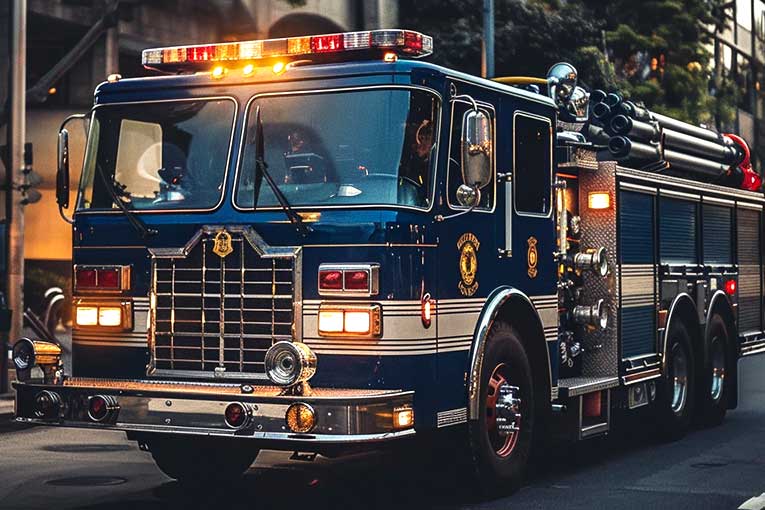
ZIEGLER showcases vehicles and equipment at Florian 2024

ZIEGLER displays advanced firefighting vehicles and equipment

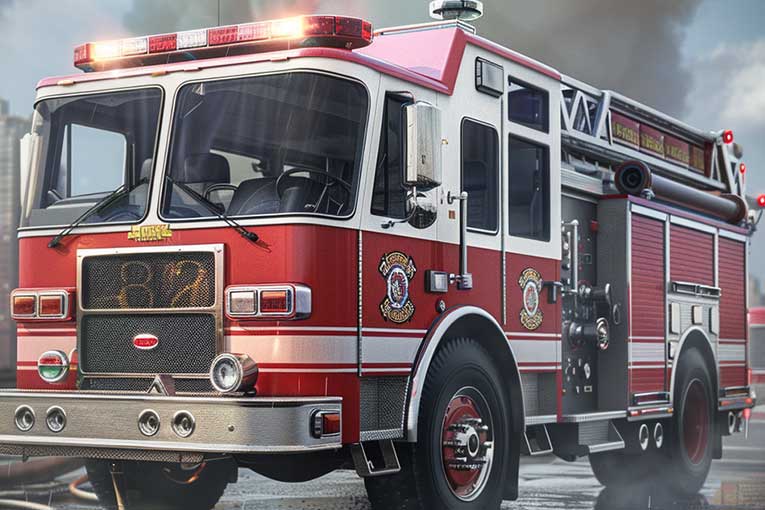
ZIEGLER will showcase a range of firefighting vehicles and equipment at the Florian trade fair, which takes place this year.

As reported by ZIEGLER, visitors will find the company at stand F30 in the outdoor area 3, where several key vehicles will be displayed.

These include the HLF 20, the MLF, and the GW-L 2, all built on MAN and Iveco chassis.

In addition to these vehicles, ZIEGLER will highlight its newly developed rolling containers, designed for various deployment scenarios such as firefighting, technical assistance, and disaster control.

The company emphasises the containers’ functionality and flexibility, ensuring that they are optimal for transporting and storing equipment safely during operations.

Z-Connect and Z-Remote digital systems on display

ZIEGLER will also present its digital products, Z-Connect and Z-Remote, which are integrated into all vehicle exhibits at Florian.

These systems offer real-time vehicle data and provide interfaces compatible with all standard industry platforms.

ZIEGLER’s latest series-ready system supports operation management with enhanced functions that can be continuously expanded in collaboration with their industry partners.

As a founding member of IMBOS e.V., ZIEGLER will be available at the trade fair for further discussions on digital innovations and integration within the industry.

This aims to foster industry-wide cooperation in adopting digital technologies in emergency services.

The return of ZIEGLER Ultra Power

ZIEGLER is also reintroducing its proven Ultra Power, a powerful solution used extensively in firefighting operations.

According to Heiko Riek, Head of Sales Equipment and Components at ZIEGLER, the Ultra Power is a reliable product that has “demonstrated its strength in practice” and is expected to be delivered in larger quantities soon.

Riek emphasised that customer trust and product reliability remain the company’s primary focus.

Visitors attending the Florian trade fair can get a closer look at the Ultra Power and learn more about its capabilities.

A wide selection of emergency vehicles available

ZIEGLER will also present a selection of emergency vehicles at the trade fair, including both customer vehicles and demonstration models.

The featured HLF 20 is particularly suited for firefighting and technical assistance, with its extensive equipment making it a vital part of emergency operations.

The MLF, with its compact design, is ideal for manoeuvring through narrow lanes, while the GW-L 2 offers generous storage space, perfect for varied deployment scenarios.

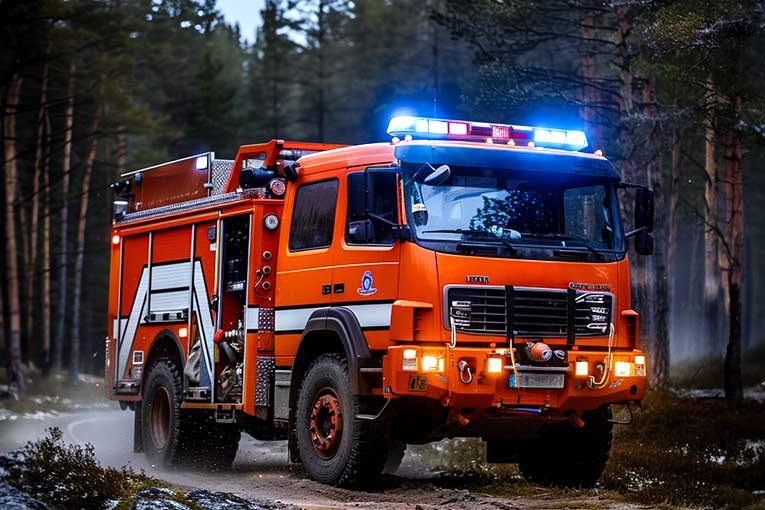
Additionally, a TLF 4000 will be displayed at the Unimog partner booth, giving visitors insights into the range of applications for ZIEGLER vehicles in forest fires.

The comprehensive ZIEGLER portfolio will be available for visitors to explore, with staff on hand to provide technical advice and answer questions.

ZIEGLER presents emergency vehicles and equipment at Florian 2024: Summary

ZIEGLER will showcase a variety of firefighting vehicles and equipment at the 2024 Florian trade fair.

Key exhibits include the HLF 20, MLF, and GW-L 2 vehicles, alongside newly developed Z-roll containers.

ZIEGLER’s digital products, Z-Connect and Z-Remote, will also be on display, offering real-time vehicle data and integration with industry platforms.

The Ultra Power firefighting solution, known for its reliability, is being reintroduced.

In addition to these displays, a TLF 4000 will be featured at the Unimog partner booth.

Visitors will have the opportunity to explore nearly the entire ZIEGLER portfolio and speak with experts at the event.

Which Fire Extinguisher Should Be Used for Flammable Liquids?

Understanding how to handle fires involving flammable liquids is crucial for ensuring personal safety and protecting property from potential devastation. 

Flammable liquids, such as gasoline, oils, and solvents, pose unique fire hazards due to their ability to ignite easily and spread rapidly. 

In such situations, using the correct type of fire extinguisher becomes paramount to swiftly and effectively extinguishing the flames without exacerbating the risk.

By understanding the specific hazards associated with flammable liquids and knowing how to respond effectively with the right equipment, individuals can significantly reduce the potential for injury, property damage, and environmental impact caused by such fires. 

This article explores the different types of fire extinguishers suitable for flammable liquid fires and provides guidance on their proper use to enhance fire safety practices in various settings.

What Different Types of Fire Extinguishers are there?

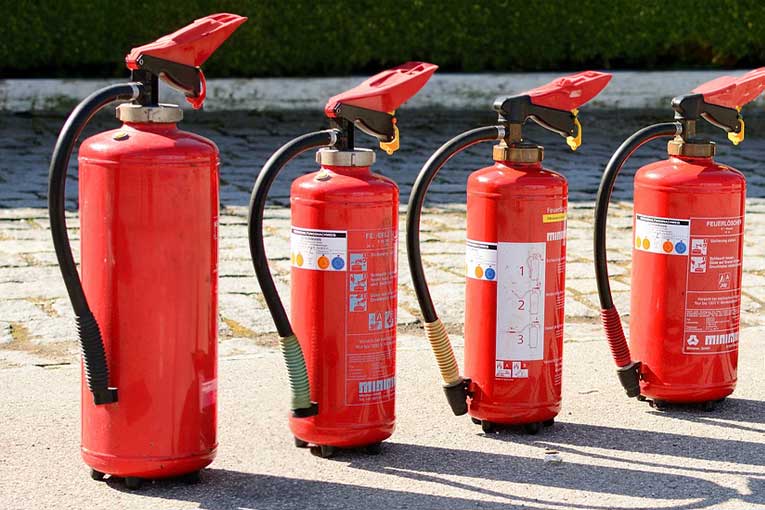
different types of fire extinguisher

Fire extinguishers are categorised into several types, each designed to combat specific classes of fire

Choosing the right type of fire extinguisher depends on the specific fire hazards present in a given environment.

Understanding these types is crucial for effective fire response and safety:

Water

These are designed for Class A fires, which involve solid materials such as wood, paper, and textiles. 

Water extinguishers work by cooling the fire and reducing its heat until it is extinguished. 

They are not suitable for use on flammable liquids or electrical fires due to the risk of spreading the fire or electrical shock.

Foam

Foam extinguishers are effective against Class A and B fires. 

They work by creating a barrier between the fuel and the air or by cooling and smothering the fire. 

Foam extinguishers are versatile and commonly used in environments where both solid materials and flammable liquids are present.

Dry Powder

These extinguishers are suitable for Class A, B, and C fires. 

They work by smothering the fire and interrupting the chemical reaction necessary for combustion. 

Dry powder extinguishers are effective for extinguishing fires involving flammable gases and are also safe for use on electrical fires.

CO2

CO2 extinguishers are designed for Class B and electrical fires. 

They work by displacing oxygen around the fire, suffocating it and leaving no residue. 

CO2 extinguishers are ideal for use on fires involving flammable liquids such as oil and petrol, as well as electrical fires.

Wet Chemical

These are specifically designed for Class F fires, which involve cooking oils and fats. 

Wet chemical extinguishers create a blanket that cools the burning oil and prevents reignition. 

They are effective in commercial kitchens and other environments where cooking oils are used and grease fires can happen.

What Class of Fire are Flammable Liquids?

flammable liquids class of fire

Flammable liquids are classified as Class B fires according to fire safety standards. 

This classification encompasses fires fueled by flammable gases, liquids, greases, and similar substances. 

Class B fires are characterised by their ability to ignite easily and burn rapidly, often with intense flames.

Common examples of flammable liquids include gasoline, diesel fuel, kerosene, alcohol, acetone, and various industrial solvents. 

These liquids typically have low flash points, meaning they can vaporise quickly at relatively low temperatures and ignite easily when exposed to an ignition source.

Fires involving flammable liquids pose unique challenges due to the volatility of the fuel involved. 

They can spread rapidly and may produce intense heat and flames, making them potentially dangerous and difficult to extinguish if not addressed promptly and effectively.

Which Fire Extinguisher Should Be Used for Flammable Liquids?

When dealing with flammable liquids, choosing the right fire extinguisher is crucial to effectively and safely extinguish fires of this type. 

Here are the recommended fire extinguishers for flammable liquids:

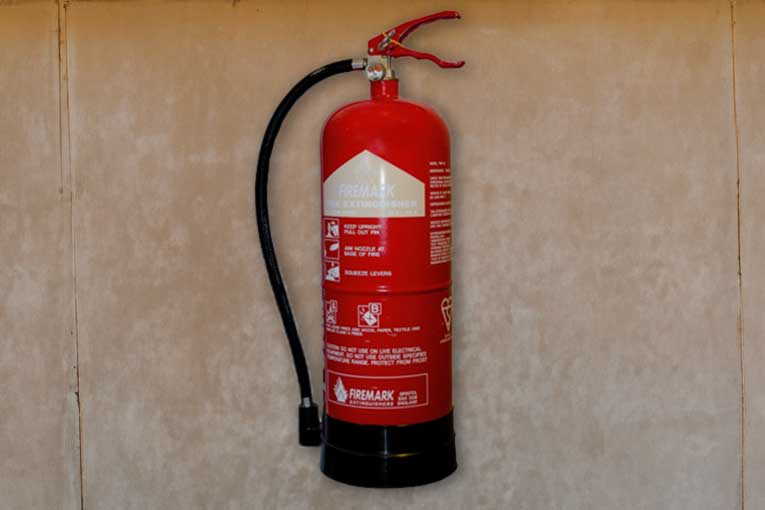
Foam Fire Extinguisher

foam fire extinguisher
Source: Amazon

Foam extinguishers are suitable for Class B fires, which involve flammable liquids such as gasoline, oil, and paint. 

They work by forming a blanket of foam over the liquid surface, cutting off the fire’s oxygen supply and cooling the fuel below its ignition point. 

Foam extinguishers are effective for both indoor and outdoor use and are particularly useful where flammable liquids may spill or pool.

Dry Powder Fire Extinguisher

dry powder fire extinguisher
Source: Amazon

Dry powder extinguishers are versatile and can be used on Class B fires.

They work by smothering the fire and interrupting the chemical reaction necessary for combustion. 

Dry powder extinguishers are effective for quickly extinguishing fires involving flammable liquids like petrol, diesel, and solvents. 

However, they can create a cloud that reduces visibility and may cause respiratory irritation, so they should be used in well-ventilated areas.

CO2 Fire Extinguisher

co2 fire extinguisher
Source: Amazon

CO2 extinguishers are suitable for Class B fires involving flammable liquids. 

They work by displacing oxygen and reducing the heat of the fire. CO2 extinguishers are ideal for use in confined spaces or areas with sensitive equipment because they do not leave a residue that can damage electronics or other materials. 

However, they should be used with caution in enclosed spaces to avoid the risk of suffocation due to the displacement of breathable air.

How do you Extinguish a Flammable Liquid Fire?

how to extinguish flammable liquids

Extinguishing a flammable liquid fire requires careful consideration and the right approach to prevent the fire from spreading or reigniting. 

Here are the steps to effectively extinguish a flammable liquid fire:

Assess the Situation

Before attempting to extinguish the fire, assess the size and nature of the fire. 

If the fire is small and contained, you may attempt to extinguish it using a fire extinguisher. 

For larger fires or those involving significant quantities of flammable liquids, evacuate the area immediately and call emergency services.

Select the Correct Extinguisher

Choose the appropriate fire extinguisher based on the type of flammable liquid involved. Foam, dry powder, and CO2 extinguishers are suitable for flammable liquid fires.

Approach the Fire

Approach the fire from a safe distance to avoid exposure to heat and flames. 

Aim the nozzle of the fire extinguisher at the base of the flames where the liquid fuel is burning.

Use the PASS Method

Follow the PASS method to operate the fire extinguisher effectively:

  • Pull: Pull the pin to unlock the extinguisher.
  • Aim: Aim the nozzle at the base of the fire.
  • Squeeze: Squeeze the handle to discharge the extinguishing agent.
  • Sweep: Sweep the nozzle from side to side, covering the base of the fire with the extinguishing agent.

Discharge the Extinguisher

Maintain a steady discharge of the extinguishing agent until the fire is fully extinguished. 

Continue to apply the agent to prevent re-ignition.

Monitor the Area

After extinguishing the fire, monitor the area for any signs of reignition or hotspots. 

Ensure the area remains evacuated until it is declared safe by firefighting professionals.

Dispose of Extinguisher Properly

After use, even if partially discharged, fire extinguishers should be serviced or replaced according to manufacturer guidelines to ensure readiness for future emergencies.

What are the Dangers of Using a Wrong Fire Extinguisher Type on Flammable Liquids?

wrong fire extinguisher dangers

Using the wrong type of fire extinguisher on flammable liquids can lead to several dangers and exacerbate the fire rather than extinguish it effectively. 

Here are the key risks:

Increased Fire Spread

Using the wrong extinguisher type may not effectively control or suppress the flammable liquid fire. 

Instead, it could spread the fire by agitating the burning liquid or dispersing it, increasing the area affected by flames.

Escalated Danger

Certain extinguishing agents, if incompatible with flammable liquids, can react chemically, producing hazardous by-products or increasing the intensity of the fire. 

For instance, using water or foam on some flammable liquids can cause splashing, spreading the fire or causing explosions.

Ineffective Suppression

Incorrect extinguisher types may not effectively smother the flames or cool the burning liquid, allowing the fire to reignite or continue burning.

Personal Safety Risks

Incorrect use can endanger the person attempting to extinguish the fire. 

Exposure to heat, flames, or chemical reactions from the wrong extinguisher type can result in burns, inhalation of toxic fumes, or other injuries.

Damage to Property

Inadequate suppression can lead to greater property damage. 

Uncontrolled fires can spread rapidly, causing structural damage or affecting nearby equipment and materials.

Conclusion

Hopefully you now have an understanding of which fire Extinguisher should be used for flammable liquids.

Knowing which fire extinguisher to use for flammable liquids is crucial for effective fire management and ensuring the safety of individuals and property. 

By understanding the specific fire classes and corresponding extinguisher types, you empower yourself to respond confidently and swiftly during emergencies.

Fire safety education plays a pivotal role in equipping individuals with the knowledge to make informed decisions under pressure. 

When faced with a fire involving flammable liquids, the ability to identify the appropriate extinguisher – such as a foam or dry powder extinguisher – can significantly mitigate risks and prevent the situation from escalating.

How Do You Use a Fire Extinguisher?

Knowing how to use a fire extinguisher is not just a valuable skill but a critical aspect of ensuring safety in any environment. 

Fires can erupt suddenly and escalate rapidly, posing immediate threats to life and property. 

Being equipped with the knowledge of how to operate a fire extinguisher can make the difference between containing a small fire and facing a potentially devastating situation.

But how do you use a fire extinguisher?

This article aims to empower individuals by providing essential insights into the effective use of fire extinguishers. 

Whether at home, in the workplace, or in public spaces, understanding the principles behind each type of extinguisher and how to apply them correctly is paramount. 

By familiarising yourself with these basics, you’ll be better prepared to respond calmly and effectively in the event of a fire emergency, potentially minimising its impact and safeguarding those around you.

What are the Different Types of Fire Extinguishers?

types of fire extinguisher

Understanding the different types of fire extinguishers is crucial for effective fire suppression

Each type of fire extinguisher is identified by a colour-coded label and symbol that indicates the classes of fires it is suitable for. 

It’s essential to choose the correct type of extinguisher based on the specific classes of fire in your environment to ensure safe and effective firefighting. 

Regular maintenance and proper training in the use of extinguishers are also critical for preparedness in emergencies.

Here’s an overview of the most common types:

Water Fire Extinguishers

Water extinguishers are suitable for Class A fires, which involve ordinary combustibles like wood, paper, and fabrics. 

They work by cooling the fire and lowering the temperature below its ignition point.

Foam Fire Extinguishers

Foam extinguishers are effective against Class A and Class B fires. 

Class B fires involve flammable liquids such as gasoline, oils, and paints. 

Foam extinguishers create a blanket over the fuel, smothering the fire and preventing reignition.

Dry Powder Fire Extinguishers

Dry powder extinguishers are versatile and can be used on Class A, B, and C fires. 

Class C fires involve flammable gases like propane and methane. 

These extinguishers work by coating the fuel with a fine powder that interrupts the chemical reaction of the fire.

CO2 Fire Extinguishers

CO2 extinguishers are suitable for Class B and Class C fires. 

They work by displacing oxygen, which suffocates the fire. 

CO2 extinguishers are effective for electrical fires and flammable liquid fires (Class B).

Wet Chemical Fire Extinguishers

Wet chemical extinguishers are specifically designed for Class F fires, which involve cooking oils and fats. 

They work by creating a soapy layer on the surface of the burning oil, suppressing the fire and preventing splashing.

How Do You Use a Fire Extinguisher?

how do you use a fire extinguisher image

Using a fire extinguisher effectively can make a crucial difference in containing small fires before they escalate. 

Here’s a comprehensive guide on how to use a fire extinguisher:

Assess the Situation

Before attempting to use a fire extinguisher, evaluate the type of fire. 

Fire extinguishers are designed for specific classes of fires and using the wrong type can worsen the situation.

Choose the Right Extinguisher

Identify the correct type of fire extinguisher needed for the fire. 

The types include water, foam, dry powder, CO2, and wet chemical . 

The label on the extinguisher indicates the classes it can handle.

Remember PASS

The PASS method is vital for effective fire suppression:

  • Pull the pin: This unlocks the operating lever.
  • Aim low: Point the nozzle or hose at the base of the fire.
  • Squeeze the handle: This releases the extinguishing agent.
  • Sweep from side to side: Move the extinguisher nozzle or hose back and forth to cover the fire until it’s extinguished.

Position Yourself Safely

Stand about 6 to 8 feet away from the fire. 

This distance provides safety while allowing you to effectively aim the extinguisher at the base of the flames, and gives you the greatest chance of extinguishing the fire.

Activate the Extinguisher

Pull the pin or safety clip to unlock the operating lever. 

Some extinguishers may require twisting or other actions to activate.

Aim at the Base of the Fire

Direct the nozzle or hose toward the base of the flames, not at the top of the fire. 

This targets the source of the fire and helps smother it effectively.

Squeeze the Handle

Firmly squeeze the handle or lever to discharge the extinguishing agent. 

Maintain control of the extinguisher while applying the agent.

Sweep from Side to Side

Using a sweeping motion, move the nozzle or hose from side to side to cover the entire area of the fire. 

Continue until the flames are completely extinguished.

Monitor the Area

After extinguishing the fire, monitor the area for any signs of reignition. 

Stay cautious, as fires can rekindle from hidden hot spots.

Evacuate if Necessary

If the fire grows or becomes uncontrollable, evacuate the area immediately. 

Close doors behind you to contain the fire and alert others to evacuate.

After Use

Once the fire is out, let the area cool down and ventilate if necessary. 

Report the incident and ensure the fire extinguisher is refilled or replaced promptly.

What to do if You are Unable to Put Out a Fire Using a Fire Extinguisher?

unable to put fire out with fire extinguisher

If you find yourself unable to extinguish a fire using a fire extinguisher, follow these critical steps to ensure safety and minimise the fire’s impact:

Evacuate Immediately

If the fire continues to grow despite your efforts, prioritise your safety and evacuate the area. 

Alert others nearby and ensure everyone leaves the building or area safely.

Close Doors

As you evacuate, close any doors, not just fire doors, behind you to help contain the fire and prevent it from spreading further.

Call Emergency Services

Once you are safely outside, call the emergency services (fire department) immediately. 

Provide them with accurate information about the location, size, and nature of the fire.

Do Not Re-enter

Under no circumstances should you re-enter the building or area until emergency responders have declared it safe to do so. 

Fire can spread rapidly and unpredictably, posing serious risks to anyone inside.

Follow Emergency Procedures

Follow any emergency procedures or evacuation plans in place for the building. 

These plans are designed to ensure everyone’s safety in the event of a fire or other emergency.

Monitor the Situation

While waiting for emergency services to arrive, monitor the situation from a safe distance. 

Be prepared to provide additional information or assistance as needed.

Report the Incident

After the fire has been dealt with by professionals, report the incident to building management or authorities as required.

Conclusion

Hopefully this article has answered your question on exactly how do you use a fire extinguisher.

Knowing how to effectively use a fire extinguisher is crucial for protecting lives and property during emergencies. 

Each type of fire extinguisher is designed to combat specific classes of fires, so understanding their distinctions is essential. 

Remembering the PASS method – Pull the pin, Aim at the base of the fire, Squeeze the handle, and Sweep from side to side – provides a systematic approach to using an extinguisher effectively. 

Regular practice of these steps enhances familiarity and readiness, ensuring quick and confident action during a fire incident. 

By staying prepared and knowledgeable about fire extinguisher operation, individuals can play a proactive role in fire safety and potentially mitigate the impact of fires in their environments.

Aqueous Film Forming Foam – The Complete Facts

Aqueous Film Forming Foam (AFFF) stands as a frontline defence against flammable liquid fires, renowned for its rapid extinguishing capabilities. 

In this article, we explore the complete facts surrounding AFFF, shedding light on its composition, applications, benefits, and drawbacks. 

Understanding the nuances of AFFF is essential for firefighters, industrial facilities, and anyone concerned with fire safety. 

Join us as we delve into the world of Aqueous Film Forming Foam to uncover its role in modern fire suppression and the alternatives available in the firefighting arsenal.

What is Aqueous Film Forming Foam?

what is aqueous film forming foam

Aqueous Film Forming Foam is a firefighting agent utilised to extinguish fires involving flammable liquids. 

It comprises a mixture of water, fluorosurfactants, and hydrocarbon surfactants. 

The key component of AFFF is its ability to form a thin, heat-resistant film on the surface of flammable liquids, effectively smothering the fire and preventing re-ignition. 

This foam blanket cools the fire, suppressing vapour release and preventing oxygen from reaching the fuel source. 

Aqueous Film Forming Foam is typically stored as a concentrate and mixed with water before use, either through a fixed foam system or portable fire fighting equipment such as fire hoses or foam sprayers.

What is Aqueous Film Forming Foam Used for?

aqueous film forming foam used for

Aqueous Film Forming Foam finds extensive use in fire suppression scenarios involving flammable liquid fires. 

Its effectiveness lies in its ability to rapidly extinguish fires fueled by substances such as oil, gasoline, diesel, and solvents. 

AFFF is commonly deployed in various industries, including petrochemical plants, refineries, chemical manufacturing facilities, airports, military installations, and firefighting operations.

Industrial Use

In industrial settings, such as warehouses, Aqueous Film Forming Foam is often integrated into fixed foam systems, providing continuous fire protection for high-risk areas such as storage tanks, loading racks, and process areas. 

These systems can automatically release AFFF when a fire is detected, quickly smothering the flames and preventing escalation.

Aviation Use

In aviation, Aqueous Film Forming Foam is utilised as a firefighting agent for extinguishing fuel fires that may occur during aircraft accidents or emergencies. 

Aircraft rescue and firefighting (ARFF) vehicles are equipped with AFFF-based foam systems capable of delivering large volumes of foam to suppress fires on runways and aircraft surfaces.

Military Use

Similarly, Aqueous Film Forming Foam plays a crucial role in military firefighting operations, where it is used to combat fires on military vehicles, aircraft, and naval vessels. 

Military-grade AFFF formulations are designed to meet stringent performance standards and withstand harsh operational environments.

Emergency Responder Use

In addition to industrial and military applications, AFFF is also employed by municipal fire departments and emergency responders as a portable fire fighting agent. 

Firefighters use AFFF-based foam solutions to extinguish flammable liquid fires, supplementing water-based firefighting efforts with foam blankets that provide enhanced fire suppression and post-fire security.

What Types of Aqueous Film Forming Foam are There?

aqueous film forming foam types

There are several types of Aqueous Film Forming Foam in use, with the most common two being synthetic-based and protein-based.

Synthetic-based Aqueous Film Forming Foam

Synthetic-based AFFF is the most commonly used type of AFFF and is formulated using synthetic fluorosurfactants and hydrocarbon surfactants. 

This type of AFFF offers excellent fire suppression performance and is compatible with a wide range of flammable liquids.

Protein-based Aqueous Film Forming Foam

Protein-based AFFF is less commonly used than synthetic-based AFFF and is formulated using natural protein-based surfactants derived from animal by-products. 

This type of AFFF has good burn-back resistance and is effective against certain types of flammable liquid fires. 

However, it may be less stable and more prone to degradation over time compared to synthetic-based AFFF.

Which to Choose?

Both types of AFFF are available in various concentrations, typically ranging from 1% to 6%, with higher concentrations providing increased firefighting effectiveness. 

The choice between synthetic-based and protein-based AFFF depends on factors such as firefighting requirements, environmental considerations, and regulatory compliance. 

While synthetic-based AFFF is more commonly used due to its superior performance and stability, protein-based AFFF may be preferred in certain applications or environments where synthetic-based AFFF is not suitable.

What are the Benefits of Aqueous Film Forming Foam?

aqueous film forming foam benefits

Aqueous Film Forming Foam has a wide range of benefits. 

Some of the main ones are:

Rapid Fire Suppression

Aqueous Film Forming Foam offers rapid fire suppression capabilities, quickly smothering flames and preventing the spread of fire. 

The foam blanket formed by AFFF effectively seals off the fuel source, cutting off the oxygen supply and extinguishing the fire.

Burn-back Resistance

AFFF provides excellent burn-back resistance, meaning that once the fire is extinguished, the foam blanket remains in place to prevent re-ignition. 

This helps to ensure that the fire does not reignite after suppression efforts have ceased, providing enhanced post-fire security.

Versatility

Aqueous Film Forming Foam is versatile and adaptable, capable of extinguishing fires involving a wide range of flammable liquids, including oil, gasoline, diesel, and solvents. 

Its effectiveness across different types of fuel fires makes it a valuable tool in various industries and firefighting scenarios.

Stability

AFFF foam blankets are stable and long-lasting, maintaining their integrity even under adverse conditions such as high temperatures or turbulent environments. 

This stability ensures consistent firefighting performance and minimises the risk of foam degradation during storage or deployment.

Environmental Compatibility

Some formulations of Aqueous Film Forming Foam are designed to be environmentally friendly, with reduced toxicity and minimal impact on the environment. 

These eco-friendly AFFF formulations meet stringent environmental regulations and are suitable for use in environmentally sensitive areas.

Cost-effectiveness

AFFF is cost-effective compared to other firefighting agents, offering efficient fire suppression capabilities at a relatively low cost. 

Its affordability makes it accessible to a wide range of industries and organisations, from large-scale industrial facilities to small businesses and municipal fire departments.

What are the Downsides of Aqueous Film Forming Foam?

aqueous film forming foam downsides

White Aqueous Film Forming Foam has numerous advantages to its use, it does come with various negatives that must be addressed. 

Some of the most common downsides are:

Environmental Impact

One of the main downsides of Aqueous Film Forming Foam is its environmental impact. AFFF contains fluorosurfactants, which can persist in the environment and pose potential risks to ecosystems and human health. 

These fluorosurfactants can bioaccumulate in aquatic organisms and have been linked to adverse effects on wildlife and aquatic habitats.

Health Concerns

In addition to environmental concerns, AFFF may also pose health risks to firefighters and other individuals exposed to the foam. 

Some formulations of AFFF contain per- and polyfluoroalkyl substances (PFAS), which have been associated with various health issues, including cancer, reproductive problems, and immune system disorders. 

Prolonged or repeated exposure to AFFF foam may increase the risk of adverse health effects.

Cleanup and Disposal Challenges

Aqueous Film Forming Foam can be challenging to clean up and dispose of properly after firefighting operations. 

The foam can accumulate in waterways, soil, and groundwater, leading to contamination and environmental damage. 

Proper cleanup and disposal procedures are necessary to minimise the environmental impact of AFFF and prevent long-term contamination of soil and water resources.

Regulatory Restrictions

Due to concerns about the environmental and health impacts of AFFF, regulatory agencies have implemented restrictions on its use and disposal. 

Some jurisdictions have banned or restricted the use of AFFF containing certain fluorosurfactants or PFAS compounds. 

These regulations may limit the availability and use of AFFF in certain regions or industries, requiring alternative firefighting agents to be used instead.

What are the Alternatives of Aqueous Film Forming Foam?

aqueous film forming foam alternatives

Due to some of the disadvantages of using Aqueous Film Forming Foam, alternatives can be used:

Dry Chemical Agents

Dry chemical agents, such as monoammonium phosphate (MAP) and sodium bicarbonate, are commonly used alternatives to Aqueous Film Forming Foam for extinguishing flammable liquid fires. 

These agents work by interrupting the chemical reaction of the fire and are particularly effective against Class B fires involving flammable liquids and gases. 

Dry chemical agents are available in portable extinguishers and fixed fire suppression systems, offering rapid and efficient fire suppression capabilities.

Carbon Dioxide (CO2)

Carbon dioxide (CO2) is another alternative firefighting agent used for extinguishing flammable liquid fires. 

CO2 works by displacing oxygen from the fire area, effectively smothering the flames and preventing combustion. 

CO2 is non-conductive and leaves no residue, making it suitable for use in electrical and sensitive equipment environments. 

However, CO2 can be dangerous in confined spaces due to the risk of oxygen depletion, and proper ventilation is necessary when using CO2 for fire suppression.

Environmentally Friendly Foam Formulations

In response to environmental concerns associated with traditional AFFF formulations, manufacturers have developed foam concentrates with environmentally friendly formulations. 

These foam concentrates are free from fluorosurfactants and per- and polyfluoroalkyl substances (PFAS), reducing their environmental impact and potential health risks. 

While these environmentally friendly foam concentrates may have slightly different firefighting properties compared to traditional AFFF, they offer effective fire suppression capabilities while minimising environmental harm.

Water-Based Firefighting Systems

Water-based firefighting systems, such as sprinkler systems and water mist systems, provide an alternative approach to fire suppression without the use of foam agents. 

These systems use water as the primary extinguishing agent, either through sprinkler heads or high-pressure water mist nozzles. 

Water-based firefighting systems are effective at suppressing fires involving flammable liquids and are often used in industrial and commercial settings for fire protection. 

Additionally, water-based systems are environmentally friendly and pose minimal health risks compared to foam agents.

Conclusion

Aqueous Film Forming Foam stands as a powerful tool in firefighting, offering rapid fire suppression capabilities for flammable liquid fires. 

While AFFF provides numerous benefits, including quick extinguishment and excellent burn-back resistance, it also presents downsides such as environmental impact and health concerns. 

Exploring alternatives like dry chemical agents, carbon dioxide, environmentally friendly foam concentrates, and water-based firefighting systems can mitigate these drawbacks. 

As the firefighting industry evolves, balancing the effectiveness of AFFF with environmental and health considerations remains crucial in ensuring comprehensive fire protection strategies for both present and future needs.

Why are Firetrucks Red?

Firetrucks, with their distinctive red hue, stand out as symbols of rapid response to emergencies, commanding attention on roads and streets worldwide. 

But why are firetrucks red?

The vibrant red colour has become synonymous with the urgency and gravity of firefighting efforts. 

While the sight of red firetrucks is deeply ingrained in our collective consciousness, the origins of this colour choice remain shrouded in curiosity and speculation.

In this article, we will delve into the mystery behind the enduring tradition of painting firetrucks red.

Why are Firetrucks Red?

why are firetrucks red image

Firetrucks, with their bold and unmistakable red hue, have become iconic symbols of emergency response. 

The choice of this vibrant colour is deeply rooted in tradition. 

As to why firetrucks are red, the short answer is nobody knows for sure.

However there are numerous theories as to why, with some of the most common being:

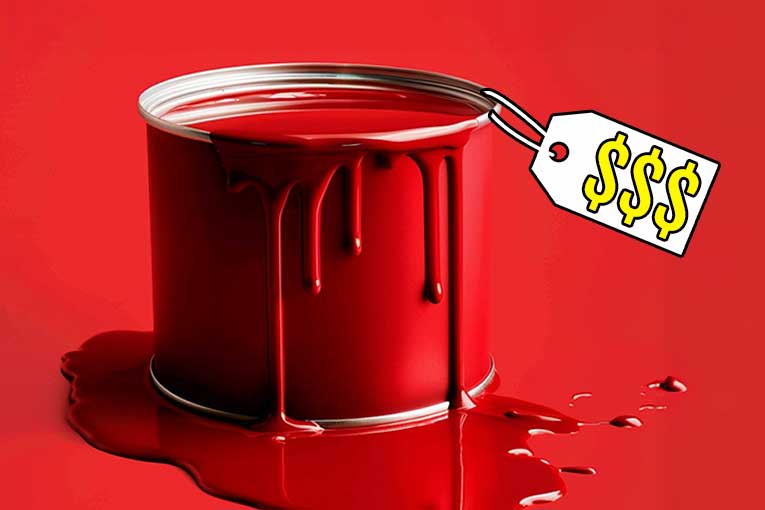
Cheapest Colour of Paint

firetrucks red cheapest paint

One widely circulated theory suggests that red became the colour of choice for firetrucks due to its historical status as the least expensive colour of paint. 

In the early days of fire departments, when budgets were tight and they were mostly volunteers, the cost-effectiveness of red paint made it an economical choice. 

This theory reflects a pragmatic approach, where fire departments aimed for a uniform and easily recognizable colour without straining their limited resources.

Most Expensive Colour of Paint

firetrucks red most expensive paint

Contrary to the cost-effectiveness theory, another perspective argues that red was intentionally chosen as the most expensive colour of paint. 

In this view, fire departments sought high-quality, durable paint to protect their vehicles from the elements and enhance their visibility. 

While this theory challenges the notion of frugality, it underscores the importance of investing in materials that ensure the longevity and effectiveness of firefighting equipment.

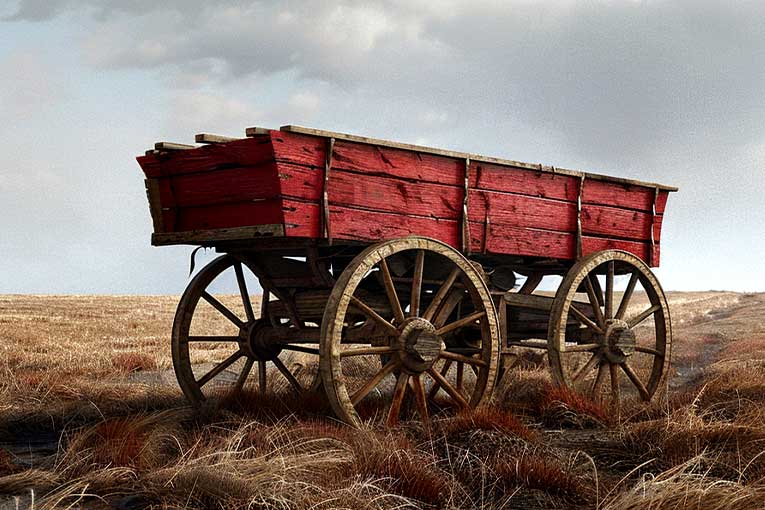
Farmers

firetrucks red farmers carts

An interesting historical twist connects the colour choice of firetrucks to the practices of farmers. 

During the early days of fire departments, when acquiring vehicles for their fleets, departments often obtained used trucks from farmers. 

Farmers, who commonly painted their carts red to hide dirt and grime, unintentionally contributed to a surplus of red-painted carts that fire departments adopted. 

This theory highlights the influence of practicality and resourcefulness in shaping the colour palette of firefighting fleets.

Displaying Urgency

firetrucks red urgency

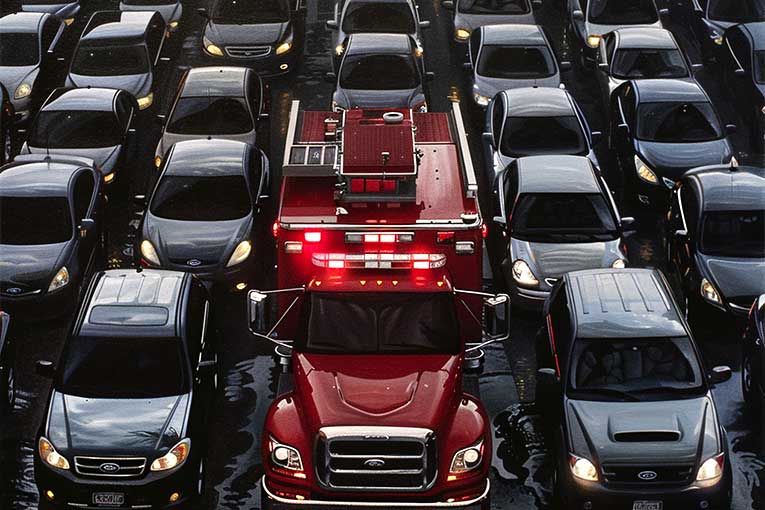
The early 20th century, marked by the dominance of black-coloured Ford cars, introduced another theory regarding the choice of red for firetrucks. 

In an era where many vehicles were black, fire departments opted for red to stand out and convey a sense of urgency. 

The stark contrast between the red firetrucks and the sea of black vehicles on the road facilitated quick identification and emphasised the critical nature of their mission.

An Old Joke

firetrucks red old joke

“Because they have 8 wheels and 4 people on them, and 4 plus 8 makes 12, and there are 12 inches in a foot, and 1 foot is a ruler, and Queen Elizabeth was a ruler, and Queen Elizabeth was also a ship, and the ship sailed the seas, and there were fish in the seas, and fish have fins, and the Finns fought the Russians, and the Russians are red, and fire trucks are always ‘Russian’ around, so that’s why fire trucks are red!”

Adding a humorous twist to the discussion is a centuries-old joke that offers a playful explanation for why firetrucks are red. 

According to this whimsical theory, the colour choice is a result of a convoluted chain of associations involving wheels, rulers, ships, fish, and even geopolitical references. 

While clearly a jest, this theory highlights the lighthearted and imaginative interpretations that have woven their way into the lore surrounding firetruck colours.

Can Firetrucks be Other Colours?

While red remains the traditional and widely recognized colour for firetrucks, fire departments around the world have occasionally deviated from this norm, experimenting with different colours for various practical and strategic reasons. 

These alternative colour choices not only break with tradition but also serve specific purposes in enhancing safety, visibility, and aesthetic appeal during emergency responses.

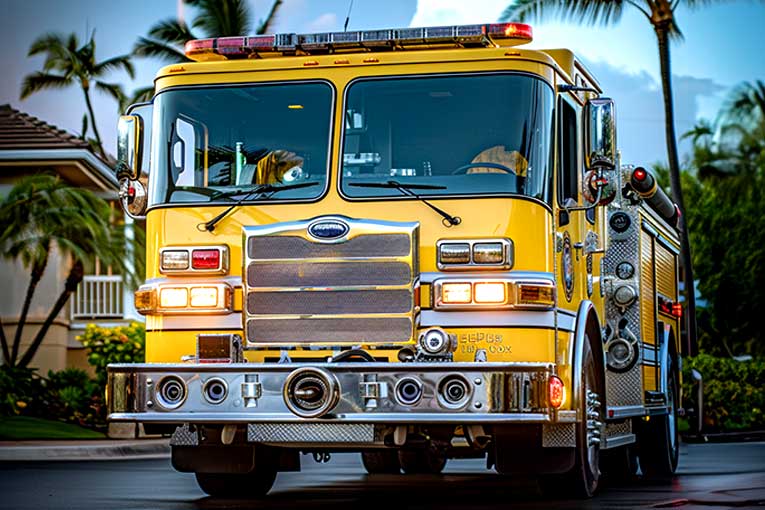
Yellow

yellow firetruck

Yellow firetrucks are occasionally employed to address specific challenges posed by rural environments. 

The vibrant and contrasting colour of yellow enhances visibility, making the trucks more noticeable, especially in expansive rural landscapes. 

This increased visibility is crucial for navigating challenging terrains and locating emergency sites efficiently. 

A notable example is the use of yellow firetrucks in Australia, in regions where the topography and vegetation necessitate heightened visibility for effective emergency response.

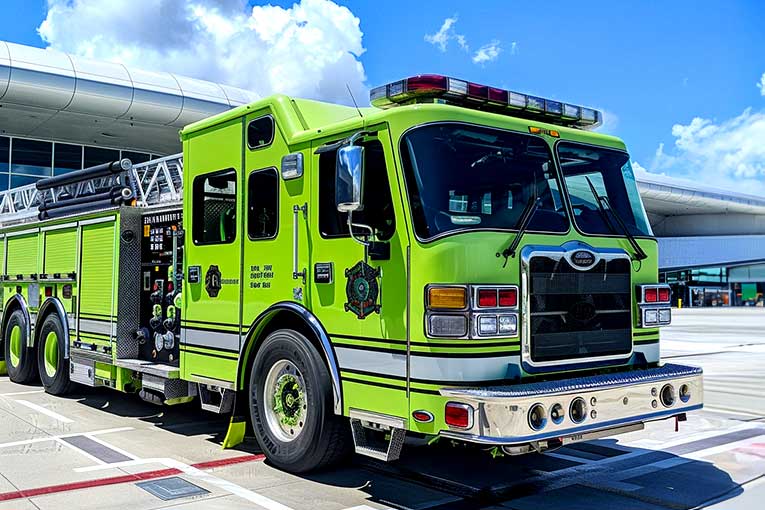
Lime Green

lime green firetruck

Lime green has emerged as a colour choice motivated by a desire to maximise visibility both during the day and at night. 

This highly visible hue stands out in various lighting conditions, ensuring that firetrucks are easily spotted by motorists and pedestrians alike. 

Fire departments adopting lime green firetrucks prioritise safety and awareness during emergency responses. 

This choice is particularly evident in urban areas where diverse lighting scenarios demand enhanced visibility. 

Several examples showcase fire departments incorporating lime green firetrucks into their fleets to bolster their visibility during critical operations.

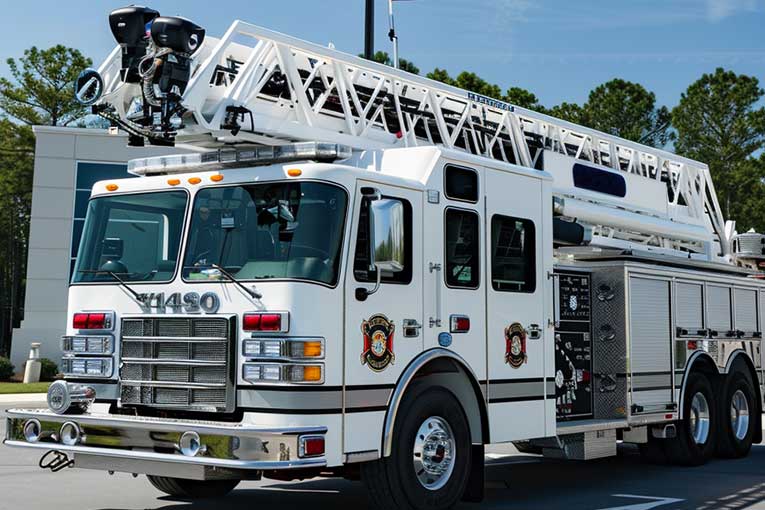
White

white firetruck

White firetrucks represent a departure from the traditional red, chosen by certain fire departments for their clean and modern aesthetic. 

The use of white not only imparts a contemporary look but also serves practical purposes. 

White is a reflective colour, aiding visibility, especially in low-light conditions. 

This choice aligns with the evolving design preferences of fire departments seeking a fresh and modern image while maintaining functionality. 

Examples of fire departments incorporating white firetrucks into their fleets can be found in urban settings where aesthetics and visibility converge as crucial considerations.

Blue

blue firetruck

While less common, blue firetrucks are occasionally employed for special purposes or to distinguish specific types of emergency vehicles. 

Blue may be reserved for specialised units within a fire department, signifying distinct functions or equipment. 

This colour choice can aid in rapidly identifying the purpose of a particular vehicle during multi-agency responses. 

Real-world instances include fire departments utilising blue firetrucks for hazardous materials response teams or specialised rescue units, where differentiation in colour supports quick and efficient coordination during emergencies.

Orange

orange firetruck

In Finland, the use of orange firetrucks adds a distinctive touch to the country’s emergency response vehicles. 

The choice of orange as a colour for firetrucks is not only a departure from the traditional red but also serves specific purposes tailored to the unique challenges of Finland’s environment.

The vibrant orange hue enhances visibility, especially in the country’s varied landscapes, including forests and lakes. 

Finland’s terrain, characterised by vast expanses of nature, demands vehicles that can stand out against diverse backgrounds. 

Orange firetrucks address this need by providing increased visibility during emergency responses, ensuring that they can be easily spotted in both urban and rural setting

Conclusion

Hopefully this should answer your question of why are firetrucks red?

While red remains the predominant colour for firetrucks, the choice is not solely based on tradition or aesthetics. 

Practical considerations, historical influences, and attempts to increase visibility and safety have all played a role in shaping the colour choices for these vital emergency response vehicles. 

As fire departments continue to evolve and adapt to new technologies and safety standards, we may see further experimentation with colours in the future. 

Regardless of the colour, the primary goal remains the same – to ensure that firetrucks are easily recognizable and effective in responding to emergencies.

How Long Do Fire Extinguishers Last?

Fire extinguishers are crucial tools for swiftly combating small fires, but do they last forever? 

Understanding their lifespan and exactly how long do fire extinguishers last is vital for ensuring their effectiveness in emergencies. 

In this article, we’ll explore how long different types of fire extinguishers last, when to replace them, and the importance of regular servicing.

How Long Do Fire Extinguishers Last?

how long do fire extinguishers last image

Fire extinguishers are crucial for rapid response in emergencies, but their effectiveness diminishes over time. 

Understanding how long fire extinguishers last is essential for maintaining a safe environment.

Disposable

Disposable fire extinguishers typically have a lifespan of around 10 to 12 years. 

Once they reach this limit or display signs of wear, they should be replaced to ensure optimal performance. 

These extinguishers are designed for single use, emphasising the importance of timely replacements.

Rechargeable

Rechargeable fire extinguishers, designed for multiple uses, have a service life of approximately 6 years. 

After this period, a thorough professional inspection and maintenance are necessary to ensure their continued reliability. 

If any issues are identified during servicing or if the extinguisher reaches the end of its recommended life, it should be replaced promptly.

How Often Should Fire Extinguishers be Serviced?

how often fire extinguishers serviced

Routine maintenance is key to ensuring the reliability of fire extinguishers. 

Different types require distinct servicing intervals to guarantee optimal functionality when facing a fire emergency.

Water, Powder, or Foam

Fire extinguishers containing water, powder, or foam should undergo professional servicing every 5 years. 

This process involves a thorough inspection, testing, and refilling, if necessary. 

Regular servicing helps identify any issues and ensures the extinguisher is fully operational.

CO2

CO2 fire extinguishers, commonly used for electrical fires, have a longer service interval of 10 years. 

These extinguishers should undergo a comprehensive professional service to inspect and maintain their components. 

This ensures that the extinguisher remains effective in suppressing electrical fires.

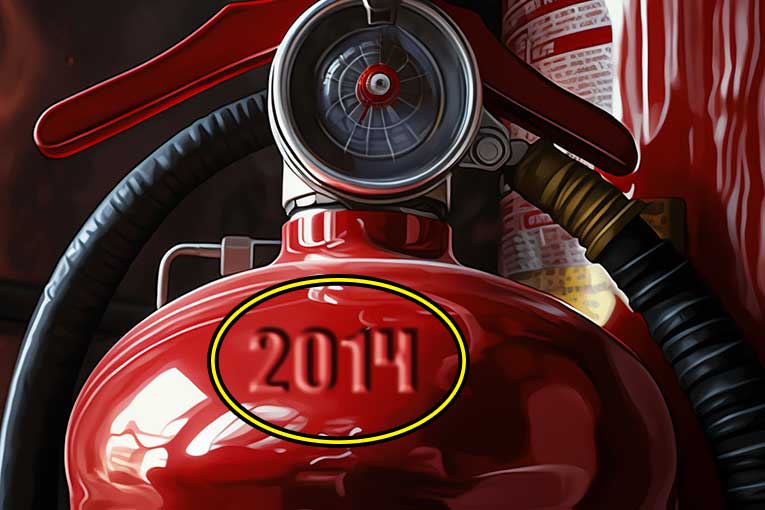
Where to Find the Fire Extinguisher Manufacture Date?

fire extinguishers manufacture date

Knowing the manufacture date of a fire extinguisher is crucial for determining its lifespan and understanding how long your fire extinguisher will last. 

The location of this information varies based on the type of extinguisher.

Steel Fire Extinguishers

Stamped into the Cylinder

The manufacture date may be physically stamped onto the cylinder of the steel fire extinguisher. 

This stamp provides a clear and permanent indication of when the extinguisher was produced.

On the Label

Alternatively, the manufacture date might be included on the label affixed to the extinguisher. 

This label provides essential information about the extinguisher’s specifications and usage guidelines.

P50 Service-Free Extinguishers

Older Models 

For older P50 fire extinguisher models, the manufacture date is typically printed on the base of the unit.

Newer Models 

Newer P50 models use a coloured pin that correlates to a table printed on the label. 

The pin colour corresponds to the month and year of manufacture, providing a quick reference.

When Should you Replace a Fire Extinguisher Early?

replace fire extinguishers early

While fire extinguishers have defined lifespans, certain circumstances may warrant early replacement to ensure optimal performance in emergencies. 

Here are key indicators that suggest an extinguisher should be replaced ahead of schedule:

Cracked Nozzle or Hose

Issue

Physical damage like cracks compromises the structural integrity of the nozzle or hose.

Effect

The crack can lead to leaks or difficulties in delivering the extinguishing agent during a fire, rendering the extinguisher less effective.

Blocked Nozzle or Hose

Issue

Obstructions in the nozzle or hose can hinder the discharge of the extinguishing agent.

Effect

A blocked nozzle or hose reduces the extinguisher’s ability to control a fire, diminishing its overall performance.

Broken Handle

Issue

A broken handle makes it challenging to operate the extinguisher efficiently.

Effect

In an emergency, a broken handle may impede the user from effectively using the extinguisher, delaying response time.

Missing Locking Pin

Issue

The locking pin is crucial for preventing accidental discharges and maintaining the extinguisher’s readiness.

Effect

Without the locking pin, there’s a risk of unintentional discharges, and the extinguisher may not be securely stored or easily accessible.

Missing Inspection Sticker

Issue

An extinguisher without an updated inspection sticker may not have undergone required maintenance.

Effect

Missing inspection documentation indicates a lack of regular checks, raising concerns about the extinguisher’s reliability and adherence to safety standards.

Corrosion

Issue

Corrosion on the cylinder or other parts compromises the structural integrity of the extinguisher.

Effect

Corrosion weakens the extinguisher, making it more susceptible to damage and reducing its ability to withstand the pressure needed for proper discharge.

Suspected of Leaking

Issue 

Evidence of leaking substances suggests a loss of pressure and potential malfunction.

Effect

A leaking extinguisher may fail to discharge its contents effectively during a fire, necessitating immediate replacement to ensure reliability in an emergency.

How Often Should Fire Extinguishers be Inspected?

how often fire extinguishers inspected

Routine inspections are crucial to maintaining the reliability of fire extinguishers, ensuring they function correctly when needed. 

The inspection frequency can be categorised into two intervals:

Monthly Checks

Regular, brief checks by designated personnel.

This is to verify that the extinguisher is in its designated place, the pressure gauge shows adequate pressure, and there is no visible damage or tampering.

Monthly checks help identify immediate issues and ensure that the extinguisher is accessible and operational.

Yearly Inspections by a Fire Extinguisher Engineer

In-depth inspections conducted by a certified fire extinguisher engineer, for example those found in the Institution of Fire Engineers.

This will be a comprehensive examination of the extinguisher’s internal and external components, including pressure tests, to ensure it meets safety standards.

Yearly inspections are critical for identifying potential internal issues, such as corrosion or leaks, which might not be evident during routine checks.

What are the Risks of Using an Older Fire Extinguisher?

older fire extinguishers risks

Using an older fire extinguisher poses various risks, potentially compromising its effectiveness when faced with a fire emergency. 

Here are the key risks associated with relying on an aged fire extinguisher:

Decreased Pressure

Over time, fire extinguishers may experience a gradual loss of pressure, reducing their ability to discharge the extinguishing agent effectively. 

This decline can result from factors like gas leakage or gradual deterioration of internal components.

Corrosion

The internal components of a fire extinguisher, especially the cylinder, are susceptible to corrosion over an extended period. 

Corrosion weakens the structural integrity, making the extinguisher more prone to failure or rupture during use.

Deterioration of Seals and Valves

Seals and valves play a crucial role in maintaining the pressure and integrity of the extinguishing agent. 

As a fire extinguisher ages, these seals and valves can deteriorate, leading to potential leaks and a loss of pressure.

Reduced Extinguishing Agent Efficiency

The extinguishing agent within the fire extinguisher can degrade over time, diminishing its effectiveness. 

This reduction in efficiency may result from factors like exposure to temperature variations or chemical changes within the agent.

Outdated Technology

Older fire extinguishers may use outdated technology compared to more modern counterparts. 

Advances in fire safety technology have led to the development of extinguishers with enhanced features and improved extinguishing agents, providing better protection against various fire types.

Non-compliance with Standards

Fire safety standards and regulations evolve over time, introducing new requirements for equipment.

Older fire extinguishers may not comply with the latest standards, potentially leading to regulatory non-compliance and inadequate fire protection.

How to Dispose of a Fire Extinguisher?

dispose of fire extinguishers

Disposing of a fire extinguisher requires careful consideration to ensure the safe handling of potentially hazardous materials. 

Here’s a guide on how to appropriately dispose of a fire extinguisher:

Check the Extinguisher Type

Identify the type of fire extinguisher, as different extinguishing agents have specific disposal methods. 

Common types include water, powder, foam and CO2.

Contact Local Authorities

Check with your local fire department or waste disposal facility regarding their specific regulations for fire extinguisher disposal. 

Some municipalities organise special collection events or have designated drop-off locations.

Recycling Centres

Certain recycling centres may accept fire extinguishers, as many of the components are fully recyclable. 

Remember to follow local guidelines.

Professional Disposal Services

In some cases, professional hazardous waste disposal services may be necessary for extinguishers containing certain chemicals, such as older foam fire extinguishers. 

Contact local environmental agencies for advice on proper disposal methods.

Conclusion

Knowing how long fire extinguishers last and understanding when to replace them is vital for maintaining a safe environment. 

Regular inspections, proper servicing, and early replacement when necessary ensure that these essential firefighting tools remain effective when needed most. 

Prioritising the longevity and functionality of fire extinguishers is a proactive step towards enhancing overall safety and preparedness in various settings.

List of Firefighting Equipment

Firefighting equipment is what helps firefighters to extinguish flames, ensuring the safety of lives and property, and the varied list of firefighting equipment shows how diverse firefighting really is. 

From traditional tools like fire extinguishers to cutting-edge technology such as thermal imaging cameras, each item plays a crucial role in a firefighter’s arsenal. 

In this article, we’ll explore the diverse list of firefighting equipment, shedding light on their functions and importance in the face of fire emergencies.

What is Firefighting Equipment?

Firefighting equipment encompasses a diverse range of tools, devices, and protective gear specifically designed to combat and manage fires effectively. 

These crucial elements are essential for firefighters in their mission to extinguish flames, rescue individuals, and mitigate the impact of fire emergencies. 

Each piece of equipment serves a unique purpose in the complex and challenging task of firefighting.

Firefighting equipment is not only about extinguishing flames but also about ensuring the safety of those on the front lines. 

Protective gear, such as fire suits and gloves, shields firefighters from extreme heat, allowing them to navigate hazardous environments. 

The continuous advancements in firefighting equipment underscore a commitment to improving the efficiency, safety, and overall effectiveness of firefighting operations.

Firefighting equipment is the lifeline for those who risk their lives to protect communities and properties from the devastating impact of fires.

List of Firefighting Equipment

Firefighting equipment constitutes a comprehensive arsenal designed to combat fires of varying intensities and types. 

Each tool plays a crucial role in ensuring the safety of firefighters and the effectiveness of fire suppression efforts.

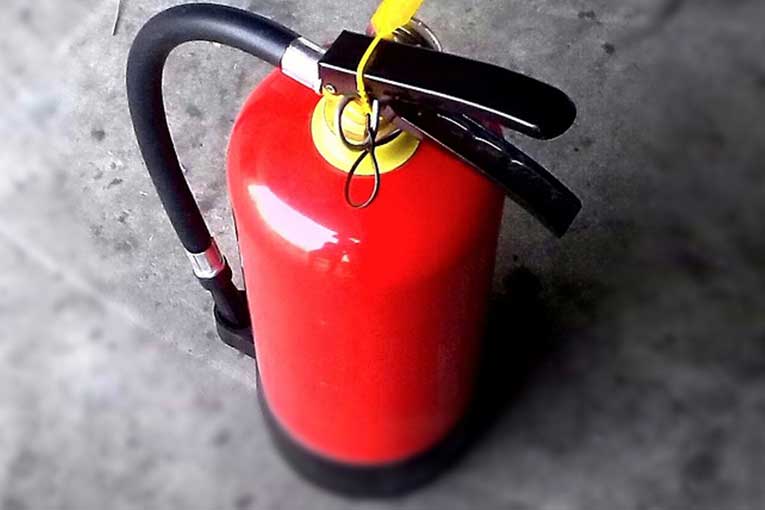
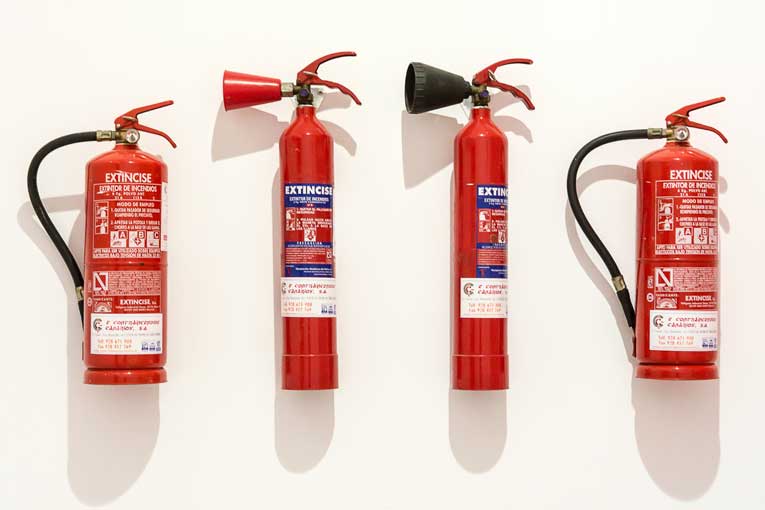
Fire Extinguishers

fire extinguisher firefighting equipment

Portable and versatile, fire extinguishers are essential for promptly suppressing and extinguishing small fires. 

There are many different types of fire extinguisher, each containing specific firefighting agents such as water, foam, dry powder, or CO2. 

The diversity in extinguisher types ensures flexibility in addressing different classes of fires—whether involving ordinary combustibles, flammable liquids, electrical equipment, or gases. 

This adaptability allows firefighters and individuals to employ the most suitable extinguishing agent, enhancing the effectiveness of fire suppression efforts across a wide range of fire scenarios.

Fire Extinguisher Ball

fire extinguisher ball firefighting equipment
Source: Amazon

An innovative self-activating fire suppression system, the Fire Extinguisher Ball offers a unique approach to firefighting. 

When exposed to flames, the ball bursts autonomously, releasing a fine powder that swiftly and effectively extinguishes the fire. 

This ingenious device is particularly advantageous in confined spaces or areas with limited accessibility, where traditional firefighting methods might face challenges. 

The Fire Extinguisher Ball’s ability to initiate fire suppression independently makes it a valuable addition to fire safety measures, ensuring a rapid response even in scenarios where immediate human intervention may be difficult.

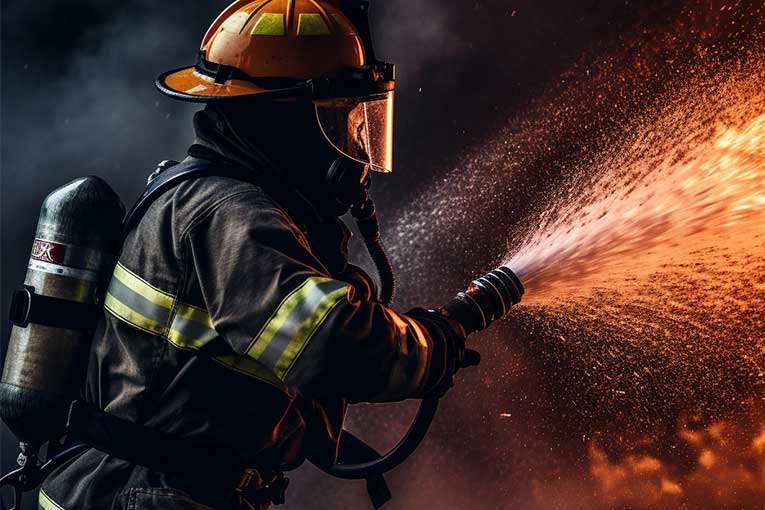
Fire Hoses

fire hose firefighting equipment

As one of the most prevalent tools in large-scale firefighting, fire hoses are indispensable for firefighters combating significant flames. 

These flexible and robust hoses serve as critical conduits, allowing the directed flow of water onto the fire. 

Their length and adaptability empower firefighters to reach remote or challenging locations, providing a versatile means of effectively delivering water to suppress fires. 

The strategic use of fire hoses enhances the agility and reach of firefighting efforts, enabling responders to address fires in diverse environments and mitigate potential challenges posed by the fire’s scale and intensity.

Hose Jets

fire hose firefighting equipment

Hose Jets represent heightened firefighting capabilities, requiring the collaboration of two firefighters to handle their extra power. 

These specialised tools offer an elevated force and flow, allowing firefighters to exert increased control over the extinguishing process. 

With the ability to adjust the jet stream, firefighters enhance precision in directing water onto the flames, addressing specific firefighting requirements. 

The collaborative use of Hose Jets reflects a strategic approach, amplifying the effectiveness of firefighting efforts in scenarios where a more robust and targeted water delivery is essential to combat fires of greater scale or intensity.

Fire Buckets

fire buckets firefighting equipment

Simple in design yet highly effective, fire buckets are containers filled with either water or sand. 

Positioned strategically, these buckets serve as immediate response tools, offering a swift and accessible means to douse small fires or control sparks. 

Their simplicity makes them an essential first line of defence, providing an uncomplicated yet crucial tool in the initial stages of firefighting. 

Whether used by trained personnel or as part of fire safety measures in public spaces, fire buckets play a fundamental role in empowering individuals to take immediate action and contribute to fire containment efforts.

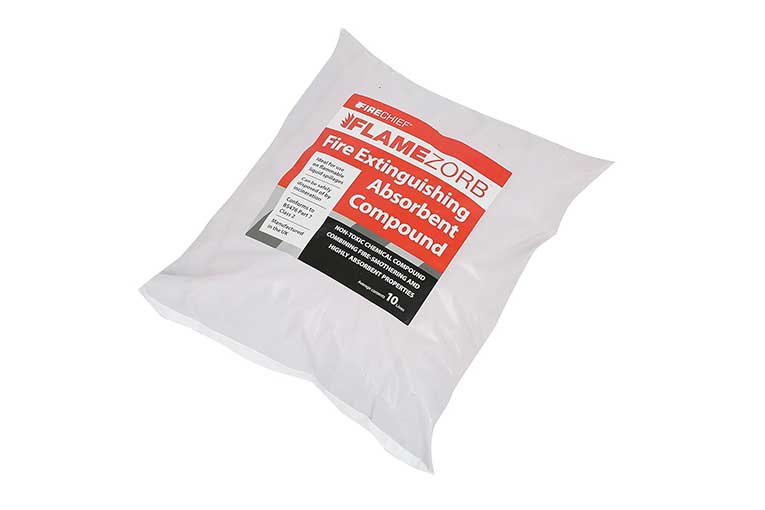
Flamezorb

flamezorb firefighting equipment
Source: Amazon

Flamezorb, a granular substance, serves as a rapid-response tool in firefighting by efficiently absorbing flammable liquids. 

When applied to spills, it swiftly neutralises and absorbs the substances, preventing the spread of fire. 

This versatile and effective tool finds particular utility in scenarios involving hazardous materials or potential chemical fires, where the quick containment of flammable liquids is essential to mitigate the risk of fire escalation. 

Flamezorb’s ability to address such specific challenges makes it a valuable asset in the firefighting arsenal, contributing to the overall effectiveness of fire suppression efforts in diverse and complex situations.

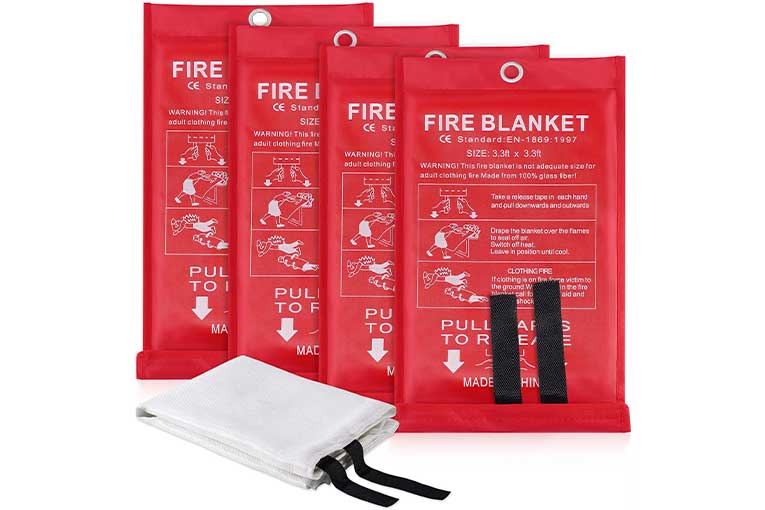
Fire Blankets

fire blanket firefighting equipment
Source: Amazon

Constructed from fire-resistant materials, fire blankets emerge as versatile tools in firefighting and emergency response. 

Beyond their primary function of smothering small fires, these blankets provide a multifaceted solution. 

In emergency situations, they offer protection by wrapping around individuals, creating a temporary shield against flames and heat. 

The adaptability of fire blankets extends their utility beyond traditional firefighting scenarios, making them valuable assets in various emergency situations where rapid response and versatile tools are paramount to ensuring the safety of individuals and effectively addressing evolving challenges.

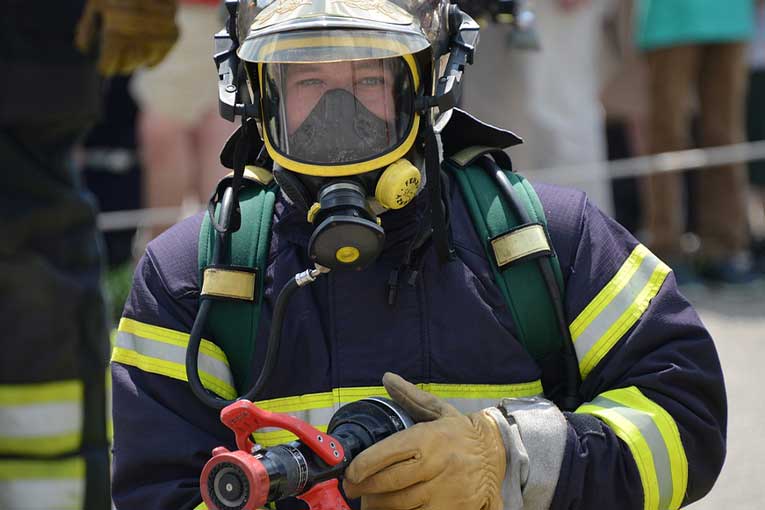
Fire Suit

fire suit firefighting equipment

Specially designed for the demanding challenges of firefighting, a fire suit is more than  a mere uniform – it’s a shield against extreme heat and flames. 

Crafted from fire-resistant materials, these suits envelop firefighters in a protective barrier during the most intense operations. 

With layers designed to withstand the harsh conditions of a fire, these suits are crucial in ensuring the safety and well-being of firefighters. 

The specialised construction of fire suits exemplifies the commitment to providing a robust defence against the hazards encountered in the line of duty, reinforcing the resilience of those who bravely confront the flames.

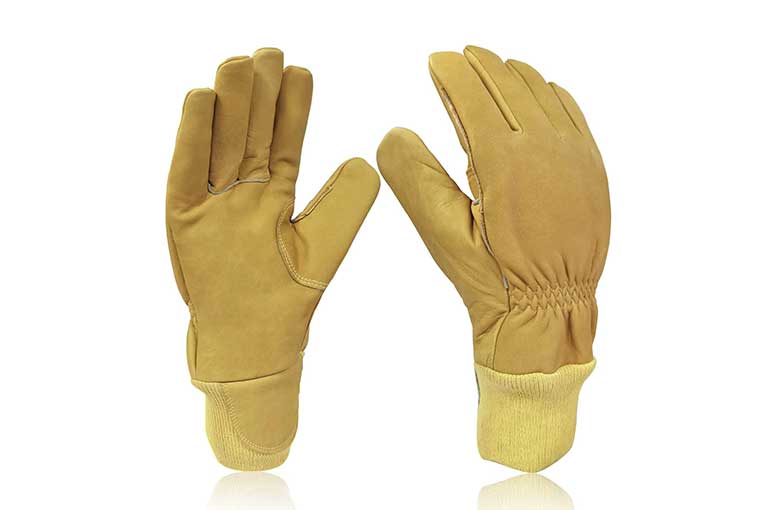
Firefighter Gloves

firefighting gloves firefighting equipment
Source: Amazon

These gloves are essential for firefighters, offering crucial hand protection in the dynamic and intense environments encountered during firefighting operations. 

Crafted from materials resistant to high temperatures, they enable firefighters to handle hot surfaces and materials with confidence. 

The specialised design of firefighter gloves prioritises both dexterity and protection, allowing firefighters to navigate challenging situations while safeguarding their hands from the formidable heat generated in the course of combating fires. 

Gas Tight Suit

gas tight suit firefighting equipment
Source: Wikipedia

Comprising a multi-layered construction, these suits act as an impermeable barrier, creating a formidable shield between the firefighter and potentially harmful substances. 

Their purpose extends beyond conventional firefighting gear, addressing the specific challenges posed by chemical fires and the release of dangerous gases. 

By providing an encapsulating defence, gas-tight suits empower firefighters to navigate complex and perilous environments, ensuring their safety while enabling effective response and mitigation in the face of chemical hazards.

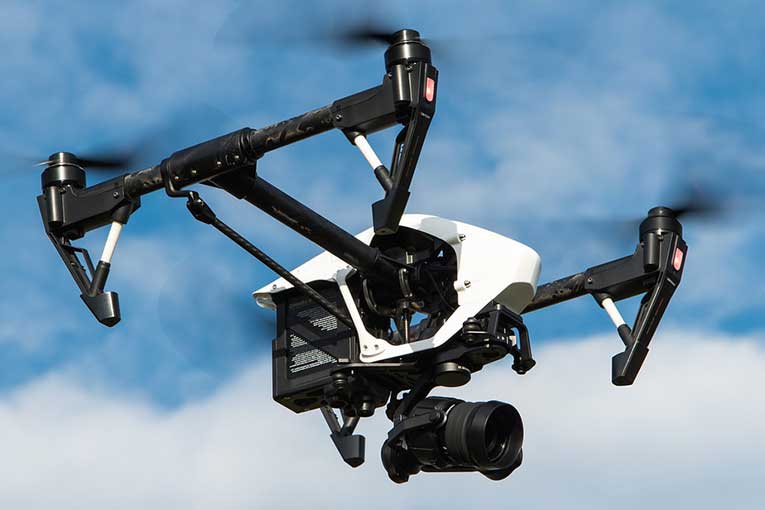
Drones

drones firefighting equipment

These unmanned aerial vehicles, equipped with advanced cameras, offer invaluable aerial views that significantly enhance fire assessment capabilities. 

Providing real-time situational awareness, drones become the eyes in the sky for firefighting teams. 

Their ability to swiftly survey large areas and capture critical information aids in strategizing and responding effectively to incidents. 

Drones not only contribute to the safety and efficiency of firefighting operations but also offer a technological edge, elevating the precision and speed with which responders can assess, plan, and execute strategies in the dynamic context of firefighting scenarios.

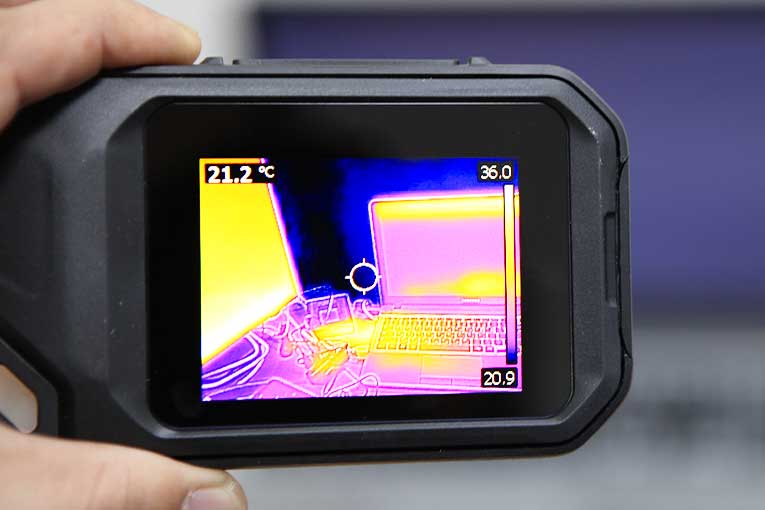
Thermal Imaging Camera

thermal camera firefighting equipment

Thermal imaging cameras aid in locating individuals trapped in smoke-filled environments and identifying hotspots that may not be visible to the naked eye. 

The invaluable data provided by thermal imaging cameras enhances the efficiency and safety of firefighting operations. 

By offering real-time insights into the intensity and distribution of heat, these devices empower firefighters with the ability to make informed decisions, optimise resource allocation, and execute targeted strategies for suppressing fires and conducting search and rescue operations.

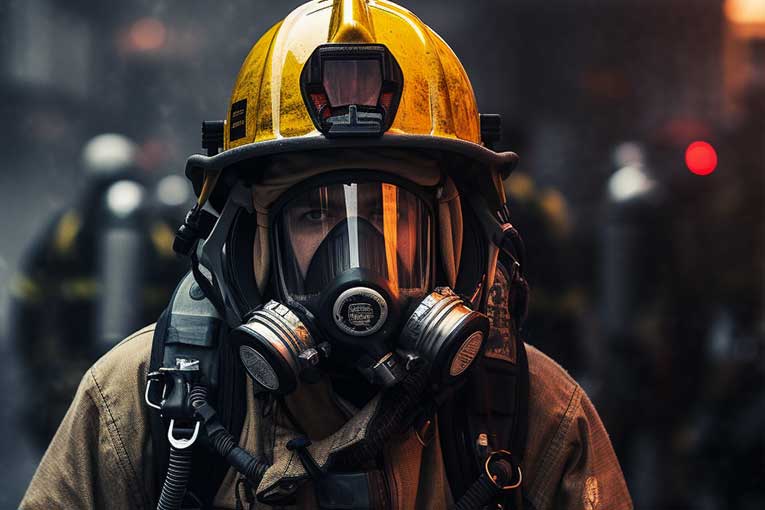
Breathing Apparatus

breathing apparatus firefighting equipment

In smoke filled environments, these devices play a crucial role in ensuring the safety of firefighters by providing a continuous supply of clean air. 

The reliability and functionality of these apparatuses exemplify their vital role in preserving the well-being of firefighters and ensuring their ability to execute effective firefighting and rescue operations in environments where clean air is a precious commodity.

Positive Pressure Ventilation Fan

positive pressure ventilation fans firefighting equipment
Source: Wikipedia

Positive pressure ventilation fans are devices designed to create airflow that effectively removes smoke and toxins from enclosed spaces. 

By generating a controlled and directed flow of air, these fans contribute significantly to improving visibility for firefighters within confined areas. 

Beyond enhancing visibility, the removal of smoke and toxins creates a safer working environment, allowing firefighters to operate more efficiently and with reduced exposure to hazardous substances. 

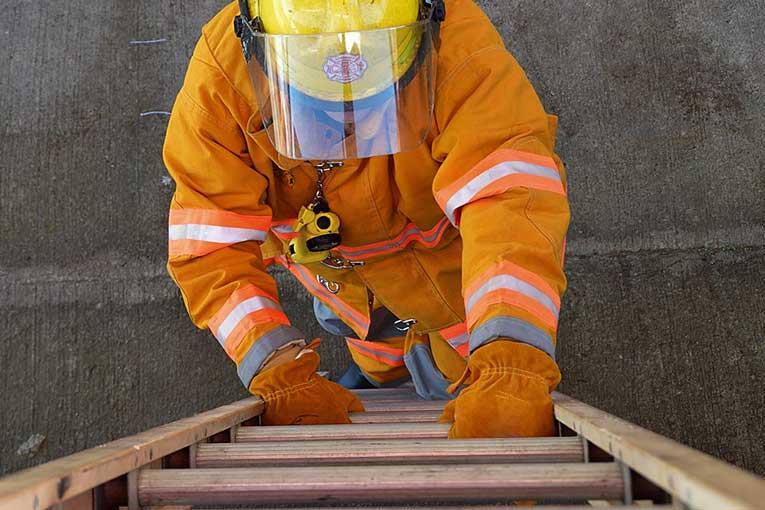
Ladders

ladders firefighting equipment

These versatile devices play a pivotal role in firefighting operations by enabling firefighters to access elevated areas, conduct rescues, and navigate challenging environments. 

Whether extending to reach upper floors of buildings or providing a stable platform for rescue operations, ladders enhance the agility and effectiveness of firefighting teams. 

Their portability and adaptability make them fundamental in addressing the diverse challenges posed by fires in varying structures and scenarios, contributing to the overall success and safety of firefighting operations.

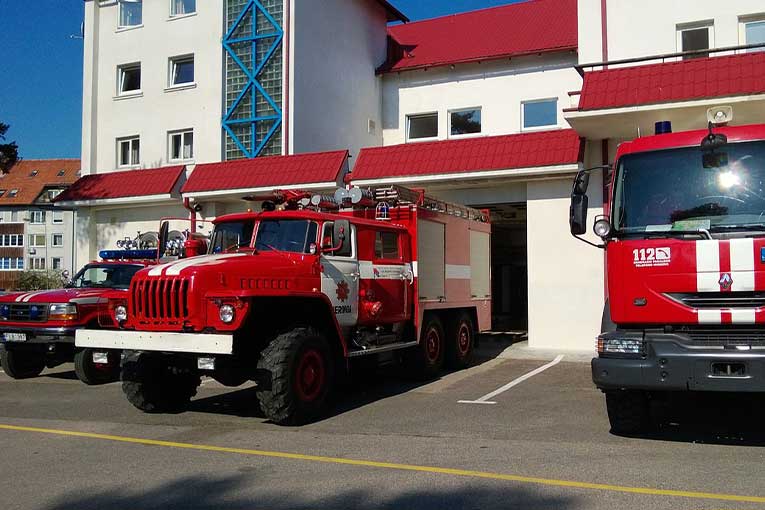
Fire Fighting Vehicle

vehicles firefighting equipment

These vehicles carry essential firefighting tools, water tanks, and hoses, ensuring a swift and effective response to fire emergencies. 

Beyond their mobility, the specialised equipment on these vehicles equips firefighters with the resources needed to combat fires of varying scales. 

Whether navigating through urban environments or remote locations, these vehicles enhance the reach and capabilities of firefighting teams, playing a vital role in the timely containment and suppression of fires to protect lives and property.

How is Firefighting Equipment Used?

The strategic use of equipment is paramount, requiring a careful assessment of each fire’s unique characteristics. 

Firefighters, equipped with a diverse array of tools, employ a systematic approach to address different scales and types of fires.

Fire extinguishers, compact and versatile, find their application in swiftly suppressing small fires. 

Firefighters select the appropriate extinguisher based on the fire’s nature and discharge the firefighting agent with precision, aiming at the fire’s base. 

For larger incidents, fire hoses connected to water sources become instrumental. 

The hoses allow firefighters to direct water effectively, reaching inaccessible areas, while sprinklers automatically release water upon detecting excessive heat, contributing to fire containment.

Protective gear, including fire suits and gloves, plays a pivotal role in ensuring firefighters’ safety as they confront flames. 

These specialised garments shield against extreme heat, providing a critical barrier between the firefighter and the hazardous environment.

Cutting-edge technology, such as drones equipped with cameras and thermal imaging devices, offers invaluable insights. 

Drones provide aerial views, enhancing situational awareness for better decision-making, while thermal imaging cameras aid in locating individuals and identifying hotspots within a fire.

The use of firefighting equipment is not only reliant on the tools themselves but also on the skill, training, and coordination of firefighting teams. 

Firefighters undergo rigorous training to understand the capabilities and limitations of each tool, ensuring a synchronised and effective response to diverse fire scenarios. 

The strategic and well-coordinated utilisation of firefighting equipment remains a cornerstone in the battle against the unpredictable and destructive force of fires.

What Other Equipment Helps with Firefighting?

Some firefighting equipment is not directly used to directly put out fires, but it used to improve the safety and efficiency of firefighters.

Fire Sprinklers

fire sprinklers firefighting equipment
Source: Wikipedia

Installed in buildings, fire sprinklers are automatic devices that release water when detecting excessive heat. 

They play a crucial role in suppressing fire outbreaks and limiting damage in enclosed spaces. 

Strategically positioned, their rapid response significantly contributes to controlling fires, preventing their escalation, and protecting lives and property within structures.

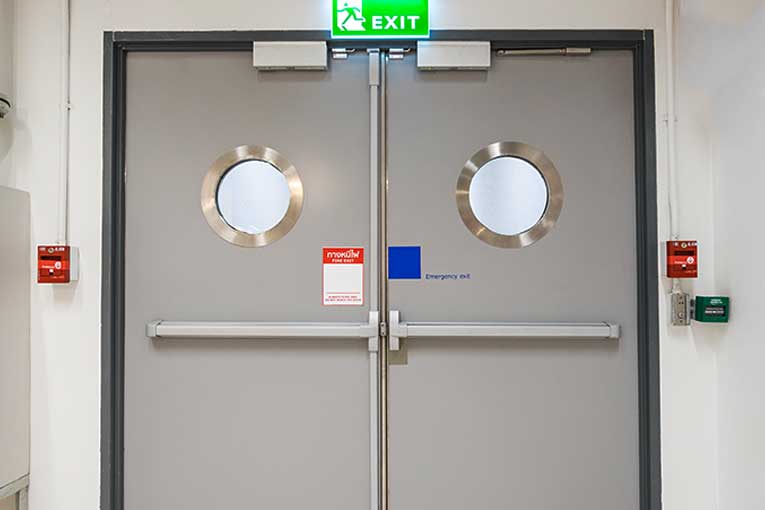
Fire Doors

Specialised fire doors are meticulously designed to resist fire and smoke, acting as effective barriers to limit their spread within a building. 

These doors are critical components of passive fire protection systems, providing crucial time for evacuation and minimising the potential for fire extension.

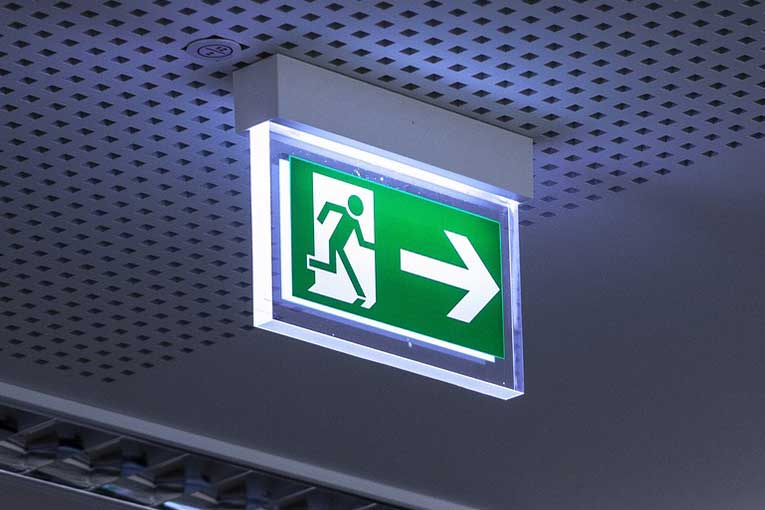
Emergency Signs

emergency signs firefighting supporting equipment

Clearly marked emergency lighting and signs are indispensable in ensuring swift and safe evacuation. 

These signs delineate evacuation routes and indicate the locations of firefighting equipment, guiding occupants to safety during fire emergencies.

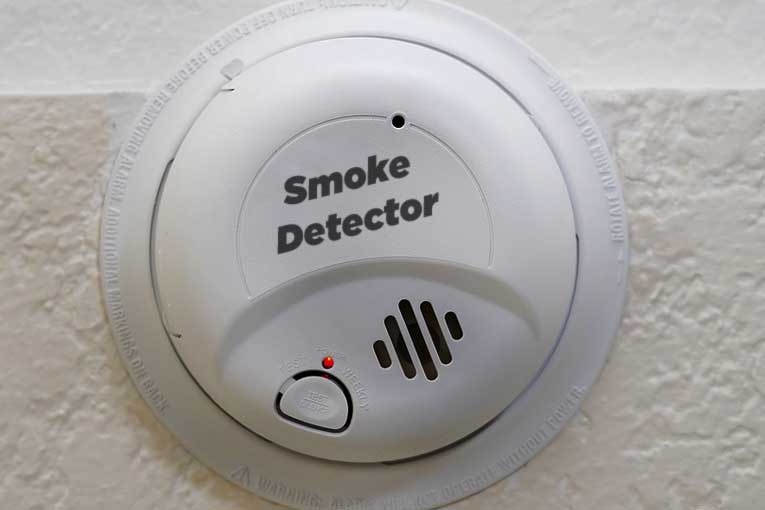
Smoke Alarms

There is 4 different smoke detector types

Essential components of early warning systems, smoke detectors are devices that promptly detect smoke, alerting occupants to potential fire hazards. 

Their rapid detection capability is pivotal in providing early warnings, allowing for timely response and evacuation.

The different types of smoke alarms ensure people can react quickly  to different types of fires.

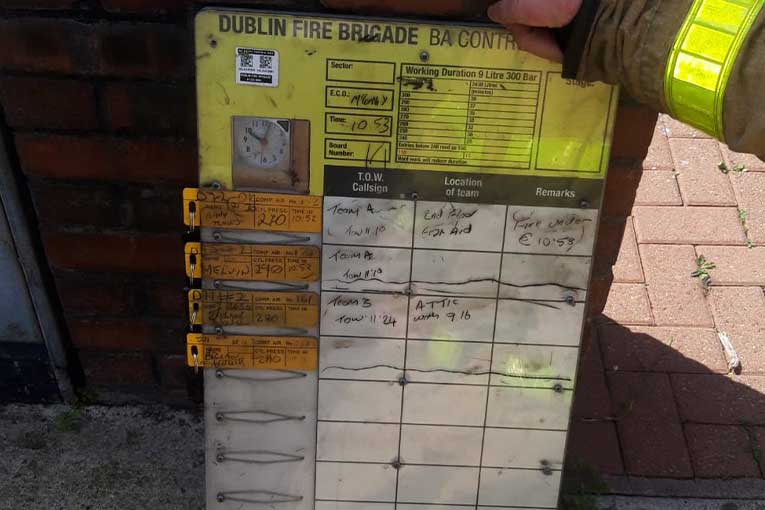
BA Entry Board

The Breathing Apparatus (BA) Entry Board serves as a control hub during breathing apparatus operations. 

It manages the entry and exit procedures of firefighters equipped with breathing apparatus, ensuring systematic and safe operations in environments with compromised air quality.

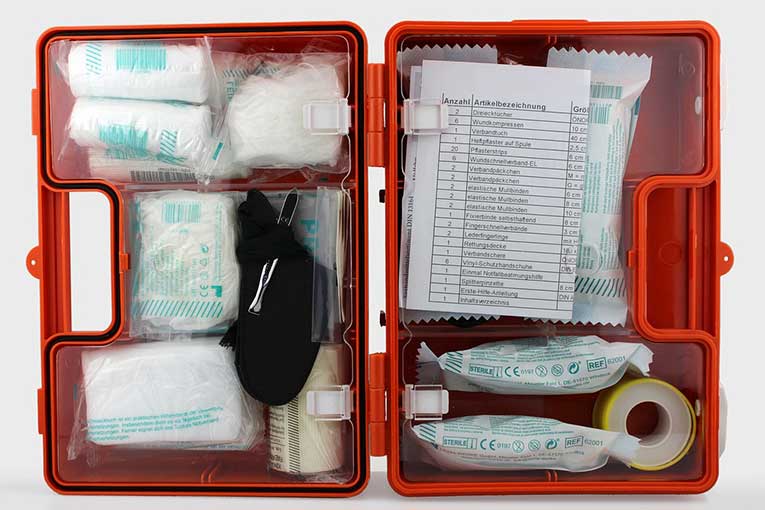
First Aid Kit

first aid kit firefighting supporting equipment

Containing medical supplies, first aid kits address injuries sustained during firefighting or rescue operations. 

They provide essential support until more extensive medical assistance is available.

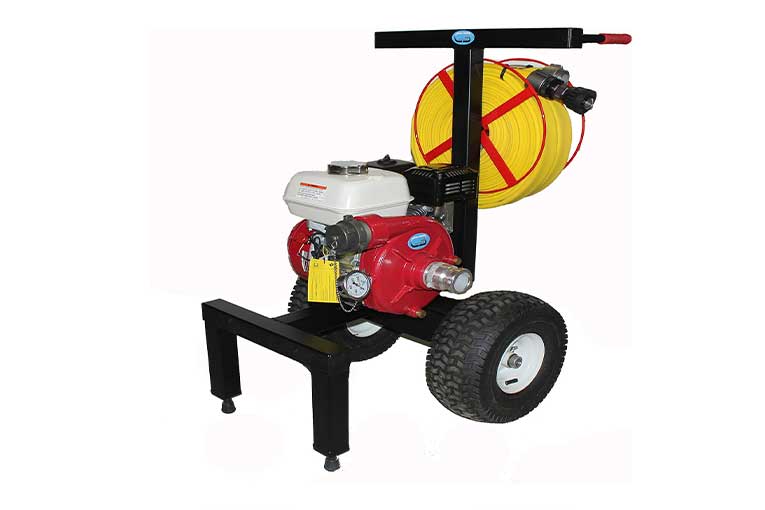
Light Portable Pump

light portable pump firefighting equipment
Source: Amazon

Compact and portable, light pumps are indispensable for transporting water to areas inaccessible to larger firefighting vehicles. 

These pumps enhance operational flexibility, providing firefighting teams with the ability to establish water supply points in diverse environments.

Cutters

cutters firefighting equipment
Source: Wikipedia

Cutting through materials obstructing access or rescuing individuals, cutters are versatile tools used by firefighters. 

They play a crucial role in extrication operations, enabling swift and precise interventions in situations where immediate access is essential.

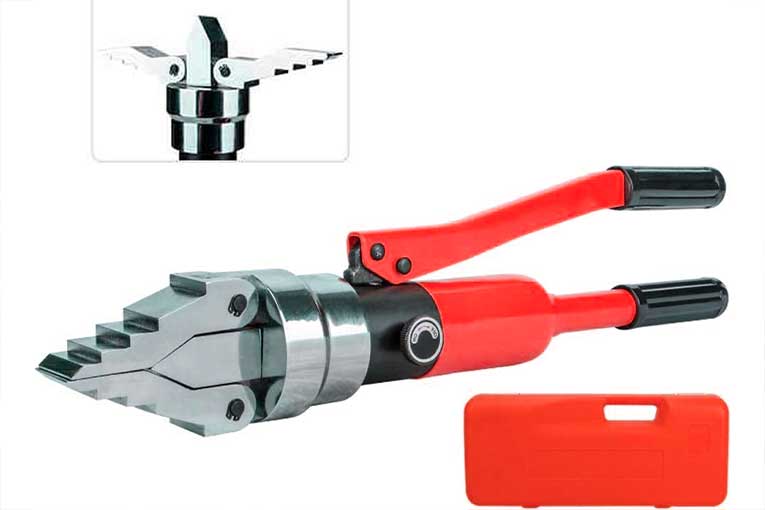
Spreaders

spreaders firefighting equipment
Source: Amazon

Hydraulic spreaders are powerful devices used to pry open objects or create openings in rescue situations. 

These tools are instrumental in providing access to trapped individuals, facilitating efficient rescue operations.

Rams

rams firefighting equipment
Source: Wikipedia

Hydraulic rams are tools designed to force open doors or create pathways during rescue operations. 

Their robust construction and power make them essential for situations where conventional access methods are insufficient.

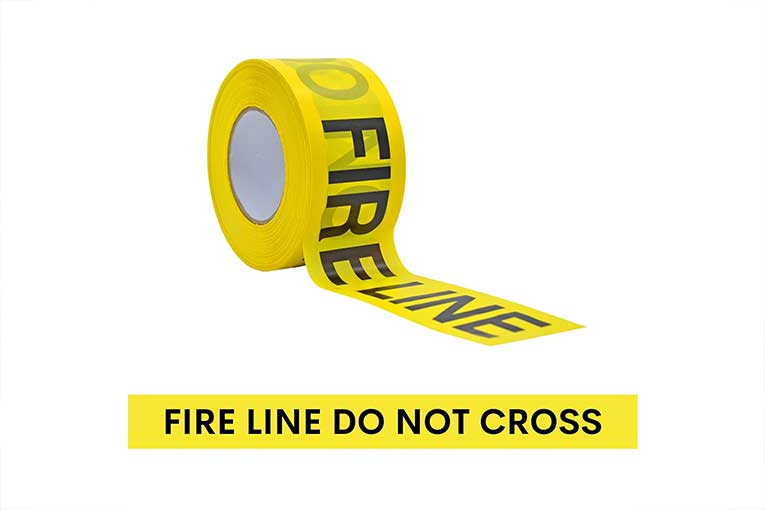
Do Not Cross Tape

do not cross tape firefighting equipment
Source: Amazon

Visible tape with the clear directive “Do Not Cross” is utilised to cordon off unsafe areas and control access to the fire scene. 

This tape ensures the safety of both emergency responders and the public by preventing unauthorised entry into potentially hazardous zones.

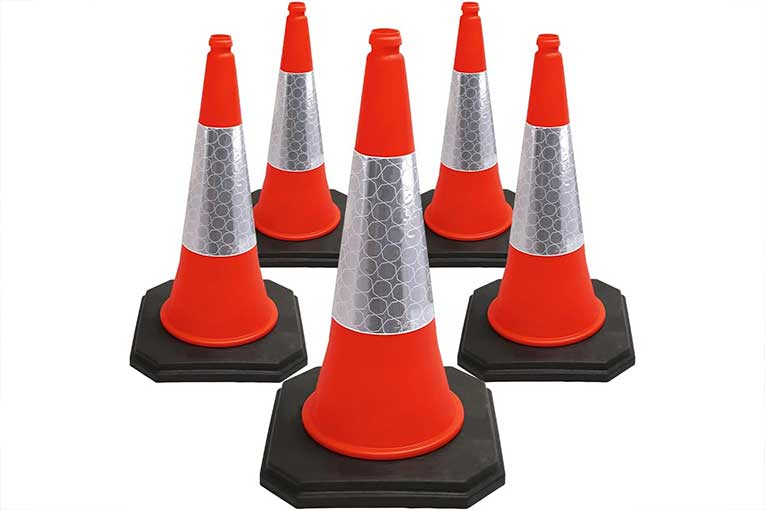
Traffic Cones

traffic cones firefighting equipment
Source: Amazon

Deployed to manage traffic and create clear pathways for emergency vehicles, traffic cones are essential in ensuring unimpeded access for firefighting teams. 

These cones play a crucial role in maintaining order and facilitating the rapid movement of emergency vehicles to and from the incident scene.

What Does the Future Hold for Firefighting Equipment?

The future of firefighting equipment holds exciting possibilities, driven by advancements in technology, materials, and design. 

One prominent trend is the integration of smart technologies, such as artificial intelligence and the Internet of Things, into firefighting gear. 

This includes wearable sensors and augmented reality visors that provide real-time data to firefighters, enhancing situational awareness and decision-making. 

Innovations in materials science are shaping the development of more lightweight yet durable protective gear, addressing comfort and mobility concerns for firefighters. 

Nanotechnology may lead to advanced flame-resistant fabrics, ensuring greater protection against extreme temperatures. 

Additionally, the use of robotics in firefighting, ranging from autonomous vehicles to robotic firefighting assistants, is on the horizon.

As climate change intensifies, firefighting equipment is likely to evolve to cope with more frequent and severe wildfires. 

This may involve the development of specialised tools for wildfires and improved strategies for early detection and prevention. 

The collaborative efforts of researchers, engineers, and firefighters promise a future where technology plays a pivotal role in enhancing the safety, efficiency, and effectiveness of firefighting operations, ultimately better equipping first responders to address evolving challenges.

Conclusion

The array of equipment at a firefighter’s disposal is vast and diverse. 

From traditional tools that have stood the test of time to cutting-edge technology ensuring efficiency and safety, each item plays a crucial role in combating fires and protecting lives. 

The continuous evolution of firefighting equipment reflects a commitment to enhancing the capabilities of those who bravely confront the unpredictable nature of fires. 

As technology advances, so does our ability to respond effectively to fire emergencies, ensuring a safer and more resilient future for communities worldwide.

What are the 6 Classes of Fire?

Contrary to certain assumptions, not every fire is the same.

Indeed, there are different types of fire, each with varying hazards.

As a result, it’s prudent to be aware of the different classes of fires to avoid using the wrong type of fire extinguisher if an incident were to occur.

There are six classes of fire, as we explore further hereunder.

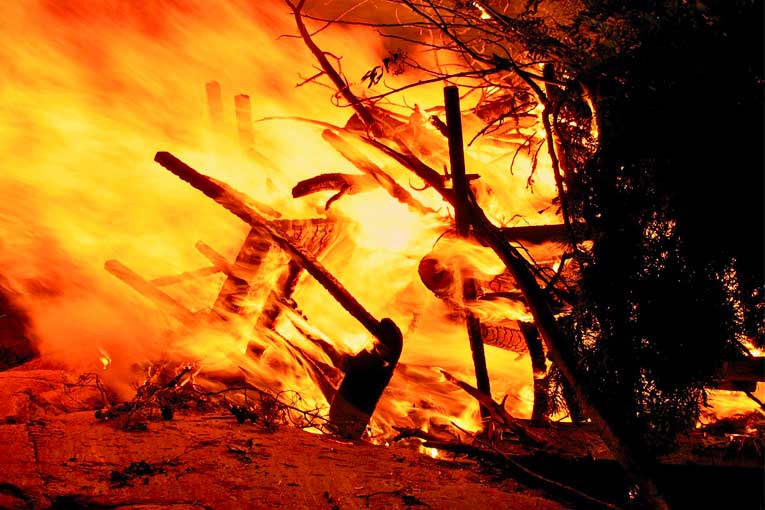
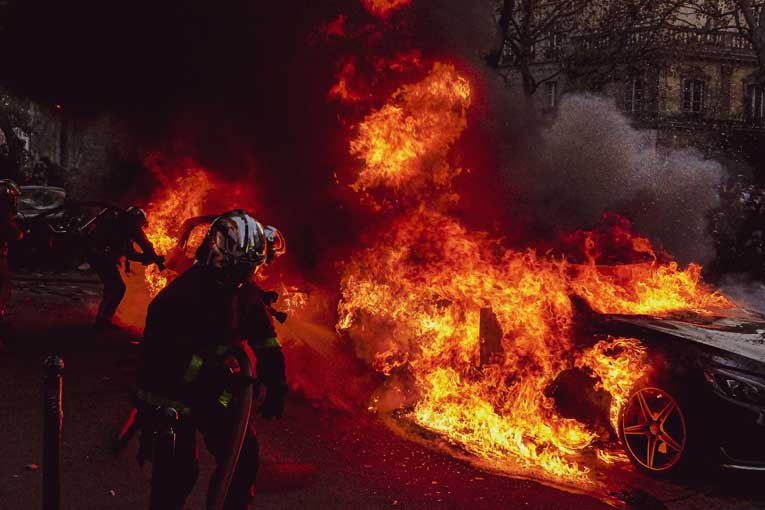
Class A: Combustible Materials

Class A Fire
Class A Fire combustible material. Image credit: Pixabay

Class A fires are those which involve solid combustibles.

It could be anything from furniture to fixtures and fittings, paper, cardboard, or even the structure of a building.

If any type of solid material is burning, it’s said to be a Class A fire.

It’s one of the most common types of fires, as well as one which is relatively hard to extinguish.

How to Extinguish Class A Fires

In order to put out a Class A fire, you should ideally use water and foam extinguishers.

Water is the most common type of fire extinguisher as it can handle most fires that involve solids.

However it’s critical to bear in mind that since water is a conductor, it should not be used near any electrical equipment.

One may also use power and wet chemical fire extinguishers for a Class A fire, however the former are more suited.

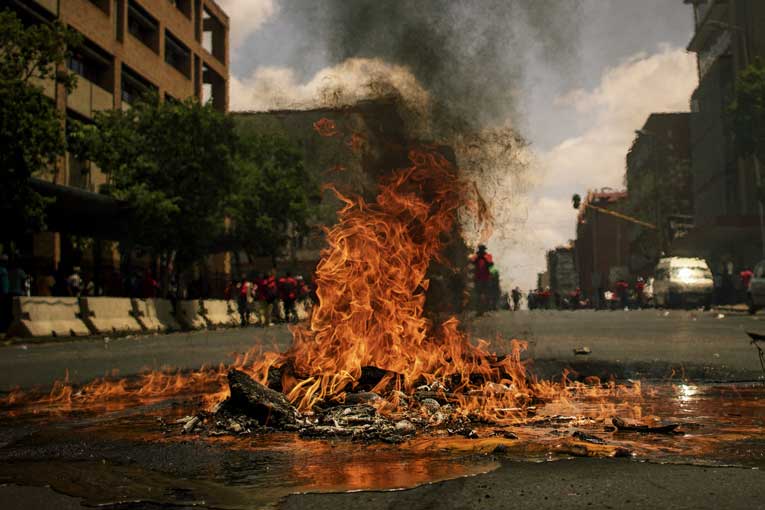
Class B: Flammable Liquids

Class B Fire
Class B Fire combustible material. Image credit: Unsplash

Class B fires are those which involve liquid combustibles.

Unfortunately there’s all kinds of liquids as well as chemicals used in buildings, warehouses and workplaces, and a high number of them are flammable or explosive.

Some examples include paints, adhesives, inks, fuels and solvents.

As a result, many Class B fires tend to occur in workplaces and they can be extremely dangerous. 

It’s imperative to be aware of the types of flammable liquids that are present or used, and ideally carry out a COSHH assessment.

Such assessments are legally required when there are hazardous substances.

Safe storage of such substances is critical, and they should be placed as far away as possible from any sources of ignition.

They should also be stored in suitable containers and be clearly labeled. 

How to Extinguish Class B Fires

Class B fires should be put out by means of foam or powder extinguishers.

These are the best types of extinguishers in the case of such fires, but CO2 extinguishers can also be used even though they have limited suitability.

Class C: Flammable Gasses

Class C Fire
Class C Fire combustible material. Image credit: Unsplash

Natural gas and LPG are examples of flammable gasses.

Fires involving such gasses are classified as Class C fires.

It’s crucial to keep gasses in sealed containers in a storage area which is safe.

How to Extinguish Class C Fires

In the case of a Class C fire, it’s first of paramount importance to shut off the gas supply. 

Then, one should use a dry powder fire extinguisher to put out the fire.

Class D: Metals

Class D Fire
Class D Fire combustible material. Image credit: Pexels

Some types of metal, like sodium for example, are combustible.

Metals help fires to spread as they are good conductors.

And since metals will soften up and start melting when exposed to high temperatures, metal joists and columns could lead to a building to collapse when there’s a fire.

How to Extinguish Class D Fires

First of all, it’s important to point out that water can act as an accelerant on fires involving metals.

Hence it’s crucial to avoid using a common water extinguisher if you’re dealing with a Class D fire.

It’s recommended to use dry powder extinguishers in such cases.

In the case of a small fire, one can also use sand or dry earth to smother it.

Class E: Electrical

Class E Fire
Class E Fires are started by electrical faults. Image source: Shutterstock

Electrical fires are not assigned a full class since they can fall into different classifications. 

Hence Class E is not strictly a class as electricity is essentially a source of ignition.

How to Extinguish Class E Fires

In the case of electrical fires, it’s crucial not to use any water.

The best type of fire extinguisher to use on such a fire is the CO2 extinguisher.

One may also use dry powder extinguishers which may still be effective in the case of low voltage.

If possible, always turn off the power supply when tackling such a fire.

Class F: Cooking Oil & Fats

Class F Fire
Class F Fire combustible material. Image source: Shutterstock

When cooking oil, deep fat frying and spills of flammable oils are close to heat sources a Class F fire can arise.

This is a fire which is common in commercial kitchens, but it can also occur in residential homes

It’s important to avoid leaving any frying equipment unattended while it’s being used.

Class F fires are quite hard to extinguish due to the heat from the oil.

Also, should the wrong type of extinguisher be used, it can lead to the fire spreading easily.

How to Extinguish Class F Fires

Class F fires should be put out using wet chemical  extinguishers.

This is the only type of extinguisher that is approved for use on cooking oils and fats. 

A fire blanket can be effective if the fire is small.

Different Types of Fire Extinguishers

Wall Mounted Fire Extinguishers
Wall Mounted Fire Extinguishers. Image credit: Pexels

By now you should have a better understanding of the different classes of fires that require certain fire extinguishers to be extinguished.

The following is a complete list of the various fire extinguishers that exist.

Water (Class A)

A water based fire extinguisher is used when there are Class A fires involving combustible materials.

Most premises are required to have this type of fire extinguisher and hence you will typically find it in offices, hospitals and schools.

Foam (Class A & B)

In the case of a Class A or B fire, a foam fire extinguisher is recommended.

This type of extinguisher will perform a cooling function, thereby smothering the burning materials.

The foam will then help to prevent the fire from reigniting.

This type of extinguisher should never be used when there is an electrical source or a kitchen fire. 

Powder (Class A, B, C & E)

Dry powder fire extinguishers are very versatile and suitable for different classes of fires, including those involving combustible materials, flammable liquids and gasses.

In fact they are sometimes referred to as ABC extinguishers. 

A powder extinguisher will smother the fire by producing a thick barrier which will stop the fuel from being exposed to oxygen.

Such an extinguisher should not be used in confined spaces since the powder can be inhaled. 

It also leaves a residue which is quite difficult to clean up.

These types of extinguishers are often found in commercial workspaces, especially those where welding is involved, and boiler rooms.

CO2 (Class B & E)

A CO2 extinguisher contains carbon dioxide.
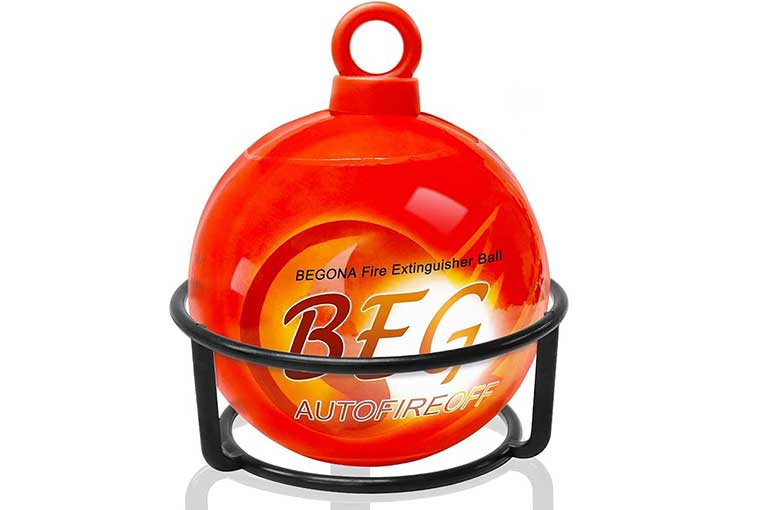
It suffocates the fire as it transfers the oxygen which would otherwise be used for burning. 

This type of extinguisher is suitable for Class B and E fires, that is those involving flammable liquids or electrical fires.

L2 (Class D)

L2 Dry powder fire extinguishers are ideal for Class D fires, that is those involving metals.

Wet Chemical (Class A & F)

Wet chemical fire extinguishers are to be used in the case of Class F fires where cooking oils and fats are present.

They can also be used for Class A fires.

They are thus a must have in commercial kitchens and canteens.

This fire extinguisher will create a layer of foam on the oil or fat that is burning, and so no more oxygen can reach the fire, thereby extinguishing it.

MultiCHEM (Class A, B & F)

MultiCHEM fire extinguishers are ABF-rated.

They are ideal for fires involving flammable liquids, even in cases when there are large quantities of fuel, or a large surface area.

It’s also suitable for deep fat fryer fires

Water Mist (Class A & F)

Water mist extinguishers are suitable for Class A and F fires, and so they are commonly found in various settings.

They work by producing a mist, which cools down the fire and also cuts off the oxygen supply.

Conclusion 

A basic understanding of different classes of fires and the most suitable fire suppression to be used is important for fire safety.

We hope that now you have a clearer understanding of the various classes of fires and which fire extinguisher/s to invest in to be well prepared in case a fire broke out.

EU service centre launched by Blackline Safety

Blackline Safety Corp has announced the launch of its first European Union (EU)-based service centre.
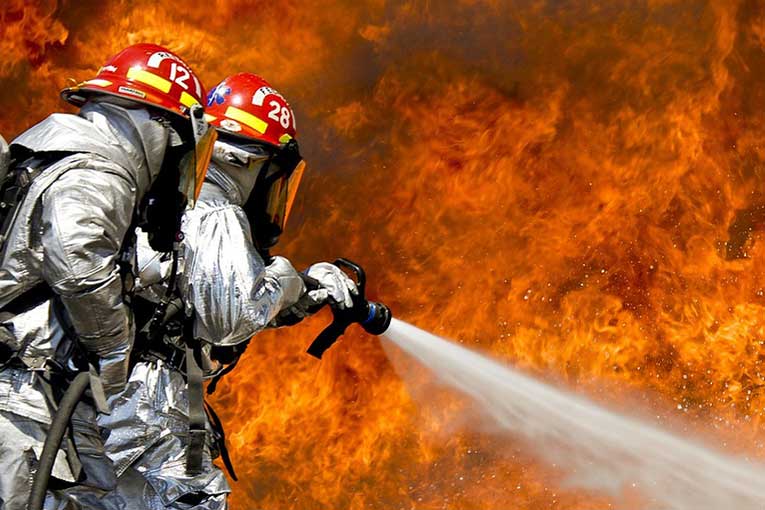
Following 118% revenue growth over the last two years in Europe for Blackline, the service centre is designed to meet heightened customer demand across the region.
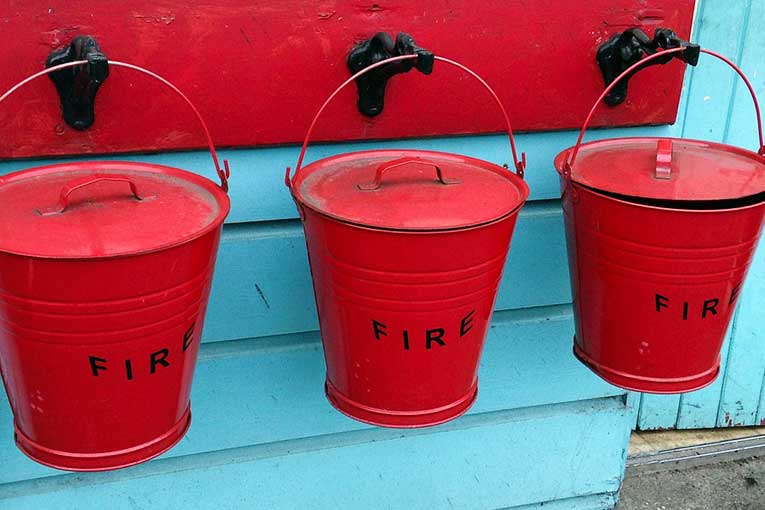
The facility occupies a dedicated area within Blackline’s French site, strategically located in the industrial heart of north-eastern France near Lille, and is staffed by an established in-house team of technical and product specialists. Blackline will provide local customer service and offer rentals for Europe out of the centre.

Simon Rich, Sales Director, Blackline Safety Europe, said: “With an expanding customer base across Europe, Blackline recognises the need for dedicated regional support in the EU.

“Our connected safety wearables and area gas monitors offer a high degree of configurability for a variety of job functions and situations, as well as over-the-air firmware updates which can significantly reduce downtime, and the cost and complexity of fleet management. The ability to offer hands-on service and device maintenance on the continent should the need for service or repair arise, is key to keeping those devices out in the field where they belong, for the maximum possible time.”

The launch coincides with successful quality and environmental audits of Blackline Safety Europe’s existing ISO 9001 Quality Management and ISO 14001 Environmental Management standards in both its flagship facility in Colchester, United Kingdom and French office.

The new service centre will also support Blackline Safety’s rental offering in Europe, starting in late spring. Already established in North America, Blackline offers rental options for its complete portfolio of connected personal gas detectors, area monitors, lone worker wearables and accessories – all of which include Blackline Live online reporting and analytics software.

Understanding the unpredictability of work and importance of staying on budget, Blackline’s rental programme is designed to offer users full flexibility, taking a consultative approach to ensure a well-planned and customised safety solution that provides maximum protection for every project.

Nigerian fire service calls out lack of water hydrants

The Federal Fire Service of Nigeria has called out the absence of water hydrants which were previously positioned to assist officials of the fire service in fighting fire during outbreaks.

The Service said in the past the water hydrants that were positioned around towns came in handy when they ran out of water.

Raising this concern at a safety sensitization drive, the Zonal Controller, Zone F, South West, Assistant Controller General of Fire, Chike Njoku said most of the water hydrants were removed during road construction and were not replaced.

He said: “We use to have water hydrants but today those hydrants are not there again. Before the reconstruction of these roads, we have hydrants; there was even one here at Yaba.

“In the past when you are moving along the streets you will see hydrants but now they are no longer there. As they are reconstructing the roads, those hydrants are blocked; making it difficult for us to get water during a fire outbreak.”

Njoku also noted that as part of efforts to ensure the reduction of fire incidents during the last four months of the year as the harmattan approaches, the fire service is embarking on the sensitisation drive to enlighten citizens on what to do and avoid during this period.

He said: The major causes of fire incidents are human error, carelessness, and the way to prevent it is for us to adhere to fire prevention information. To prevent fire outbreaks, he said people should avoid overloading our electrical gadgets, as well as prevent children from playing with matches.

“We should avoid storing inflammable materials in our houses or offices; we should endeavour to call the fire service on time when there is an outbreak of fire.

“If you call the fire service on time, they will be able to come and extinguish the fire, if there is rescue to be carried out, they will be able to do it on time. So when we observe the fire safety tips, we will be able to at least minimize the impact of fire.

“We are complaining to the appropriate quarters. Even now, for you to get water, the domestic water in your place, you know that it is difficult. And this water comes from the public place.”